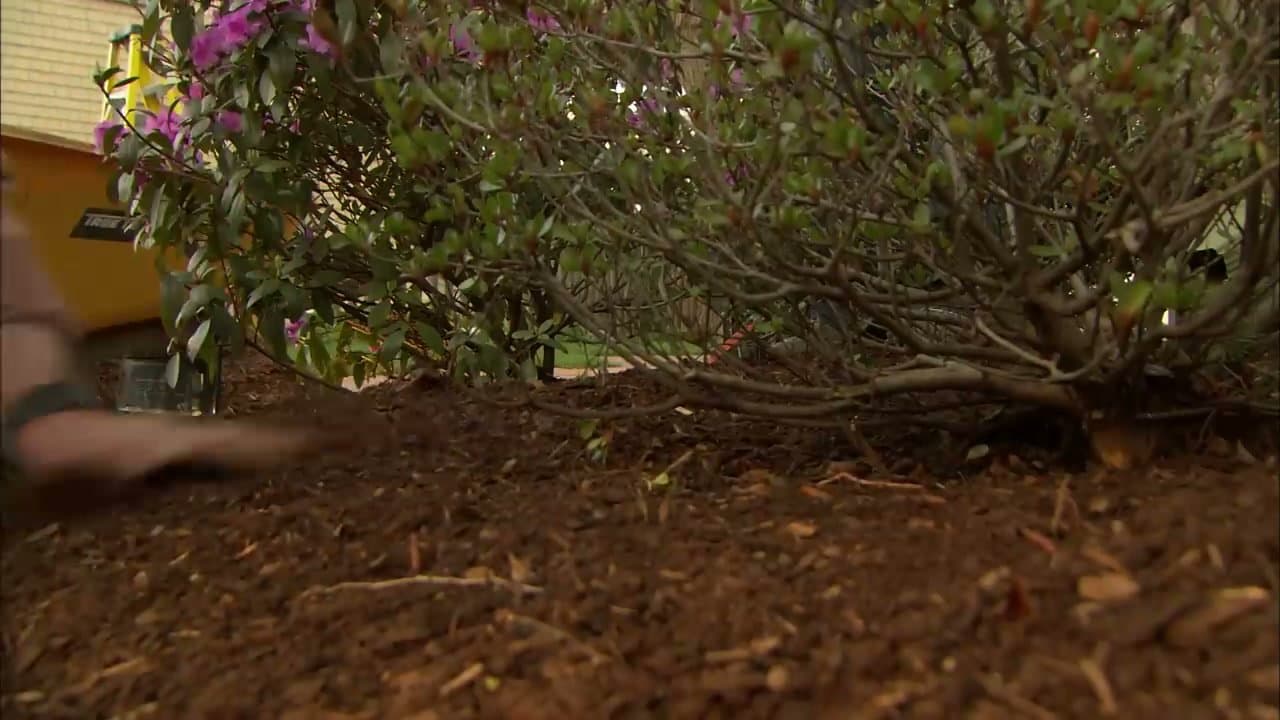
How to Mulch a Flower Bed

GardeningEasy8:136 steps

By ShowMeStepByStepPublished Updated

Based on a video by This Old House.

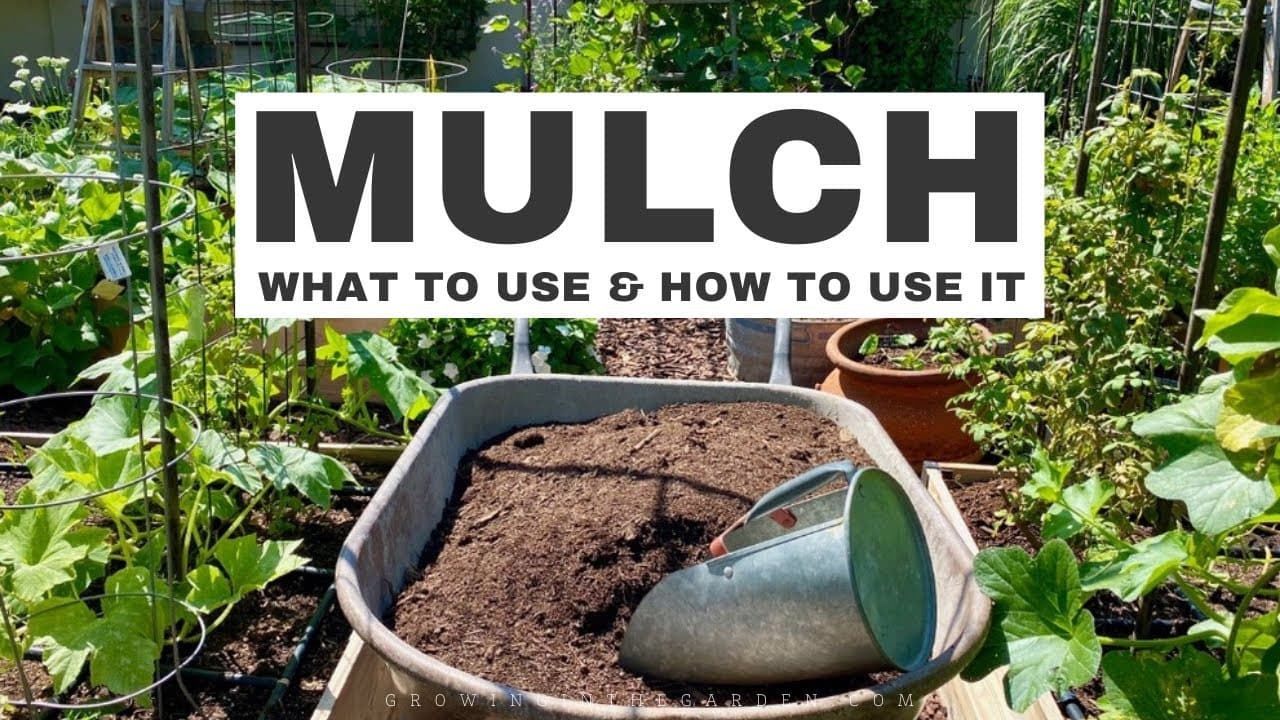
Most homeowners pile too much mulch on too often, and the wrong way - up against tree trunks, jammed against grass, three or four inches deep. The result is dead trunks, rotten roots, and grass creeping into the bed.

Roger Cook of This Old House walks through the right way. The key insight: 1-2 inches of fresh mulch is plenty, and you have to strip out the old before adding new. Otherwise you keep building up depth year after year and choking the plants.

You'll need a half-moon edger, a rake, a hand cultivator, an ensilage fork (10-tine), a wheelbarrow, and 1-2 cubic yards of mulch per typical bed. Plan a half day for a full bed.

Step-by-Step Guide

1

Step 1: Cut a clean edge along the bed

1:00
Step 1: Step 1: Cut a clean edge along the bed

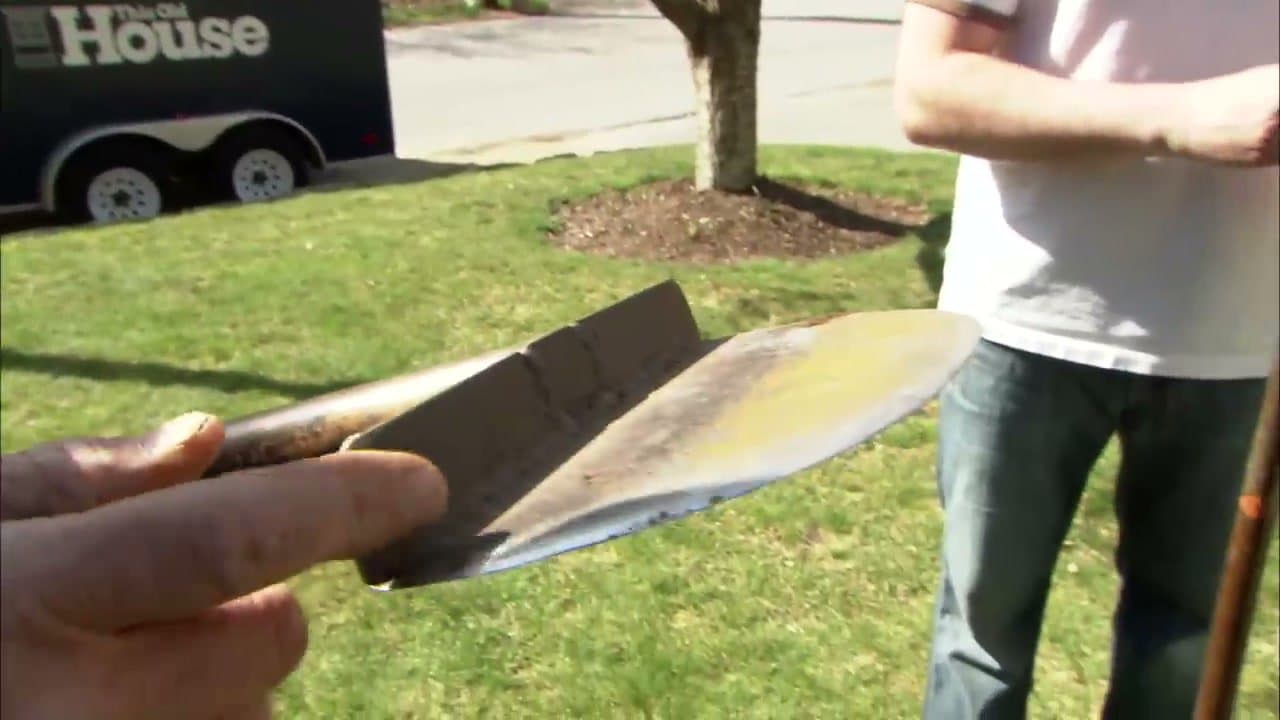
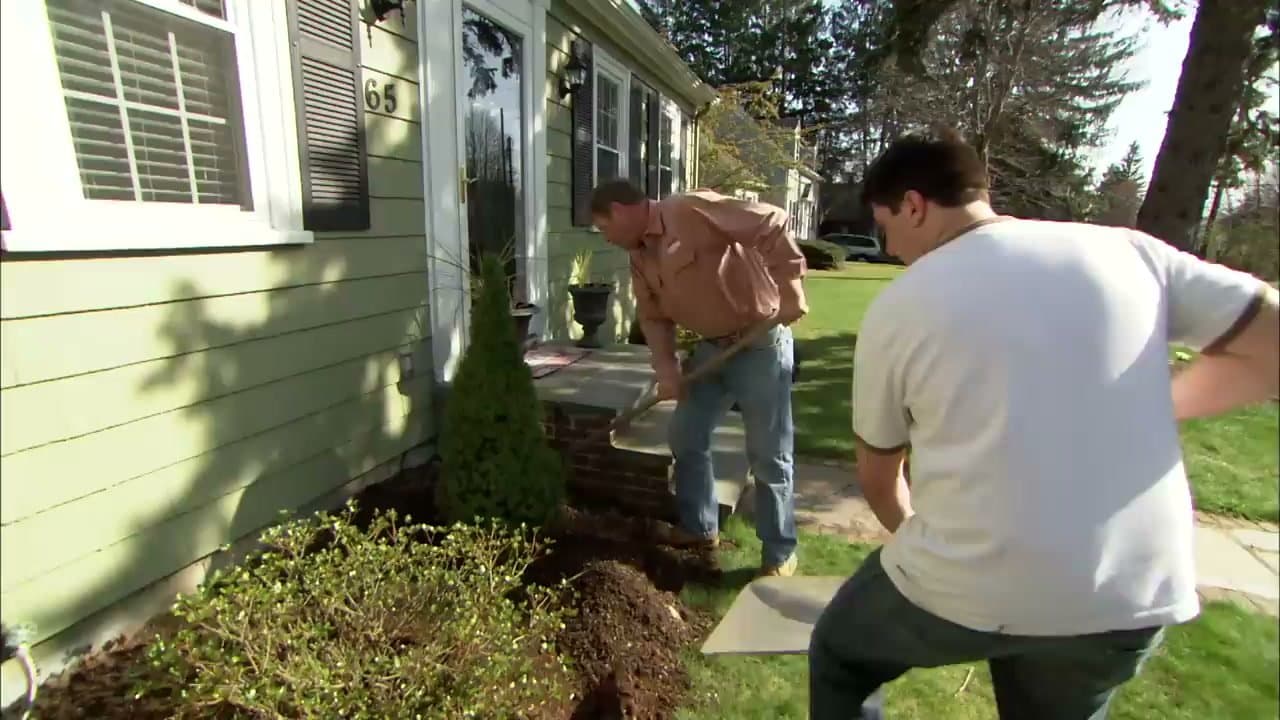
Use a half-moon edger to cut a fresh edge between the bed and the lawn. Line the blade up where you want the edge, stomp on the foot pad to drive it into the soil, then pull back and lift out the strip of soil and grass.

Work all the way around the bed. The edge defines the bed and stops grass from creeping in over the season.

Tip

An edger with a steel handle is worth the extra money - the wood-handled cheap ones snap when you torque them in clay soil.
2

Step 2: Strip out the old excess mulch

2:25
Step 2: Step 2: Strip out the old excess mulch

Use a stiff rake to pull old mulch out of the bed and into a wheelbarrow. Around the plants themselves, switch to a hand cultivator so you don't rip up roots.

You're looking for the brown topsoil layer to start showing. Any grass clumps or random soil that got mixed into the mulch over the year - get rid of it. Dump the old mulch into a compost pile - it'll break down further over the next season.

Tip

If old mulch is dumped on a wheelbarrow tarp instead of dropped on the lawn, you save the grass underneath. Lawn dies fast under a 6-inch pile of mulch.

3

Step 3: Clear mulch volcanoes from tree trunks

3:35
Step 3: Step 3: Clear mulch volcanoes from tree trunks

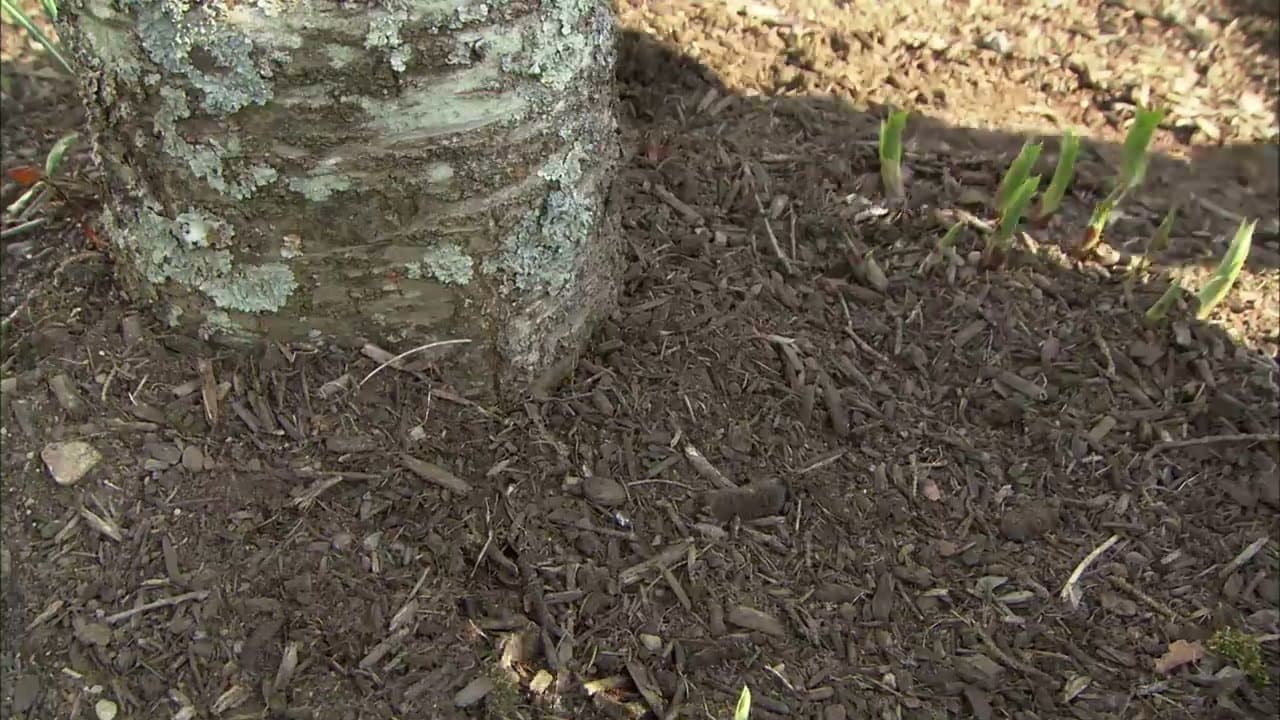
Look at any tree in your bed. If mulch is piled up against the bark like a volcano, that's a problem. Excess mulch suffocates the tree's primary roots, and secondary roots grow into the mulch and can wrap around (girdle) the trunk - eventually strangling the tree.

Use a hand cultivator to dig out the mulch around the trunk. Expose the root flare (where the trunk widens at the base). If you find any roots that have grown sideways and started circling the trunk, snip them out with old hand pruners.

Tip

The root flare should always be visible. If you can't see it, you have too much mulch (or soil) piled up.

4

Step 4: Use an ensilage fork to move new mulch

5:25
Step 4: Step 4: Use an ensilage fork to move new mulch

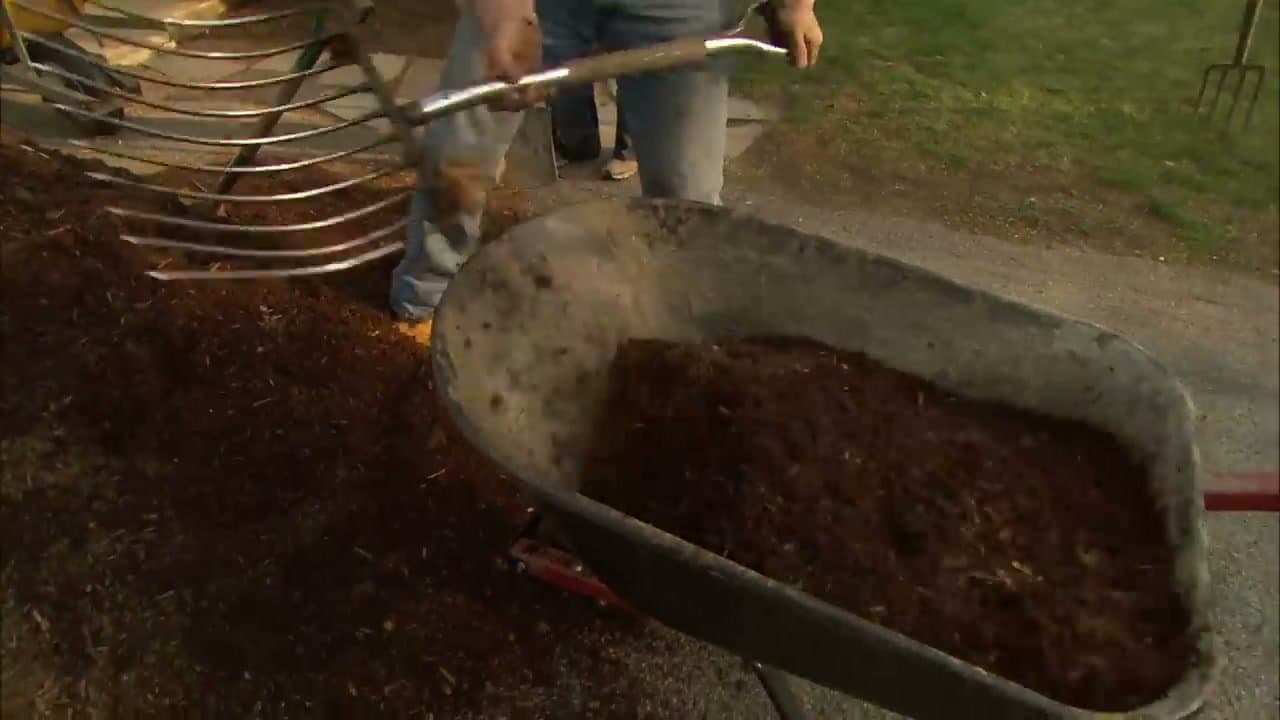
Skip the pointed shovel - it barely scoops anything. The right tool is an ensilage fork: a 10-tine pointed fork farmers use to move manure. Four scoops fill a wheelbarrow.

Park the wheelbarrow near the bed. Don't dump it in - pour it onto a tarp on the driveway or hardscape so you can scoop in controlled amounts.

Tip

If you're getting mulch delivered, ask for it dumped on the driveway, not the lawn. Saves the grass.

5

Step 5: Place small piles, then rake them out

6:25
Step 5: Step 5: Place small piles, then rake them out

Don't dump big piles in the bed. Set the mulch down in small piles spaced around the bed, then use a rake to pull the piles out flat.

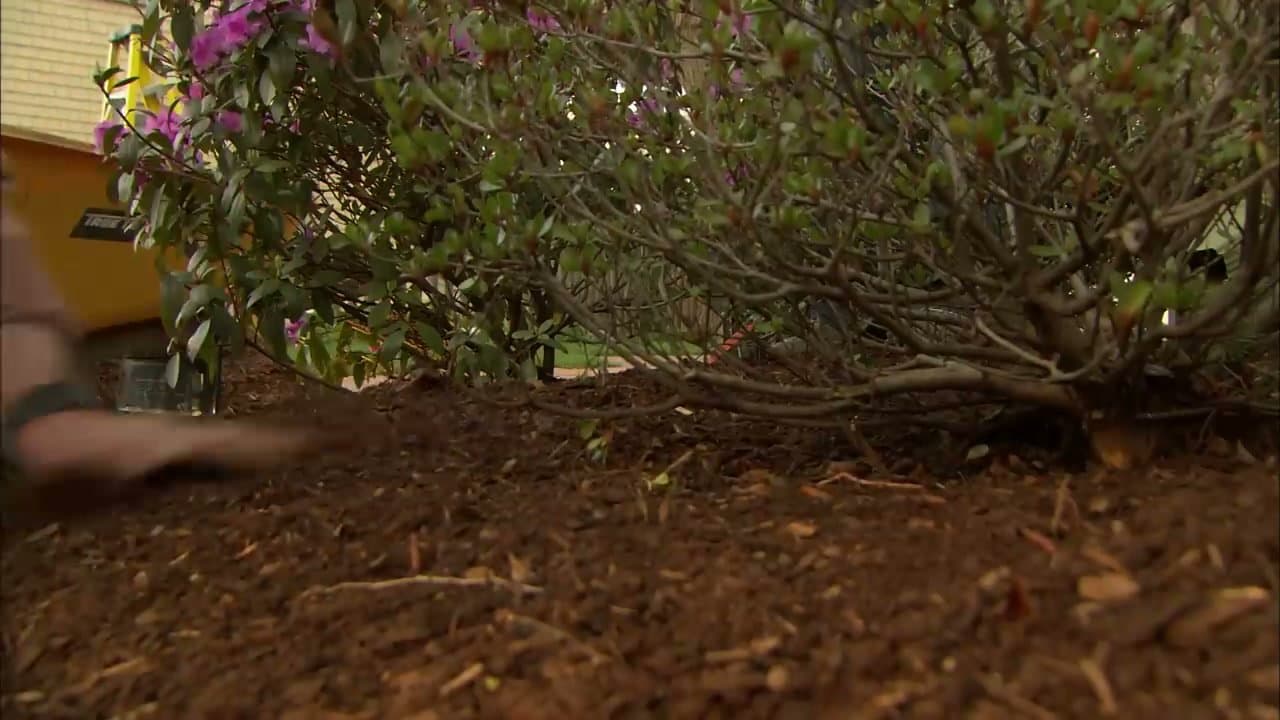
Around plants, bring the mulch out to the drip line (the edge of the leaves) but not jammed against the stems. Use a hand cultivator or your hand for the close work.

Tip

Don't crush the fresh edge you cut in step 1. Keep mulch a thumb's width inside the cut line.

6

Step 6: Keep mulch 1-2 inches deep, away from trunks and edges

7:10
Step 6: Step 6: Keep mulch 1-2 inches deep, away from trunks and edges

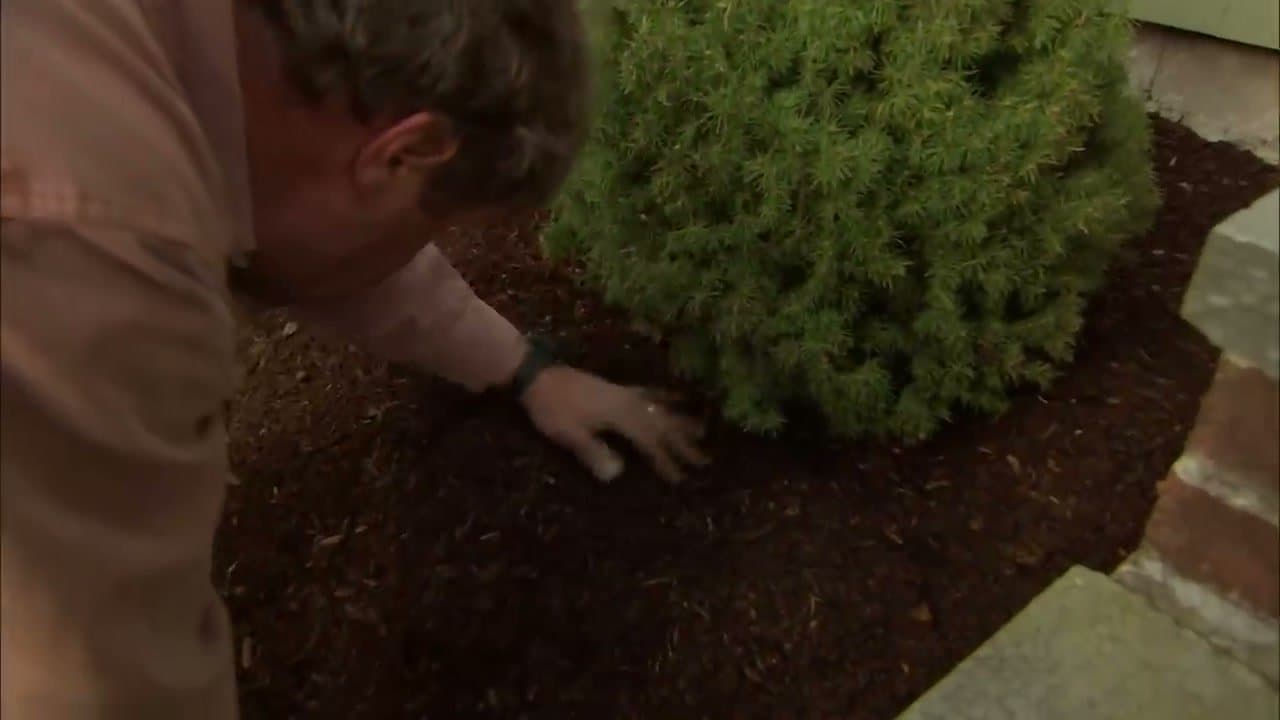
Spread the mulch to a maximum of 1-2 inches deep across the bed. Thicker isn't better - it suffocates the soil and traps moisture against plants.

Stop the mulch a few inches short of any tree trunks. Keep it below the level of the surrounding grass at the edge so a string trimmer can run cleanly along the line. Your bed should look defined, plants should look uncovered, and the trees should breathe.

Tip

If you're not sure how thick is too thick, sink a finger straight down into the mulch. If it goes more than your second knuckle before hitting soil, rake some back out.

Products Used

Your Guide

This Old House

As an Amazon Associate we earn from qualifying purchases. Links on this page may be affiliate links - clicking them and buying doesn't change your price, but helps support ShowMeStepByStep.

Tags

Related Tutorials