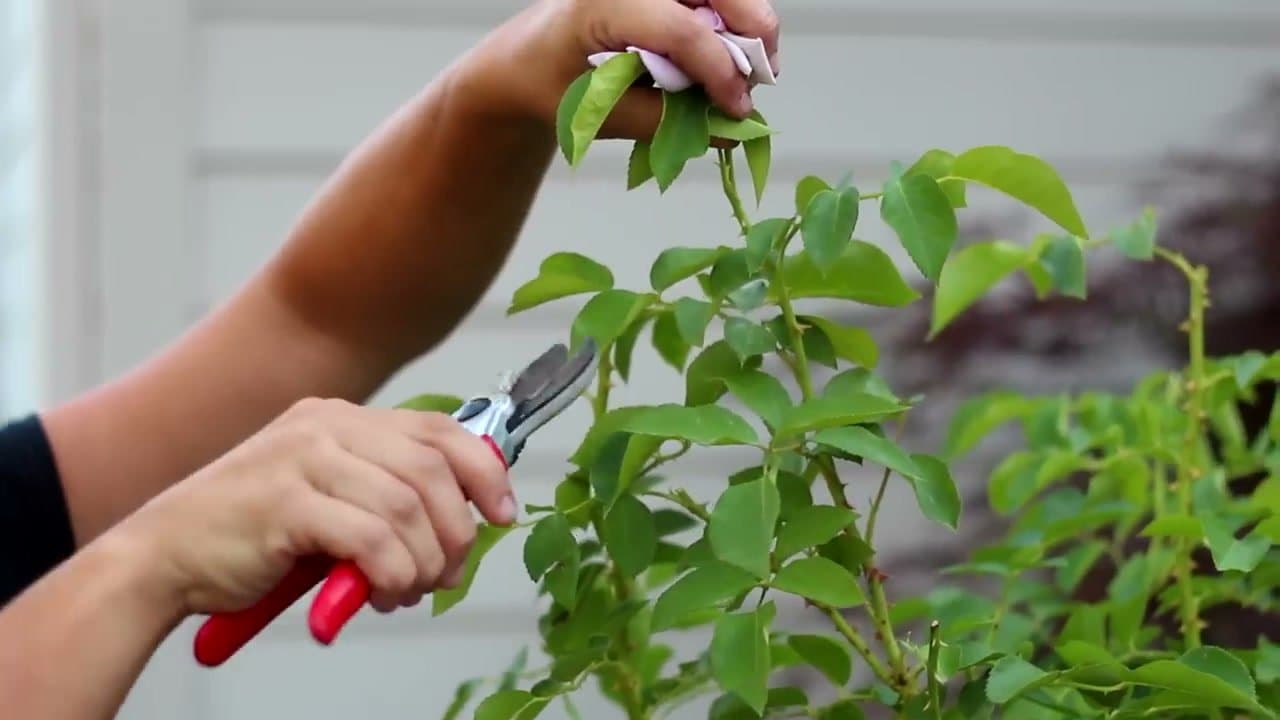
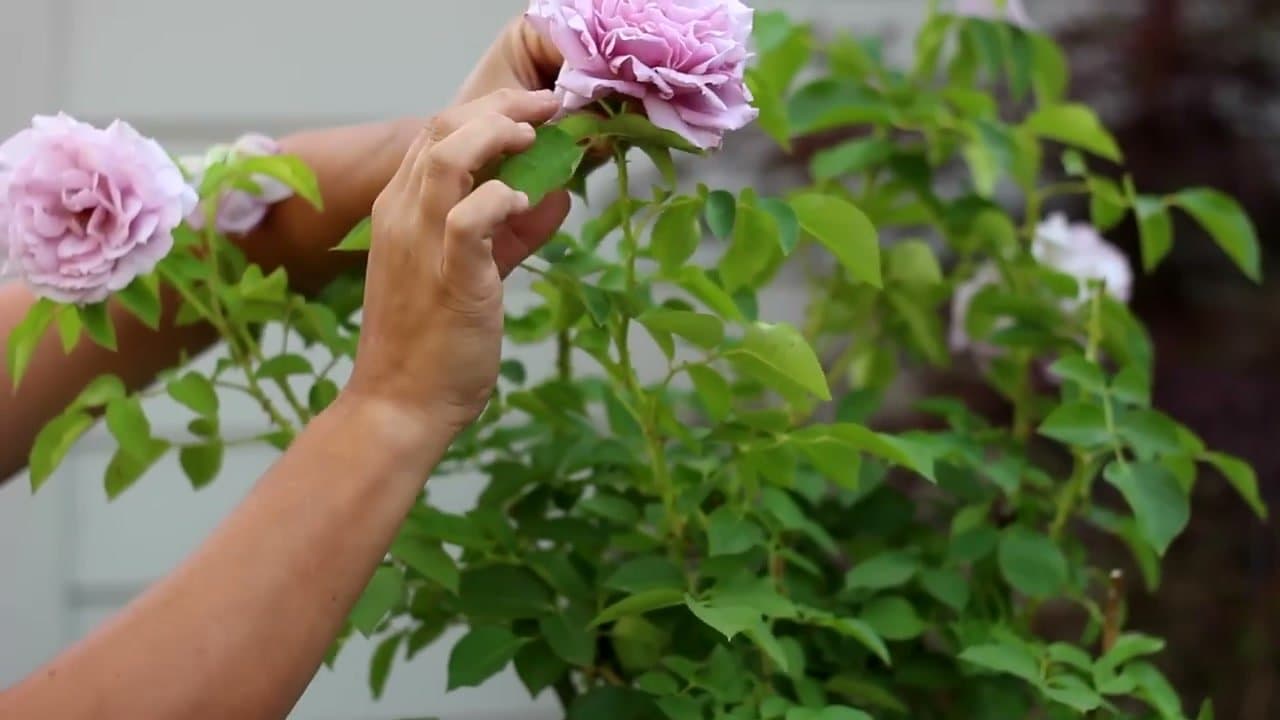
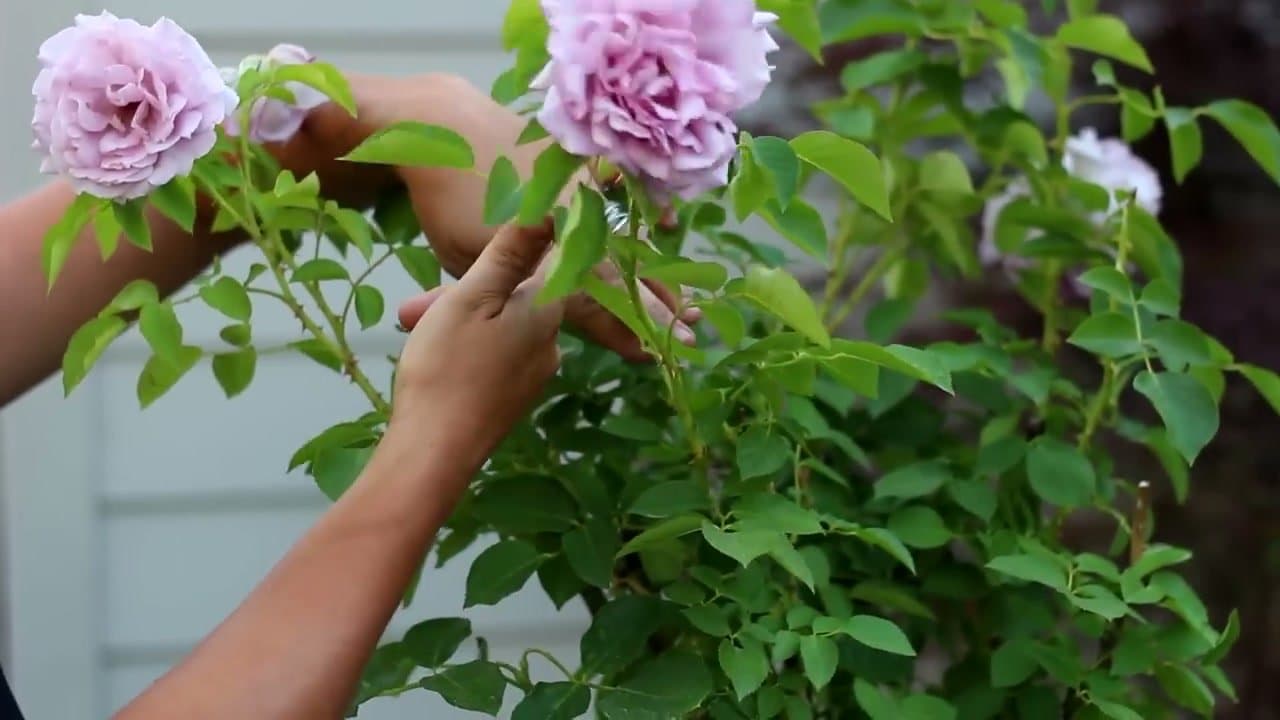
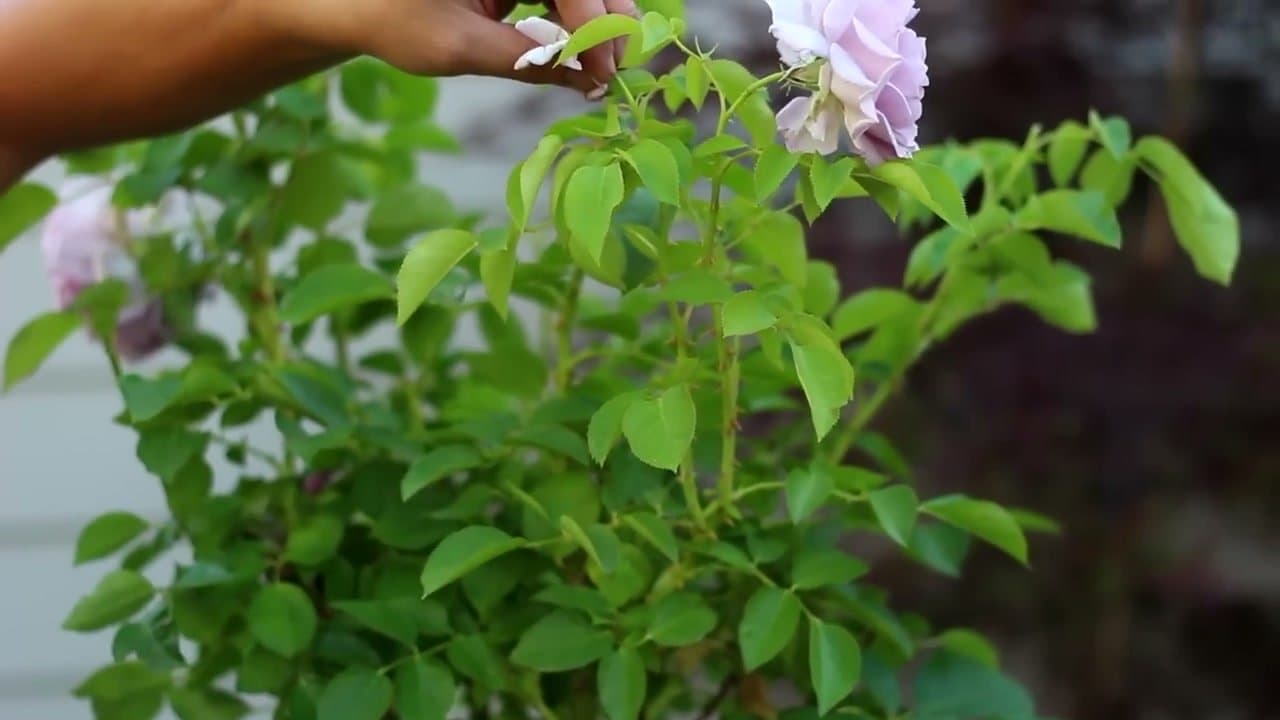
If you don't deadhead your roses, the plant pours its energy into making seed pods (rose hips) instead of new flowers. Deadheading - cutting off the spent blooms in the right spot - tells the plant to keep producing flowers all season.
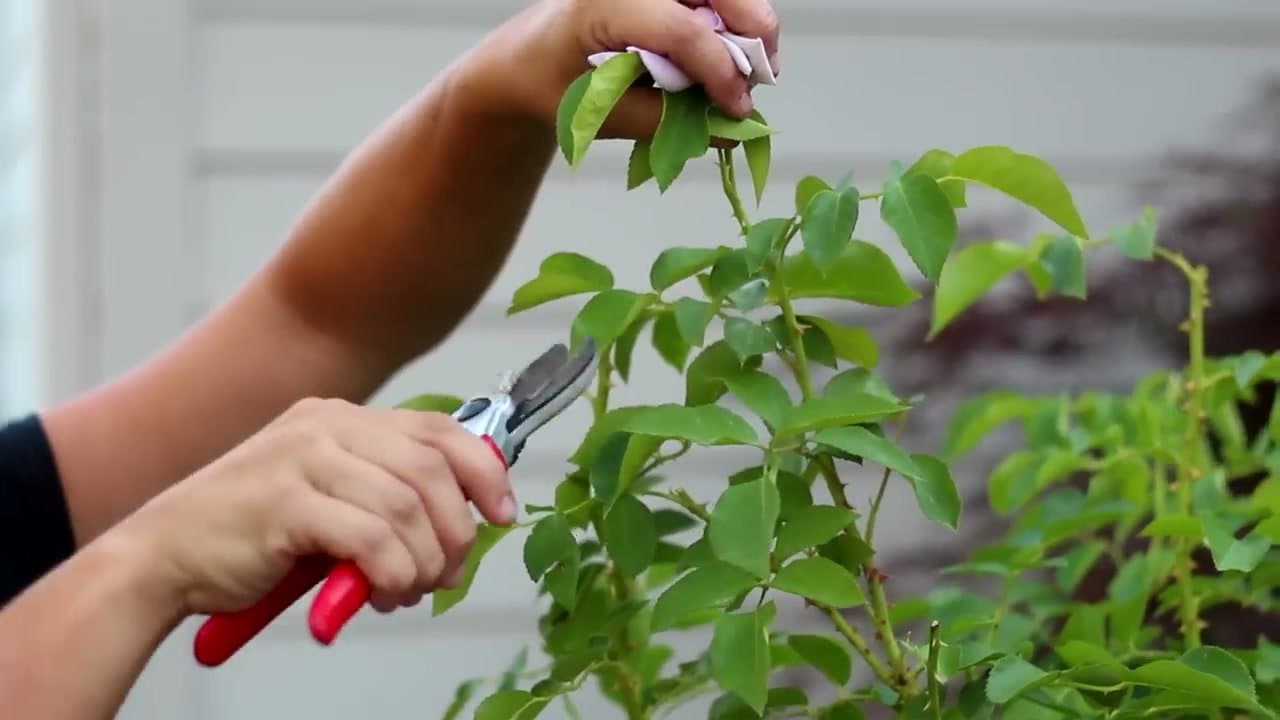
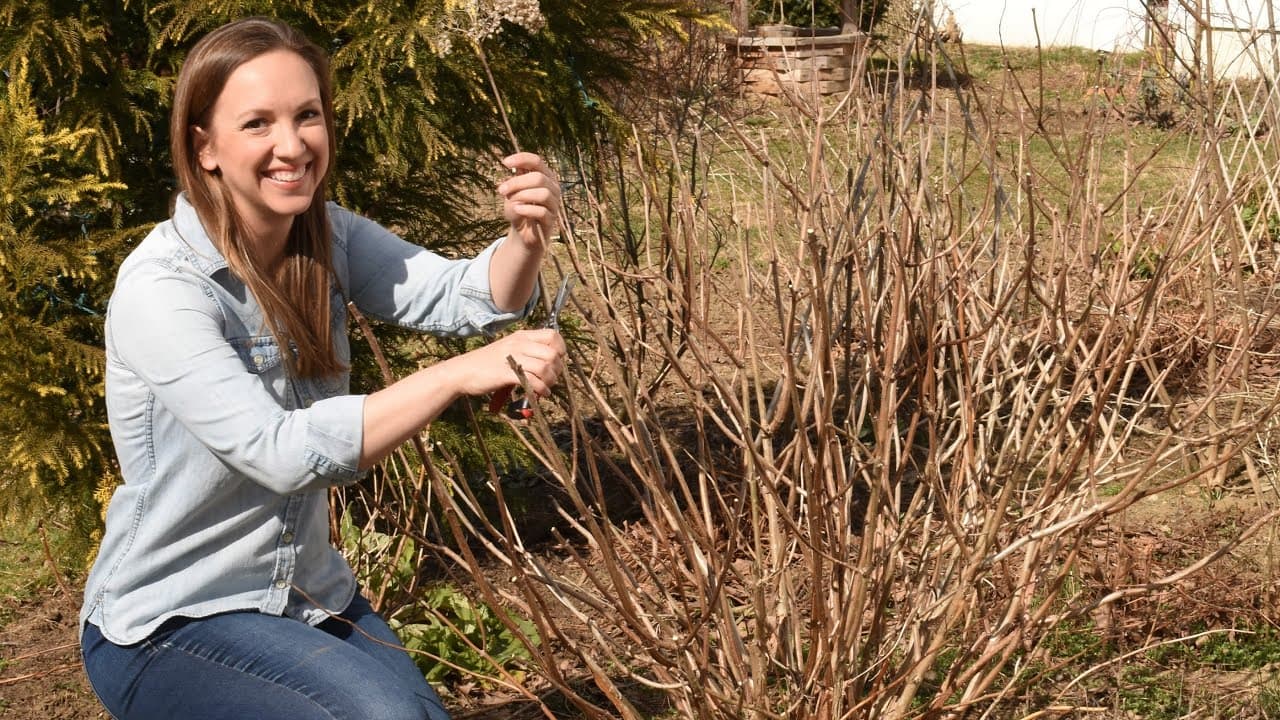
Garden Answer's Laura walks through the technique that works for almost every rose variety: floribundas, hybrid teas, grandifloras, David Austins. Find the right leaf cluster, make sure it points outward, and cut at a 45-degree angle. The rose responds with another flush of blooms in 2-3 weeks.
You'll need a clean pair of bypass pruners and 5 minutes per bush. That's it.
Common questions
Where exactly do I cut when deadheading a rose?
About a quarter inch above the first outward-facing five-leaf cluster, at a 45-degree angle sloping away from the bud. Cutting above an outward-facing cluster steers the new growth out and keeps the center of the plant open.
Why a five-leaf cluster and not the three-leaf one near the bloom?
The three-leaf clusters closest to the flower rarely have a strong enough bud to push a new bloom. The first true five-leaflet cluster down the stem is where the rose has the energy to rebloom.
Does deadheading actually make roses bloom more?
On repeat-blooming varieties, yes. Removing spent flowers stops the plant from spending energy on seed hips and redirects it into fresh buds, so you get more flowers faster through the season.