How to Prune Roses - 7 Common Rules Explained

GardeningEasy13:597 steps

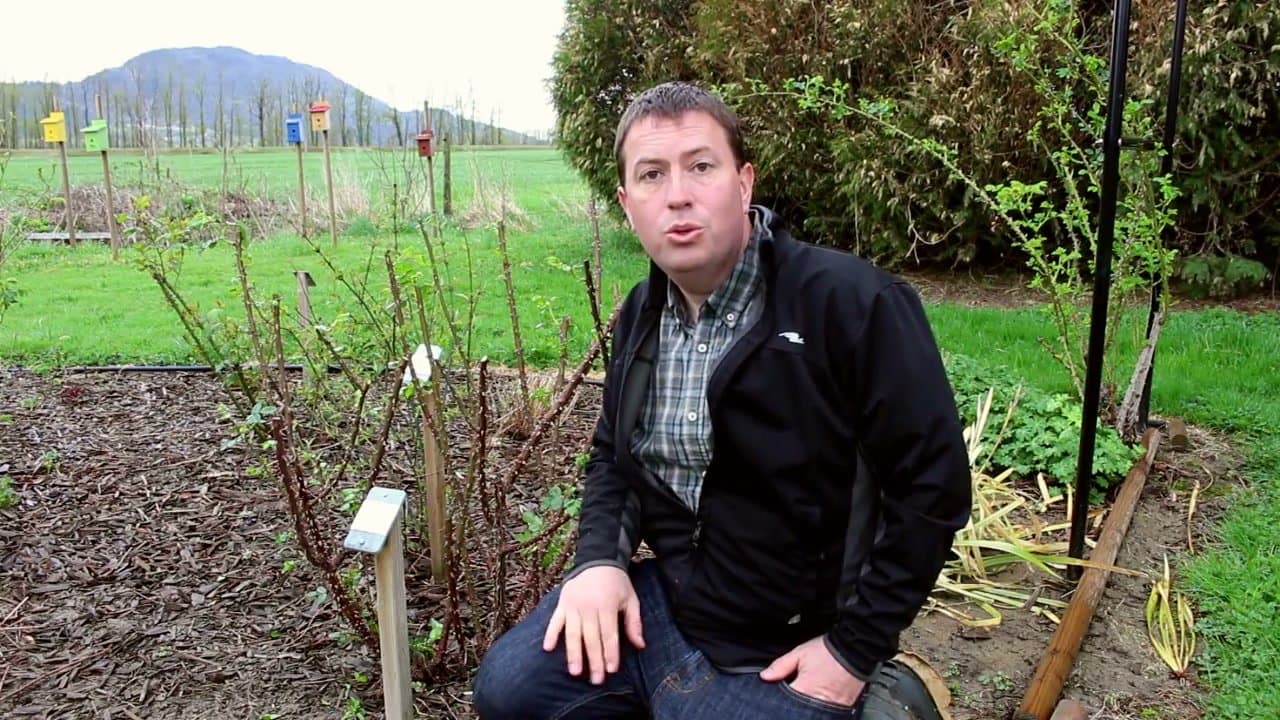
Based on a video by Fraser Valley Rose Farm.

Every gardening book on roses gives you a list of pruning rules. Some of those rules are genuinely helpful. Others are myths that have been passed down for generations. Jason from Fraser Valley Rose Farm runs through the seven most common ones and tells you which to keep and which to throw out.

The short version: remove dead and damaged wood first, use clean sharp pruners, shape for an open center. Skip the "cut on an angle" myth and don't worry obsessively about outward-facing buds. The rose will mostly do what it wants to anyway.

Spring is the main pruning window for most climates - roughly when forsythia starts blooming. Once-blooming species roses are the exception; those get pruned right after their first spring bloom, not before it.

Step-by-Step Guide

1

Start When the Early Shrubs Bloom

1:05
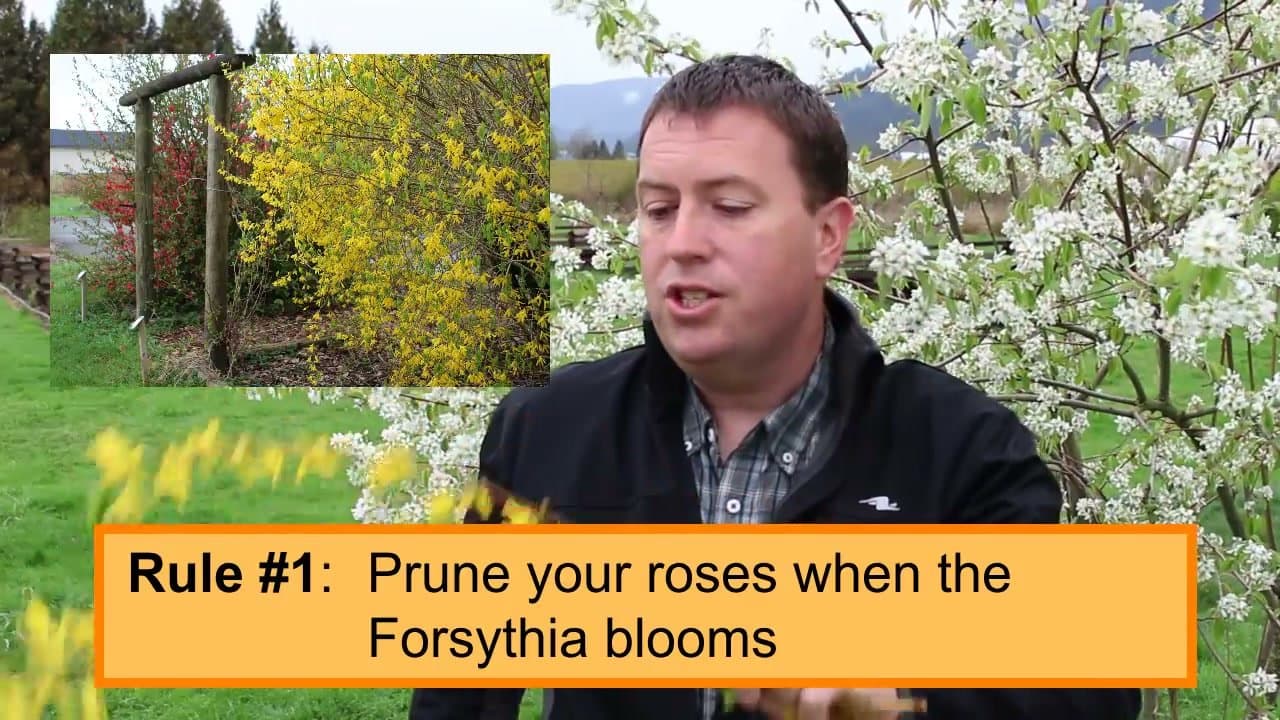
Step 1: Start When the Early Shrubs Bloom

The old rule is to start pruning when forsythia blooms. Forsythia is the bright yellow shrub that flowers at the end of winter - when you see it open, nature has mostly cleared the risk of killing frost.

Use that as the beginning of your pruning window, not the only time you can prune. Repeat-blooming roses (hybrid teas, floribundas, most modern shrub roses) can be pruned from then through mid-summer. Once-blooming roses and old garden roses should wait until after their first spring bloom - prune them too early and you'll lose the flowers for the whole year.

Tip

If forsythia isn't common in your area, watch for any early-blooming native shrub. The signal is the same - it's telling you winter is done.
2

Remove Dead, Diseased, Damaged, and Crossing Stems First

4:10
Step 2: Remove Dead, Diseased, Damaged, and Crossing Stems First

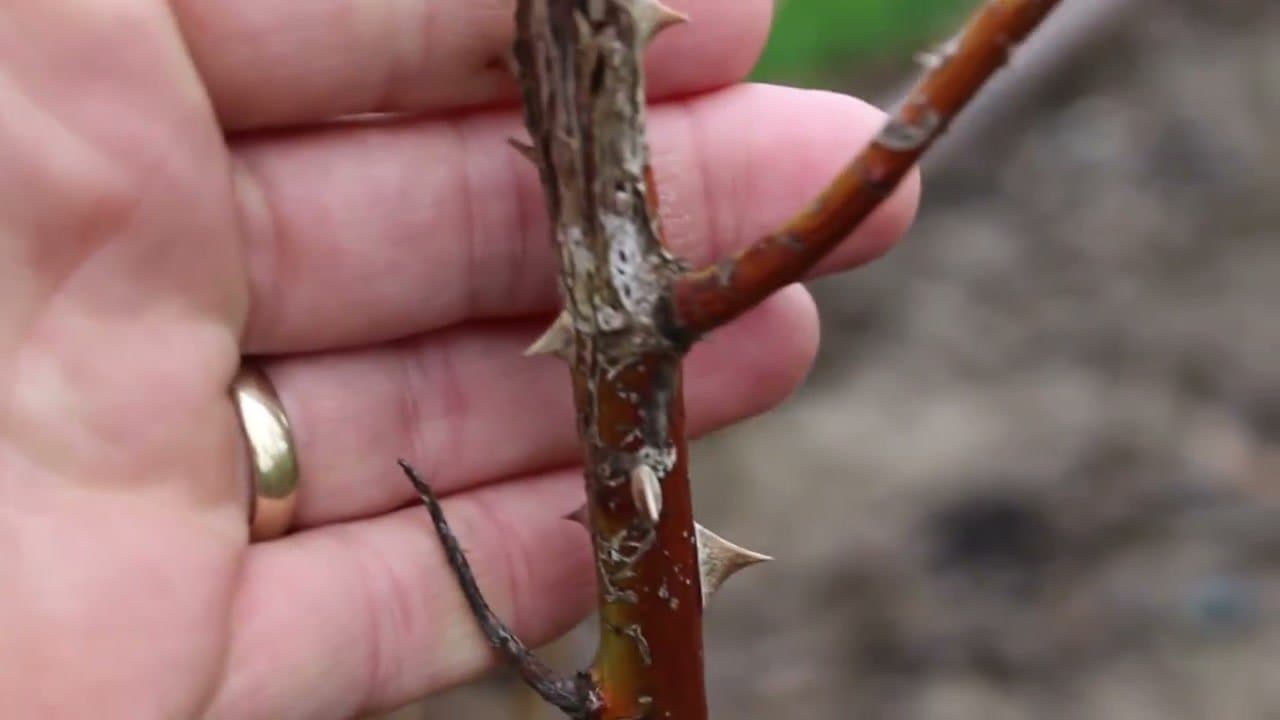
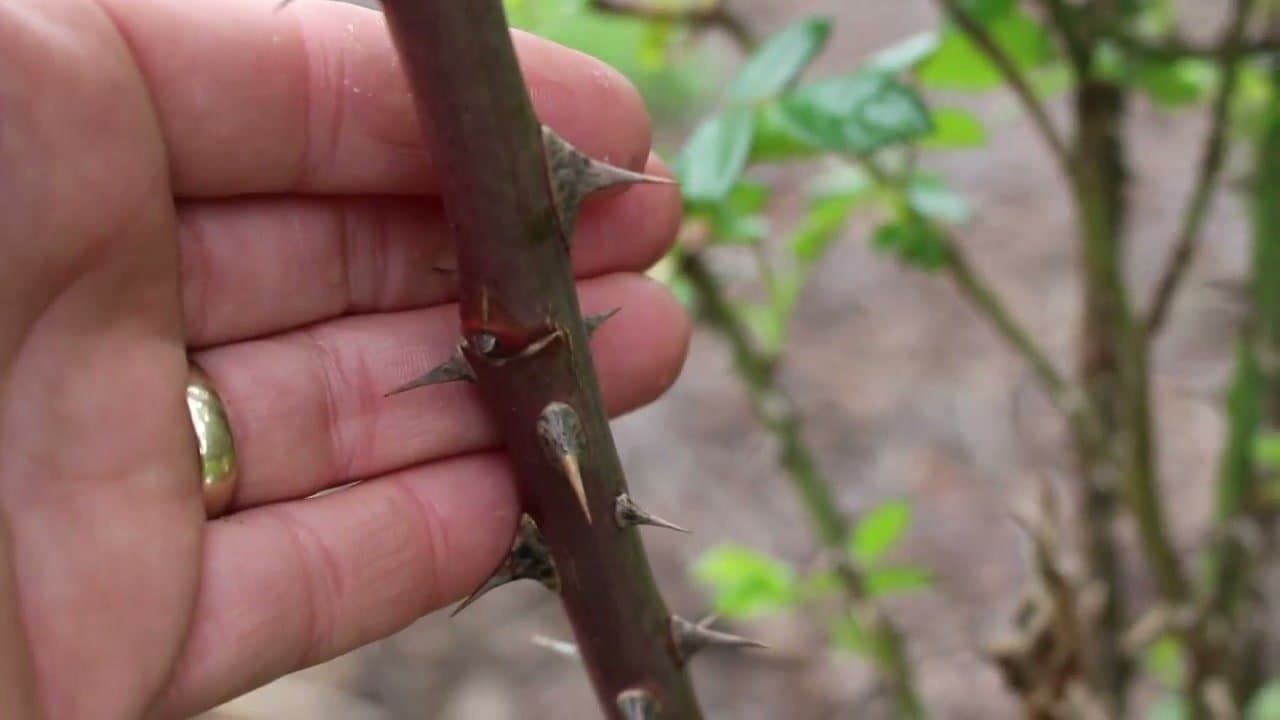
This is the most important step and the one that can't possibly hurt the rose. Healthy stems at pruning time are green, red, or orange. Dead and dying stems are gray, dark brown, peeling, cracked, or split.

Follow any bad stem down from the tip until the color returns to healthy green. Cut just above that point. Remove any branches that cross and rub against each other - the rubbing wears through the bark in the wind and invites disease. Start here and you can't make your rose worse.

Tip

When you can't tell if a stem is alive, scrape a tiny spot with your thumbnail. Green underneath means alive. Brown means dead - follow it down further.

3

Cut Above an Outward-Facing Bud

6:45
Step 3: Cut Above an Outward-Facing Bud

Look along a stem for the small bumps where new growth emerges - those are buds. An outward-facing bud points away from the center of the plant.

Cut a quarter inch above one of those, and the next shoot should grow outward rather than into the middle of the rose. That keeps the plant from getting congested. The rule is worth following but don't obsess over it - roses often send up shoots from buds you didn't choose, and there's nothing you can do about that.

4

Skip the Harsh Vase Shape Rule

8:20
Step 4: Skip the Harsh Vase Shape Rule

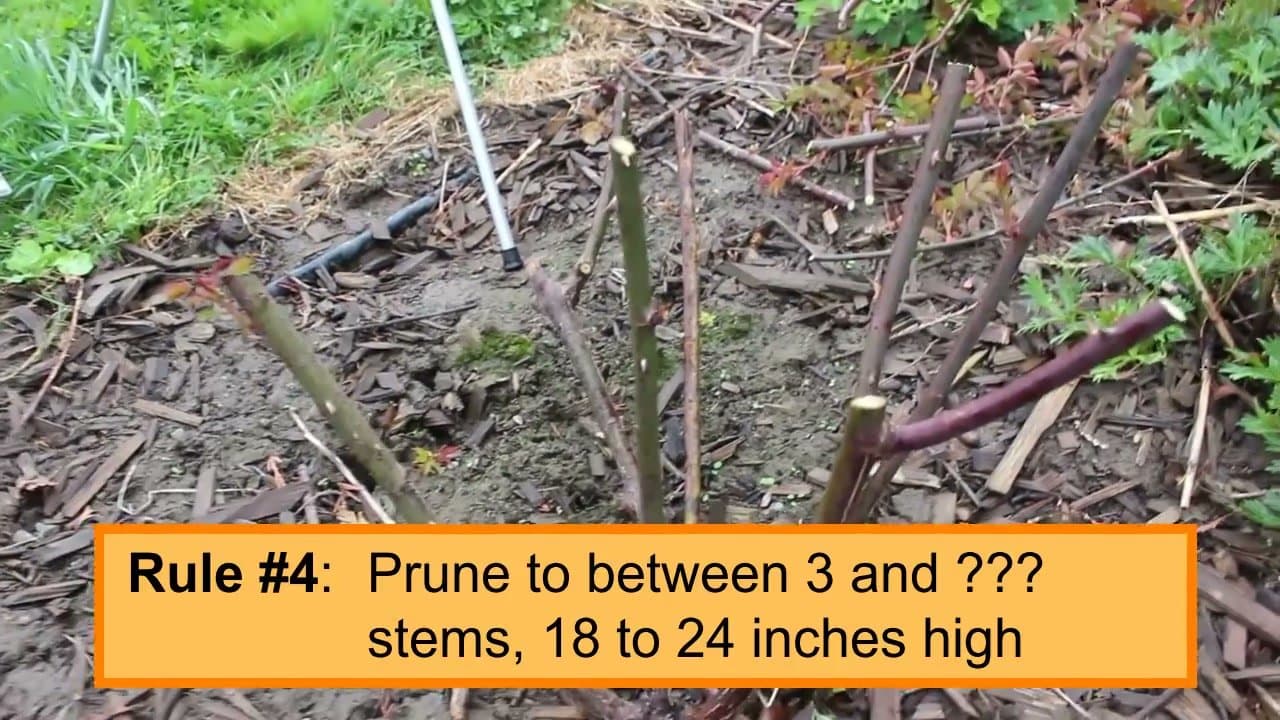
Old textbook advice says prune down to three to seven canes in a vase shape, eighteen to twenty-four inches from the ground. That's way too harsh for most roses.

This rule was written for hybrid teas and floribundas where you want one big early bloom flush. Apply it to a climber, shrub rose, old garden rose, or once-bloomer and you'll damage the plant and lose most of that season's flowers. Prune for the finished size you actually want the plant to hold, not to an arbitrary textbook number.

5

Use Clean, Sharp Bypass Pruners

9:26
Step 5: Use Clean, Sharp Bypass Pruners

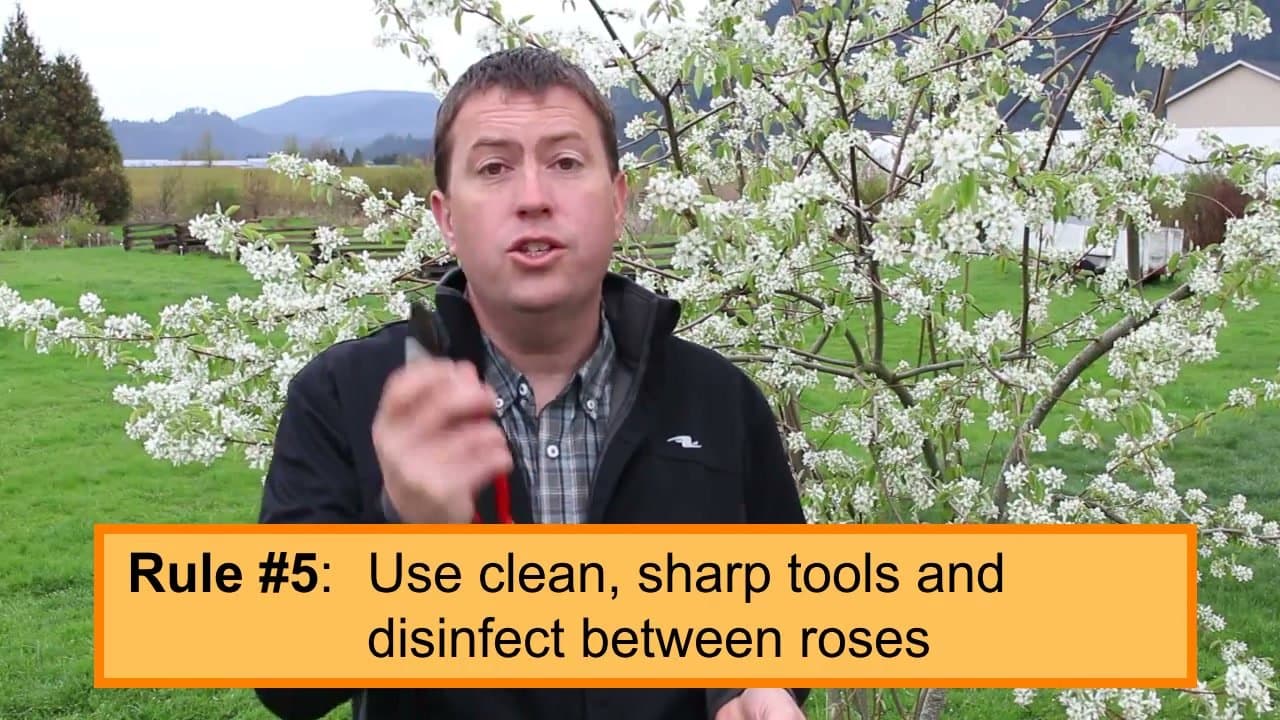
A bypass pruner makes clean cuts that heal well. Felco is the industry favorite. For any stem thicker than your finger, switch to a small pruning saw - pruners that struggle crush the stem instead of slicing it.

Sharpen the blade at the start of the season. Between plants, wipe the blade with rubbing alcohol or a disinfecting spray. Rose viruses can travel on sap, so a dirty blade can spread disease from one infected plant to the rest of your garden.

6

Ignore the Angled Cut Rule

10:25
Step 6: Ignore the Angled Cut Rule

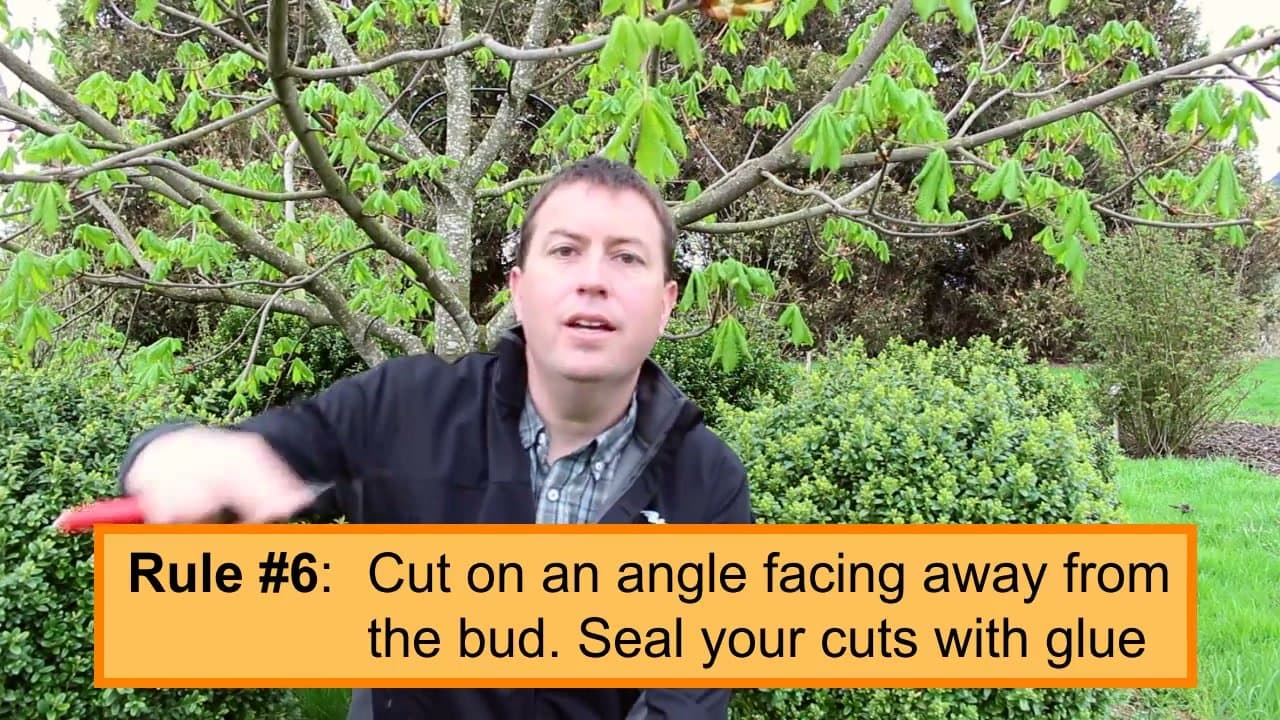
You'll hear that every cut needs to be angled away from the bud so rain runs off. That's a myth. The whole stem gets wet when it rains, regardless of cut angle, and dries at the same rate.

Straight cuts are faster, easier, and heal identically. Skip sealing cuts with glue, wax, or nail polish too - decades of horticulture research have shown sealing pruning cuts does nothing useful. Don't make a simple task harder than it needs to be.

7

Shape for Openness and Size

12:50
Step 7: Shape for Openness and Size

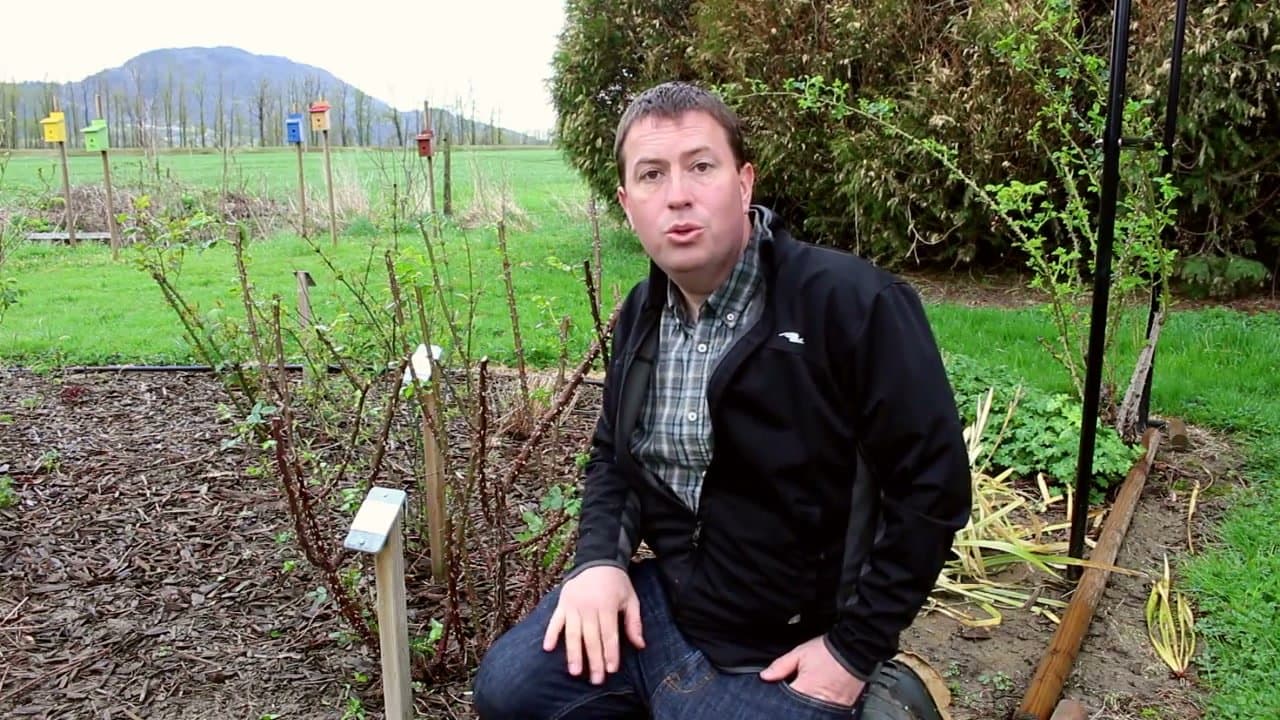
Step back and look at the whole plant. A well-shaped rose is open in the middle - air and light reach the inner branches, which cuts down on disease and helps the plant flower evenly.

Trim any stems crowding the center and control the overall height so the flowers stay at a level you can see and smell. What counts as a pleasing shape varies by the variety and by your personal taste. There's no one right answer - aim for clean, open, and the right size for the spot.

Products Used

☐ The Checklist

How to Prune Roses - 7 Common Rules Explained

Tools
3
Materials
1
Steps
7
Video
14 min

Your Guide

Fraser Valley Rose Farm

As an Amazon Associate we earn from qualifying purchases. Links on this page may be affiliate links - clicking them and buying doesn't change your price, but helps support ShowMeStepByStep.

Related Tutorials