How to Harvest Basil (Without Killing Your Plant)

Also in:Adulting

By ShowMeStepByStepPublished Updated

Based on a video by Epic Gardening.

If your basil plant keeps going leggy, flowering, or giving you only a handful of leaves before it quits - this is the fix. The technique is called node pruning, and it changes everything about how the plant grows.

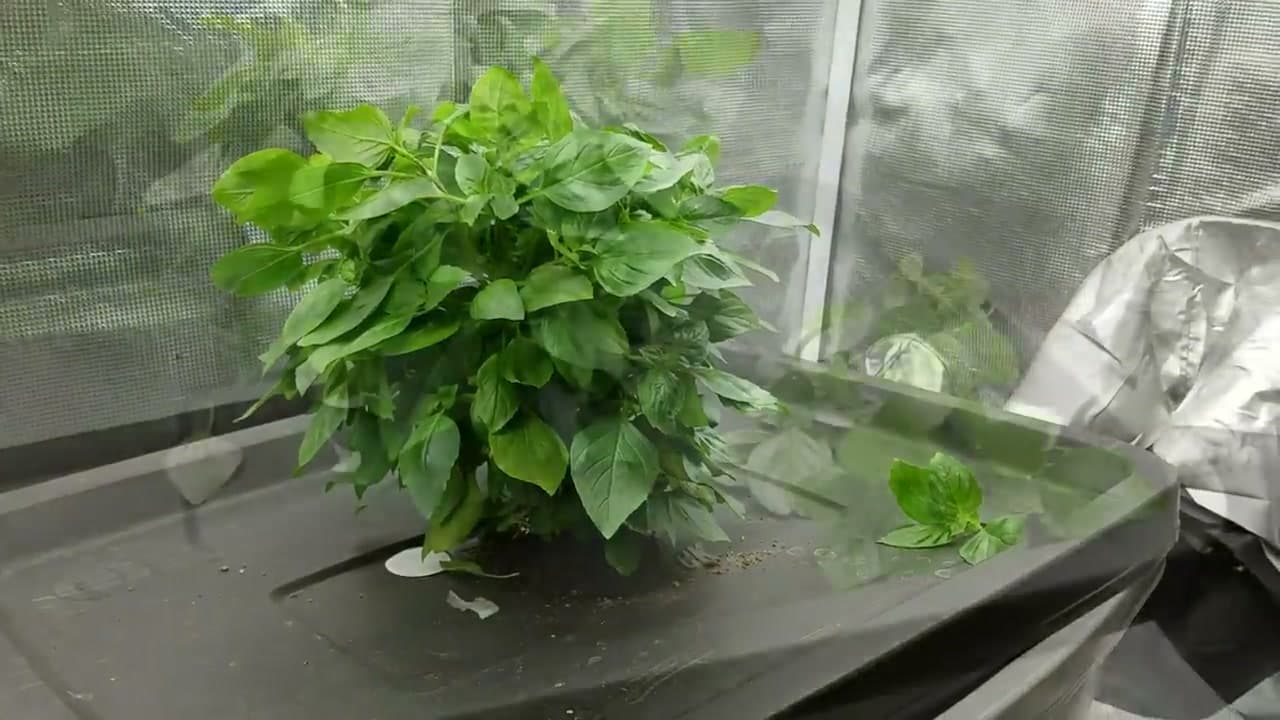
Kevin from Epic Gardening demonstrates the approach on a lush indoor basil plant. The whole video is under five minutes and covers every cut you need to know: where to cut on the main stem, what happens to the two side shoots after you cut, how to handle flower buds before they open, and what a well-pruned plant looks like when you're done.

The result: a plant that stays in its vegetative phase, keeps branching outward, and hands you a fresh handful of basil worth $3-4 at the farmers market - every week or two, indefinitely.

Step-by-Step Guide

1

Find the Leaf Nodes Before You Cut Anything

0:25
Step 1: Find the Leaf Nodes Before You Cut Anything

Before picking up your scissors, look at the plant. Trace any stem upward and you'll see pairs of leaves or tiny side shoots branching off at regular intervals. Those junction points are the nodes.

Every cut you make needs to happen just above one of these nodes. Cut below a node and you get a dead stub. Cut just above it and the two shoots at that node take over as the new growth leaders. That's the whole system.

Tip

Two basil plants in one pot will naturally look bushier - that's not a technique, it's just density. Either way, the node-pruning approach works the same.

2

Cut the Main Stem Just Above a Node

0:37
Step 2: Cut the Main Stem Just Above a Node

Pick the tallest main stem. Find a node with two healthy side shoots emerging below it. Position your scissors just above that node and make a clean cut.

What you've just done is remove the plant's apical tip - the growing point that was pulling growth energy upward. That energy now gets redirected into the two side shoots below your cut. Each of those will become a new main stem.

3

Watch the Plant Branch After the Cut

0:55
Step 3: Watch the Plant Branch After the Cut

A day or two after cutting, those two side shoots start growing noticeably faster. Within a week, each one looks like its own main stem. That's exactly right.

Each new stem eventually gets its own cut above its own node. Do this cycle a few times and one single-stemmed plant becomes a wide, bushy plant with many productive branches. The branching compounds over time.

4

Pinch Off Flower Buds the Moment You See Them

1:44
Step 4: Pinch Off Flower Buds the Moment You See Them

Flowers forming at the tips of stems are the plant signaling it's ready to set seed and stop producing leaves. Once flowering starts, leaf quality drops and the plant tastes more bitter.

The fix is to catch the buds early - before they open - and cut or pinch them off. You can see Kevin doing this with scissors positioned above a stem top. With regular pruning, the plant never gets the chance to think it's done growing.

Tip

The same cut that removes a flower bud also counts as a node prune if you position it just above a leaf node. Two jobs at once.

5

Harvest a Usable Bunch in One Session

2:35
Step 5: Harvest a Usable Bunch in One Session

Work through the plant systematically, cutting stems back to their nearest healthy node. You end up with a small pile of fresh basil - a bunch like that runs $3-4 at a farmers market.

The plant will look noticeably shorter and more open after. That's fine. It's not stressed - it's now channeling energy into new leaf growth at all those cut points instead of holding up height it doesn't need.

6

Keep Pruning Every Week or Two

3:25
Step 6: Keep Pruning Every Week or Two

A pruned plant comes back fast. Give it a week and you'll see new growth at every cut point. Two weeks and it's ready for another round.

With decent light, consistent watering, and a bit of fertilizer every few weeks, this cycle runs for months. The more aggressively you prune above the nodes, the more the plant spreads outward. Basil genuinely rewards you for cutting it often - let it grow unchecked and it bolts. Keep after it and you have fresh leaves whenever you need them.

Products Used

☐ The Checklist

How to Harvest Basil (Without Killing Your Plant)

Tools
1
Materials
1
Steps
6
Video
4 min

Your Guide

Epic Gardening

As an Amazon Associate we earn from qualifying purchases. Links on this page may be affiliate links - clicking them and buying doesn't change your price, but helps support ShowMeStepByStep.

Tags

Test your knowledge

Did the lesson stick? Find out in 2 minutes.

5 quick questions covering what you just read. No signup, no score saved — just a gut check.

Quick reference

Key takeaways from How to Harvest Basil (Without Killing Your Plant)

5 questions, answers, and one-line explanations. Tap to expand.

  1. 1.Where exactly should you cut when harvesting basil?

    Answer: Just above a leaf node on the stem

    Cutting just above a node signals the plant to send two new branches from that point.

  2. 2.What happens to basil once it flowers and sets seed?

    Answer: The plant focuses energy on seed production and the leaves lose flavor

    Once basil bolts, the leaves turn bitter and the plant stops putting energy into foliage.

  3. 3.What should you do the moment you spot flower buds on basil?

    Answer: Pinch them off immediately before they open

    Removing buds as soon as they appear keeps the plant in leaf-producing mode.

  4. 4.How does cutting above a node make a basil plant fuller over time?

    Answer: Each cut site grows two new branches, steadily doubling the stem count

    Nodes are where new growth branches out, so every pruning cut above one eventually yields two new stems.

  5. 5.How often should you harvest basil to keep it productive all season?

    Answer: Every one to two weeks, even if you do not need it right then

    Regular pruning every week or two keeps the plant bushy and delays bolting.

What's next

Related collections

Curated theme pages that include this tutorial.

Weekly Digest

Liked this gardening tutorial?

Pick the categories you want to hear about. Weekly digest of new step-by-step tutorials. No spam, easy unsubscribe.

Send me tutorials about

We only email about new tutorials. Easy unsubscribe anytime.