How to Harvest Rosemary (Without Killing the Plant)

GardeningEasy4:467 stepsBrowse more →

By ShowMeStepByStepPublished

Based on a video by ReSprout.

Rosemary is one of the easiest herbs to grow, and once it's established you can snip a little for dinner almost any time you want. The catch is that a heavy hand can set the plant back or even kill it.

In this walkthrough, April from ReSprout shows you when to harvest, where to make your cuts, and how much you can safely take. She also covers washing, drying, and storing so nothing goes to waste.

By the end you'll be able to keep a healthy rosemary bush going all season and still have plenty of fragrant sprigs for the kitchen.

Step-by-Step Guide

1

Step 1: Know When to Harvest

0:30
Step 1: Step 1: Know When to Harvest

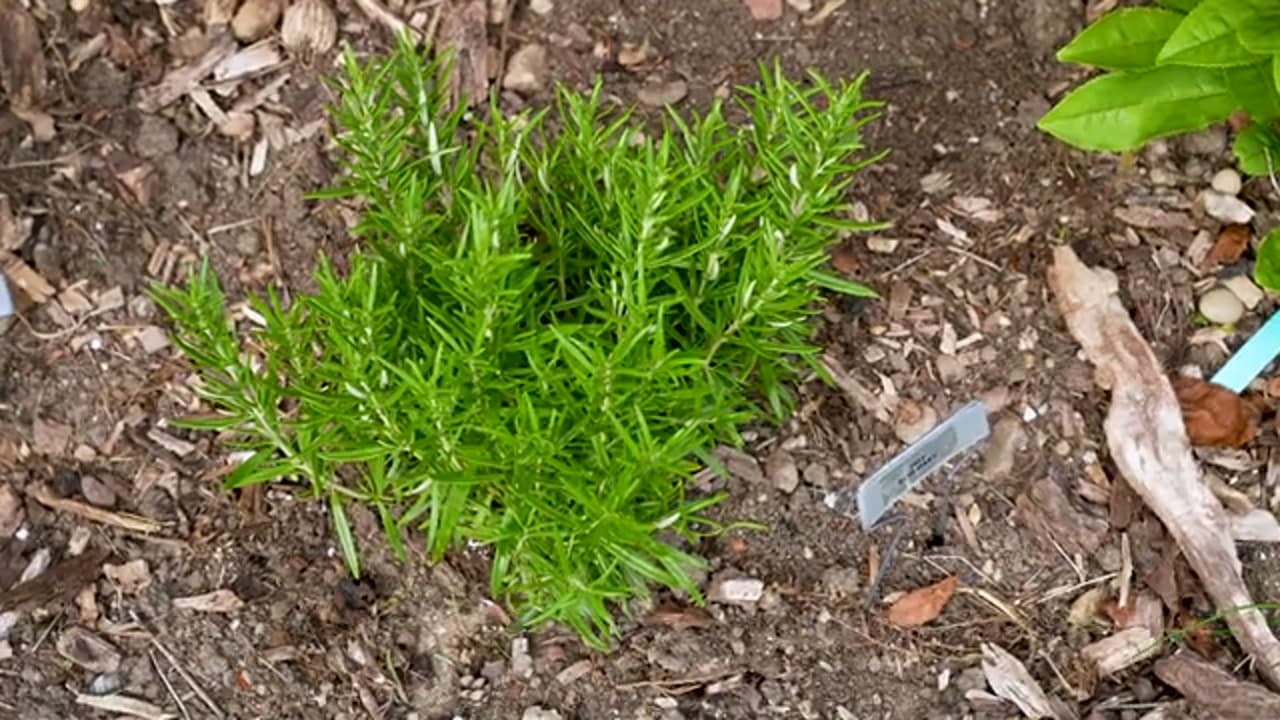
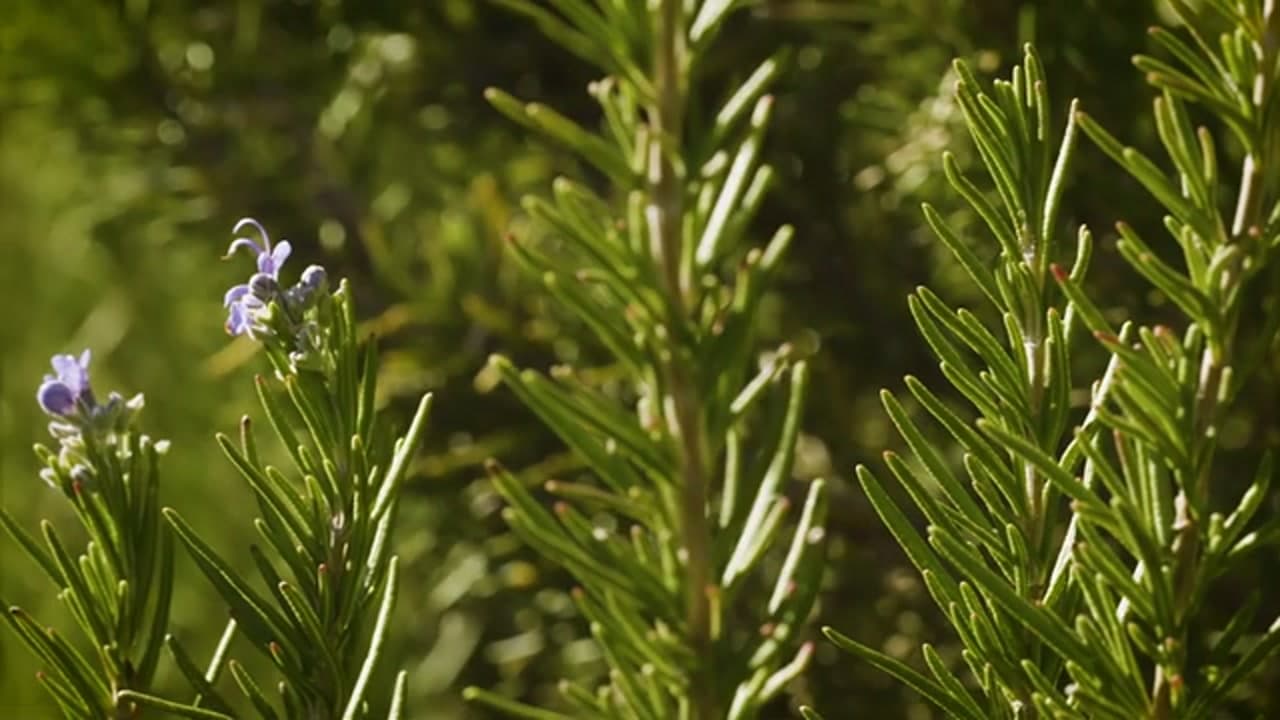
Good news for rosemary lovers. It's a perennial in warmer US zones (roughly zone 6 and up, depending on your variety), so you can pick from it all through the growing season. In cooler zones, bring the plant indoors over winter and you can keep snipping year round. Just go easy on it during the cold months and right before your first frost. A stressed plant needs its leaves to bounce back.

Tip

In colder climates, a potted rosemary on a sunny windowsill turns into your own indoor grocery store.
2

Step 2: Time a Big Harvest Before It Flowers

1:10
Step 2: Step 2: Time a Big Harvest Before It Flowers

Grabbing a few sprigs for dinner? Cut whenever you like. But if you want to do a big harvest and preserve a batch, aim for the window before the plant flowers. That's when the oil content is highest, so the leaves carry the most flavor and aroma. When flowering hits depends on your climate. In a temperate zone it's often summer, while hotter areas like the Mediterranean or California can push it into fall.

3

Step 3: Use the Right Tool

1:00
Step 3: Step 3: Use the Right Tool

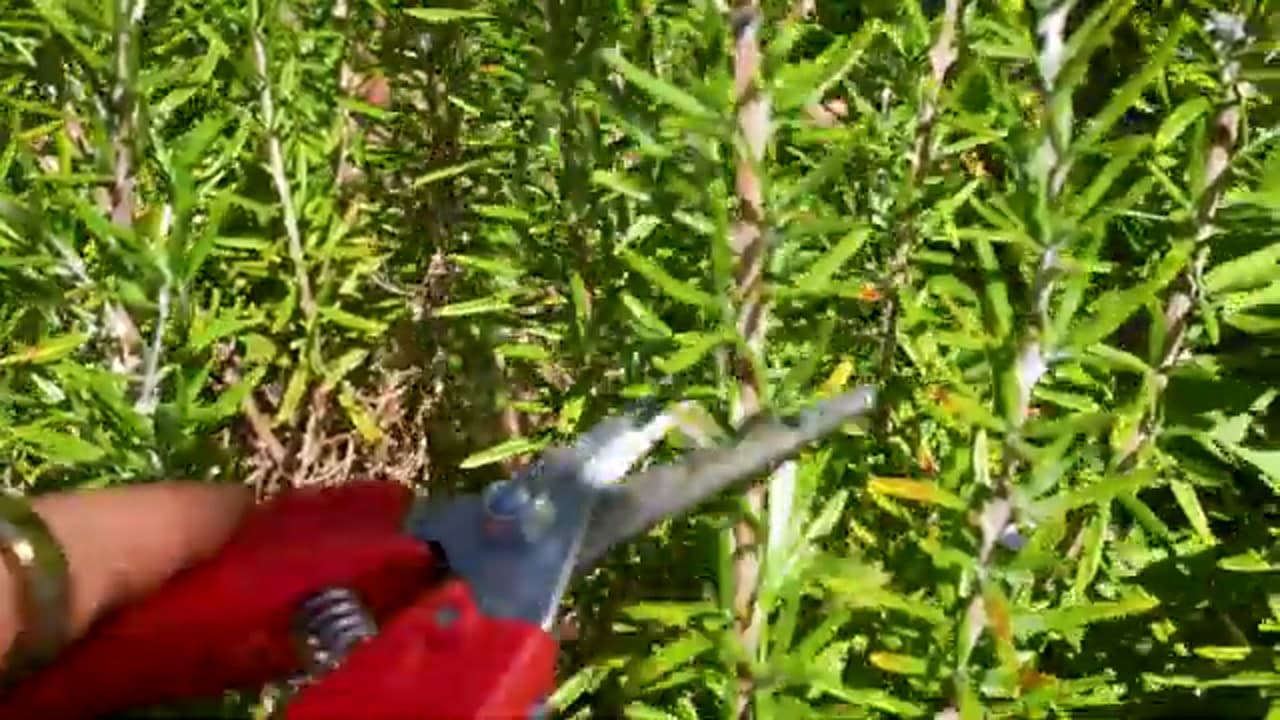
You can pinch off soft green rosemary by hand, but a pair of pruning shears or herb snips makes it faster and cleaner. A sharp cut is easier on the plant than tearing. If you harvest daily for meals, keep a pair by the door closest to your garden so it's always within reach. Wear gloves if you have sensitive skin, since rosemary oil is strong and it lingers on your hands.

Tip

Sharp, clean shears leave a tidy cut that heals faster than a ragged pinch.

Products used in this step

4

Step 4: Don't Over-Harvest

2:20
Step 4: Step 4: Don't Over-Harvest

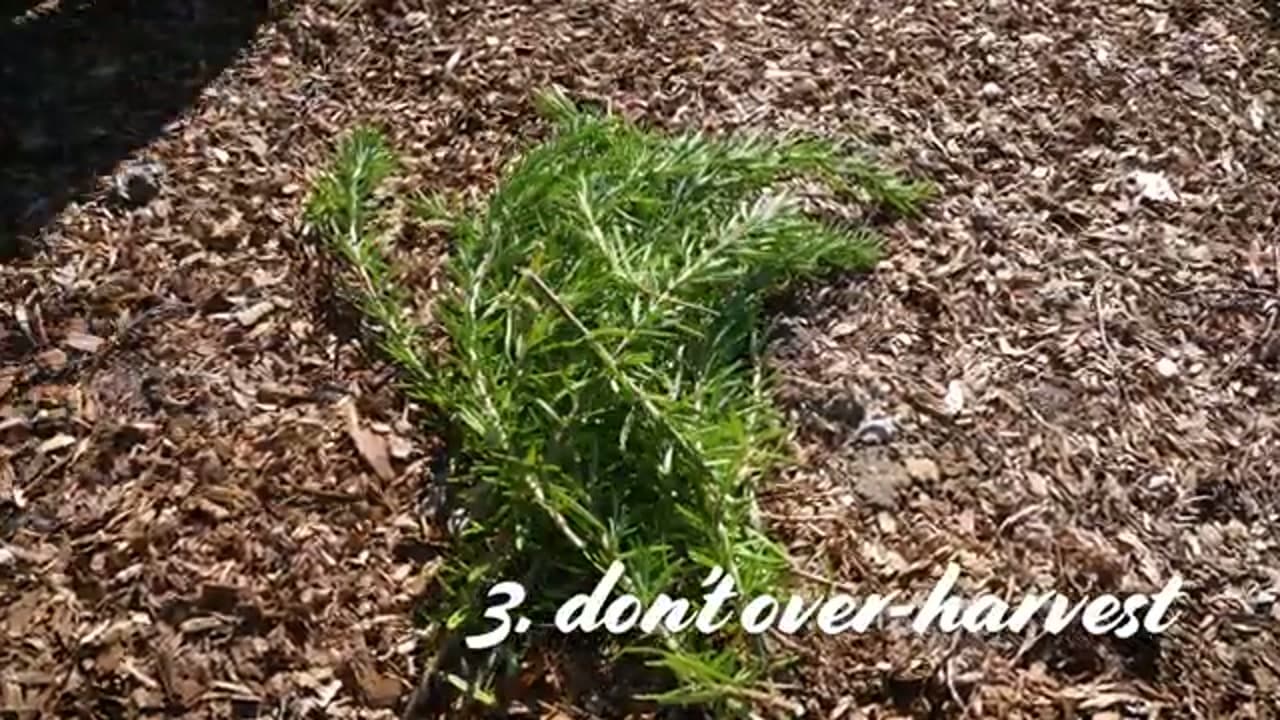
This is the tip that keeps your plant alive. Take too much at once and you can shock or kill it. A safe rule is to leave most of the plant standing. Taking more than about a fifth at a time puts it at risk, and even in ideal conditions you don't want to go past roughly a third. Harvest is really just pruning in bursts, so cut in stages and give the plant time to recover between sessions.

5

Step 5: Cut the Green Tips for Cooking

2:30
Step 5: Step 5: Cut the Green Tips for Cooking

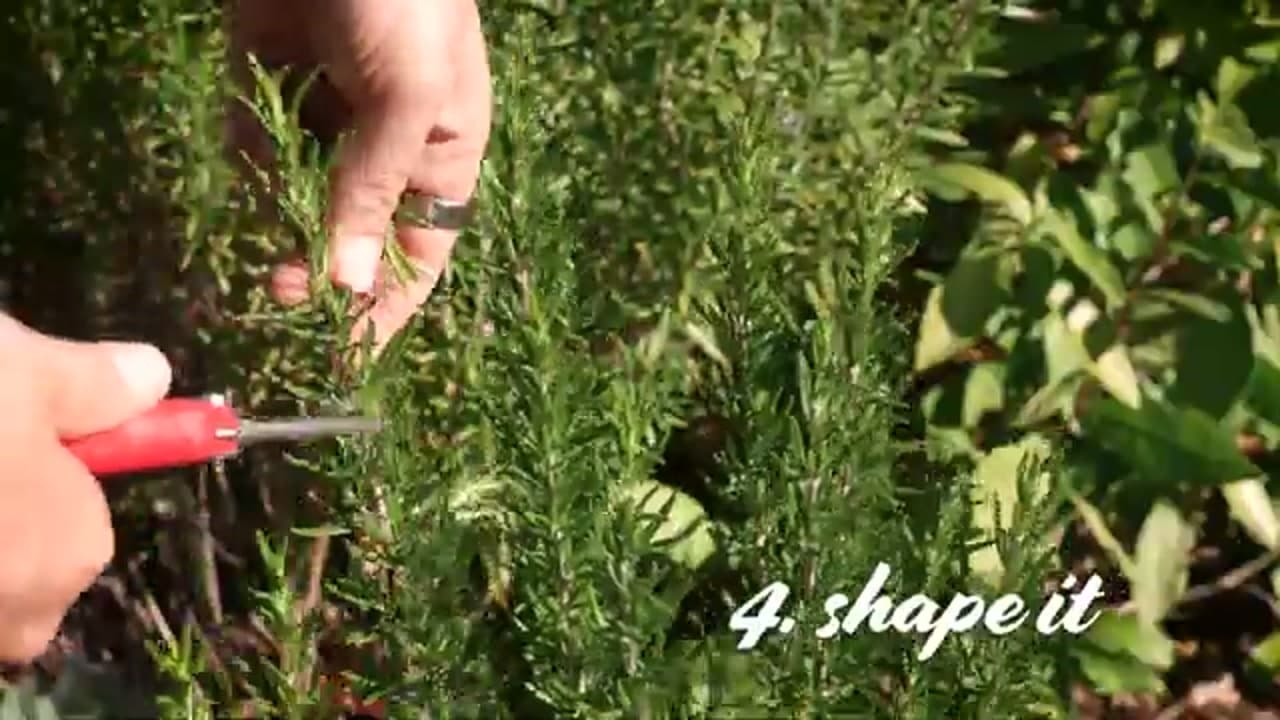
If you're using rosemary fresh for dinner, harvest the ends of the branches where the stems are still soft and green. That growth is tender enough to chop or eat whole. Cut just above a leaf node so the plant sends out new shoots there. This is also your chance to shape the bush as you go. Trim the sides to keep it from sprawling, or take from the top if you want it more upright.

Tip

Cutting above a leaf node encourages the plant to branch and grow back fuller.

Products used in this step

6

Step 6: Strip Leaves From Woody Stems

3:33
Step 6: Step 6: Strip Leaves From Woody Stems

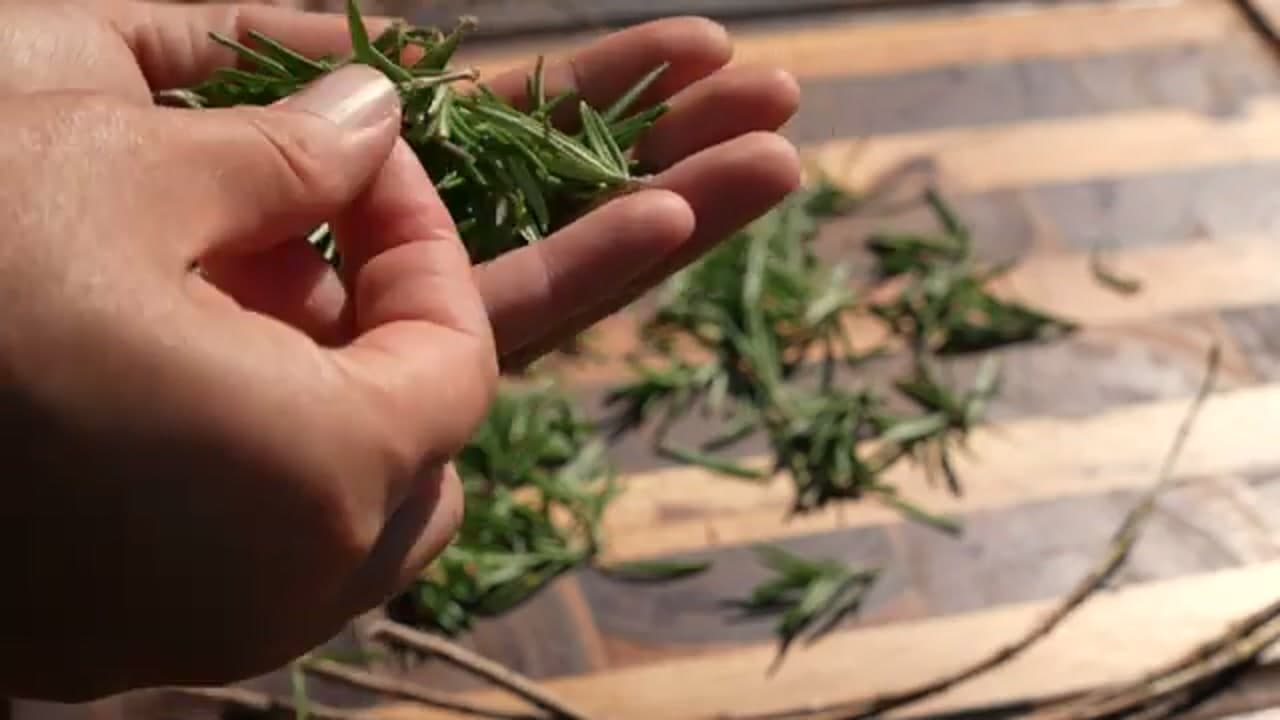
Planning to use rosemary as a garnish, for stock or tea, or for drying? Then feel free to cut the older, woodier branches too, since you won't be eating the stem. To pull the leaves off, hold the top of the stem and run your fingers (fingernails work best) down toward the base. The leaves strip right off. Save the bare woody stems. They make great skewers and smell wonderful when you smoke or grill with them.

7

Step 7: Rinse, Dry, and Store

4:20
Step 7: Step 7: Rinse, Dry, and Store

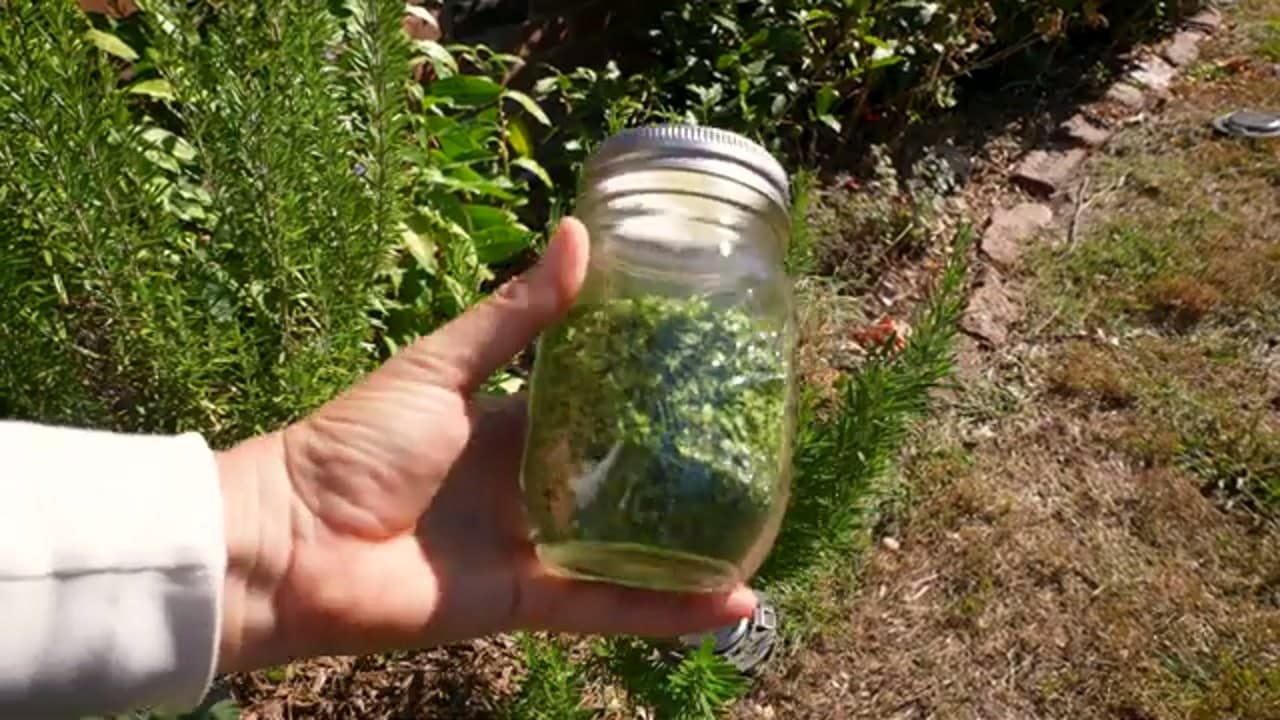
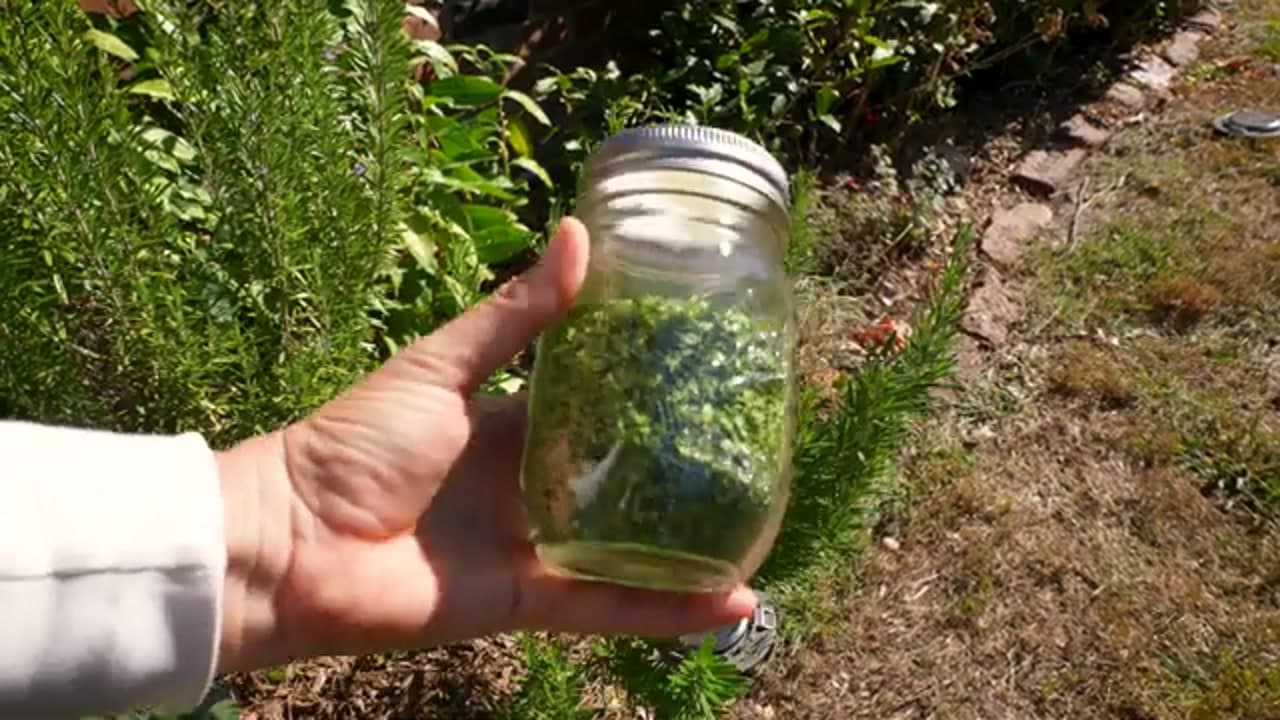
Give your rosemary a rinse before you eat or preserve it. Fresh sprigs keep in the fridge for several days if you stand the stems in a glass of water. For the long haul, dry it by air, in the oven or microwave, or in a dehydrator on the herb setting. Store the dried leaves in a mason jar and refill smaller spice jars from there. Want the full method? Here's how to dry rosemary step by step.

Tip

Rosemary shines with roasted meats, potatoes, breads, and even cocktails.

Products Used

☐ The Checklist

How to Harvest Rosemary (Without Killing the Plant)

Tools
2
Steps
7
Video
5 min

Your Guide

ReSprout

As an Amazon Associate we earn from qualifying purchases. Links on this page may be affiliate links - clicking them and buying doesn't change your price, but helps support ShowMeStepByStep.

Tags

Did this work for you?

What's next

Related collections

Curated theme pages that include this tutorial.

Weekly Digest

Liked this gardening tutorial?

Pick the categories you want to hear about. Weekly digest of new step-by-step tutorials. No spam, easy unsubscribe.

Send me tutorials about

We only email about new tutorials. Easy unsubscribe anytime.