How to Build Raised Garden Beds: 7 Step DIY Guide With Corrugated Metal

GardeningMedium16:527 steps

By ShowMeStepByStepPublished Updated

Based on a video by SimonSaysDIY.

Old-school raised beds built from pressure-treated 2x6s last 3-5 years before the dirt-side boards rot through and the bugs find them. This corrugated-metal-plus-2x4 design lasts much longer because the metal does the soil-contact work and the wood only frames it.

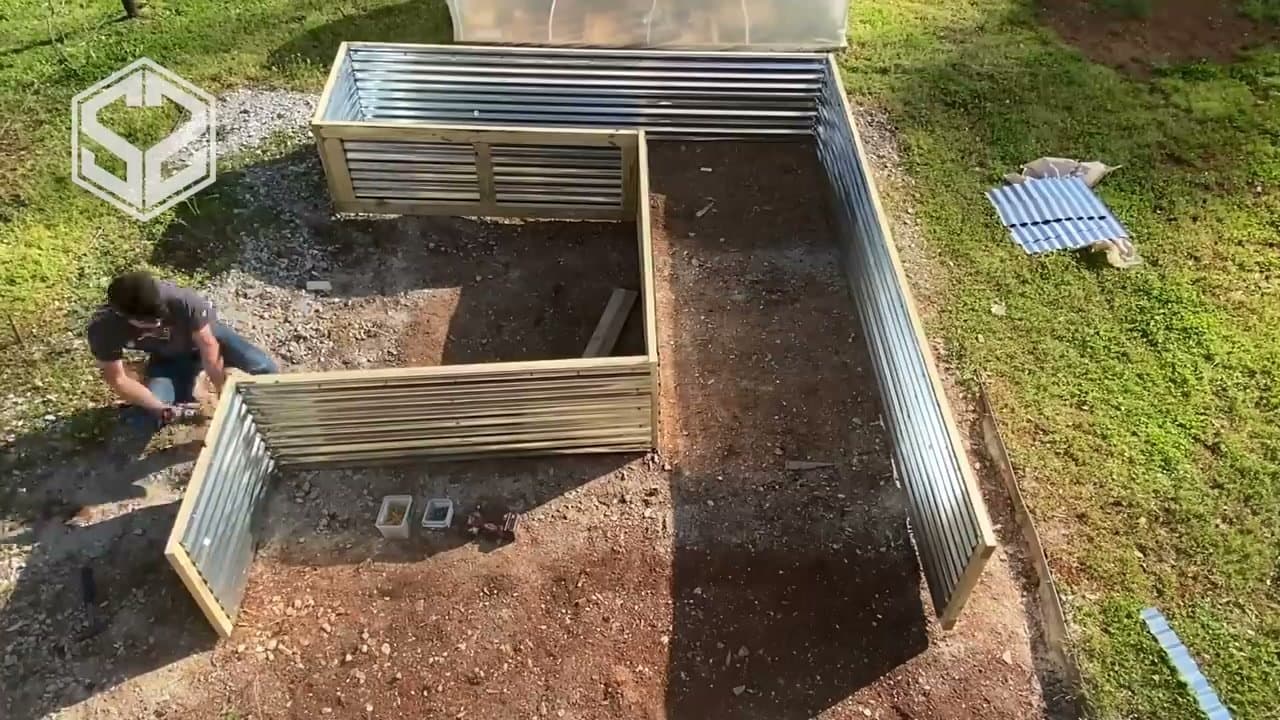
This walkthrough from SimonSaysDIY breaks the build into seven steps. The trickiest part is keeping the panels square and the long sides supported - a 10-foot bed has enormous outward pressure from a yard of soil pushing against it. The cross-supports in step 6 stop that pressure from blowing out the long walls over time.

Step-by-Step Guide

1

Step 1: Plan the Dimensions and Footprint

2:10
Step 1: Step 1: Plan the Dimensions and Footprint

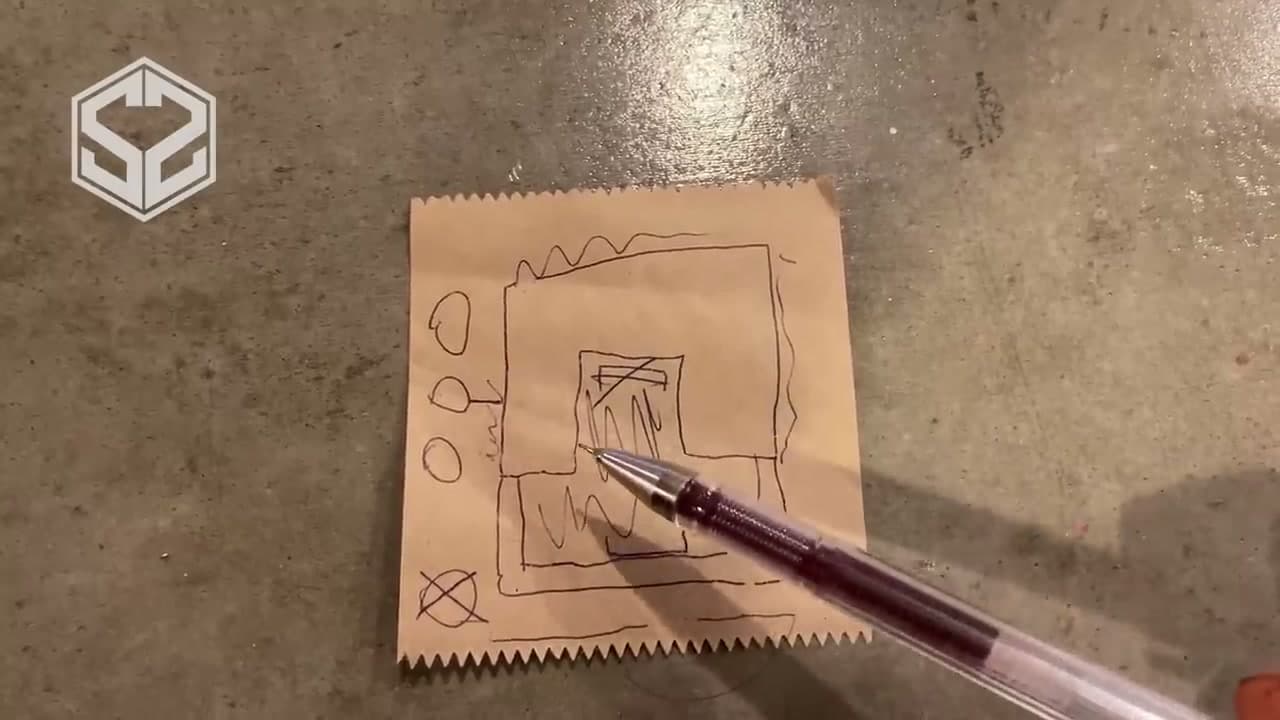
Sketch the bed dimensions before cutting anything. The example here is a 12-foot section split into 6-foot end panels and 10-foot side panels, 18 inches tall. Smaller layouts work too - just keep individual panel runs under 12 feet and the height under 24 inches.

Mark the corners on level ground with the planned rectangle outlined. Dig out any sod or roots inside the footprint and check the surface is roughly level - shimming a finished bed level is much harder than starting on flat ground.

2

Step 2: Cut the 2x4 Frame Pieces

2:25
Step 2: Step 2: Cut the 2x4 Frame Pieces

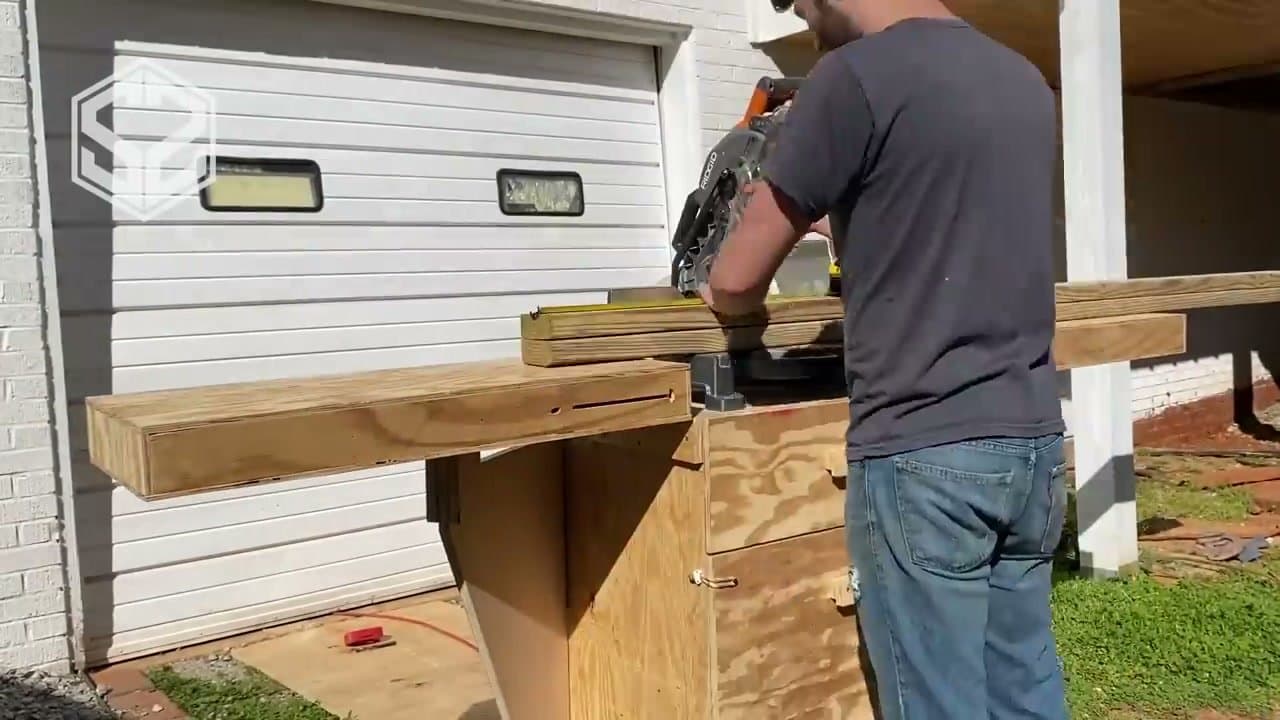
Cut all the 2x4 frame pieces ahead of time. Each panel needs a top rail, a bottom rail, and 18-inch vertical supports placed every 3 feet maximum. End uprights at each corner; intermediate ones evenly spaced.

The vertical supports brace the corrugated metal sheet from buckling under soil pressure. Wider spacing means weaker walls. 3 feet is the maximum span - go closer if you're stacking taller beds.

3

Step 3: Build Each Panel With Toenailed Screws

3:55
Step 3: Step 3: Build Each Panel With Toenailed Screws

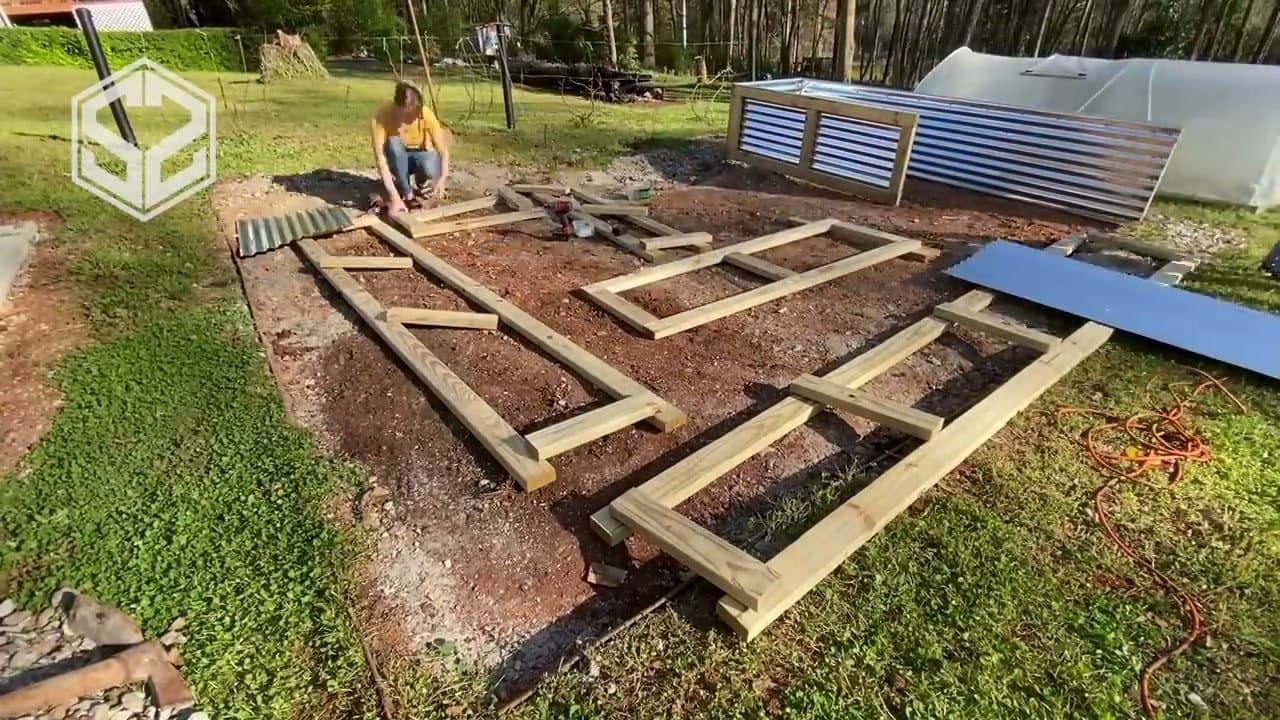
Lay each panel flat on the ground in its final shape - top rail, bottom rail, vertical supports between them. Pre-drive two 3-inch screws into each end of every vertical support before fitting them into place. The screws bite the rails as you set the support upright.

Toenailing pre-drilled like this is much faster than trying to drive screws into a vertical 2x4 you're holding still. Two screws per joint is plenty for a panel that's mostly held by the corrugated metal in the next step.

4

Step 4: Attach Corrugated Metal to the Inside

5:25
Step 4: Step 4: Attach Corrugated Metal to the Inside

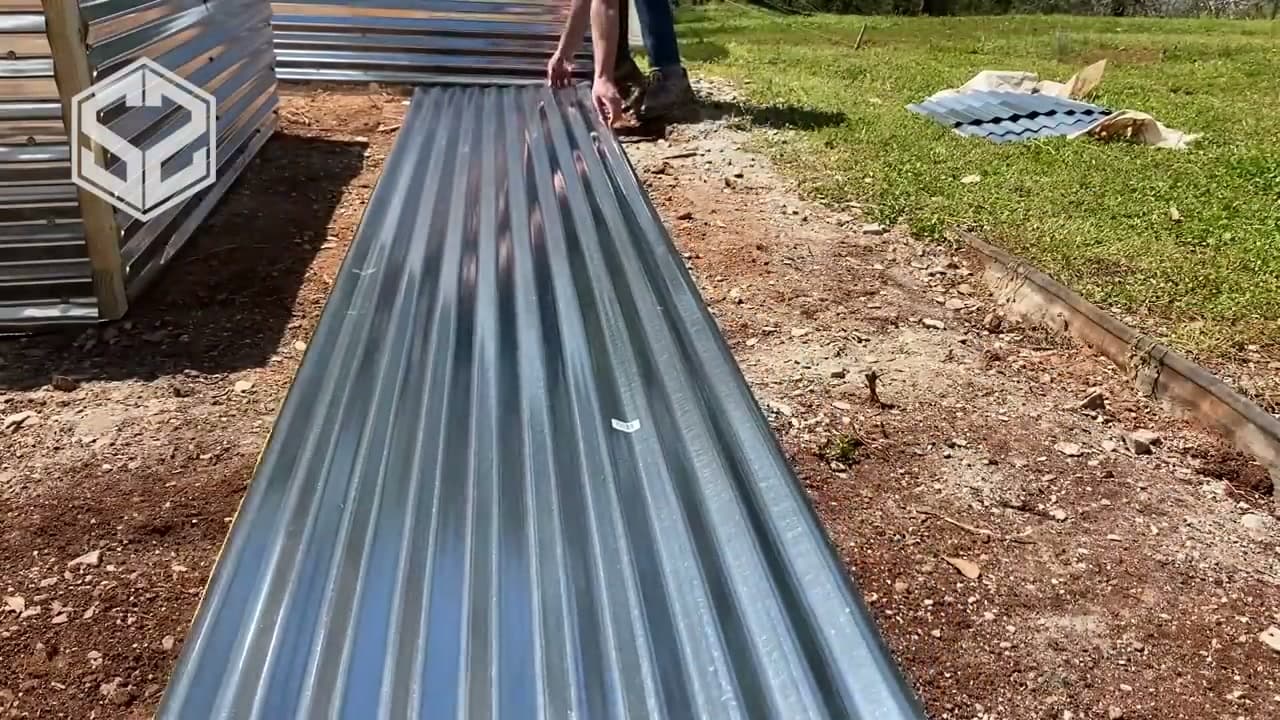
Lay each panel face-down. Place a corrugated metal sheet on top, sized to fit between the uprights. Drive roofing screws (the kind with rubber gaskets) every 8-10 inches along the rails and at every vertical support.

The gaskets seal each screw hole against water - critical, since water sitting against bare metal rusts and against bare wood rots. Use tin snips, an angle grinder, or a sawzall with a metal blade if you need to trim panels to length.

5

Step 5: Connect the Panels at the Corners

6:20
Step 5: Step 5: Connect the Panels at the Corners

Stand the panels in place around the marked footprint. Drive 3-inch deck screws through the corner verticals into the adjacent panel - about four screws per corner staggered top-to-bottom.

Square up the bed with a tape measure across the diagonals (equal diagonals = square corners) and a level on the top rails before driving the last screws. Once the corners are screwed tight, the geometry is locked.

6

Step 6: Add a Top Rail and Cross Supports

6:50
Step 6: Step 6: Add a Top Rail and Cross Supports

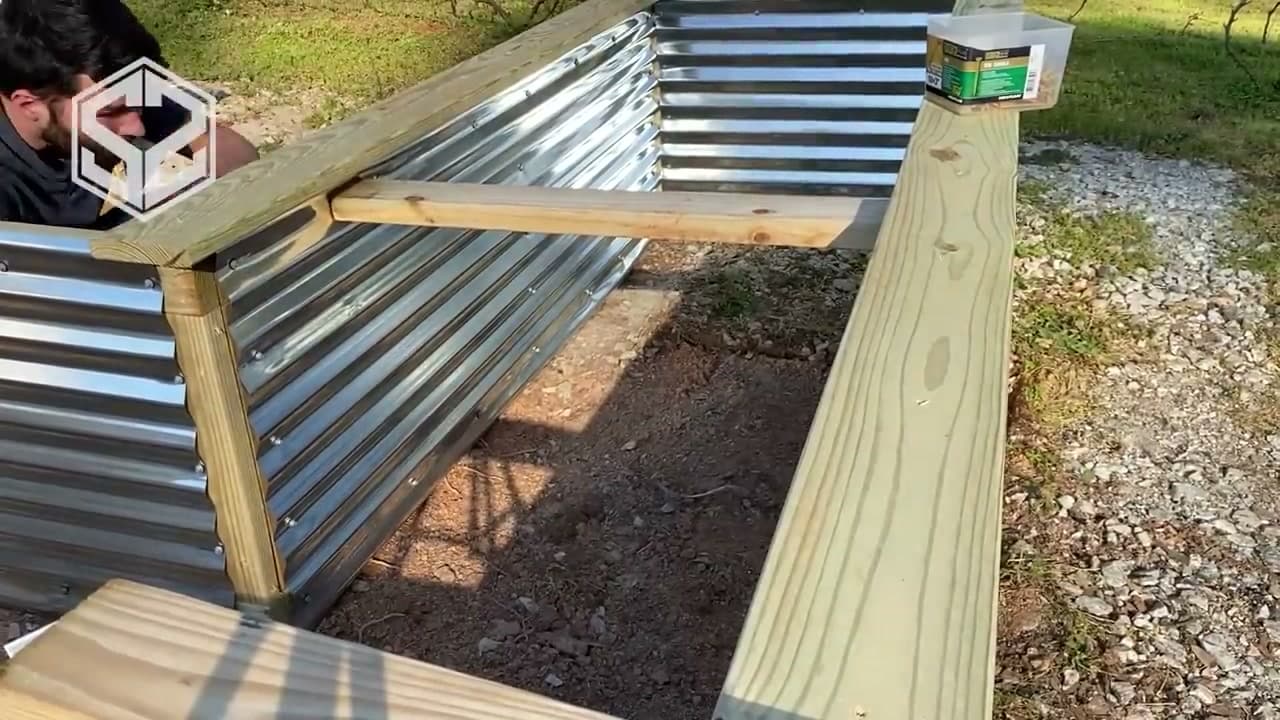
Run a 1x6 or 1x8 deck board along every panel's top rail, screwed straight down. The board prevents the top from bowing outward as soil pushes against the metal. Mitering the corners gives a finished look but butt joints work too.

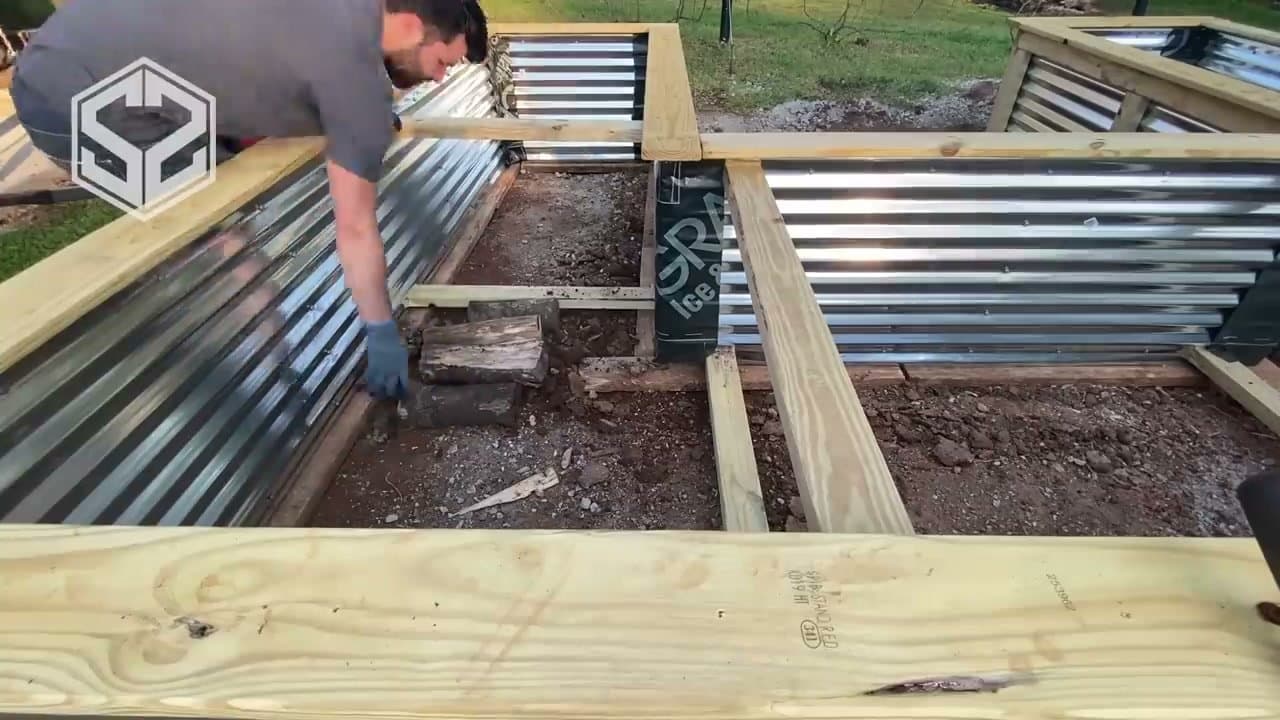
For long spans (10+ feet), add a 2x4 cross-support running across the bed at the bottom and the top of the panel. The support equalizes outward pressure between the two long walls and stops the bottom from kicking out over time.

7

Step 7: Fill With Wood, Then Dirt and Compost

11:40
Step 7: Step 7: Fill With Wood, Then Dirt and Compost

Don't fill the whole bed with bagged soil - that's hundreds of dollars of dirt. Layer 6-10 inches of rotted firewood, sticks, leaves, or yard clippings on the bottom. The wood decomposes over a few years, generating heat and feeding the soil while reducing how much actual soil you need.

Top with garden soil, then mix in a layer of cow manure or finished compost on the top few inches. Plant directly into the compost layer for the strongest start.

Tip

If you want extra rot prevention on the bottom rail (which is the only wood touching dirt), wrap it with ice-and-water shield (the rubbery roofing membrane) before backfilling. Adds another 5-10 years of life to that board.

Products Used

☐ The Checklist

How to Build Raised Garden Beds: 7 Step DIY Guide With Corrugated Metal

Tools
5
Materials
5
Steps
7
Video
17 min

Your Guide

SimonSaysDIY

As an Amazon Associate we earn from qualifying purchases. Links on this page may be affiliate links - clicking them and buying doesn't change your price, but helps support ShowMeStepByStep.

Tags

Related Tutorials