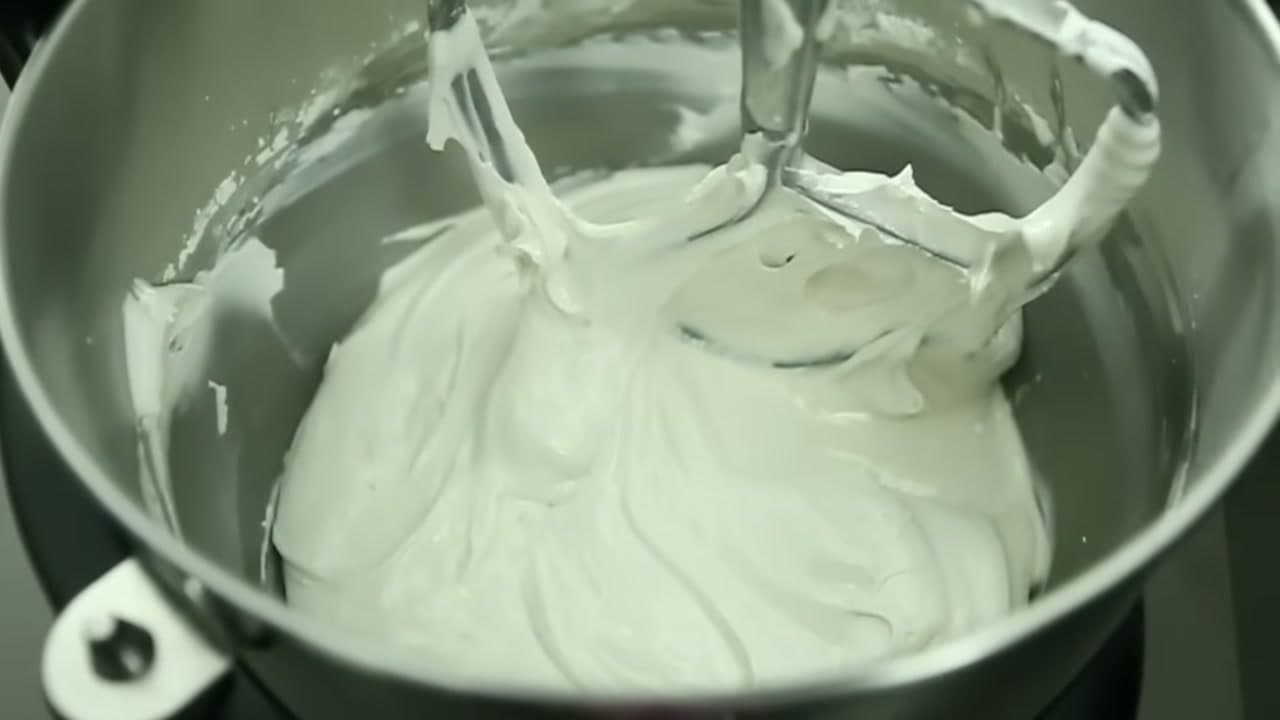
Royal icing is easy to make and easy to ruin, and the ruining almost always happens for the same reason: it gets whipped too fast.
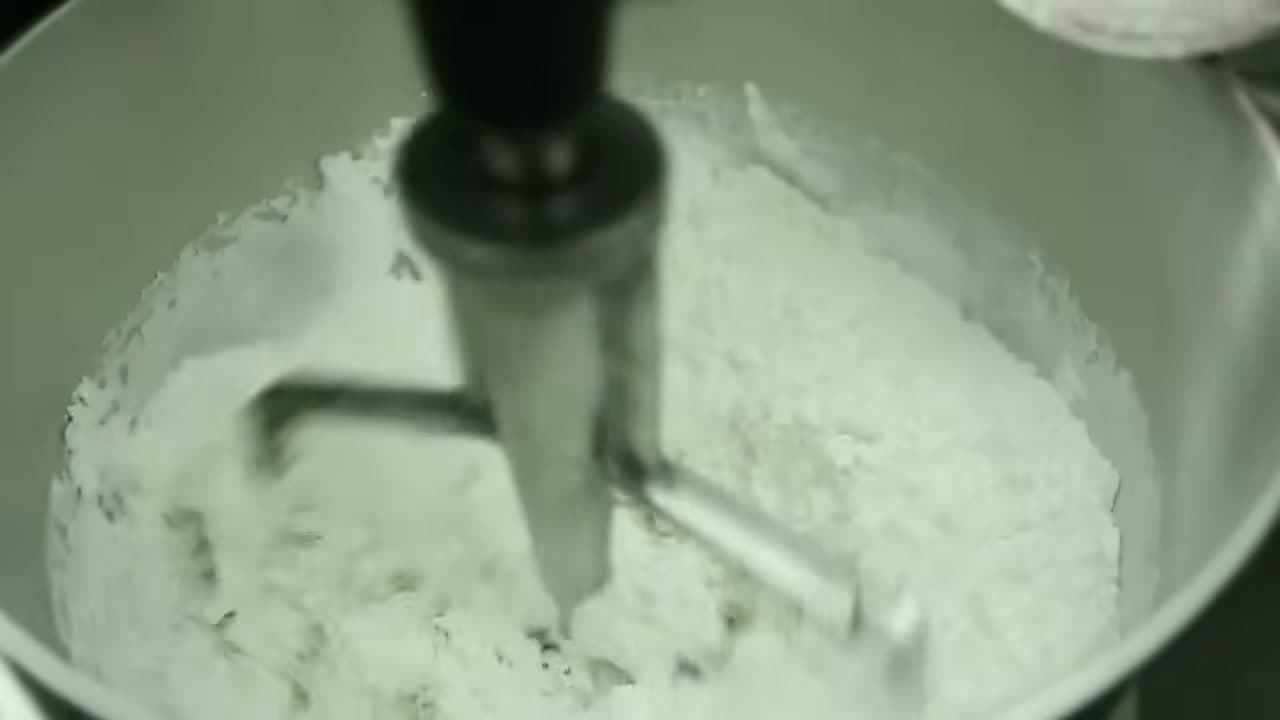
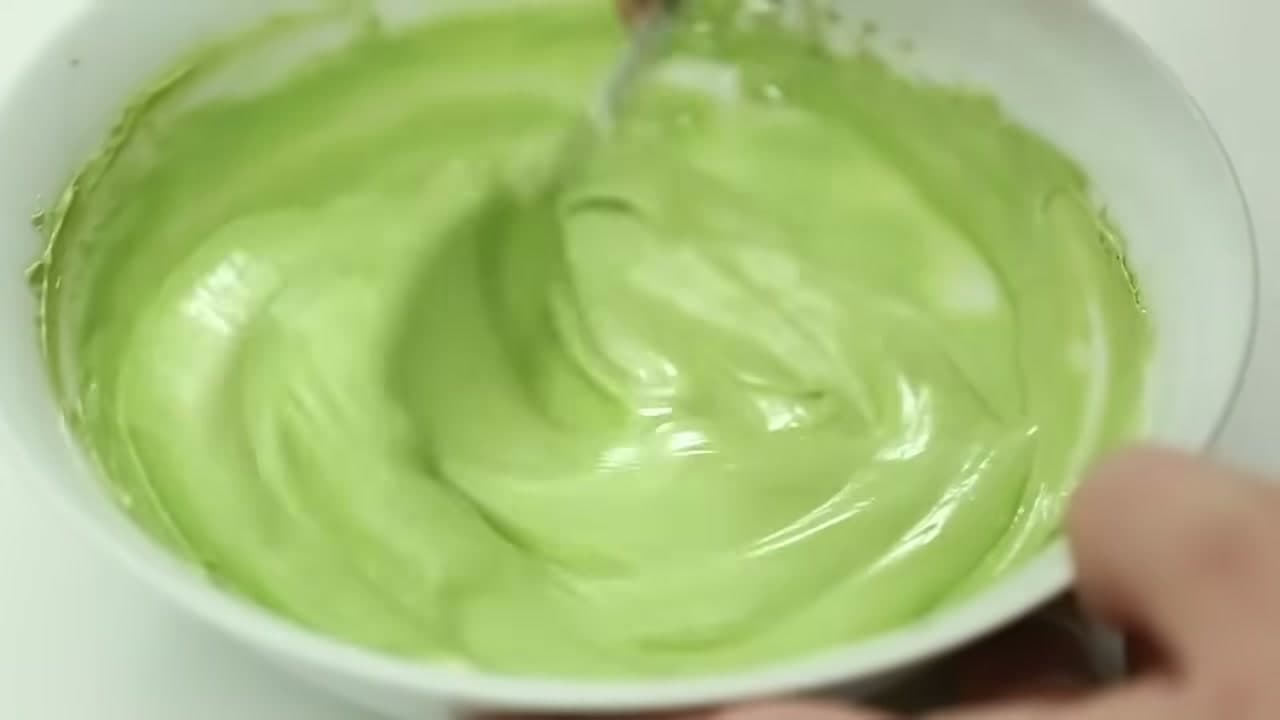
Beat air into royal icing and it dries crumbly, dull and unpleasant to eat. Mix it slow and it dries with a shine and a clean snap.
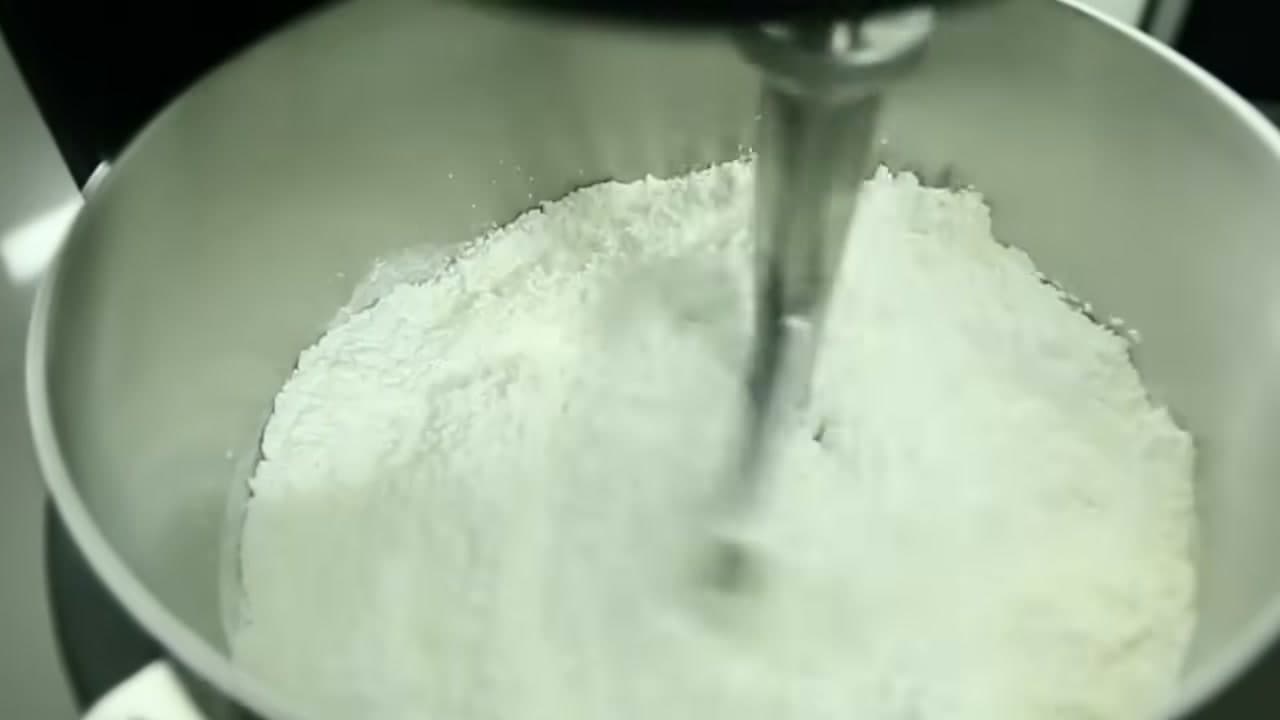
This version uses meringue powder rather than raw egg white, so it is shelf stable and safe for anyone. Corn syrup gives it the shine, and a little white gel counteracts the yellow cast that real vanilla brings.
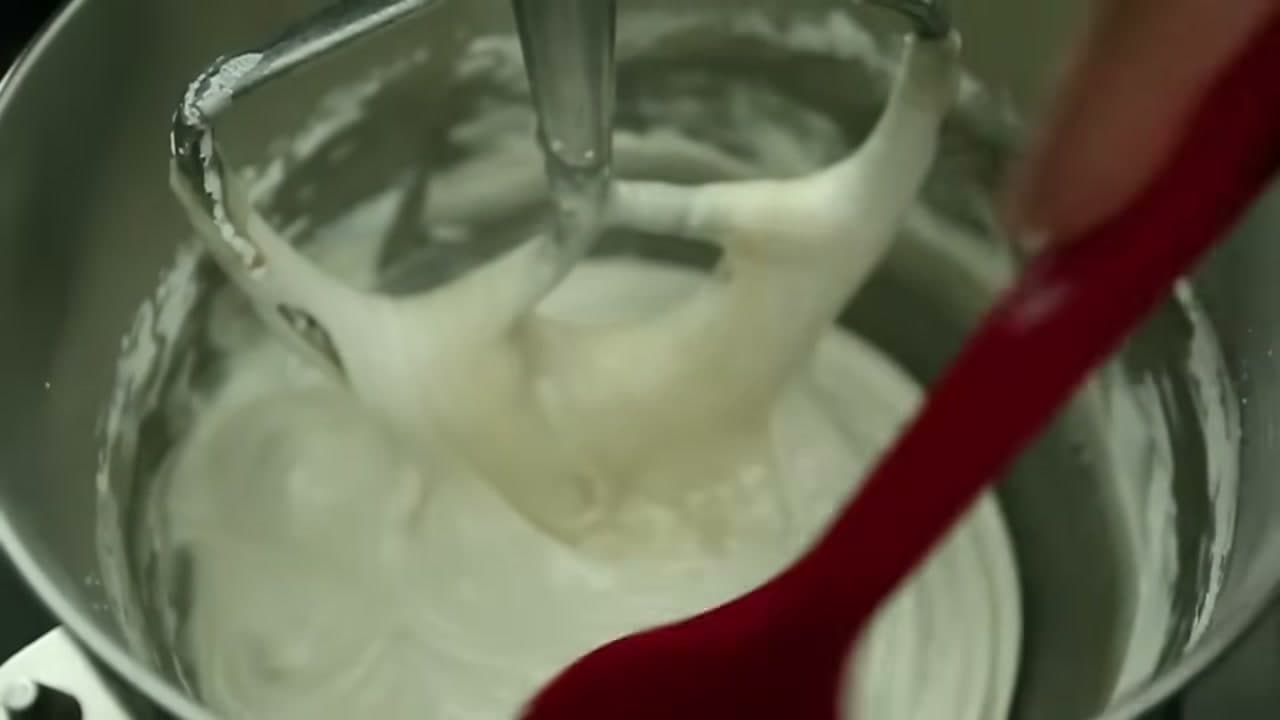
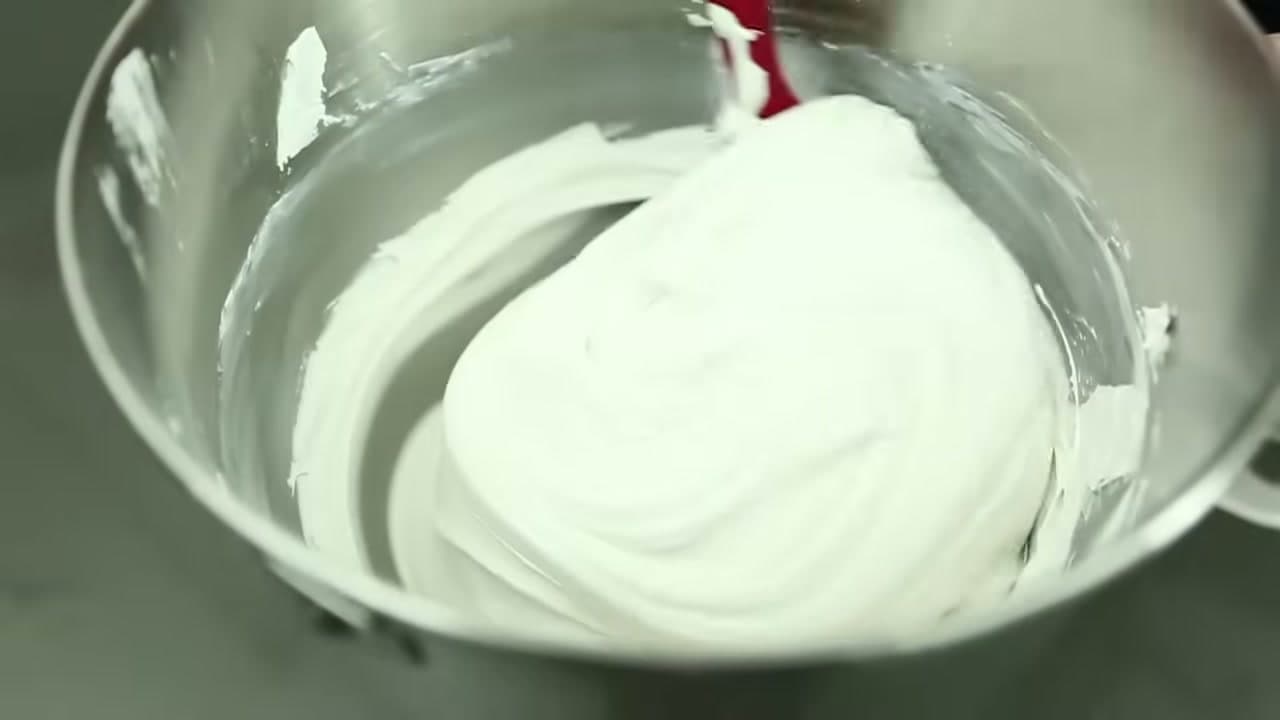
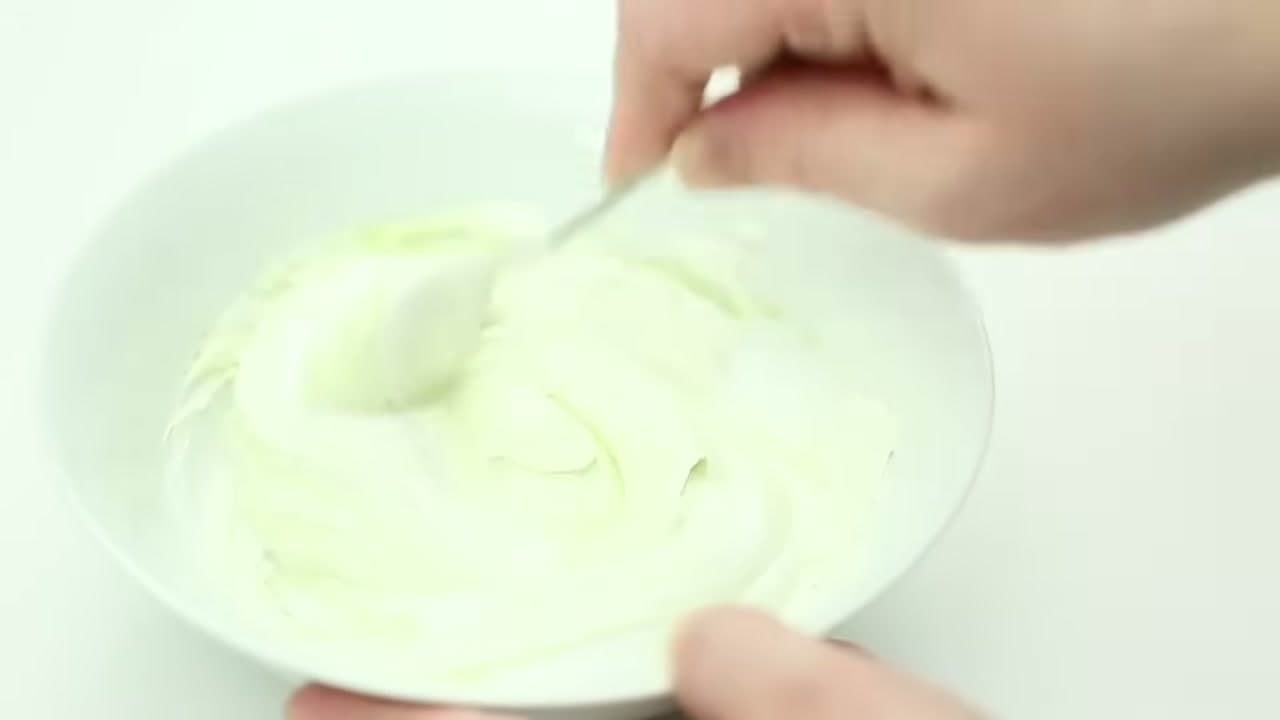
The half most recipes skip is consistency. One batch of stiff icing gets thinned into two working consistencies - one that holds a piped outline and one that floods flat inside it. That thinning is the actual skill, and it is most of what is covered here.
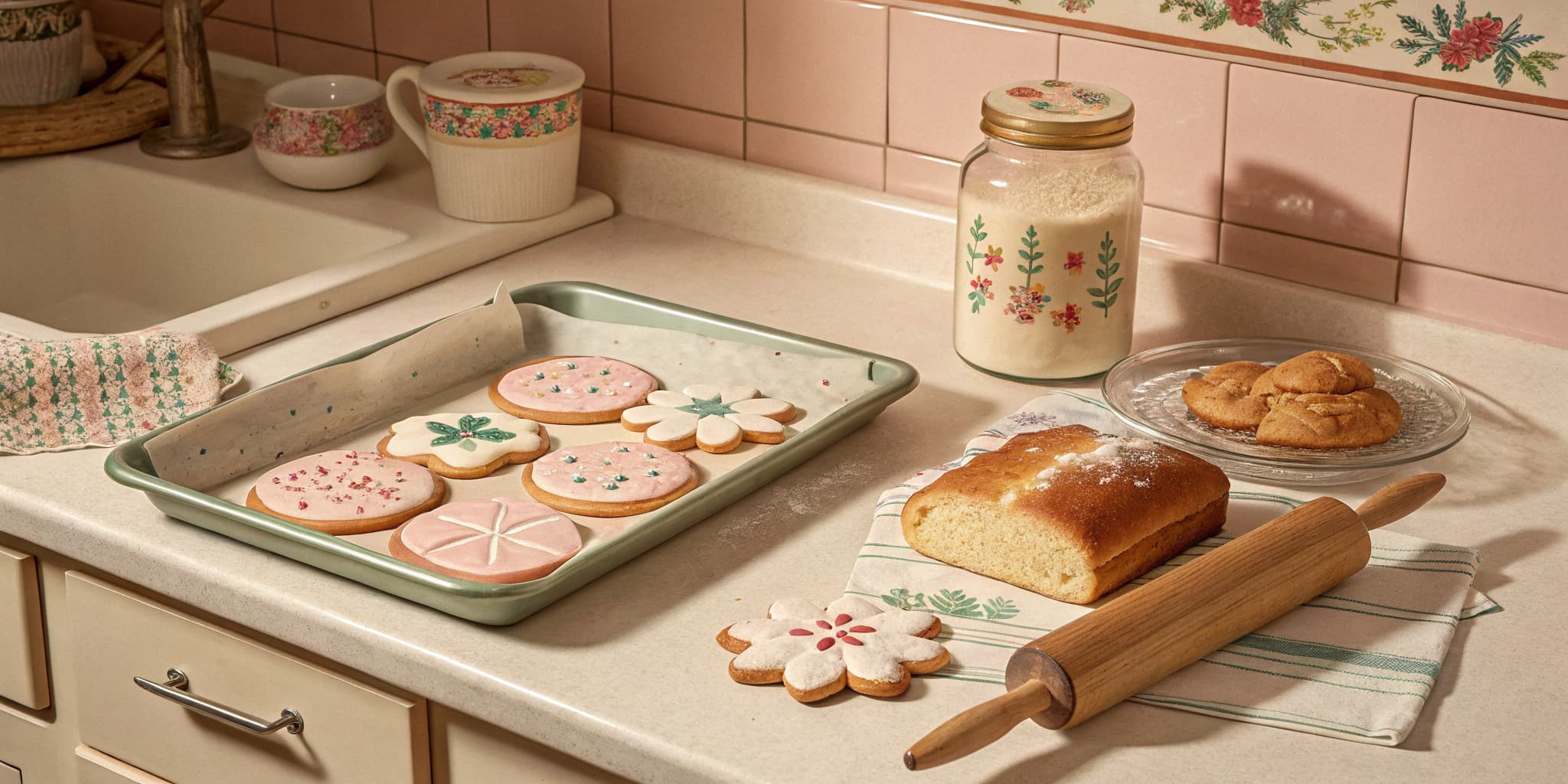
One batch ices about three dozen cut-out sugar cookies.
What you need
- Stand mixer with the paddle, or a hand mixer on lowest speed.
- Meringue powder, three tablespoons per 1 kg bag of powdered sugar.
- Corn syrup. It is what makes dried icing shine rather than matte.
- Gel colours, white included. Liquid colouring is water and moves your consistency.
- Piping bags with small tips, squeeze bottles, a scribe or toothpick.
Meringue powder, raw egg white or carton whites
Meringue powder is dried pasteurised egg white, so there is no food-safety question when you hand a cookie to a child. Raw white sets harder but leaves raw egg on a cookie that sits out for a week. Carton whites are safe, though gums in cheaper ones stop them whipping.
The consistency ladder
Decorators talk about icing in seconds. Cut a line through the surface with a spoon and count how long it takes to close up.
- Stiff - holds a peak on its own. Piped flowers and lettering with height.
- Outline - soft peak, holds a piped line without spreading. Around 20 to 25 seconds.
- Flood - 15 seconds for detail, 10 for large flat fills. The 15 second version keeps its edge and traps fewer bubbles.
Add water half a teaspoon at a time. The gap between outline and flood is narrower than people expect, and a splash from the tap takes a bowl past both.
Colouring it without thinning it out
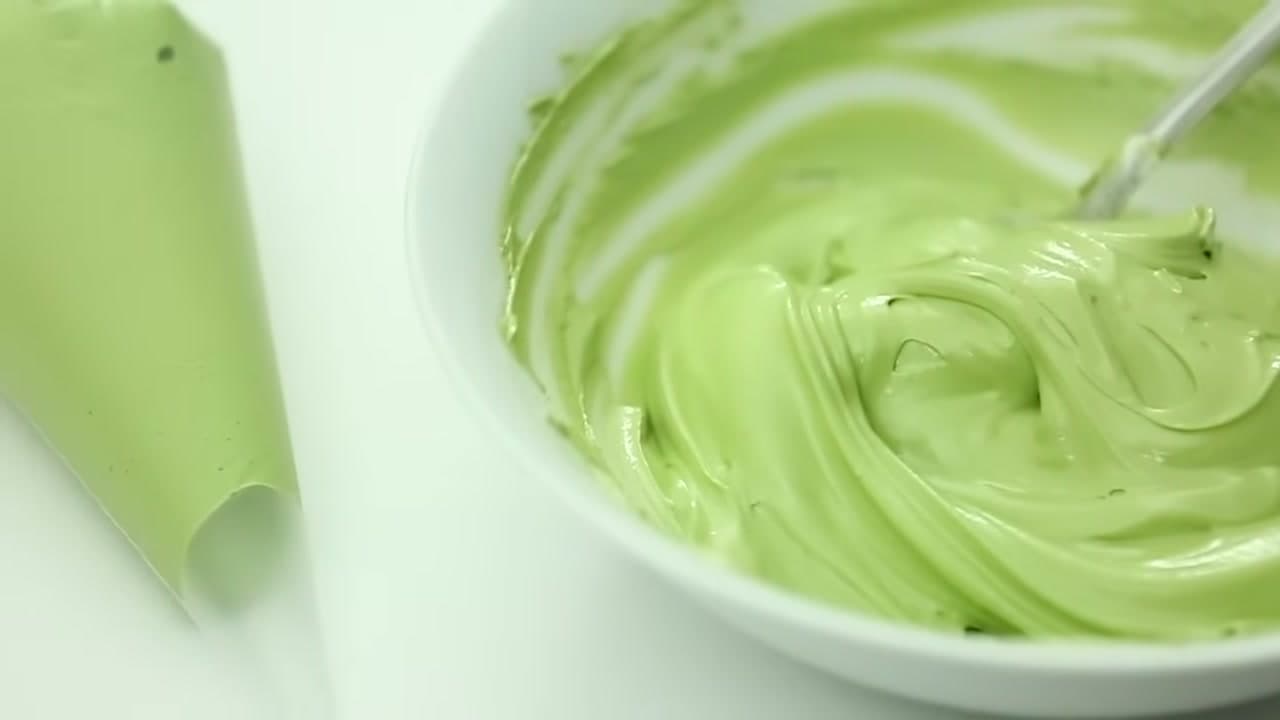
Gel is strong and half a cup of icing needs very little. Red, black and navy want enough to loosen the bowl, so start those stiffer. Colour deepens as it sits, so mix dark shades an hour ahead, then look.
How long it takes to crust and to dry
Two different waits, and confusing them ruins a tray at the last stage. A flooded surface crusts in 15 to 30 minutes, after which piped detail sits on top instead of sinking in. Colours only merge flat in the first few wet minutes.
Drying through takes 6 to 8 hours, and overnight is the honest answer before you stack them. Humidity doubles it. A low fan across the tray speeds it up and cuts colour bleed. Never refrigerate decorated cookies: condensation forms as they warm and colours run. Leftover icing keeps four days under cling film pressed to the surface. It separates, so stir it back with a spatula, never the mixer.
When royal icing goes wrong
- It ran off the cookie. Too thin. Sift in sugar a spoon at a time and pipe a thicker outline.
- Colours bled together. Wet icing, a humid room, or dark piped against white before the white crusted.
- Craters and pinholes. Bubbles from the bag. Rest the icing ten minutes, tap the bowl, pop what rises with a scribe.
- Dull, chalky finish. Over-whipped, or no corn syrup.
- The line keeps breaking. Too stiff for that tip. Thin it, do not squeeze harder.
Gingerbread cookies take the same icing, and a stiffer batch is the mortar for a gingerbread house. For a soft frosting to eat instead, American buttercream goes the other way.