How to Introduce Yourself: A Simple 4-Tip Framework

Also in:Adulting

By ShowMeStepByStepPublished Updated

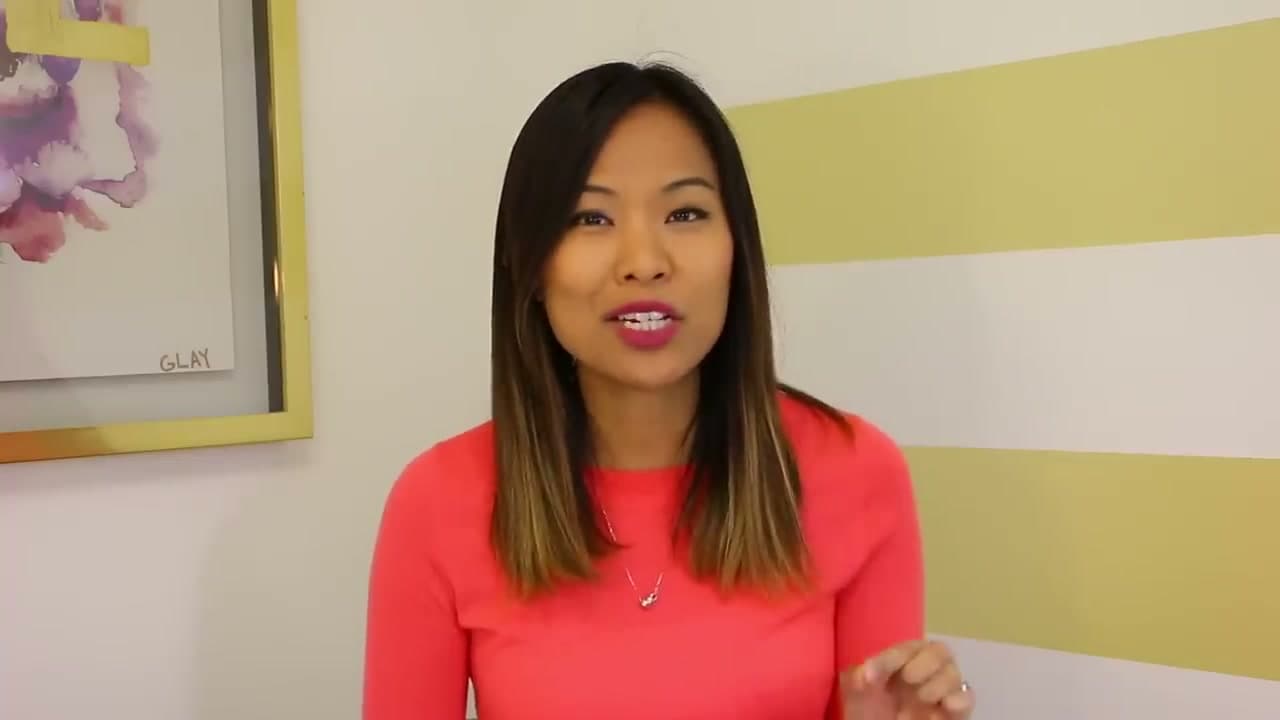
Based on a video by Linda Raynier.

'Tell me about yourself' is the first question in almost every job interview, and it trips up smart, qualified people every single time. The reason: most folks treat it like a personal-history prompt and ramble through hometowns, hobbies, and family life. The interviewer wanted a tight, structured pitch for why you're the right hire - and the answer just buried it.

Linda Raynier, a career strategist and coach with millions of views on this topic, breaks the answer into 4 tips: snapshot your work history, lead with measurable accomplishments, tell them what you know about the role, and end with why you're the right fit. The same structure works for networking events, first-day intros, and quick coffee meetings - you just change the volume. If you're also working on the written side of first impressions, see how to write a professional email, and for the presentation version see how to give a presentation.

Step-by-Step Guide

1

Step 1: Skip the Personal Life - This Is About Your Work Story

0:25
Step 1: Step 1: Skip the Personal Life - This Is About Your Work Story

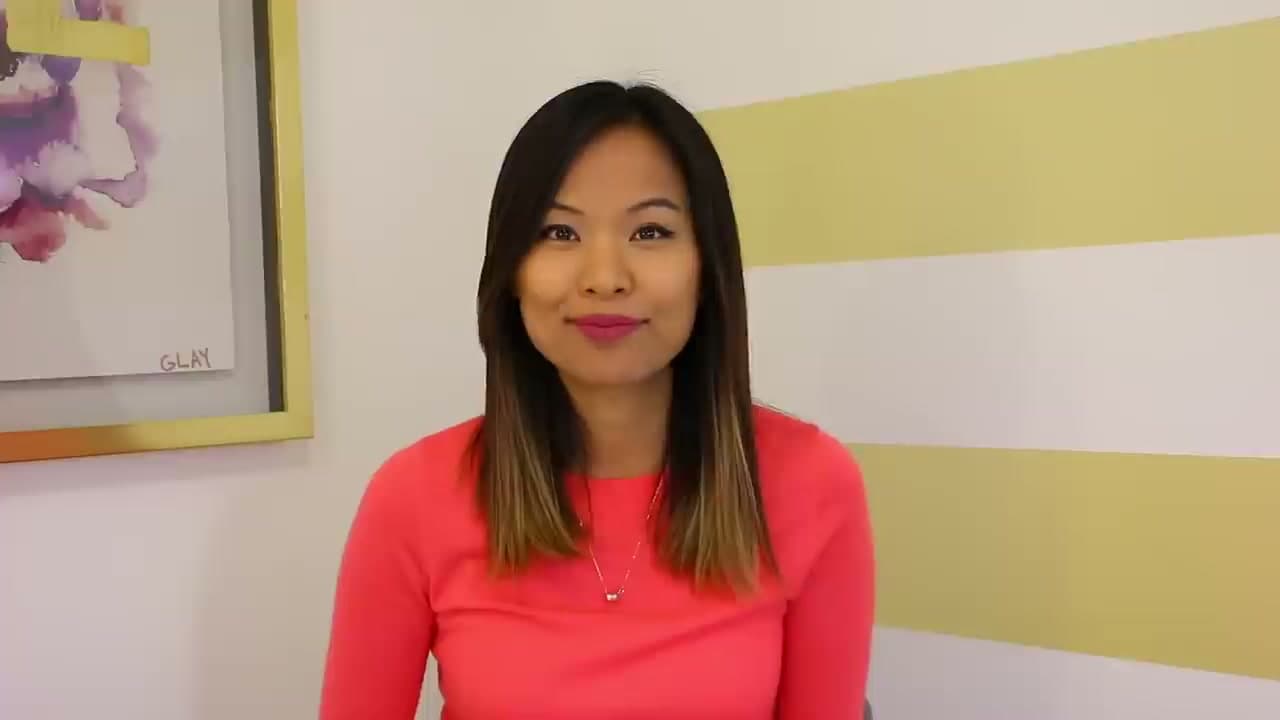
When someone asks you to tell them about yourself, they aren't asking about hometowns, hobbies, or your kids. They want your professional background in a nutshell: qualifications, experience, and why you fit this specific role.

Keep family stories out of it. Treat the question as a focused work conversation, not an icebreaker about who you are as a human. The interviewer has 30 minutes and a job to fill - help them do it.

Products used in this step

2

Step 2: Tell a Story, Not a Script

1:00
Step 2: Step 2: Tell a Story, Not a Script

Your answer should feel like a short professional narrative with a beginning, middle, and end. Engaging, clear, and complete - not a robotic list of job titles read off a resume.

Think of yourself as walking the interviewer through how you got to where you are and where you're heading. The shape of a story makes you memorable. Bullet points make you forgettable.

3

Step 3: Give a Snapshot of Your Work History

1:36
Step 3: Step 3: Give a Snapshot of Your Work History

Start with your earliest professional job and work forward. For each role name the company, your title, how long you stayed, and your main responsibilities. Two or three sentences per role.

If you started as a financial analyst, moved up to senior analyst, then to finance manager, walk through that arc. The interviewer sees momentum and a clear career path instead of a list of disconnected jobs.

Tip

Practice the work-history part standing up. Sitting makes people slouch into a monotone; standing keeps energy in your voice.

4

Step 4: Add One Specific Accomplishment Per Role

2:45
Step 4: Step 4: Add One Specific Accomplishment Per Role

After each work snapshot, share a specific win from that job. An accomplishment is anytime you saved time, saved money, improved a process, or grew revenue.

Use a number when you can. Saying you cut report turnaround from five days to two lands harder than saying you were detail-oriented. Numbers turn vague claims into proof. If you don't have an exact metric, an approximate one still beats none.

Products used in this step

5

Step 5: Show Them You Understand the Role

4:16
Step 5: Step 5: Show Them You Understand the Role

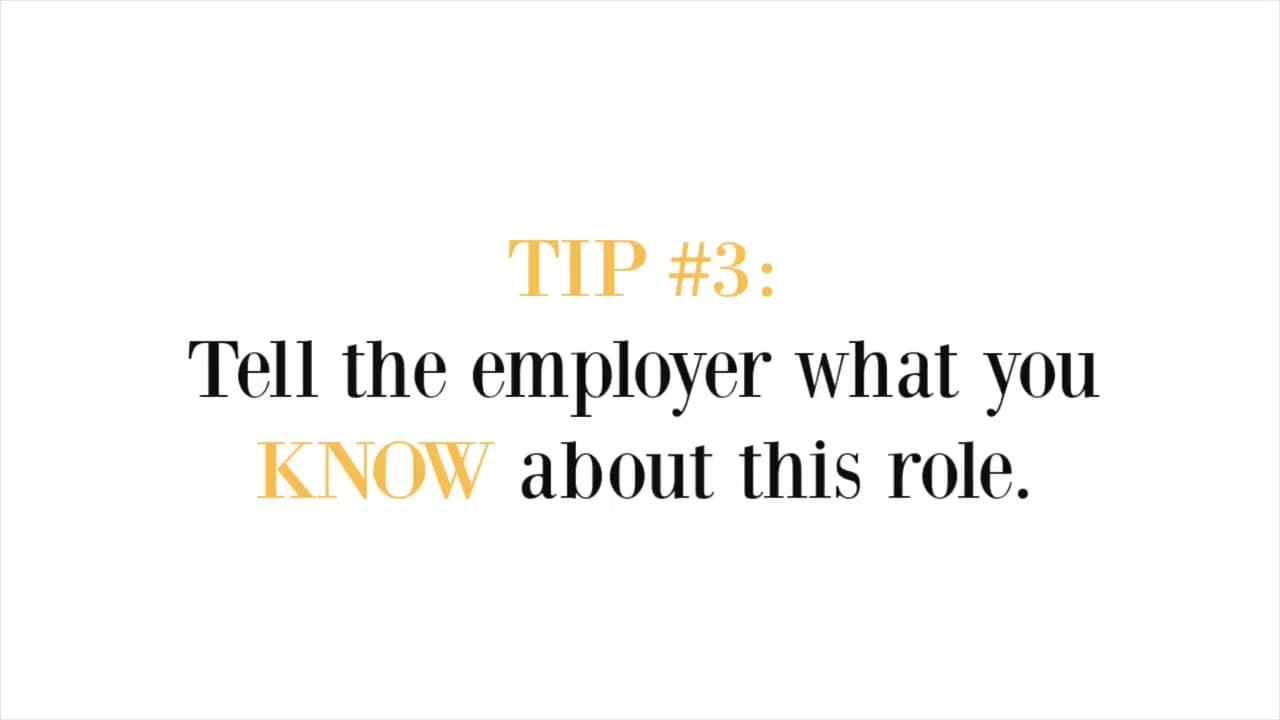
After your work history, name what you know this position needs. Something like: 'I understand this role calls for someone with strong process-improvement skills and the ability to lead cross-team projects.'

This is the moment most people skip. It shifts the conversation from talking at the interviewer to talking with them. It signals you read the job description and thought about their actual problem - not just yours.

6

Step 6: End With Why You're the Right Fit

5:20
Step 6: Step 6: End With Why You're the Right Fit

Close by directly connecting your experience to their needs: 'Given my five years in finance and my work streamlining reporting at my last company, I'm confident I can step into this role and deliver from day one.'

Most people drift to a stop after listing their jobs. Spelling out the fit is the difference between a forgettable answer and a hire. You're not bragging - you're saving the interviewer the work of connecting the dots themselves.

7

Step 7: Practice Out Loud and Time Yourself

6:20
Step 7: Step 7: Practice Out Loud and Time Yourself

Aim for 60 to 90 seconds for a formal interview, 30 seconds for a meeting or networking event. Record yourself on your phone and play it back.

Trim filler words, slow down at the end, and make sure each sentence earns its place. Practice until the structure feels natural - confident enough that nerves can't knock it off the rails on the day.

8

Step 8: Adapt the Answer for Each Context

6:40
Step 8: Step 8: Adapt the Answer for Each Context

A panel interview gets the full story with accomplishments. A networking event gets a tight 20-second elevator pitch focused on what you do now and what you're looking for. A first-day team intro skips the accomplishments and leans on what excites you about the role.

Same structure, different volume. Know which version to pull out and when, and you'll never freeze when someone says 'so, tell us a bit about yourself.'

Products Used

Your Guide

Linda Raynier

As an Amazon Associate we earn from qualifying purchases. Links on this page may be affiliate links - clicking them and buying doesn't change your price, but helps support ShowMeStepByStep.

Tags

Test your knowledge

Did the lesson stick? Find out in 2 minutes.

5 quick questions covering what you just read. No signup, no score saved — just a gut check.

Quick reference

Key takeaways from How to Introduce Yourself: A Simple 4-Tip Framework

5 questions, answers, and one-line explanations. Tap to expand.

  1. 1.When someone asks you to 'tell me about yourself,' what should you skip?

    Answer: Your hometown, hobbies, and family stories

    This is a focused work conversation, not an icebreaker about who you are personally.

  2. 2.For each past role in your work snapshot, how much should you say?

    Answer: Two or three sentences naming company, title, tenure, main responsibilities

    A short snapshot per role builds momentum without rambling.

  3. 3.What turns a vague claim into proof in your work story?

    Answer: A specific accomplishment with a number when possible

    Numbers turn vague into specific - 'cut turnaround from 5 days to 2' beats 'detail-oriented.'

  4. 4.After your work history, what move do most people skip?

    Answer: Showing you understand what THIS specific role needs

    Naming the role's needs shifts you from talking AT the interviewer to talking WITH them.

  5. 5.Target length for the answer in a formal interview?

    Answer: 60 to 90 seconds

    60-90s for an interview, 30s for a networking event - same structure, different volume.

What's next

Weekly Digest

Liked this communication tutorial?

Pick the categories you want to hear about. Weekly digest of new step-by-step tutorials. No spam, easy unsubscribe.

Send me tutorials about

We only email about new tutorials. Easy unsubscribe anytime.