How to Give a Presentation: 6 Public Speaking Fundamentals

CommunicationEasy5:526 steps

Based on a video by Communication Coach Alexander Lyon.

Public speaking is the #1 ranked fear for most adults - more than spiders, heights, or dying. The good news: most of what makes a speaker bad is fixable in 6 small habits. Get these right and you'll be ahead of about 80% of people who present at work.

This walkthrough from Communication Coach Alexa is structured as 6 don'ts paired with the do version. Practice them on a 5-minute talk before your next real presentation - read your notes out loud, time yourself, watch the recording. Public speaking is a learnable skill, not a personality trait.

Step-by-Step Guide

1

Step 1: Don't Ramble - Build a Clear Intro, Body, and Conclusion

1:00
Step 1: Step 1: Don't Ramble - Build a Clear Intro, Body, and Conclusion

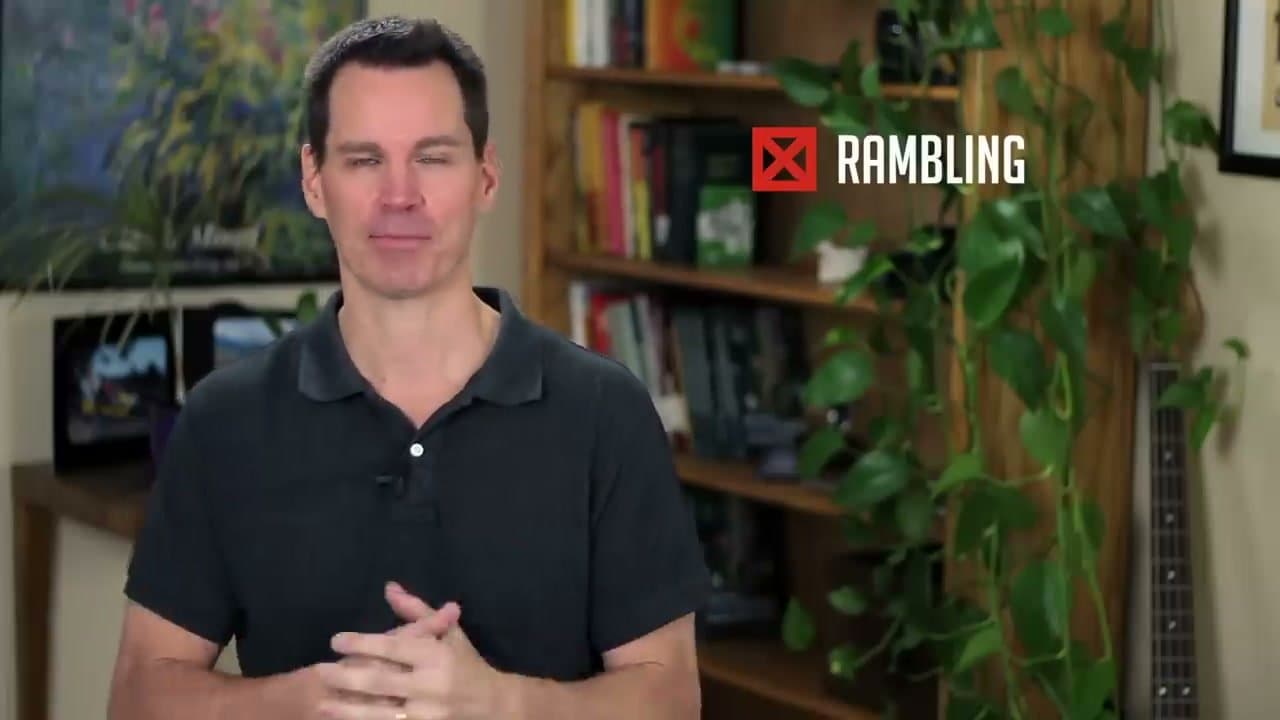
A speaker who weaves around is impossible to follow. Before you stand up, write out a clear introduction, 2-3 main points for the body, and a conclusion.

Add transition statements between each main point ('Now that we've covered X, let's look at Y'). Audiences remember structured talks; they tune out rambling ones. Most professionals over-prepare on content and under-prepare on structure - flip the ratio.

2

Step 2: Make Eye Contact: One Thought, One Person

1:40
Step 2: Step 2: Make Eye Contact: One Thought, One Person

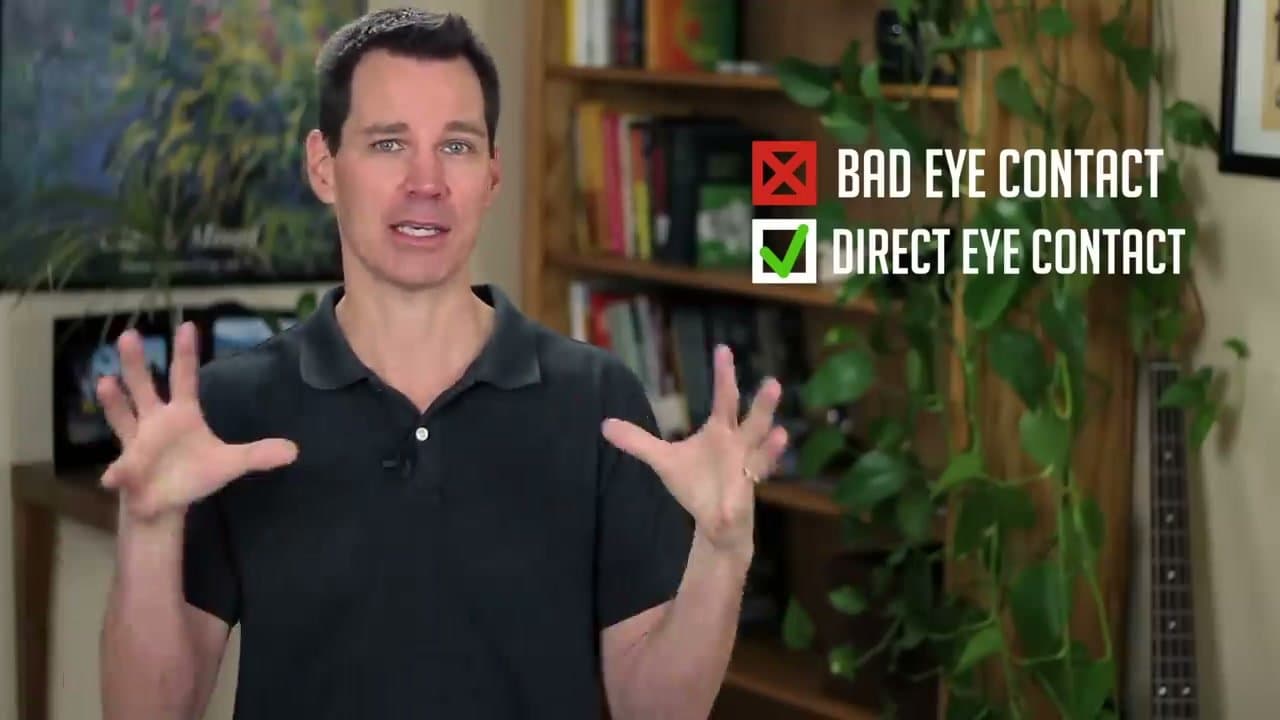
Don't look over heads, at the floor, at the ceiling, or scan the room. Look directly into one person's eyes long enough to finish a thought (a sentence or half-sentence), then move to the next person.

The rule of thumb: 'one thought, one look.' This feels awkward at first - do it anyway. Eye contact is what makes the audience feel spoken-to instead of spoken-at. Without it, you're a recording playing in the room.

3

Step 3: Pare Down Your Notes to a Grocery List

2:25
Step 3: Step 3: Pare Down Your Notes to a Grocery List

Don't jam your notes or slides with everything you want to say - you'll end up locked to the page, sounding stiff and wooden, never looking up.

Whittle the notes down to talking points. A few keywords per main idea, like a grocery list. This forces you to look up, talk like a human, and connect with the audience instead of reciting. The bonus: when you trust yourself to talk to the topic, the talk improves.

4

Step 4: Keep Slides Simple - Don't Read From Them

3:27
Step 4: Step 4: Keep Slides Simple - Don't Read From Them

Avoid jam-packed slides with complicated text and animations. Each slide should make ONE point clearly.

Rule of thumb: spend 2-3 minutes per slide max - if you're slower, your slides have too much. For a beginner talk, a few slides total is plenty. Slides supplement what you say; they don't replace it. The audience reads faster than you talk, so a wall of text guarantees disengagement.

5

Step 5: Stand Confidently - Move with Purpose, Not from Nerves

4:15
Step 5: Step 5: Stand Confidently - Move with Purpose, Not from Nerves

Don't pace back and forth aimlessly or fidget with your hands, feet, or a pen. Stand still in one spot, share a chunk of your message, then move with purpose to a different spot and share another chunk.

Use your hands to emphasize ideas with deliberate gestures - don't tuck them in pockets or wring them. Confident posture changes how the audience receives you before you say a word.

Tip

Record yourself on your phone for a 3-minute practice talk. Watch it back without sound. Anywhere your hands or feet look distracting is something to fix.

6

Step 6: Project Your Voice and Use Pauses Instead of 'Um'

5:05
Step 6: Step 6: Project Your Voice and Use Pauses Instead of 'Um'

Speak loud enough to reach the back of the room - aim your voice there even if no one's standing back. Emphasize key words with vocal energy.

Pause after a key idea instead of filling the silence with 'um' or 'uh.' A 2-second pause lands a thought. An 'um' undercuts it. Pauses also give you time to find your next sentence without panic. Most beginners are afraid of silence - the audience isn't.

Your Guide

Communication Coach Alexander Lyon

As an Amazon Associate we earn from qualifying purchases. Links on this page may be affiliate links - clicking them and buying doesn't change your price, but helps support ShowMeStepByStep.

Tags

Related Tutorials