Most people own a scarf and wear it the same way every time. The trick to getting more out of the one you already own is knowing two or three styles you can swap between, depending on the weather and how much you want it noticed.
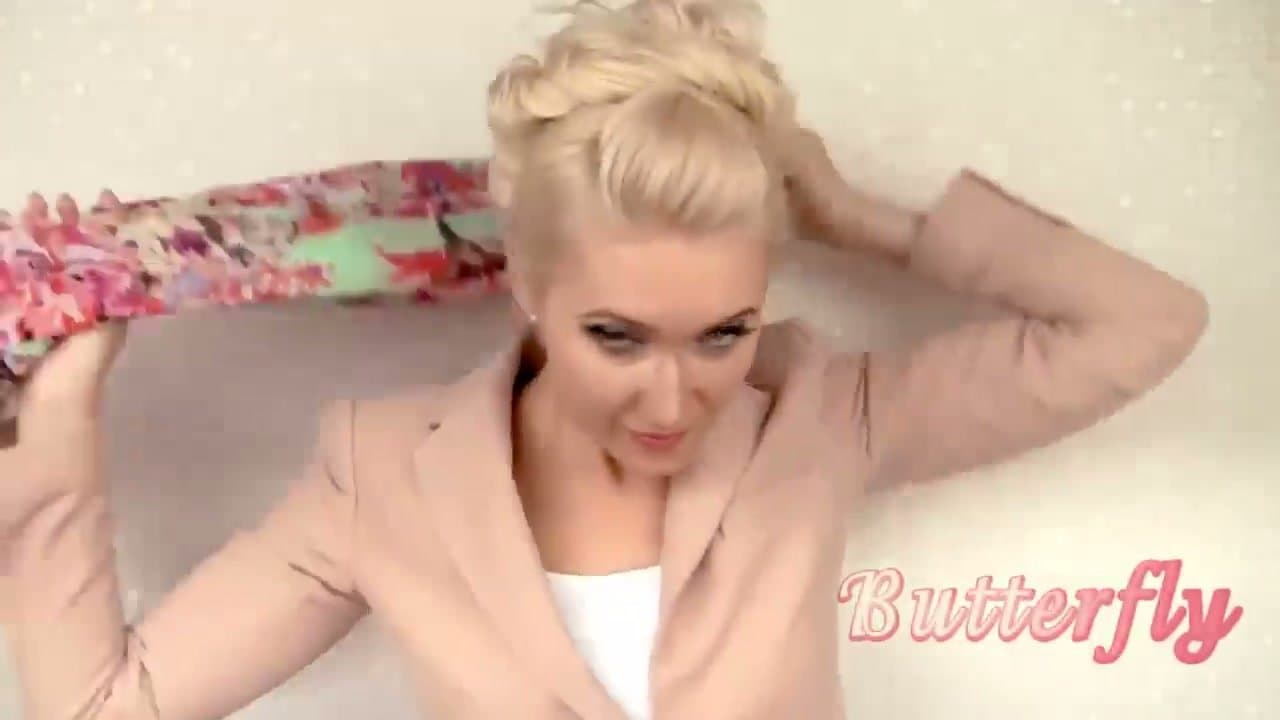
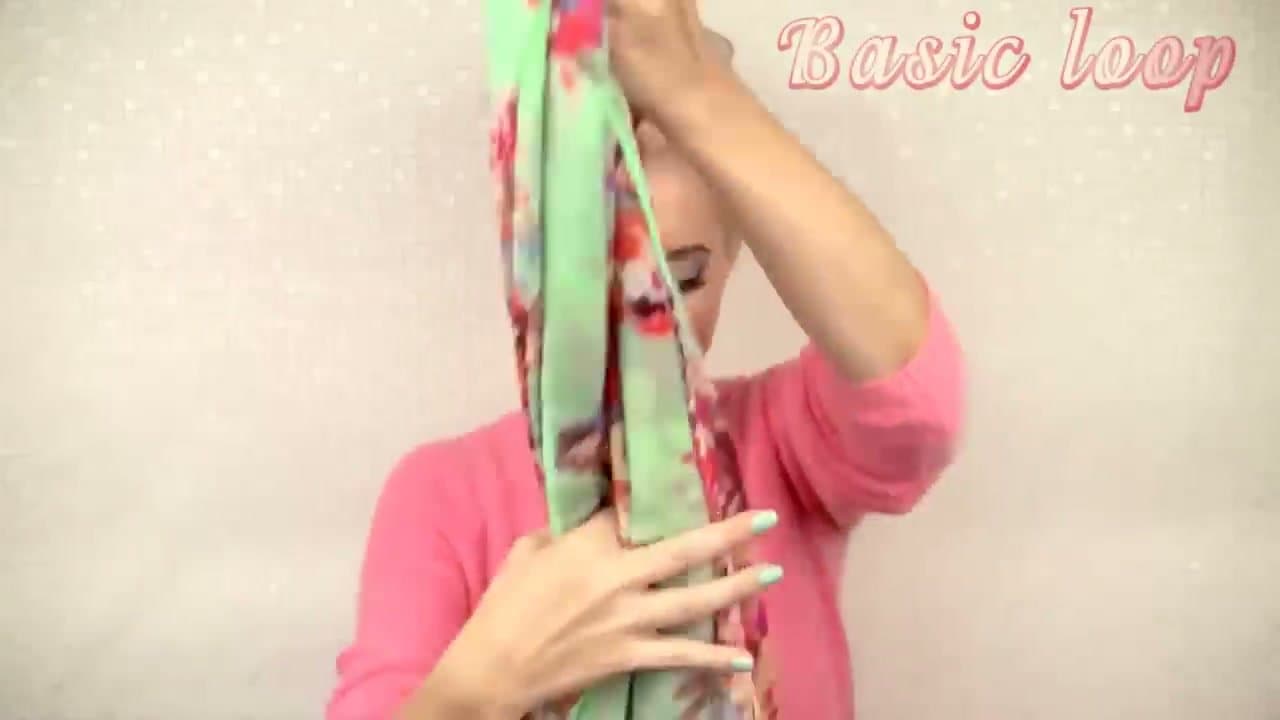
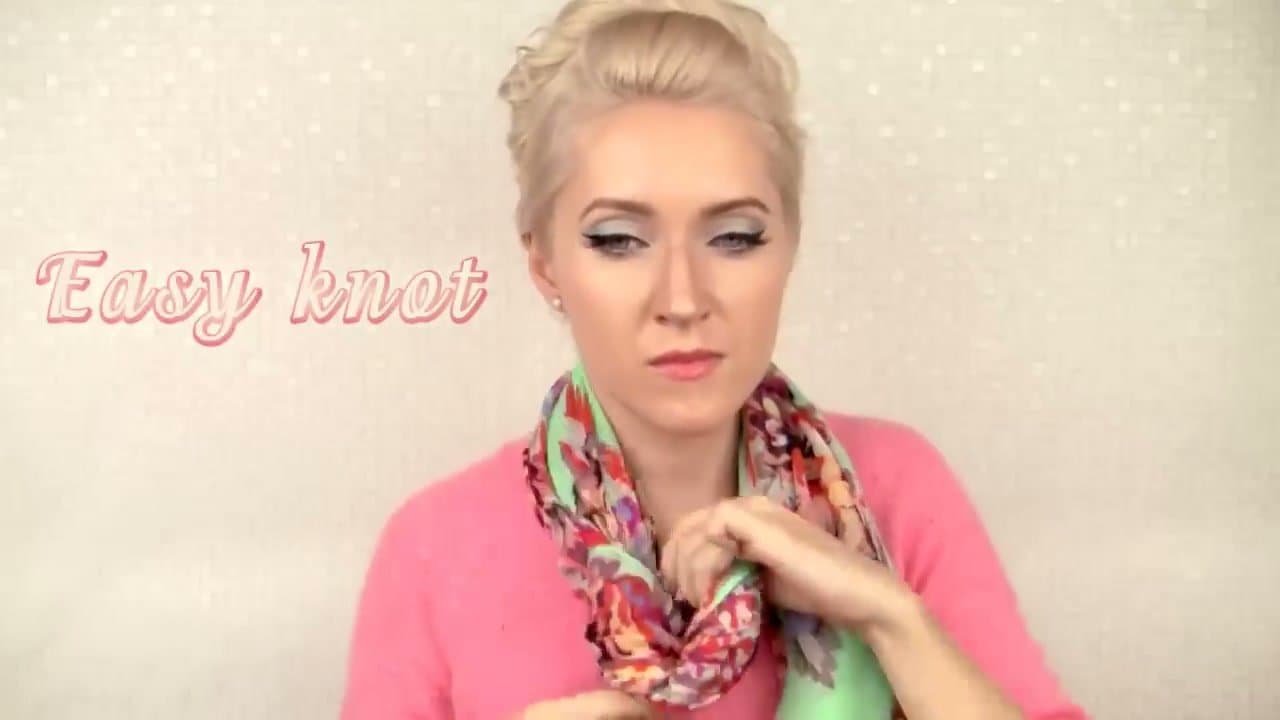
The five styles here come from Lilith Moon's 15-ways scarf video: the Basic Loop, the Easy Knot, Bohemian Chic, the Modern Shawl and the Butterfly. They run from a 30-second loop to a decorative fan, and none need pins or clips.
What you need
- A long rectangular scarf, 60 to 80 inches, for four of the styles
- A thin printed scarf for Bohemian Chic and the Butterfly
- A large wrap, at least 70 by 30 inches, for the Modern Shawl
- A mirror you can see your collarbone in
Which wrap suits which scarf
The five are not interchangeable. A long thin silk does not do what a chunky blanket scarf does, and forcing it is how a wrap ends up limp.
- Basic Loop - anything over 55 inches, any weight.
- Easy Knot - medium weight with grip. Silk creeps loose by lunchtime.
- Bohemian Chic - big and thin, so the double wrap falls open.
- Modern Shawl - your biggest scarf. Under 70 inches the ends never reach.
- Butterfly - a bold print. A solid color reads more like a bow.
Lengths and fabrics
Length matters more than fabric. A 55 to 60 inch scarf gives you one wrap and little else; 65 to 75 is the middle that covers four of these styles. Fabric decides how long the look survives the day: wool and cashmere grip themselves and hold for hours, acrylic slides and collects static, and viscose drapes so loosely it sags in a knot.
Over a coat or under it
Under a coat, a scarf is insulation. Use the Basic Loop or the Easy Knot and keep the tails flat against your chest. Bulk under a collar is what makes a coat feel tight in the shoulders. Over a coat the scarf is the accessory, where Bohemian Chic and the Butterfly show best. The Modern Shawl is the outer layer itself, so nothing goes over it.
None of this is gendered. The Easy Knot is the same move plenty of men wear over a peacoat, and it sits well with a tie or a folded pocket square underneath. Keep the scarf knot lower than a full Windsor so the shirt collar shows.
How to stop a scarf slipping
Most slipping comes from tying tight instead of tying smart. Pull the knot loose, position it, then snug it once. A knot dragged up a scarf creases it and loosens on the way.
Tuck the tails inside your coat so their weight stops fighting the loop. Give a slippery scarf a second wrap rather than a tighter first one, and on silk hide a safety pin at the back of the neck. For winter static, run damp hands down the scarf before you put it on.
Looking after wool, cashmere and silk
Hand wash wool and cashmere in cool water with a wool detergent and never wring them. Dry flat on a towel - hanging a wet knit stretches it for good. Store scarves folded, not on a hook that loads the weight on one point; the fold that keeps a sweater flat works here. Silk wants cool water and a cool iron on the reverse. Roll it rather than fold it when you pack a suitcase.
Common mistakes
- Pulling everything tight. Four of the five want soft, open loops.
- Matching the tail lengths. Even tails look flat. Let one hang lower.
- A heavy scarf for Bohemian Chic. Thick fabric will not fold, so the wrap becomes a collar.
- Starting the Modern Shawl too small. If the ends do not meet at your back, nothing holds it.
- One style with everything. Two in rotation makes one scarf look like two.