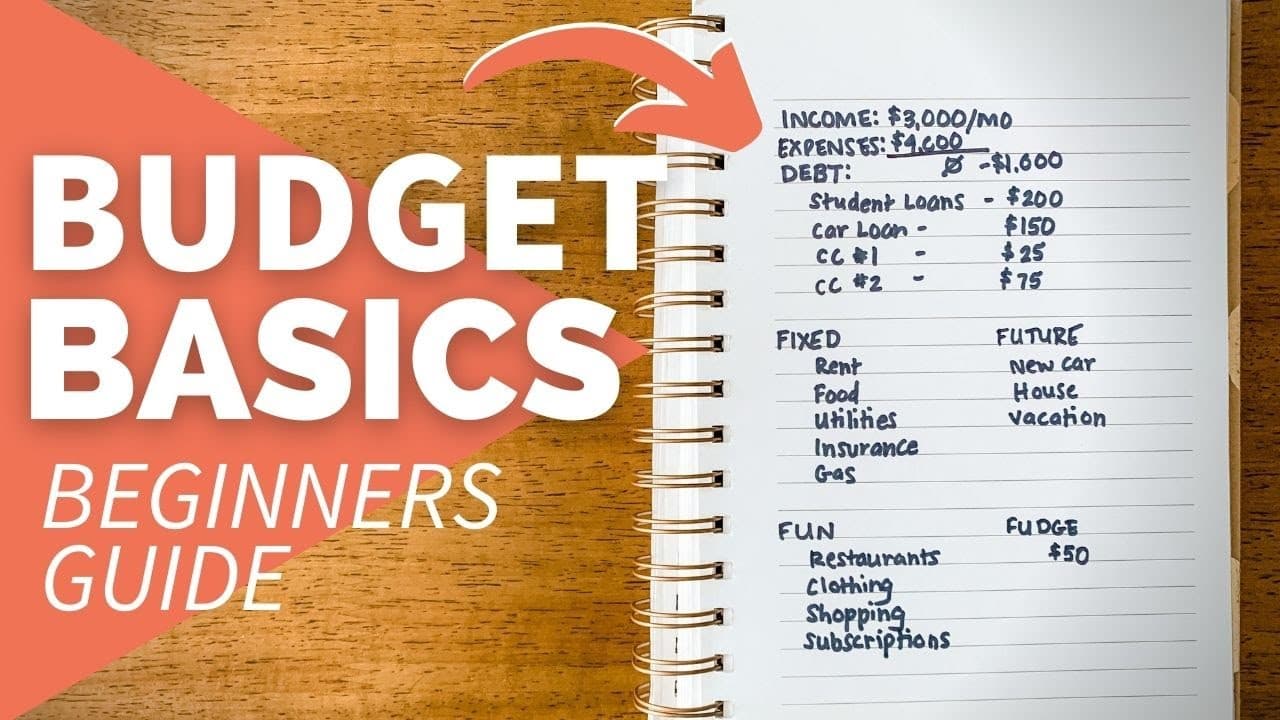
How to Make a Budget

BudgetingEasy13:538 stepsBrowse more →
Also in:Adulting

By ShowMeStepByStepPublished

Based on a video by Humphrey Yang.

Most budgets fail in week one because they start with the rules and skip the data. You can't decide what to cut if you don't know what you spend, and you can't pick a method if you don't know what the methods are. This walkthrough fixes both, in order.

The structure comes from Humphrey Yang, a former financial advisor who treats his personal finances like a business. He calls it the P&L Method - a one-page sheet with income at the top, expenses in the middle, and net profit at the bottom. The same shape a small business uses to know if it's surviving the month. We'll build that sheet step by step, then walk through how to allocate whatever you have left over so the budget actually moves you forward instead of just keeping score.

If you're new to the wider topic, pair this with our guides on how to make your first budget for an even simpler starting point, and how to build good money habits for the daily routines that keep a budget alive month after month.

Step-by-Step Guide

1

Step 1: Run Your Finances Like a Business

0:36

Step 1: Step 1: Run Your Finances Like a Business

Before you write a single number down, just look at your accounts. A study out of Rice University found that simple self-awareness about your money - knowing what you have, what you owe, what you spend - is the single biggest driver of financial progress. Not income, not budgeting apps, not willpower. Awareness.

Pull up every account you own: checking, savings, credit cards, student loans, car loan, retirement, brokerage. Write the current balance for each on one page. No plan yet. No judgment. You're taking inventory so the budget you build next is grounded in real numbers instead of a hopeful guess.

Tip

Check balances at least once a week, even after the budget is running. Humphrey checks his every day or two - he says the peace of mind is worth more than the few minutes it costs.
2

Step 2: Track Three Months of Income and Expenses

1:42
Step 2: Step 2: Track Three Months of Income and Expenses

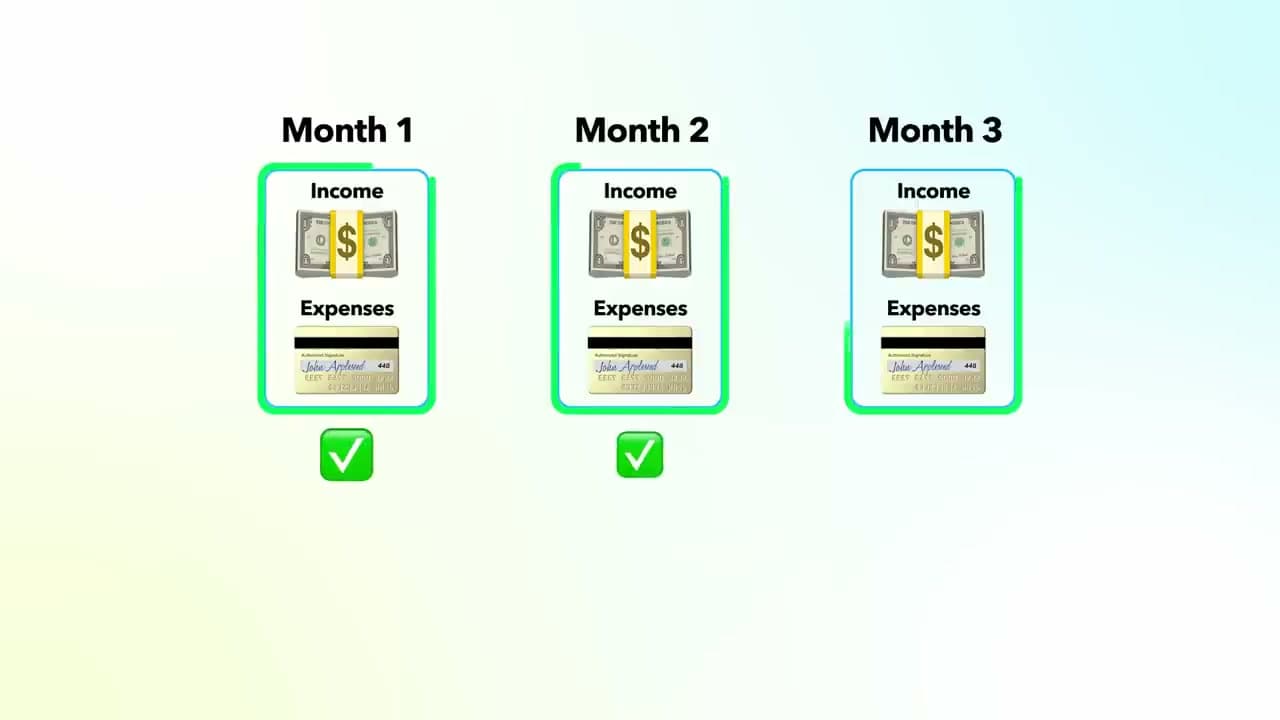
This is the challenge Humphrey gives every friend who asks where to start. Track every dollar that comes in and every dollar that goes out for three months, down to the dollar. Not the round numbers you remember. The actual numbers from your statements.

Go back through the last three months of bank statements and credit card statements. Sort every transaction into rough buckets - rent, groceries, gas, eating out, subscriptions, gifts, surprise costs. Don't try to fix anything yet. The point is to find out what your spending actually looks like before you decide what it should look like. The friends who stick with this challenge are the ones who end up with budgets that hold.

Tip

Use a free spreadsheet template or a simple notebook. Don't pay for an app yet - the manual sort is what trains the awareness. You can automate later.

3

Step 3: Build a Profit and Loss Sheet for Your Life

6:17
Step 3: Step 3: Build a Profit and Loss Sheet for Your Life

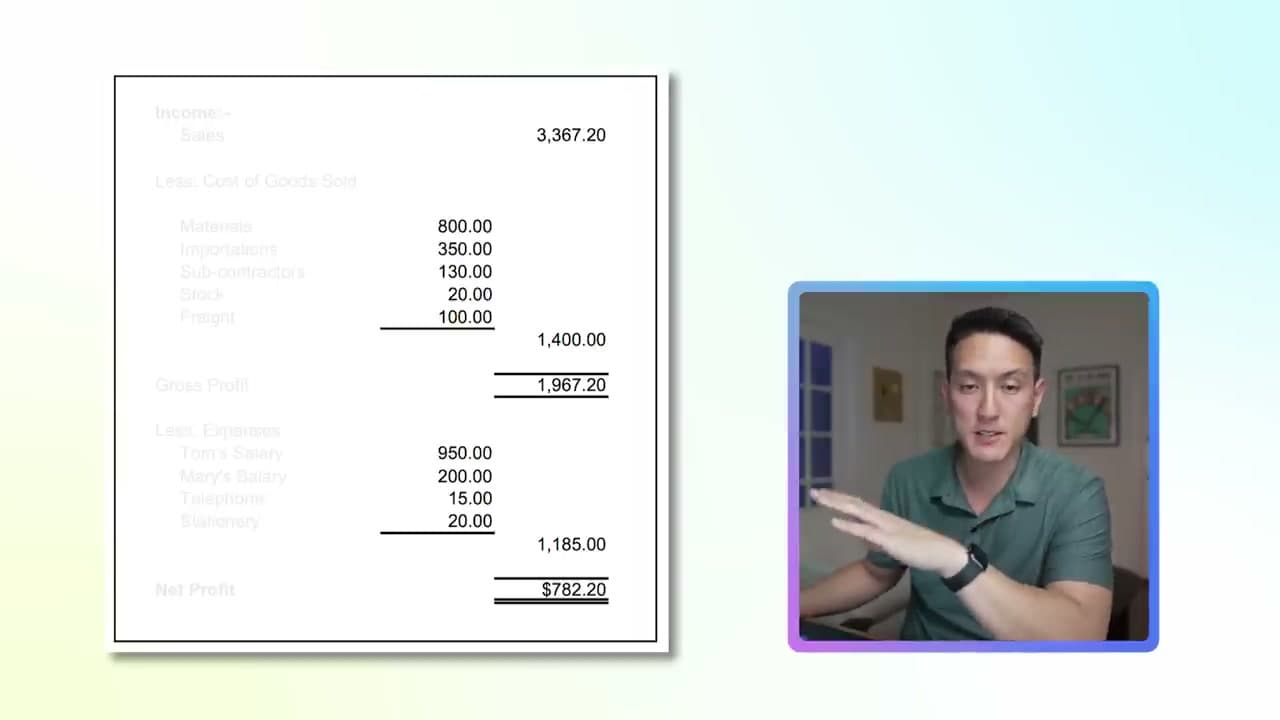
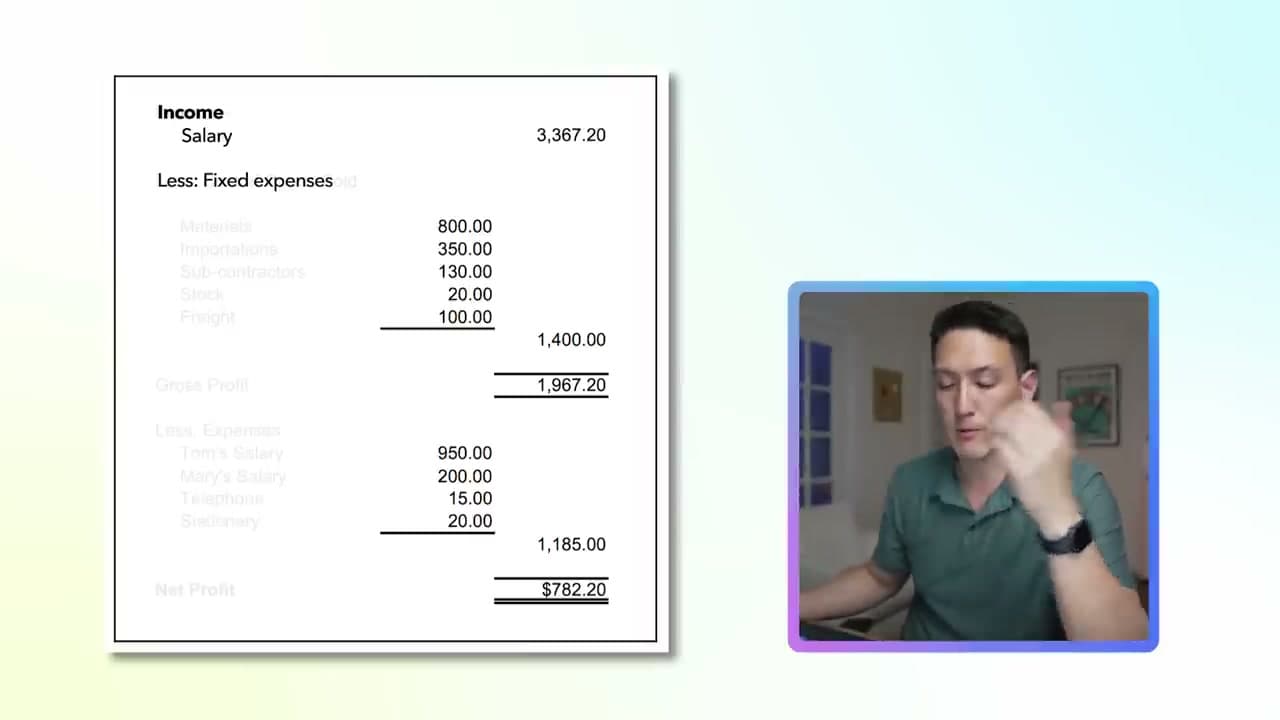
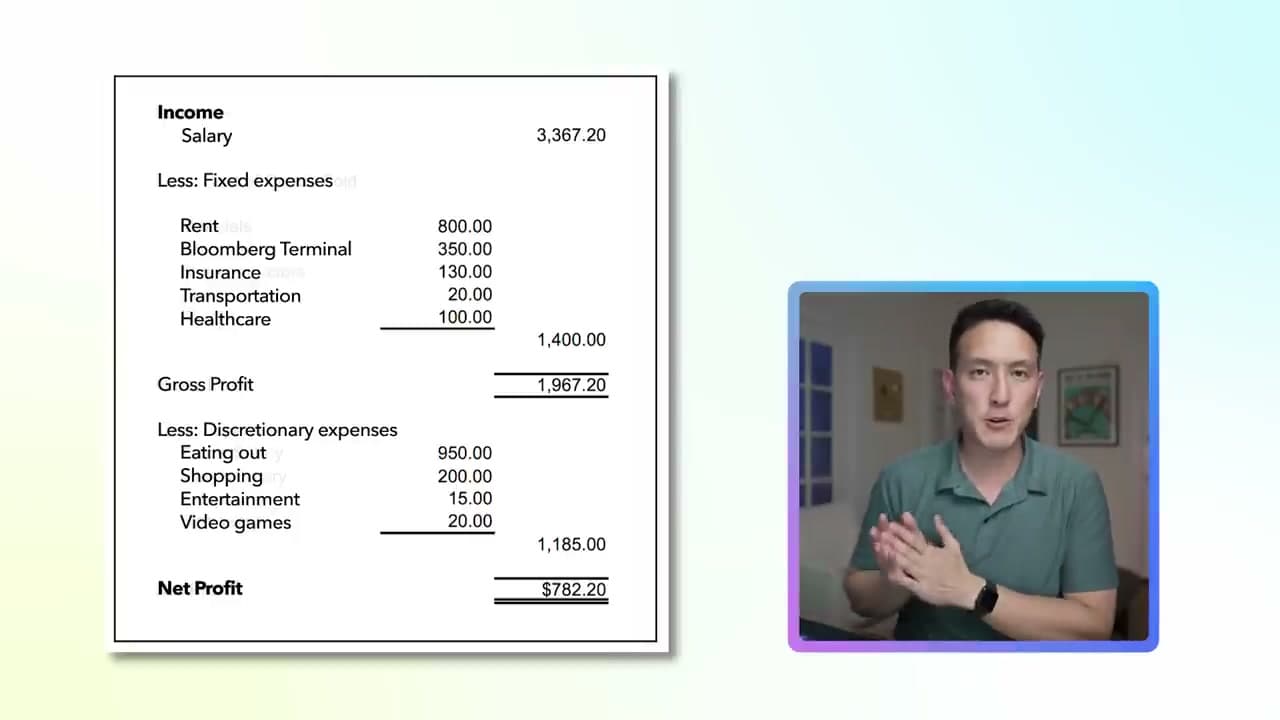
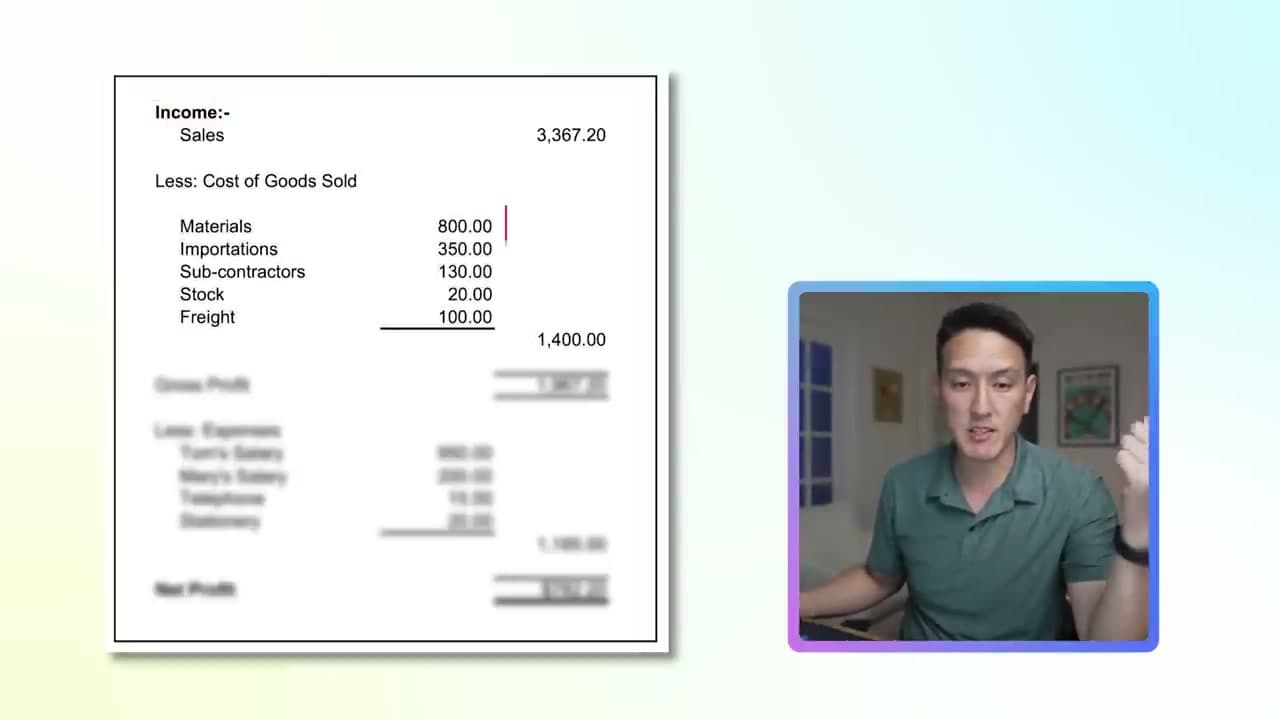
Humphrey treats his personal finances like a small business. The tool he uses is a P&L sheet - profit and loss - the same one-page summary a business owner runs at month end. Income at the top. Expenses in the middle. Net profit at the bottom. That's the whole budget.

Open a blank spreadsheet or grab a notebook. Make four labeled sections: monthly income, fixed expenses, discretionary expenses, and net profit. You'll fill each one in over the next steps. The free template Humphrey offers in his video description is just this same shape with the rows pre-labeled - either approach works. The structure is what matters.

Tip

One sheet per month. Don't try to fit a whole year on one page - you want a fresh sheet to compare against the last one. Save them all in one folder so the trend is visible at a glance.

4

Step 4: List Every Source of Income

7:50
Step 4: Step 4: List Every Source of Income

Start at the top of the sheet. Write down every source of income you actually receive in a month. Take-home pay after taxes, not gross salary. Add side income, freelance pay, rental income, child support, anything that hits your account on a recurring basis.

If your income varies month to month, use a conservative average of the last three months - the number you tracked in step 2 makes this easy. This total is your ceiling. Everything below it on the sheet has to fit inside it for the budget to work. If you're guessing high here, the whole sheet falls apart by week three.

Tip

Variable income? Budget on your lowest reasonable month. The extra in better months becomes a buffer you'll thank yourself for later.

5

Step 5: List Your Fixed Expenses

8:04
Step 5: Step 5: List Your Fixed Expenses

The next section is fixed expenses - the bills that hit every single month no matter what you do. Rent or mortgage. Insurance premiums. Transportation. Phone. Internet. Healthcare. Minimum payments on debts. Subscriptions you actually use.

Pull the exact numbers from your last statements. Don't estimate. Fixed expenses are non-negotiable in the short term, which is why they get priority placement right under income. Subtract this section from your income and you can already see what's actually left to work with. If the number is tight, the fixed-expense section is usually where the renegotiation conversation starts: insurance shopping, refinancing, dropping the gym you don't attend.

Tip

Once a year, call each provider and ask if there's a lower plan or a loyalty discount. Insurance and internet are the two that usually pay off.

6

Step 6: List Your Discretionary Expenses

8:45
Step 6: Step 6: List Your Discretionary Expenses

Now the variable section. Eating out. Shopping. Coffee runs. Entertainment. Hobbies. The subscription you forgot about. Anything you choose to spend on rather than have to spend on.

Use the three months of tracking data from step 2 to get realistic averages - not the number you wish you spent. This category is where most budgets live or die. Be honest with yourself. You can't cut what you won't admit to spending, and the goal here isn't to feel guilty. The goal is to see the totals so clearly that you stop being surprised by them at the end of the month.

Tip

If a discretionary category surprises you, set a soft cap for next month and track that one category daily. You usually don't need a cap on more than two at a time.

7

Step 7: Calculate Net Profit and Allocate It

9:54
Step 7: Step 7: Calculate Net Profit and Allocate It

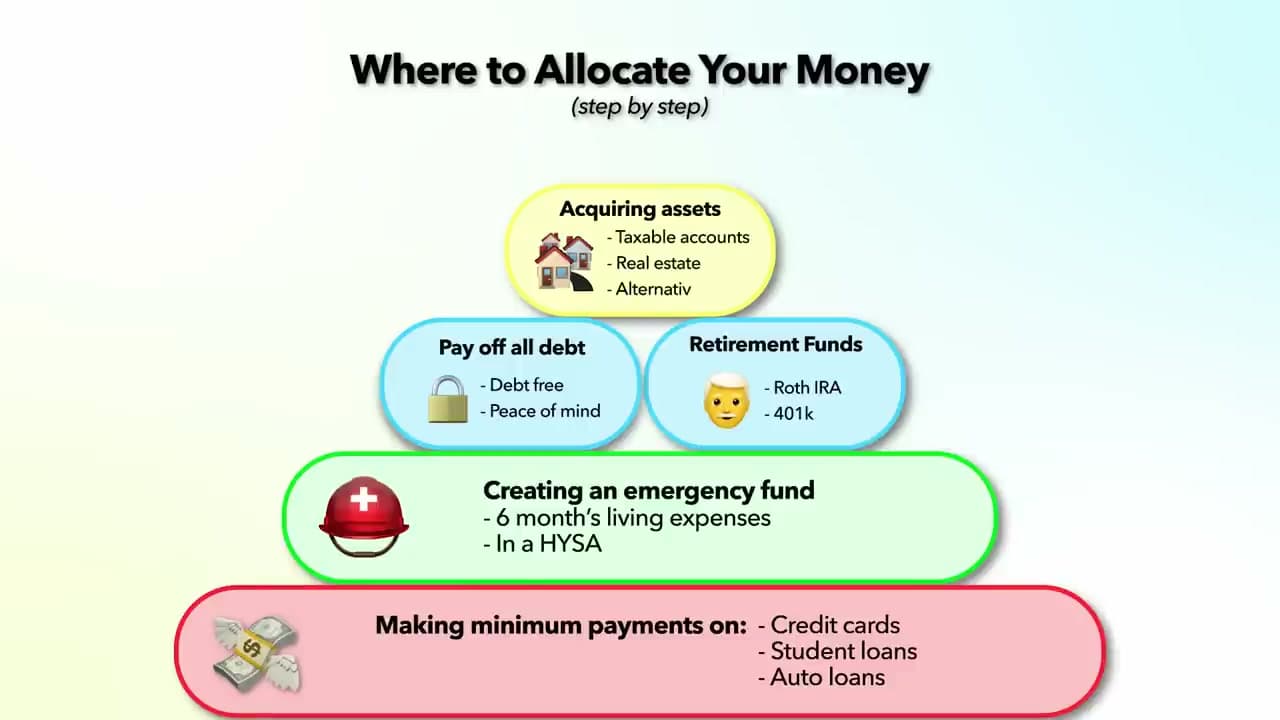
Subtract fixed and discretionary expenses from income. What's left is your net profit - the money you get to direct on purpose. This is the whole reason the sheet exists. Humphrey recommends a foundation-first allocation order, from the bottom up.

First, minimum payments on every debt (missing one can tank your credit score by 180 points). Second, build a six-month emergency fund in a high-yield savings account earning around 4 to 4.5 percent. Third, pay off remaining debt aggressively, except possibly your mortgage. Fourth, contribute to retirement accounts - Roth IRA, traditional IRA, 401(k). Fifth, invest in a taxable brokerage account in things you actually understand. Prefer the 50/30/20 split or zero-based budgeting where every dollar has a job? Both work too - the method matters less than the consistency.

Tip

Don't skip levels. Investing in retirement before you have an emergency fund means selling at the worst moment when a surprise hits. The order protects the structure.

8

Step 8: Review the Sheet Every Month and Adjust

12:50
Step 8: Step 8: Review the Sheet Every Month and Adjust

On the last day of every month, sit down with your accounts and fill in the actual numbers. Compare against the plan. Humphrey makes a small ritual out of it - grabs a Diet Coke, opens the sheet, logs everything. It takes maybe thirty minutes and it's the most important thirty minutes in the whole system.

After two or three months you'll start spotting patterns. A category that's always over. A subscription you don't use. A fixed cost you can renegotiate. A savings rate that has room to climb. Tweak next month's budget based on what you learned. Progress, not perfection, is the win. Even at 30 to 40 thousand a year early in his career, the act of tracking is what got Humphrey moving forward - and tracking is what compounds into a journal of your financial life six years from now.

Tip

Pick the same day every month - last day, first day, payday, whichever is easiest to remember - and put it on the calendar. The habit beats the willpower.

Products Used

Your Guide

Humphrey Yang

As an Amazon Associate we earn from qualifying purchases. Links on this page may be affiliate links - clicking them and buying doesn't change your price, but helps support ShowMeStepByStep.

Tags

What's next

Weekly Digest

Liked this budgeting tutorial?

Pick the categories you want to hear about. Weekly digest of new step-by-step tutorials. No spam, easy unsubscribe.

Send me tutorials about

We only email about new tutorials. Easy unsubscribe anytime.