What Is a Money Order? How to Fill One Out Right

By ShowMeStepByStepPublished Updated

Based on a video by Make Money Anthony.

A money order works like a check, but it is prepaid. You hand over cash up front, so the person you are paying knows the funds are already there. That makes it a safe way to pay when you do not want to mail a personal check or share your bank account details, and it is handy if you do not have a checking account at all.

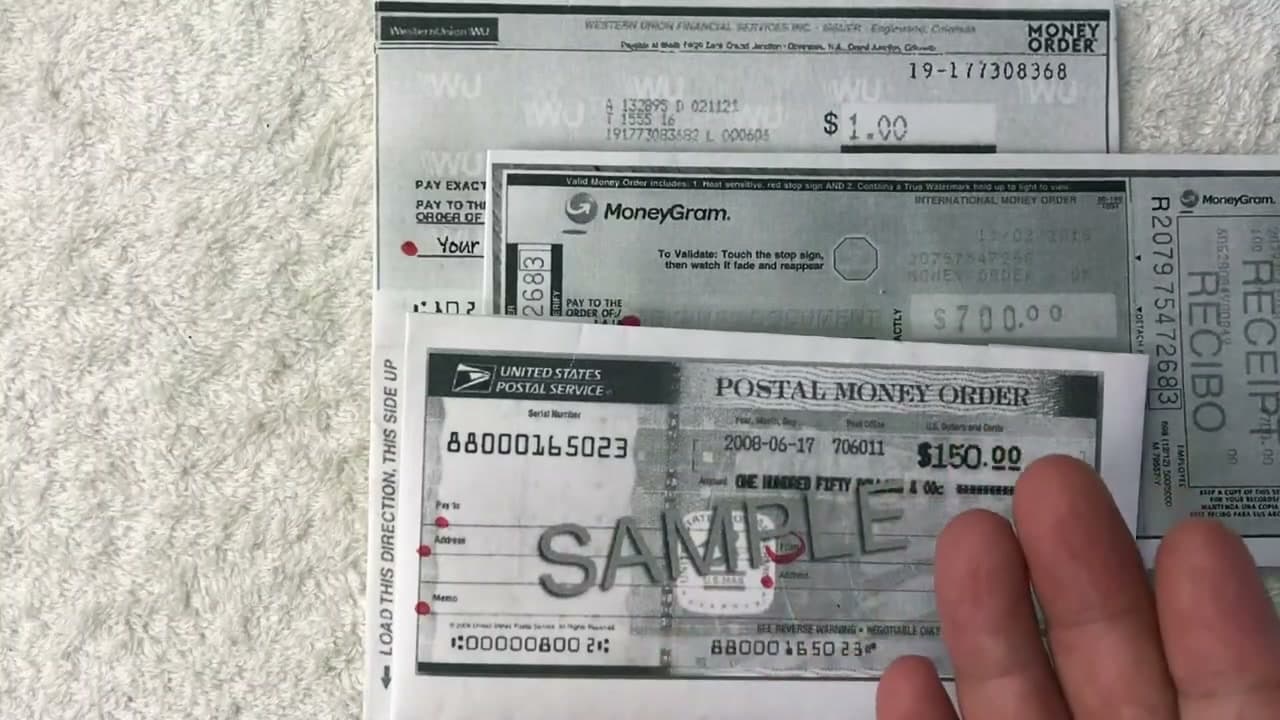
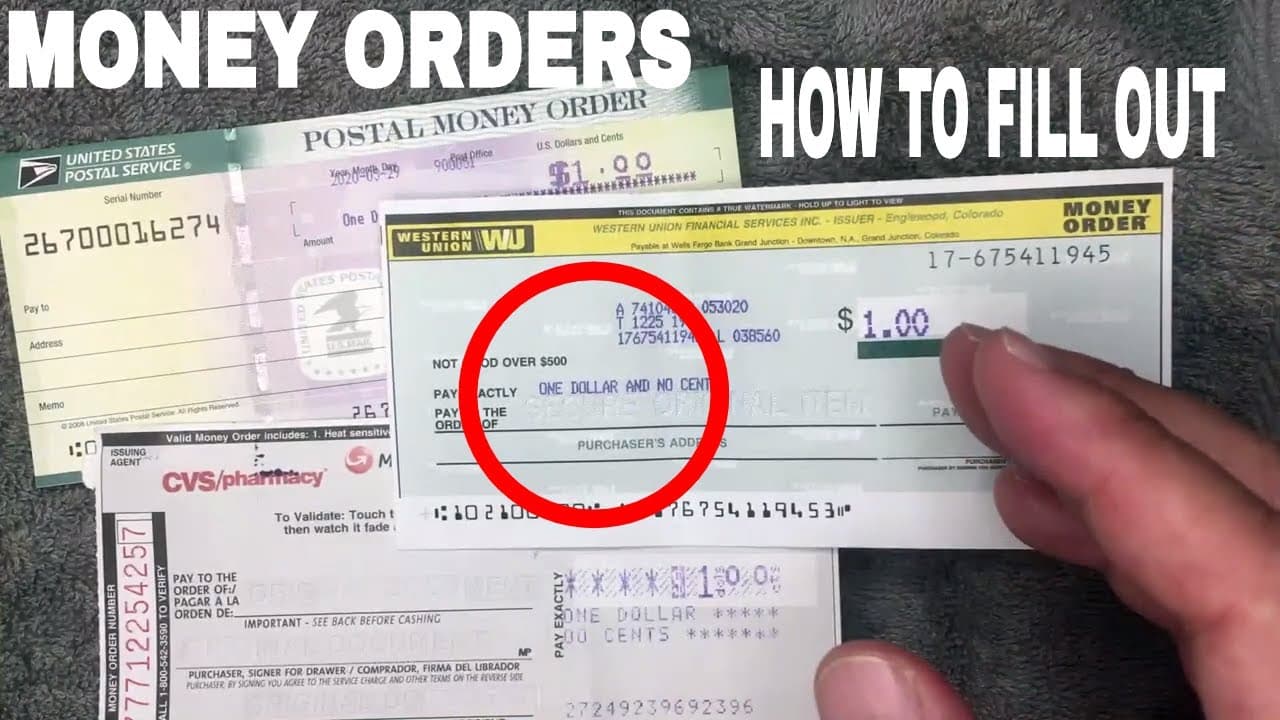
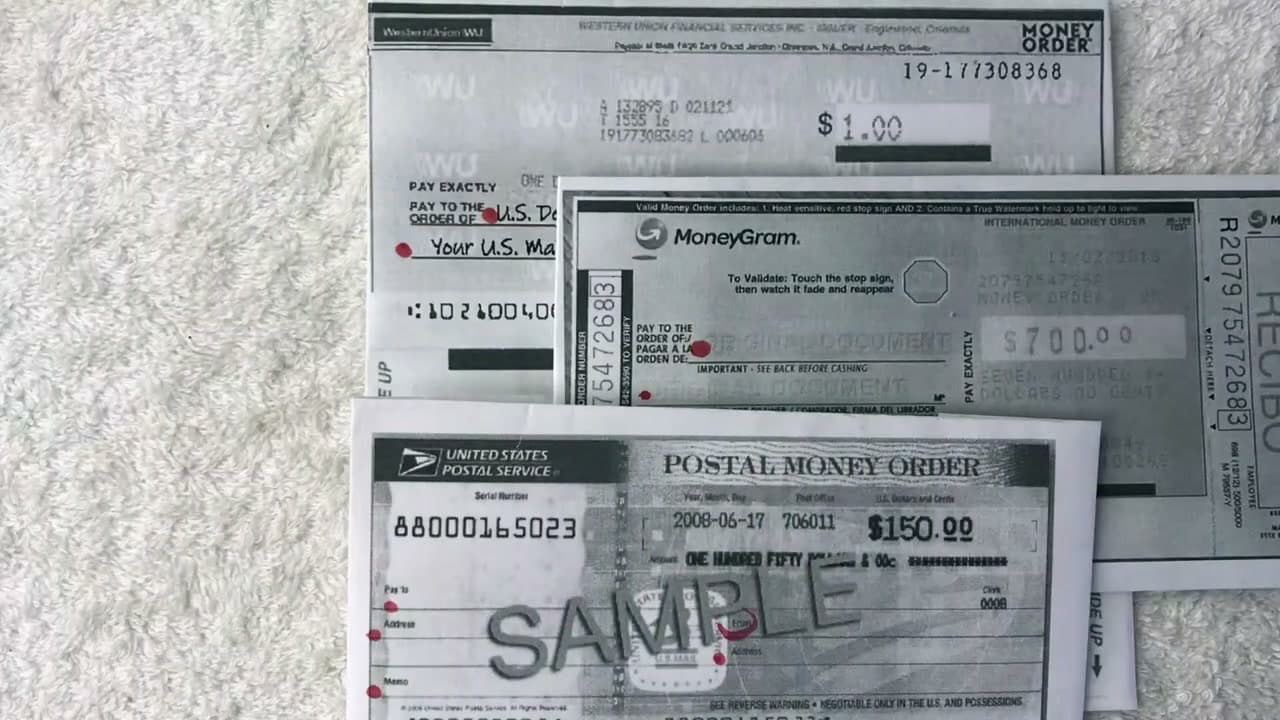
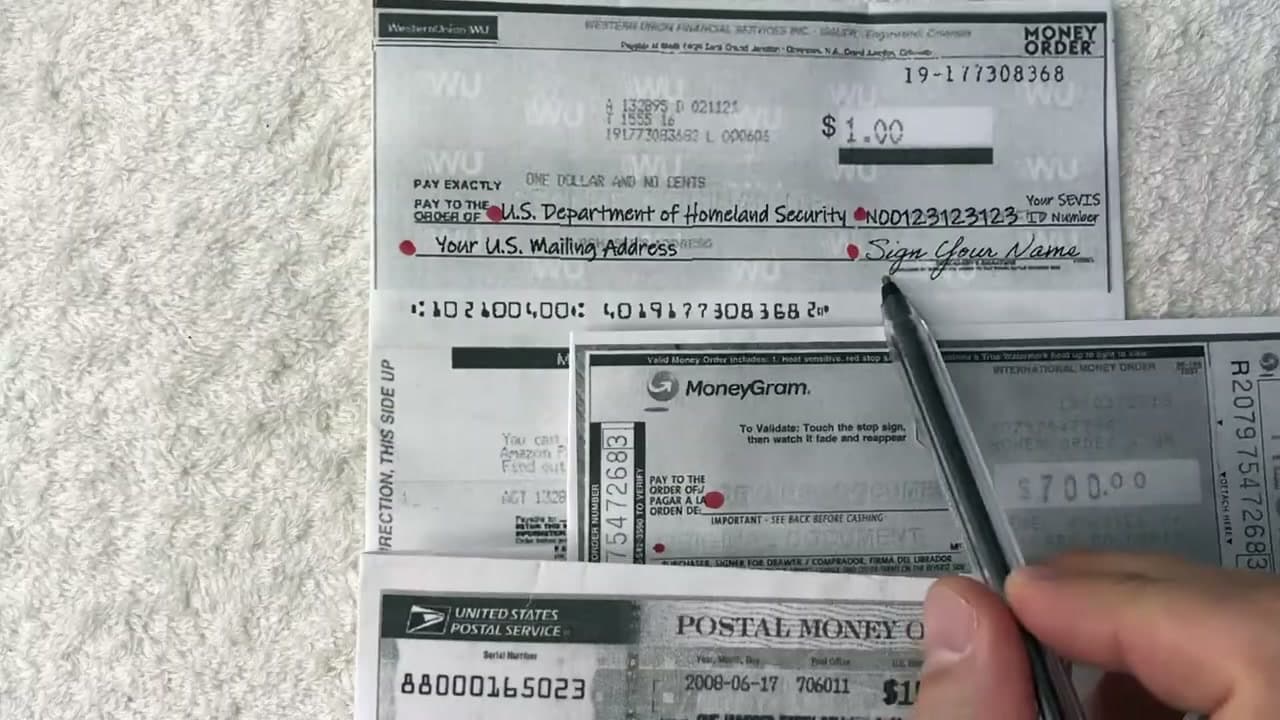
You can buy one at the post office, a grocery store, Walmart, a bank, or a check-cashing shop. The three you will run into most are USPS, MoneyGram, and Western Union. They look a little different, but every one asks for the same handful of details. Thanks to Make Money Anthony for the clear walkthrough this guide is based on. Fill the fields in carefully and the money order goes through. Get a name wrong and it can bounce at the other person's bank.

Step-by-Step Guide

1

Step 1: Know What It Is and Where to Buy One

0:44
Step 1: Step 1: Know What It Is and Where to Buy One

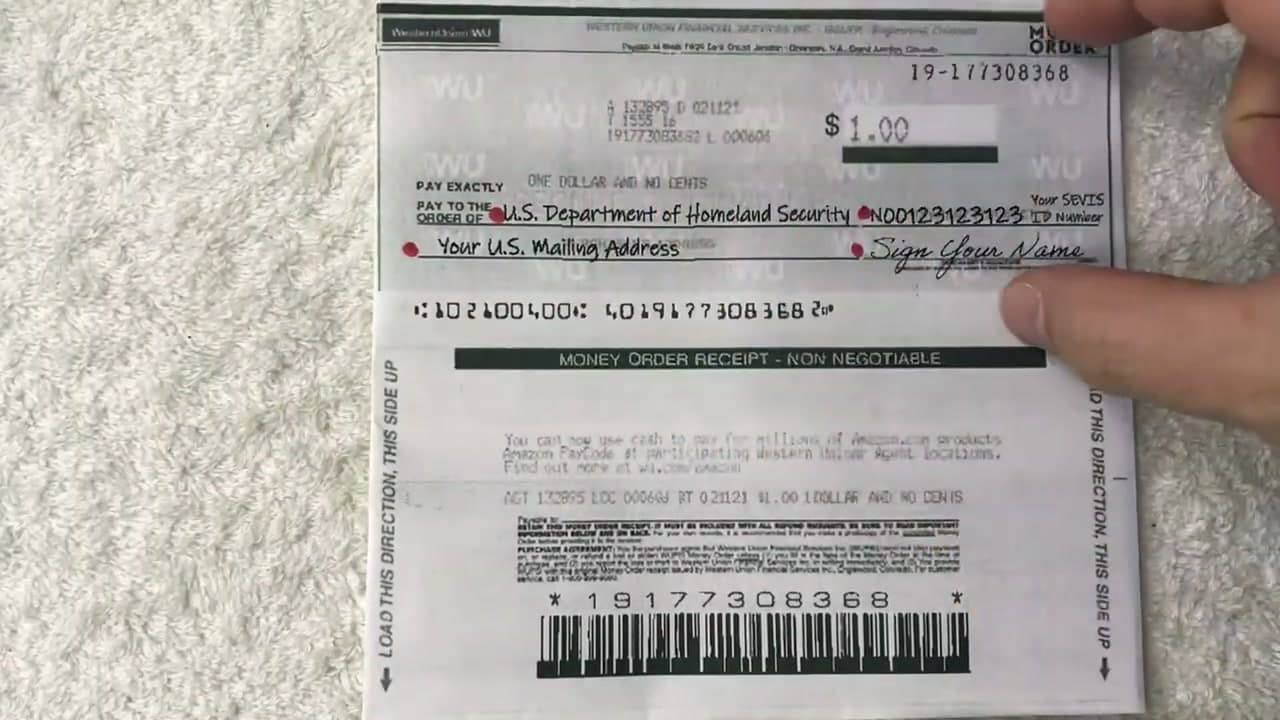
A money order is a guaranteed payment for a set dollar amount that you pay for in advance. The amount is printed right on it, so it cannot bounce the way a personal check can. People use them for rent, suppliers who will not take a card, and any time the other side wants a sure thing.

Buy one with cash (or sometimes a debit card) at the post office, Walmart, most grocery and convenience stores, and many banks. The USPS, MoneyGram, and Western Union versions shown here are the common ones. Whichever you get, fill it out as soon as you buy it so it cannot be used by anyone else if it gets lost.
2

Step 2: Fill In the 'Pay to the Order Of' Line

1:03
Step 2: Step 2: Fill In the 'Pay to the Order Of' Line

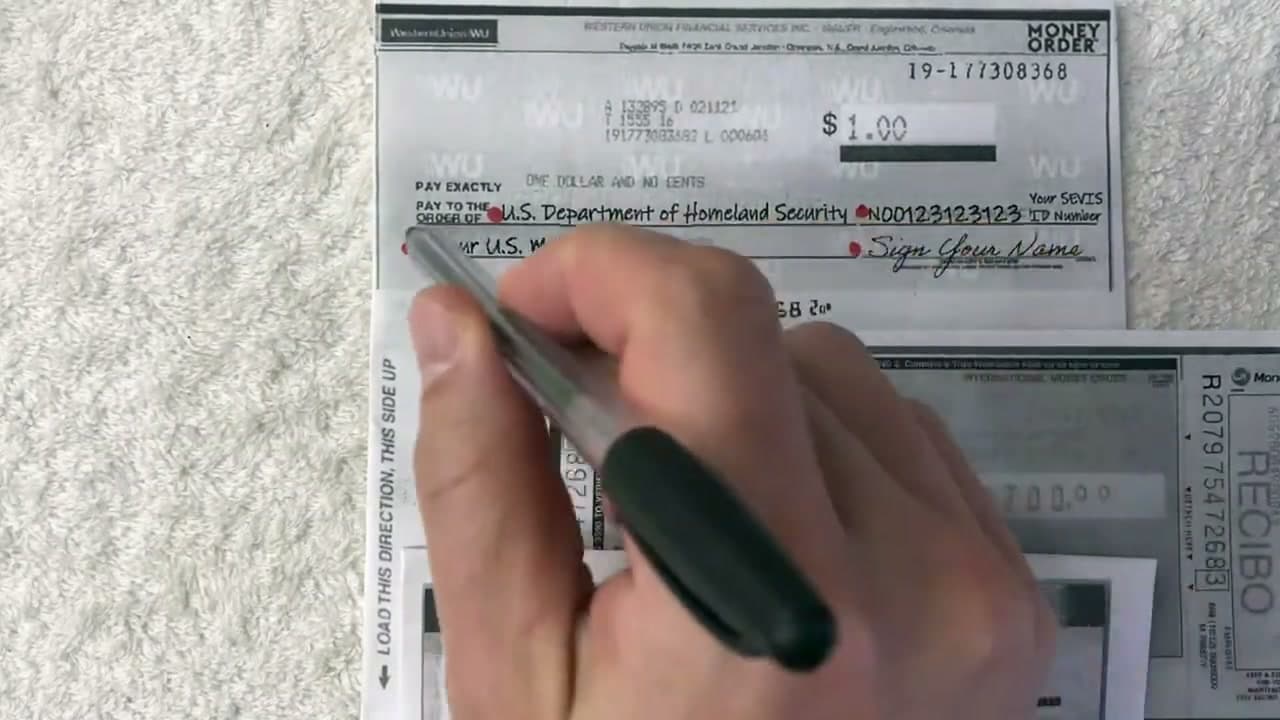
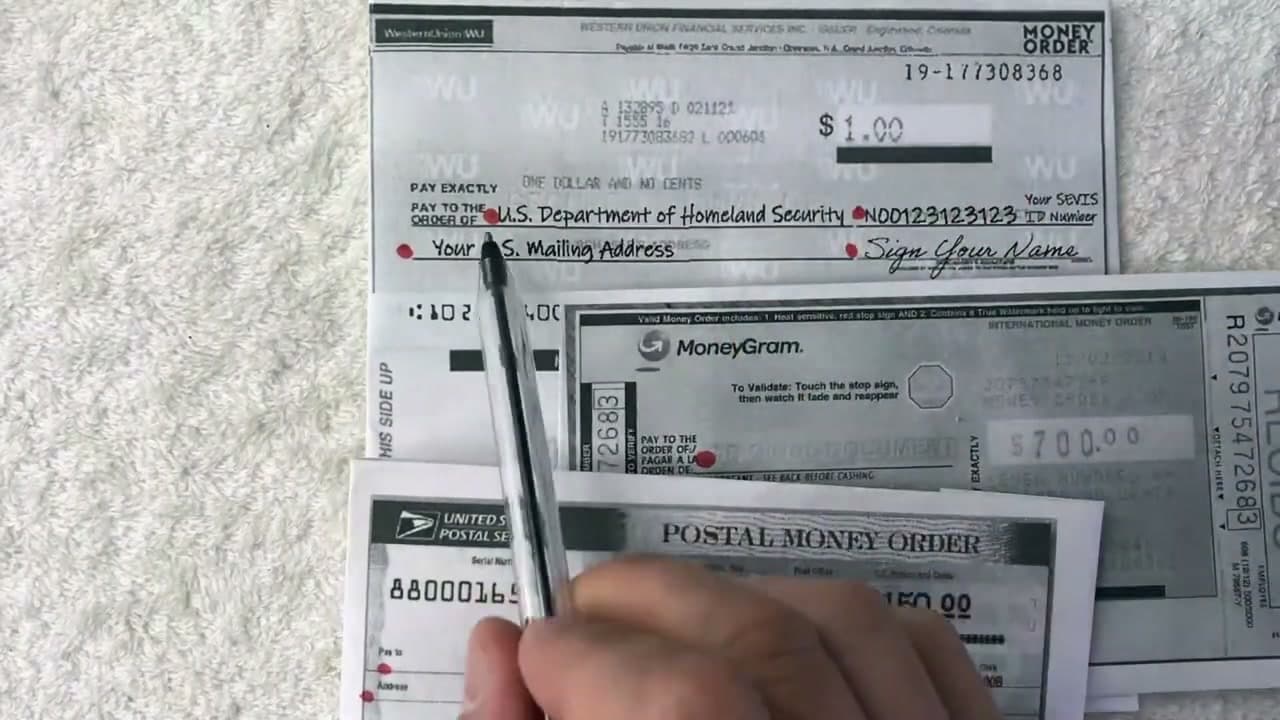
Find the line that says 'Pay to the Order Of' (on a USPS one it just says 'Pay to') and write the full name of the person or business you are paying. This is the one field you cannot get wrong.

Ask the person or company exactly how the name should read and get it in writing by text or email. If they are 'ABC Company LLC' and you only write 'ABC Company,' their bank can refuse it. Having their instructions in writing also means a typo is on them, not you.

3

Step 3: Sign It as the Purchaser

2:03
Step 3: Step 3: Sign It as the Purchaser

Look for the signature line, usually marked 'Purchaser' or 'Purchaser's Signature.' That is you, the person who bought the money order. Sign there.

Do not sign the back. The back is where the person receiving the money order endorses it when they cash or deposit it, exactly like a check. Signing the wrong spot can hold up the payment.

4

Step 4: Add Your Address

2:24
Step 4: Step 4: Add Your Address

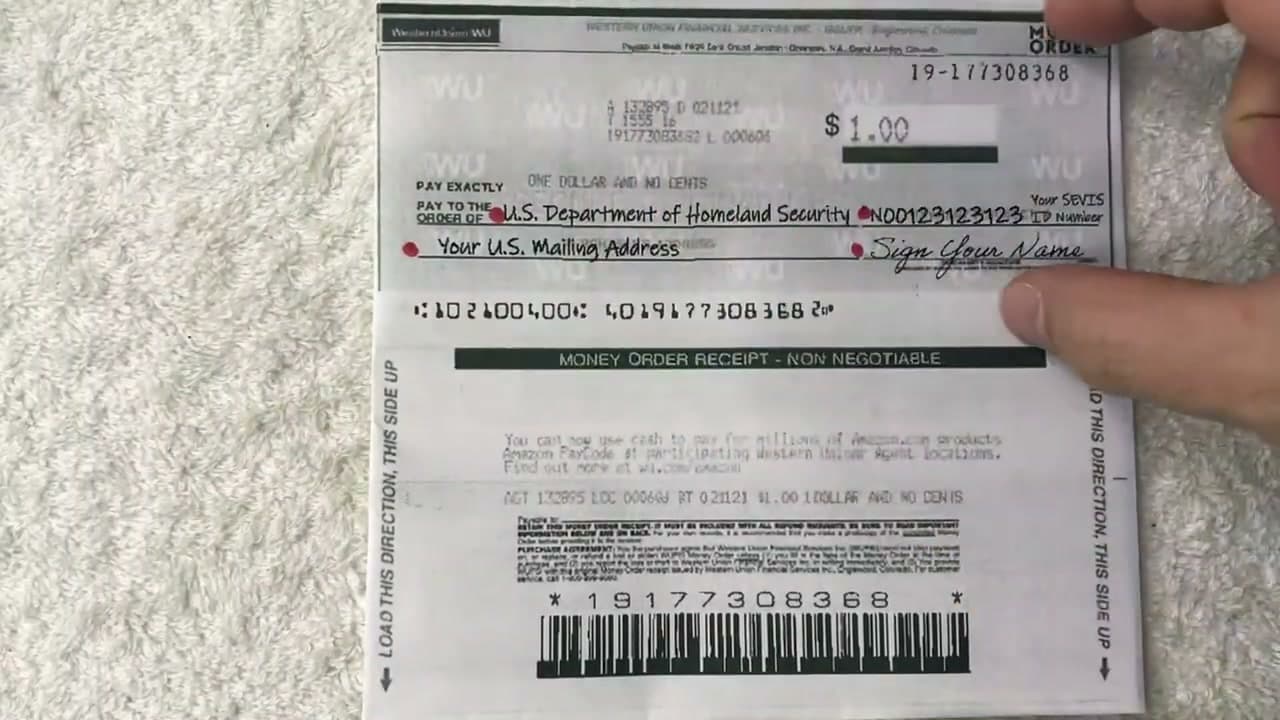
Fill in the purchaser address field with your own address. On the Western Union and MoneyGram versions it sits just below the pay-to line. This tells the recipient who the payment came from.

If you are paying a bill, you can use the address tied to that account, like your office address for rent. It gives the company an easy way to match the payment to you.

5

Step 5: Note What the Payment Is For

3:19
Step 5: Step 5: Note What the Payment Is For

Most money orders have a memo, account number, or 'payment for' line. Use it. Write your account number, invoice number, or a short note like 'June rent.'

This is what helps a busy office apply your money to the right account instead of letting it sit unmatched. A money order with no reference on it is easy to lose track of once it lands in a stack of mail.

6

Step 6: Tear Off and Keep the Receipt

3:42
Step 6: Step 6: Tear Off and Keep the Receipt

Every money order comes with a receipt stub, usually a tear-off section at the bottom with the serial number on it. Keep it. If the money order is lost or stolen in the mail, that receipt is how you track it or request a replacement, and without it a refund is nearly impossible.

Snap a photo of the stub and save it to your phone or cloud storage too. Hang on to it until you have confirmed the payment was received and applied, then you can let it go.

Tip

Money orders usually cap out around $1,000 each. If you owe more than that, you will need to buy more than one, and you pay a small fee per money order, so factor that in.

Your Guide

Make Money Anthony

As an Amazon Associate we earn from qualifying purchases. Links on this page may be affiliate links - clicking them and buying doesn't change your price, but helps support ShowMeStepByStep.

Tags

Test your knowledge

Did the lesson stick? Find out in 2 minutes.

5 quick questions covering what you just read. No signup, no score saved — just a gut check.

Quick reference

Key takeaways from What Is a Money Order? How to Fill One Out Right

5 questions, answers, and one-line explanations. Tap to expand.

  1. 1.Why can't a money order bounce the way a personal check can?

    Answer: You pay for the full amount in advance

    A money order is prepaid for a set amount, so the funds are already covered.

  2. 2.What goes on the 'Pay to the Order Of' line?

    Answer: The full name of who you are paying

    That line names the payee, so write exactly how they want their name to read.

  3. 3.Where should you sign a money order?

    Answer: On the front, on the purchaser signature line

    The purchaser signs the front; the back is left for the recipient to endorse.

  4. 4.What belongs on the memo or 'payment for' line?

    Answer: Your account or invoice number, or a short note

    A memo like 'June rent' helps a busy office apply the payment to the right account.

  5. 5.Why should you keep the tear-off receipt stub?

    Answer: It carries the serial number to track or replace a lost order

    Without the serial number on the stub, tracking or refunding a lost money order is very hard.

What's next

Related collections

Curated theme pages that include this tutorial.

Weekly Digest

Liked this banking tutorial?

Pick the categories you want to hear about. Weekly digest of new step-by-step tutorials. No spam, easy unsubscribe.

Send me tutorials about

We only email about new tutorials. Easy unsubscribe anytime.