How to Pack for College: What to Bring (and What to Leave)

AdultingEasy14:5110 stepsBrowse more →

By ShowMeStepByStepPublished

Based on a video by studyquill.

Packing for college is one of those projects where the temptation is to overbuy everything Target tells you a freshman needs. The truth: most of it ends up in a corner, unused, until you haul it back home over winter break.

This guide goes category by category - bedding, clothing, school supplies, kitchen, toiletries, electronics, storage, and cleaning - with an honest "do bring" and "don't bring" list for each. It's built around studyquill's own dorm experience at UCLA, so the advice is from someone who actually lived in a tiny dorm room and figured out what worked.

The most important part of this guide is the stuff to leave at home. Aspirational items, hobbies you won't have time for, full kitchen appliances, an entire wardrobe of clothes you don't actually wear - it all takes up space you don't have. Skip it and your dorm room stays livable.

Step-by-Step Guide

1

Step 1: Bedding (the dorm bed is hard - bring a topper)

12:10
Step 1: Step 1: Bedding (the dorm bed is hard - bring a topper)

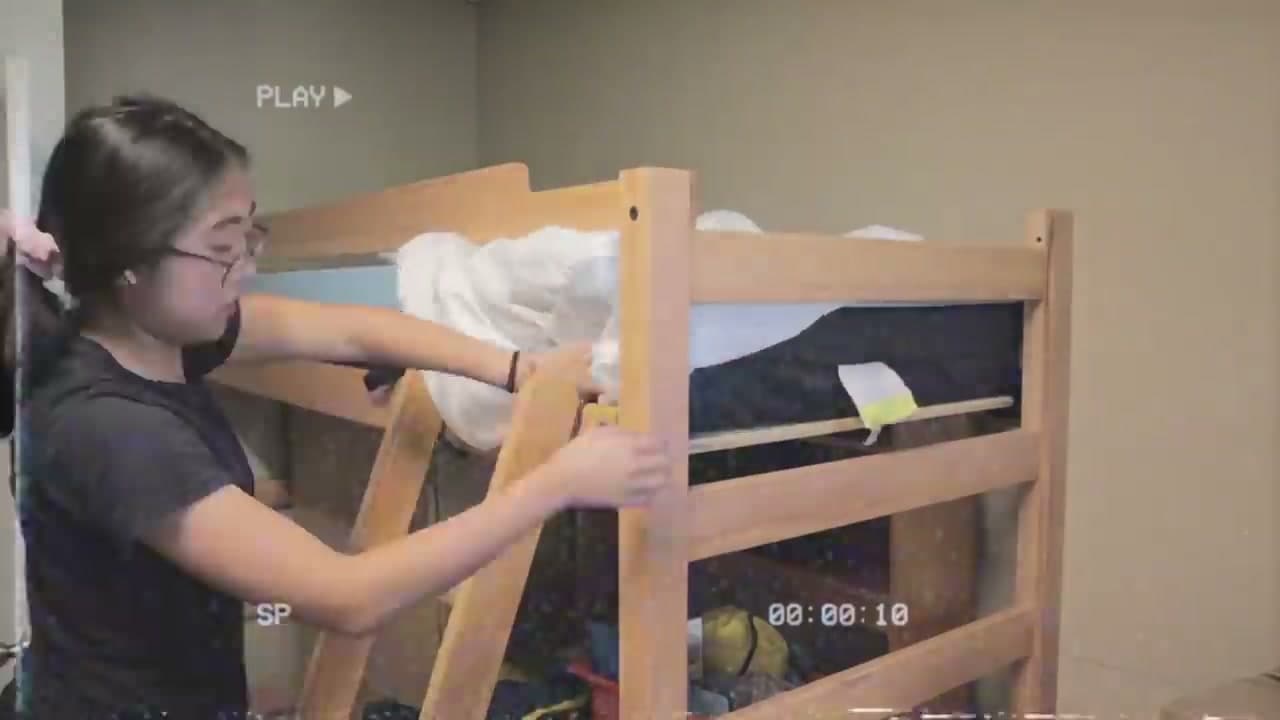
Dorm beds are notoriously uncomfortable, and yes, flipping the mattress over to the "soft" side does nothing. A 2-inch memory-foam mattress topper is the single highest-impact thing you can bring for your sleep.

Round out the bedding category with a twin XL sheet set (regular twin sheets won't fit), a comforter you actually like the color of, and one or two pillows. Skip the throw pillows you saw on Pinterest. They live on the floor.

Tip

Check the housing portal for your bed size - most dorms are twin XL, but some loft and bunk setups use full XL.
2

Step 2: Clothing (pack what you actually wear, not what you wish you wore)

12:30
Step 2: Step 2: Clothing (pack what you actually wear, not what you wish you wore)

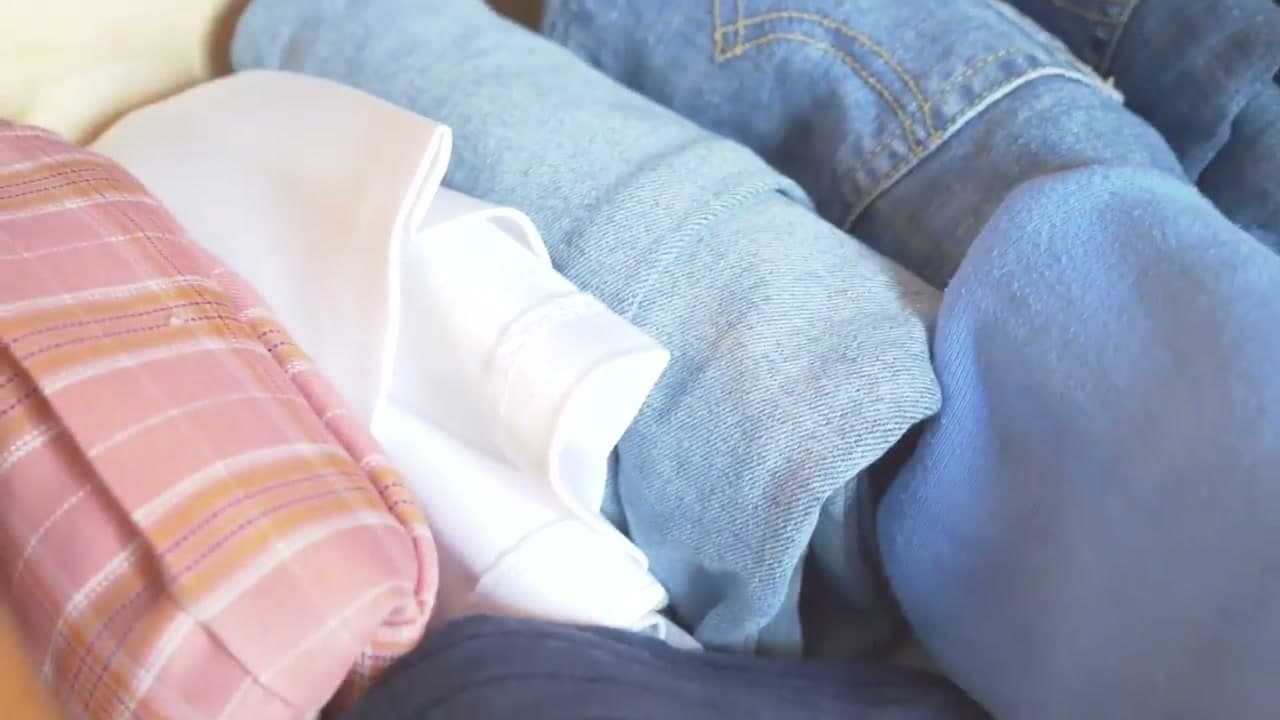
The aspirational-wardrobe trap is real. You promise yourself college will be the season you finally wear the linen jumpsuit, the silk slip dress, the fitness gear. You won't. You'll wear what you wore the last few weeks of summer and what you wore last winter in high school.

Pack that. Pack packing cubes to keep it organized in the suitcase. Leave the "once I have my life together" pieces at home - they'll still be there over winter break if you want them.

Tip

Photograph your outfits the last two weeks before you leave. That's your real packing list.

3

Step 3: School supplies (laptop yes, printer no, textbooks definitely not)

7:15
Step 3: Step 3: School supplies (laptop yes, printer no, textbooks definitely not)

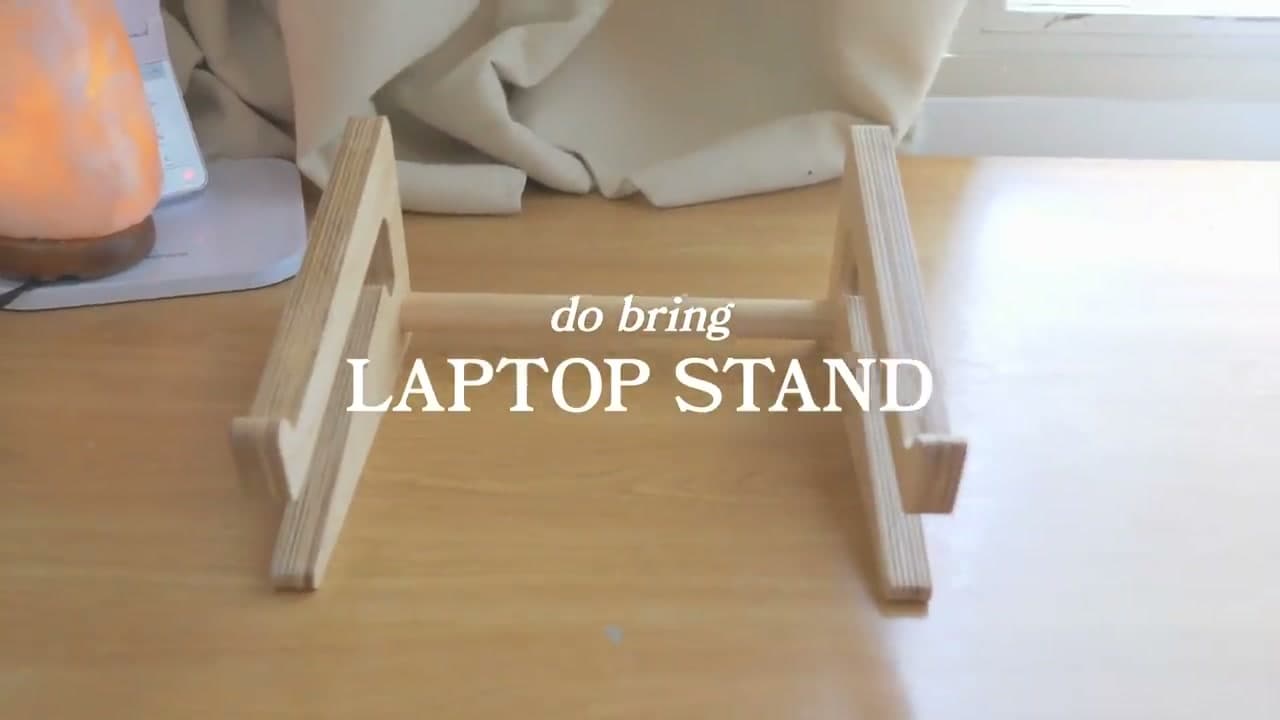
The most essential item on the entire packing list is a laptop. Pair it with a wooden laptop stand to lift the screen a couple of inches - your neck will thank you and the airflow keeps the laptop cool during long study sessions.

Skip the printer. Almost every dorm building has a free or near-free printer in the lobby, usually open 24/7. And do not buy textbooks before classes start. At least half will turn out to be optional, posted as a PDF, or available free elsewhere. Wait until week one.

Tip

If you have a tablet or e-reader, buy the e-book edition of any textbook you actually need - it is easier to annotate and lighter to carry around campus.

4

Step 4: Kitchen and snacks (filter pitcher and kettle, skip the rest)

3:35
Step 4: Step 4: Kitchen and snacks (filter pitcher and kettle, skip the rest)

Two kitchen items earn their dorm-room real estate: a Brita filter pitcher (way cheaper than bottled water all year) and an electric kettle. Hot water unlocks ramen, instant coffee, oatmeal, and tea - the actual diet of most college students.

Skip the blender, the crock pot, the rice cooker, and the full set of reusable dishware. The dining hall replaces most of it, and washing dishes in a communal bathroom sink is its own special kind of misery. A few disposable utensils and a couple of mugs are plenty.

Tip

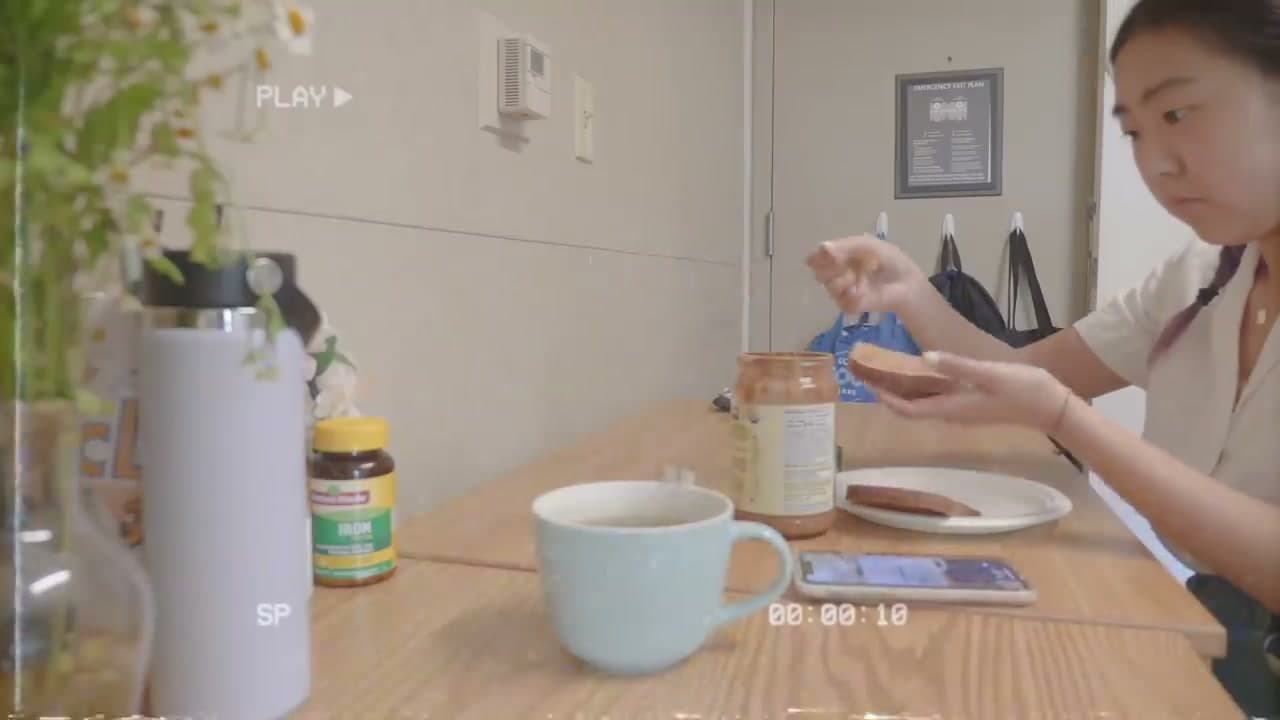
Stash a small bin of shelf-stable snacks - granola bars, instant oats, ramen, peanut butter - for nights the dining hall is closed.

5

Step 5: Toiletries and shower caddy (communal bathroom essentials)

14:05
Step 5: Step 5: Toiletries and shower caddy (communal bathroom essentials)

If your dorm has a communal bathroom, a shower caddy is non-negotiable. Mesh or rubber-bottomed so it drains, big enough to hold shampoo, conditioner, body wash, razor, toothbrush, and toothpaste. Add shower shoes.

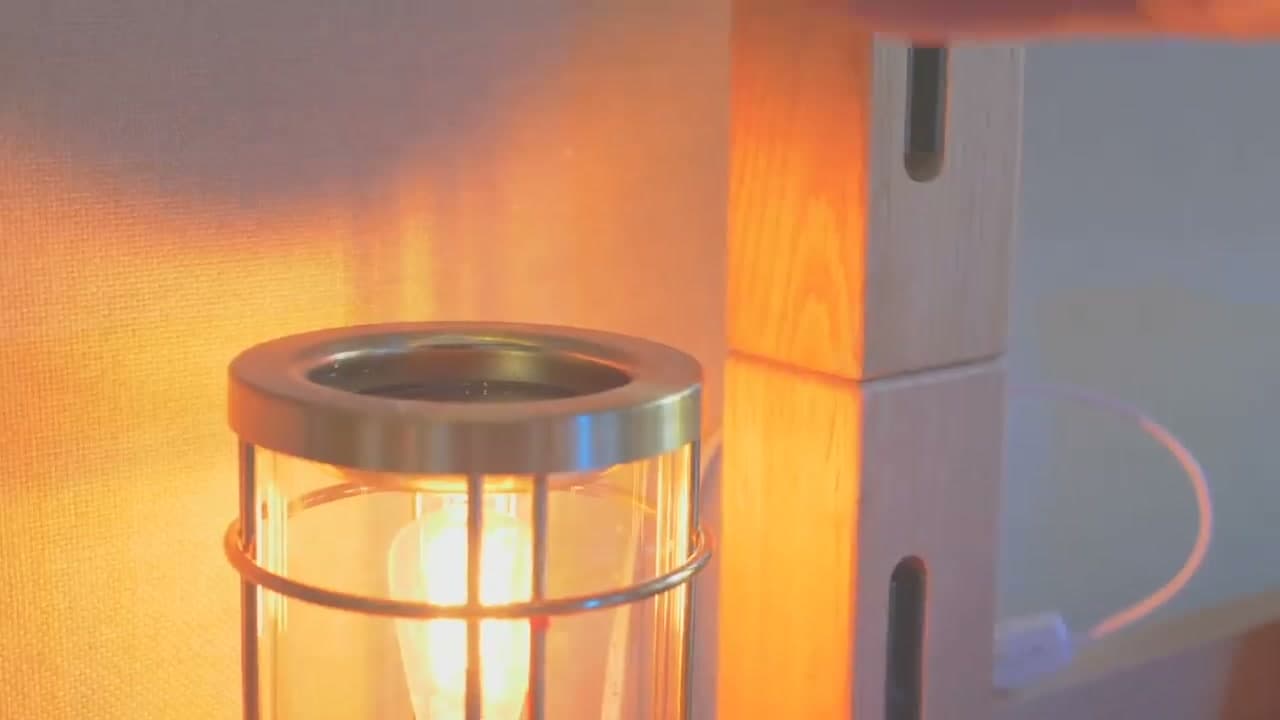
For the room itself, pick one allowed scent solution. Most dorms ban candles but permit wax warmers or wall-plug-in fragrance. Dorm vents get musty - something nice in the air makes the room feel like yours.

Tip

Check your housing contract before you arrive. Wax warmers are usually fine, candles and open-flame anything are usually not.

6

Step 6: Electronics (laptop is enough - skip the desktop)

4:35
Step 6: Step 6: Electronics (laptop is enough - skip the desktop)

You don't need a desktop monitor setup. Unless you're a professional gamer or a working digital artist, the laptop you already have does everything college throws at you. A two-monitor rig eats your entire desk and leaves nowhere for actual books.

What you do need: a surge protector with enough outlets for your laptop, phone charger, fan, lamp, and maybe a small speaker. Dorm rooms often have only two outlets total. A good surge protector is the difference between a usable desk and a charging cable spaghetti pile.

Tip

Look for a surge protector with USB-A and USB-C ports built in. Saves you a charging brick.

7

Step 7: Storage and organization (underbed bins, hooks, totes)

11:35
Step 7: Step 7: Storage and organization (underbed bins, hooks, totes)

Dorm storage is the real packing challenge. Underbed storage bins (the flat rolling kind) hold seasonal clothes, extra bedding, and shoes you don't wear every day. Command hooks turn the back of the door into a coat closet without damaging anything - the RA inspects for nail holes.

Reusable totes pull double duty: grocery runs, laundry hauls, library trips, and the inevitable drag-everything-to-the-quad-for-a-study-session moment. Bring two or three. They fold flat in a drawer.

Tip

Measure the gap under your bed before you buy bins. Lofted dorm beds have huge clearance; standard frames have almost none.

8

Step 8: Cleaning and laundry (Tide pods, mini vacuum, long-handle broom)

10:15
Step 8: Step 8: Cleaning and laundry (Tide pods, mini vacuum, long-handle broom)

The laundry room is rarely next door to your dorm room, so don't bring the heavy jug of liquid detergent. Tide pods are lighter and harder to spill across the hallway. Pair them with a laundry bag that has shoulder or backpack straps - you'll carry it a long way.

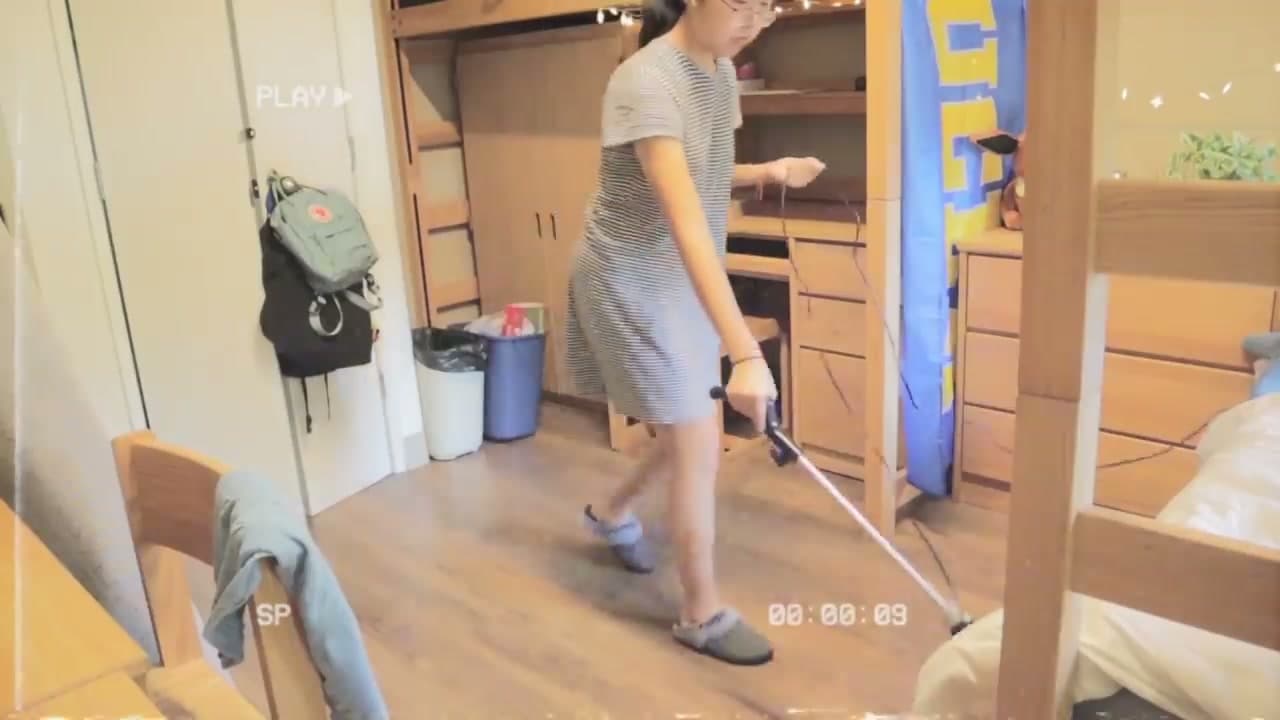
Two cleaning items punch above their weight: a small handheld vacuum for crumbs and dust, and a Swiffer or long-handled broom for the corners and under-the-bed crevices that result from immovable furniture. The long handle also reaches spider webs in high corners, which - yes - happens.

Tip

Ask housekeeping or the RA for free trash bags before you buy any. Most dorms hand them out for free if you know to ask.

9

Step 9: What NOT to bring (the regret list)

13:35
Step 9: Step 9: What NOT to bring (the regret list)

Save yourself the suitcase space. Leave at home: the printer, full kitchen appliances (blender, crock pot, full reusable dishware), a desktop monitor setup, decorative knicknacks that don't hang on a wall, your entire wardrobe of aspirational outfits, every hobby supply you own "in case you have time," the huge jug of liquid detergent, and textbooks bought before the first day of class.

Decorative trinkets are the sneakiest item on this list. Your desk space in a dorm is worth millions of dollars per square foot. Hang your decor on the wall - string lights, tapestries, posters - and keep the desk clear for actual work.

Tip

If you can't decide whether to bring something, leave it. You can mail it from home in October if you actually miss it.

10

Step 10: Move-in day tips (one box at a time, ask for the free stuff)

13:03
Step 10: Step 10: Move-in day tips (one box at a time, ask for the free stuff)

On move-in day, unpack one category at a time. Bedding first - so you have somewhere to crash if you run out of energy. Then clothing, then desk and electronics, then kitchen and toiletries. If you dump every box at once, the room spirals and never recovers.

Before you buy anything else, ask the RA what your school provides for free. Trash bags, printing, recycling bins, basic cleaning supplies - a lot of dorms hand it out and nobody tells the freshmen. Also bring a picnic blanket or hammock - the most underrated piece of college gear, because outdoor study sessions are the saving grace of a small dorm room.

Tip

Plug a power strip into the wall first thing, before any boxes block the outlets. You will need to charge a phone within the first hour.

Products Used

☐ The Checklist

How to Pack for College: What to Bring (and What to Leave)

Tools
10
Materials
10
Steps
10
Video
15 min

Your Guide

studyquill

As an Amazon Associate we earn from qualifying purchases. Links on this page may be affiliate links - clicking them and buying doesn't change your price, but helps support ShowMeStepByStep.

Tags

What's next

Related collections

Curated theme pages that include this tutorial.

Weekly Digest

Liked this adulting tutorial?

Pick the categories you want to hear about. Weekly digest of new step-by-step tutorials. No spam, easy unsubscribe.

Send me tutorials about

We only email about new tutorials. Easy unsubscribe anytime.