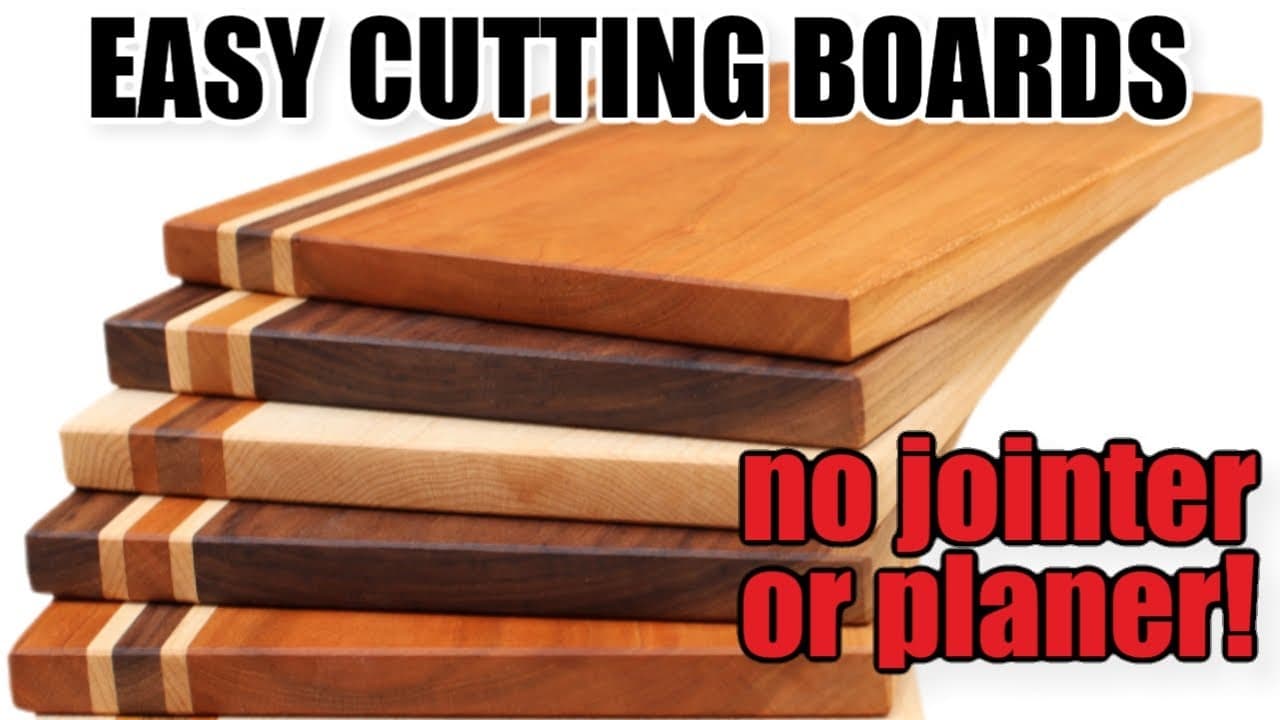
How to Make a Wooden Box: 5-Step Beginner Build

By ShowMeStepByStepPublished Updated

Based on a video by Steve Ramsey - Woodworking for Mere Mortals.

How to build a wooden box is one of the best beginner woodworking projects there is. The wooden box frame uses rabbit joints - a basic step up from butt joints - and once you've made one box you can construct a wooden box, drawer, cabinet carcass, or bookcase using the same five steps.

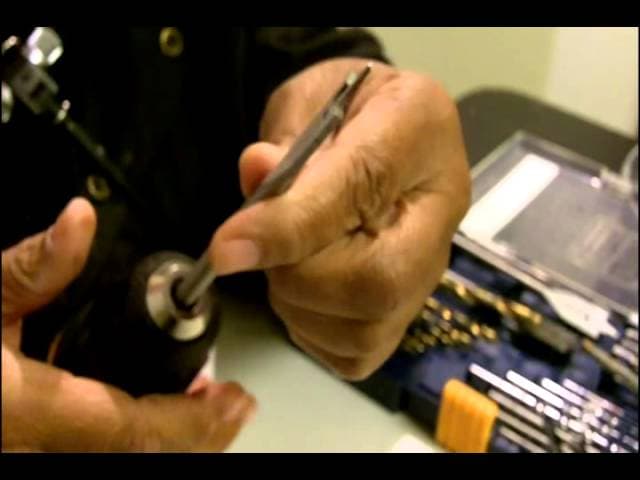
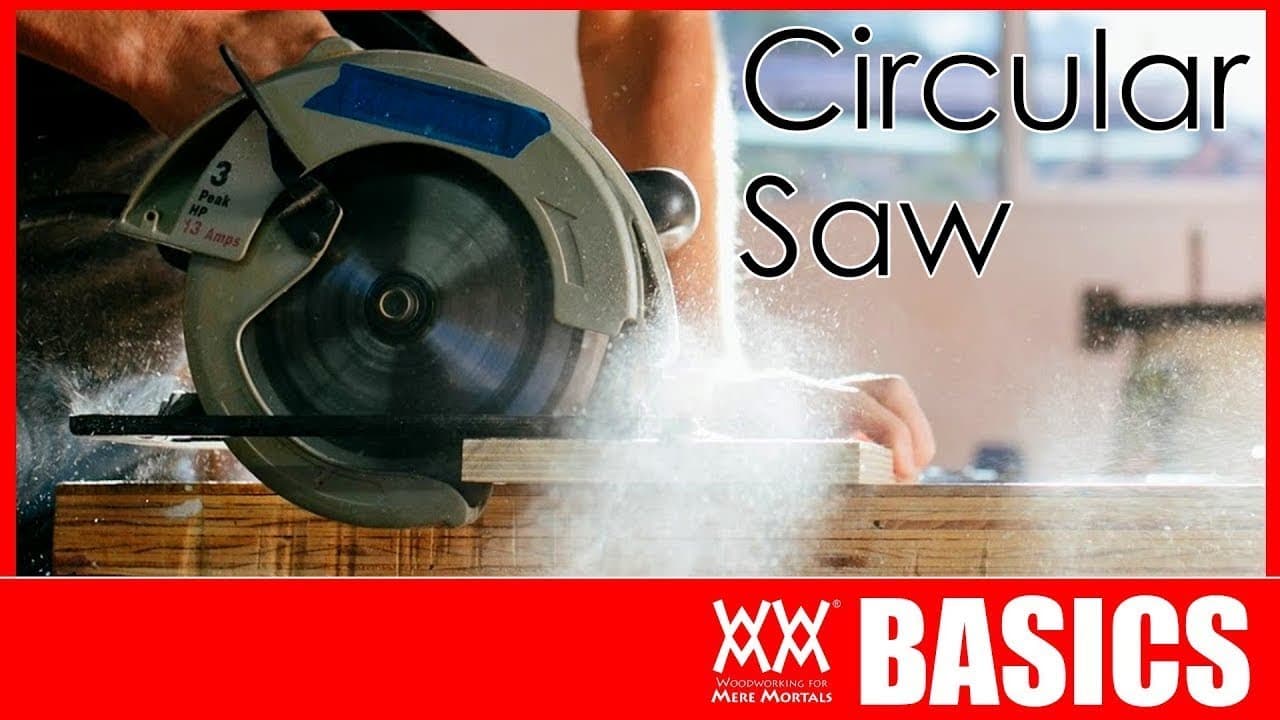
This walks through how to make a wooden box from milled lumber to glued-up frame. Keep the rabbit depth at half the stock thickness and the corners stay flush. Once you've built one, scale the dimensions up for a keepsake box, a tool tray, or a small drawer carcass. For the prerequisite power tool skills, see how to use a drill, miter saw basics, circular saw basics, router basics, and how to use a jointer.

What kind of wood is best for a beginner wooden box build?

Pine or poplar from the home center. Both are cheap, soft enough to cut cleanly with basic tools, and forgiving if your rabbit joints aren't perfect on the first try.

Can I build a wooden box without a router or table saw?

Yes. You can cut rabbit joints with a circular saw and a chisel, or skip the rabbits entirely and use butt joints with brad nails and glue - slightly weaker but still solid for a small box.

How long does it take to build a wooden box?

Plan for 2-3 hours start to finish if you're new. Most of that is glue dry time. Active cutting and assembly is about 45 minutes once the lumber is milled to size.

Do I need clamps to glue up a wooden box frame?

You need at least four bar clamps or quick clamps, one per corner. Box joinery wants even pressure on all four sides while the glue sets, or the frame will rack out of square.
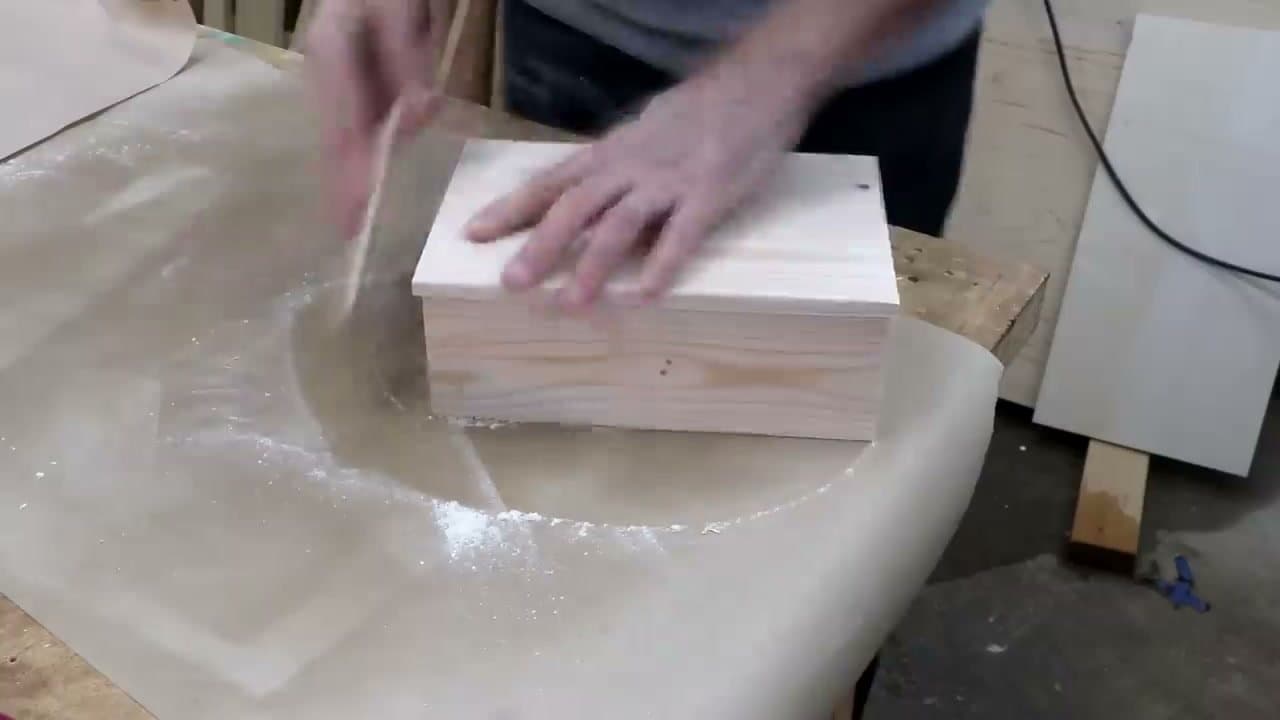
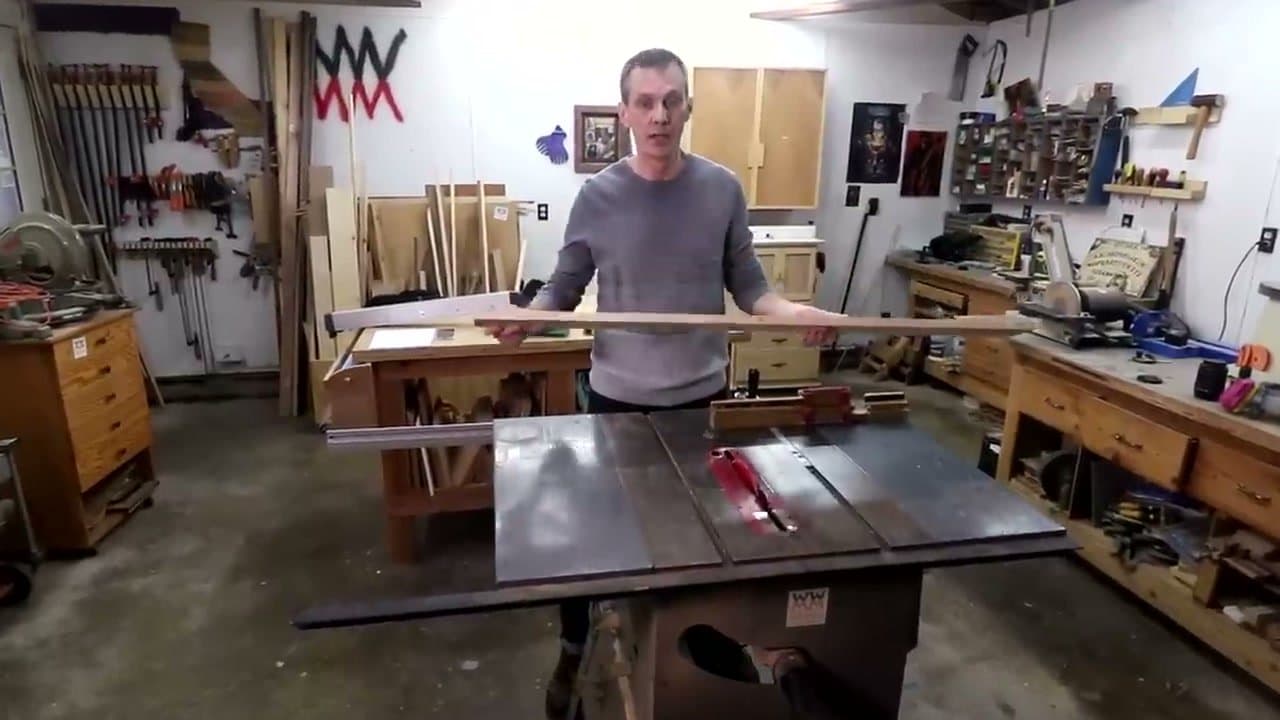
Step-by-Step Guide

1

Step 1: Cut the Sides to Size

1:10
Step 1: Step 1: Cut the Sides to Size

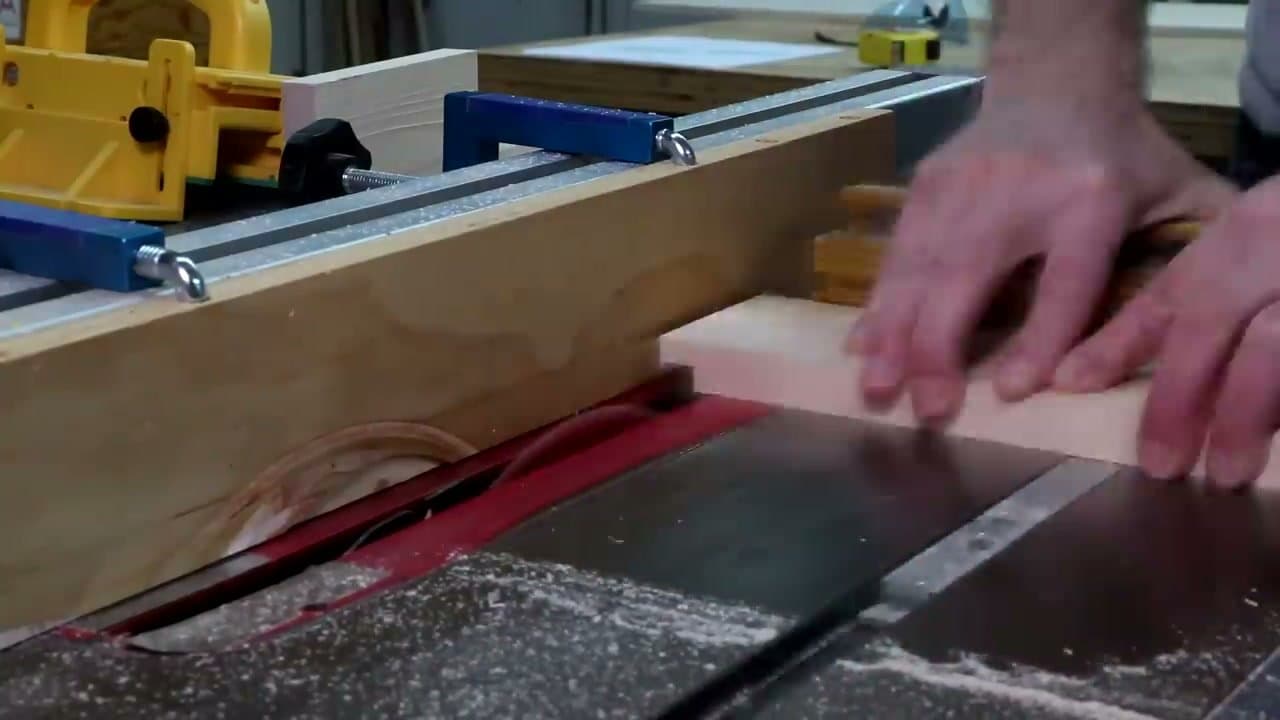
Cross-cut the four sides of your box to length on a miter saw or with a circular saw and speed square. Then rip them all to the same width on a table saw - clean one edge first, flip the board around, then rip to final width.

Cut two more pieces for the lid (you'll glue these into a wider panel in the next step). Set the lid pieces aside.

Tip

Cut all four sides at the exact same time using a stop block or saw fence. Even a 1/16 inch difference in length means the box won't be square when you glue it up.

2

Step 2: Glue Up the Lid Panel

1:50
Step 2: Step 2: Glue Up the Lid Panel

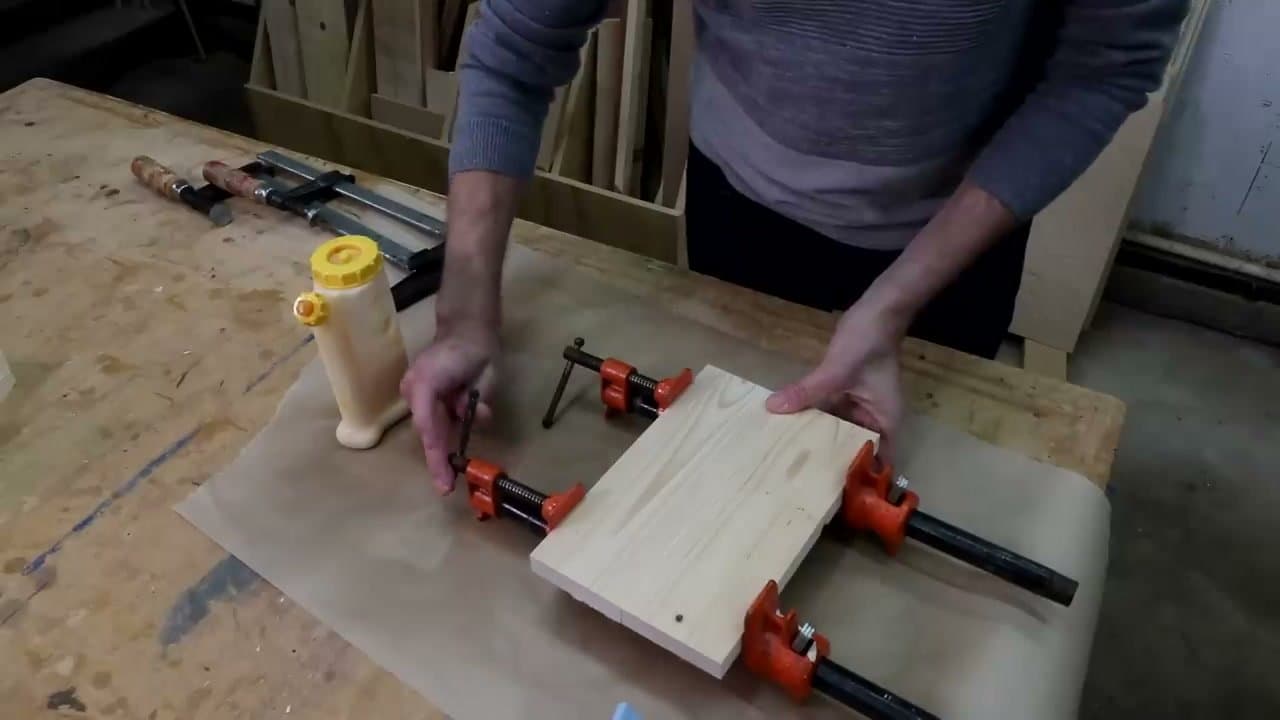
The lid is wider than your single board allows, so glue two pieces edge-to-edge to make a wider panel. Apply wood glue along both edges, fit them together, and clamp gently with bar clamps.

Place cauls (scrap wood with packing tape on them so glue doesn't stick) above and below the panel. The cauls keep the joint flat. Look for a small bead of glue squeezing out - that means you have enough. Let cure for at least an hour.

Tip

Don't over-tighten the clamps. Hard clamping makes the boards bow up in the middle. Gentle pressure with several clamps gives a flat panel.

3

Step 3: Cut the Rabbit Joints

4:50
Step 3: Step 3: Cut the Rabbit Joints

A rabbit is an L-shaped notch on the end of one board that another board sits into. Cut a rabbit on the inside edge of two opposite sides - the depth equals your wood thickness, the width is whatever looks proportional (3/8 inch is typical).

Use a router with a rabbiting bit, a stack of dado blades on a table saw, or just multiple regular table saw passes. The table saw method is the most accessible - set the blade height to your rabbit depth, set the fence to the rabbit width, and run each end.

Tip

Always use a push block or push stick when cutting small rabbit pieces on a table saw. Your fingers should never come within 6 inches of the blade.

4

Step 4: Glue and Clamp the Box

7:50
Step 4: Step 4: Glue and Clamp the Box

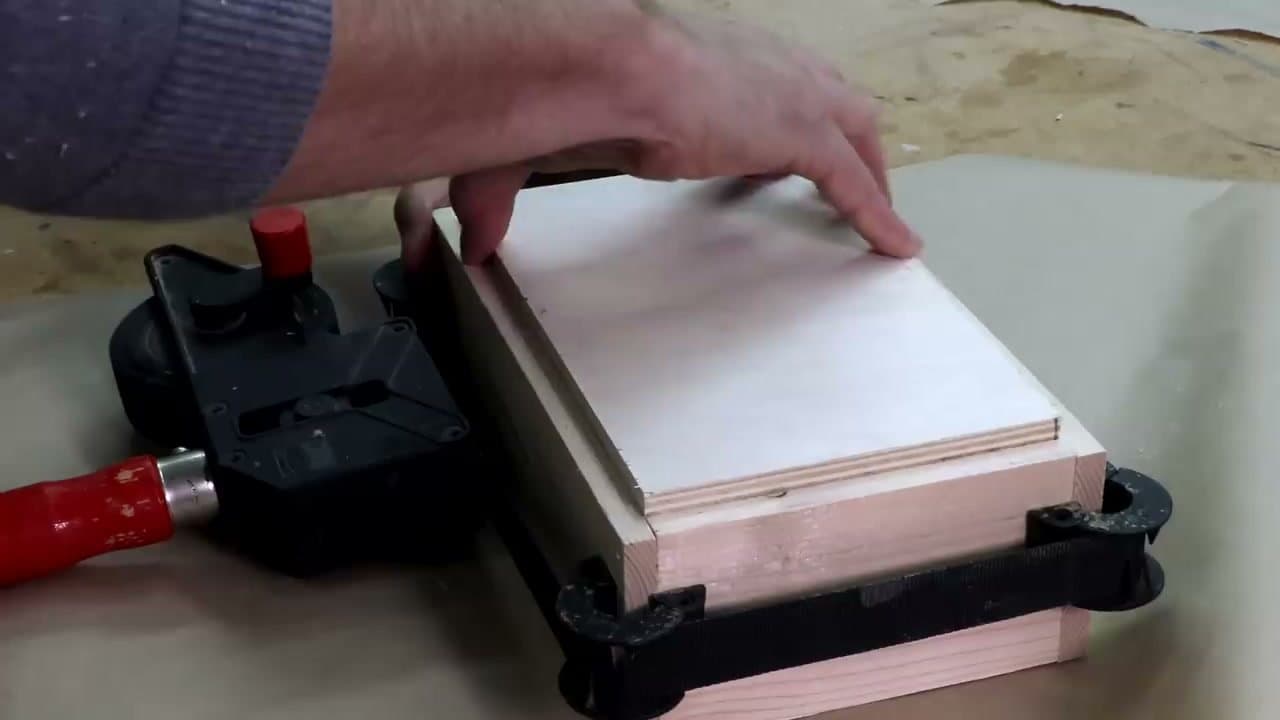
Apply wood glue to both rabbit faces. Fit the four sides together so the rabbits seat into the matching boards. Apply bar clamps across both directions - front-to-back and side-to-side - to pull the joints tight.

Check for square by measuring the diagonal corners. If both diagonal measurements match, the box is square. If they don't match, loosen the clamp on the longer diagonal and re-tighten. Wipe excess glue with a damp rag while it's still wet.

Tip

Speed clamps are easier than bar clamps for this if your box is small. Either works - the goal is even pressure on all four sides.

5

Step 5: Sand and Finish

10:10
Step 5: Step 5: Sand and Finish

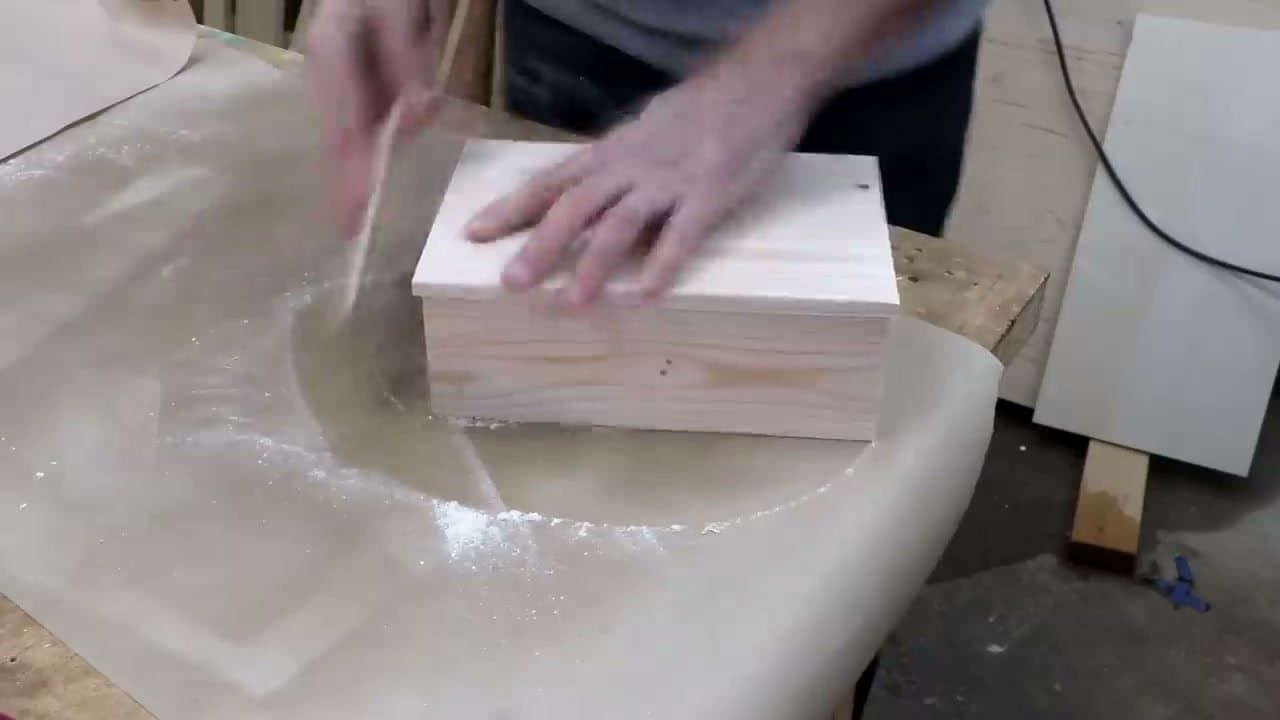
Once the box is dry (a few hours), trim the glued-up lid panel to the exact size on the table saw. Attach with hinges or just place it on top.

Sand the entire box with 120 grit, then 220 grit. Apply a wipe-on poly or tung oil finish with a clean rag - two thin coats with a light sand between is better than one thick coat. Let cure overnight before using.

Tip

Wipe-on poly is forgiving and beginner-friendly. Spray finishes look great but require ventilation and a steady hand. Stick with wipe-on for your first few projects.

Products Used

Your Guide

Steve Ramsey - Woodworking for Mere Mortals

As an Amazon Associate we earn from qualifying purchases. Links on this page may be affiliate links - clicking them and buying doesn't change your price, but helps support ShowMeStepByStep.

Tags

Test your knowledge

Did the lesson stick? Find out in 2 minutes.

5 quick questions covering what you just read. No signup, no score saved — just a gut check.

Quick reference

Key takeaways from How to Make a Wooden Box: 5-Step Beginner Build

5 questions, answers, and one-line explanations. Tap to expand.

  1. 1.What is a rabbet joint?

    Answer: An L-shaped notch

    The L-shape gives glue surface area AND mechanical alignment. It's the joint used for drawers, cabinets, bookcases, small furniture.

  2. 2.Why use cauls above and below a glued panel?

    Answer: Keeps the panel flat

    Bar clamps pull the joint in-plane, but the panel can also bow up or down. Cauls keep it dead flat as it dries.

  3. 3.How to confirm a clamped box is square?

    Answer: Measure both diagonals

    Equal diagonals = a perfect rectangle. If they differ, loosen the long-diagonal clamp slightly and re-pull.

  4. 4.Sanding grit order on a finished box?

    Answer: 120 then 220

    120 knocks down high spots; 220 polishes for finish. Skipping 120 leaves visible scratches under poly.

  5. 5.Best way to apply wipe-on polyurethane?

    Answer: Two thin, sand between

    Thin coats cure properly without runs. The light sand between gives the second coat something to grip.

What's next

Related collections

Curated theme pages that include this tutorial.

Weekly Digest

Liked this woodworking crafts tutorial?

Pick the categories you want to hear about. Weekly digest of new step-by-step tutorials. No spam, easy unsubscribe.

Send me tutorials about

We only email about new tutorials. Easy unsubscribe anytime.