A dirty fish tank stresses your fish, fuels algae, and turns the water cloudy long before it should. The good news: cleaning one is straightforward once you know the order to do it in. The whole job takes about an hour and a half for a 10-gallon tank, including settling time.
Two safety notes before you start. Never rinse the filter media in tap water - chlorine kills the beneficial bacteria that keep your fish alive. Always rinse in old tank water you just drained. And anything you add to the tank - new water, decorations, your hands - needs to be soap-free, because residues are toxic at even trace levels. If you're partway through this and want to spot-clean the gravel only, check out our guide on how to clean fish tank gravel without removing the fish at all.
Fish Tank Cleaning: What the Routine Actually Looks Like
"Fish tank cleaning" and "aquarium cleaning" are the same job. The eight steps in this tutorial are the standard routine - vacuum the gravel, scrape algae from the glass, rinse the filter media in tank water (never tap water), and refill with conditioned, temperature-matched water. The whole thing takes 60-90 minutes for a 10-20 gallon tank and 90-120 minutes for a 55-75. Once you have done it twice, the rhythm is automatic.
A clean tank is not a sterile tank. The beneficial bacteria that live in the gravel and inside the filter media are what convert toxic ammonia to harmless nitrate. Tap water, soap, and aggressive scrubbing kill those bacteria and force the tank to re-cycle, which stresses the fish for days. Every step below is built around protecting those bacteria while still removing the waste they cannot keep up with.
How Often Should You Clean a Fish Tank?
Most home tanks need a full clean every 2-4 weeks, with small water changes (20-25%) in between. The exact interval depends on three things: tank size, how heavily stocked it is, and what species you keep. The rules below cover 90 percent of setups.
- Small tanks (under 20 gallons): weekly to every 10 days. Waste concentrates fast in a small water volume.
- Medium tanks (20-55 gallons): every 2-3 weeks.
- Large tanks (75+ gallons): every 3-4 weeks with moderate stocking.
- Goldfish, cichlids, plecos, or any heavy-waste species: shorten the interval by one tier no matter the tank size.
- Lightly stocked planted tanks: can stretch to monthly because plants pull nitrogen out as fertilizer.
The cleanest signal is a nitrate test strip. Below 20 ppm, you can wait. Between 20-40 ppm, clean within the week. Above 40 ppm, clean today. Cloudy water, algae blooms on the glass, fish hovering at the surface, and a strong sour smell are late symptoms - by the time you see them the fish have been stressed for days.
How to Clean a Fish Tank for Beginners
First-time tank cleaning is mostly about doing things in the right order so you do not have to redo any of it. Here is the short version that the eight steps below expand on:
- Unplug the heater and filter before any water touches the floor or you touch any electrical part.
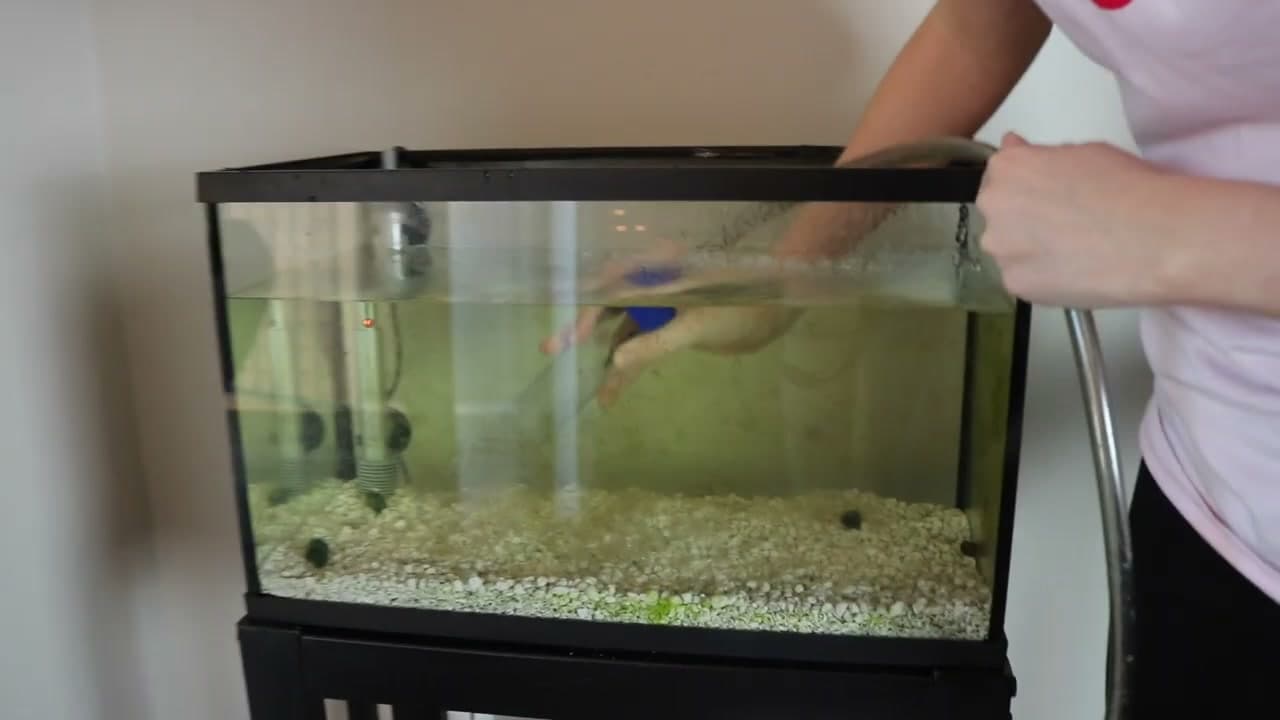
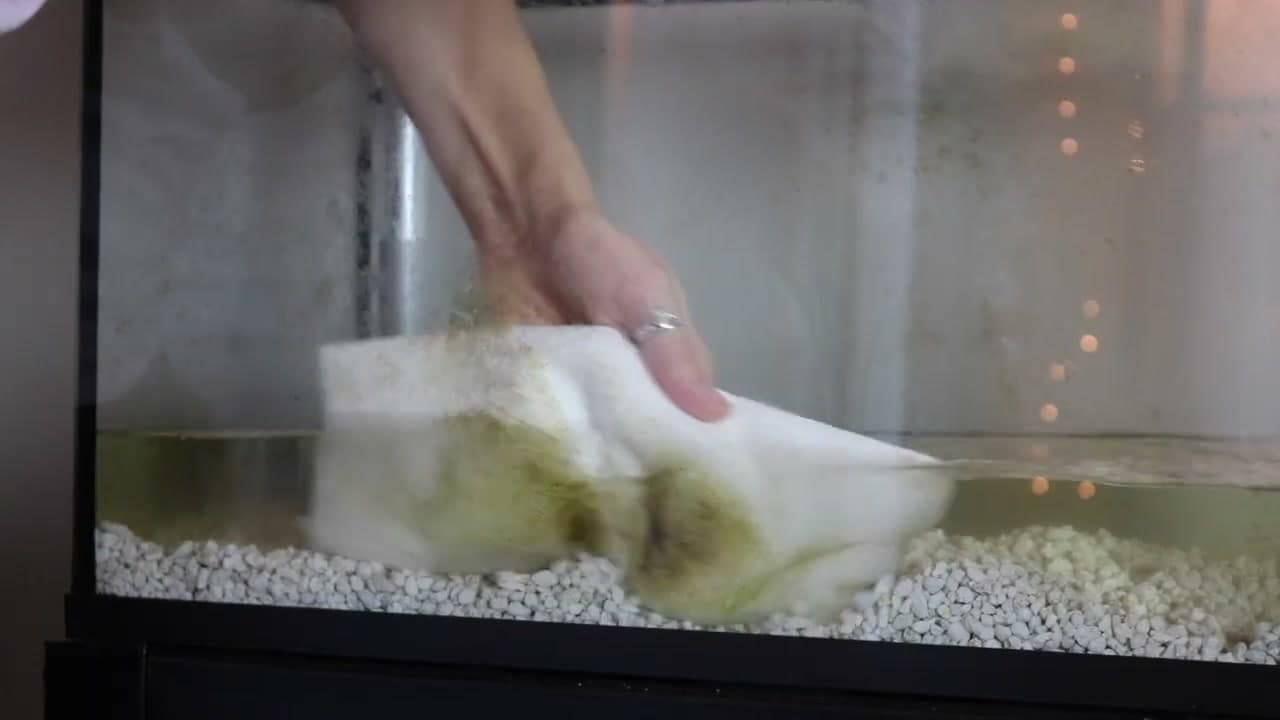
- Scrape the algae off the glass with an aquarium-safe scraper while the water is still full. The debris falls into the water and gets siphoned out in the next step.
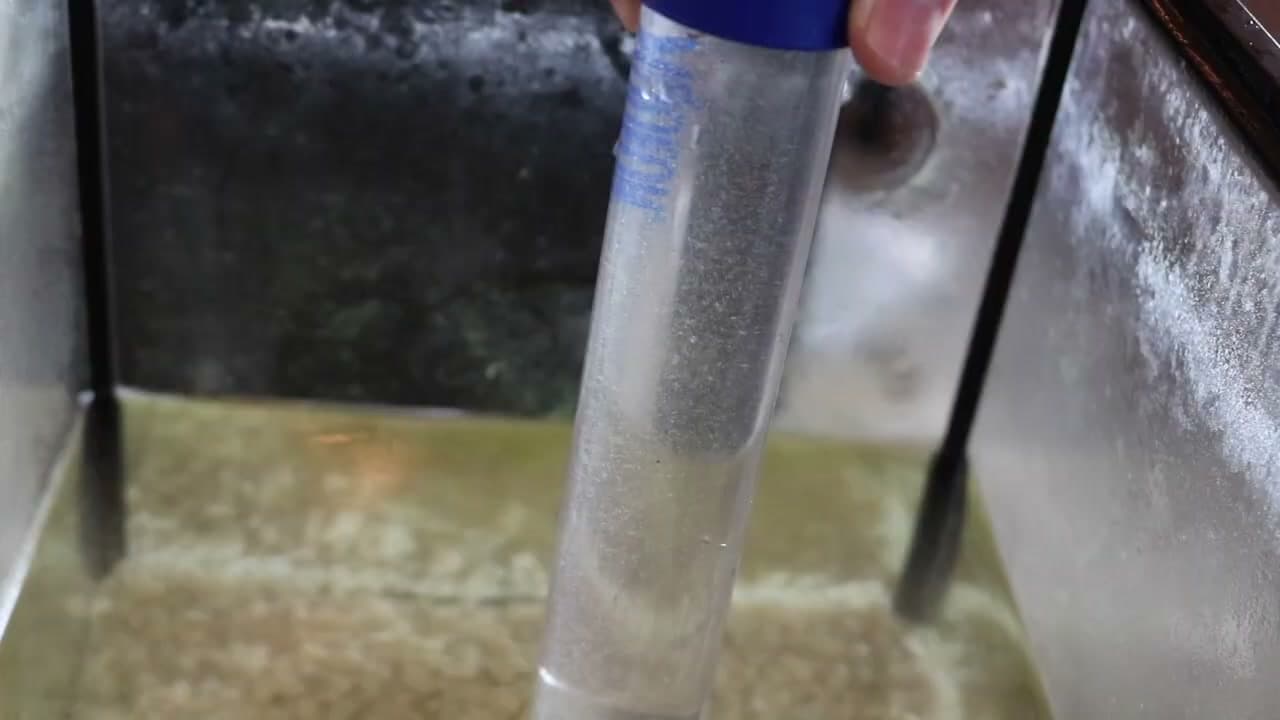
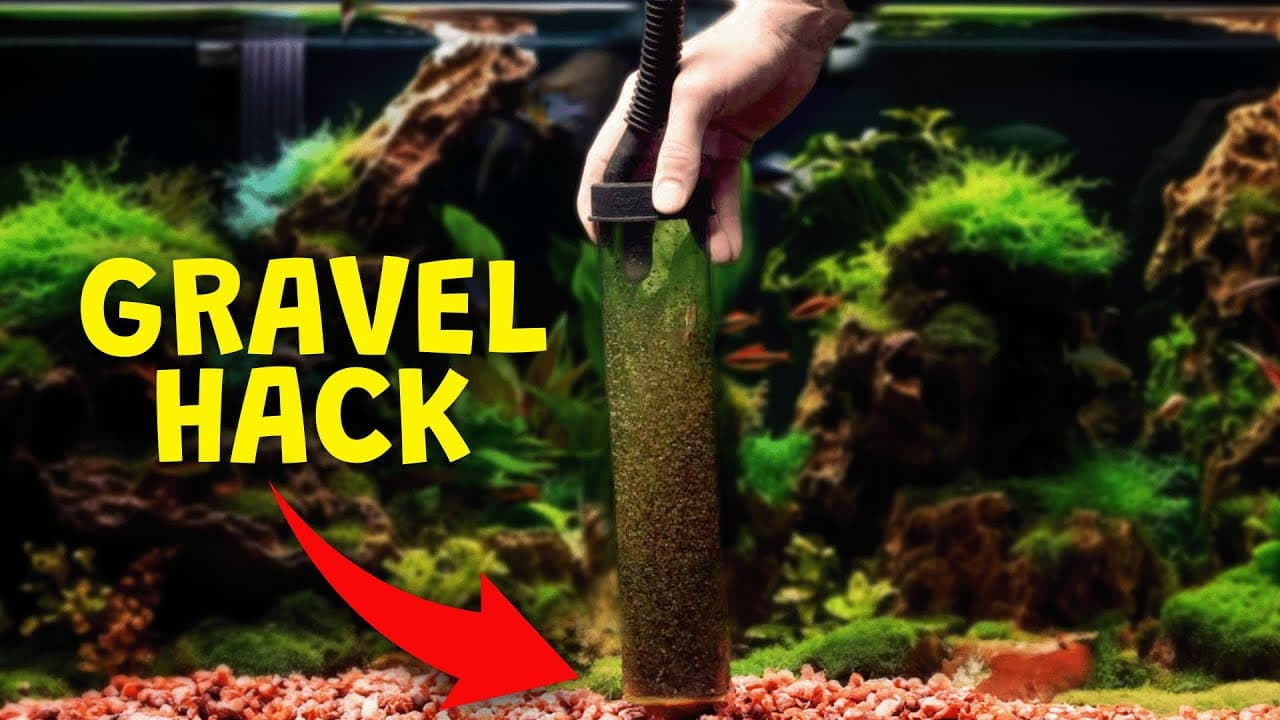
- Siphon-vacuum the gravel while removing 20-30% of the tank water. Do not remove more - it disrupts temperature and the bacterial colony.
- Rinse the filter media in the bucket of tank water you just removed. Never tap water; chlorine kills the bacteria living in the media.
- Wipe the outside glass and the rim with a damp microfiber cloth. No soap, ever - residues are toxic.
- Refill with conditioned, temperature-matched tap water. Add the dechlorinator to the refill water before it touches the tank.
- Plug the heater and filter back in after the water level is above the heater. Heating an exposed heater cracks it.
- Wait 30 minutes before feeding. Give the filter time to clear cloudiness and the fish time to settle.
The single biggest beginner mistake is rinsing filter media in tap water. That one step strips the biological filter, the tank goes through a mini-cycle, ammonia spikes, and the fish suffer for a week. Always rinse media in a bucket of the dirty tank water you removed.
Cleaning a Tropical Fish Tank vs a Coldwater Tank
The cleaning steps are identical. The only difference is temperature matching when you refill. A tropical tank runs at 76-80F; coldwater (goldfish) tanks usually run at 68-72F. Cold tap water dumped into a warm tropical tank can swing the temperature by 10 degrees in seconds, and tropical fish are far less tolerant of temperature shocks than goldfish are.
The fix is simple: mix warm and cold tap water in the bucket until it matches the tank within a few degrees, then add the dechlorinator, then pour it in. A cheap aquarium thermometer in the bucket is the easiest way to confirm. For tropical tanks 55 gallons and up, the Python No Spill Clean and Fill connects to a faucet with an adjustable hot/cold mixer, which is by far the fastest way to handle temperature matching for a big tank.
For saltwater and reef tanks, the steps above mostly still apply but with two additions: refill with pre-mixed saltwater (never tap water plus salt at the same time), and test salinity with a refractometer before adding it to the display tank. Reef-specific cleaning is its own discipline - the routine above is for fish-only and basic freshwater setups.
Cleaning a 10 Gallon Fish Tank: What Is Different
10-gallon tanks are the easiest to clean and the most demanding to keep stable. The whole job takes about 45 minutes, but the water chemistry can shift fast in a small volume, so the cleaning interval is shorter. Vacuum the gravel weekly to every 10 days. Plan for a 20% water change (2 gallons) every cleaning. That is one bucket of removed water and one bucket of refill water.
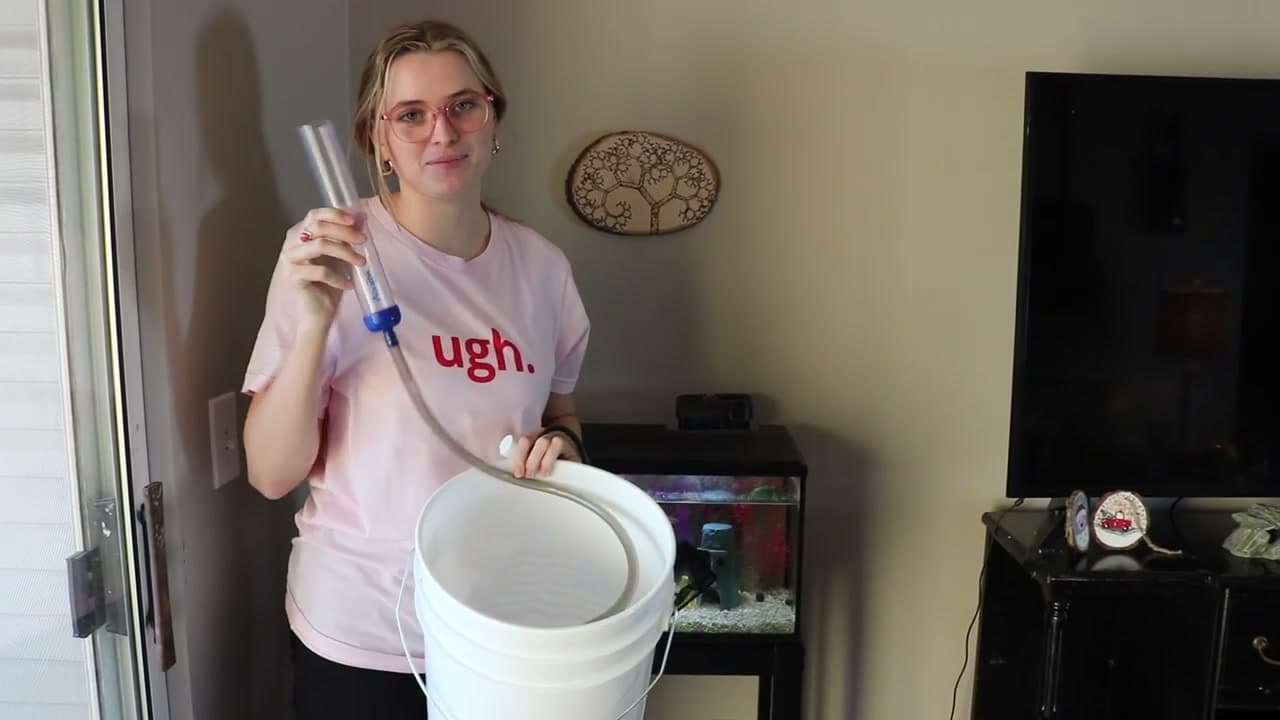
Use a small gravel vacuum with a 1.5-inch tube. The big 3-inch tubes pull too aggressively for a 10-gallon and will lift gravel right out. Skip the Python No Spill model entirely - it is overkill at this size and harder to control than a basic siphon. A $10 Aqueon or TopFin siphon is the right tool.
The bigger issue with 10-gallon tanks is overstocking. A common rule is one inch of fish per gallon - meaning a 10-gallon tank tops out at about 6-8 small tetras or a single betta with a few snails. Pushing past that doubles the cleaning frequency and shortens the fish lifespan. If the tank looks dirty within 5 days of cleaning, you are overstocked, not under-cleaning.
Troubleshooting: Common Fish Tank Cleaning Problems
The water is cloudy a day after cleaning. Two possible causes. Stirred debris that the filter has not cleared yet (clears in 6-12 hours, no action needed) or a bacterial bloom from too-aggressive cleaning (water turns white and stays cloudy for days). If it is a bloom, run the filter, do not feed for a day or two, and let the cycle re-stabilize. Do not do another water change for at least a week.
The fish look stressed or hide for hours after cleaning. You probably swung the temperature or chemistry too far. Cap water removal at 25-30%, match refill temperature to within a few degrees, and add the dechlorinator before the water touches the tank. Fish that hide for an hour after cleaning is normal; fish that hide for the rest of the day is a chemistry problem.
Algae comes back within a week. Three usual causes: too much light (8-10 hours per day is the max), overfeeding, or under-cleaning. Reduce the light schedule first, cut feeding to once a day, and check the nitrate level. If nitrate is high, the algae is feeding on it - more frequent water changes pull the nitrate down.
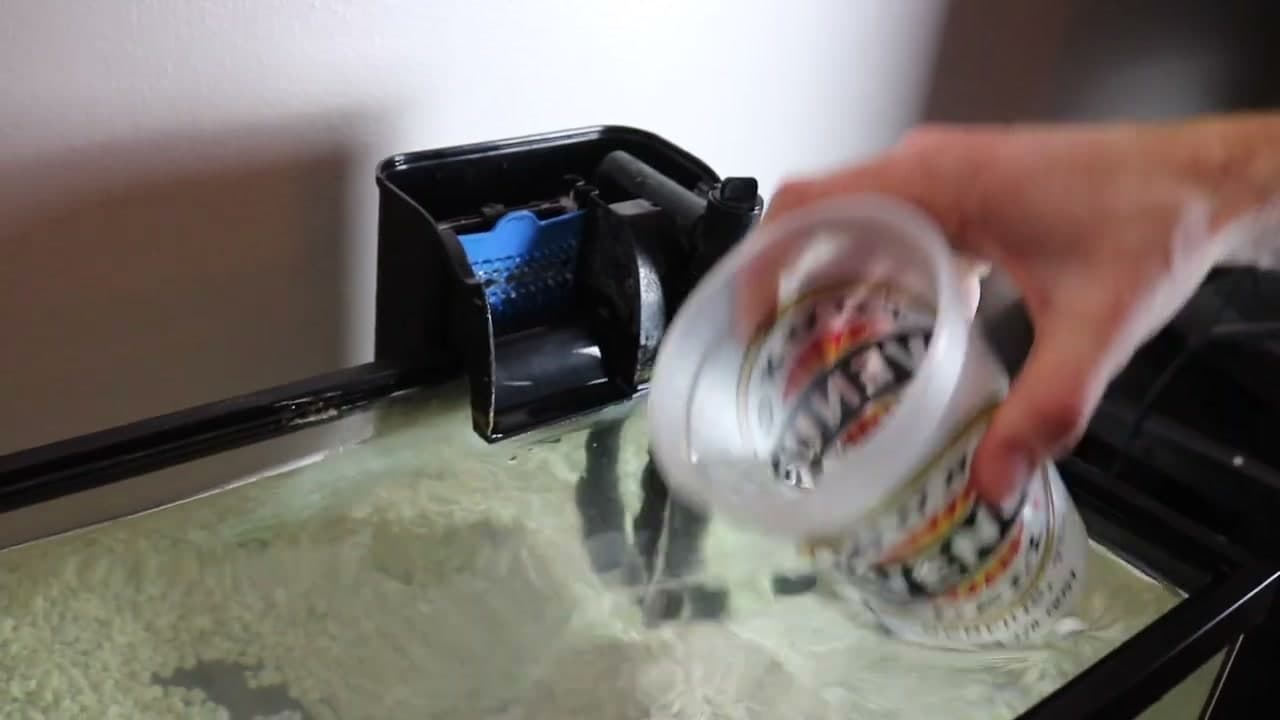
The filter is louder after cleaning. The intake or impeller probably did not get back together fully. Unplug, pull the filter apart, re-seat the impeller (it should spin freely by hand), and check the intake tube for trapped air. A small priming cup of tank water poured into the filter housing usually solves it.
The heater cracked. The heater was on when the water dropped below the level of the heating element. Always unplug the heater BEFORE draining and only plug it back in AFTER the water is back above the marked minimum line. A cracked heater is a fire risk and an electrocution risk - replace it before turning power back on.
Fish Tank Cleaning FAQ
Frequently asked questions
Do I need to remove the fish to clean the tank?
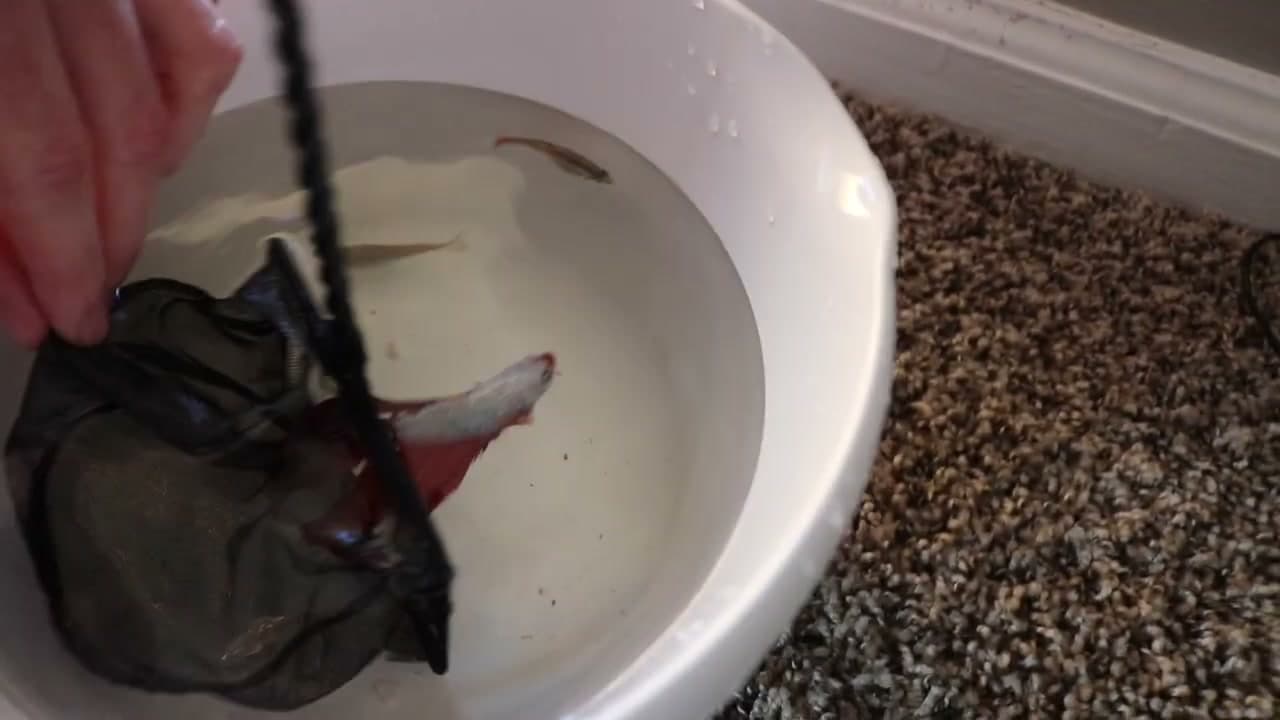
No. The siphon vacuum is designed to clean a stocked tank. Removing fish, holding them in a separate container, and netting them back stresses them far more than a 60-minute cleaning ever will. Leave them in, cap water removal at 25-30%, and refill with conditioned water at the same temperature.
Can I clean the fish tank with soap?
Never. Soap residues are toxic to fish at trace levels and can wipe out a tank in hours. Use only a clean microfiber cloth and warm water on the outside of the glass, and aquarium-safe algae scrapers or magnets on the inside. Anything that goes inside the tank - including your hands - has to be rinsed completely soap-free first.
How do I clean a fish tank without a siphon vacuum?
You can use a length of clean aquarium-safe tubing as a basic siphon (suck-start it carefully, or fill the tube with water and cap one end with your thumb). It works but it does not clean the gravel - only the open water. The siphon vacuum is a $10-15 tool that does the job 10x better. If you keep a tank long-term, it is the single best small purchase you can make.
Are there fish that clean the tank?
Some fish eat algae and uneaten food - plecos, otocinclus, Siamese algae eaters, and snails like nerites all help. None of them replace the cleaning routine. Plecos are heavy-waste fish that actually make the cleaning interval shorter, not longer. Treat algae eaters as supplements to gravel vacuuming, not substitutes for it.
How do I keep an aquarium clean longer between cleanings?
Five habits stretch the interval: feed less (most fish are overfed), feed once a day instead of twice, vacuum the gravel during every water change, run an oversized filter (rated for a tank one size up), and add live plants. Plants pull nitrogen out of the water as fertilizer and slow the algae cycle significantly.
What water conditioner should I use?
Any major brand: Seachem Prime, API Tap Water Conditioner, Tetra AquaSafe, or Fluval Aqua Plus. Prime is the most concentrated (a single drop treats a gallon) and also detoxifies ammonia and nitrite as a side effect, which makes it a good choice if your tank is still cycling. Dose per the label on the refill water, never directly on the fish.
Related Fish-Tank Maintenance Tutorials
Tank cleaning is one piece of a small set of fish-keeping skills that all reinforce each other. Once you have the routine down, pair it with the rest: