How to Meal Plan in 6 Steps (Beginner's Guide)

HealthEasy8:476 steps

Based on a video by Meghan Livingstone.

Meal planning solves three problems at once: what to eat tonight, the time wasted figuring it out daily, and the money spent on takeout when nothing's planned. The trick is making the planning take less than 30 minutes a week.

This walkthrough from Meghan Livingstone (a holistic nutritionist) covers the basics in 6 steps. The key insight: you don't need new recipes every week. A rotating master list of 15-20 meals you already cook well is enough for the rest of your life.

Step-by-Step Guide

1

Step 1: Build a Master List of Recipes You Already Love

4:05

Step 1: Step 1: Build a Master List of Recipes You Already Love

Open a notebook (or a Notes app) and write down every recipe you can already cook that you'd happily eat again. Your weeknight standbys, family favorites, the meals you reach for when you have no time.

This master list is what you'll pull from week after week so meal planning isn't a creative exercise every Sunday. Add new recipes to it any time you try one you like.

2

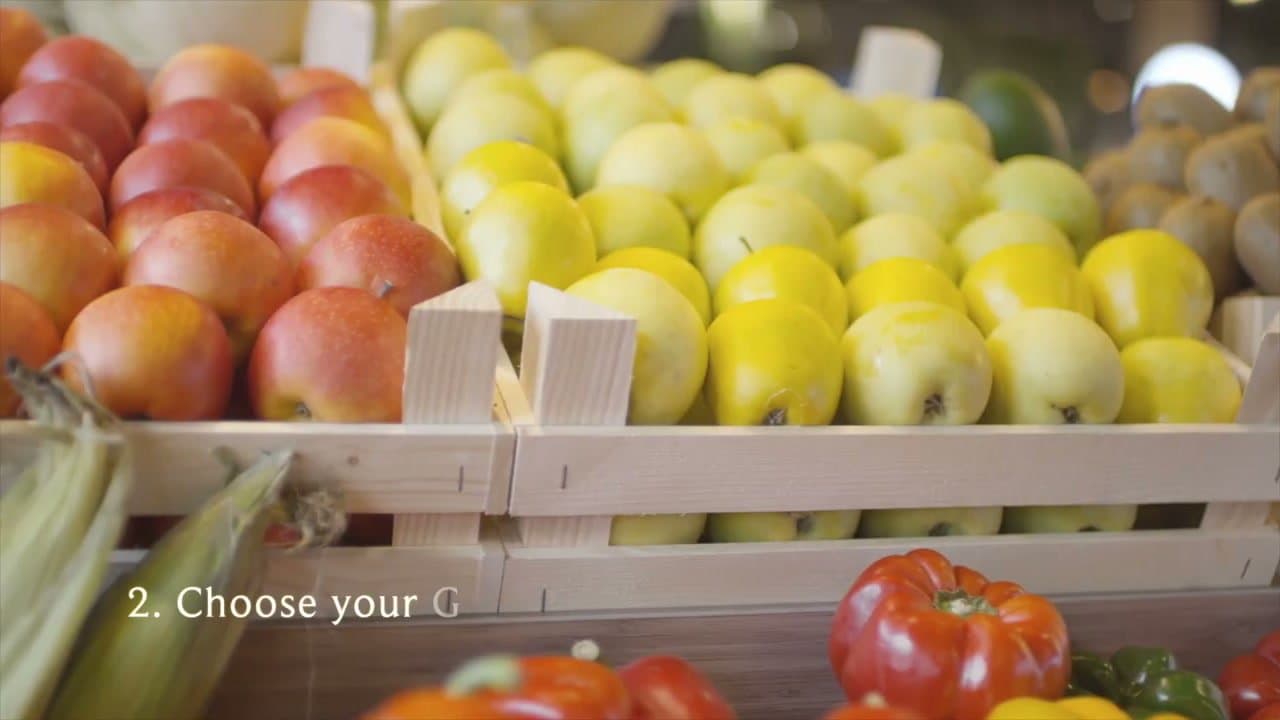
Step 2: Pick a Consistent Grocery Shopping Day

2:25
Step 2: Step 2: Pick a Consistent Grocery Shopping Day

Most people pick Saturday or Sunday morning, but any day works as long as it's the same one each week. The point is removing the decision.

You're not 'figuring out when to shop' anymore - you just go on Saturday morning. Pick a time when you're not rushed; rushed shopping leads to forgetting items and impulse buys.

3

Step 3: Check Your Calendar for the Week Ahead

3:00
Step 3: Step 3: Check Your Calendar for the Week Ahead

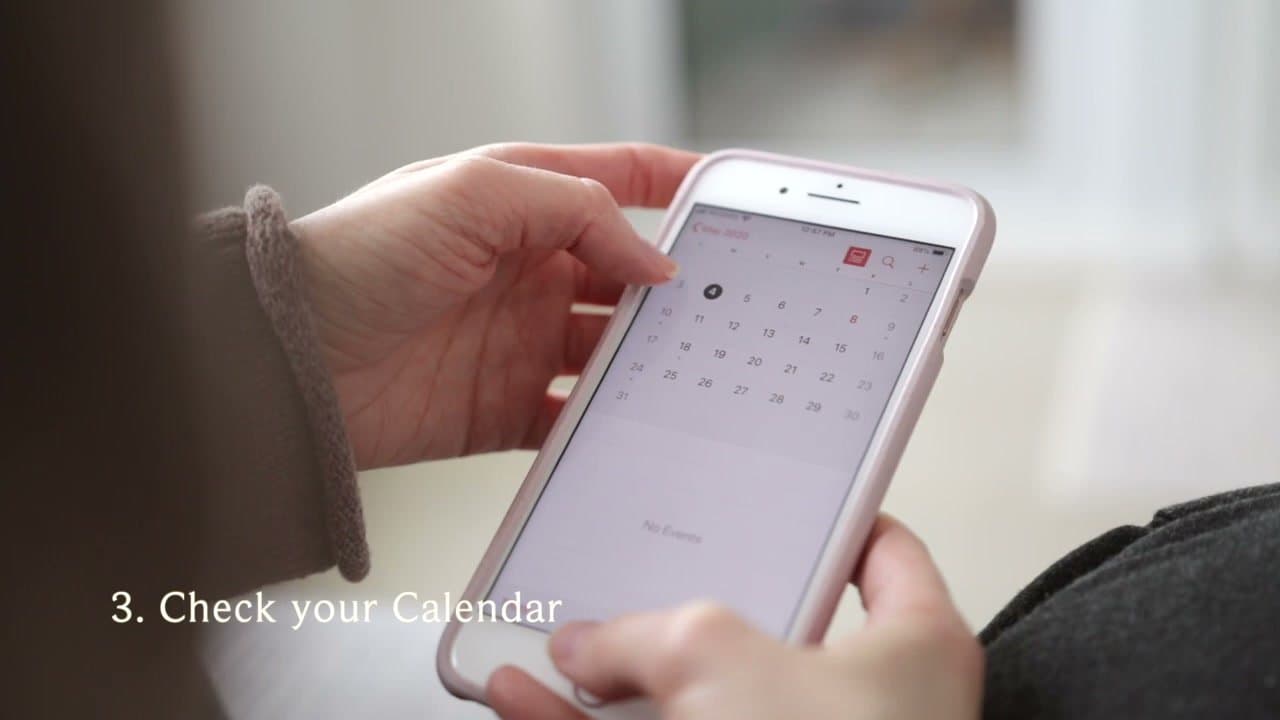
Before you write the meal plan, look at the week. Any nights you're out late, traveling, or already going to a restaurant? Don't plan a cooked meal for those nights.

Most people only need to cook 4-5 nights a week, not 7. Building in restaurant or takeout nights upfront is realistic, not a failure of the plan. Trying to cook 7 nights a week is the #1 reason meal plans collapse.

4

Step 4: Pick 5-6 Meals From Your Master List

4:05
Step 4: Step 4: Pick 5-6 Meals From Your Master List

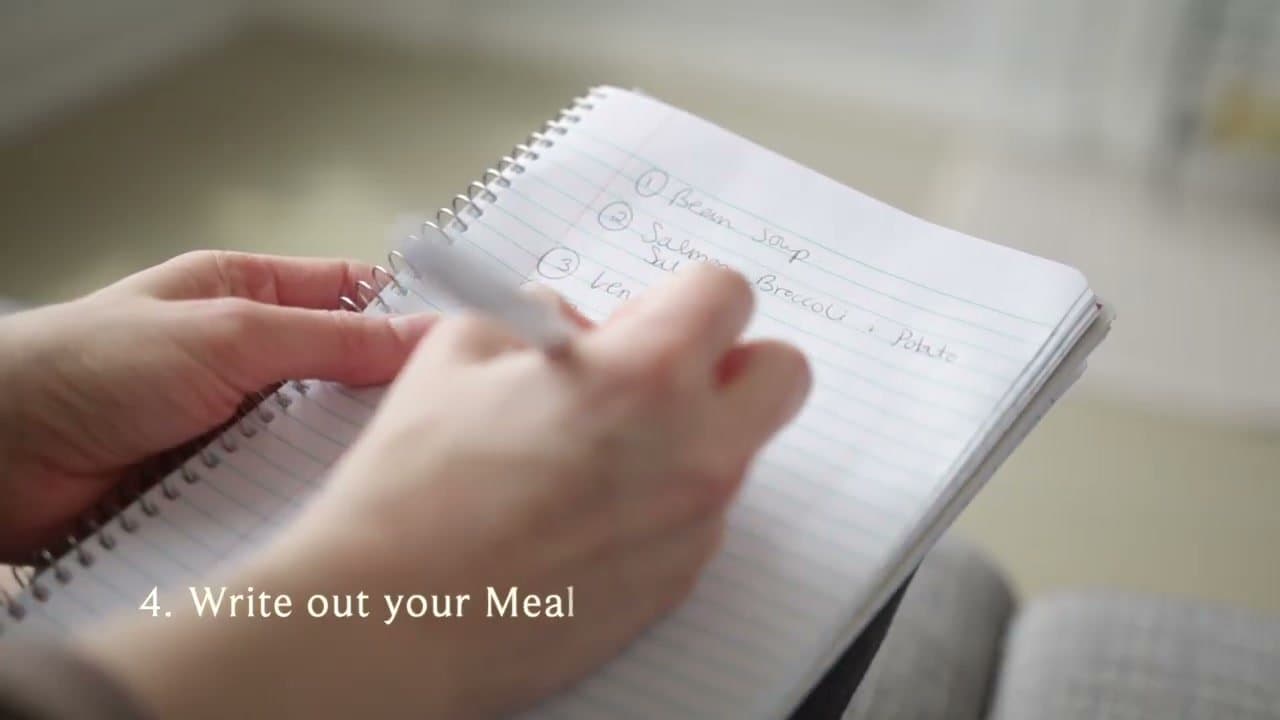
Pull out the master list and pick 5-6 meals for the week. Add one extra so you have flexibility (an ingredient swap, a cancellation).

Include at least one or two meals that produce big leftovers (chili, stew, casserole, large stir-fry) - those become tomorrow's lunch or another dinner. You don't need to assign meals to specific days unless you want to - the flexibility helps.

5

Step 5: Write Your Grocery List From the Recipes

6:00
Step 5: Step 5: Write Your Grocery List From the Recipes

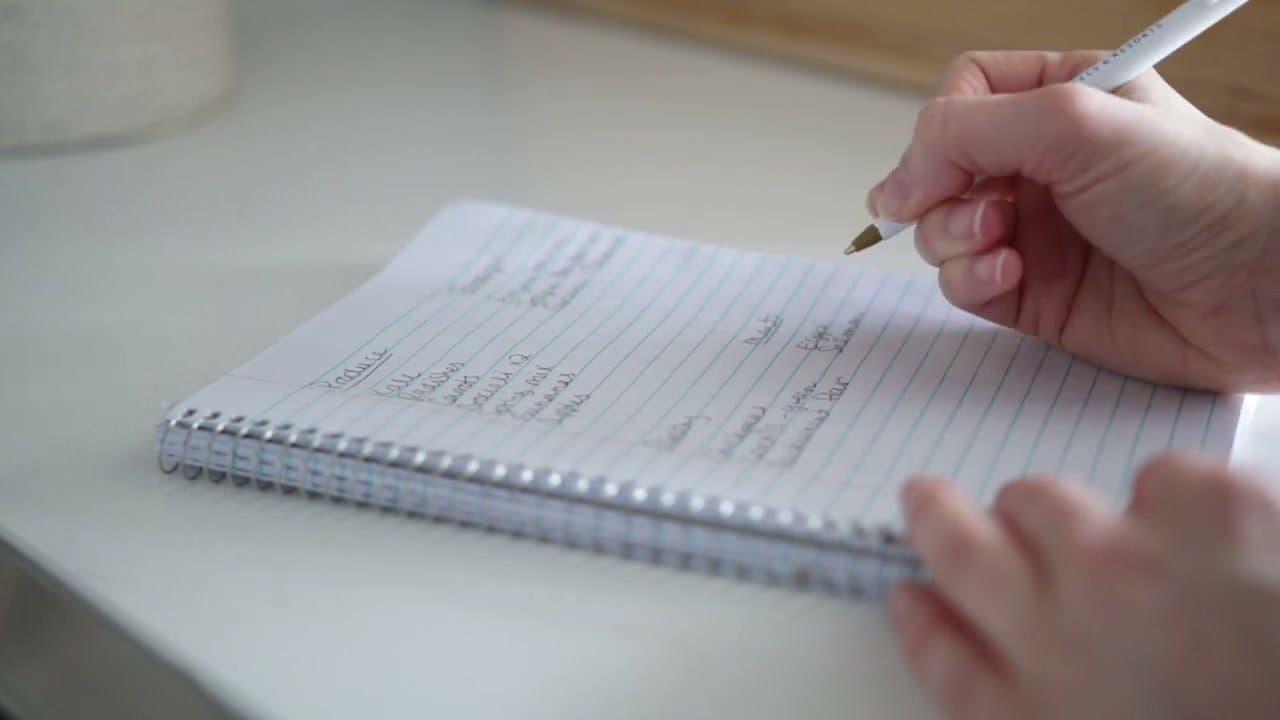
Open your recipes side by side and write a single grocery list combining all the ingredients. Group by store section (produce, meat, dairy, pantry) so you shop efficiently.

Check your fridge and pantry first - cross off anything you already have. Add staples and breakfast/snack ingredients separately so you don't run out mid-week.

Tip

Use a grocery app like AnyList or Grocery (or even just shared Notes) so you can build the list across the week as you notice things you're running low on.

6

Step 6: Designate a Light Prep Day to Set Up the Week

8:40
Step 6: Step 6: Designate a Light Prep Day to Set Up the Week

After the grocery run, spend 30-60 minutes prepping for the week: wash and chop produce, cook a grain in bulk (rice, quinoa), pre-portion snacks, marinate proteins.

Even small prep makes weeknight cooking 2-3x faster. Sunday evening is the most common prep window, but it can be any time after the groceries are home. The goal isn't to cook everything ahead - it's to remove the friction from cooking each night.

Your Guide

Meghan Livingstone

As an Amazon Associate we earn from qualifying purchases. Links on this page may be affiliate links - clicking them and buying doesn't change your price, but helps support ShowMeStepByStep.

Tags

Related Tutorials