How to Squat With Proper Form in 6 Steps

HealthMedium7:156 steps

Based on a video by Jeremy Ethier.

The squat is the king of poorly performed exercises. Done wrong, it gives you knee, hip, and back pain instead of bigger quads and glutes. Done right, it's the most efficient lower-body exercise you can do.

This walkthrough follows Jeremy Ethier (Built With Science) - one of the most-watched fitness coaches on YouTube. Six steps from setup to drive. Practice with light weight or just the bar until each step is automatic before loading up.

Step-by-Step Guide

1

Step 1: Find Your Foot Stance

0:30
Step 1: Step 1: Find Your Foot Stance

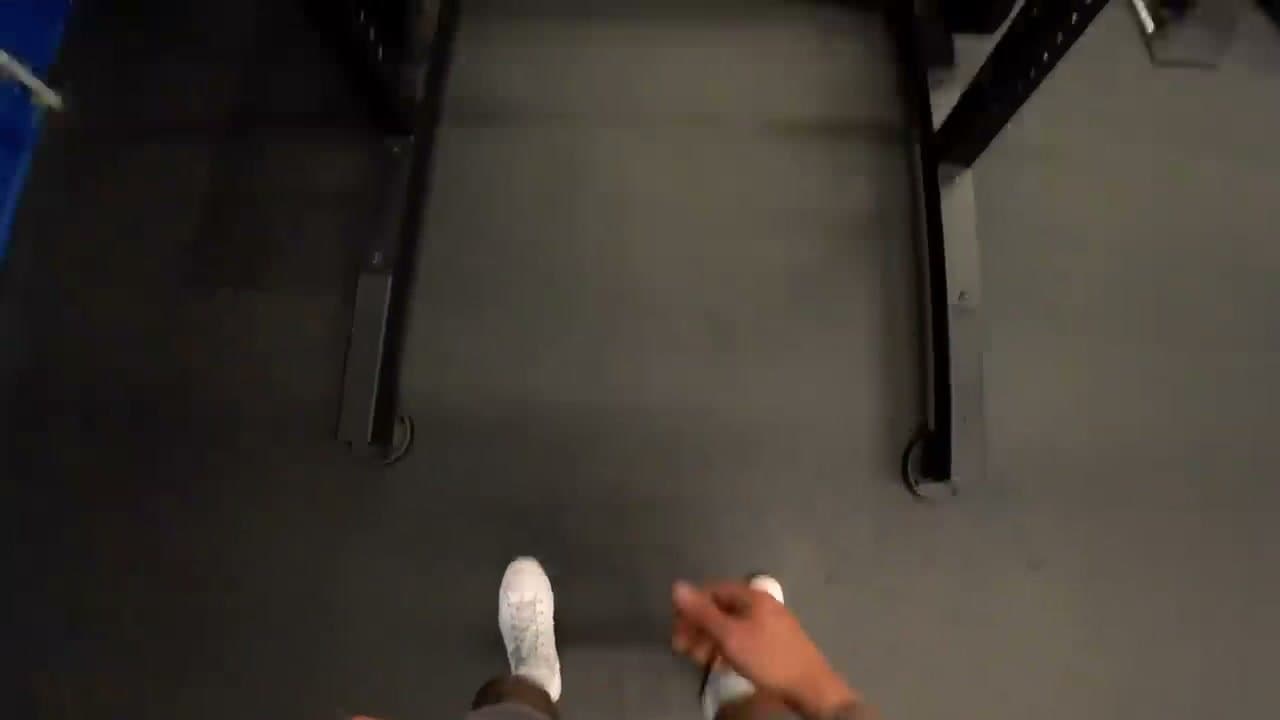
Hold a light weight at your chest and squat down with feet hip-width apart. Note how low you can go comfortably. Then widen your stance an inch or two and try again.

Keep adjusting until you find the width that lets you squat the deepest with no knee or hip pain. Most people need their toes pointed slightly outward - the wider the stance, the more they should turn out.
2

Step 2: Position the Bar on Your Upper Back

1:05
Step 2: Step 2: Position the Bar on Your Upper Back

Set your feet under the bar, bend your knees, and lower yourself under it. Place the bar on the meat of your upper traps - NOT on the bony bump at the base of your neck.

Grip the bar with your hands as narrow as you can without pain in wrists, shoulders, or elbows. Narrow grip = more upper back tightness, which keeps you stable through the lift.

3

Step 3: Walk It Out and Set Your Foot Position

1:45
Step 3: Step 3: Walk It Out and Set Your Foot Position

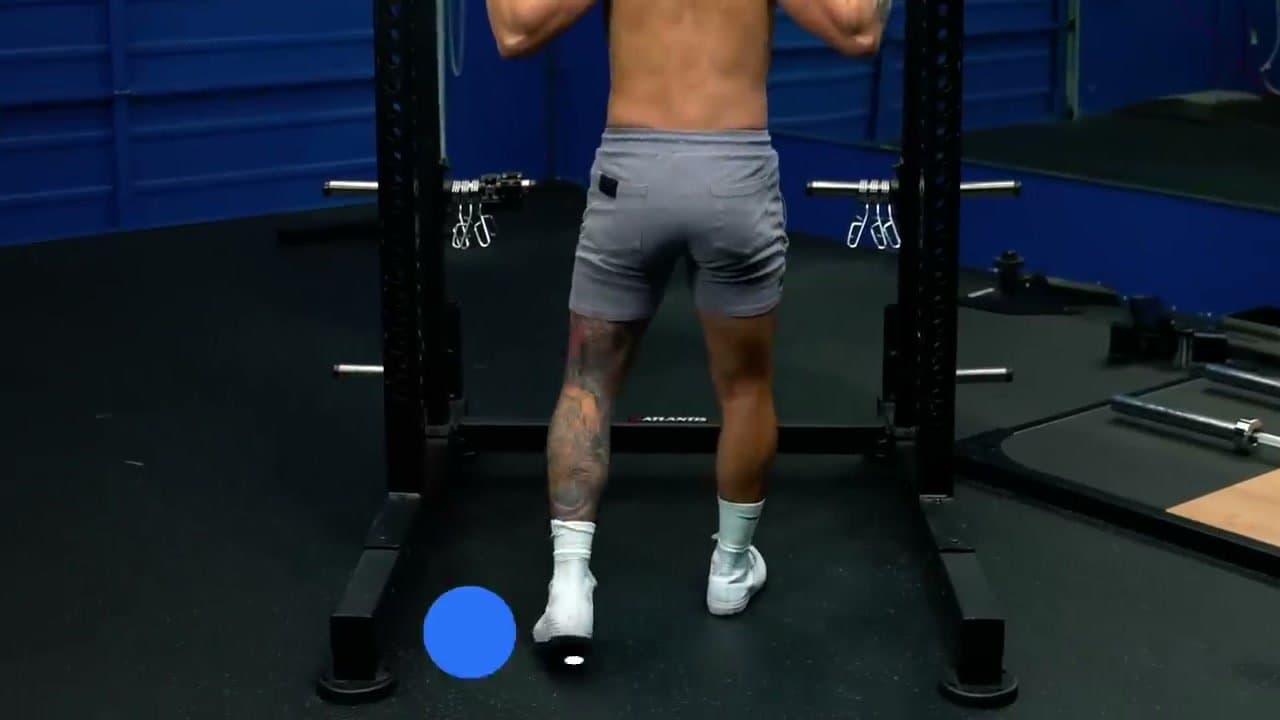
Extend your legs to lift the bar out of the rack. Take three careful steps back: small step with one foot, small step with the other, then use the third step to widen to your ideal stance.

Spread your weight over each foot at three points - big toe, pinky toe, heel. This 'tripod' keeps you balanced through the lift. Wandering weight = unstable squat.

4

Step 4: Create Whole-Body Tension Before You Descend

2:20
Step 4: Step 4: Create Whole-Body Tension Before You Descend

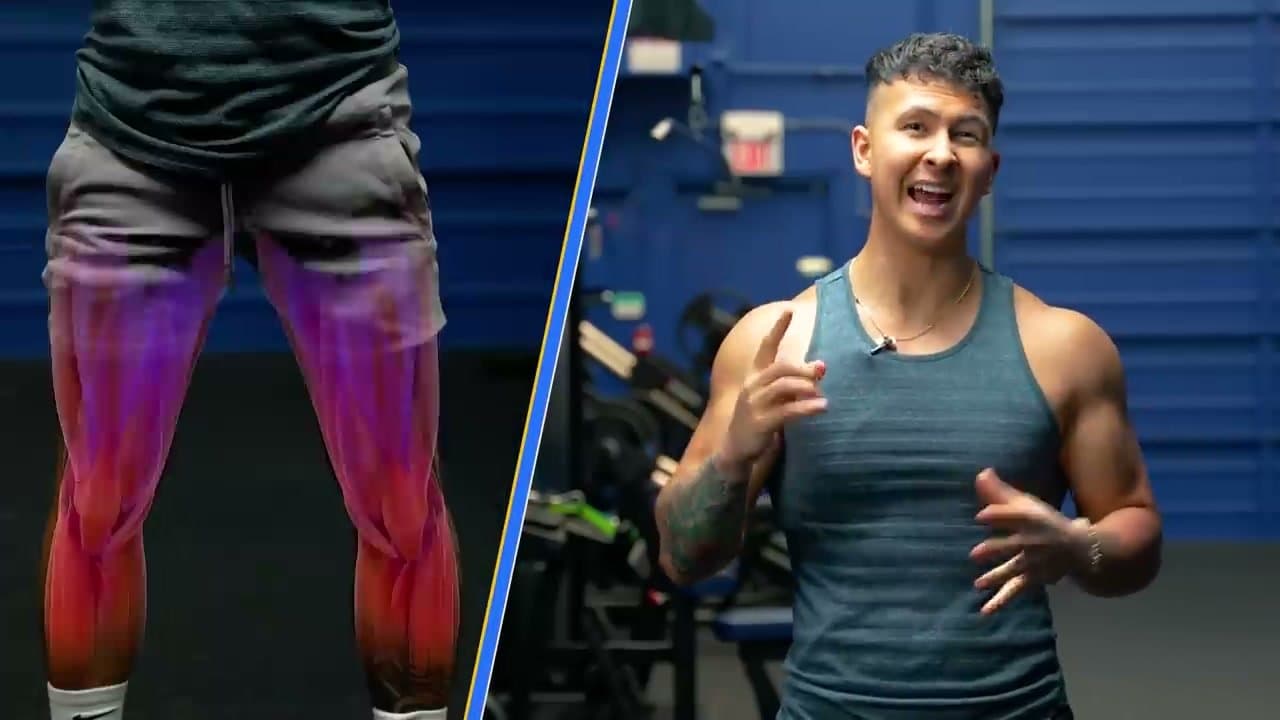
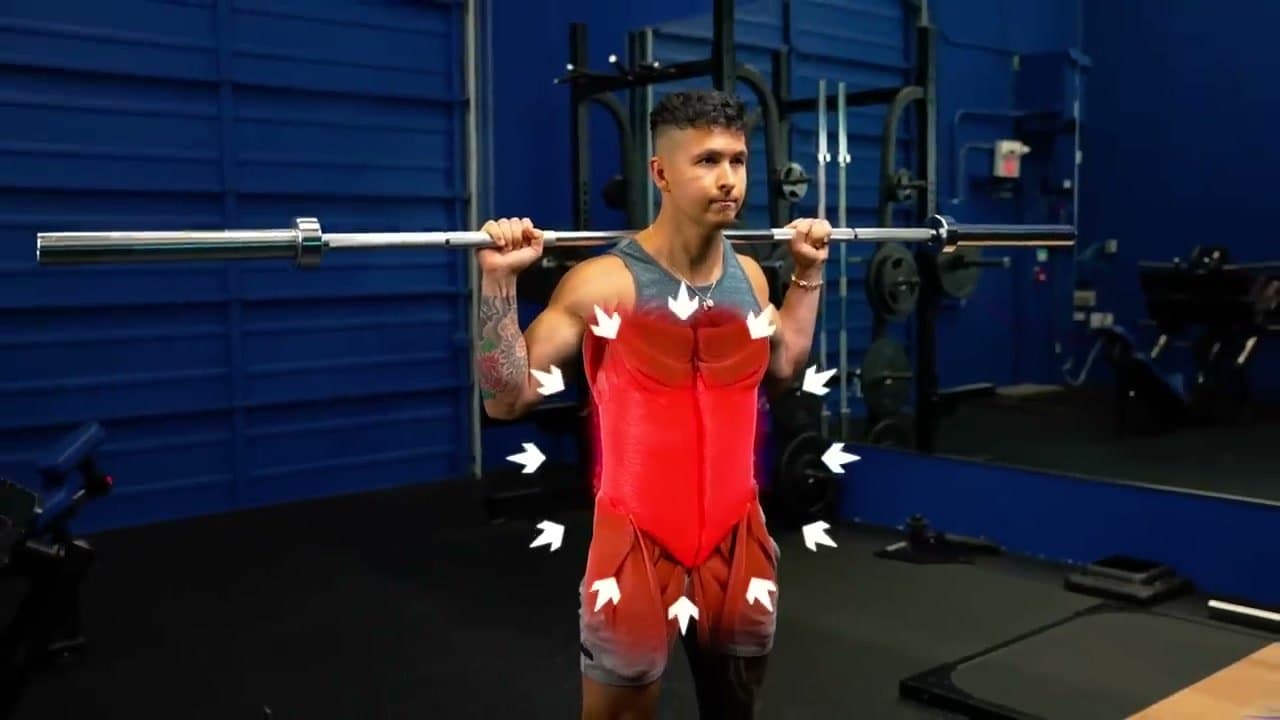
Screw your feet into the ground as if trying to touch your heels together. Level your pelvis like a bowl of water you don't want to spill. Squeeze inner thighs, glutes, and quads.

Pull your elbows forward under the bar and pull the bar down into your traps as if bending it. Take a deep 360-degree breath into your belt-line and brace your core like you just coughed. This is what protects your back.

5

Step 5: Descend - Knees Out, Drop Between Heels

3:20
Step 5: Step 5: Descend - Knees Out, Drop Between Heels

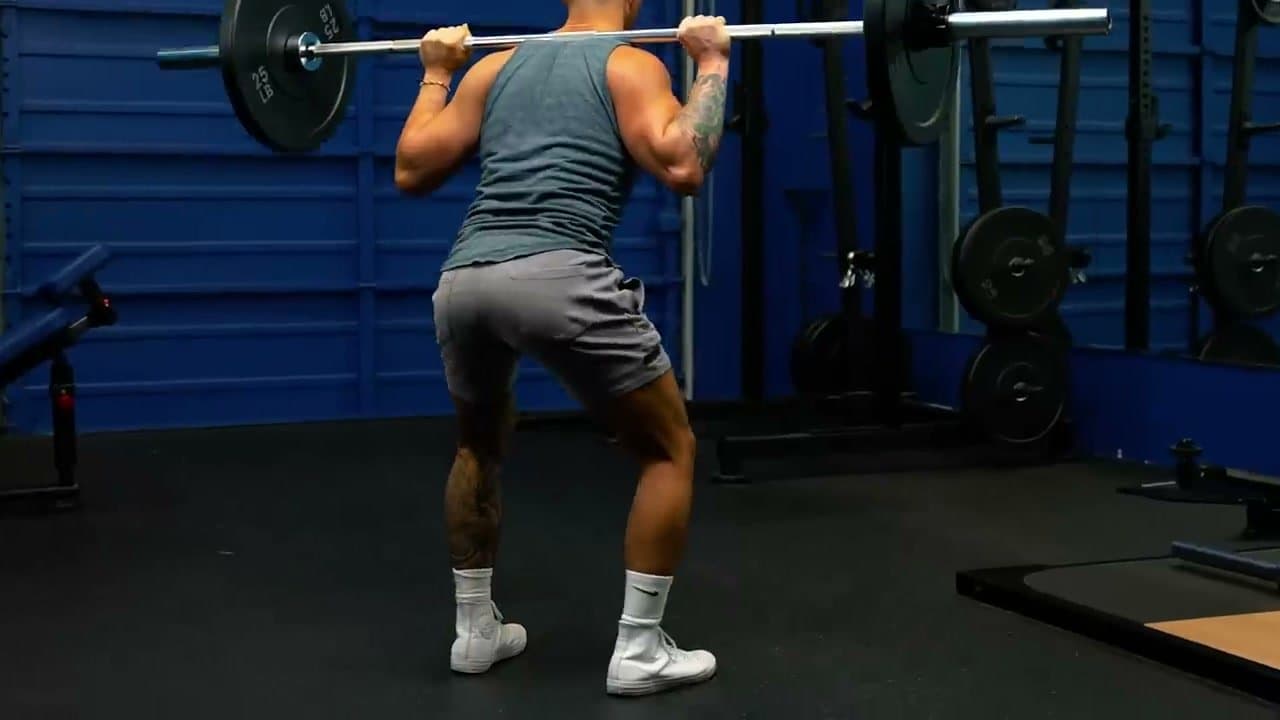
Pull yourself down using your hamstrings - don't just drop. Let your butt sink between your heels and push your knees out in the same direction your toes point. Stay tight in the upper back.

Aim for at least parallel (hip crease level with your knees). If you can't get there without your heels lifting or your back rounding, work on ankle mobility or use weight plates under your heels until you can.

Tip

Knees over toes is fine - studies show preventing knee travel actually puts MORE stress on your hips and lower back. Let the knees track naturally.

6

Step 6: Drive Up - Stay Tight, Push the Floor Away

6:40
Step 6: Step 6: Drive Up - Stay Tight, Push the Floor Away

From the bottom, push the floor away through all three points of each foot. Keep the same tension you had on the way down - bar pulled into traps, core braced, knees tracking over toes.

Stand up explosively but with control. Don't lock your knees aggressively at the top. One rep done. Reset your breath at the top, then descend again for the next rep.

Your Guide

Jeremy Ethier

As an Amazon Associate we earn from qualifying purchases. Links on this page may be affiliate links - clicking them and buying doesn't change your price, but helps support ShowMeStepByStep.

Tags

Related Tutorials