How to Fix Your Sleep Schedule in 7 Steps

HealthEasy15:527 steps

Based on a video by Better Than Yesterday.

If your sleep schedule is wrecked, the all-nighter reset doesn't work. Your body forces a nap, you crash for 8 hours mid-day, and you're back to square one. The actual fix is gradual and works with your body's circadian rhythm instead of against it.

This walkthrough from Better Than Yesterday is animated and walks through the science: how the circadian rhythm works, what resets it (sunlight, food timing, exercise), and how caffeine and blue light wreck it. Apply all 7 steps for at least two weeks before judging - the body needs time to lock onto the new schedule.

Step-by-Step Guide

1

Step 1: Skip the All-Nighter - It Doesn't Fix Anything

2:10

Step 1: Step 1: Skip the All-Nighter - It Doesn't Fix Anything

The most common reset advice is to pull an all-nighter and crash at your desired bedtime. It almost always fails - your body forces a nap somewhere in those 37 hours, and you wake up with the schedule even more wrecked.

Even if you make it through, in two weeks you'll drift back to your old bedtime. All-nighters treat the symptom; you need to fix the underlying habits.
2

Step 2: Move Your Bedtime 15 Minutes Earlier Each Day

2:55
Step 2: Step 2: Move Your Bedtime 15 Minutes Earlier Each Day

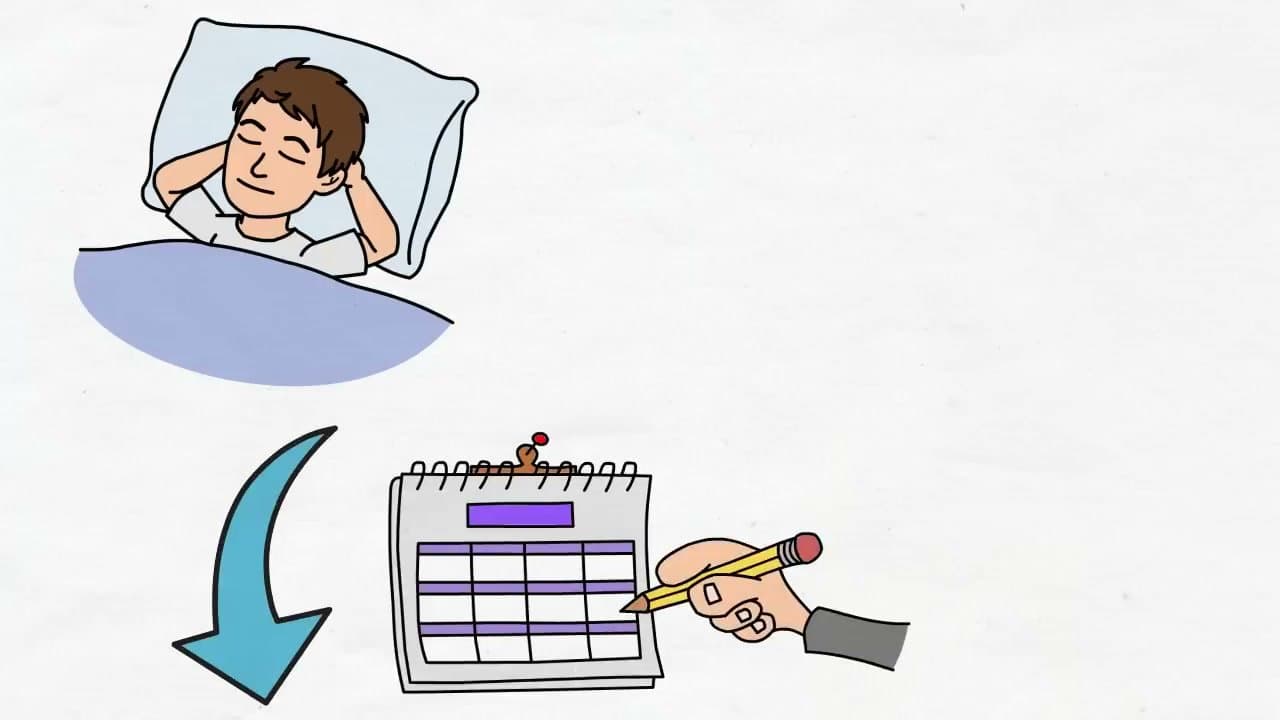
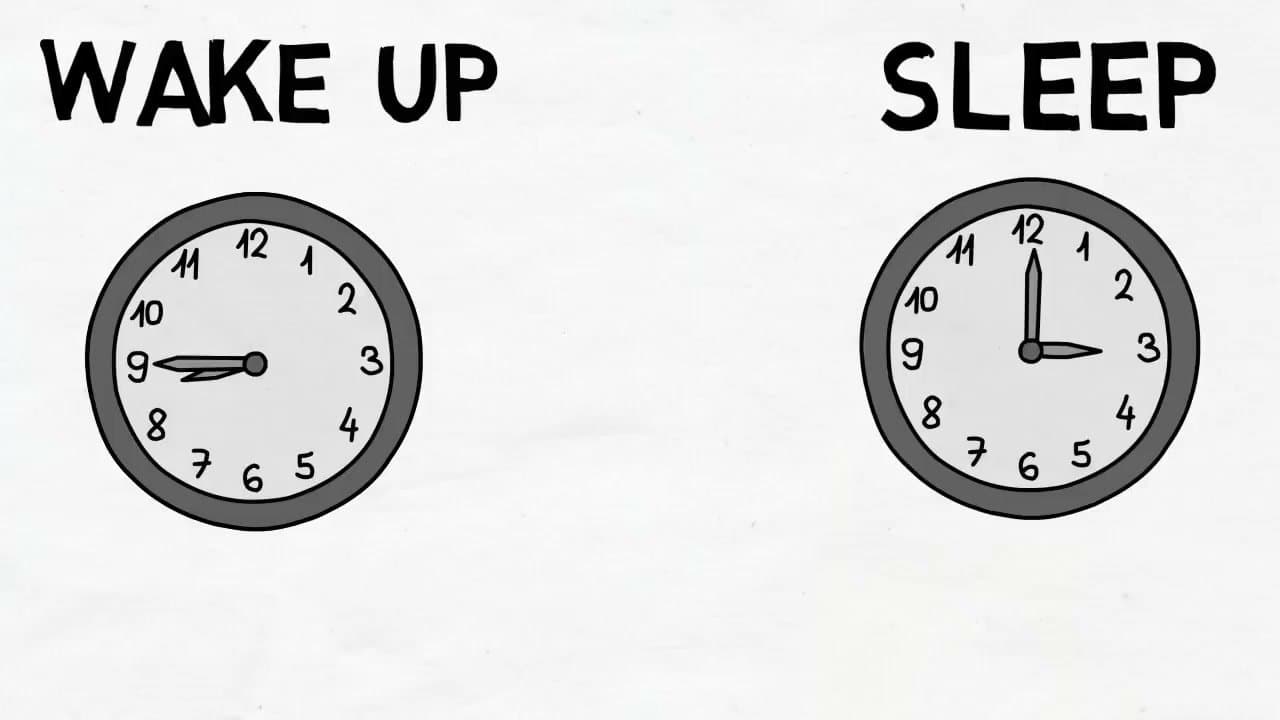
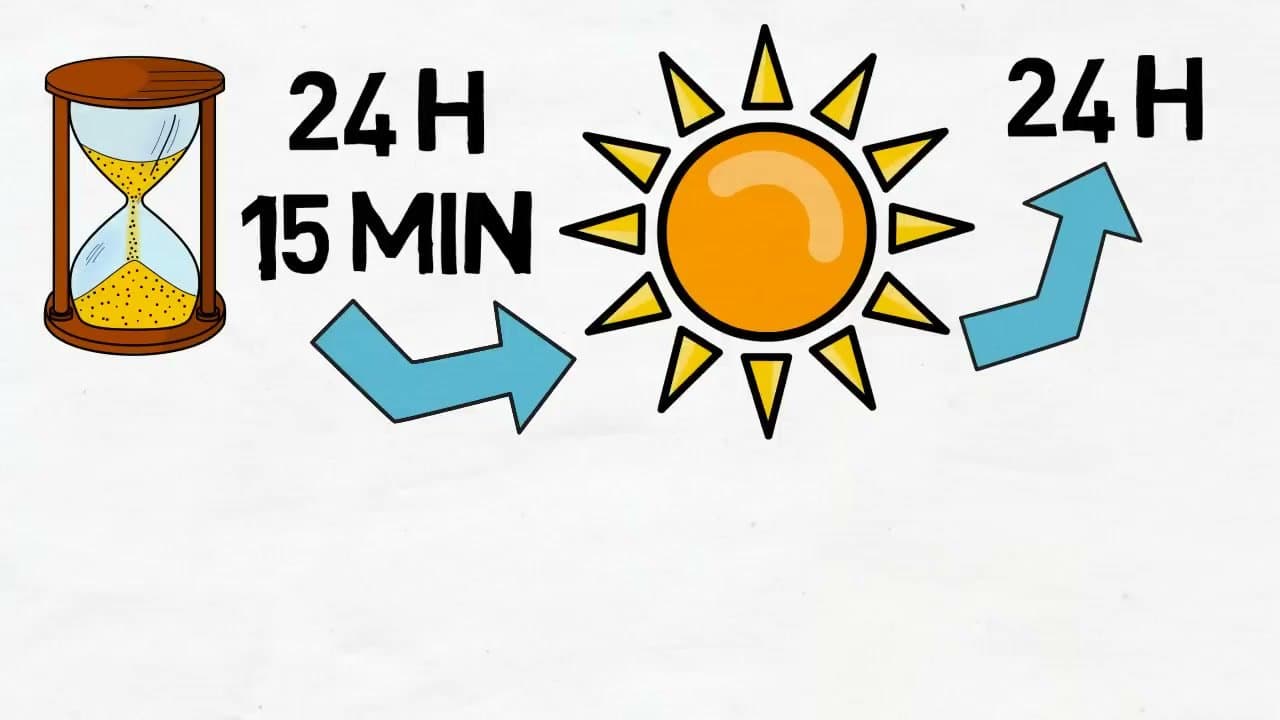
The real fix is gradual. Move your bedtime AND wake-up time 15 minutes earlier every single day until you hit your target.

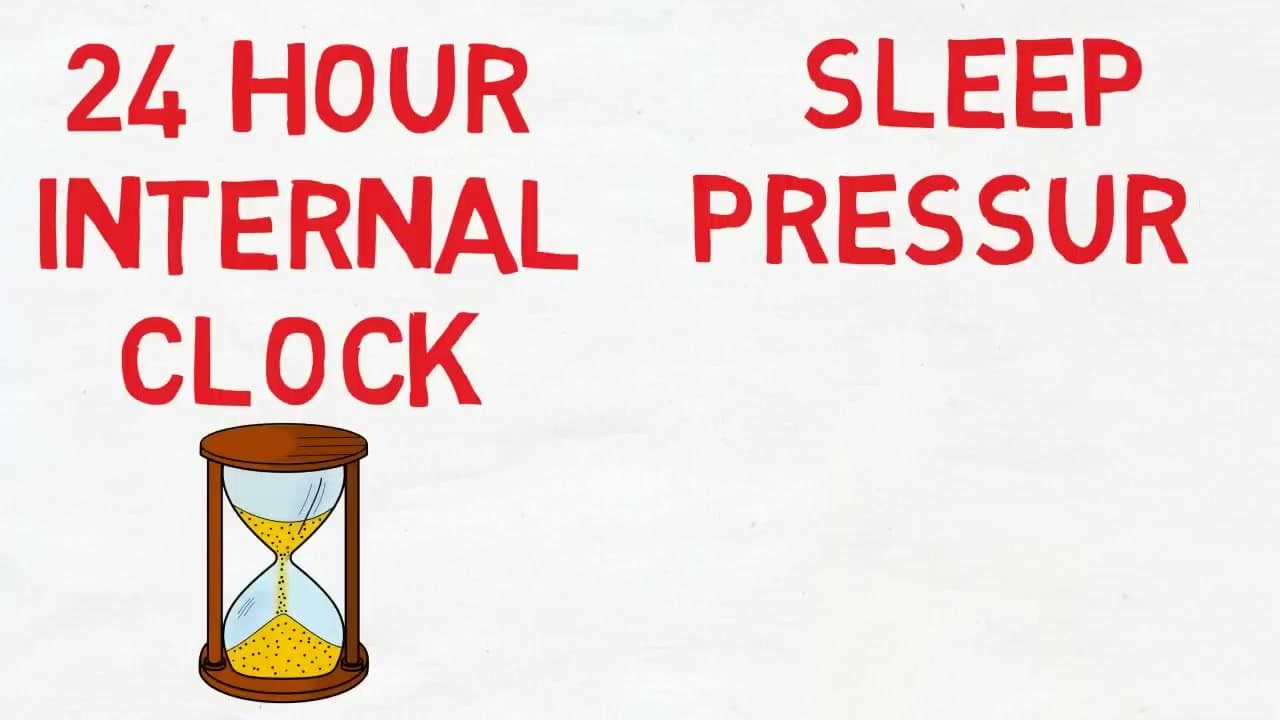
If you currently sleep 3 AM to 11 AM and want 11 PM to 7 AM, that's 16 days of 15-minute shifts. Slow but durable. The body's circadian rhythm runs on roughly a 24-hour clock and resists big jumps but accepts small ones.

3

Step 3: Move Your Whole Daily Routine, Not Just Bedtime

6:00
Step 3: Step 3: Move Your Whole Daily Routine, Not Just Bedtime

Your sleep clock isn't set by bedtime alone - it's set by every regular event in your day: meals, exercise, sunlight exposure, even social interactions.

Move all of them 15 minutes earlier together. Eat breakfast 15 minutes earlier, work out 15 minutes earlier, eat dinner 15 minutes earlier. The full routine pulls your circadian rhythm with it - bedtime alone isn't enough.

4

Step 4: Get Sunlight on Your Eyes Within 30 Minutes of Waking

6:50
Step 4: Step 4: Get Sunlight on Your Eyes Within 30 Minutes of Waking

Daylight is the single strongest signal that resets your internal clock. Step outside or sit by a bright window within 30 minutes of waking, for at least 5-10 minutes.

This tells your brain 'it's morning' and triggers the cortisol release that makes you feel awake. Without morning sunlight, your circadian rhythm drifts and you stay groggy for hours.

5

Step 5: Dim Lights and Avoid Screens 1-2 Hours Before Bed

7:30
Step 5: Step 5: Dim Lights and Avoid Screens 1-2 Hours Before Bed

Indoor lighting at night confuses your brain into thinking it's still day. In the evening, dim the lights, switch to warmer-color bulbs (or candles).

More importantly, avoid bright screens (TV, laptop, phone) for at least 1 hour before bed - 2 if you can. The blue light blocks melatonin (the sleep hormone) and triggers cortisol (the wake hormone). Apps like f.lux help but aren't enough on their own.

6

Step 6: Stop Caffeine 8 Hours Before Bed

11:40
Step 6: Step 6: Stop Caffeine 8 Hours Before Bed

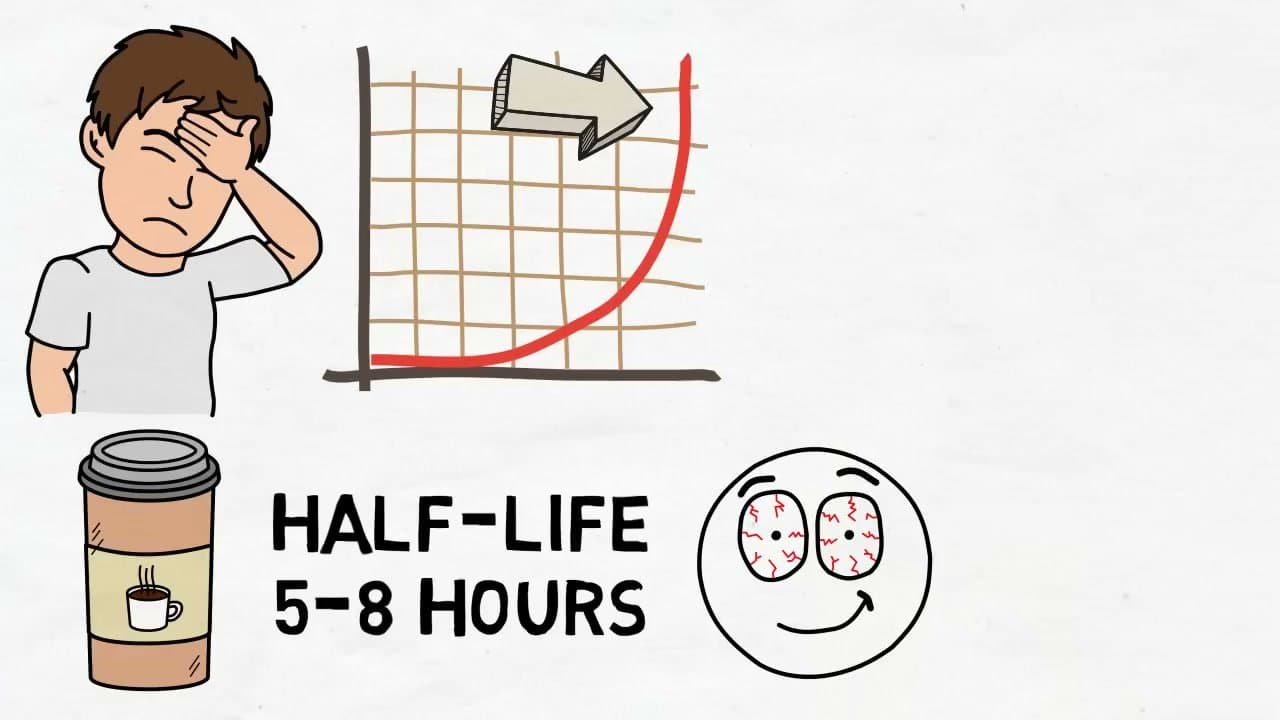
Caffeine has a half-life of 5-8 hours - half of it is still in your system that long after you drink it. If you want to fall asleep at 10 PM, your last coffee should be by 2 PM.

Coffee or energy drinks at 4-5 PM means you're still wired at midnight. The caffeine doesn't keep you 'awake' so much as it blocks the sleep-pressure chemical (adenosine) that should be putting you down.

7

Step 7: Get 8 Hours of Sleep to Clear the Sleep Debt

13:20
Step 7: Step 7: Get 8 Hours of Sleep to Clear the Sleep Debt

The chemical that makes you tired (adenosine) only fully clears with 8 hours of quality sleep. Less than that and you wake up still in adenosine debt - which is why you reach for coffee just to function.

The cycle compounds: less sleep → more caffeine → caffeine still in system at bedtime → can't fall asleep → less sleep again. Break the cycle by holding the 8 hours for two weeks; the energy returns naturally.

Your Guide

Better Than Yesterday

As an Amazon Associate we earn from qualifying purchases. Links on this page may be affiliate links - clicking them and buying doesn't change your price, but helps support ShowMeStepByStep.

Tags

Related Tutorials