How to Read a Nutrition Label in 7 Steps

HealthEasy5:297 steps

Based on a video by TheHealthNerd.

The nutrition label is the most overlooked free tool for improving your diet. Learn to read it once and you stop being fooled by clever marketing and packaging tricks. The label looks intimidating but most of it boils down to 7 quick checks.

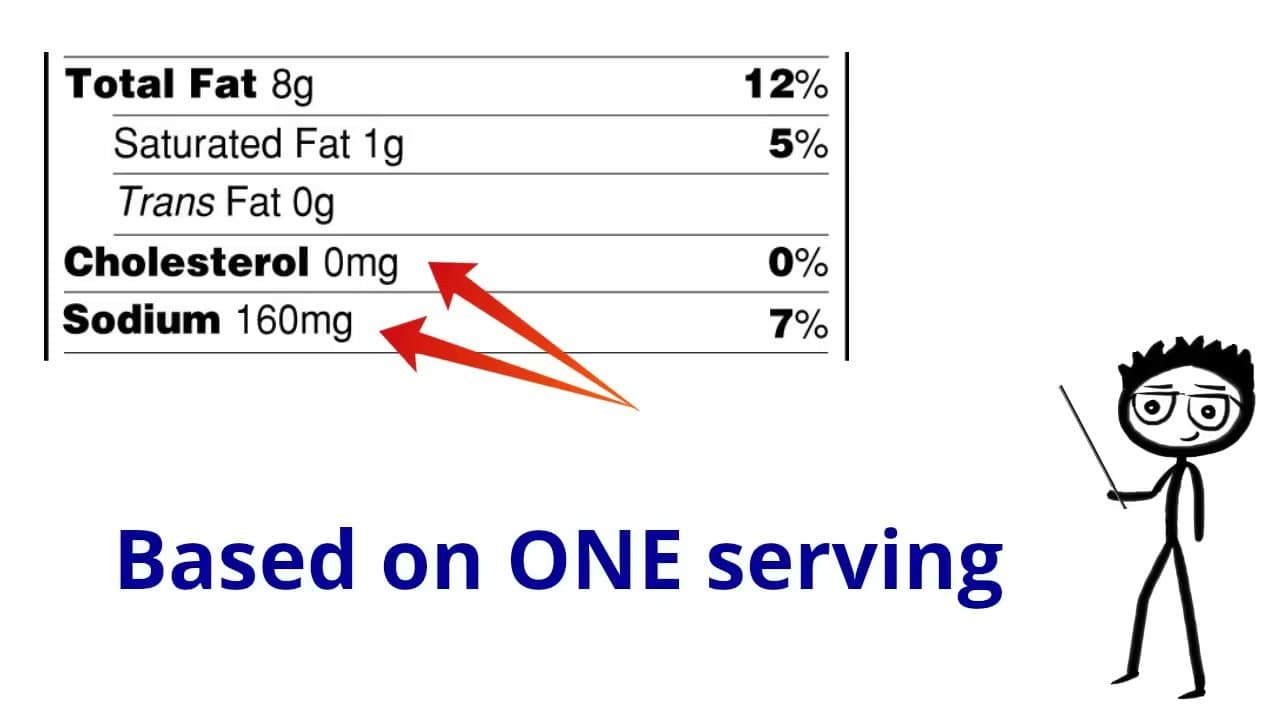
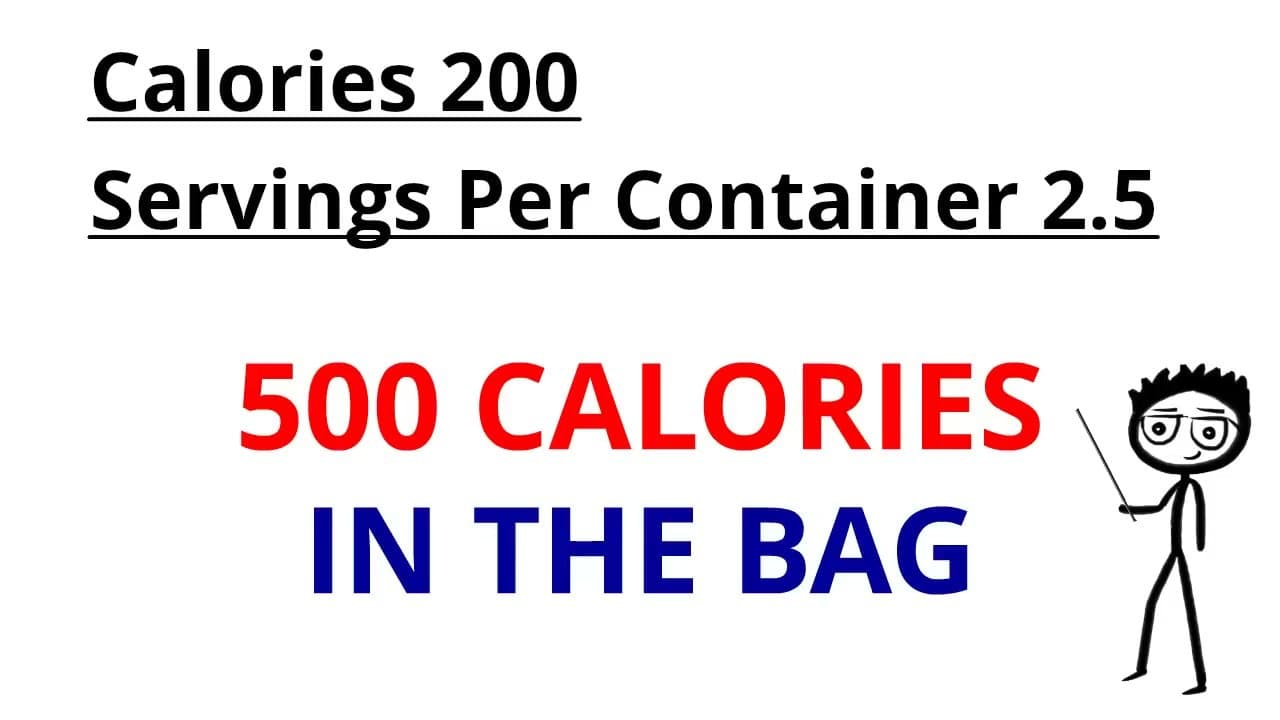
This walkthrough from The Health Nerd takes you through the label top to bottom. The most important rule: every number on the label is per ONE serving, and packages often contain 2-3 servings. The 200-calorie bag of chips at 2.5 servings = 500 calories you actually ate.

Step-by-Step Guide

1

Step 1: Check Serving Size and Servings Per Container

0:25
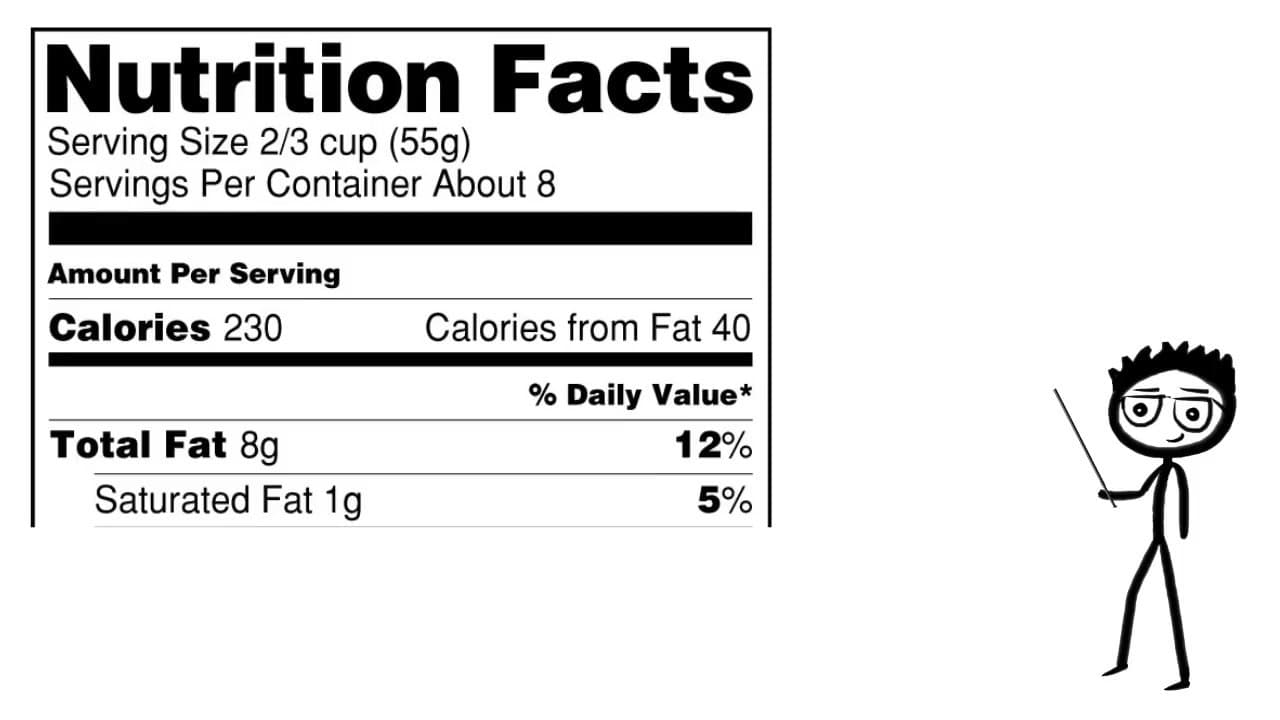
Step 1: Step 1: Check Serving Size and Servings Per Container

Look at the very top of the nutrition label first: serving size and servings per container. Every number below is for ONE serving.

If the bag of chips says 200 calories per serving but the container holds 2.5 servings, eating the whole bag means 500 calories. This is the marketing trick most people miss - and it's by design.

2

Step 2: Read the Calorie Line With Servings in Mind

1:00
Step 2: Step 2: Read the Calorie Line With Servings in Mind

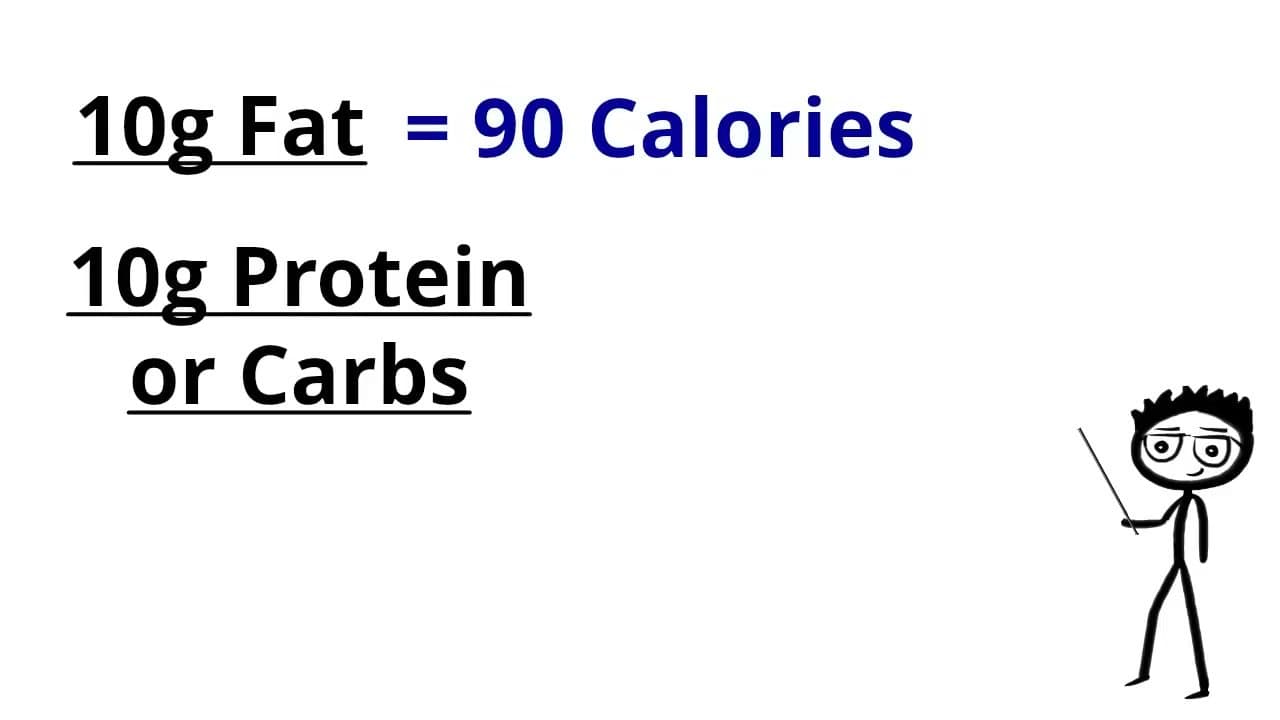
The calories number shows total calories per serving. Multiply by servings per container if you tend to eat the whole package.

The number on the right ('% Daily Value') is based on a 2,000 calorie diet - your number may differ if you eat more or less. Don't get hung up on this percentage; the absolute calorie count matters more for portioning.

3

Step 3: Look at Total Fat - Hunt for Trans Fat

2:05
Step 3: Step 3: Look at Total Fat - Hunt for Trans Fat

Total fat is shown with grams and a daily-value percentage. Fat itself isn't the enemy - many healthy foods are high in fat (avocados, nuts, olive oil, fatty fish).

The line to actually avoid is TRANS FAT. Linked to heart disease and many other conditions. Aim for 0g per serving. Saturated fat is fine in moderation, despite decades of bad press - the science has shifted on this.

4

Step 4: Check Cholesterol and Sodium

2:25
Step 4: Step 4: Check Cholesterol and Sodium

Cholesterol from food has less impact than once thought, but sodium matters. Watch the sodium percentage and remember to multiply by servings if eating the whole package.

A snack listing 25% daily sodium per serving in a 2.5-serving package = 63% of your daily sodium in one snack. That's a lot - especially if you eat similar foods all day.

5

Step 5: Read Carbs Closely - Sugar and Fiber Are What Matter

3:00
Step 5: Step 5: Read Carbs Closely - Sugar and Fiber Are What Matter

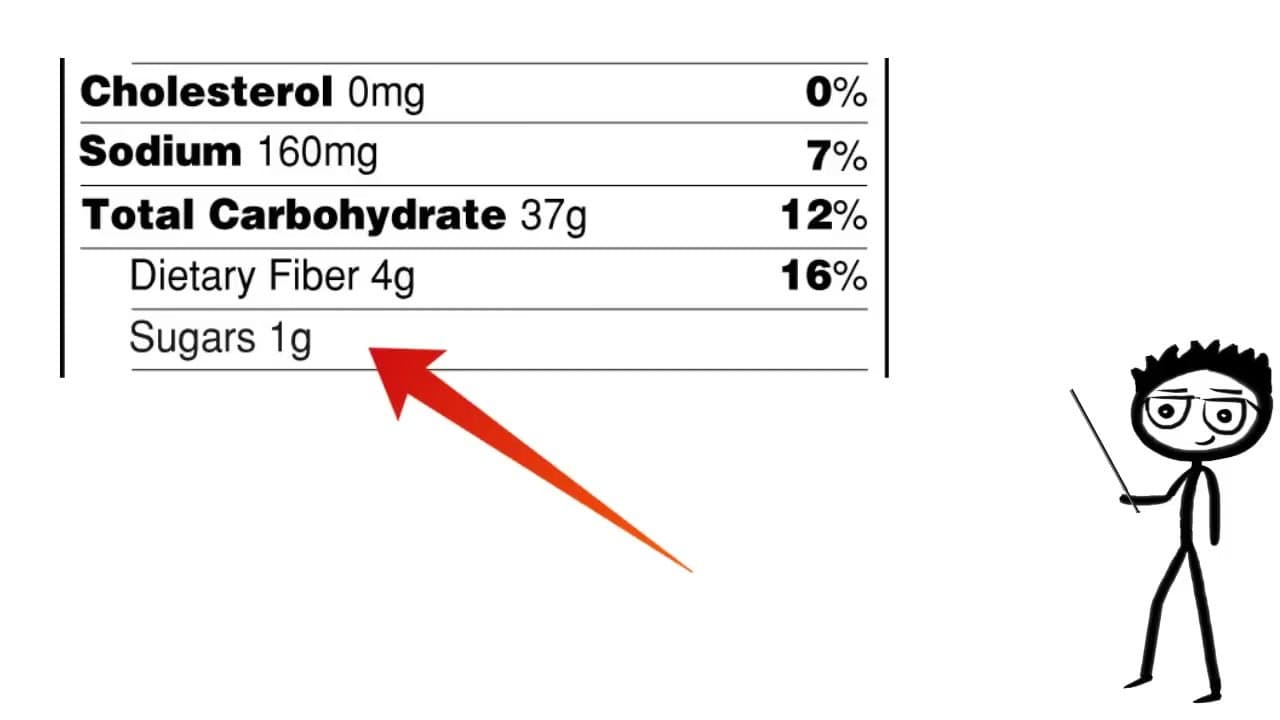
Total carbs is less important than the breakdown. High dietary fiber is good - aids digestion and satiety. High added sugar is bad - linked to many diseases.

Watch out for foods that look low-sugar but are high in refined carbs (white bread, pasta) - they spike your blood sugar like sugar does even when not labeled as sugar. The fiber-to-carb ratio is a quick health signal.

6

Step 6: Check Protein Content

3:40
Step 6: Step 6: Check Protein Content

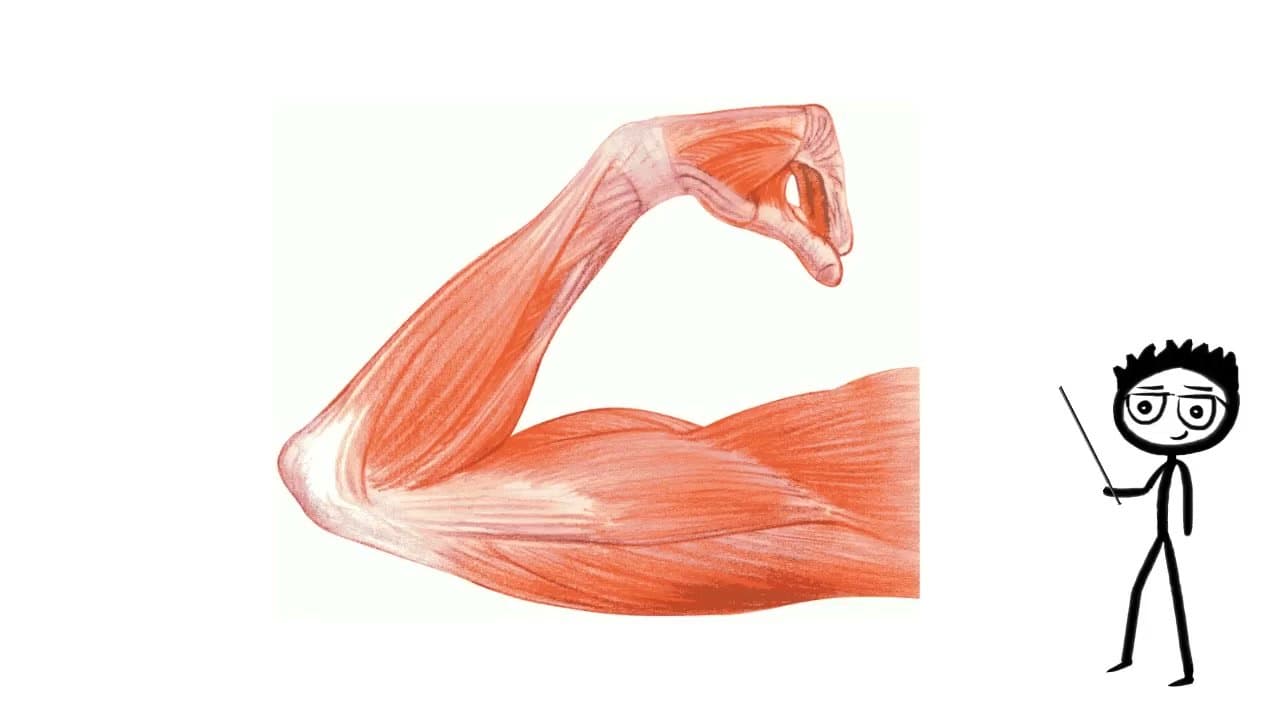
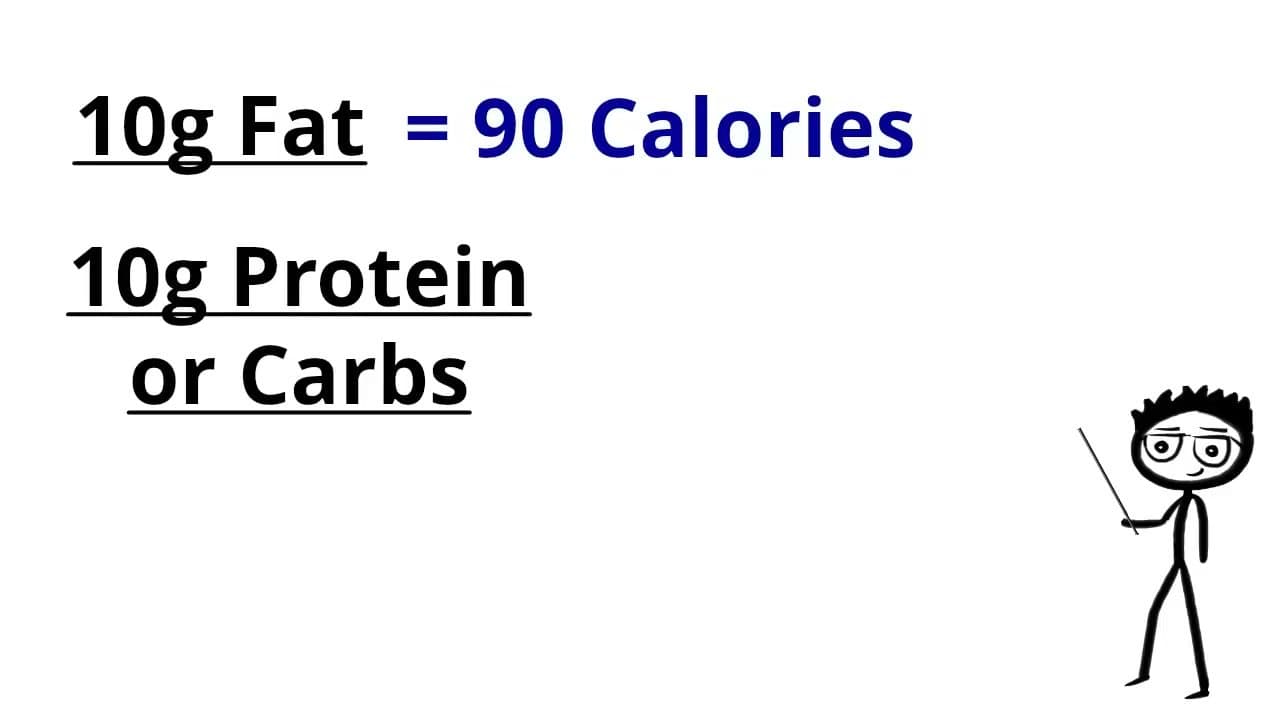
Higher protein = more satiety and lean muscle preservation. Aim for foods that have meaningful protein per serving (10g+ for a snack, 20g+ for a meal).

Cross-reference protein with calories - 100 calories with 15g protein is a vastly better deal than 100 calories with 2g protein. The protein-per-calorie ratio is one of the strongest signals of how filling a food will be.

7

Step 7: Skip the Vitamin Percentages - Eat Whole Foods Instead

4:30
Step 7: Step 7: Skip the Vitamin Percentages - Eat Whole Foods Instead

The vitamin percentages at the bottom are notoriously low and often misleading. Skip them.

Instead of relying on processed foods to hit vitamin targets, eat actual fruits and vegetables daily. Leafy greens cover calcium and iron; fruits cover vitamin C and A. Whole foods beat fortified processed foods every time.

Your Guide

TheHealthNerd

As an Amazon Associate we earn from qualifying purchases. Links on this page may be affiliate links - clicking them and buying doesn't change your price, but helps support ShowMeStepByStep.

Tags

Related Tutorials