How to Do 4-7-8 Breathing for Sleep and Stress

MindfulnessEasy5:417 steps

Based on a video by Mike Maher | TAKE A DEEP BREATH.

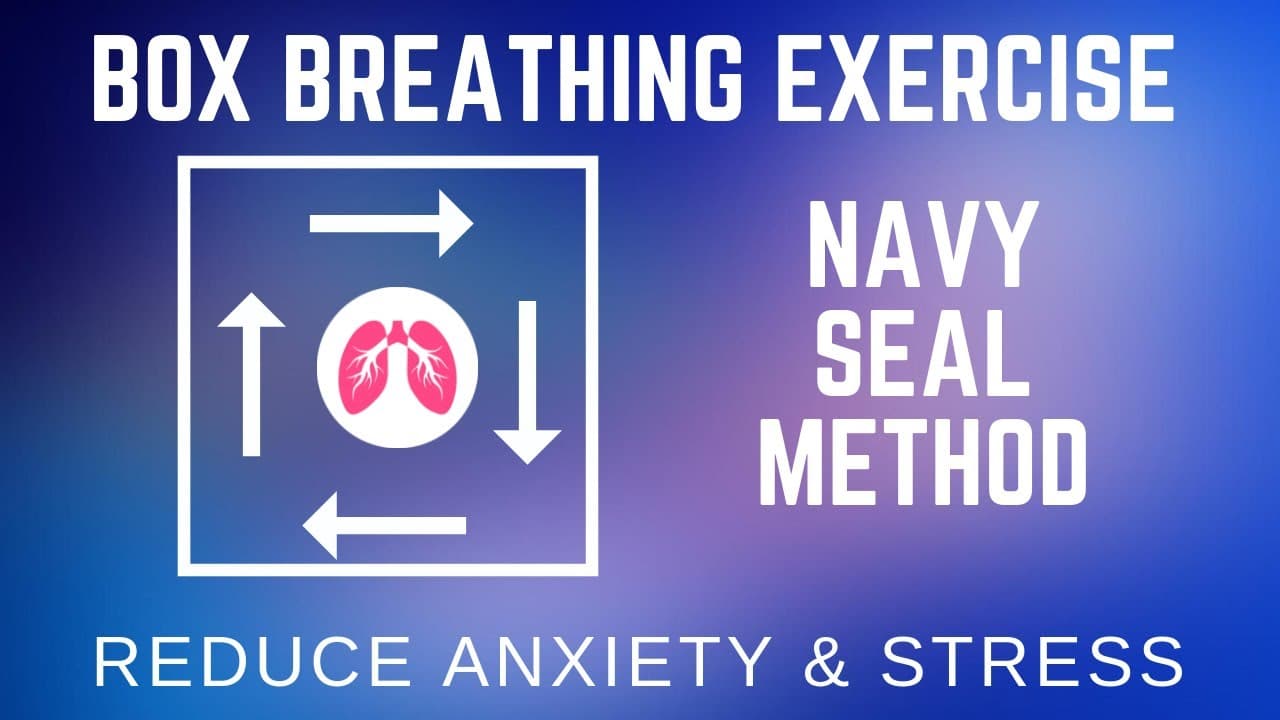
The 4-7-8 breathing technique was developed by Dr. Andrew Weil and adapted from yogic pranayama. He calls it 'a natural tranquilizer for the nervous system.' The pattern: inhale 4 seconds, hold 7, exhale 8. The longer exhale is what triggers the parasympathetic nervous system to take over - that's the part of you that lowers heart rate, drops cortisol, and brings on calm.

This walkthrough uses the Take A Deep Breath guided video with on-screen counters. Use 4-7-8 to fall asleep faster, manage acute anxiety, or reset before a stressful event. Most people feel something on the first try; the effect compounds with daily practice.

Step-by-Step Guide

1

Step 1: Get Comfortable - Sitting or Lying Down

0:15
Step 1: Step 1: Get Comfortable - Sitting or Lying Down

If you're using 4-7-8 to help you sleep, lie on your back in bed. If you're using it to manage stress in the moment, sit comfortably with your spine straight.

Place the tip of your tongue against the ridge of tissue just behind your upper front teeth - keep it there throughout the entire exercise. This is part of Dr. Weil's original protocol and changes how the breath flows.
2

Step 2: Learn the 4-7-8 Pattern

0:30
Step 2: Step 2: Learn the 4-7-8 Pattern

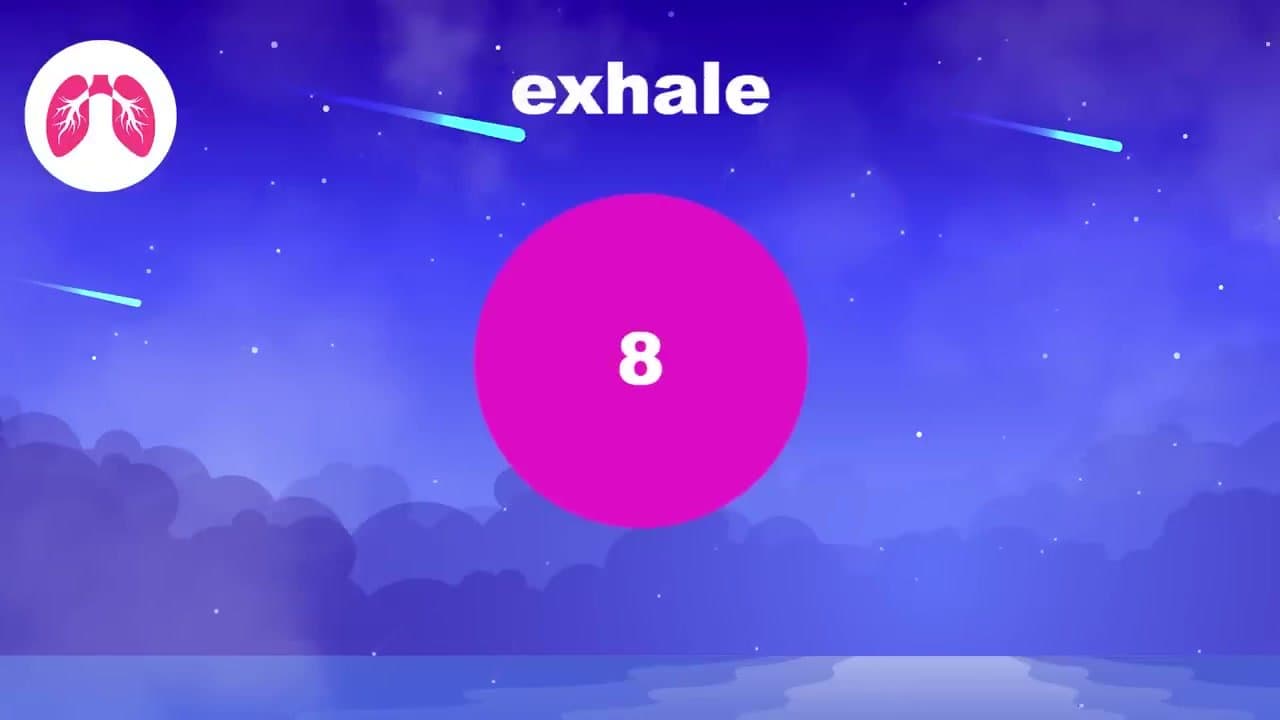
The pattern: inhale through your nose for 4 seconds, hold your breath for 7 seconds, exhale through your mouth for 8 seconds.

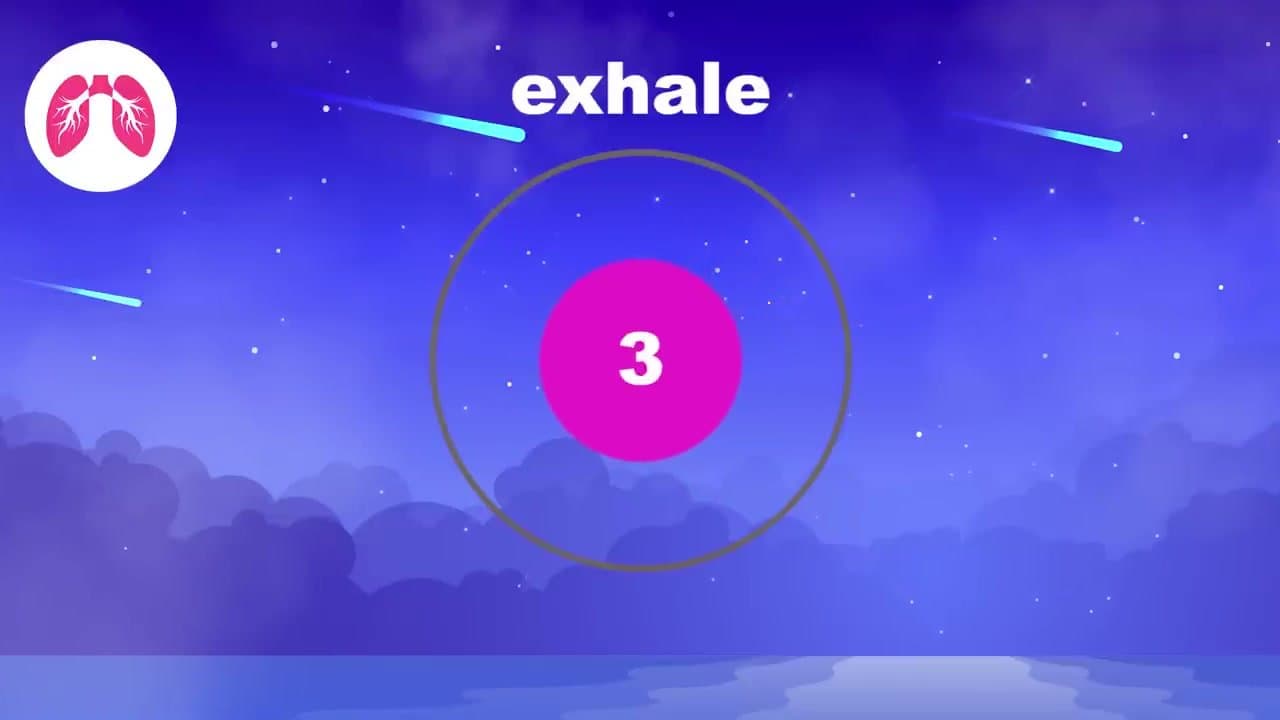
The longer exhale is what triggers the parasympathetic nervous system to calm you down. The on-screen counter handles the timing - just follow along with the visual cues.

3

Step 3: Inhale Through Your Nose for 4 Seconds

1:00
Step 3: Step 3: Inhale Through Your Nose for 4 Seconds

Close your mouth and breathe in quietly through your nose for a count of 4. Don't gulp - keep it smooth.

Fill your lungs comfortably full. Notice the air going in past your tongue (which is still touching the ridge behind your top teeth). Smooth, slow, steady.

4

Step 4: Hold Your Breath for 7 Seconds

1:30
Step 4: Step 4: Hold Your Breath for 7 Seconds

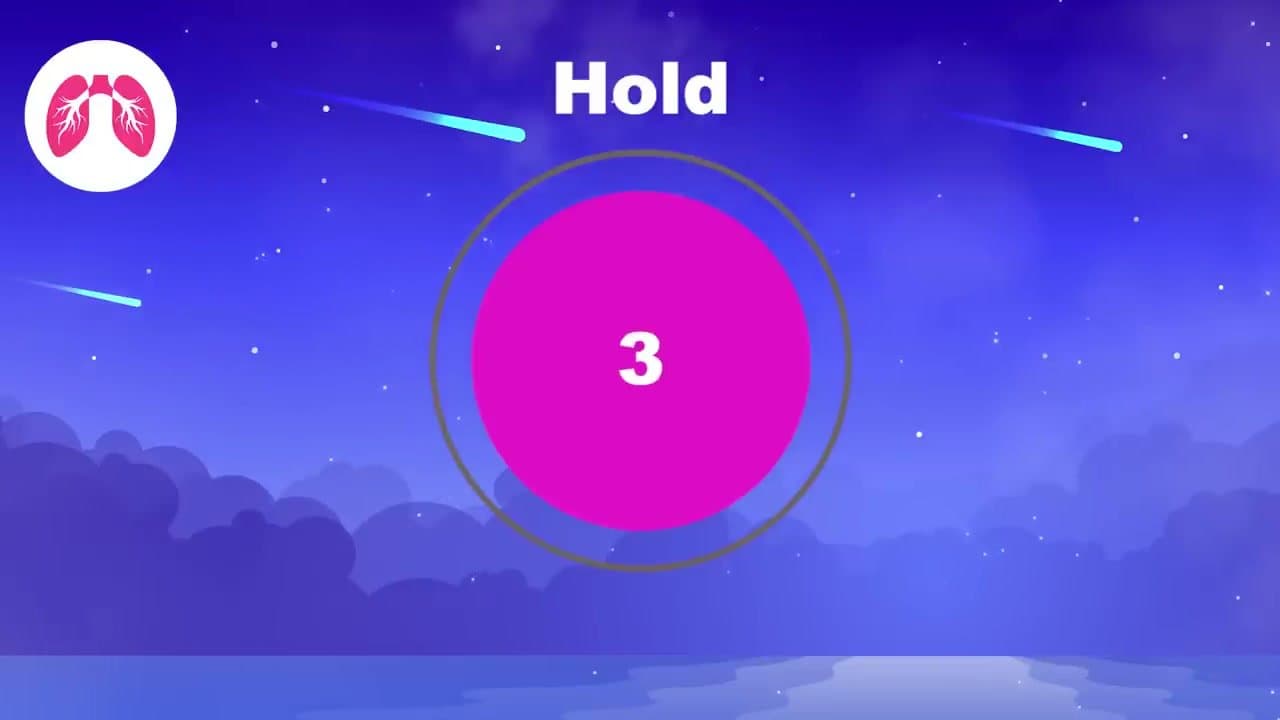
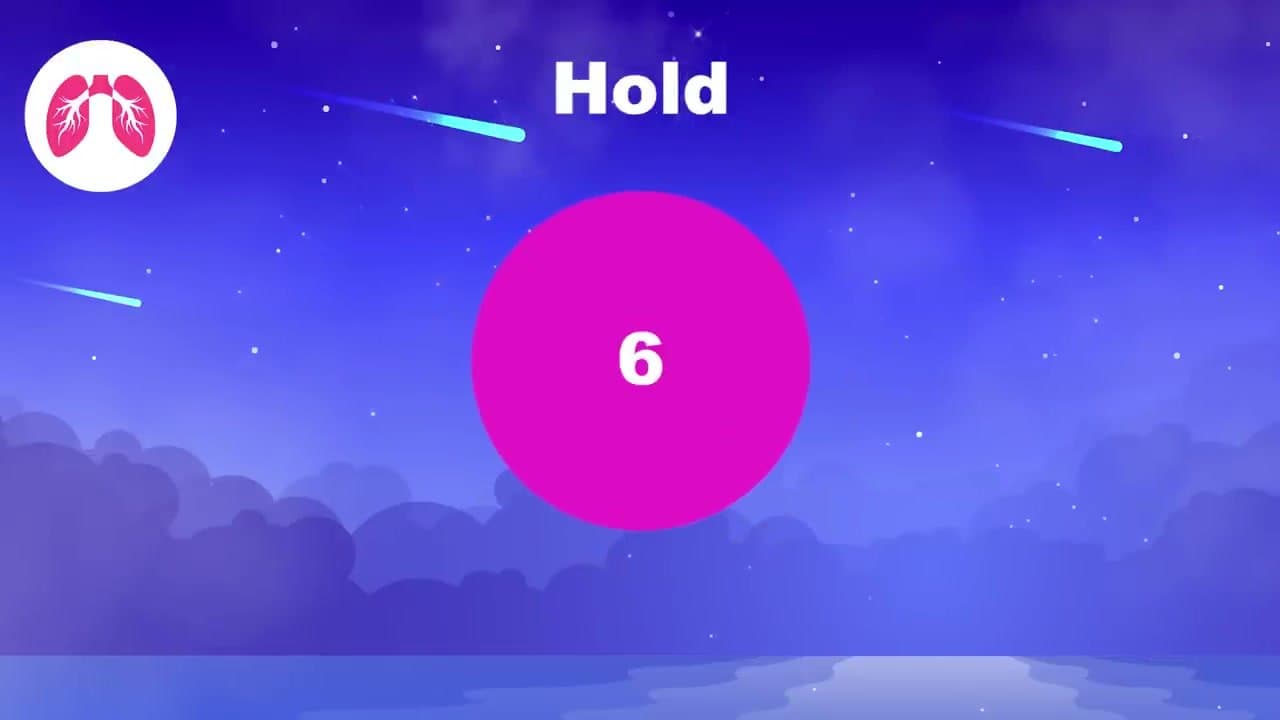
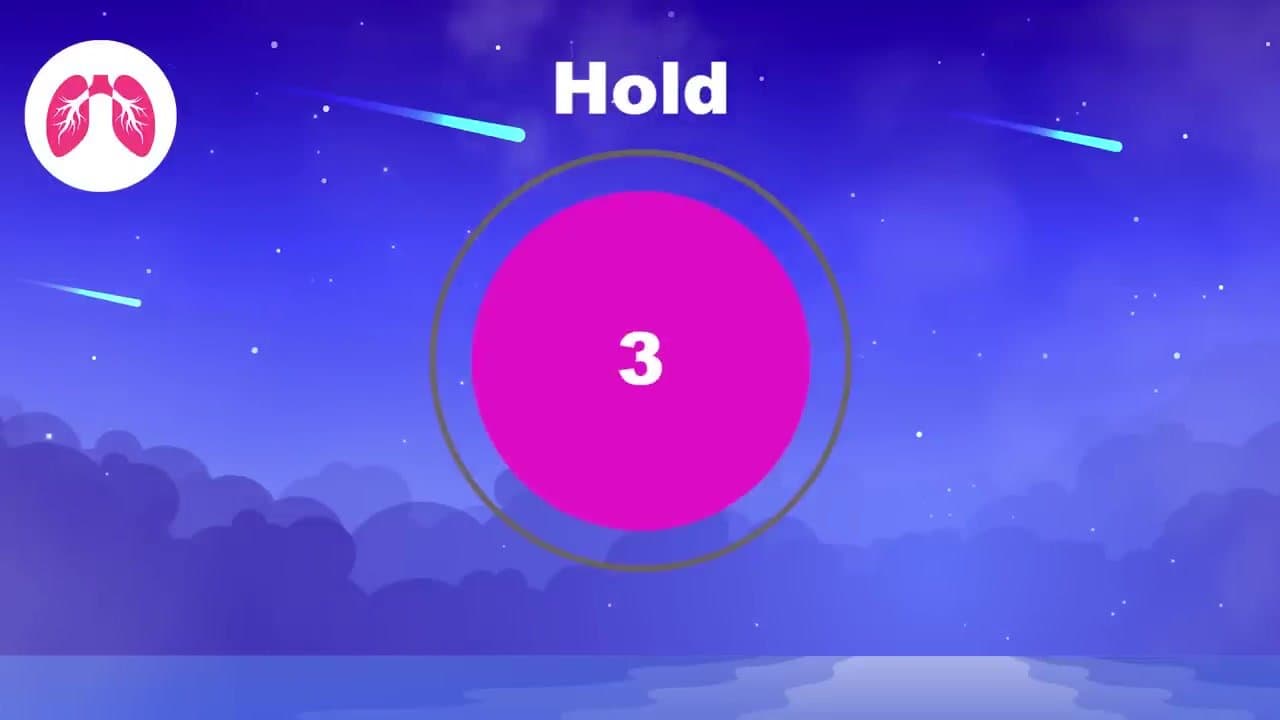
When the counter shows 'Hold,' keep your lungs full for 7 seconds. This is the longest phase - the hold is what gives the technique its calming effect.

Stay relaxed. Don't tense your face or shoulders. The 7 seconds will feel longer than they are - that's normal. Beginners often want to release early. Hold the full count.

5

Step 5: Exhale Through Your Mouth for 8 Seconds

2:05
Step 5: Step 5: Exhale Through Your Mouth for 8 Seconds

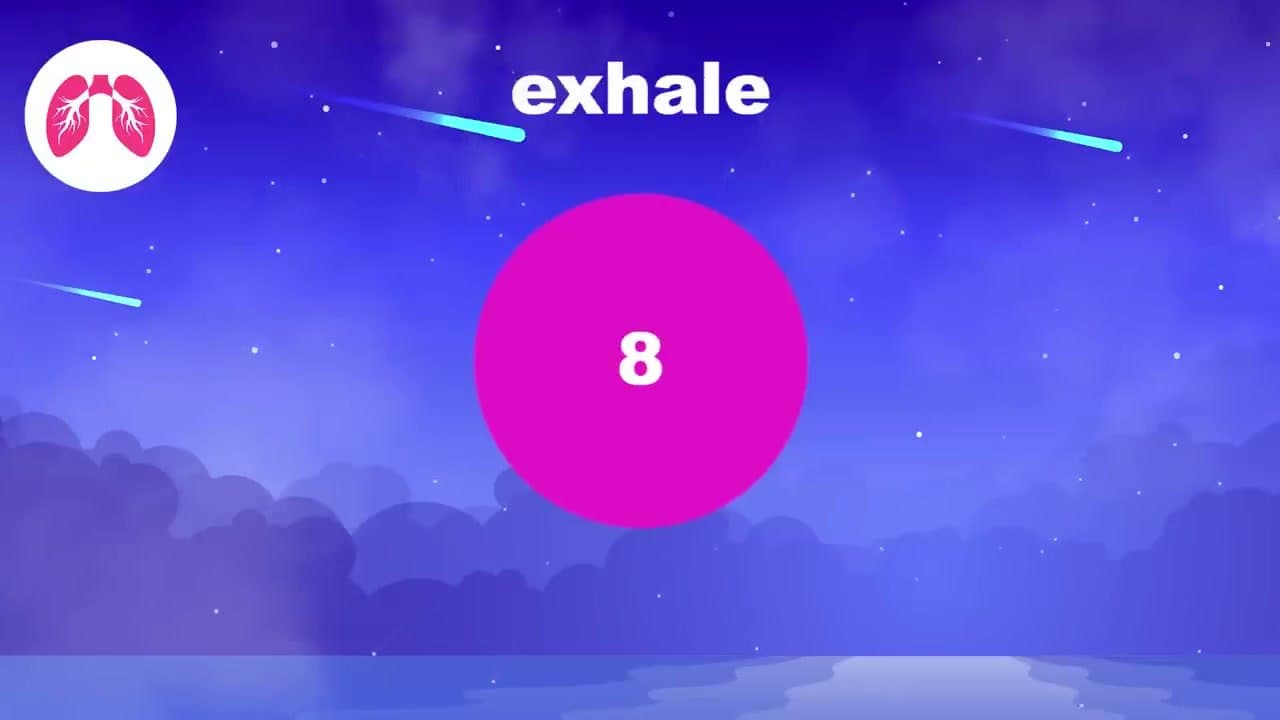
Open your lips slightly, purse them like you're going to whistle, and exhale forcefully through your mouth for 8 seconds. The exhale should make a soft 'whoosh' sound.

The slow forceful exhale is what dumps stress hormones - it's the most important part of the technique. Empty your lungs fully. Long exhale = parasympathetic activation.

6

Step 6: Repeat for 4 Cycles to Start

2:45
Step 6: Step 6: Repeat for 4 Cycles to Start

That's one full cycle. Without pausing, start the next inhale. Do 4 cycles total your first time - more than that and beginners often feel lightheaded.

Build up to 8 cycles after a few weeks of daily practice. The video walks you through 8 cycles - stop at 4 if you're new and follow along the whole way once you've adapted.

Tip

If you feel lightheaded, that's a signal to stop and breathe normally for a minute. The technique is safe, but the body adapting to a new pattern can cause brief dizziness.

7

Step 7: Use Twice a Day for Best Effect

5:00
Step 7: Step 7: Use Twice a Day for Best Effect

Dr. Weil recommends 4-7-8 twice a day for at least 6-8 weeks to retrain your nervous system. Most people use it once on waking and once before bed.

For acute stress, panic attacks, or sleeplessness, use it in the moment. The effect compounds - the more you do it, the faster it works on demand. Many users report falling asleep within 2-3 cycles after a few weeks of practice.

Your Guide

Mike Maher | TAKE A DEEP BREATH

As an Amazon Associate we earn from qualifying purchases. Links on this page may be affiliate links - clicking them and buying doesn't change your price, but helps support ShowMeStepByStep.

Tags

Related Tutorials