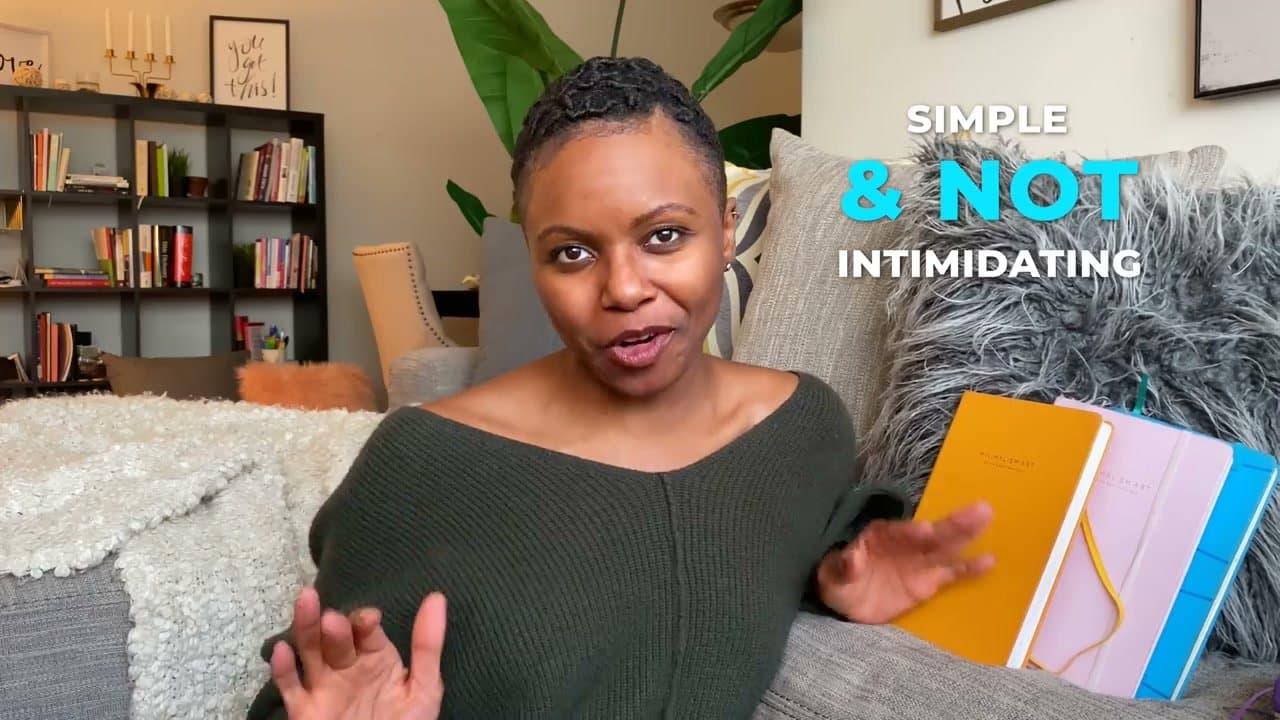
How to Start a Journal in 7 Steps

MindfulnessEasy9:537 steps

Based on a video by Nae's Laugh.

Journaling is one of those habits everyone says is good for you - and that most people quit within a week because they don't know what to write. The trick isn't discipline. It's stripping away the intimidating parts (fancy notebooks, perfect handwriting, daily streaks) and giving yourself a frame that actually works.

This walkthrough from Nae's Laugh covers the prep work plus three practical methods (brain dump, journal prompts, bullet lists) so you have something to write whenever you sit down. Pick the format and method that feel least like work for you - you can always change them later.

Step-by-Step Guide

1

Step 1: Pick Handwritten or Digital

1:15
Step 1: Step 1: Pick Handwritten or Digital

Decide your format before you start. Handwritten (notebook + pen) is more contemplative - studies show you remember more when you write by hand.

Digital (Notion, Day One, even Notes app) is faster and lets you copy-paste links, photos, and screenshots. Try both for a week and see which one you actually keep doing. There's no wrong answer - the best one is the one you use.


2

Step 2: Find Your Why - Set an Intention

2:30
Step 2: Step 2: Find Your Why - Set an Intention

Before you write your first entry, decide why you're journaling. To vent? To track your day? To process emotions? For self-discovery? To catalog growth over months and years?

Any of these are valid. Knowing your why is what brings you back to the page on days when you don't feel like it. Without a clear why, the practice fades within a couple of weeks.

3

Step 3: Stretch for 2 Minutes Before You Write

3:05
Step 3: Step 3: Stretch for 2 Minutes Before You Write

This sounds weird but it works. Stress lives in the body, not just the head. Two minutes of light stretching - shoulders, neck, raise your arms overhead - releases physical tension so the writing flows easier.

Without this, you'll often start an entry then quit because the body is still tight. The stretch is a reset switch.

4

Step 4: Set Your Environment - Make It a Ritual

3:40
Step 4: Step 4: Set Your Environment - Make It a Ritual

Light a candle, run an essential oil diffuser, play soft music or nature sounds, sit in your favorite chair. Pick consistent cues so your brain associates 'this corner + this music + this drink' with journaling time.

Rituals make habits sticky - the cues do half the work of getting you to the page. The environment matters more than willpower.

5

Step 5: Start Every Entry With Date and Time

5:05
Step 5: Step 5: Start Every Entry With Date and Time

Open the page. Write the date and time at the top of every entry, even if it feels redundant. Some people add location too.

This eases your brain into 'we're writing now' mode and is way less intimidating than facing a blank page. Months later when you re-read entries, the timestamps tell the story of your growth.

6

Step 6: Pick a Method - Brain Dump, Prompts, or Lists

5:35
Step 6: Step 6: Pick a Method - Brain Dump, Prompts, or Lists

Three ways to actually write. Brain dump: empty everything in your head onto the page in no order - the 'Morning Pages' system is 3 pages of stream-of-consciousness writing.

Journal prompts: a question or sentence starter ('One thing I wish people knew about me is...') gives you somewhere to start. List/bullet: list your goals, your gratitudes, your wins for the day. Try all three; rotate based on what fits the moment.

Tip

Search for 'journal prompts' on Pinterest - you'll find thousands of free lists organized by goal (gratitude, self-discovery, anxiety, career). Bookmark a list you like and pull from it when blank-page panic hits.

7

Step 7: Re-Read Old Entries to See Your Growth

8:30
Step 7: Step 7: Re-Read Old Entries to See Your Growth

The hidden ROI of journaling shows up months later when you re-read old entries. Situations that felt impossible at the time turn out to be ones you've already moved past.

Most people don't notice their own growth in real time - the journal is what proves it to you. Even if you journal for nothing else, do it for this. Set a calendar reminder to re-read entries from 6 and 12 months ago.

Your Guide

Nae's Laugh

As an Amazon Associate we earn from qualifying purchases. Links on this page may be affiliate links - clicking them and buying doesn't change your price, but helps support ShowMeStepByStep.

Tags

Related Tutorials