How to Treat Heat Exhaustion: First Aid in 6 Steps

By ShowMeStepByStepPublished Updated

Based on a video by British Red Cross.

Heat exhaustion creeps up on people. One minute someone is the life of the party and the next they go quiet, pale, and clammy without realizing anything is wrong. Catch it early and you can usually have them back to themselves in 20 to 30 minutes. Miss the signs and it can slide into heat stroke, which is a medical emergency.

If symptoms include confusion, vomiting, hot dry skin, or no sweating despite the heat, this is not heat exhaustion any more - this is heat STROKE. Call 911 immediately. Heat stroke kills, and minutes matter. The steps below are for the earlier, treatable stage.

This 5-step guide is from the British Red Cross first-aid training video featuring a real-world case during a backyard barbecue. The recommended approach lines up with guidance from the American Red Cross, Mayo Clinic, and Cleveland Clinic: get them cool, rest, sip water, watch closely, and escalate to emergency help if they don't bounce back.

Step-by-Step Guide

1

Step 1: Spot the Symptoms of Heat Exhaustion

0:37

Step 1: Step 1: Spot the Symptoms of Heat Exhaustion

Watch for changes in how the person is acting and how their skin looks. Someone who was chatty and engaged goes quiet and withdrawn. They stop eating or drinking. Their face may look pale with a flush in the cheeks, and the rest of their skin - chest, arms, legs - looks pale too. There is often a sheen of sweat or clamminess.

Touch their skin. In heat exhaustion the skin frequently feels cool and clammy, not hot. They may say they feel dizzy, faint, light-headed, or nauseous. Headache, weakness, and muscle cramps are common too. These are early warnings - act on them.

Heat exhaustion: pale, clammy, sweating heavily, dizzy. Heat stroke: hot dry skin, no sweating, confused, possible vomiting. The difference matters because heat stroke needs a 911 call right away.

Tip

Children, older adults, and anyone on certain blood pressure or antidepressant medications are higher-risk. So is anyone working or exercising in heat without adequate water breaks.
2

Step 2: Move Them to a Cool Place

1:15
Step 2: Step 2: Move Them to a Cool Place

Get them out of direct sun and heat. Indoors with AC is best. Failing that, any shaded spot works - under a tree, inside a car with the AC running, a covered porch, a tent. The goal is to stop adding heat while their body tries to dump what it already has.

If they can walk on their own, support them with an arm around their shoulders. If they are unsteady, sit them down where they are and then carry or assist them to the cool spot. Don't make a dizzy person try to walk a long way unaided.

Tip

If you can't get them inside, you can create your own shade with a beach umbrella or a blanket held up by two helpers. A breeze - a fan, a folded magazine, a portable mister - helps the cooling go faster.

3

Step 3: Sit Them Down and Get Them Comfortable

1:25
Step 3: Step 3: Sit Them Down and Get Them Comfortable

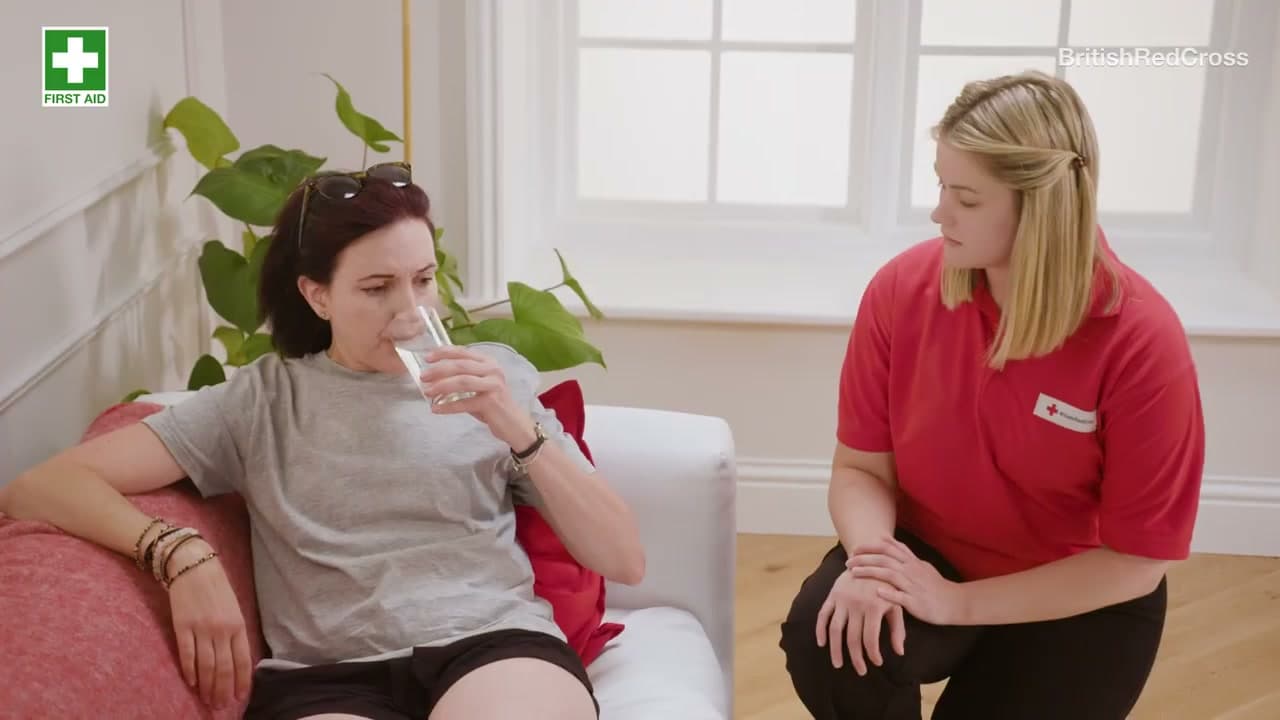
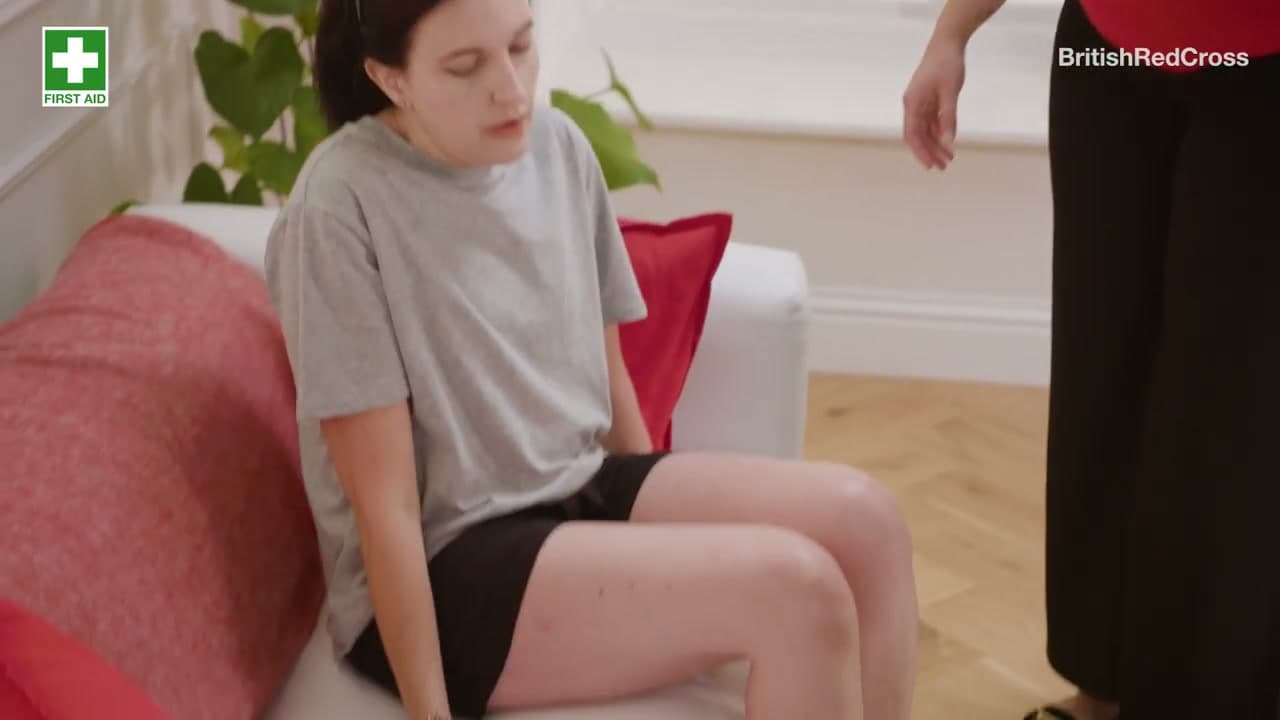
Help them sit down somewhere they can lean back. A couch, a chair with arms, the back step, even the ground against a wall works. Loosen anything tight - belt, collar, shoes if their feet are swollen, hat or hair tie. Tight clothing traps heat against the body.

Some people feel better lying flat with their legs slightly elevated. That position helps blood return to the chest and head, which can ease the dizziness. Let them choose what is comfortable. The point is to take the work of standing off their body so it can focus on cooling down.

Tip

If you have ice packs or cold cloths, put one at the base of the neck, one under each armpit, and one in the groin crease. Those spots have big blood vessels close to the surface and cool the body fastest.

4

Step 4: Give Them Small Sips of Cool Water

1:40
Step 4: Step 4: Give Them Small Sips of Cool Water

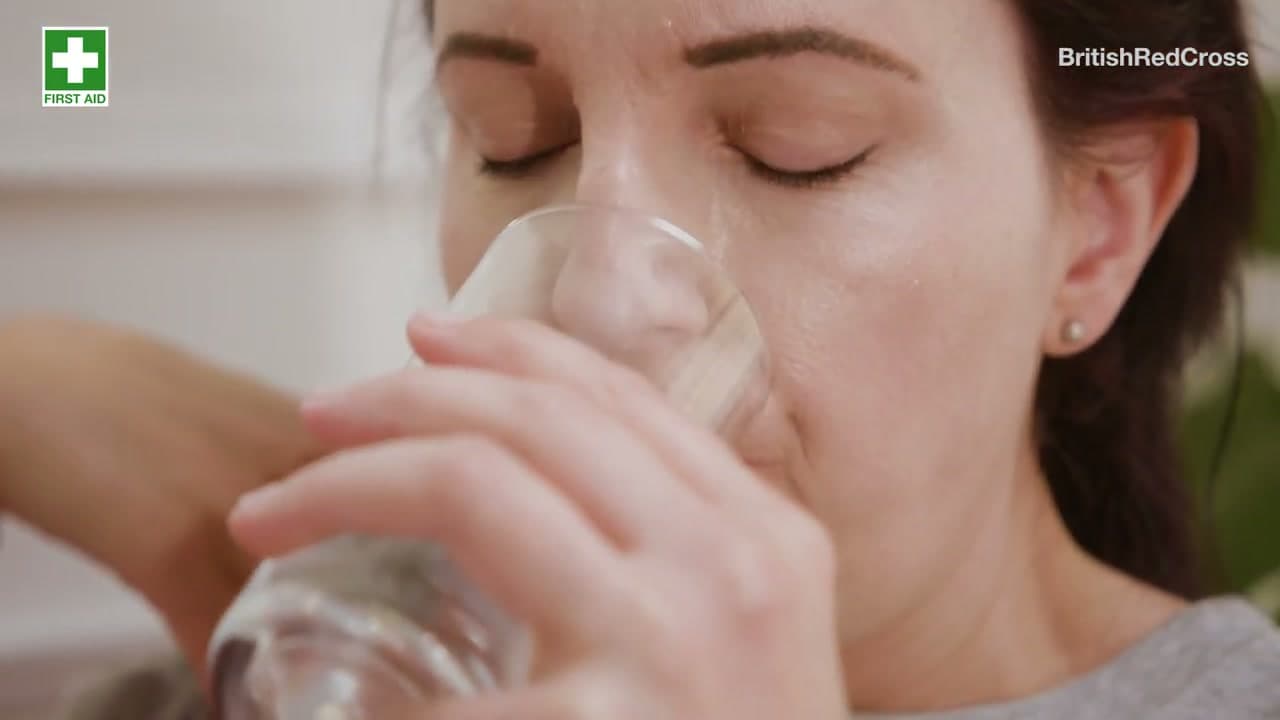
Pour a glass of cool water and hand it to them. Tell them to take small sips, not gulps. Chugging a full glass when you are nauseous tends to come straight back up, and a vomiting patient can't keep fluids down. Sipping over 20 to 30 minutes works.

Plain water is fine for short, mild cases. If they have been sweating heavily for a long time - a hot job site, a long walk, hours at a hot event - an electrolyte drink mix or oral rehydration salts work better than water alone because they replace the salt that came out in the sweat. Avoid alcohol, caffeine, and very cold drinks. These can make nausea worse.

Tip

If they vomit, stop the water for a few minutes and try smaller sips - a tablespoon at a time. If they can't keep any fluid down at all, that is a signal to seek medical help.

5

Step 5: Watch for Improvement and Cool Their Body

2:10
Step 5: Step 5: Watch for Improvement and Cool Their Body

Sit with them and watch closely. Within 20 to 30 minutes they should start to look and sound more like themselves. Color comes back to their face. The clammy sheen fades. Conversation picks back up. They start asking for more water or saying they feel better.

You can help the cooling along. Wet a hand towel with cool water and lay it across their forehead and the back of their neck. Mist their arms and face with a spray bottle. If they have a damp shirt on, fan it - evaporation cools fast. If you have ice packs, keep them on the neck, armpits, and groin spots from step 3.

Don't rush them back into activity. Once they feel recovered, keep them resting and hydrating for the rest of the day. Heat exhaustion can recur in the same day if they go back out into the heat.

Tip

If they are not getting better after 30 minutes of rest and cooling - or if they are getting worse - move to step 6 and call for medical help.

6

Step 6: Know When to Call 911

2:45
Step 6: Step 6: Know When to Call 911

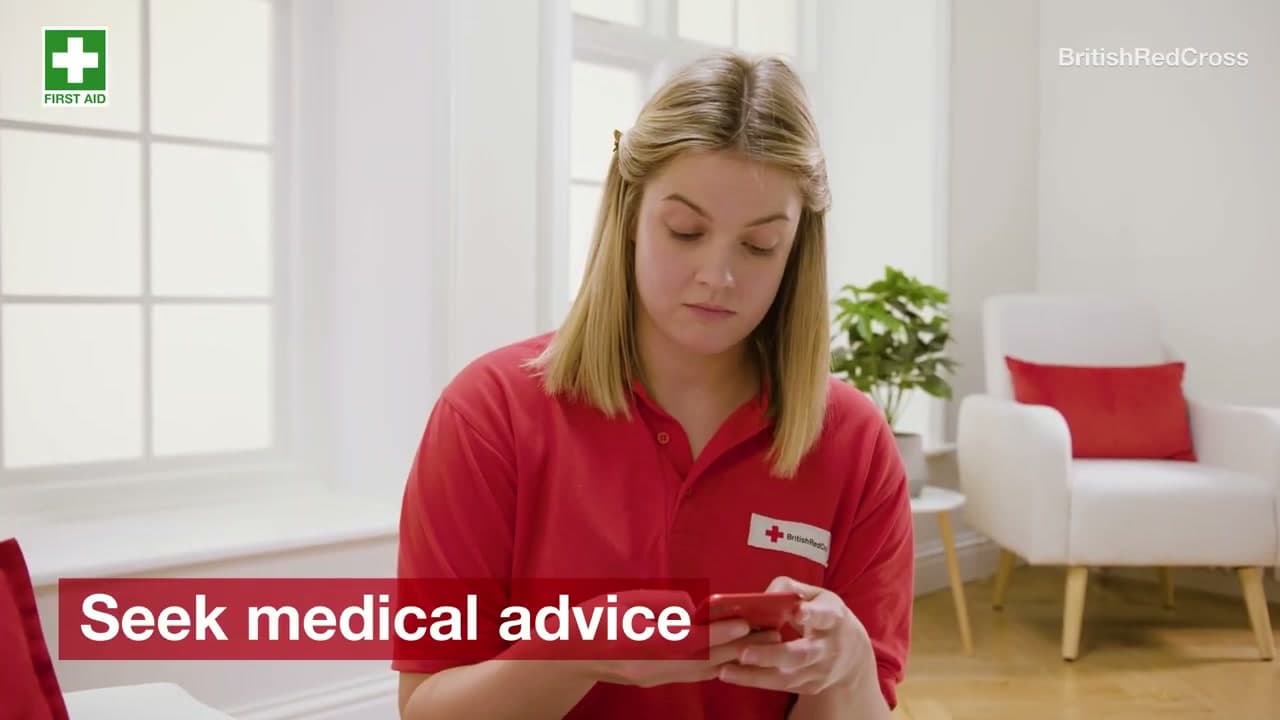
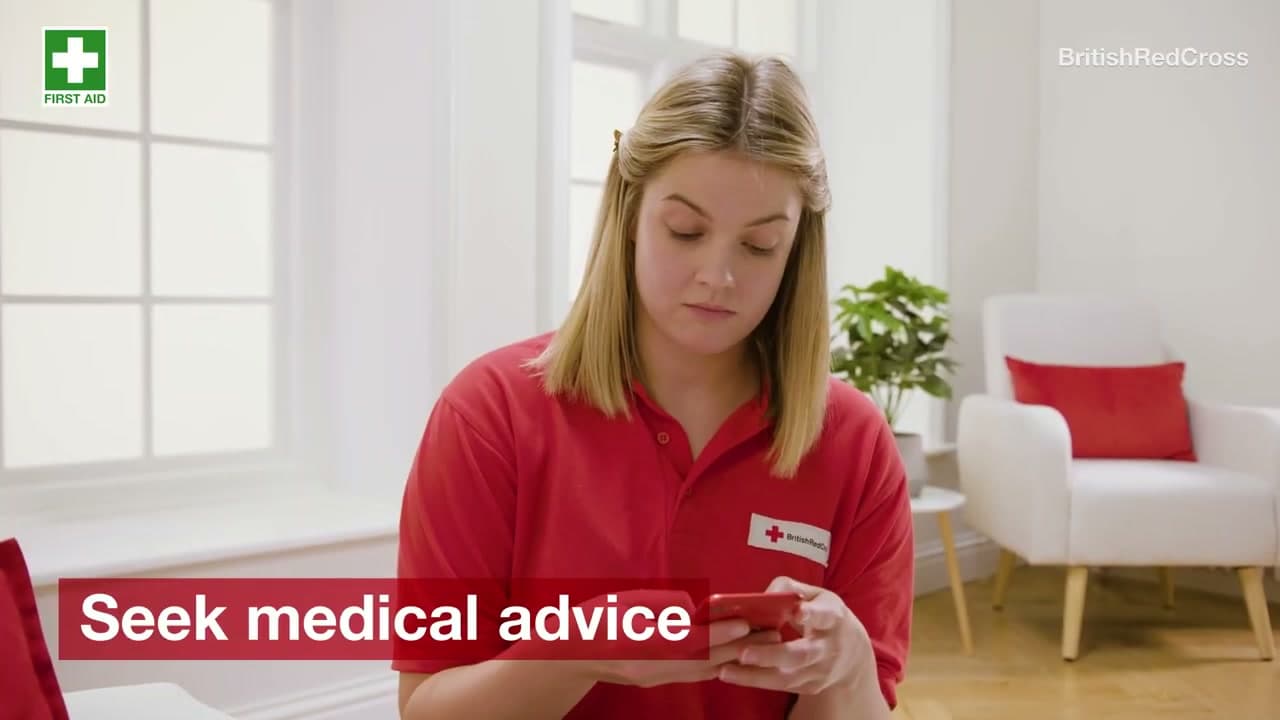
Call 911 right away if any of these show up: confusion or disorientation, vomiting that won't stop, loss of consciousness even briefly, hot dry skin with no sweating, body temperature above 103 degrees, seizures, or a rapid weak pulse. Those are signs of heat stroke. Heat stroke is a medical emergency and can cause organ damage or death within an hour.

While waiting for paramedics: keep cooling them with damp cloths, ice packs on the neck and armpits, and any breeze you can create. If they are unconscious but breathing, lay them on their side in the recovery position. Do not try to force water into someone who is not fully alert.

Even if your person seems to recover fully, call their doctor or an urgent care line afterward. Heat exhaustion can leave the body more vulnerable to a second episode for the rest of the day, and a clinician should make the call about any underlying causes (medication interactions, dehydration, an early infection).

Tip

If you are outside the US, the emergency number is different. UK is 999, EU is 112, Australia is 000. Save your local number in your phone so you don't have to think about it during an emergency.

Products Used

☐ The Checklist

How to Treat Heat Exhaustion: First Aid in 6 Steps

Tools
5
Materials
3
Steps
6
Video
3 min

Your Guide

British Red Cross

As an Amazon Associate we earn from qualifying purchases. Links on this page may be affiliate links - clicking them and buying doesn't change your price, but helps support ShowMeStepByStep.

Tags

Test your knowledge

Did the lesson stick? Find out in 2 minutes.

5 quick questions covering what you just read. No signup, no score saved — just a gut check.

Quick reference

Key takeaways from How to Treat Heat Exhaustion: First Aid in 6 Steps

5 questions, answers, and one-line explanations. Tap to expand.

  1. 1.Symptoms of heat exhaustion (not stroke)?

    Answer: Sweating, clammy, weak

    Heat exhaustion: sweating still working, skin clammy. When sweating STOPS and skin gets hot and dry, that's heat stroke - call 911.

  2. 2.First thing to do?

    Answer: Move to cool/shade

    Get them out of the heat. Continued exposure is what tips heat exhaustion into heat stroke.

  3. 3.What should they drink?

    Answer: Cool water, slowly

    Cool water sipped slowly, or a sports drink to replace electrolytes. Alcohol and caffeine make dehydration worse.

  4. 4.When call 911?

    Answer: If no improvement

    If symptoms don't improve in an hour, or they start vomiting, get confused, or pass out - call 911. It's progressing toward heat stroke.

  5. 5.What cools the body fastest besides drinking?

    Answer: Cloths on neck/pits

    Cool cloths to areas with major blood vessels (neck, armpits, groin). Drinking ice water too fast can cause cramps or vomiting.

What's next

Related collections

Curated theme pages that include this tutorial.

Weekly Digest

Liked this health basics tutorial?

Pick the categories you want to hear about. Weekly digest of new step-by-step tutorials. No spam, easy unsubscribe.

Send me tutorials about

We only email about new tutorials. Easy unsubscribe anytime.