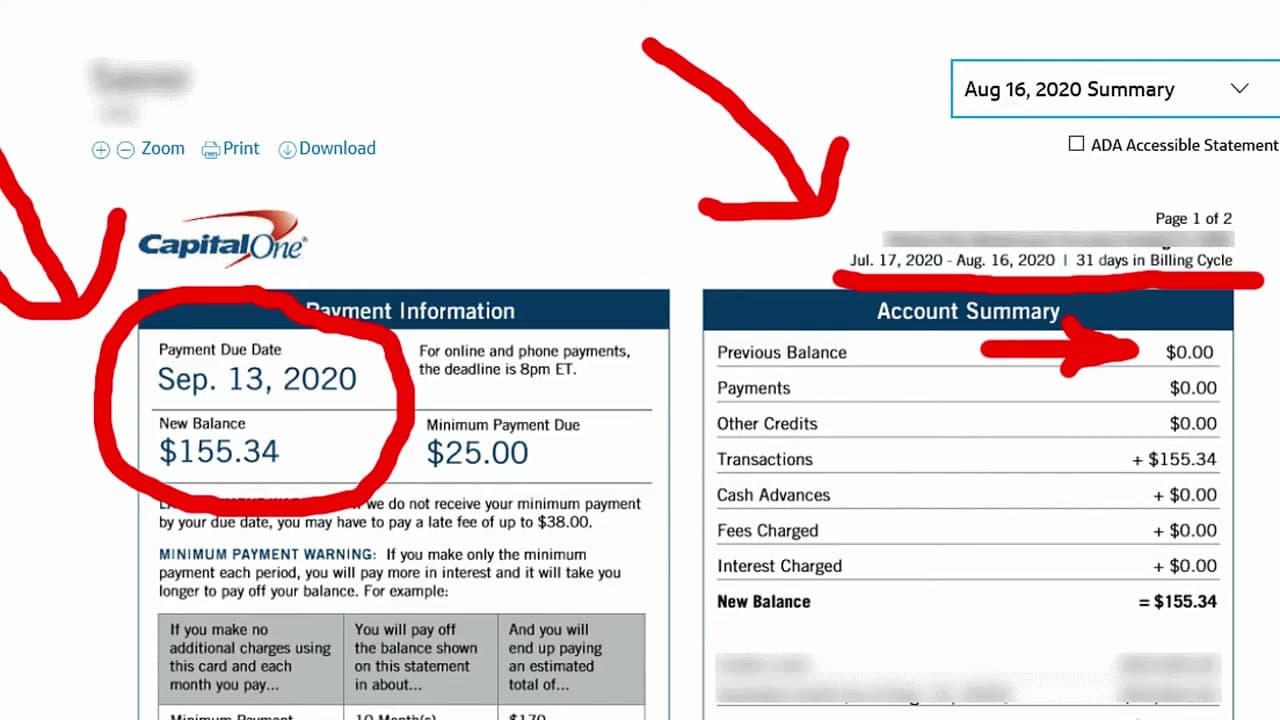
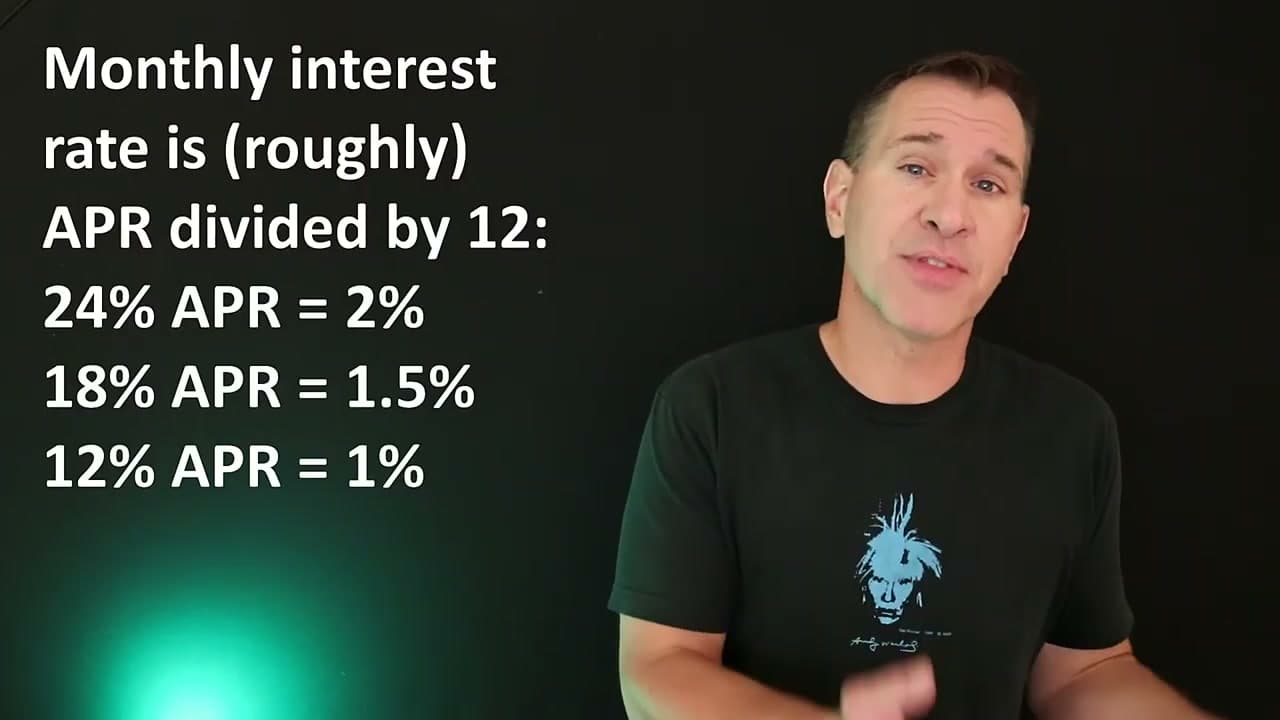
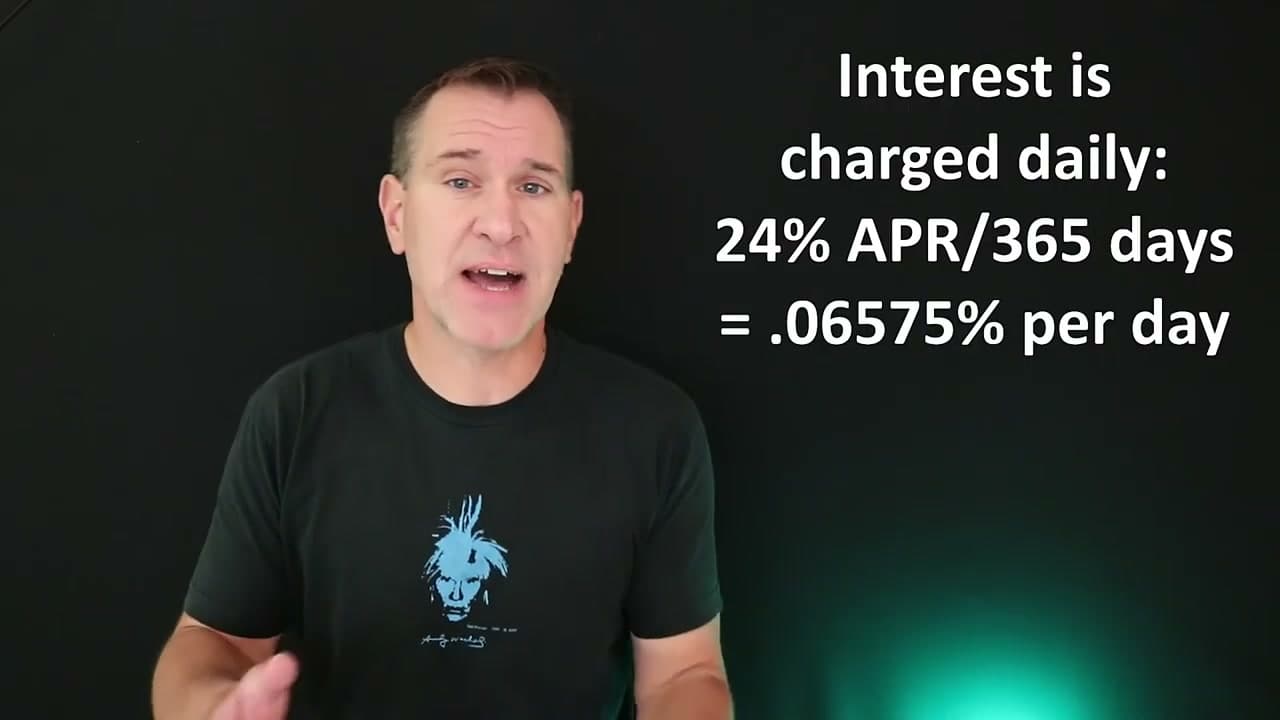
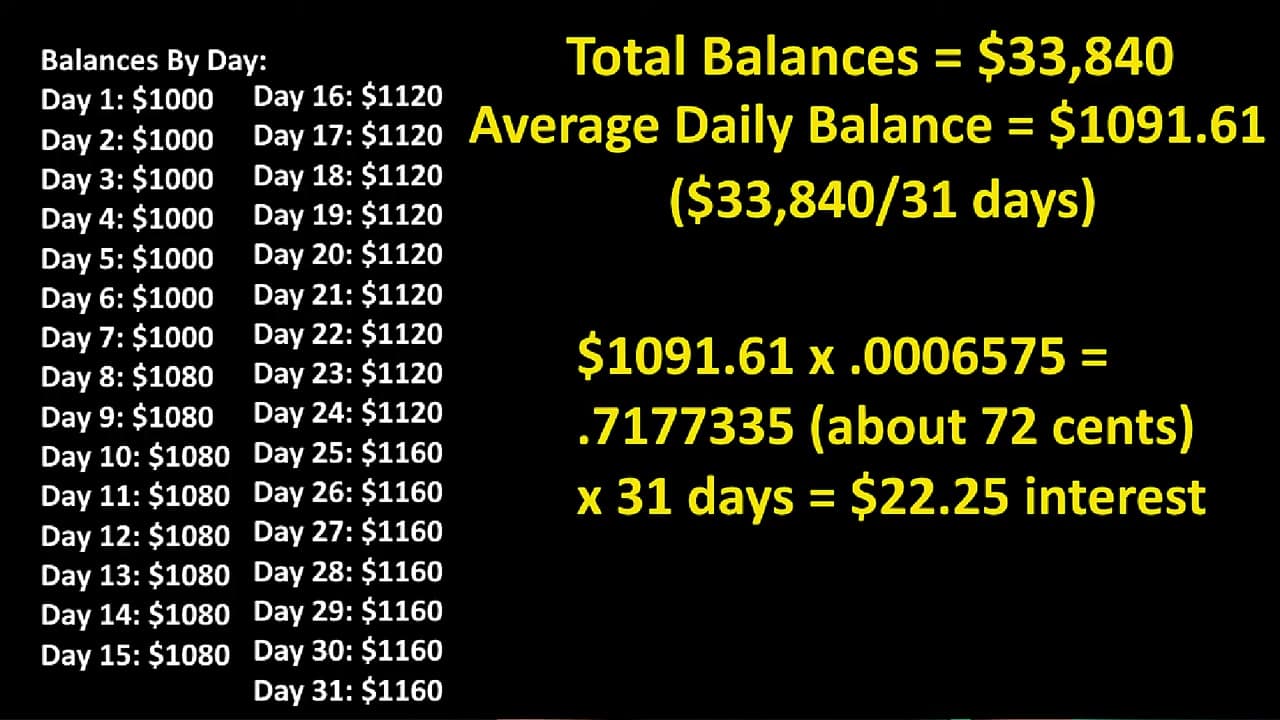
APR stands for annual percentage rate. It is the yearly price of borrowing on a credit card, and it is the number that turns a $1,000 balance into a $1,022 balance while you are not looking. ProudMoney explains it in the video above, and the steps below follow his example from the statement page down to the daily math.
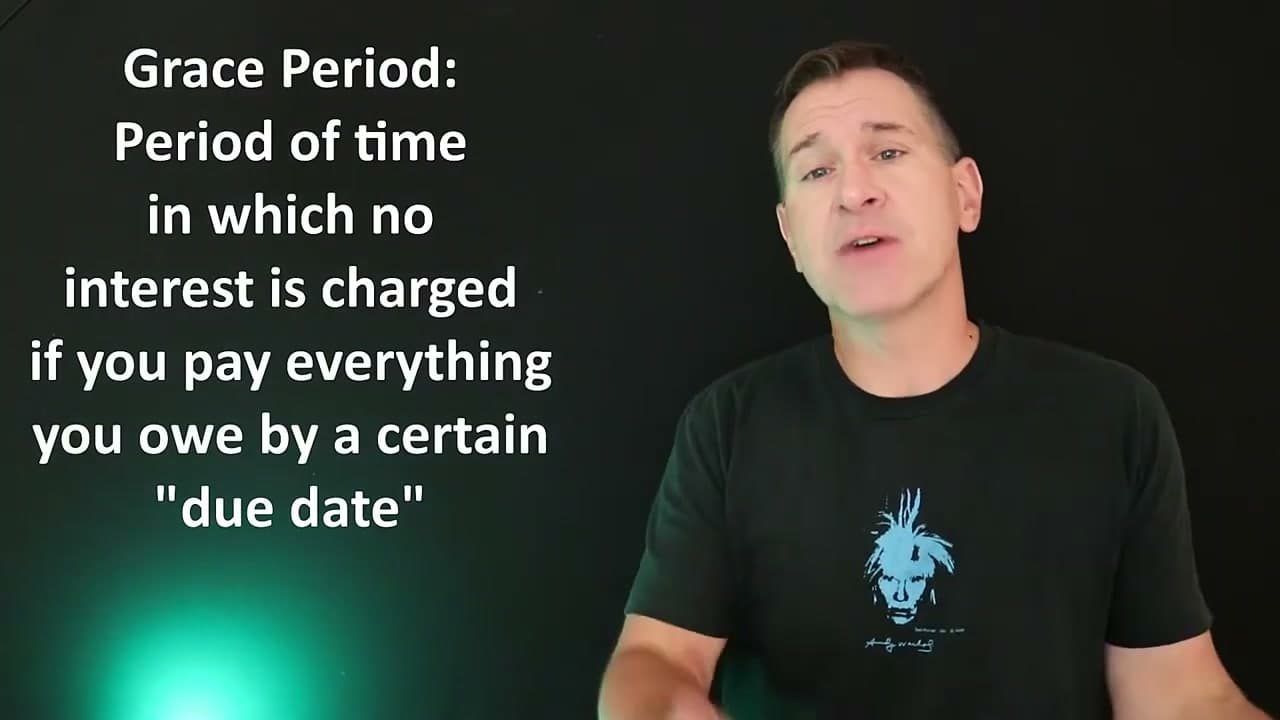
The short version: APR is avoidable. Pay the full statement balance by the due date and the interest line on your next statement reads zero, whatever your rate is. The rest of this is about what happens when you do not.
APR and Interest Rate Are the Same Number on a Credit Card
On a mortgage or a car loan, APR and interest rate are two different figures. The interest rate is the cost of the money. The APR folds in origination fees and points, so it lands higher and makes two loans comparable.
Credit cards do not work that way. Card fees get charged on their own line - the annual fee, the late fee, the cash advance fee - so nothing is baked into the rate. Your credit card APR and your credit card interest rate are one number wearing two names. A card advertised at 24.99% variable charges 24.99% on a balance.
Your Card Has Three or Four APRs, Not One
Turn to the back page of a statement and you will find a small table. A purchase APR for normal spending. A balance transfer APR, often 0% for a promo window and something ugly after it. A cash advance APR running several points above the purchase rate. And a penalty APR that can kick in once you go 60 days past due.
The cash advance line catches people. It gets no grace period at all, so interest starts the moment the cash leaves the ATM, and there is a 3% to 5% fee on top. If you need to hand someone funds and they will not take a card, a money order runs a couple of dollars at the post office. A cash advance for the same amount can cost twenty times that.
The Grace Period, and How People Lose It
The grace period is the stretch between the close of a billing cycle and the payment due date, usually 21 to 25 days. Clear the statement balance inside that window and you are charged nothing for the privilege.
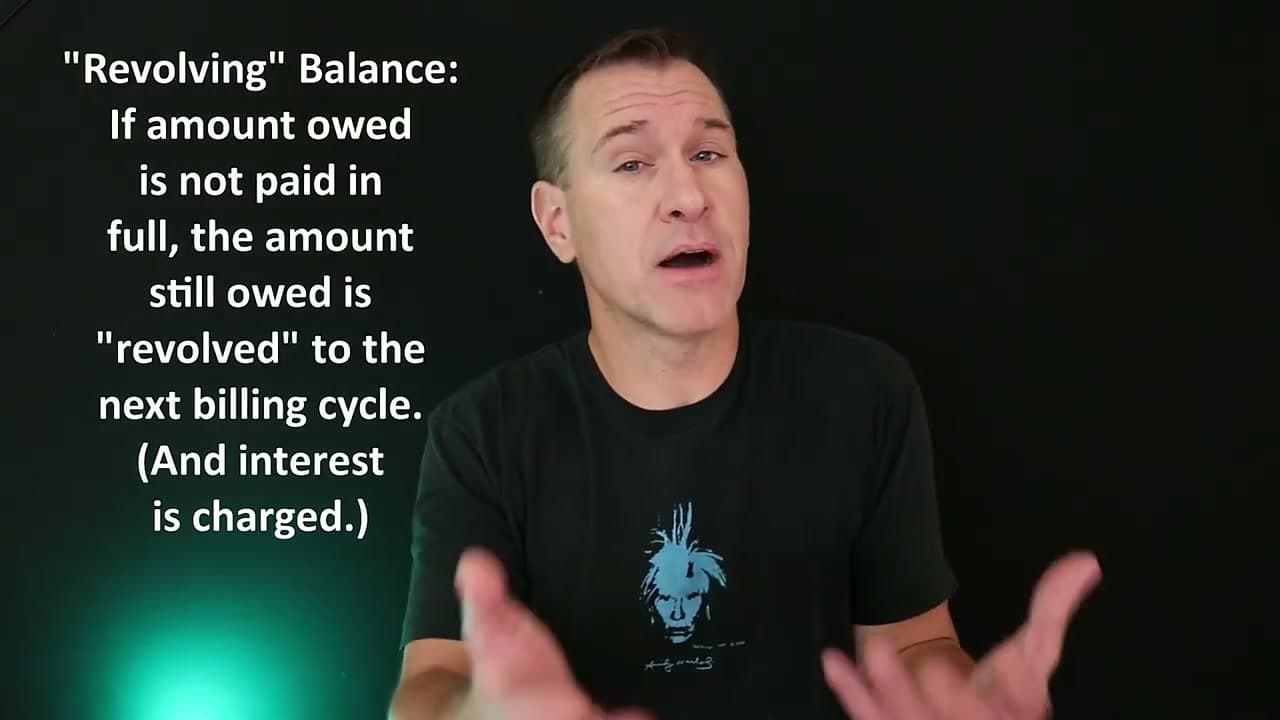
Lose it and the rules change. While you are carrying a balance, new purchases can start accruing interest on the day you swipe, with no grace period behind them. You do not get it back until you pay down to zero and stay there through a full cycle. That is why a $200 leftover balance is worth clearing this week.
Variable, Fixed, and Why Your Rate Moved on Its Own
Almost every card in the United States carries a variable APR pegged to the prime rate. Prime moves when the Federal Reserve moves. Your APR follows within a billing cycle or two, and the issuer does not need to ask you.
Fixed APR turns up mainly on credit union cards and some older accounts. Fixed does not mean frozen forever. It means the issuer has to give you 45 days of written notice before the rate changes, so read those envelopes instead of binning them.
How to Get the Number Down
The rate you were offered came out of your credit score and your reported income, so start with those two. Pushing a score into the 740s moves you to a better tier on nearly every card - what counts as a good credit score lays out where the cutoffs sit. If you work for yourself, the income figure issuers ask about is the one on your 1099 forms, and updating it in your account can trigger a rate review on its own.
After that, the direct moves:
- Call the number on the back of the card and ask for a lower rate. Years of on-time payments make it a short conversation.
- Shift the balance to a 0% intro offer, then put the expiry date in your calendar the same day.
- Pay part of the balance before the statement closes rather than after. Fewer dollars sitting there each day means a smaller average daily balance, and less interest.
None of it beats the boring option, though. A card you clear in full every month has a 24% APR and costs you nothing.