New York cheesecake is dense, rich and tangy, and that density is the point. It is not supposed to be light. Almost everything that goes wrong with a homemade one traces back to treating it like a sponge cake: too much air beaten in, too hot an oven, too much faith in the timer.
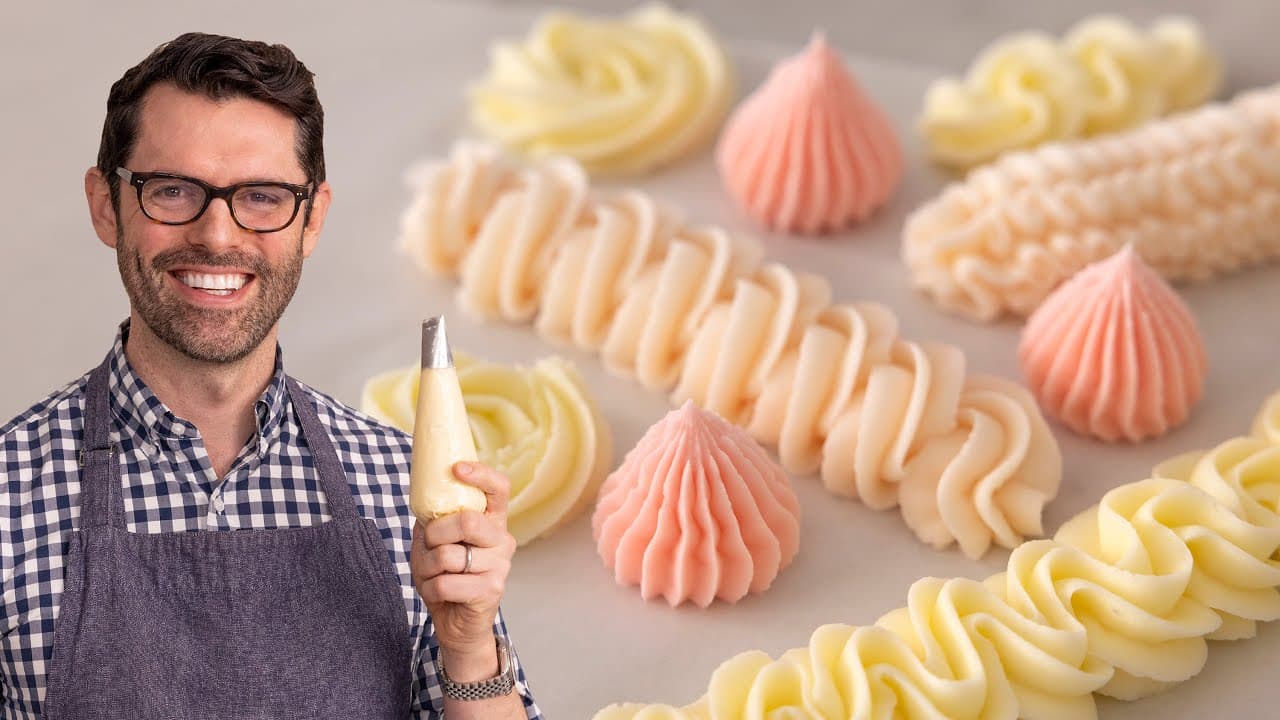
Nick DiGiovanni has been making this one since he was a kid. Two things separate it from the standard version - the butter in the crust gets browned first, and the sugar gets rubbed with lemon zest before it goes anywhere near the cream cheese.
Brown butter in the crust
An optional step that costs five minutes and changes the base from sweet crumb to something nutty and toasted.
Melt the butter and keep going. It foams, then the foam gets fine and golden bits appear on the bottom. Pull it off the heat the moment you see them and pour it straight out, because the pan holds enough heat to take it to burnt.
Crust by feel, not by measurement
This is the part where the recipe card lies to you. How much butter the crumbs need depends on your crackers, so add it gradually and judge by texture.
What you want is wet sand. Squeeze a handful and it should just barely hold its shape. Too little butter and the crust crumbles when you slice it. Too much and it goes oily and soggy in the base.
The crust on a New York cheesecake sits on the bottom, not up the sides. Pat it flat and even, then let it creep only slightly up the wall of the pan.
Rub the zest into the sugar
Zest one lemon straight into the sugar, then work them together with your fingertips until the sugar is damp and sandy.
The friction pulls the oil out of the zest and puts it into the sugar, which then carries it through the whole filling. Tossing zest in loose gives you occasional bursts of lemon. Rubbing it in gives you lemon everywhere.
Mix on low, always
Air is the enemy. Every bubble you beat into the batter expands in the oven, pushes the top up, then collapses as it cools. That is what cracks a cheesecake.
Keep the mixer on low the entire time, including when the eggs go in. Add them one at a time and stop as soon as each disappears. Room temperature eggs incorporate faster, which means less mixing.
Give the filled pan a few gentle taps on the counter before it bakes to bring any remaining bubbles up and out.
Bake it low and slow
Cheesecake is a custard. High heat sets the outside while the middle is still raw, and the tension between the two is what tears the surface open.
Low and slow, on a sheet tray so you can move it in and out without flexing the springform. It is done when the edges look set and the centre still has a slight wobble. It firms up as it cools.
The berry sauce
No recipe needed: berries, a little sugar, a splash of water. Simmer until the berries start to burst, then thicken with a cornstarch slurry.
Lemon zest and a squeeze of juice at the end brightens it and ties it back to the lemon in the filling. A spoonful of shop-bought jam stirred through gives it that glossy, slightly artificial cling that is hard to get at home, if that is the look you want.
More baking from scratch
If this one worked out, these run on the same ideas: