What Is a Budget? A Simple Plan for Your Money

BudgetingEasy5:136 steps5-question quiz at endBrowse more →

By ShowMeStepByStepPublished Updated

Based on a video by Two Cents.

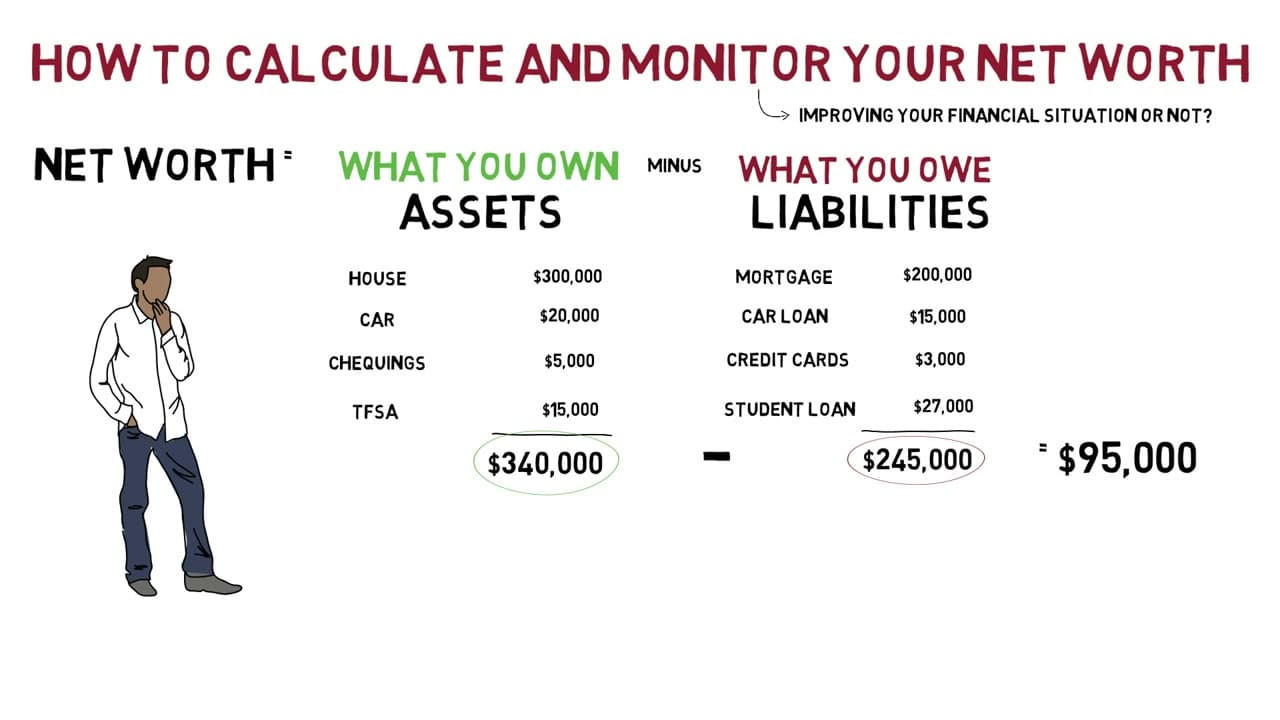
A budget is a plan for your money. It is nothing more complicated than deciding, on purpose, where your income goes before the month runs off with it. Income comes in, expenses go out, and a budget is the plan that gives every dollar a job instead of letting it wander.

People think a budget is about restriction, or that it means predicting the future. It is not. The most useful version works with the money you actually have right now: what is in your accounts, what you owe, and what is left. This walkthrough, based on a clear explainer from Two Cents on PBS, breaks down what a budget is, the difference between fixed and variable expenses, and the 50/30/20 rule you can start with today. Once the idea clicks, here is how to make your first budget step by step.

Step-by-Step Guide

1

Step 1: A Budget Is a Plan for Your Money

1:50
Step 1: Step 1: A Budget Is a Plan for Your Money

Strip away the stress and a budget is one thing: a plan for the money you already have. You look at what is in your accounts, then decide how much to spend this month and how much to set aside. That is it.

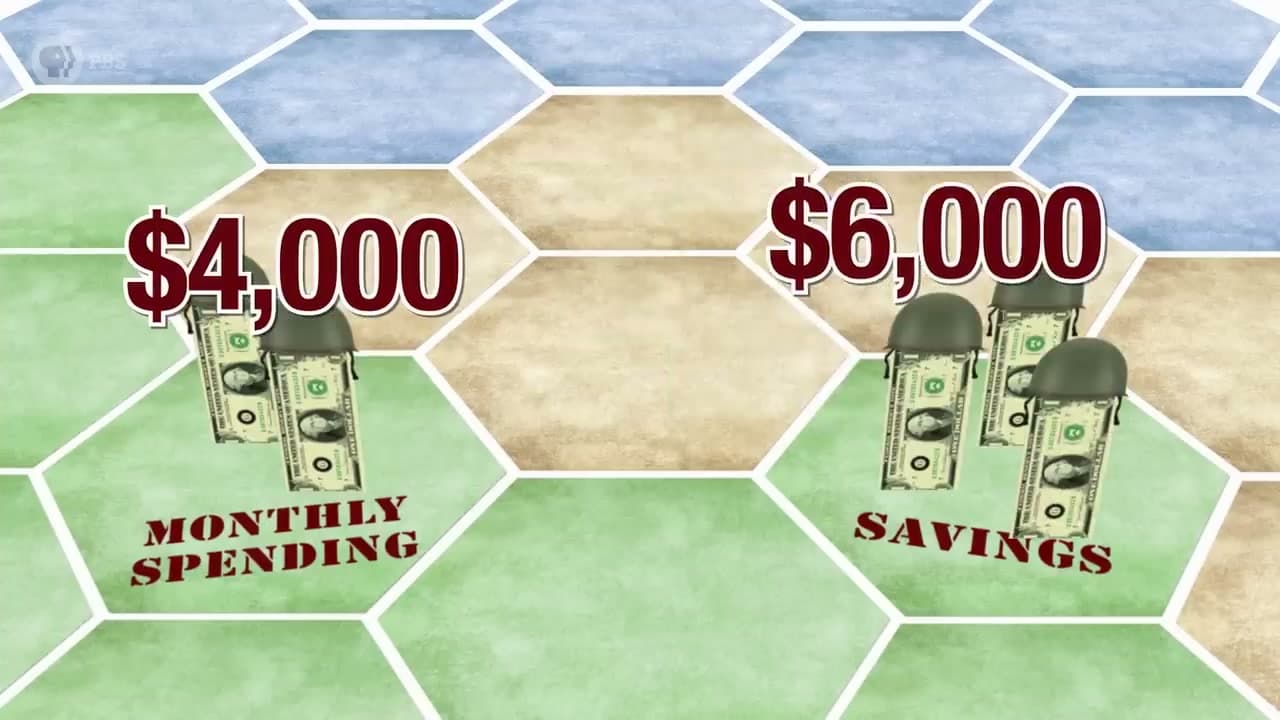
Say you have $10,000 across your accounts. A budget is you deciding, on purpose, that maybe $4,000 covers this month and $6,000 goes to savings. Every dollar gets an assignment. Nothing sits around waiting to be spent by accident.
2

Step 2: Work With Money You Actually Have

1:38
Step 2: Step 2: Work With Money You Actually Have

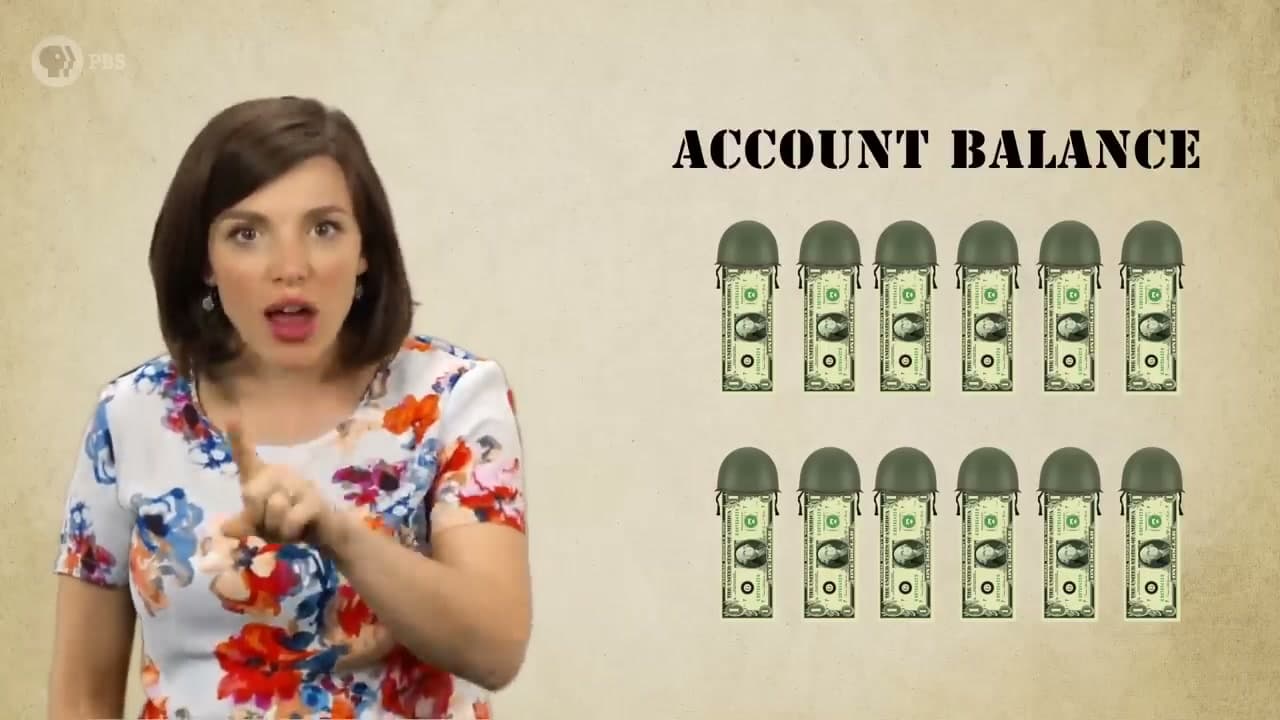
A lot of people treat budgeting as guesswork, estimating what they might earn next month and how they might spend it. The trouble is you cannot give orders to money that does not exist yet.

The version that works uses present dollars: the real balance sitting in your accounts today. Start from your account balance, not a hopeful forecast. That keeps the plan honest and keeps you from spending income that has not arrived.

3

Step 3: Income Minus Expenses

2:00
Step 3: Step 3: Income Minus Expenses

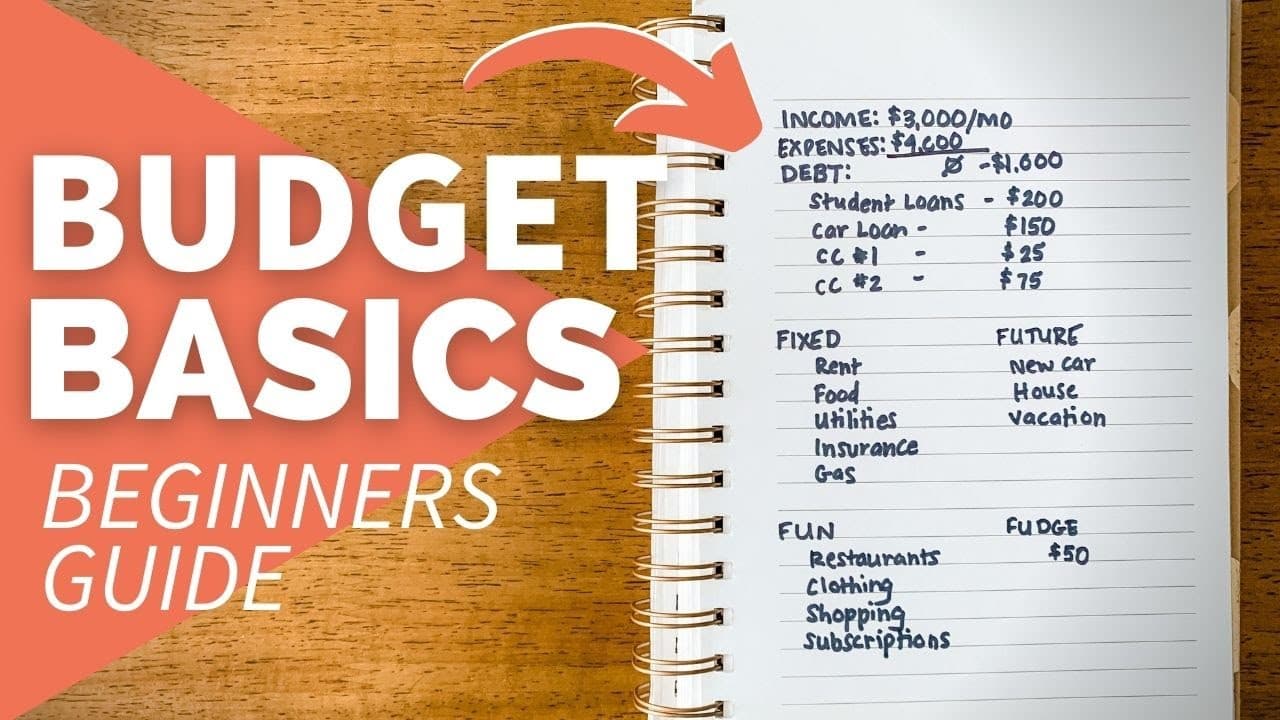
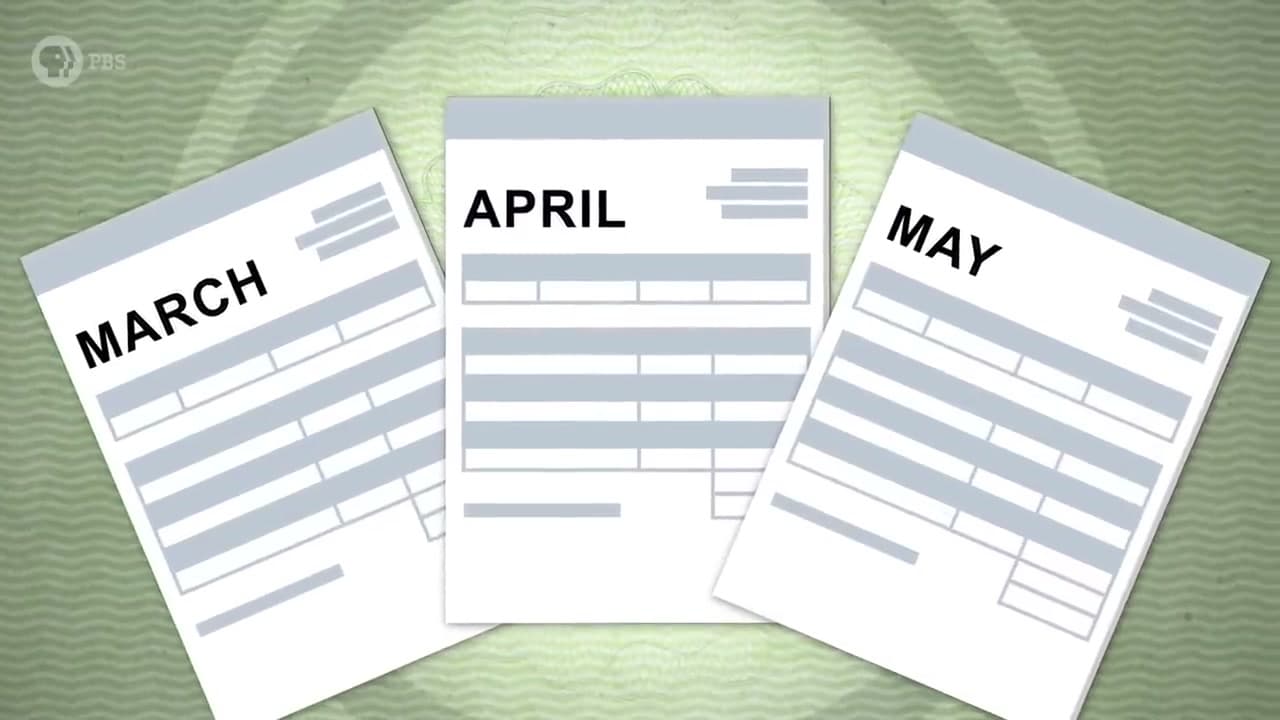
At its core, a budget is simple math: income minus expenses. To see where your money actually goes, pull your last three months of bank statements and read them line by line.

Sort every expense into a bucket. Rent, groceries, and gas are one kind of thing; a dinner out or a new game is another. Once you can see the real pattern of your spending, you finally have the numbers a budget is built on. Most people are surprised by what the statements reveal.

4

Step 4: Fixed Expenses vs Variable Expenses

3:05
Step 4: Step 4: Fixed Expenses vs Variable Expenses

Not all spending behaves the same way. Fixed expenses stay roughly the same every month and are hard to skip: rent, utilities, insurance, a car payment. Variable expenses move around and give you room to adjust: dining out, hobbies, gifts, the fun stuff.

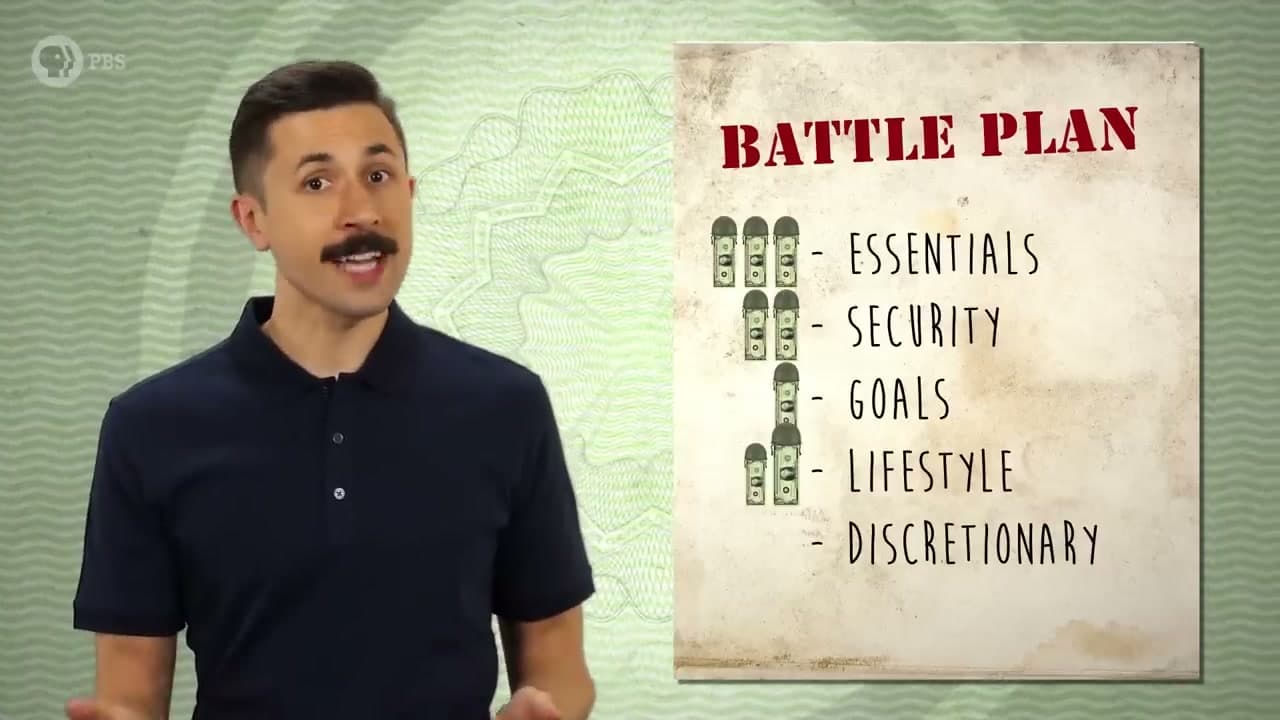
Two Cents sorts spending into five tiers, from most urgent to most flexible: essentials, security, goals, lifestyle, and discretionary. Essentials and security are your fixed needs. Lifestyle and discretionary are where you flex when money is tight.

Tip

When you need to trim, start from the bottom of the list. Discretionary and lifestyle spending bend far more easily than your rent or your electric bill.

5

Step 5: The 50/30/20 Rule

3:20
Step 5: Step 5: The 50/30/20 Rule

If five categories feels like a lot, the 50/30/20 rule is a simple starting framework. Roughly 50 percent of your take-home pay goes to needs, 30 percent to wants, and 20 percent to savings and paying down debt.

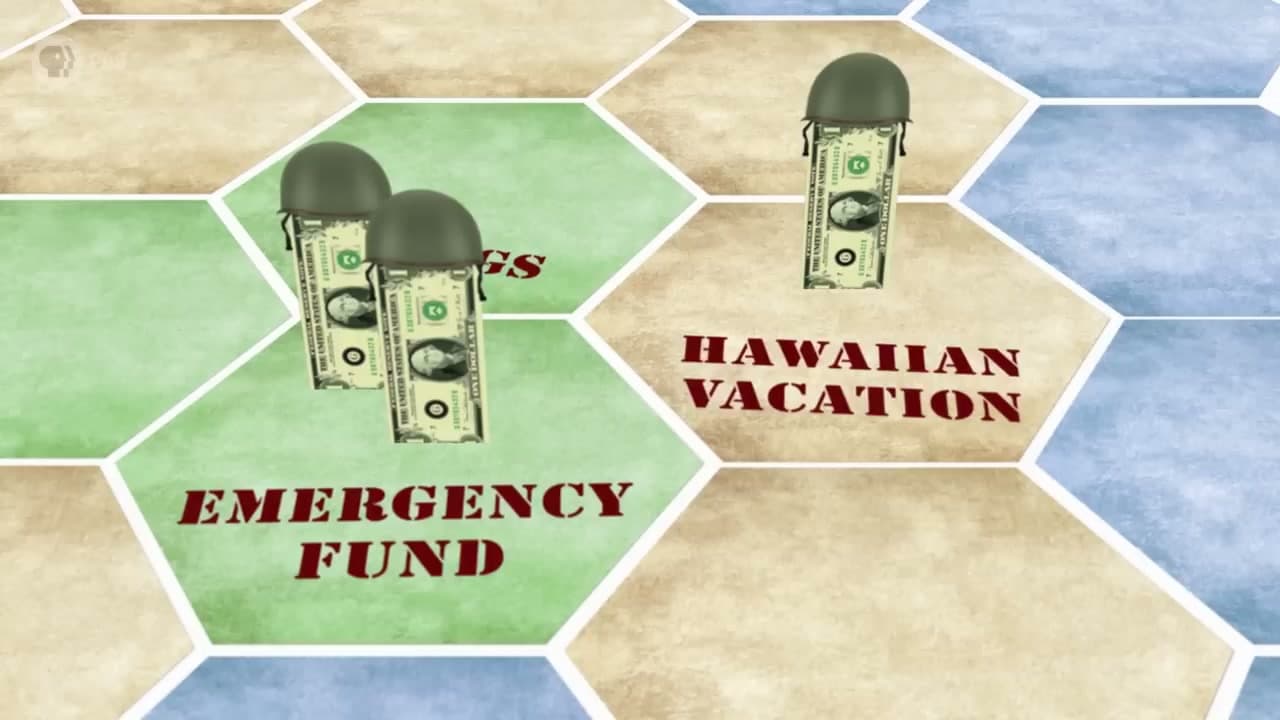
The point is to assign every dollar a purpose, needs first, then goals and treats. Savings with a name, like an emergency fund or a Hawaiian vacation, is a lot harder to raid than a vague pile of leftover cash. Adjust the percentages to fit your life; the split is a starting point, not a law.

6

Step 6: Why a Budget Lowers Money Stress

3:35
Step 6: Step 6: Why a Budget Lowers Money Stress

Here is the payoff. The point of a budget is not to have more money, it is to be less stressed about the money you have. When you know your plan, you can enjoy dinner out without the quiet worry, and check your balance without holding your breath.

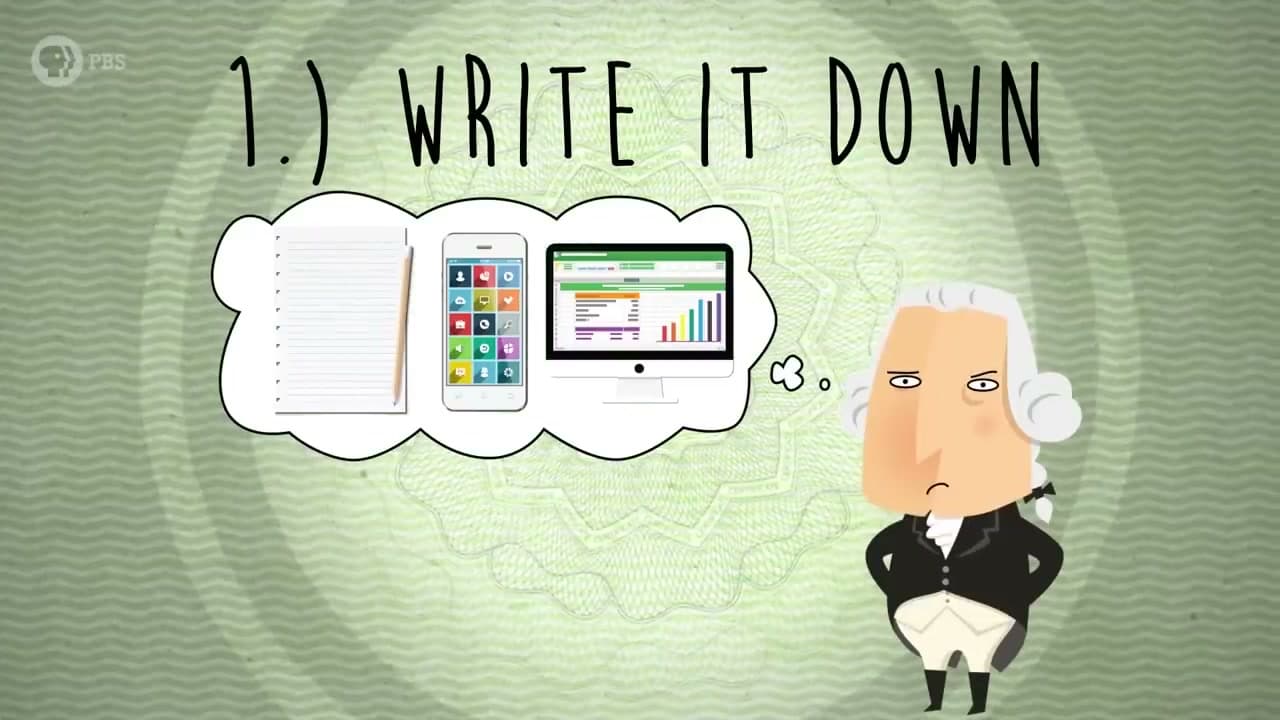
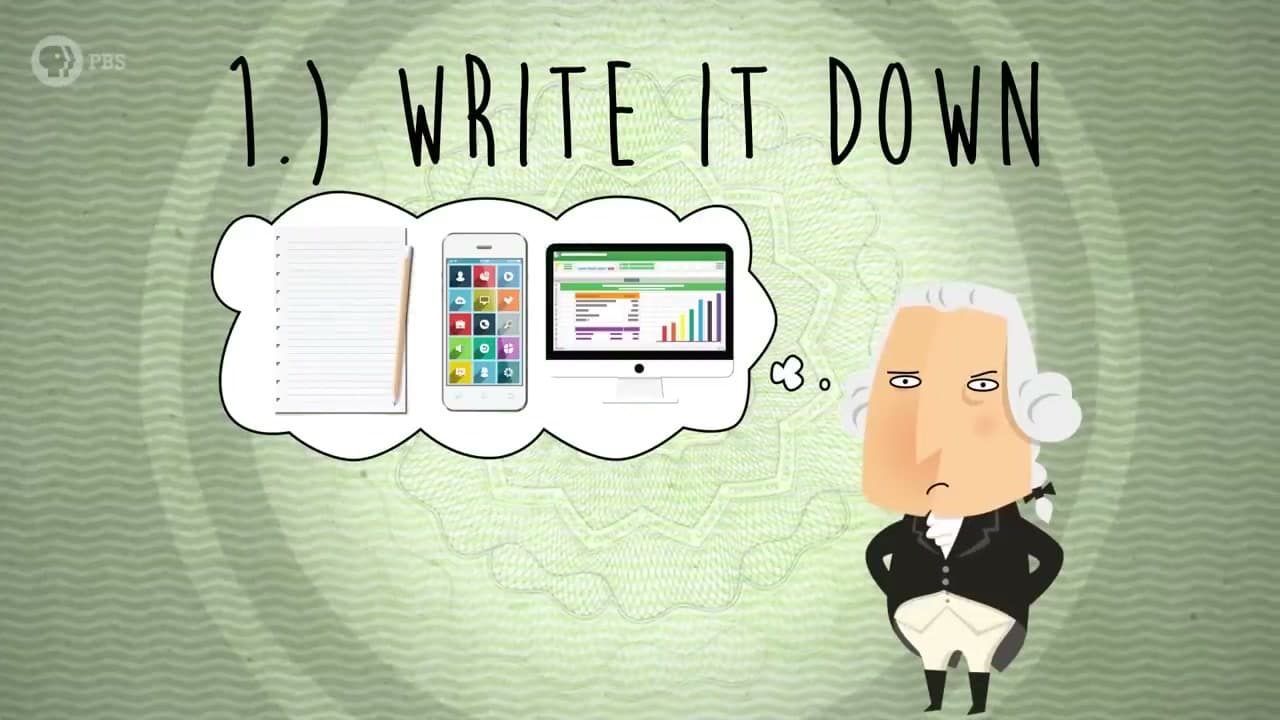
Three habits make it stick. Write it down in a spreadsheet, an app, or plain paper. Update it at the start of each month as things change. And lean on a budgeting app so you always know what you can afford right now.

Tip

Ready to build your own? Follow the hands-on walkthrough in how to make your first budget step by step.

Your Guide

Two Cents

As an Amazon Associate we earn from qualifying purchases. Links on this page may be affiliate links - clicking them and buying doesn't change your price, but helps support ShowMeStepByStep.

Tags

Test your knowledge

Did the lesson stick? Find out in 2 minutes.

5 quick questions covering what you just read. No signup, no score saved — just a gut check.

Quick reference

Key takeaways from What Is a Budget? A Simple Plan for Your Money

5 questions, answers, and one-line explanations. Tap to expand.

  1. 1.What is a budget, in plain terms?

    Answer: A plan for where your income goes

    A budget is a plan that gives every dollar a job before the month starts.

  2. 2.What is a fixed expense?

    Answer: One that stays about the same each month

    Fixed expenses like rent stay roughly the same month to month.

  3. 3.Which of these is a variable expense?

    Answer: Groceries and dining out

    Variable expenses like groceries change based on your habits.

  4. 4.In the 50/30/20 rule, what does the 50 percent cover?

    Answer: Needs like housing and food

    Half goes to needs, 30 percent to wants, 20 percent to savings and debt.

  5. 5.What does the final 20 percent of the 50/30/20 rule go toward?

    Answer: Savings and paying down debt

    The last 20 percent is for savings and debt payoff.

Did this work for you?

What's next

Related collections

Curated theme pages that include this tutorial.

Weekly Digest

Liked this budgeting tutorial?

Pick the categories you want to hear about. Weekly digest of new step-by-step tutorials. No spam, easy unsubscribe.

Send me tutorials about

We only email about new tutorials. Easy unsubscribe anytime.