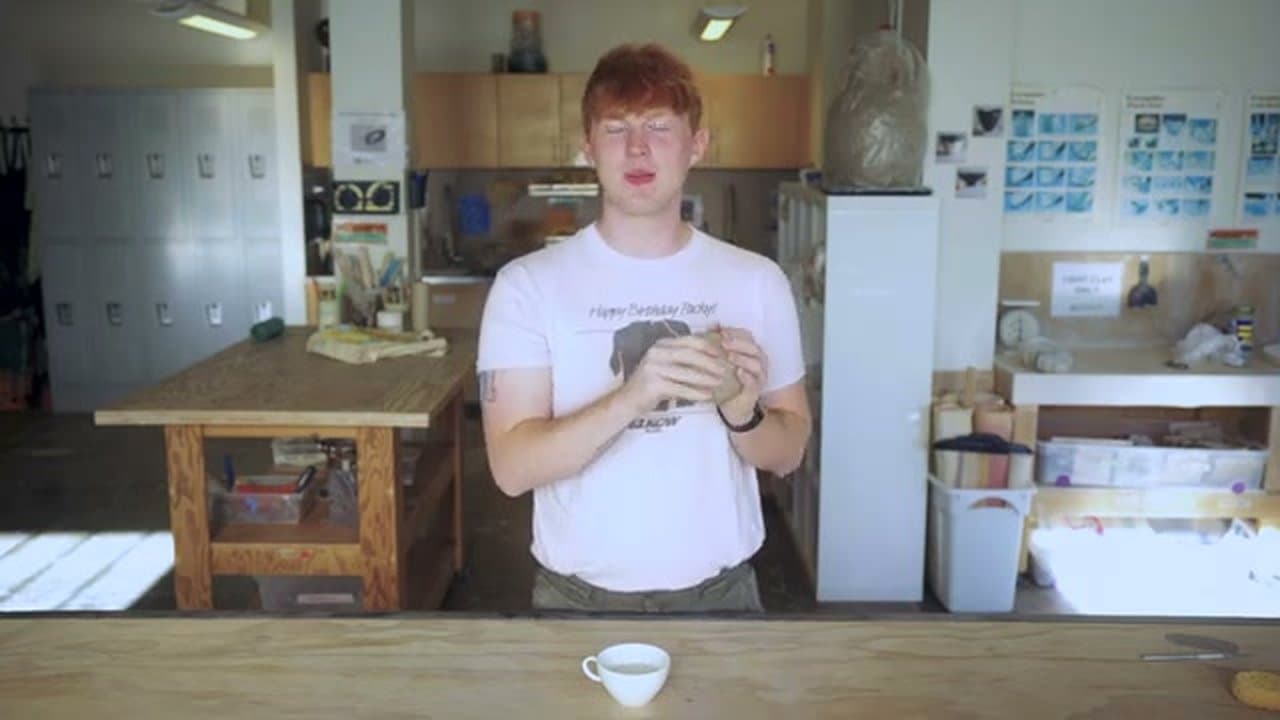
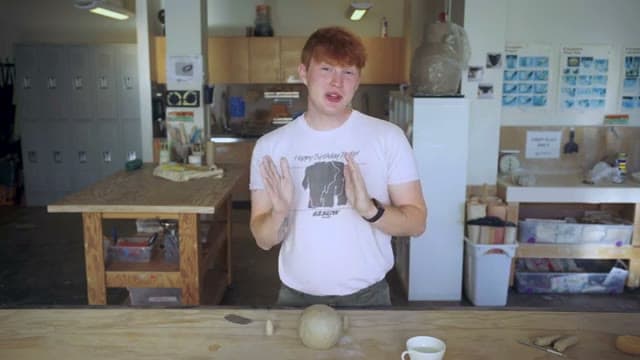
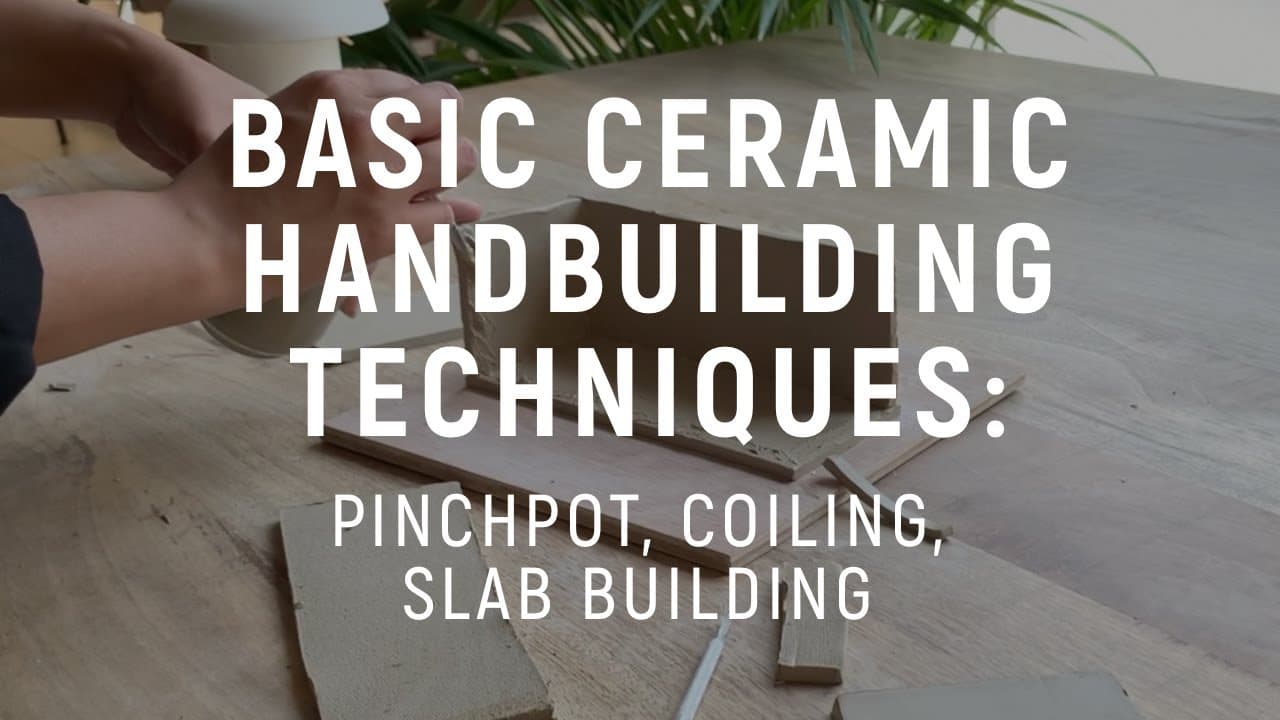
The pinch pot is the oldest pottery technique on earth. Archaeologists have found pinch pots dating back over 10,000 years, made on every continent. The reason it sticks around is simple: clay plus your thumb is all you need.
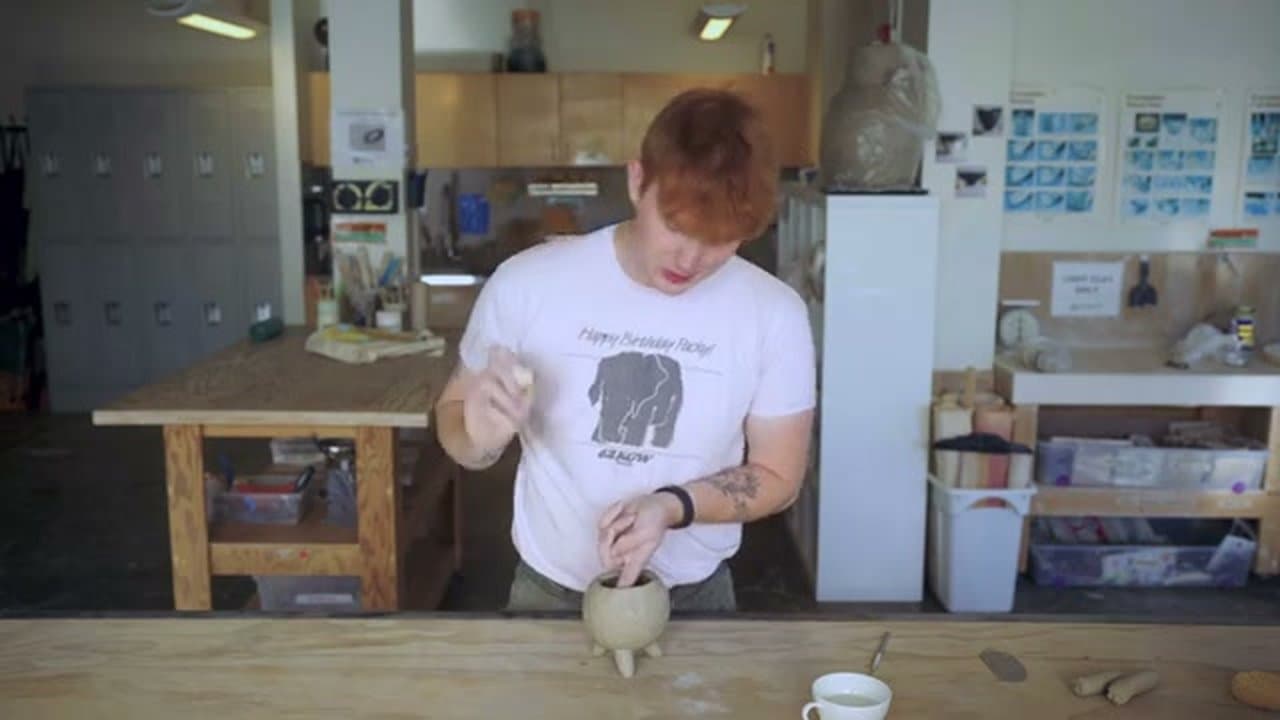
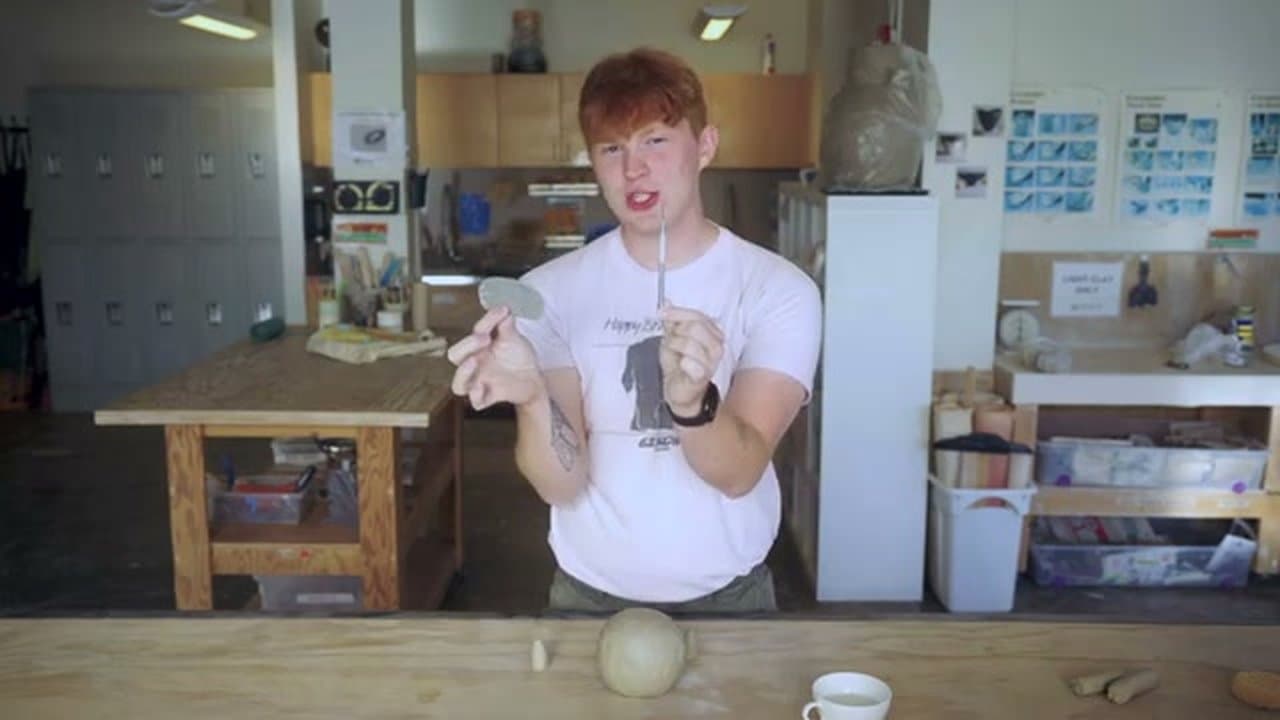
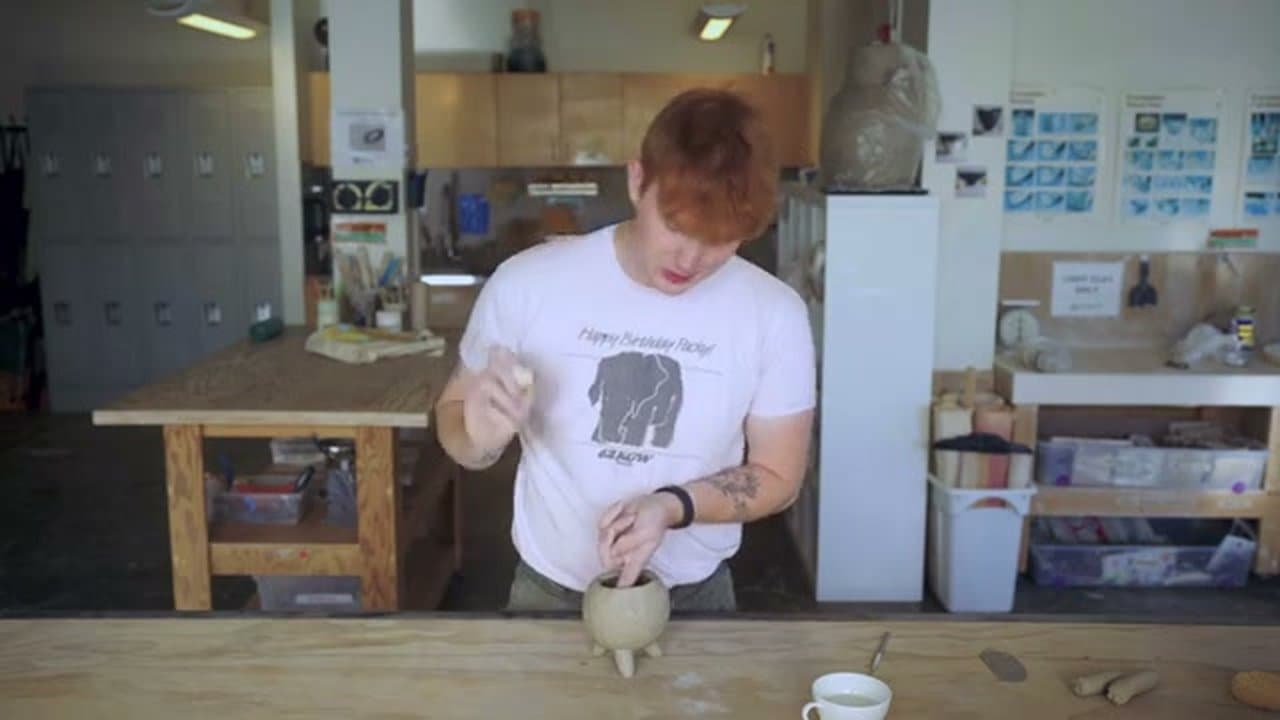
Benjamin Cahoon walks through the basics in this seven-minute tutorial. The form starts as a ball, gets a thumb-sized well in the center, and grows outward through small, consistent pinches. After that you can stop, or you can add tripod legs, texture, drainage holes - turn it into a planter, a mug, or a sculpture.
The two technique skills that carry forward into every other ceramic project you'll ever make are scoring (roughing up surfaces so two pieces of clay bond) and consistency (keeping wall thickness even all the way around). Get those right on a pinch pot and the rest of pottery gets easier.
Which clay to use
Kiln clay (stoneware or earthenware) is the real thing. Fired and glazed, it holds water and can go on the table. If you have no kiln access, air dry clay works for the same pinching method, but the result is decorative only - it softens if it gets wet. See how to use air dry clay for drying and sealing it.
How big a ball?
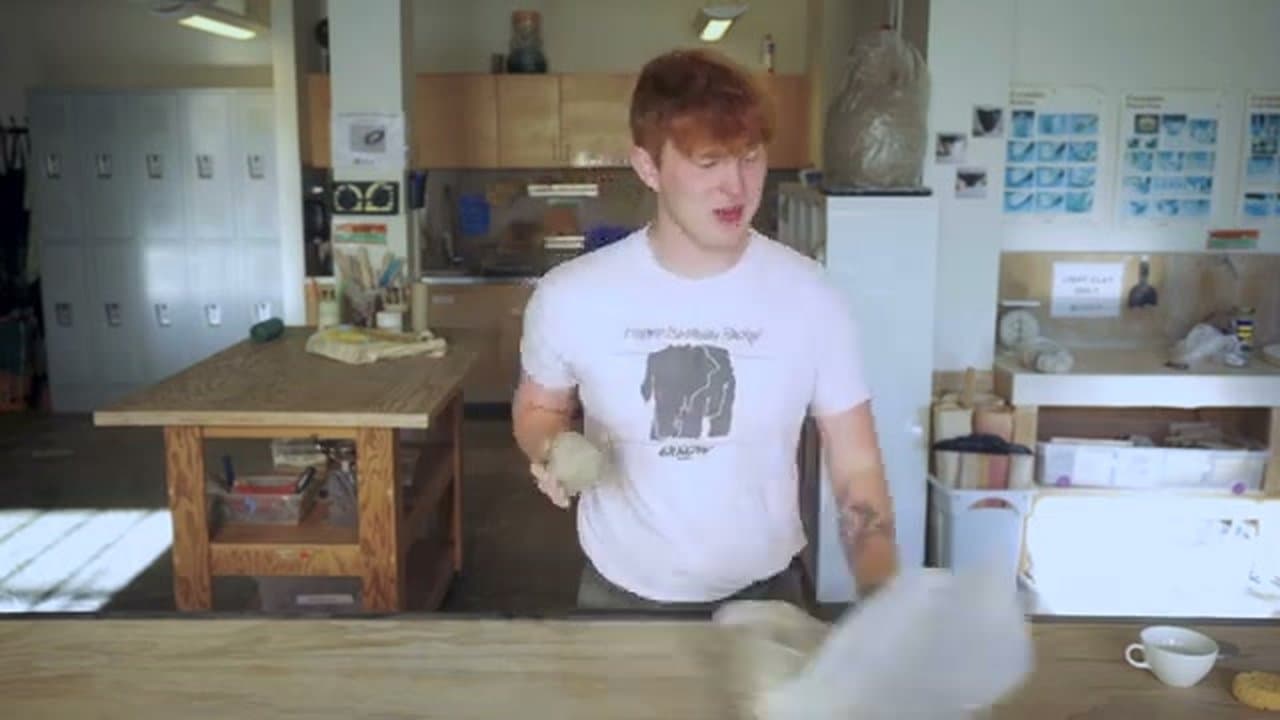
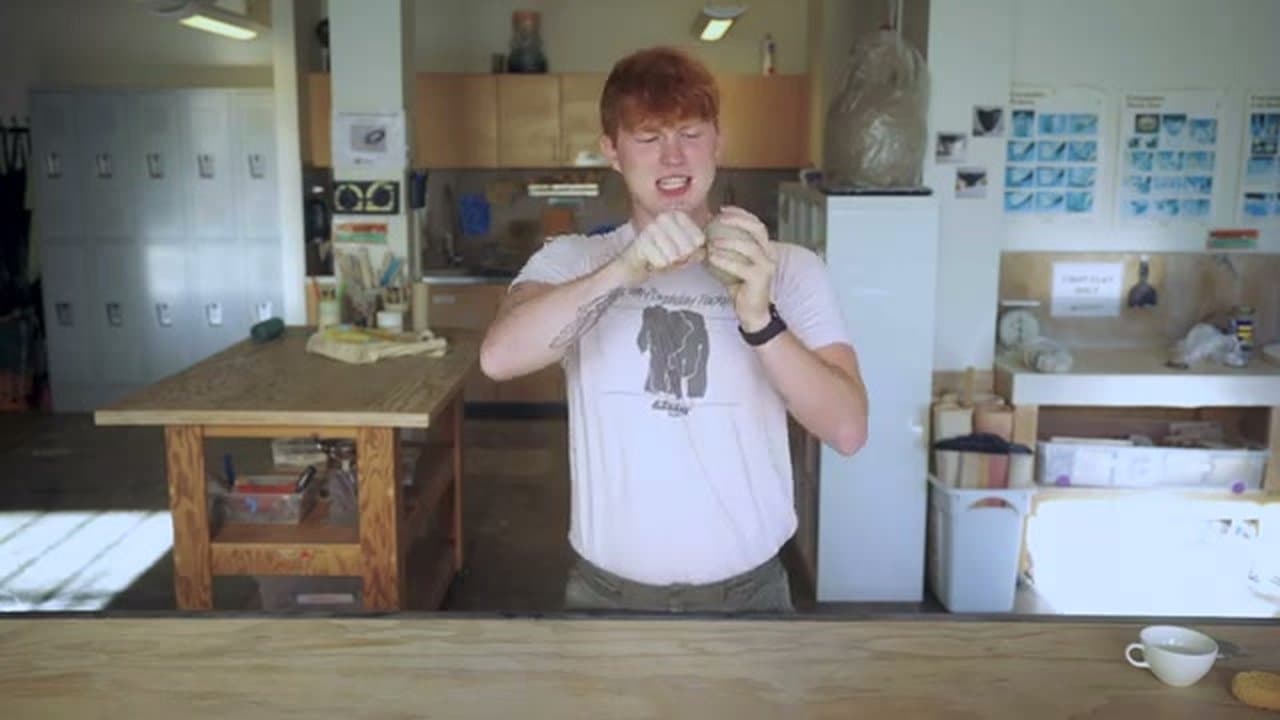
Tennis-ball size is the sweet spot for a first pot. It makes a small cup or planter about 3 inches across. Smaller than a golf ball and there's no room for your thumb. Bigger than a softball and your hands tire before the walls come up evenly.
The pinching rhythm
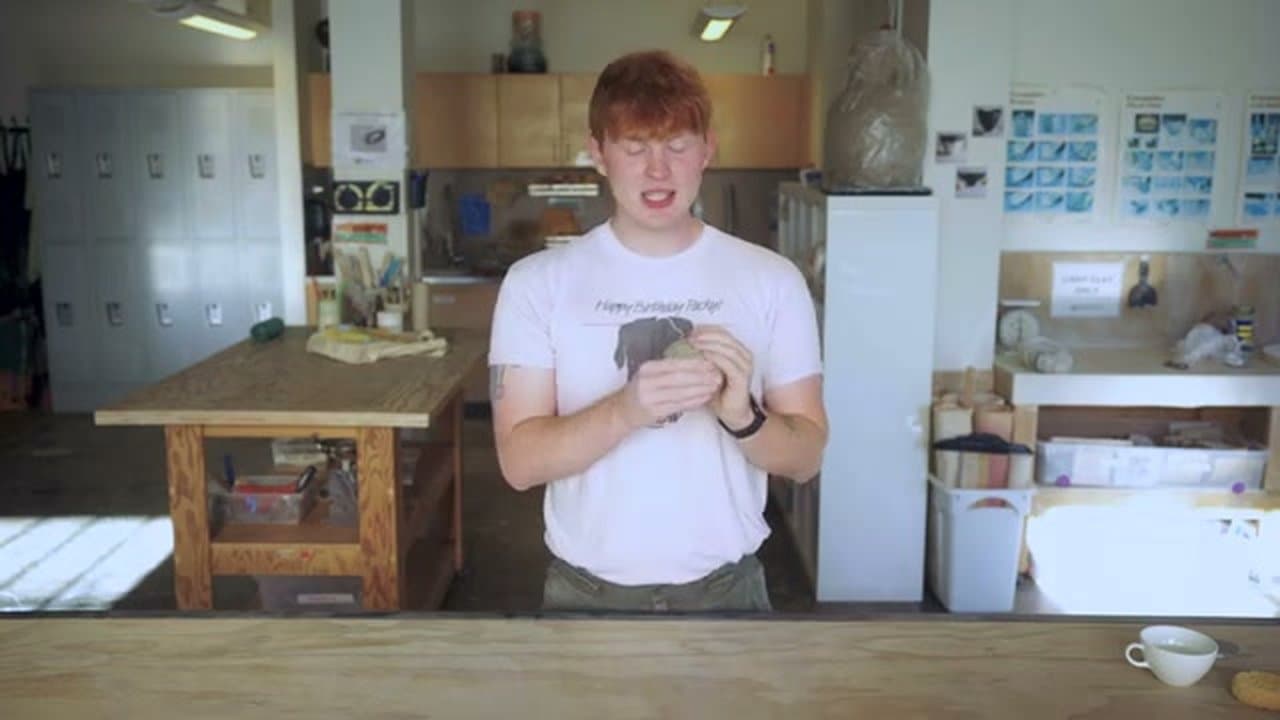
Thumb inside, fingers outside, pinch, turn a little, pinch again. Work from the bottom up in slow spirals. Aim for walls about 1/4 inch thick everywhere, including the floor.
Check by feel. Hold the wall between thumb and finger at several spots - a thick patch is obvious once you're looking for it.
Keeping the rim from cracking
The rim is the thinnest, driest edge, so it cracks first. Smooth tiny cracks with a damp finger the moment you see them. Don't pinch the rim thinner than the wall below. If it gets ragged, press it gently with a flat finger to compress it.
What to make from a pinch pot
- Cup or small mug - add a pulled or coil handle, scored and slipped on
- Planter - three legs and a drainage hole poked while soft
- Tea light holder - a low wide pot, holes poked in the wall for light
- Animal pots - two pinch pots joined rim to rim make a hollow body for an owl, pig or hedgehog
Ready for taller forms? Try a coil pot or the wider hand-building guide.
Drying, firing or sealing
Dry slowly under a loose plastic bag for two or three days, then uncovered until bone dry. Kiln clay gets a bisque firing, glaze, and a second firing. Air dry clay gets paint and a sealer, and stays away from water.
Common mistakes
- Thin bottom. Pushing the thumb too deep leaves a floor that cracks or breaks off. Stop 1/4 inch short.
- Cracks at the rim. The clay is too dry. Wet your fingers and slow down.
- Lopsided walls. Pinching harder on one side. Keep each pinch the same pressure and turn the pot the same amount every time.
- Setting it down mid-pinch. The bottom flattens into an oval.