How to Use Acrylic Retarder to Slow Drying Time

PaintingMedium10:598 stepsPart of Crafting for BeginnersBrowse more →
The finished result: How to Use Acrylic Retarder to Slow Drying Time

By Show Me Step by StepPublished

Based on a video by GregSimkinsArt.

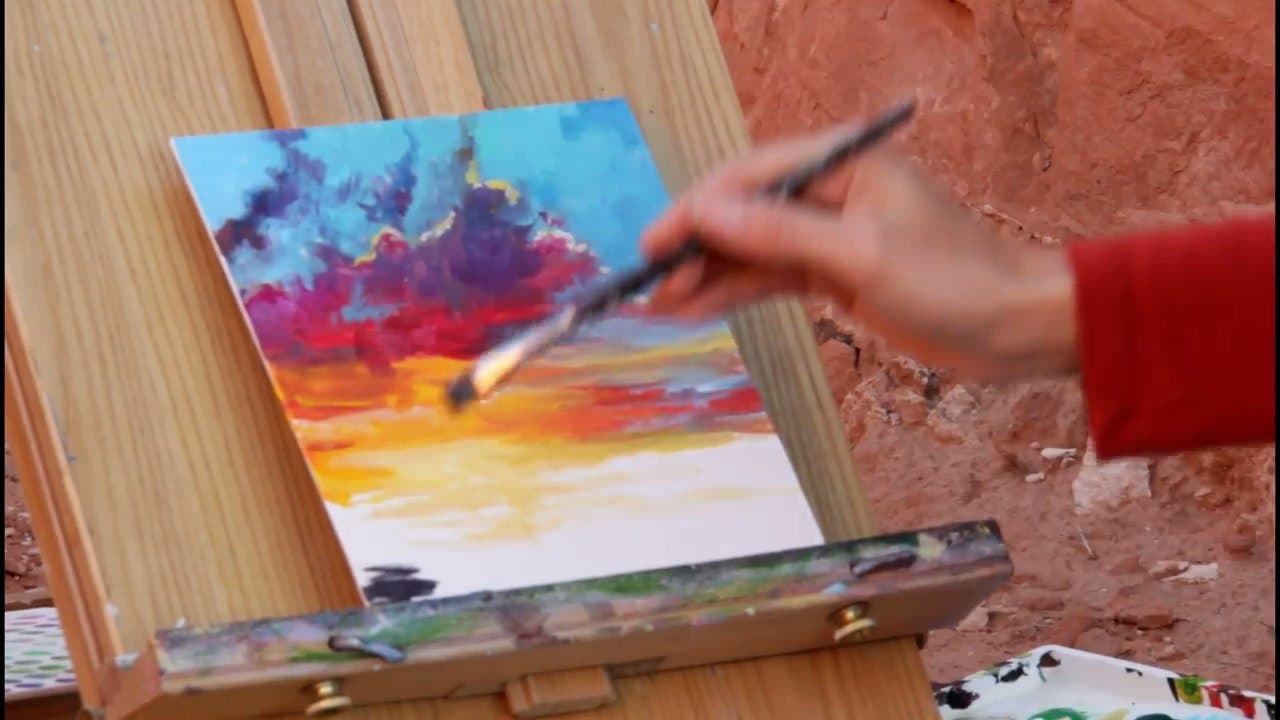
Acrylics dry fast. That is great for layering and terrible for soft blends like clouds, skin or sunsets. Painter Greg "Craola" Simkins slows his paint down with a homemade medium: equal parts acrylic retarder and a slow-dry matte liquid, kept in a labeled squeeze bottle. In this demo he coats a dark canvas with it and blends a cloudy sky that is still wet after ten minutes of working.

What acrylic retarder does

Retarder slows the evaporation of water from acrylic paint, which gives you more "open time" to push, blend and soften. It does not thin the paint the way water does. Slow-dry mediums do the same job with added body. Greg found the 50/50 mix gave him plenty of blending time but still dried in roughly 10 to 15 minutes once he stopped.

When retarder helps most

Reach for it on soft skies, portraits and sunsets, anywhere one color has to fade into the next without a hard line. It also helps on hot, dry days or outdoors, when paint skins over on the brush in minutes. For crisp graphic shapes or fast layering, skip it and let the quick drying work for you.

How to use acrylic retarder without overdoing it

More is not better. Greg's first try was a thick coat of straight retarder across a whole background. A day later it was still wet, and the paint kept lifting when he tried to work over it. He had to wipe off what he could and seal it with matte medium before he could go on. Start with a small amount, follow the label's maximum, and test on scrap canvas first.

Ways to slow acrylic drying

MethodHow it helpsWatch out for
RetarderLongest open time on the canvasToo much stays tacky for days
Slow-dry mediumOpen time plus a little bodyChanges sheen slightly
Wet paletteKeeps paint fresh on the paletteDoes nothing once paint is on the canvas
Misting with waterQuick and freeThins paint and can drip

Brushes and blending tips

  • Keep the blending brush dry. A wet brush lifts the paint instead of softening it.
  • Use one brush per value. Greg keeps one for the brightest highlights, one for white and one for mid-tones so colors don't get carried across.
  • Cheap brushes are fine. He uses inexpensive chip brushes from the hardware store for this kind of scrubbing and badgering, since it wears them out.
  • Go light. Barely touch the surface. Pressing hard digs up the layer underneath.

Label your bottle

A slow-dry medium in a white squeeze bottle looks exactly like white paint. Mark it clearly so you never add white to a painting when you meant to add medium, or the reverse.

Keep going

Put the extra open time to work with how to paint clouds and how to blend acrylic paint. For thin transparent layers, see how to glaze with acrylics. If your paint is too stiff rather than too fast, try how to thin acrylic paint.

What you'll need

Step-by-Step Guide

8 steps · about 11 minutes.Check off each step as you go and your progress saves automatically.

1

Pick a Slow Dry Medium and an Acrylic Retarder

0:54
Step 1: Pick a Slow Dry Medium and an Acrylic Retarder - How to Use Acrylic Retarder to Slow Drying Time

Greg uses two products from the same acrylic brand: a slow-dry matte liquid and an acrylic retarder. Each one works alone, and he suggests trying them separately first to see how you like them. He found that mixing the two gave him the best balance of long blending time and a sensible drying time. Any brand's retarder and slow-dry medium can be used the same way.

Tip

Stick to one brand for paint and mediums when you can. They are made to work together.

2

Mix the Retarder 50/50 in a Squeeze Bottle and Label It

3:48
Step 2: Mix the Retarder 50/50 in a Squeeze Bottle and Label It - How to Use Acrylic Retarder to Slow Drying Time

Pour equal parts retarder and slow-dry medium into a clean squeeze bottle, cap it and shake it to combine. Then label it. Greg writes "take it slow" on his. A plain white bottle of medium looks the same as a bottle of white paint, and grabbing the wrong one mid-painting would undo your work.

Tip

Mix a small batch first and test it on a scrap canvas before a real painting.

3

Squeeze the Slow Dry Medium Onto the Canvas

4:30
Step 3: Squeeze the Slow Dry Medium Onto the Canvas - How to Use Acrylic Retarder to Slow Drying Time

One way to use the mix is to coat the area you plan to blend before you add paint. Greg squeezes a line of medium across the top of a canvas he has already painted dark blue-grey. Use only what you need for the section you can work in one go. The medium keeps that area open while you blend.

Tip

Coat one section at a time on a large canvas.

4

Spread an Even Coat of Retarder Medium With a Foam Brush

4:34
Step 4: Spread an Even Coat of Retarder Medium With a Foam Brush - How to Use Acrylic Retarder to Slow Drying Time

Spread the medium into a thin, even coat with a foam brush, working top to bottom. Add a little more where it looks dry so the whole area is covered. Greg prefers cheap foam brushes from the hardware store because they are less porous and don't soak up as much medium. Keep the coat thin. Puddles will stay wet far too long.

Tip

Hold the canvas up to the light to spot any missed patches.

5

Lay the First Light Acrylic Strokes Into the Wet Medium

5:06
Step 5: Lay the First Light Acrylic Strokes Into the Wet Medium - How to Use Acrylic Retarder to Slow Drying Time

Mix a little of the medium into your paint on the palette as well. Then lay down your first light strokes. Greg blocks in rough cloud shapes in pale grey, pink and white straight into the wet coat. Don't worry about the shapes yet. The point is to get paint down while the surface is open so it can be blended.

Tip

Put a bit more medium in the palette dish as it gets used up.

6

Blend the Acrylic Cloud Edges With a Dry Brush

6:00
Step 6: Blend the Acrylic Cloud Edges With a Dry Brush - How to Use Acrylic Retarder to Slow Drying Time

Take a completely dry brush and softly push the paint around. Greg calls this badgering: light, quick touches that melt one value into the next. It may look like he presses hard, but he barely touches the surface. A damp brush would lift the paint instead, so keep a dry one ready.

Tip

Wipe the brush on a dry towel often to keep it from loading up.

7

Keep Blending the Acrylic While It Stays Open

7:12
Step 7: Keep Blending the Acrylic While It Stays Open - How to Use Acrylic Retarder to Slow Drying Time

Keep working the edges, adding light and dark as needed. Use a separate dry brush for each value: one for the brightest highlights, one for white and one for mid-tones. That stops you dragging one color into another. It takes practice to learn which corner and angle of the brush to use without disturbing what you have already blended.

Tip

Small mistakes often blend into happy accidents. Keep going.

8

Check the Acrylic Is Still Wet After 10 Minutes

8:00
Step 8: Check the Acrylic Is Still Wet After 10 Minutes - How to Use Acrylic Retarder to Slow Drying Time

After about 10 to 12 minutes of blending, Greg's sky still has a wet shimmer and the paint still moves. Without the medium, the same paint would have dried within minutes. When you are happy, stop and let it dry. The 50/50 mix sets up once you leave it alone, so you can paint the next layer the same day.

Tip

Test dryness on an edge with a fingertip before painting over it.

How to Paint a Full Moon Night Sky - Easy Acrylic Painting

Keep going

How to Paint a Full Moon Night Sky - Easy Acrylic Painting

Products Used

The Checklist

How to Use Acrylic Retarder to Slow Drying Time

Tools
5
Materials
4
Steps
8
Video
11 min

Tools we recommend

Your Guide

GregSimkinsArt

As an Amazon Associate we earn from qualifying purchases. Links on this page may be affiliate links - clicking them and buying doesn't change your price, but helps support Show Me Step by Step.

Tags

Sunday How-To

New painting tutorials, every Sunday

One short email with the week's best step-by-step guides. Free, no spam, unsubscribe anytime.

Did this work for you?

What's next

Weekly Digest

Liked this painting tutorial?

Pick the categories you want to hear about. Weekly digest of new step-by-step tutorials. No spam, easy unsubscribe.

Send me tutorials about

We only email about new tutorials. Easy unsubscribe anytime.