Medicare Parts A, B, C, and D Explained

InvestingMedium11:317 stepsBrowse more →

By ShowMeStepByStepPublished Updated

Based on a video by UnitedHealthcare Medicare Plans.

Medicare has four parts and a stack of plan letters, and it is genuinely overwhelming the first time you look at it. The good news: once you see how Parts A, B, C, and D fit together, every other Medicare decision gets easier. This walkthrough is built around a UnitedHealthcare explainer with Carol Carstensen from the Medicare Make Clear team, and it covers what each part pays for, what it costs, and how to choose between Original Medicare and Medicare Advantage.

If you are already thinking about retirement income, you may want to read our guide on how to calculate your RMD and our walkthrough on filing taxes online with TurboTax. Medicare premiums and IRMAA surcharges tie directly to your tax return, so the three topics live next to each other in real life.

Disclaimer: This is general educational content, not personal financial or medical advice. Medicare rules, premium amounts, and IRMAA brackets change every year, and the right plan depends on your specific health, prescriptions, and budget. Before you enroll, verify the current numbers at Medicare.gov, SSA.gov, or CMS.gov, and consider talking to your State Health Insurance Assistance Program (SHIP) counselor, a licensed Medicare broker, or a Certified Financial Planner.

Step-by-Step Guide

1

Step 1: Understand What Medicare Is and Who Qualifies

1:00
Step 1: Step 1: Understand What Medicare Is and Who Qualifies

Medicare is a federal health insurance program for people 65 and older, plus younger people with qualifying disabilities. You also need to be a US citizen or a legal resident who has lived here for at least five years in a row before enrolling. Watch the intro at 1:00. One thing surprises a lot of new enrollees: Medicare is individual insurance. Every person enrolls and chooses coverage on their own, even if you spent decades on a family plan through an employer. There is no spouse-and-dependent option here.

Tip

If you are still working past 65 and covered by an employer plan with 20+ employees, you can usually delay Part B without a late-enrollment penalty. Confirm your situation with Medicare.gov before turning down Part B.

2

Step 2: Medicare Part A - Hospital Insurance

2:25
Step 2: Step 2: Medicare Part A - Hospital Insurance

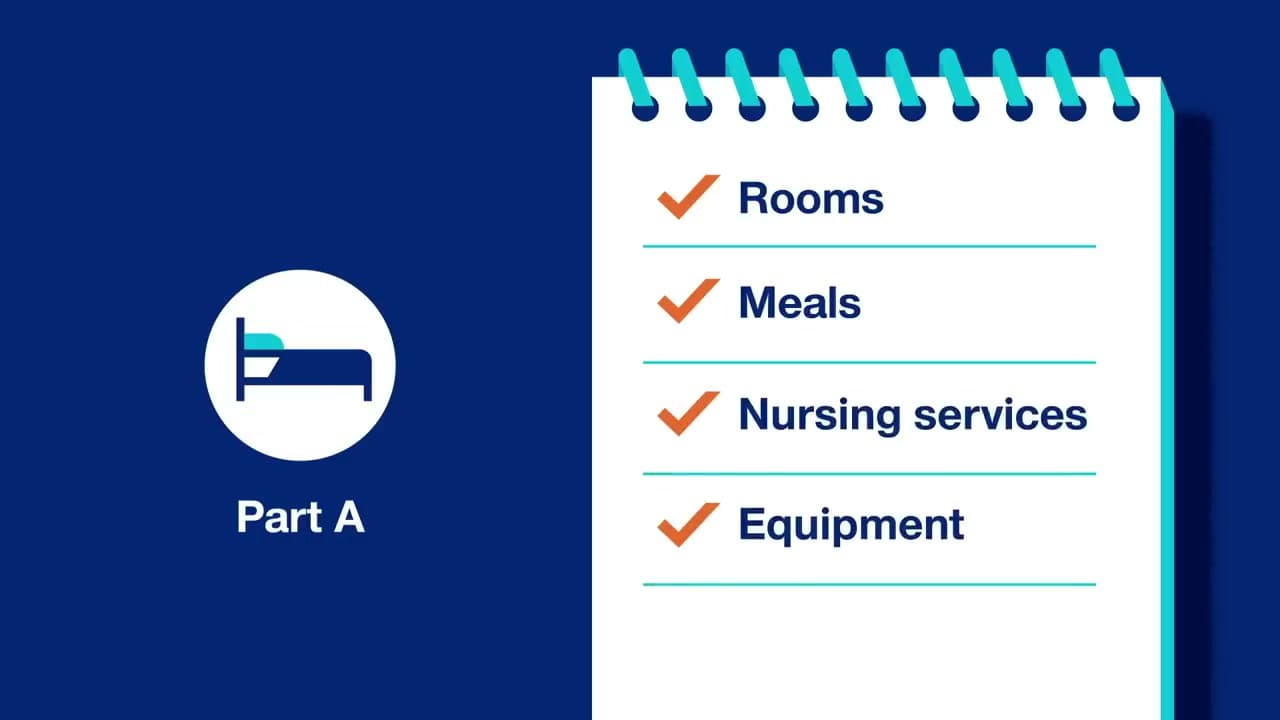
Part A covers inpatient care. That means hospital stays, skilled nursing facility care, your room, meals, nursing services, equipment used in your care, the operating room - anything you receive while you are admitted. Watch at 2:25. For most people Part A is premium-free because you or your spouse paid Medicare taxes for at least 10 years. You still pay a deductible and some copays or coinsurance when you actually use Part A services, but you do not pay a monthly bill for the coverage itself.

Tip

Part A only kicks in when you are formally admitted as an inpatient. ER visits and observation stays are billed under Part B, even if you sleep in a hospital bed overnight. Ask the hospital about your admission status - it changes what you pay.

3

Step 3: Medicare Part B - Medical Insurance

2:38
Step 3: Step 3: Medicare Part B - Medical Insurance

Part B covers doctor visits, outpatient care, ambulance services, preventive care like flu shots, and durable medical equipment such as a wheelchair you use at home. Watch at 2:38. Unlike Part A, Part B has a monthly premium that gets deducted from your Social Security check (or billed directly if you have not started Social Security yet). The standard premium is income-adjusted, so high earners pay an IRMAA surcharge. For most services you pay 20% coinsurance and Medicare pays 80% of the Medicare-approved amount, plus an annual deductible. There is no out-of-pocket cap under Original Medicare alone - which is the main reason most people pair Part B with either a Medigap plan or a Medicare Advantage plan.

Tip

IRMAA surcharges look at your tax return from two years ago. If your income dropped because you retired or sold a business, file Form SSA-44 to ask for a reconsideration based on your current income.

4

Step 4: Medicare Part C - Medicare Advantage

5:10
Step 4: Step 4: Medicare Part C - Medicare Advantage

Part C is Medicare Advantage. These are bundled plans sold by private insurance companies (often HMOs or PPOs) that replace Original Medicare and cover everything Parts A and B cover, usually with prescription drug coverage and extras like dental, vision, and hearing rolled in. Watch at 5:10. Premiums vary by plan, and some plans have a $0 premium. The big built-in protection: every Medicare Advantage plan must set an annual out-of-pocket maximum, so once you hit that cap the plan pays 100% for the rest of the year. The catch is the network. Most Advantage plans require you to use in-network doctors and pharmacies to get the best price.

Tip

Before you pick a Medicare Advantage plan, check that your current doctors are in-network and your regular prescriptions are on the plan's formulary. The plan that looks cheapest on paper can get expensive fast if your specialist is out-of-network.

5

Step 5: Medicare Part D - Prescription Drug Coverage

6:45
Step 5: Step 5: Medicare Part D - Prescription Drug Coverage

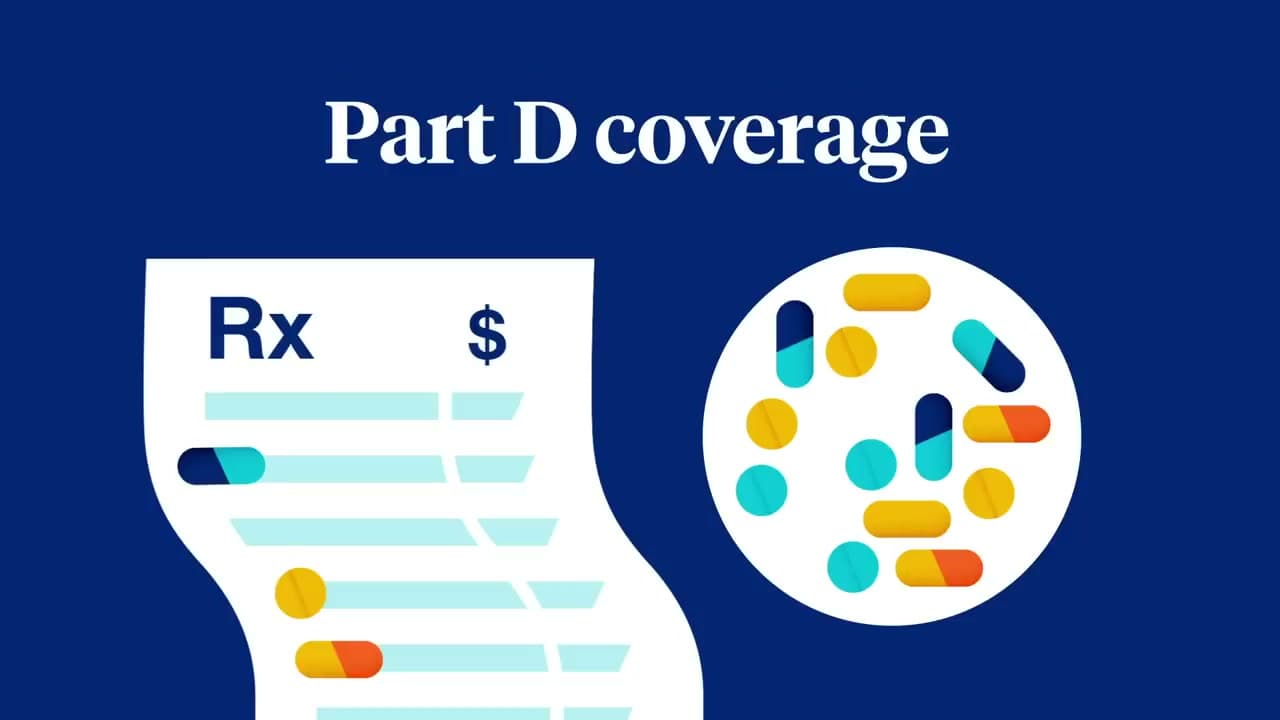
Part D pays for prescription drugs. You can get it two ways: built into a Medicare Advantage plan (Part C), or as a standalone Part D plan you add on top of Original Medicare. Watch at 6:45. Every Part D plan has a formulary - a list of covered drugs grouped into tiers. Lower tiers (generics) cost you the least at the pharmacy counter. Higher tiers (brand-name and specialty drugs) cost more. Most plans also have a pharmacy network, and filling prescriptions inside the network gets you the best price. The coverage gap (often called the donut hole) has been reformed under the Inflation Reduction Act, and starting in 2025 there is a hard $2,000 annual out-of-pocket cap on Part D drug costs.

Tip

Run your exact prescription list through the Medicare Plan Finder at Medicare.gov every fall during Open Enrollment. Formularies and tier placements change every year, and last year's best plan can become this year's worst one for the same drug list.

6

Step 6: Put the Parts Together and Know Your Enrollment Windows

9:15
Step 6: Step 6: Put the Parts Together and Know Your Enrollment Windows

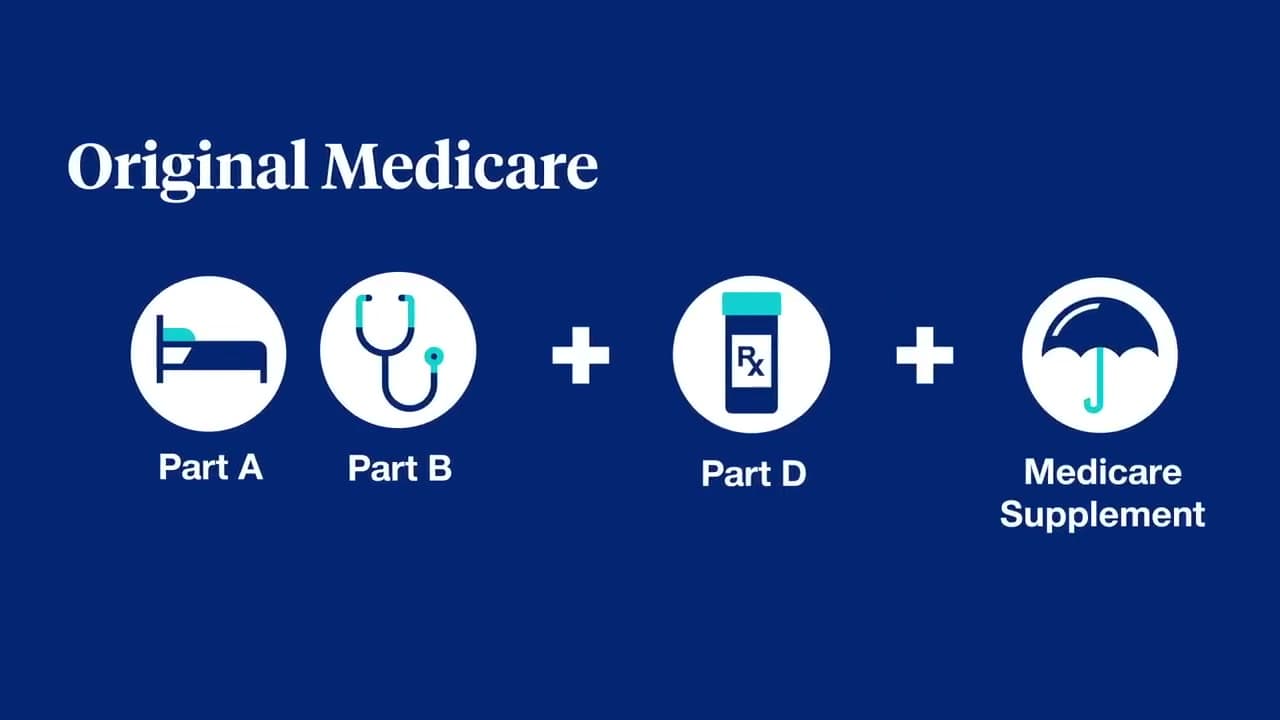
The pieces fit together in two main shapes. Option one: keep Original Medicare (Part A + Part B), then add a Part D drug plan and optionally a Medigap supplement to cap your out-of-pocket spending. Option two: replace Original Medicare with a Medicare Advantage plan (Part C) that bundles everything in one. Watch at 9:15. Timing matters as much as the parts themselves. Your Initial Enrollment Period (IEP) is a seven-month window around your 65th birthday. Missed it without other coverage? The General Enrollment Period (GEP) runs January 1 through March 31 each year. The Annual Election Period (AEP) is October 15 through December 7 and is when you can switch Part D or Medicare Advantage plans. Special Enrollment Periods (SEP) open up after qualifying life events like losing employer coverage or moving.

Tip

If you go with Original Medicare and want a Medigap policy, your one guaranteed-issue window is the six months starting the month you first enroll in Part B at age 65 or older. After that, insurers in most states can use medical underwriting and deny you for pre-existing conditions.

7

Step 7: Where to Get Personalized Help

10:40
Step 7: Step 7: Where to Get Personalized Help

You do not have to figure this out alone. Watch the closing thought at 10:40. Three free, reliable sources of personalized Medicare help: call 1-800-MEDICARE (1-800-633-4227) to talk to a Medicare representative 24/7. Contact your State Health Insurance Assistance Program (SHIP) for unbiased local counseling at shiphelp.org. Or work with a licensed independent Medicare broker who represents multiple carriers (their commission is paid by the insurance company, so the comparison is free to you). For the official rules and current premium amounts, the source of truth is Medicare.gov. For Social Security and IRMAA questions, use SSA.gov. For coverage policy and appeals, see CMS.gov.

Tip

Order the free "Medicare & You" handbook from Medicare.gov - it ships every fall and is the single best plain-English reference for that year's rules, premiums, and deductibles. It is mailed free to every Medicare household.

Products Used

Your Guide

UnitedHealthcare Medicare Plans

As an Amazon Associate we earn from qualifying purchases. Links on this page may be affiliate links - clicking them and buying doesn't change your price, but helps support ShowMeStepByStep.

Tags

What's next

Weekly Digest

Liked this investing tutorial?

Pick the categories you want to hear about. Weekly digest of new step-by-step tutorials. No spam, easy unsubscribe.

Send me tutorials about

We only email about new tutorials. Easy unsubscribe anytime.