How to Install Floating Shelves with Hidden Anchors

Home ImprovementEasy11:429 steps

Floating shelves look great, but hanging them can be tricky if you haven't done it before. The Fixer walks you through the whole process: measuring, marking, picking the right anchors, and getting everything level. Once you've done one, the rest go up in about 15-20 minutes each.

Step-by-Step Guide

1

Measure and Mark the Center of the Wall

0:44
Step 1: Measure and Mark the Center of the Wall

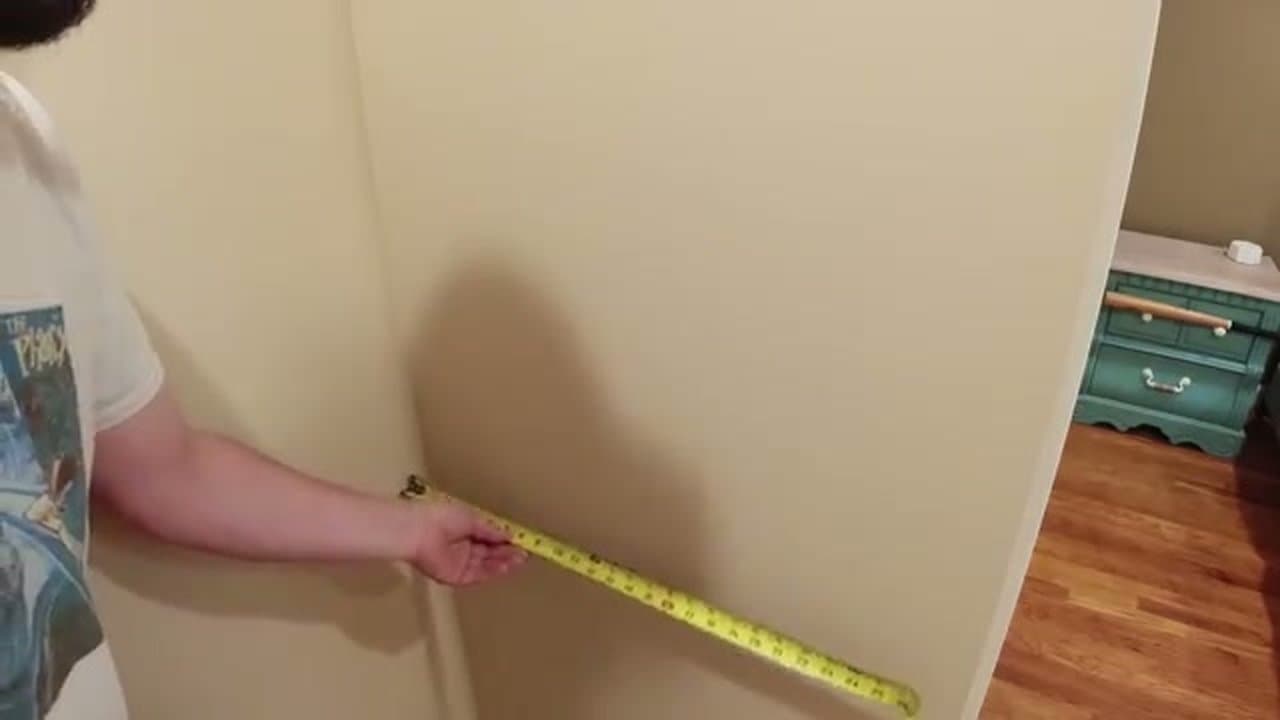
First, figure out where you want the shelves. Measure the width of the wall space and divide by two to get the center. Quick trick: hold your tape measure across the span and just look for the halfway point instead of doing the math. Make a light pencil mark at the center, at whatever height you want the shelf.

Tip

Keep your pencil marks light so you can erase them later.

Products used in this step

Tape Measure
2

Find the Center of the Shelf and Mark the Anchor Points

2:10
Step 2: Find the Center of the Shelf and Mark the Anchor Points

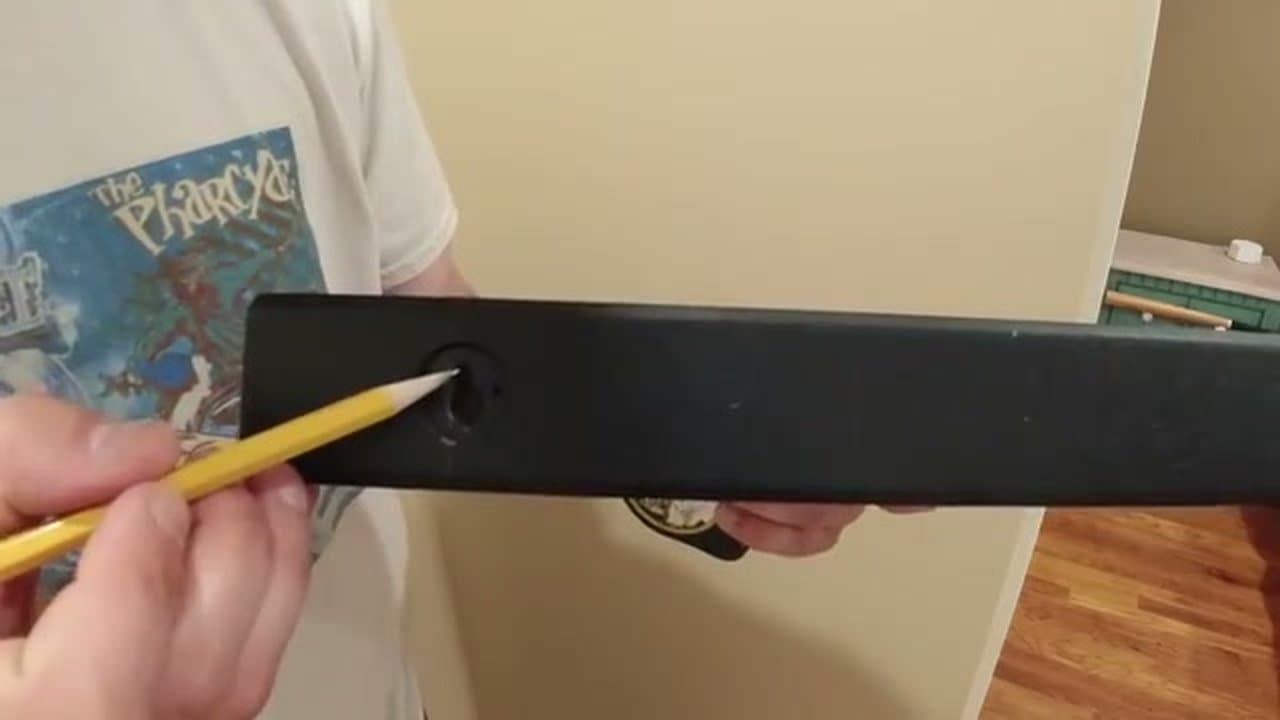
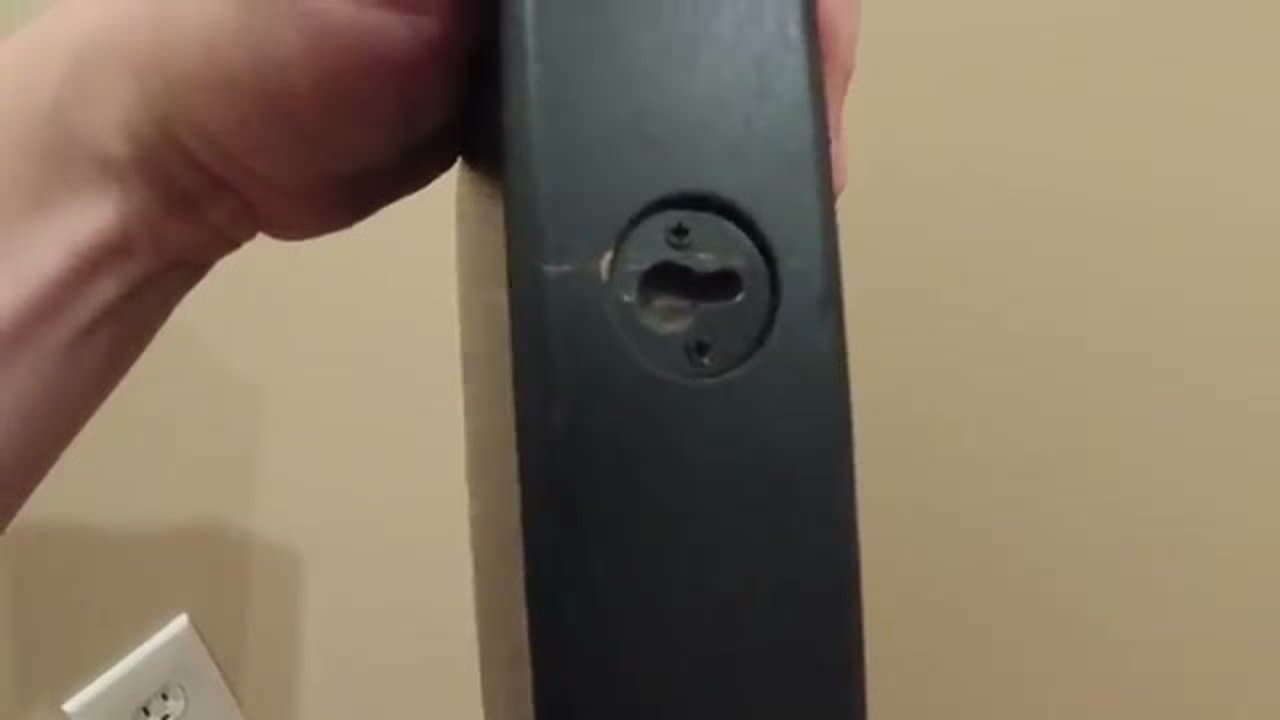
Flip your shelf over and look at the bracket plate on the back. Measure to find the center and make a pencil mark on the top edge. Then mark where each anchor hook sits - those are the points that need to line up with screws on the wall. The bigger part of the bracket is the bottom, and the shelf hangs from the small hook at the top.

3

Transfer the Anchor Points to the Wall

2:35
Step 3: Transfer the Anchor Points to the Wall

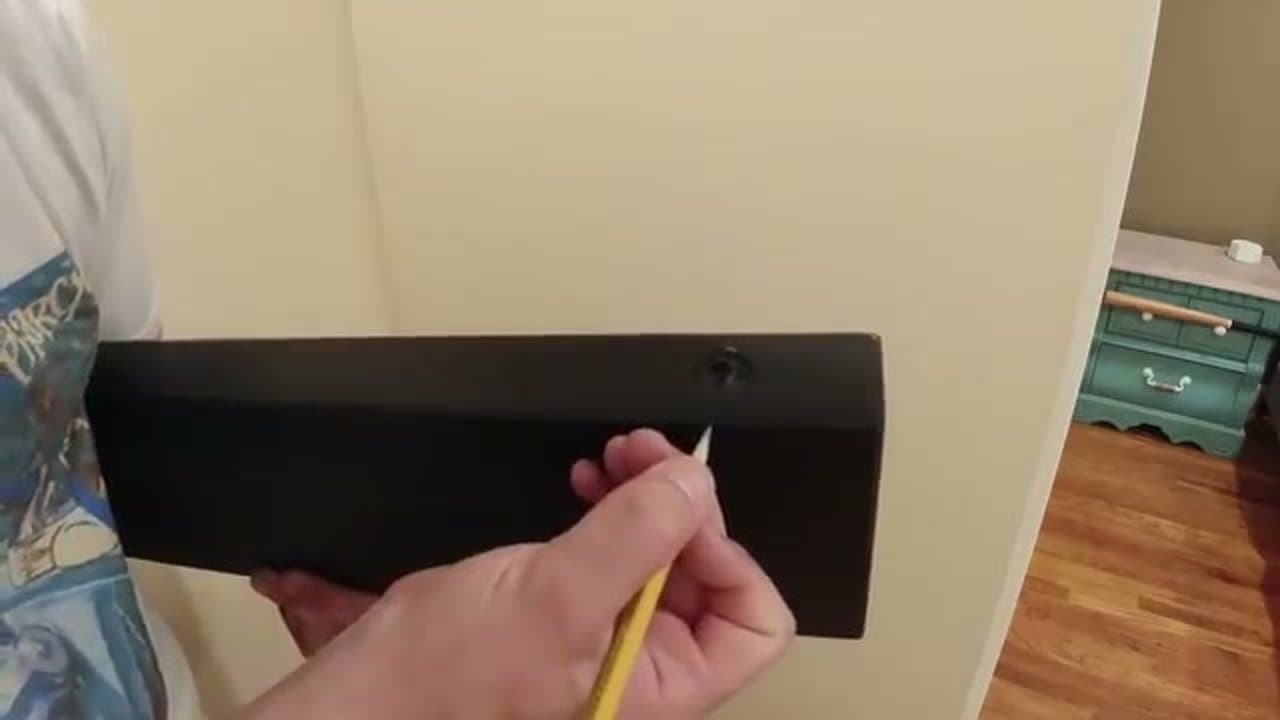
Hold the shelf up to the wall and line up the center marks. Get it at the height you want, then pencil in the anchor point locations on the wall, one on each side. That's where your screws or anchors will go.

4

Level the Marks and Create Crosshairs

3:20
Step 4: Level the Marks and Create Crosshairs

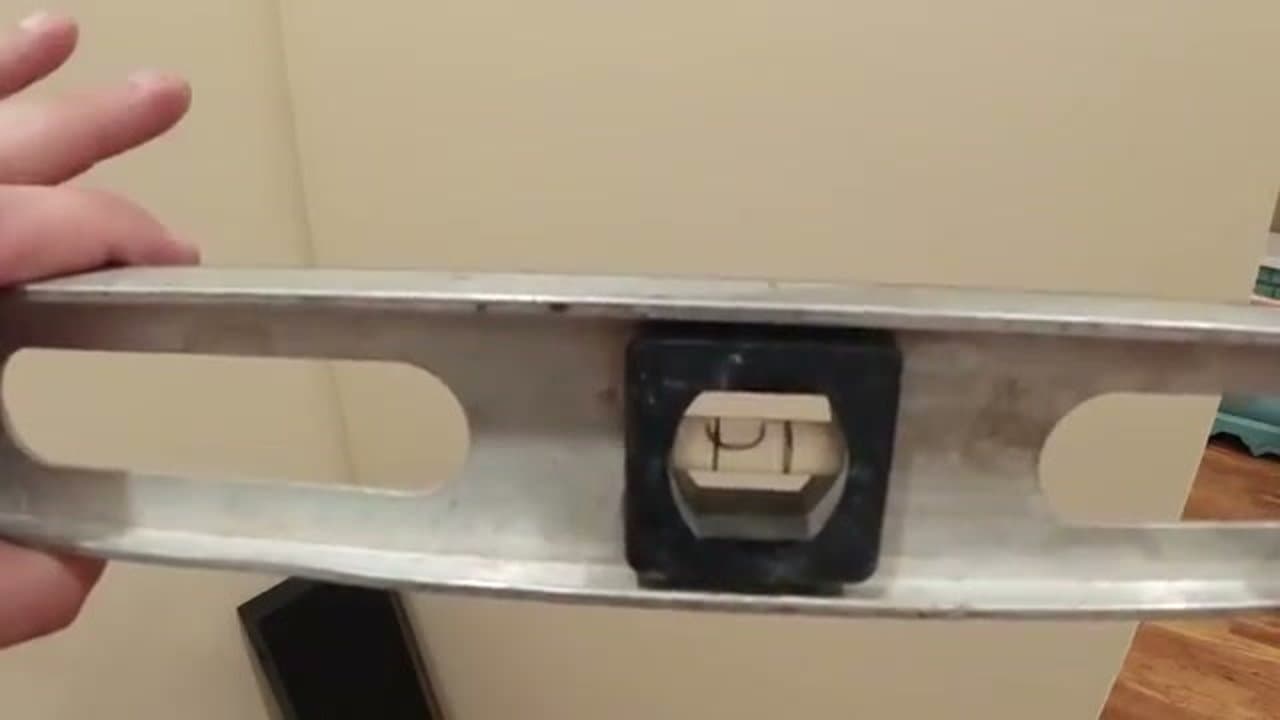
Grab a level before you drill anything. Hold it across your two anchor marks and make sure the bubble is centered between the lines. Then make crosshair marks at each anchor point - one horizontal line from the level and one vertical plumb line. This gives you a clear target for your screws.

Tip

Double-check that the distance from each anchor mark to the top of the shelf is the same on both sides before leveling.

Products used in this step

Spirit Level
5

Choose the Right Wall Anchors

5:30
Step 5: Choose the Right Wall Anchors

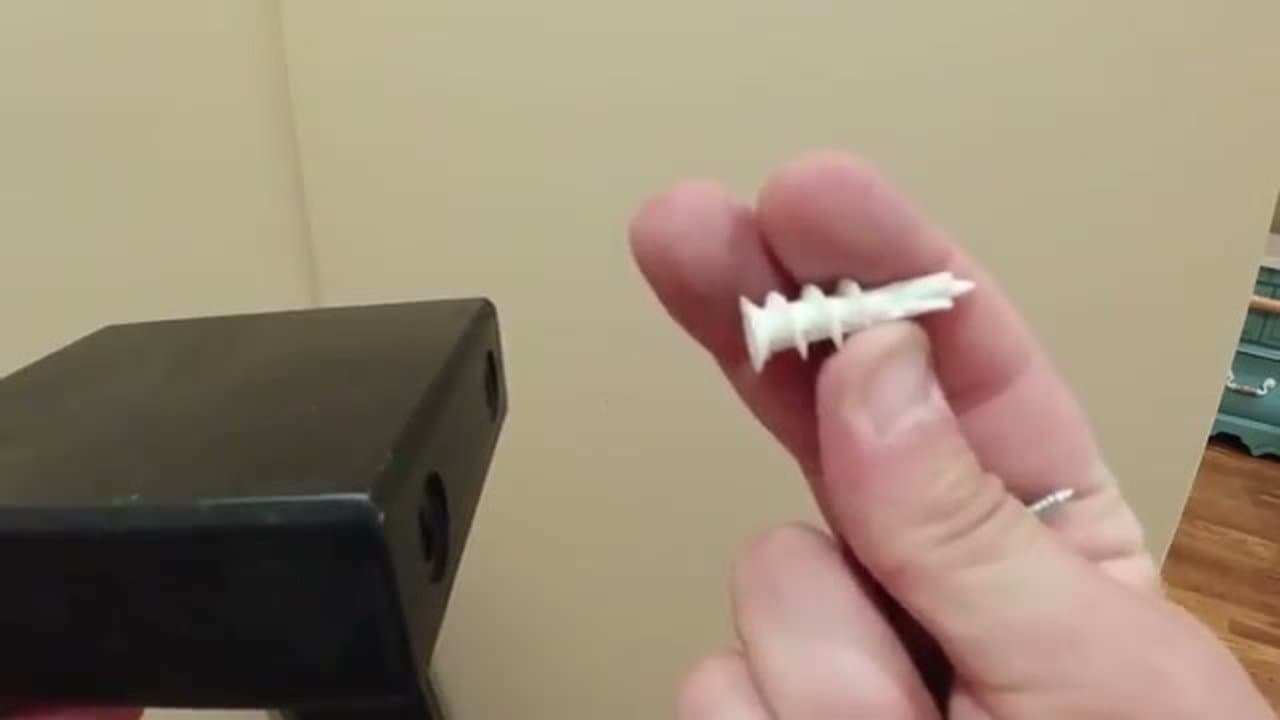
Skip the basic plastic expansion anchors. The shelf pulls down on them like a lever, and they'll eventually come loose. Screw-in drywall anchors are the way to go here. They thread right into the drywall and hold much better. Plus you don't have to pre-drill, so it's one less step.

Tip

Screw-in anchors resist the downward pull that makes other anchor types fail on floating shelves.

Products used in this step

Screw-In Drywall Anchors
6

Check for Studs Behind the Drywall

6:15
Step 6: Check for Studs Behind the Drywall

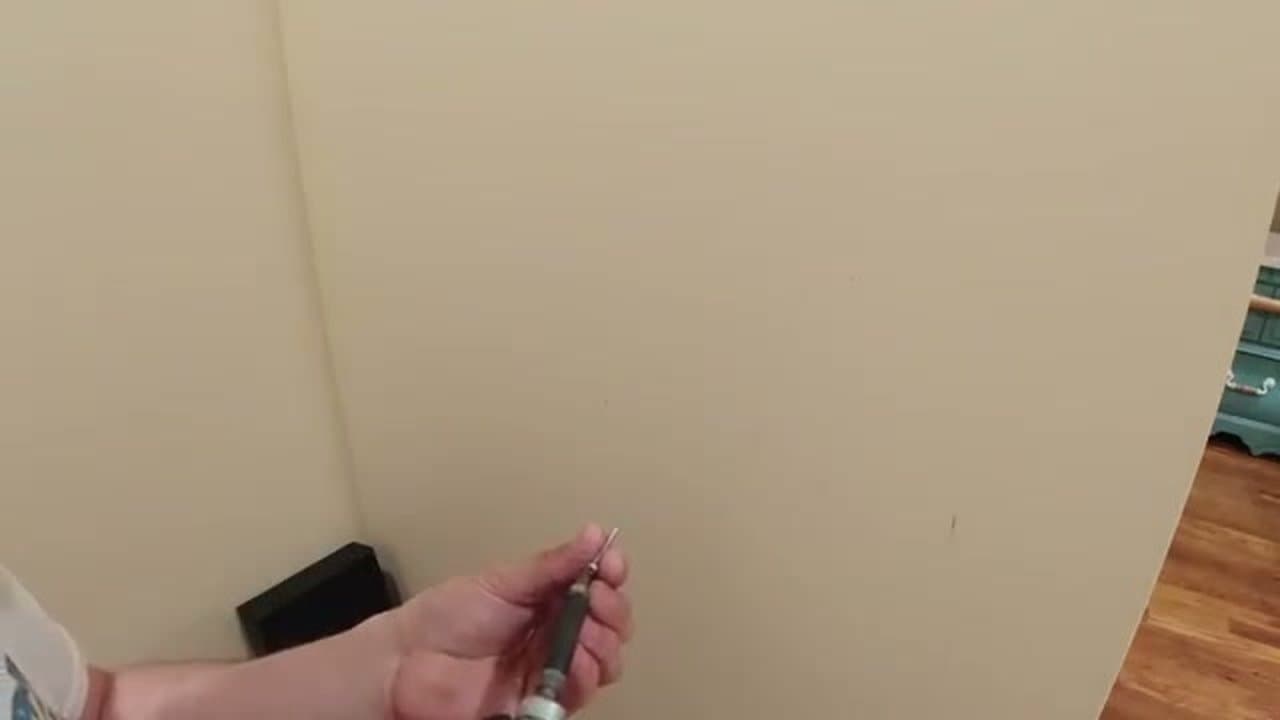
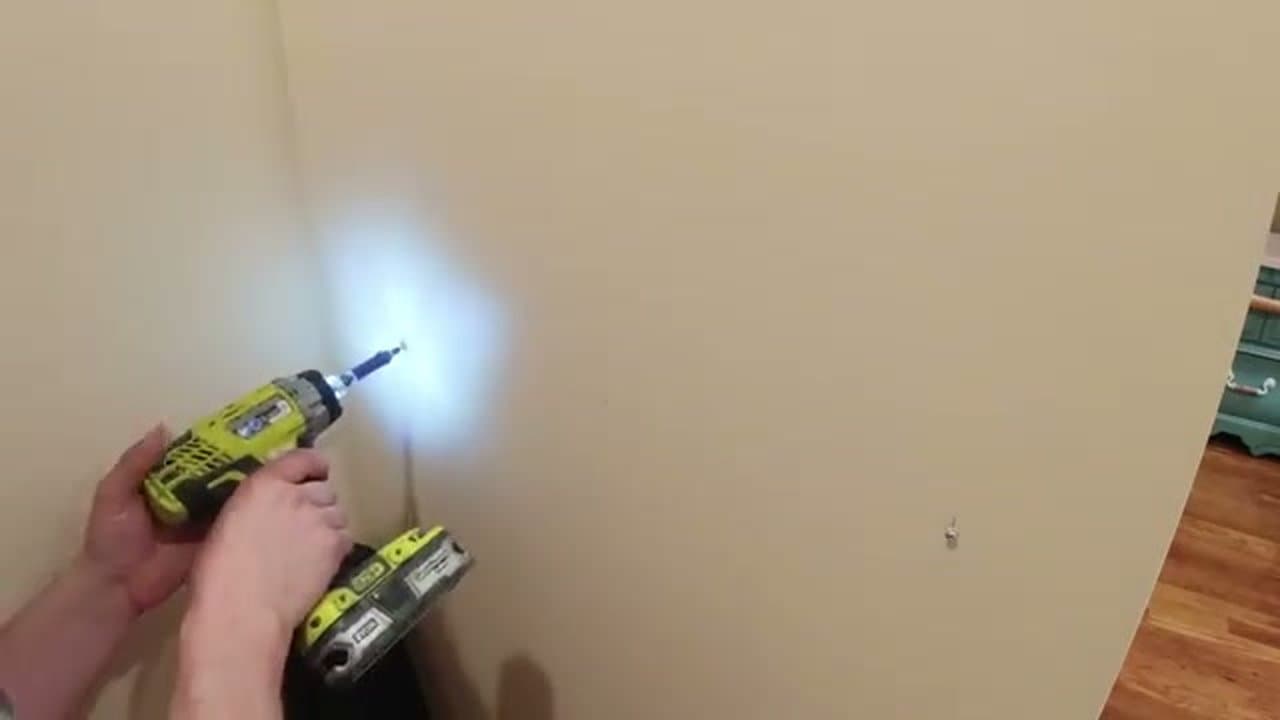
Before putting in anchors, see if there's a stud behind either crosshair mark. Just drive a screw into the center of the crosshairs. If it grabs and gets tight, you hit a stud - leave the screw in and you're good on that side. If it spins freely through the drywall, pull it out and use an anchor instead.

Tip

Don't worry about finding studs. Good drywall anchors are more than strong enough for floating shelves.

Products used in this step

Screwdriver or Drill
7

Install the Screw-In Wall Anchors

7:40
Step 7: Install the Screw-In Wall Anchors

Where you didn't hit a stud, pull out the test screw and grab a screw-in drywall anchor. The pointed tip helps you get it started - just place it in the hole and give it a tap with a hammer. Then screw it in by hand or with a drill until it sits flush with the drywall, or just slightly below the surface.

Tip

Sink the anchor just slightly into the drywall for a flush fit. This ensures the shelf bracket sits flat against the wall.

Products used in this step

Hammer
Screw-In Drywall Anchors
8

Set the Screws to the Right Depth

8:50
Step 8: Set the Screws to the Right Depth

Put screws into both anchor points. The important thing here is don't tighten them all the way down. Leave each screw sticking out about 1/8 to 1/4 inch from the wall. The bracket hooks on the shelf need to slide over and drop down onto the screws, so if they're too tight against the wall it won't work.

Tip

Start with the screws a little too far out. You can always tighten them, but loosening with the shelf on is a pain.

9

Hang the Shelf and Adjust for a Tight Fit

10:25
Step 9: Hang the Shelf and Adjust for a Tight Fit

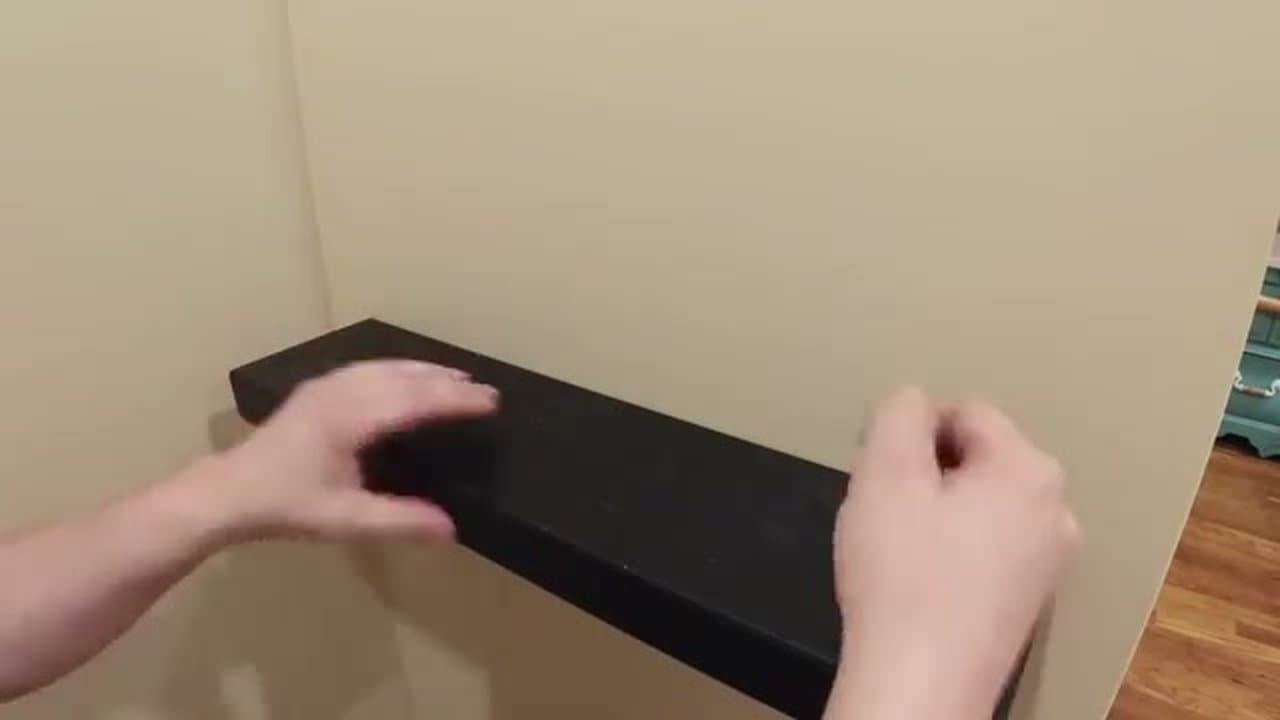
Line up the bracket hooks with the screws and push the shelf onto them. You'll feel it drop down and catch. If it's a little loose, take it off, tighten the screws a turn or two, and try again. Once it feels solid against the wall with no wobble, you're all set. Clean up any pencil marks and do the same for the rest of your shelves.

Tip

Some back-and-forth on screw depth is normal. Push the shelf toward the wall as you test the fit.

Products used in this step

Floating Shelves with Hidden Brackets

Products Used

Tape MeasureSpirit LevelScrew-In Drywall AnchorsScrewdriver or DrillHammerFloating Shelves with Hidden Brackets

Your Guide

The Fixer

Tags

How to Install Floating Shelves with Hidden Brackets