How to Flip Furniture - 7-Step Chalk Paint Guide for Beginners

Home ImprovementEasy11:407 steps

By ShowMeStepByStepPublished Updated

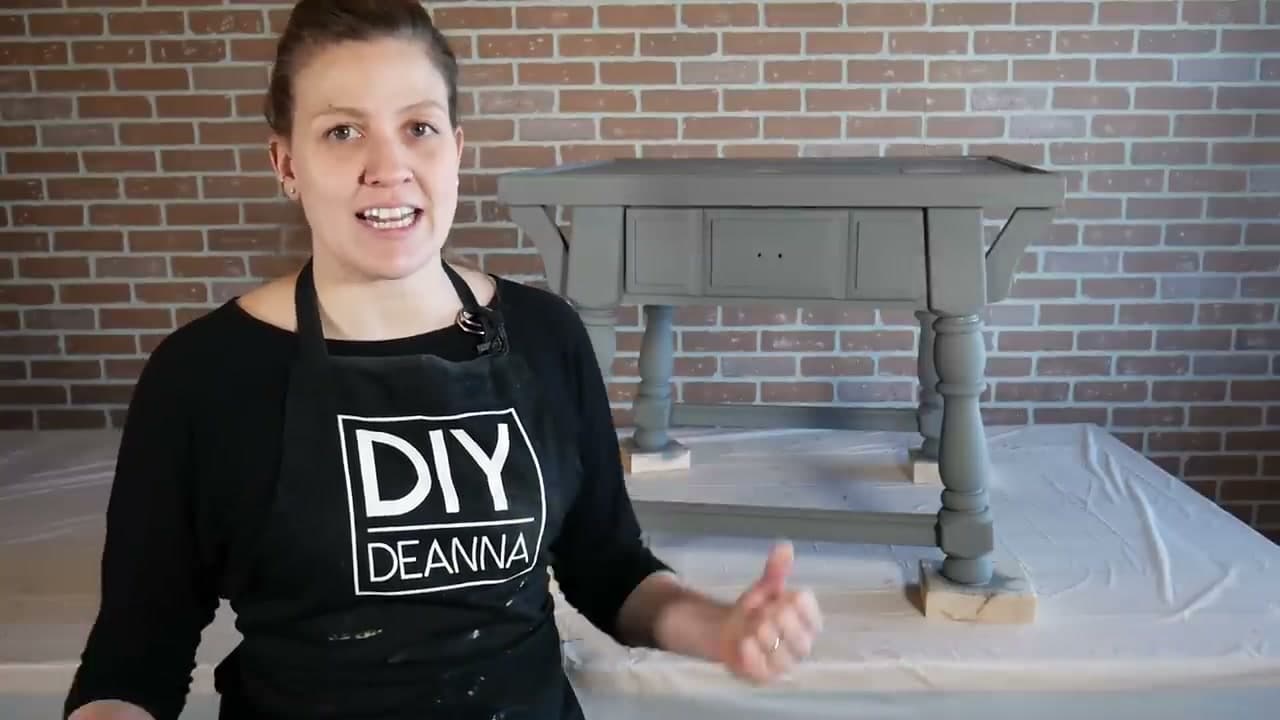
Based on a video by DIY DEANNA.

Chalk paint is the gateway drug of furniture flipping. There's no sanding, no priming, no stripping the old finish - you just wipe the piece down and start painting. Annie Sloan invented chalk paint in 1990 and it bonds to almost anything: bare wood, painted wood, metal, even laminate. The matte finish has a vintage, slightly dusty look that suits cottagecore, farmhouse, and traditional decor styles.

The full flip is two products: chalk paint and chalk paint wax. The paint goes on in two coats and gives you color. The wax seals the paint to make it durable. Without the wax, chalk paint is too porous to handle daily use - it picks up dirt, scratches, and water marks. With the wax topcoat, your piece can handle a coffee mug, a fingerprint, or a sticky kid hand for years.

The whole project on a small piece like a side table or nightstand takes one afternoon, with most of that time waiting between coats and waiting for the paint to dry before waxing. Once you do this once, you'll find yourself flipping every dresser and chair in your house.

Step-by-Step Guide

1

Step 1: Clean the Piece (Skip Sanding and Priming)

0:35
Step 1: Step 1: Clean the Piece (Skip Sanding and Priming)

Chalk paint bonds to bare wood, painted wood, laminate, and metal without sanding or priming first. But it bonds to dirt and grime too - so the only prep step is a thorough clean. Wipe every surface of the piece with warm soapy water, or use TSP (trisodium phosphate) cleaner for greasier surfaces like a kitchen cabinet or a piece that's lived in a smoky room.

Pay attention to corners, crevices, and the underside of the top. Let everything dry completely before you open the paint - even a thin film of moisture or residue will keep the paint from adhering properly.

Tip

Don't skip the cleaning step thinking the paint will cover it. Dust, kitchen grease, and silicone furniture polish all prevent chalk paint from gripping properly, and you'll see it lift off in patches once it dries.
2

Step 2: Apply the First Coat with Big, Loose Brush Strokes

1:30
Step 2: Step 2: Apply the First Coat with Big, Loose Brush Strokes

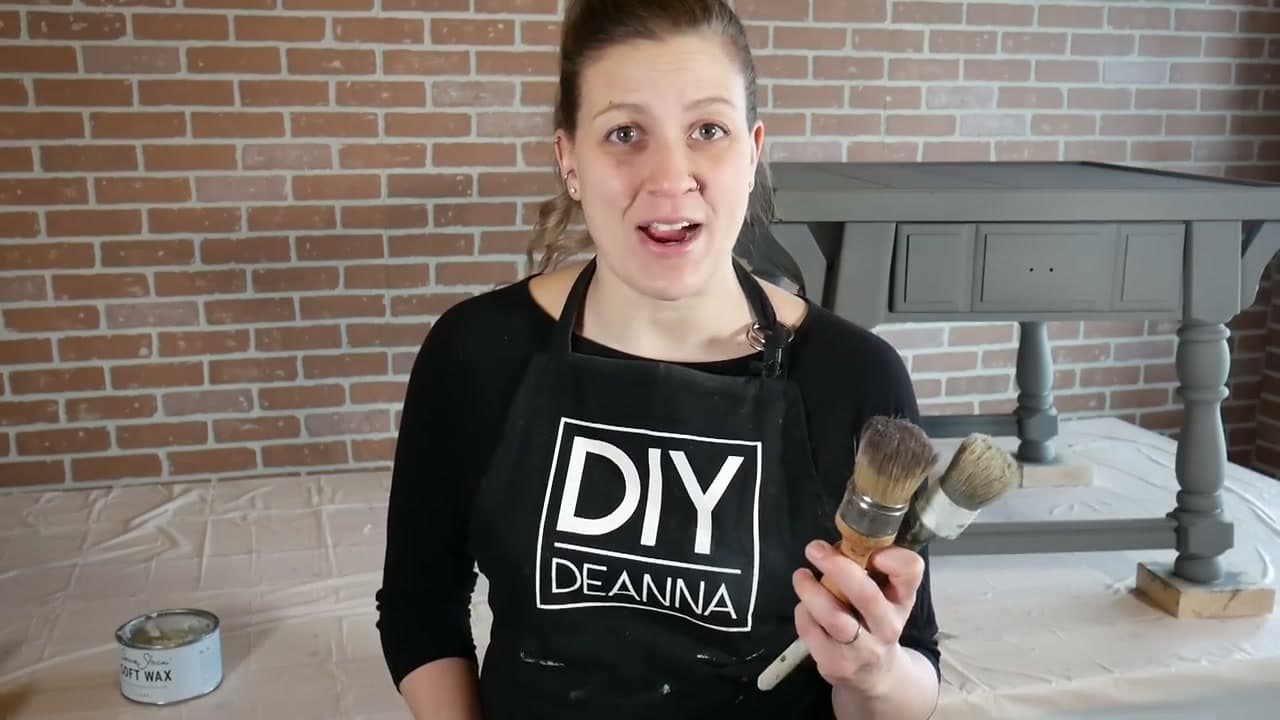
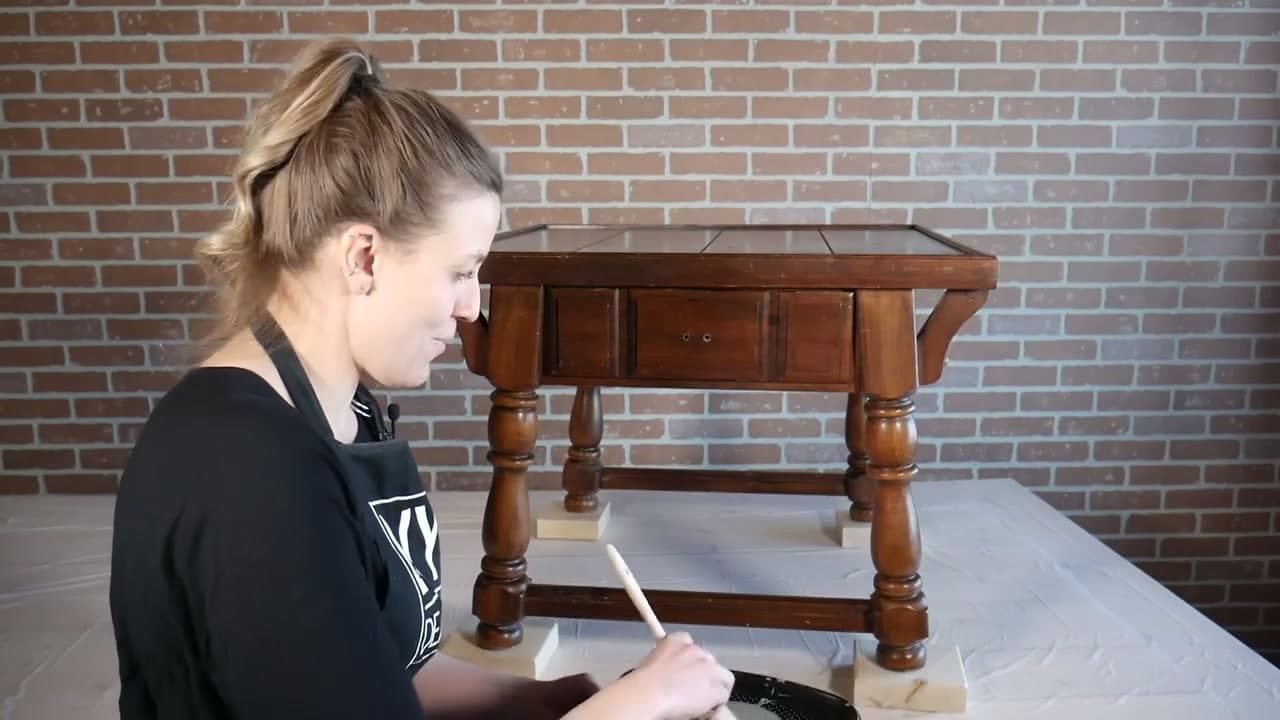
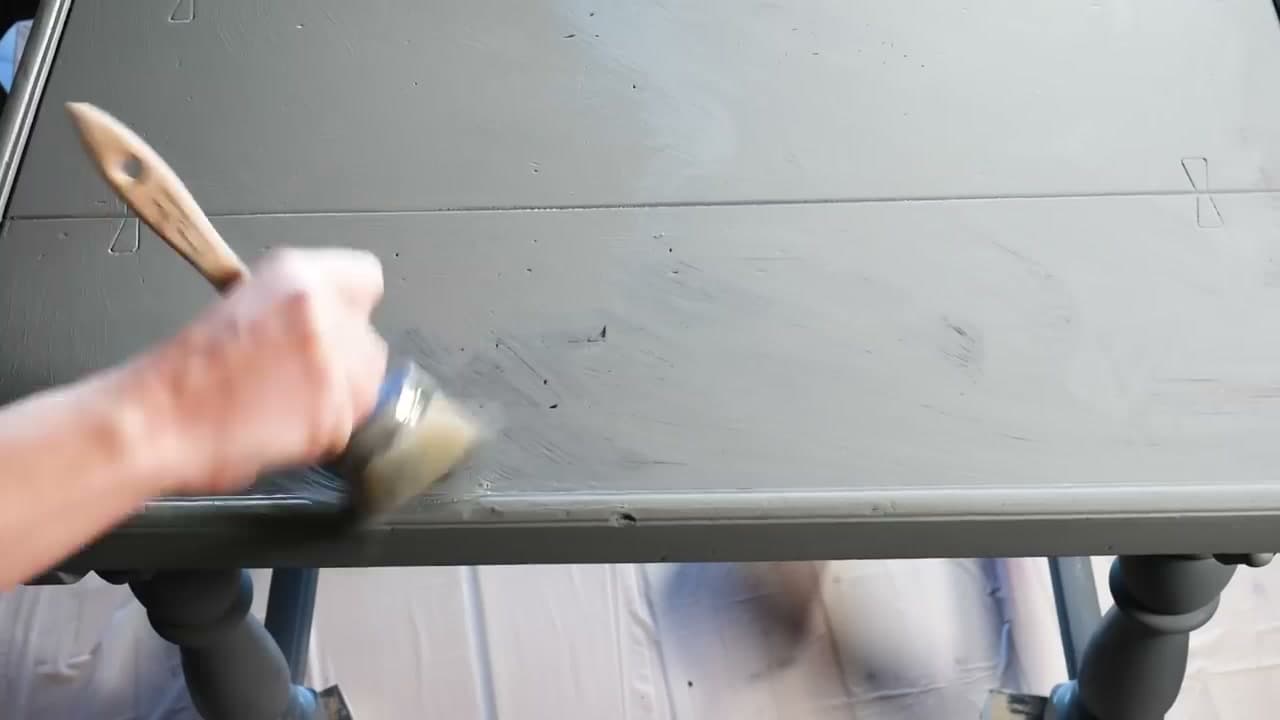
Pour a small amount of chalk paint into a separate dish or paint tray. Don't dip your brush into the tin - it contaminates the paint with bits of dust and bristles, and the tin won't seal as well for next time. Use an oval natural bristle brush (the Annie Sloan oval brush is the gold standard, but any oval or round brush works).

Load the brush and apply with broad strokes going in every direction. Don't overthink it - chalk paint is intended to be a handcrafted process, and you actually want the brush marks to show because that texture gives the final piece character. Use a smaller flat brush for corners, mouldings, and tight spaces.

Tip

If you see drips or runs while the paint is still wet, brush them out immediately - it's much easier than sanding them down after they dry.

3

Step 3: Apply the Second Coat after 30 Minutes

3:40
Step 3: Step 3: Apply the Second Coat after 30 Minutes

The first coat is dry to the touch in about 30 minutes. Test by touching an inconspicuous spot - if your finger comes away clean and the paint doesn't feel cold, you're ready for coat two. Pour out a little more paint and apply the second coat the same way you applied the first.

The second coat fills in the spots where the original wood color showed through and gives you a solid, even finish. Most chalk paint projects need exactly two coats - more than that and you start to lose the chalky matte character that's the whole point of using the product.

Tip

If you're working over a very dark wood, you might need a third coat to fully cover. Wait 30 minutes between each one and you'll know after coat two whether one more is needed.

4

Step 4: Let the Paint Dry Fully Before Waxing

4:25
Step 4: Step 4: Let the Paint Dry Fully Before Waxing

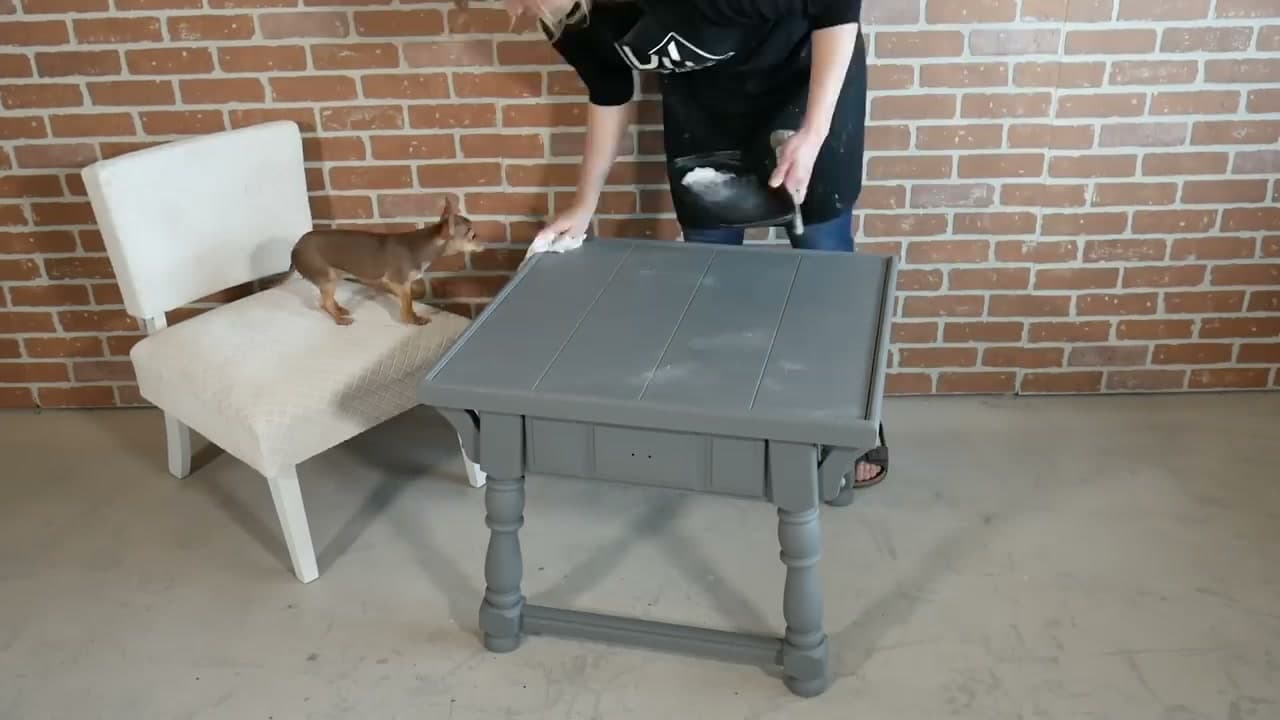
The second coat will be dry to the touch in 30 minutes but you need to wait a few hours before applying the wax. Wax application involves a lot of rubbing on the surface - if the paint isn't dry all the way through, that rubbing will wear through the paint and expose the wood underneath.

If you want a deliberately distressed look, you can actually skip this drying time and let the wax wear through in spots. But for a clean solid finish, give it 2-4 hours minimum. While you wait, clean your paint brush with hot water and dish soap - chalk paint comes out of brushes easily as long as you wash before it dries.

Tip

Don't try to speed this up with a hair dryer or heater. The paint cures by moisture leaving the film slowly - heat can crack or wrinkle the surface, and you'd lose the smooth matte finish.

5

Step 5: Apply the Chalk Paint Wax with a Wax Brush

5:20
Step 5: Step 5: Apply the Chalk Paint Wax with a Wax Brush

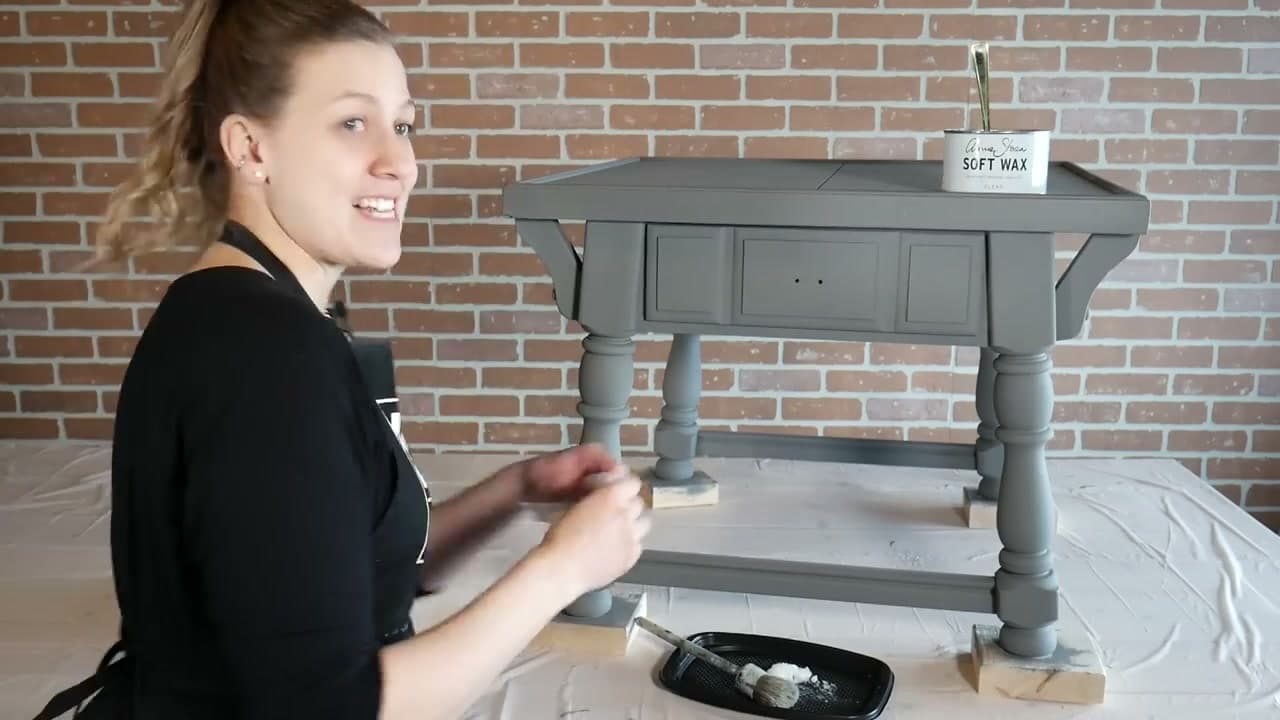
Pour or scoop a small amount of chalk paint wax into a dish or directly onto a wax brush. The wax goes on milky white but rubs in clear (or with a slight color shift toward warmer or cooler depending on the wax type). Work one section at a time - one drawer face, one tabletop, one leg - so the wax doesn't start to set before you can wipe it.

Use a round or oval wax brush rather than a flat brush - the rounder bristles push the wax into the brush strokes and details of the paint. Keep your wax brush separate from your paint brushes so you don't contaminate either with the wrong product.

Tip

If you don't have a dedicated wax brush, repurpose any round or oval paint brush. Flat brushes work but they're harder to get into details and the wax tends to pool.

6

Step 6: Wipe Away Excess Wax with a Lint-Free Cloth

6:00
Step 6: Step 6: Wipe Away Excess Wax with a Lint-Free Cloth

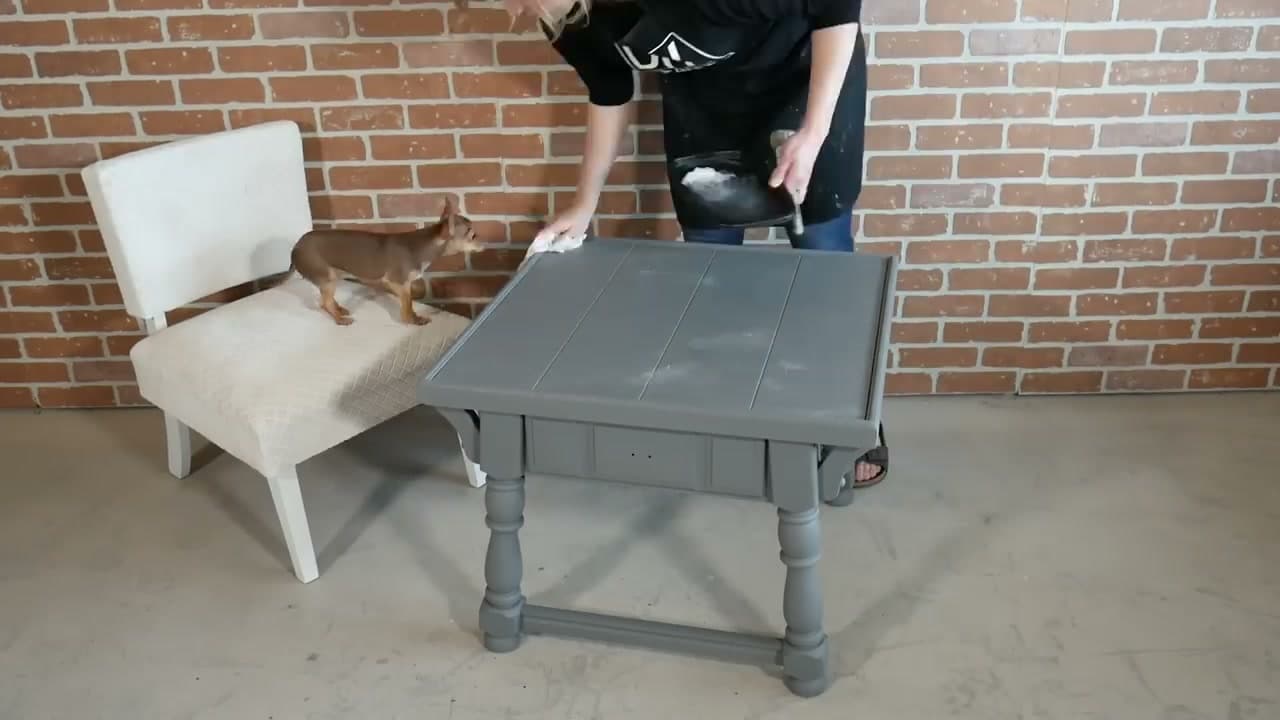
The moment a section is coated with wax, set the brush down and grab a clean lint-free cloth to wipe away the excess. Don't let the wax sit too long before wiping - once it starts to set, wiping just smears it around instead of removing it.

Move to the next section and repeat: brush on, wipe off, brush on, wipe off. As your cloth picks up wax it becomes less effective - swap to a fresh cloth when the first one starts smearing rather than wiping clean.

Tip

Cotton t-shirts cut into squares make excellent lint-free wax cloths and cost nothing. Microfiber works too but old cotton t-shirts are the standard in the chalk paint community.

7

Step 7: Second Wax Pass on High-Use Surfaces

10:00
Step 7: Step 7: Second Wax Pass on High-Use Surfaces

On surfaces that will see heavy use - a tabletop, the seat of a chair, the top of a dresser - do a second pass with the wax to catch any spots you missed the first time. Look for areas that appear lighter, duller, or more matte than the rest of the piece. Those are the unwaxed spots.

The wax is dry to the touch right away but takes 2-4 weeks to fully cure to its hardest strength. During the curing window, just dust with a dry rag and wipe up any spills immediately. After curing, the piece is durable enough for daily use. To touch up dings or scratches later, just spot-rewax that area - chalk paint wax bonds to itself indefinitely.

Tip

To change the color of a chalk-painted piece later, just paint right over it with new chalk paint. Annie Sloan chalk paint sticks to Annie Sloan chalk paint wax without sanding, so you can flip the flip whenever you change your color scheme.

Products Used

☐ The Checklist

How to Flip Furniture - 7-Step Chalk Paint Guide for Beginners

Tools
6
Materials
5
Steps
7
Video
12 min

Your Guide

DIY DEANNA

As an Amazon Associate we earn from qualifying purchases. Links on this page may be affiliate links - clicking them and buying doesn't change your price, but helps support ShowMeStepByStep.

Tags

Related Tutorials