How to Harvest Cilantro (Without It Bolting)

GardeningEasy7:226 steps5-question quiz at endBrowse more →
Also in:Adulting

By ShowMeStepByStepPublished Updated

Based on a video by Now Gardening.

Step 3 of 5 inHerb Garden Basics

If your cilantro shoots up a tall stalk, flowers, and stops giving you leaves within a few weeks, you are not doing anything wrong - that is just what cilantro does in the heat. The question is whether the way you harvest it can buy you more time. Valerie from Now Gardening tested five different methods over three weeks in Southern France, with days hitting 90F, to find out.

She compared cutting the whole plant at the base, trimming only the outer stems, and pruning the tops down to the branch point. Then she ran a second round on the plants that had already started to bolt. The outer-stem method came out ahead - it delayed bolting by about a week and kept the most usable new growth coming.

This walkthrough gives you her takeaway without the three-week wait. If you like growing your own herbs, the same cut-where-it-counts idea shows up in how to harvest basil too.

Step-by-Step Guide

1

Step 1: Trim the Outer Stems First

2:12
Step 1: Step 1: Trim the Outer Stems First

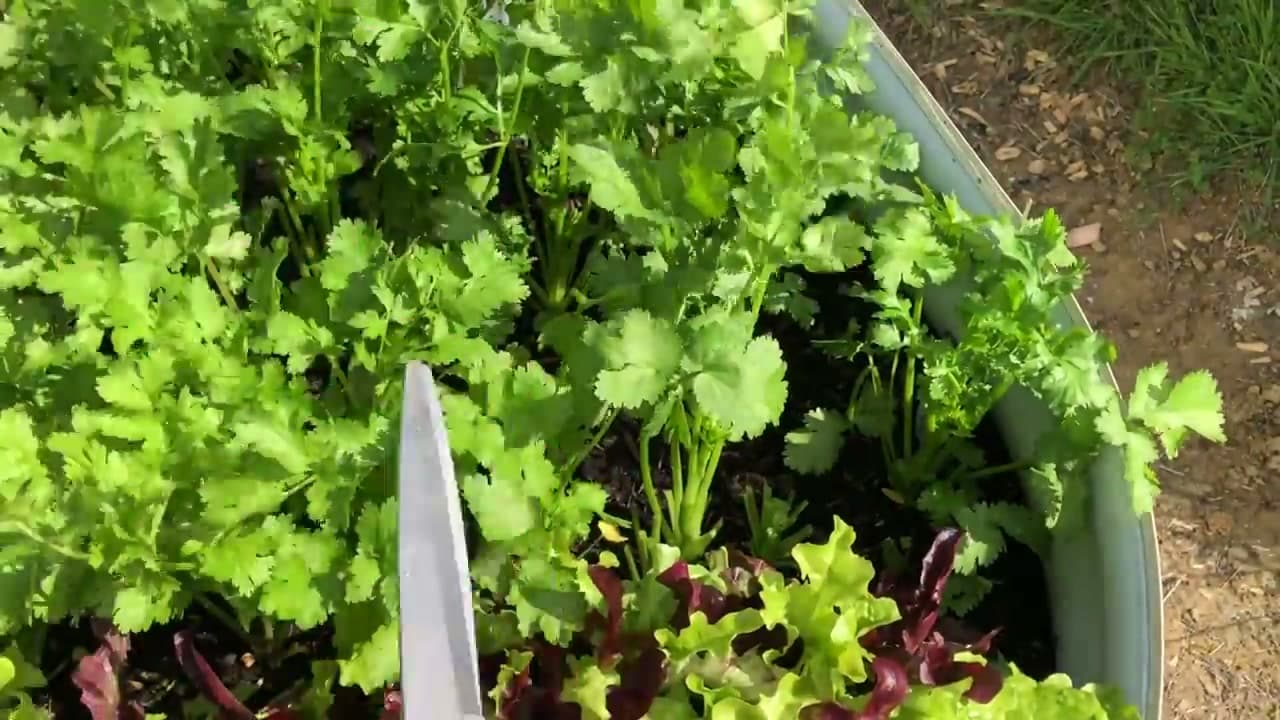
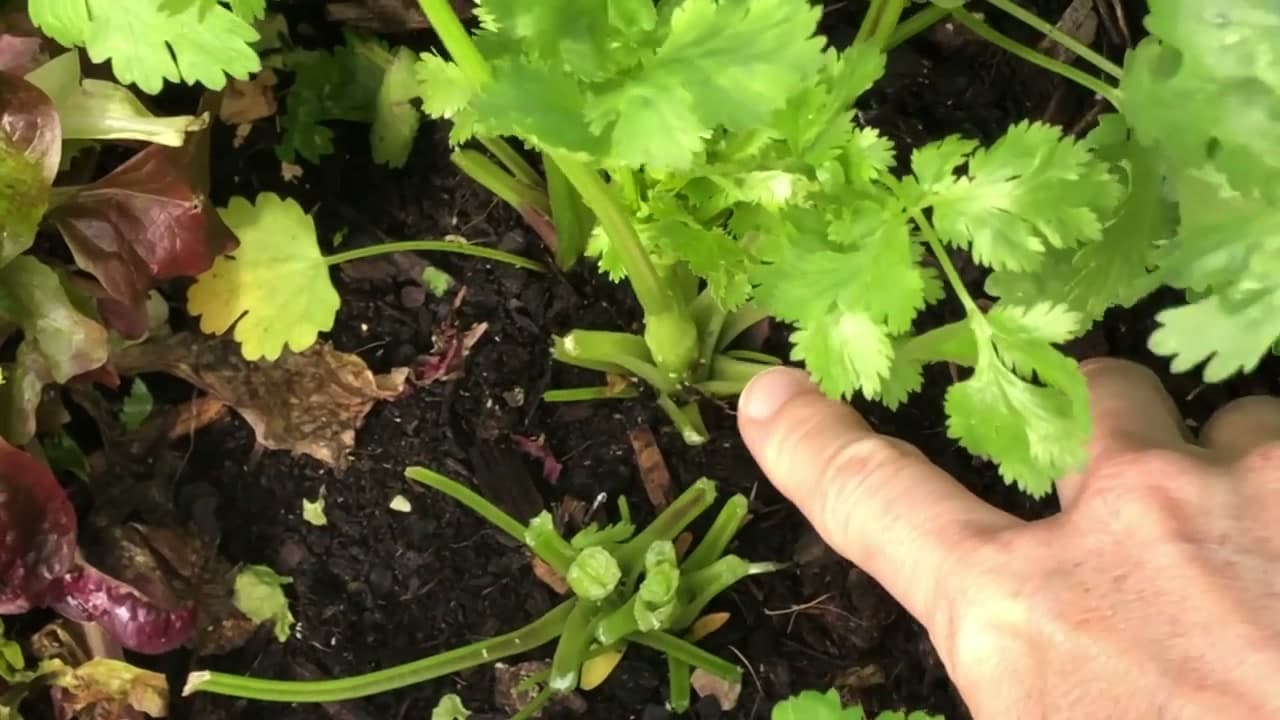
This was the winning method in the test, so start here. Work around the outside edge of the plant and snip the older, outer stems near their base. Leave the tender center alone. Those young leaves in the middle are what keep your plant productive, and clearing the outside lets light and air reach them.

You are harvesting a real bunch and pruning the plant at the same time. Take what you need from the perimeter and the middle keeps pushing out fresh growth for next time.

Tip

Watch this step - in the test, the outer-stem method delayed bolting by about a week compared to cutting the tops off.
2

Step 2: Or Cut the Whole Plant at the Base

2:30
Step 2: Step 2: Or Cut the Whole Plant at the Base

The cut-and-come-again method is the one you see recommended most online: gather the stems in one hand and cut the entire plant down low, close to the soil. The idea is that it regrows from the crown.

It does come back, but in the test it came back thin and patchy, especially once the weather warmed up. If you try this, do it early in the season while temperatures are still cool. In heat, expect weaker regrowth than the outer-stem approach gives you.

Tip

Watch this step - cut just above the crown so you do not damage the growing point the plant regrows from.

Products used in this step

3

Step 3: Or Prune the Tops to the Branch Point

2:58
Step 3: Step 3: Or Prune the Tops to the Branch Point

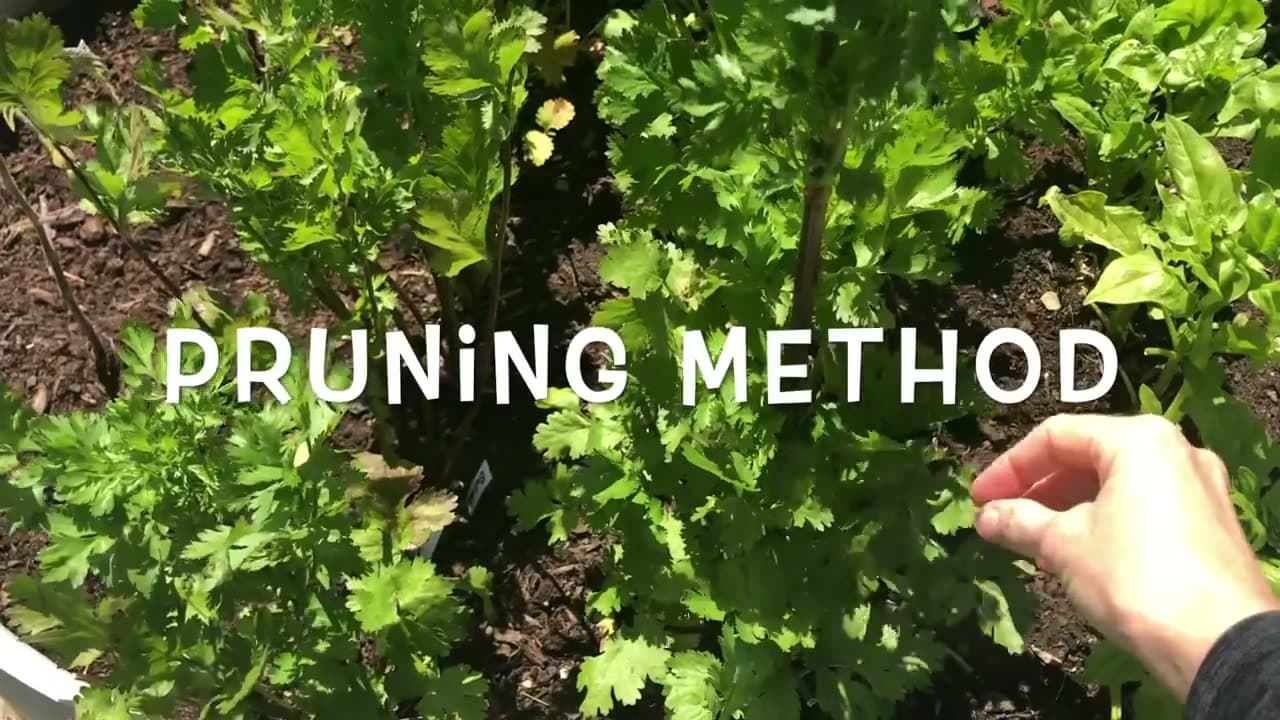
The third option works like pruning a rose bush. Cut the top of each stem down to the spot where it splits into branches. The plant keeps producing from those branch points, and you take a little off the top each time.

The catch showed up fast in the test: covering the tender center means it gets less light, and the plant tends to push up a thick central stalk anyway. Plants pruned this way were the first to bolt. It works in a pinch, but it was the least effective of the three.

Tip

Watch this step - if you prune this way, check the center often for a thickening stalk, which is the first sign of bolting.

Products used in this step

4

Step 4: Let It Regrow and Watch the Center

2:43
Step 4: Step 4: Let It Regrow and Watch the Center

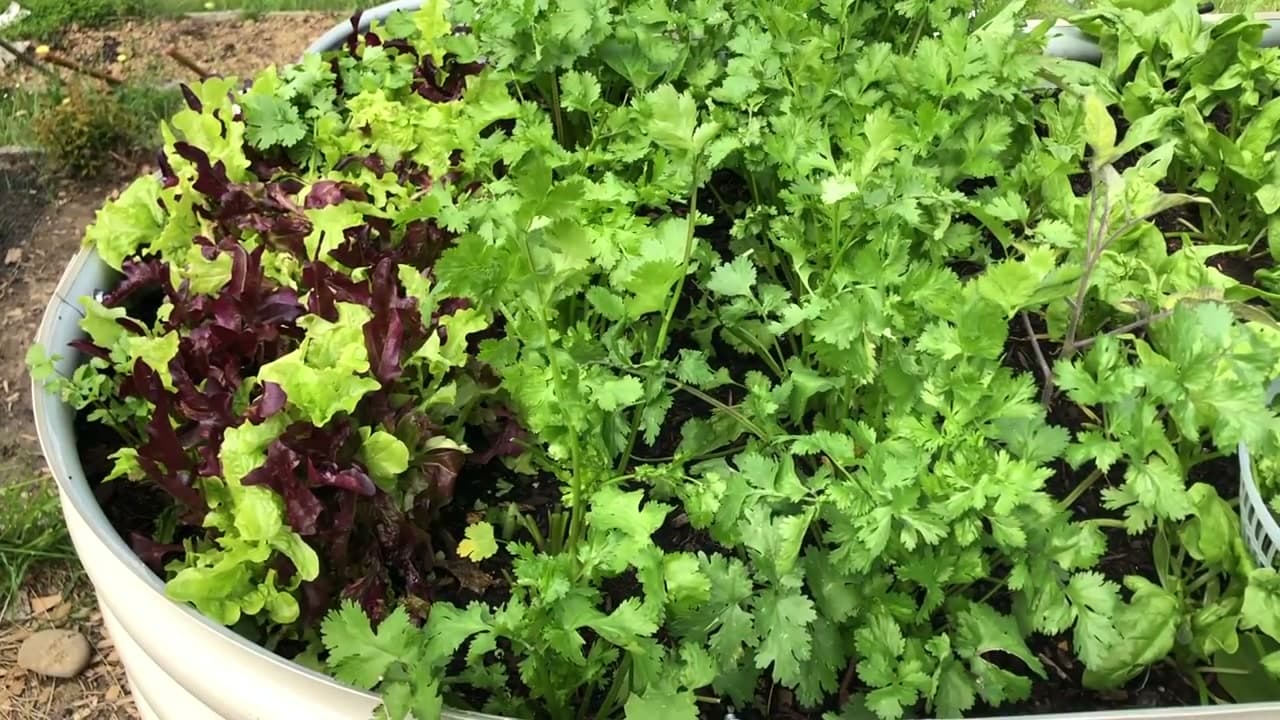
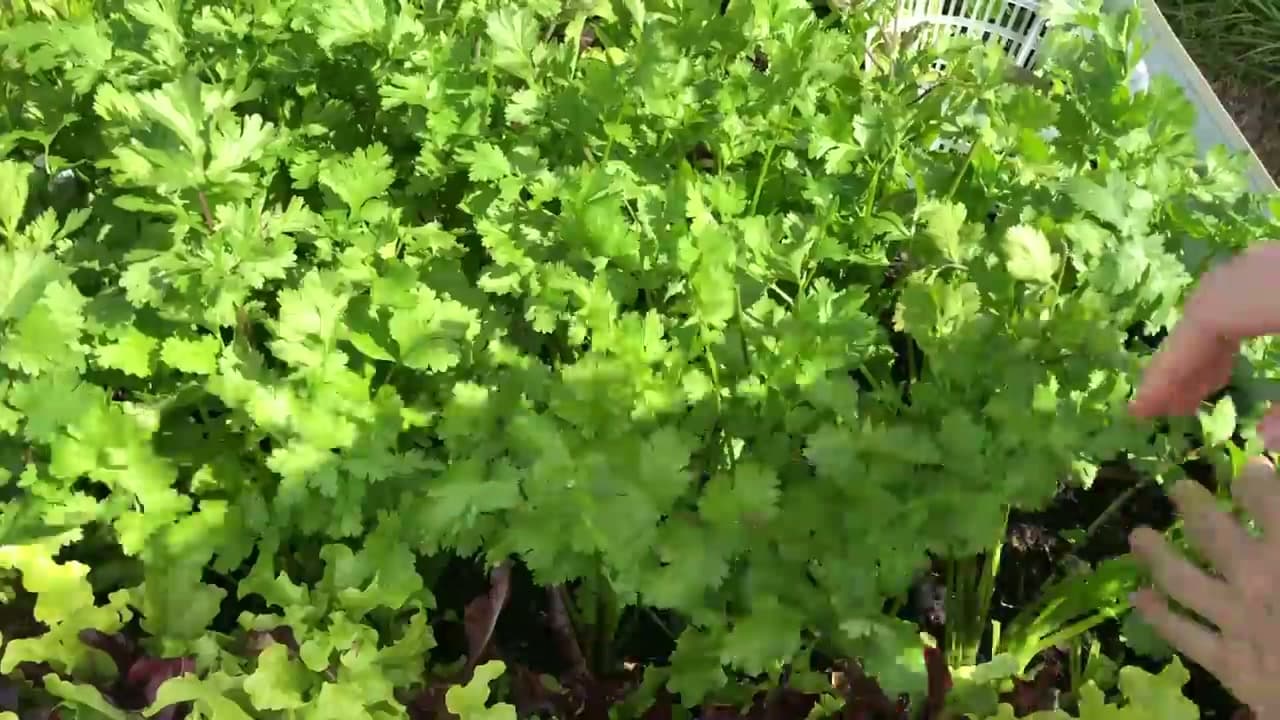
After harvesting, give the plant a week or two and keep an eye on it. A healthy bed will fill back in with fresh, low leaves like the tub here. What you are watching for is the center: if a single stem starts getting thick and tall and the new leaves up top look feathery and fern-like, that plant is heading toward bolting.

Cool weather is your friend. Cilantro grows best in spring and fall, so a March planting buys you a long, generous harvest before summer heat forces it to flower.

Tip

Watch this step - feathery, lacy top leaves are different from the round lower leaves and signal the plant is about to send up a flower stalk.

Products used in this step

5

Step 5: Cut the Central Stalk Down When It Bolts

3:05
Step 5: Step 5: Cut the Central Stalk Down When It Bolts

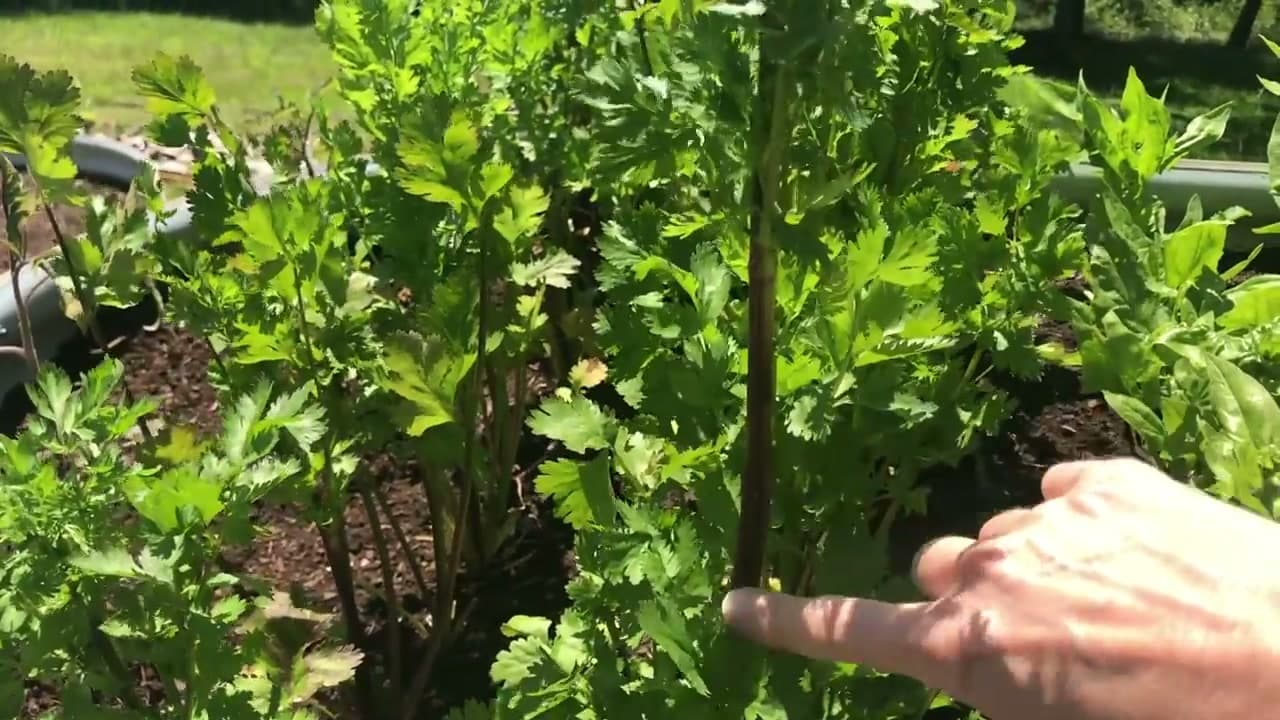
Sooner or later the heat wins and a plant bolts. When you spot that thick central stalk shooting up with a seed head forming, do not give up on the plant. Cut that stalk all the way down to the lowest branch, removing the whole flowering shoot.

In the test, plants that had their bolting stalk cut back kept producing usable leaves and bought roughly another week of harvest. The plants left to flower were done - pretty for the bees, but no more cilantro for you.

Tip

Watch this step - if you leave a few flower heads to dry on the plant, those become coriander seeds you can save and replant.

6

Step 6: Keep Harvesting the Outer Stems

1:58
Step 6: Step 6: Keep Harvesting the Outer Stems

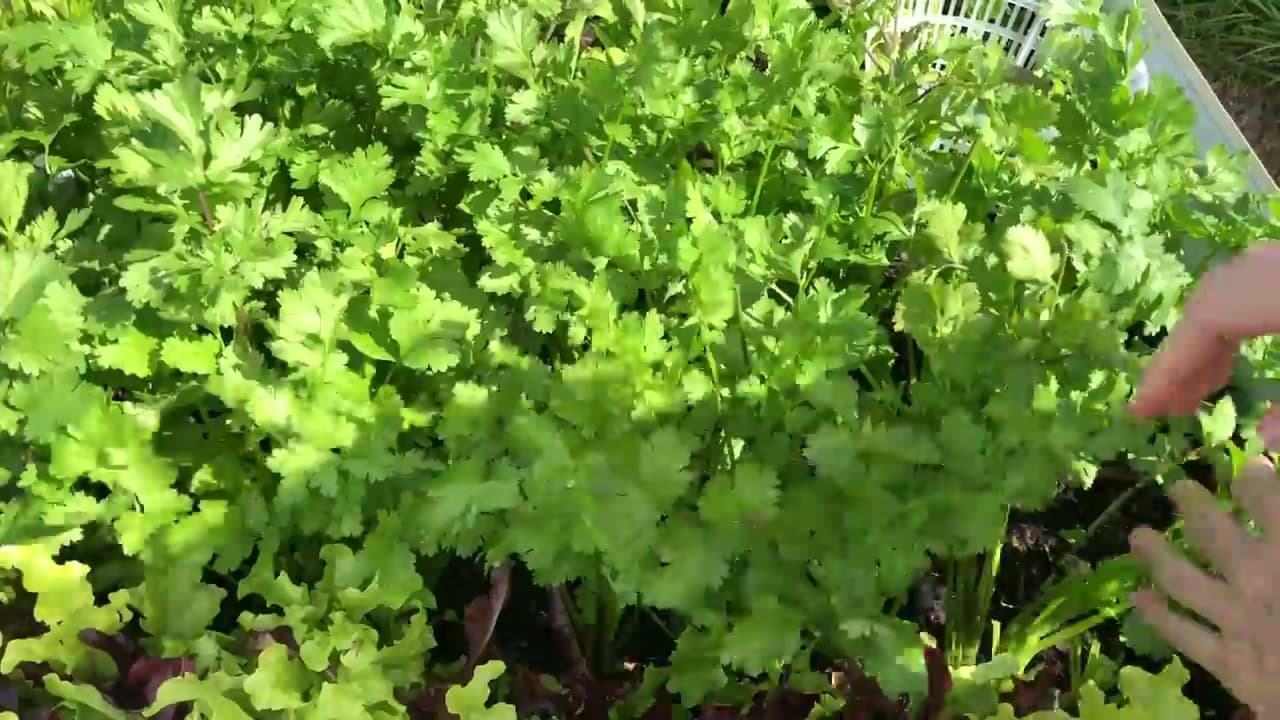
The takeaway from three weeks of testing: trim the outer stems, protect the center, and cut the central stalk down the moment a plant tries to flower. That combination gave the longest run of fresh, usable cilantro.

Remember that cilantro is a cool-weather plant at heart. Plant it in early spring or fall, keep it watered, and harvest from the outside in. Do that and you will pull bunch after bunch like this one before the season ends.

Tip

Watch this step - a quick harvest every few days keeps the plant in leaf-making mode instead of racing to set seed.

Products Used

☐ The Checklist

How to Harvest Cilantro (Without It Bolting)

Tools
1
Materials
1
Steps
6
Video
7 min

Your Guide

Now Gardening

As an Amazon Associate we earn from qualifying purchases. Links on this page may be affiliate links - clicking them and buying doesn't change your price, but helps support ShowMeStepByStep.

Tags

Test your knowledge

Did the lesson stick? Find out in 2 minutes.

5 quick questions covering what you just read. No signup, no score saved — just a gut check.

Quick reference

Key takeaways from How to Harvest Cilantro (Without It Bolting)

5 questions, answers, and one-line explanations. Tap to expand.

  1. 1.What makes cilantro hard to keep harvesting?

    Answer: It bolts quickly in warm weather

    Cilantro rushes to flower (bolts) as soon as it warms up, which ends the leafy harvest.

  2. 2.For a cut-and-come-again harvest, which stems do you take?

    Answer: The outer stems first

    Taking outer stems first leaves the center growing point intact so the plant keeps producing.

  3. 3.When you prune the tops, where should you cut?

    Answer: Down to a branch point

    Cutting back to where the stem branches tells the plant to push out fresh side shoots.

  4. 4.You spot a tall central stalk rising from the middle. What is it?

    Answer: The plant starting to bolt

    That fast central stalk is the bolt, and cutting it down buys you a little more leaf harvest.

  5. 5.After harvesting, how do you get the most regrowth?

    Answer: Leave some outer stems and let the center recover

    Always leaving some growth and the central point lets cilantro bounce back for another round.

Did this work for you?

What's next

Related collections

Curated theme pages that include this tutorial.

Weekly Digest

Liked this gardening tutorial?

Pick the categories you want to hear about. Weekly digest of new step-by-step tutorials. No spam, easy unsubscribe.

Send me tutorials about

We only email about new tutorials. Easy unsubscribe anytime.