How to Grow Herbs Indoors

Also in:Adulting

By ShowMeStepByStepPublished Updated

Based on a video by The Ripe Tomato Farms.

There is nothing quite like snipping fresh herbs right off a plant in your own kitchen. The flavor is incomparable, and once you get a small indoor setup going, you will wonder why you ever bought those sad little bubble packs from the store.

This guide covers everything you need to start a thriving indoor herb garden from scratch - or build on one you already have. The video tutorial above walks through each step in detail with a live growing setup you can use as a model.

Step-by-Step Guide

1

Step 1: Choose the Right Potting Mix

2:23
Step 1: Step 1: Choose the Right Potting Mix

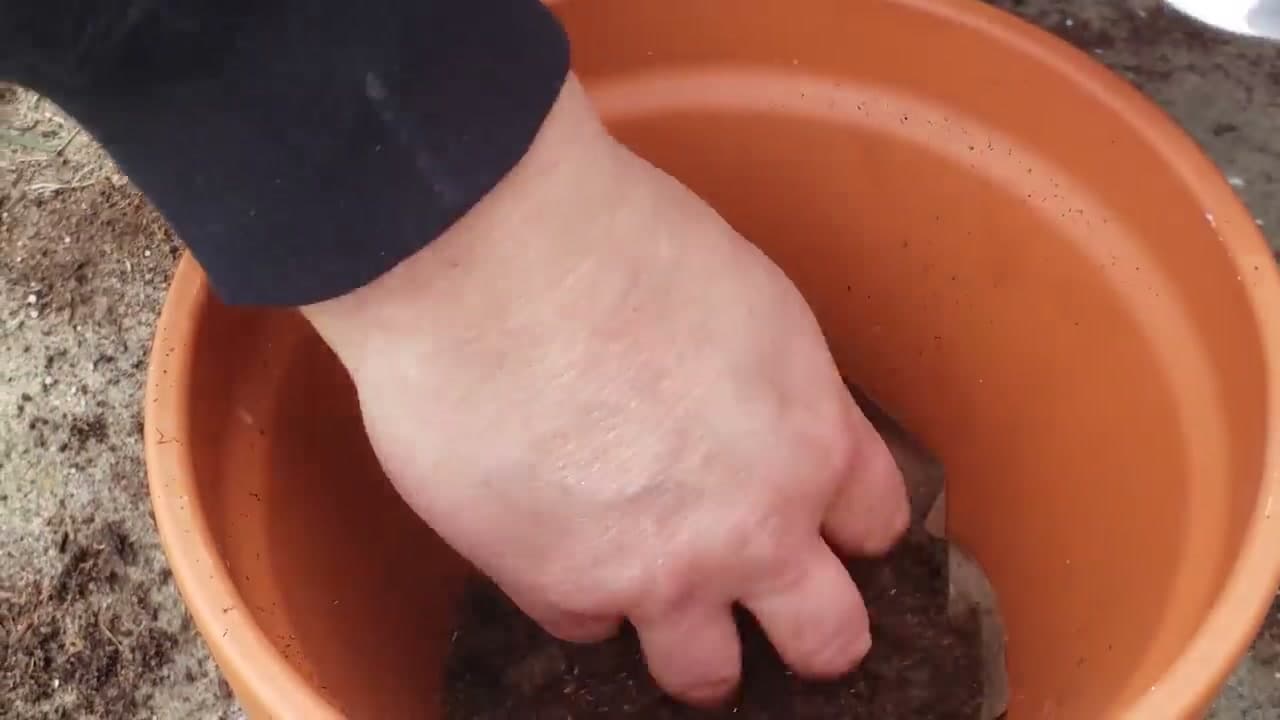
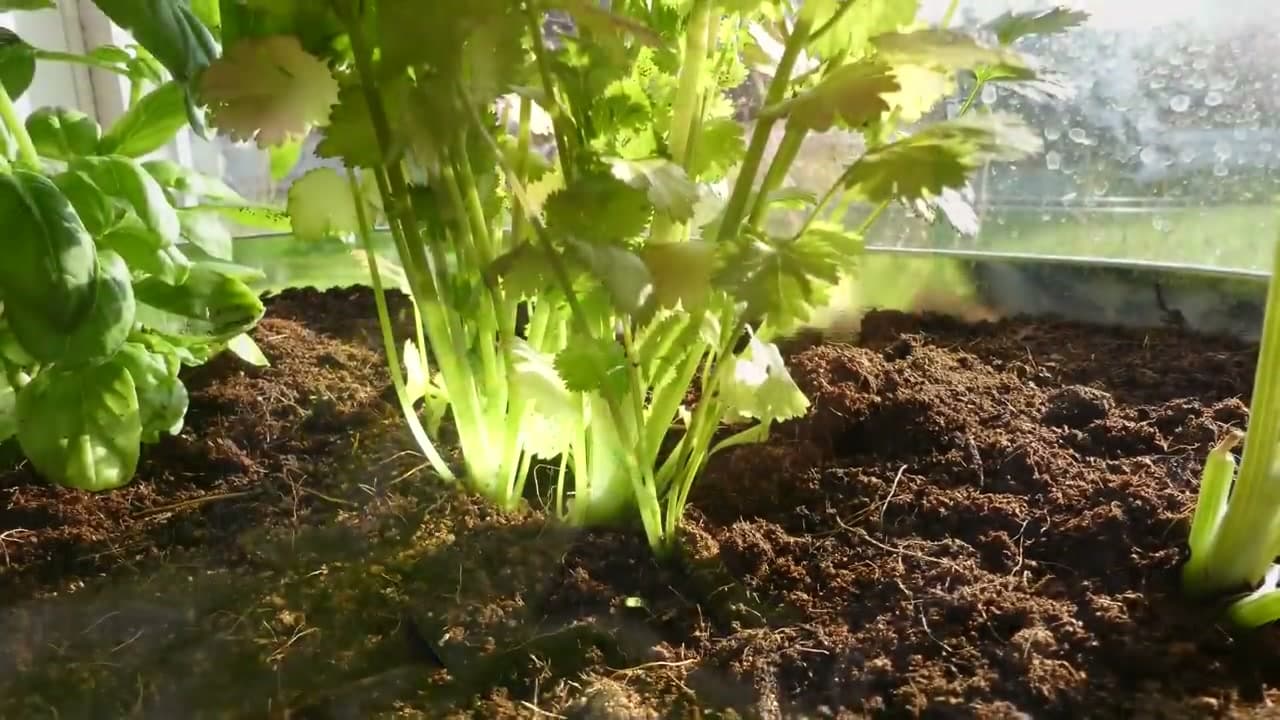
Grab a quality potting mix designed for indoor container gardening - not garden soil or compost from outside. You want something loose and airy that drains well but still holds some moisture. Bringing outdoor soil inside is a bad idea because it can carry aphids, fungus gnats, or spider mites that have no natural predators indoors and can quickly become a real problem. A good commercial mix is inexpensive and gives you a clean, pest-free starting point.

Tip

Look for mixes labeled for containers or indoor plants. They drain better than outdoor garden blends and tend to be sterile, which protects against soil-borne pests.
2

Step 2: Pick Containers With Drainage

4:57
Step 2: Step 2: Pick Containers With Drainage

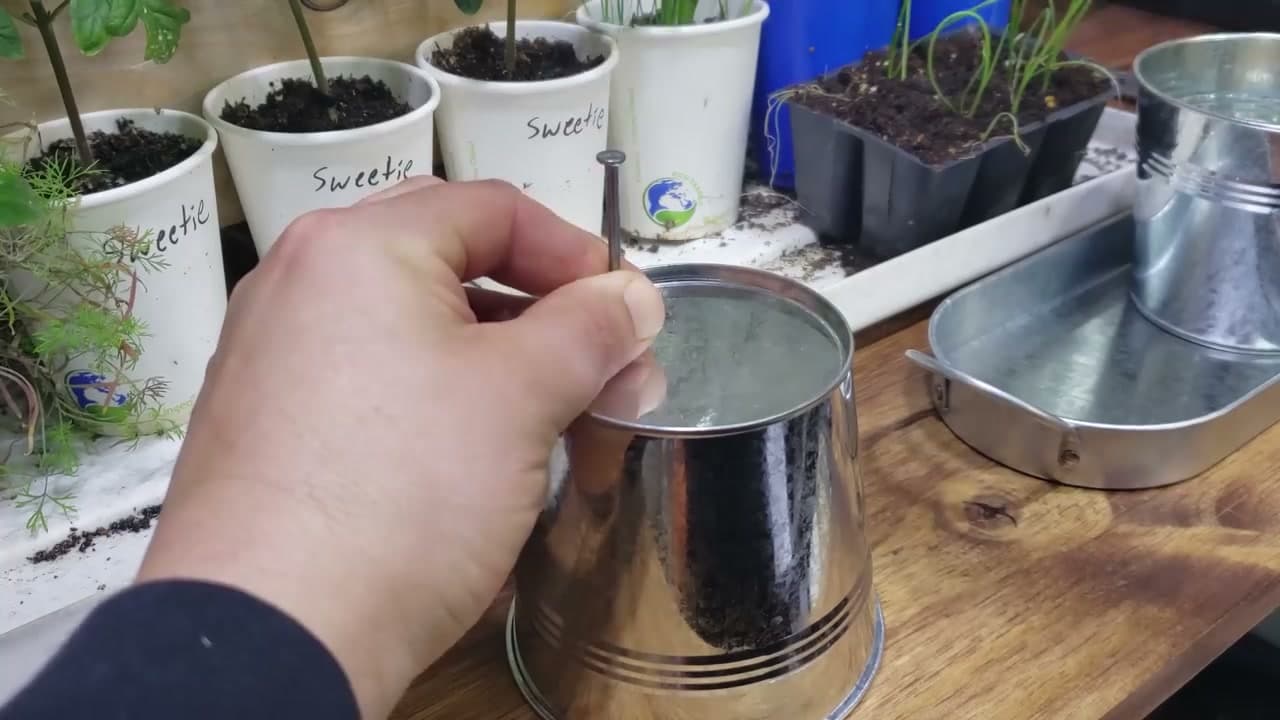
This one is non-negotiable - your containers must drain. Without drainage holes, roots sit in water and the plants will die. Even garden centers sometimes sell beautiful pots with no holes in the bottom, which is mind-boggling. If you fall in love with a container that lacks them, grab a drill and make quarter-inch holes spaced about 3-4 inches apart. For size, herbs have surprisingly efficient fibrous root systems and do fine in small pots. Go larger only if you plan to mix several varieties together in one planter.

Tip

Small stainless steel or terracotta pots work great for individual herbs. Cedar or wooden planter boxes are ideal if you want a multi-herb display on a windowsill.

3

Step 3: Set Up Your Lighting

5:57
Step 3: Step 3: Set Up Your Lighting

Herbs need at least six hours of full-spectrum light per day to taste their best. A bright south- or west-facing window often does the job on its own. If your space is short on natural light - or you want to grow year-round regardless of season - an LED grow light is the answer. Advances in LED technology have made these affordable and effective, and they come in every size from clip-on desk lamps to full shelf panels. You do not need anything industrial; a basic full-spectrum LED will keep most kitchen herbs thriving.

Tip

If your herbs start stretching toward the light or getting leggy and pale, they need more. Move them closer to the window or add a grow light on a 14-16 hour timer.

4

Step 4: Start Seeds in Starter Trays

9:00
Step 4: Step 4: Start Seeds in Starter Trays

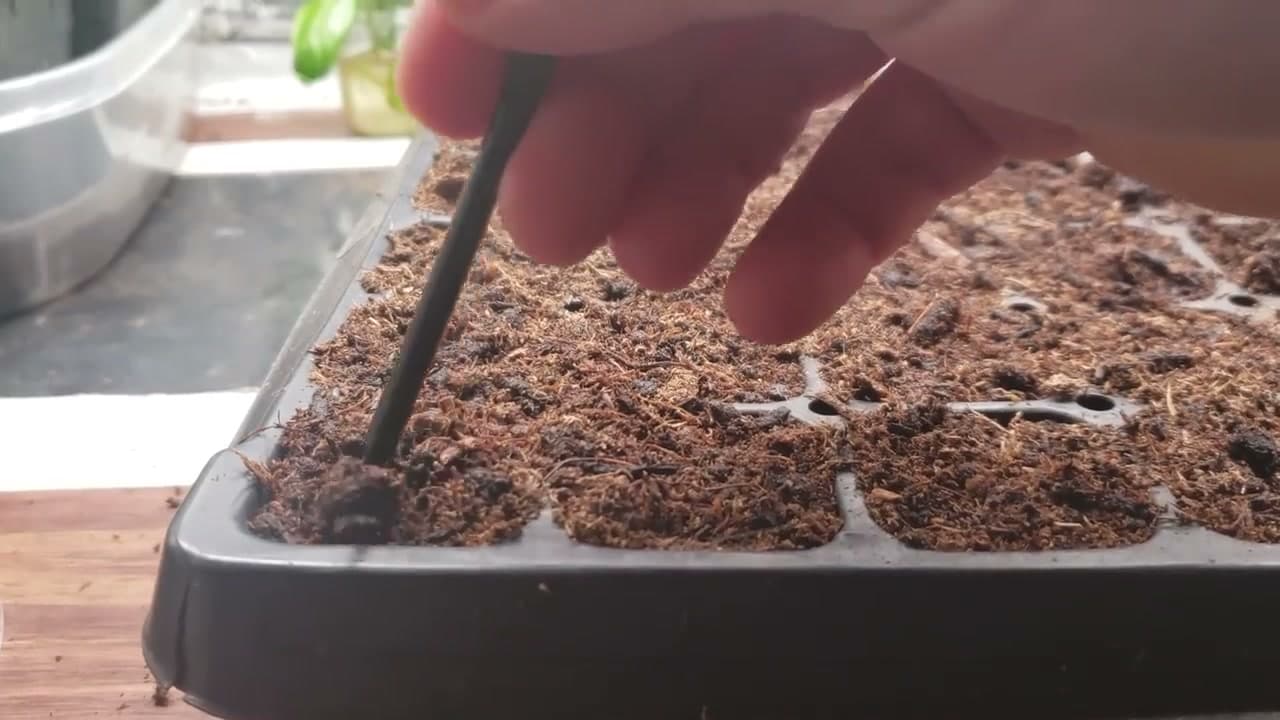
Fill plug trays or small starter pots with a seed-starting mix - it's finer-textured than regular potting mix and better for germination. Most herb seeds are planted very shallow, usually half an inch or less. Make a small depression, drop the seed in, and cover with a thin skim coat of mix. Keep the soil at around 80 degrees Fahrenheit for best germination rates. One useful trick: lay a piece of damp paper towel over the soil surface after seeding. It keeps moisture in during those first vulnerable days and prevents the seeds from drying out before the roots get established.

Tip

Wait until seedlings have at least two to three sets of true leaves before transplanting. Rushing this step often means replanting failures - patience here means bigger harvests later.

5

Step 5: Transplant Into Your Main Containers

11:00
Step 5: Step 5: Transplant Into Your Main Containers

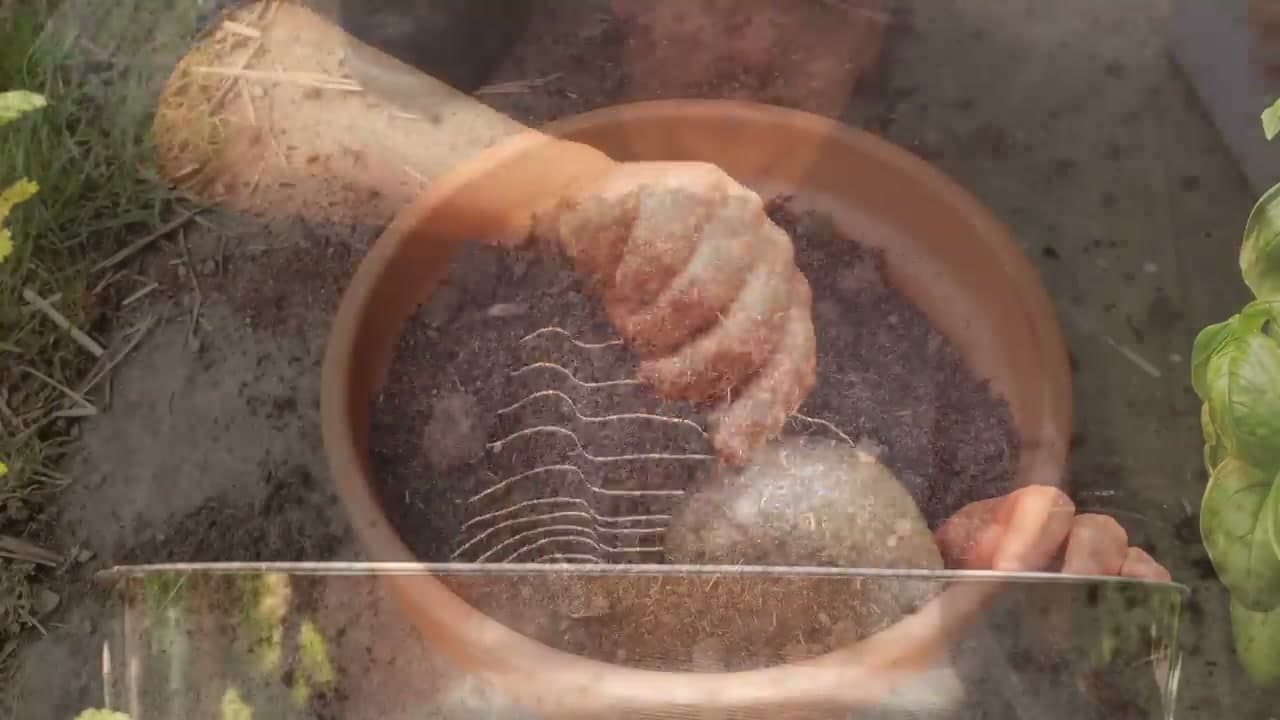
Once your seedlings are well established, it's time to move them into their permanent home. Fill your container with potting mix and pre-soak the soil before planting - just let it absorb water for a couple of hours until it's fully saturated. This lets you go two weeks without watering after planting, giving the plants a chance to settle in without stress. For a shared planter, give each herb roughly 16 square inches of space (about 4 inches in all directions). For individual pots, one herb per container makes it easy to swap out plants as needed without disturbing the others. Keep the whole setup at around 70 degrees Fahrenheit for steady growth.

Tip

The modular approach - one herb per pot - is the most beginner-friendly. If one plant fails, you just replace it without disrupting the others. It also makes it easy to rearrange your setup as herbs outgrow their pots.

6

Step 6: Water Correctly

3:54
Step 6: Step 6: Water Correctly

Overwatering is the single biggest reason indoor herb gardens fail. It's easy to do - the plants are right in front of you, always in sight, and it feels like you should be doing something for them. Scale back watering to once a week or even less. Stick a finger an inch into the soil before you water; if it still feels damp, leave it alone. The rule is moist but never soggy. When you do water, water thoroughly until it drains from the bottom, then leave the pot to dry out before the next watering. This approach keeps roots healthy and prevents the root rot that kills so many container plants.

Tip

Clay or terracotta pots help prevent overwatering because they're porous and let the soil breathe. Plastic pots retain moisture longer, so adjust your watering frequency accordingly.

7

Step 7: Harvest Regularly to Keep Plants Producing

16:14
Step 7: Step 7: Harvest Regularly to Keep Plants Producing

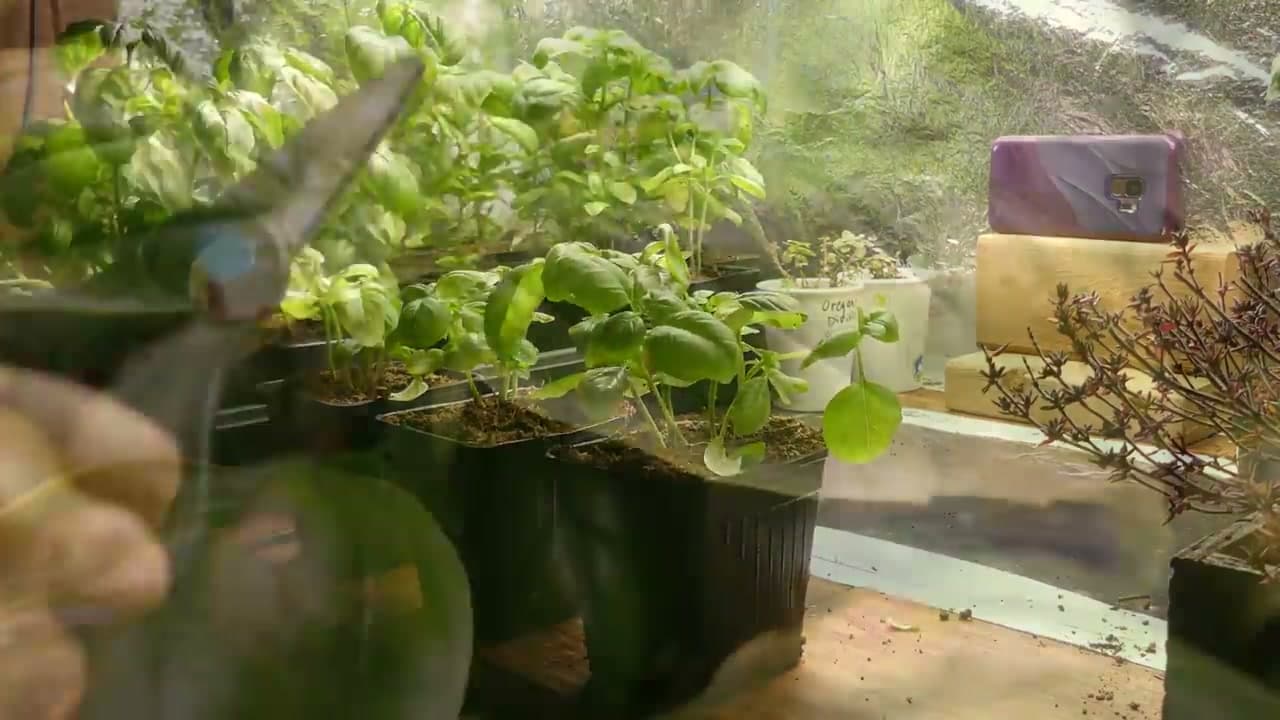
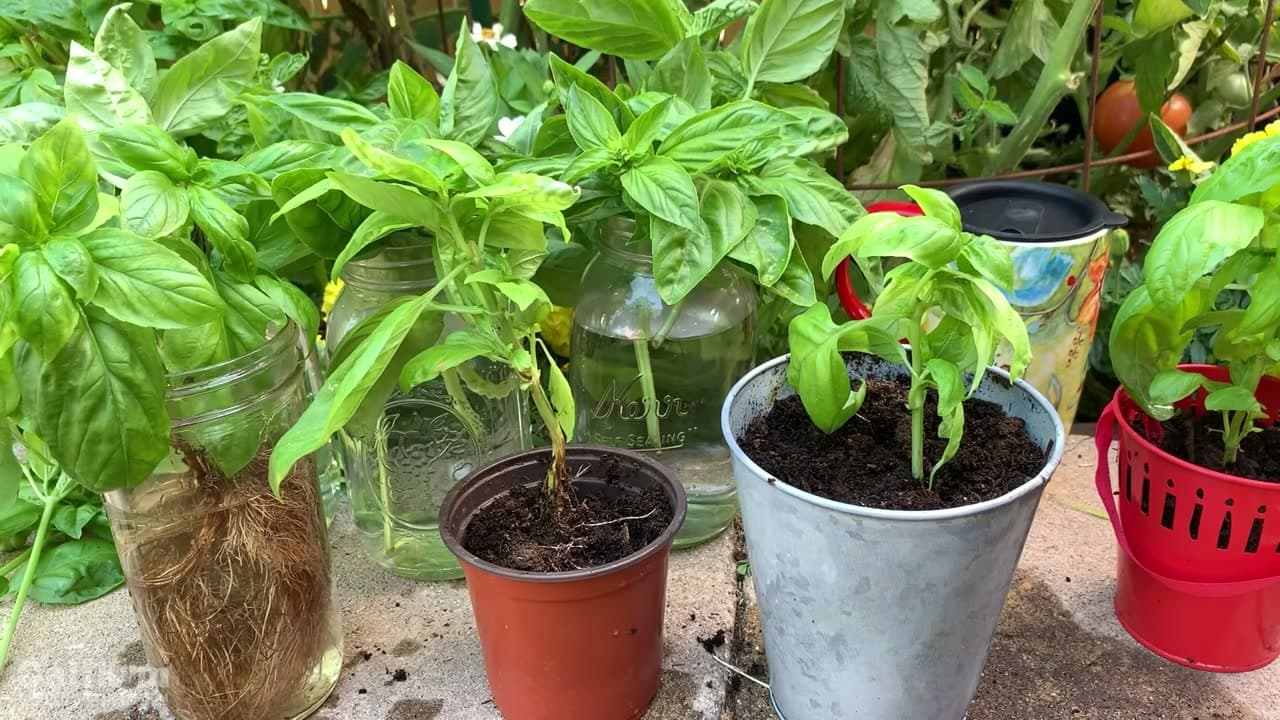
Once your plants have at least three sets of true leaves, start harvesting. The key rule: take no more than one-third of the plant at a time. For basil, clip the stem just above a leaf node and the plant responds by pushing out two new shoots in its place - multiply this over several harvests and you end up with a massive, bushy plant. Regular pruning also delays bolting, which is when the plant goes to flower and the leaves either stop growing or change flavor. The more you harvest, the longer your plants stay productive. Continual, gentle harvesting is better for the plant than letting it grow wild and cutting back hard all at once.

Tip

For cilantro and dill, which don't branch the same way basil does, harvest the outer leaves first and let the center of the plant continue growing. This extends your harvest window considerably.

8

Step 8: Fertilize After Each Harvest

16:06
Step 8: Step 8: Fertilize After Each Harvest

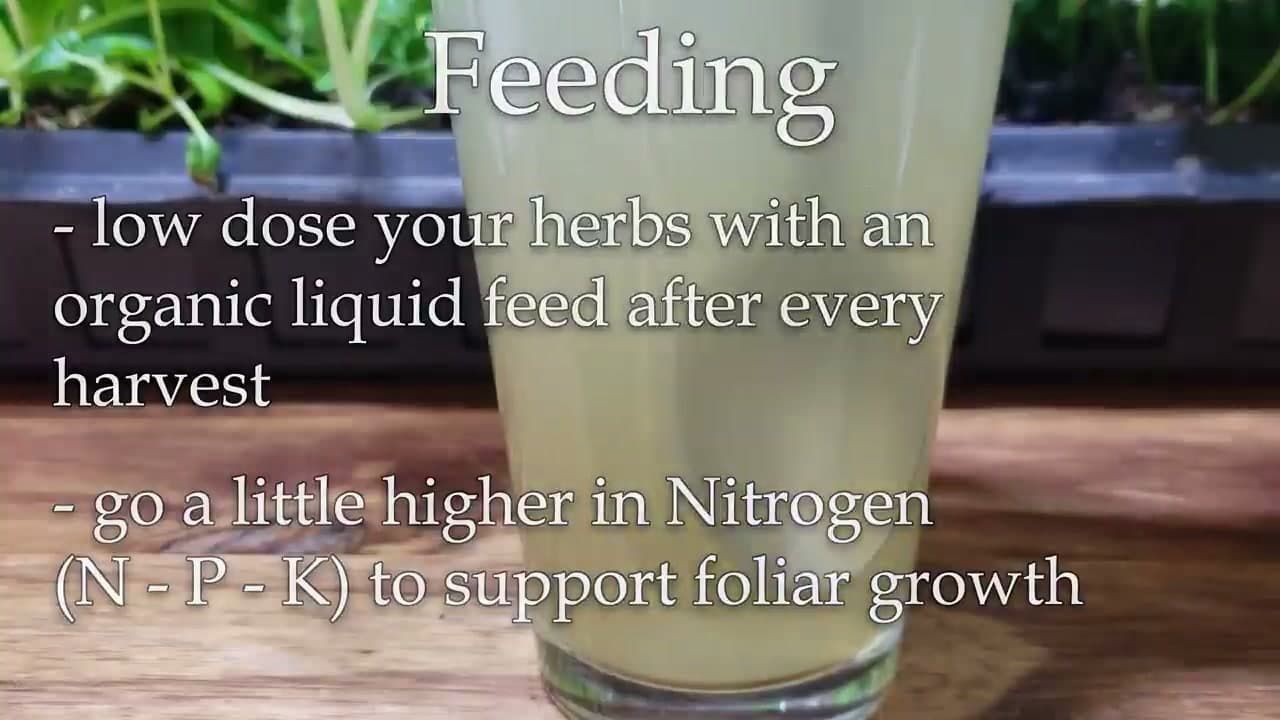
Herbs in small containers need regular feeding - they produce a lot of foliage in a small volume of soil, so nutrients deplete faster than you might expect. Use a low-dose liquid organic fertilizer, slightly higher in nitrogen than phosphorus, after each harvest. Nitrogen supports leaf growth without triggering the flowering that signals the end of the plant's productive life. Feeding right after harvest also doubles as a watering session, which is a handy way to simplify your routine. You don't need much - a light dose every harvest cycle keeps plants producing abundantly all season.

Tip

Fish emulsion and seaweed-based fertilizers are popular choices for herbs. Avoid high-phosphorus formulas that encourage flowering over leaf production.

9

Step 9: Know the Best Herbs to Grow Indoors

17:00
Step 9: Step 9: Know the Best Herbs to Grow Indoors

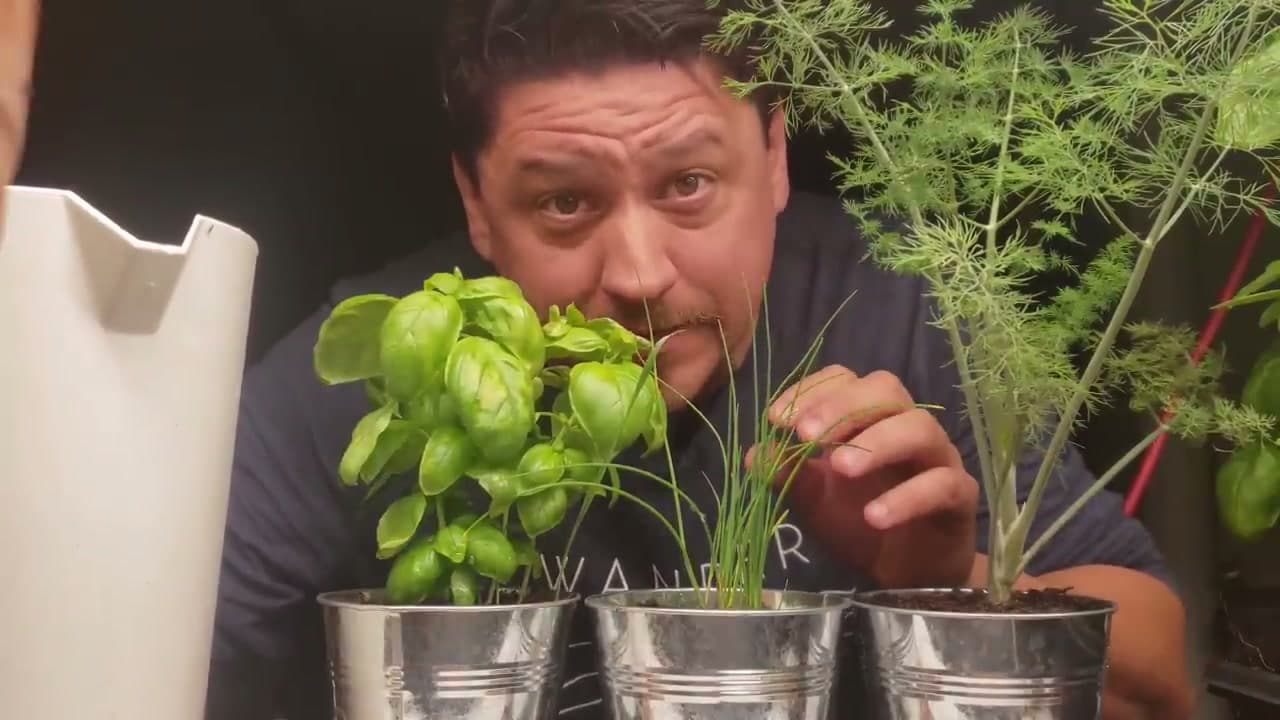
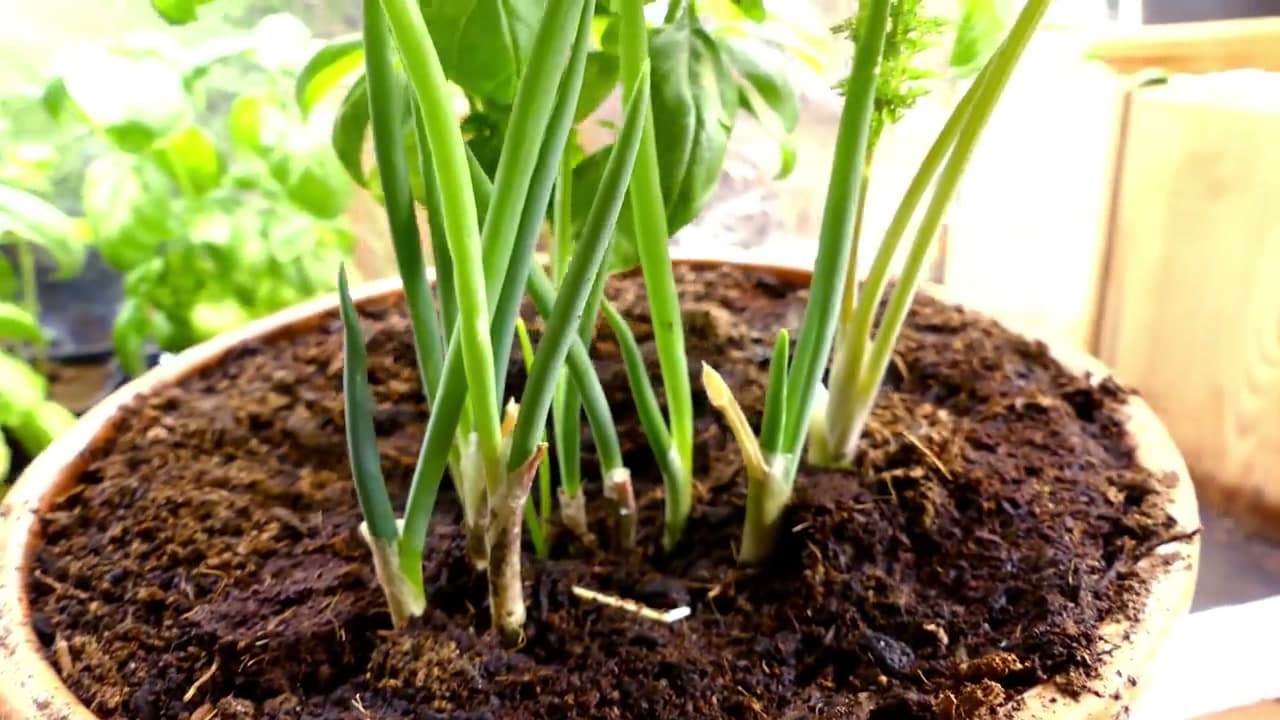
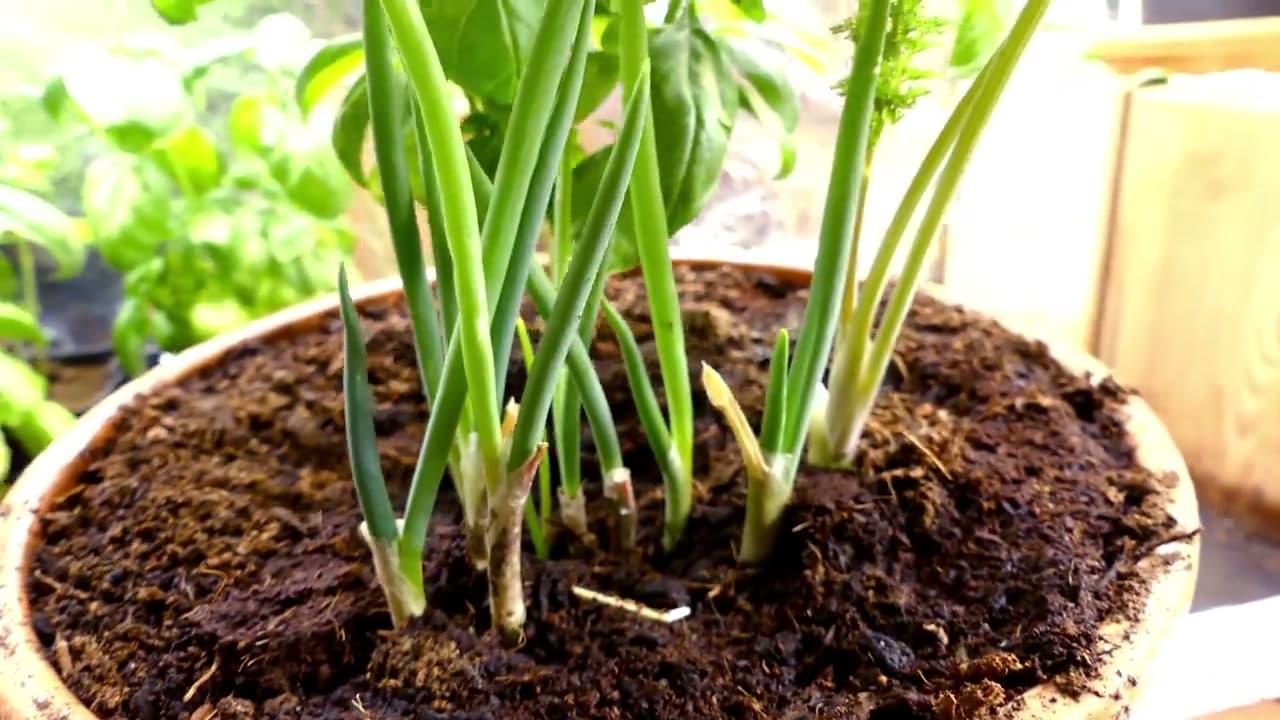
Some herbs thrive indoors better than others. Basil is the top pick - it grows fast, branches aggressively when you harvest, and handles indoor conditions well as long as you don't overwater. Cilantro needs cooler temperatures once established (around 65 degrees is ideal) to stay leafy and delay bolting. Chives are the quickest payoff: they sprout in about 5 days and you cut them all the way down, and they regrow. Rosemary needs a dwarf variety indoors and doesn't like wet feet at all. Thyme is very tolerant and keeps its flavor even dried. Oregano wants the sunniest windowsill you have. Dill is excellent but needs its own pot - it's a single-stem plant that gets crowded quickly. Arugula rounds out the list, growing fast and performing best when kept cool.

Tip

Start with basil and chives if you're brand new to herb gardening. Both are forgiving, grow fast, and give you a quick sense of accomplishment before you branch out into more demanding varieties.

Products Used

☐ The Checklist

How to Grow Herbs Indoors

Tools
4
Materials
6
Steps
9
Video
27 min

Your Guide

The Ripe Tomato Farms

As an Amazon Associate we earn from qualifying purchases. Links on this page may be affiliate links - clicking them and buying doesn't change your price, but helps support ShowMeStepByStep.

Tags

Test your knowledge

Did the lesson stick? Find out in 2 minutes.

5 quick questions covering what you just read. No signup, no score saved — just a gut check.

Quick reference

Key takeaways from How to Grow Herbs Indoors

5 questions, answers, and one-line explanations. Tap to expand.

  1. 1.What kind of soil should you use for indoor herbs?

    Answer: A quality potting mix made for containers

    Container potting mix drains well; outdoor soil compacts and brings in pests.

  2. 2.What must every container have?

    Answer: Drainage holes in the bottom

    Without drainage, roots sit in water and the plant dies.

  3. 3.How much light do indoor herbs need to taste their best?

    Answer: At least six hours of full-spectrum light

    Six or more hours of bright or grow-light exposure keeps the flavor strong.

  4. 4.What is the single biggest reason indoor herb gardens fail?

    Answer: Overwatering

    The plants are always in sight, so it's easy to water too often and rot the roots.

  5. 5.When you harvest, how much of the plant should you take at once?

    Answer: No more than one-third

    Taking a third keeps the plant producing instead of stressing it.

What's next

Related collections

Curated theme pages that include this tutorial.

Weekly Digest

Liked this gardening tutorial?

Pick the categories you want to hear about. Weekly digest of new step-by-step tutorials. No spam, easy unsubscribe.

Send me tutorials about

We only email about new tutorials. Easy unsubscribe anytime.