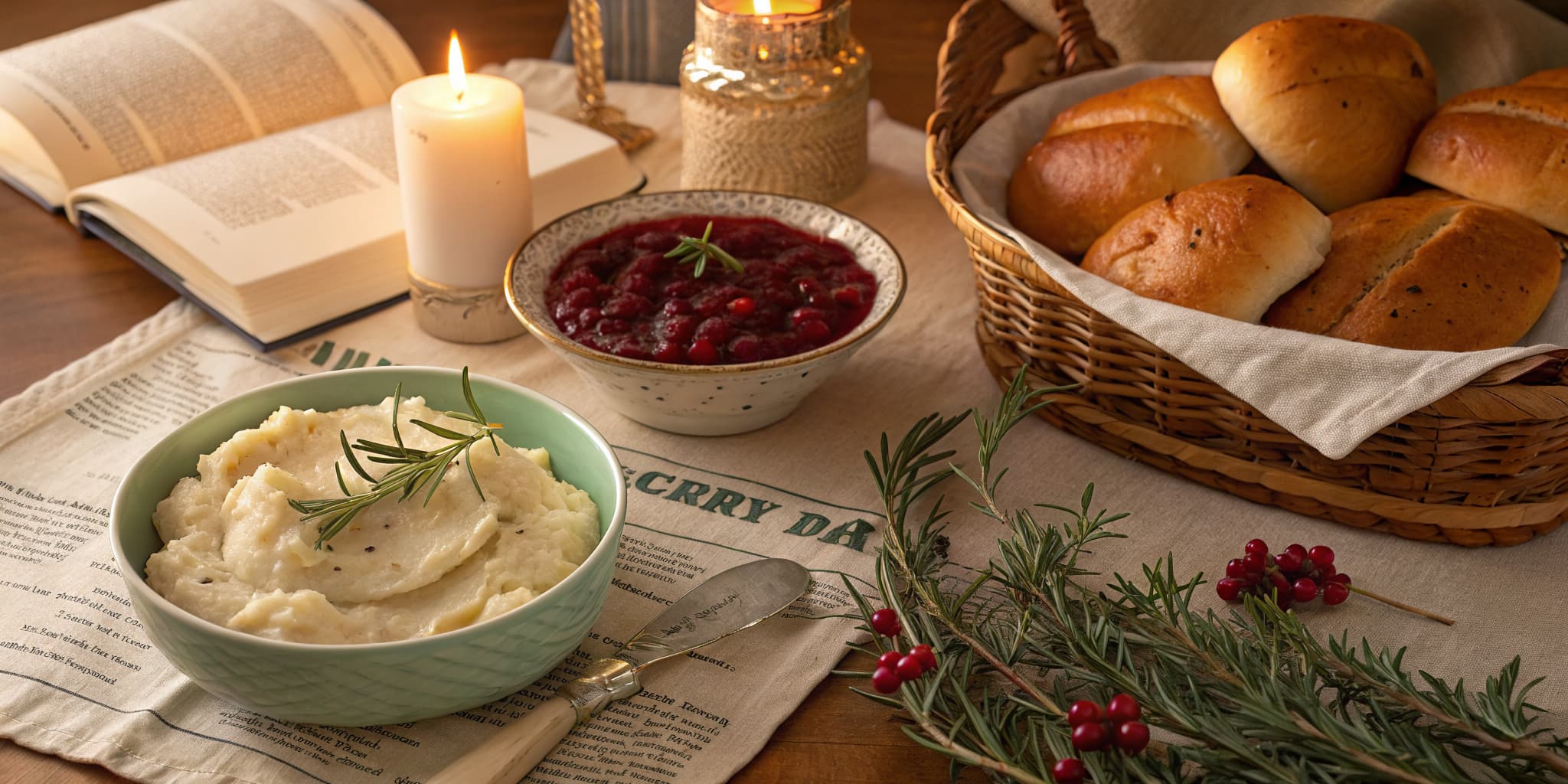
Most mashed potatoes are fine. The difference between fine and the kind people go quiet over comes down to three choices: which potato, what you mash it with, and whether you bother warming the dairy first.
Andy Baraghani makes these at Bon Appetit with Yukon golds boiled whole in their skins, pushed through a ricer, and folded with milk and cream that have been steeped with garlic and rosemary. No peeling, no masher, no lumps.
Yukon gold or russet?
Yukons here. They are lower in starch than russets and the flavor is better - buttery on their own before you add anything.
Russets work and give you a fluffier result. They also drink more dairy, so expect to add a little extra. What you should not use is a waxy red or new potato, because those turn gluey the moment you work them.
Why a ricer matters
This is the one tool worth owning for this dish. A ricer presses the potato through small holes in a single pass, so the starch cells stay intact and you get a smooth, light texture.
A masher takes several passes and leaves lumps. A food processor or blender is worse - the blades rupture the starch and you end up with something closer to wallpaper paste.
The other trick: because the potatoes went in whole with their skins on, the ricer holds the skin back while the flesh goes through. You never have to peel a hot potato.
Start them in cold water
Dropping potatoes into already-boiling water cooks the outside long before the middle catches up, and you get a mash that is part puree and part chunks.
Cold water that comes up to temperature with the potatoes in it cooks them evenly the whole way through. Salt the water heavily while you are at it. It should taste like the sea, because this is the only chance the potato itself gets to be seasoned from the inside.
Warm the dairy, and infuse it
Cold milk hitting hot potatoes drops the temperature and tightens the starch. Warm dairy folds in smoothly and keeps everything hot enough to serve.
While it warms, drop in a halved head of garlic and a few sprigs of rosemary and bring it just to a simmer, not a boil. Five minutes is enough to pull the flavor out. Strain it before it goes anywhere near the potatoes, which also catches any skin that formed on the surface.
Sage, thyme or a bay leaf all work in place of rosemary.
Dry them out before you mash
After draining, tip the potatoes back into the hot empty pot for a moment. The residual heat drives off surface water.
Wet potatoes make watery mash, and no amount of butter fixes it afterwards.
Make them ahead
These hold well in a low oven or a slow cooker on warm. Hold back a little of the milk mixture and fold it through just before serving to loosen them back up.
Leave a well in the top for gravy. That is what it is there for.
The rest of the Thanksgiving table
These are the landing pad for the gravy. The rest of the plate: