How to Make Cake Pops: Easy Step-by-Step Recipe

CookingMedium11:359 stepsBrowse more →

By ShowMeStepByStepPublished

Based on a video by Preppy Kitchen.

Cake pops are the dessert that always looks harder than it is. The whole project is four short stages - mix, roll, chill, dip - and the only fussy moment is getting the candy coating to behave. John Kanell from Preppy Kitchen has been making them long enough to have shortcuts for every part of the process, and they all happen on camera in this 11-minute video.

You can use a homemade cake recipe or a boxed cake mix. The crumbed cake mixes with vanilla buttercream until it has the texture of wet sand, gets rolled into 1.5-inch balls, and chills in the freezer for half an hour. Then you dip a lollipop stick in melted candy, push it into a cold ball, and dip the whole thing. Tap off the excess, decorate while the candy is still wet, and stand the pop up to set.

The recipe makes around 30-40 cake pops, depending on how generous your scoops are. Plan on about 45 minutes of hands-on time plus chilling.

Decorate for Graduation: Cap-Topper Cake Pops

Cake pops are the easiest party dessert to costume for a theme, and graduation is the most common request. To turn these into graduation caps, dip the pops in dark chocolate candy melts (navy, black, or your school color) instead of white. Once the coating sets, cut 1.5-inch squares of fondant rolled thin (or use a small chocolate square) and press one onto the top of each pop while a fresh dab of melted candy still holds. Make tassels by cutting a 1.5-inch strip of cardstock or thin ribbon, fringing one end, and twisting the un-fringed end into a tiny stem. Attach with a dot of candy melt or a small dollop of royal icing. A piped buttercream rosette in the corner of the fondant square sells the cap look. Cluster them on a cake-pop stand at the dessert table - they read instantly as graduation and they taste like the cake pops in this recipe.

Looking for more party desserts? See our guides on making pancakes and chocolate chip cookies.
Step-by-Step Guide

1

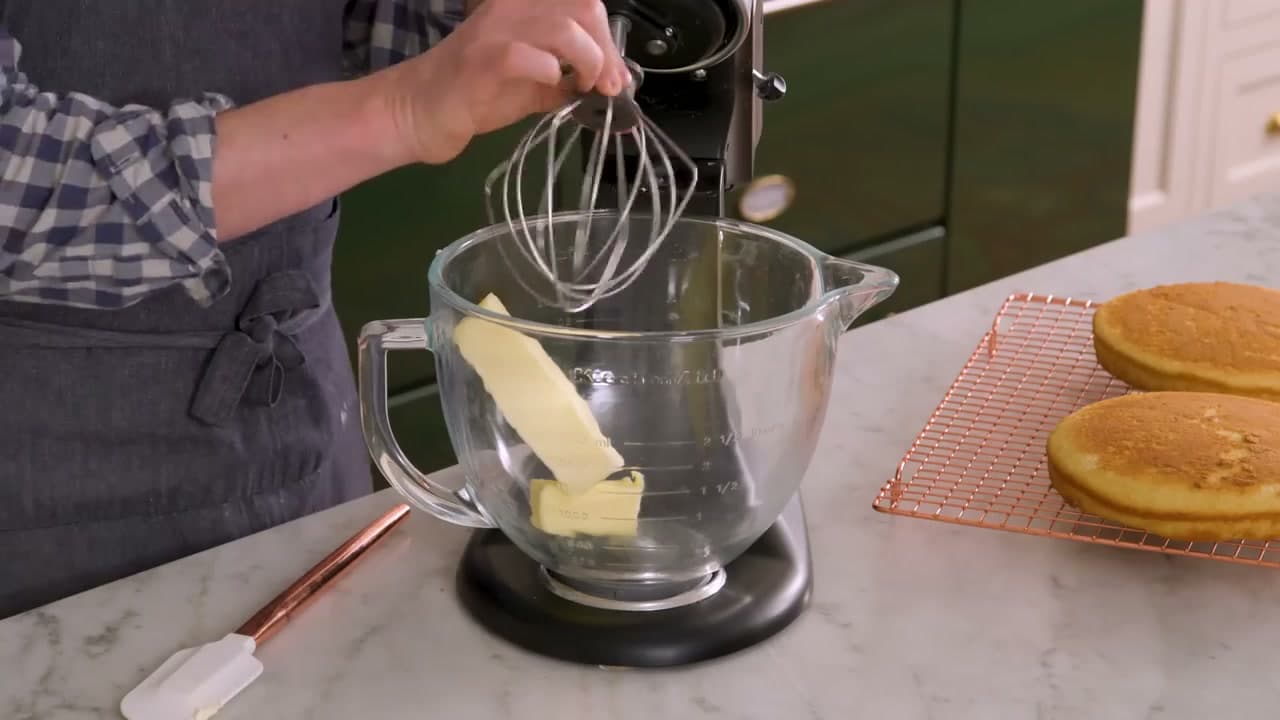
Step 1: Whip the Vanilla Buttercream

1:05
Step 1: Step 1: Whip the Vanilla Buttercream

Put 3/4 cup of room-temperature unsalted butter in the bowl of a stand mixer with the whisk attachment. Cream it on medium for three or four minutes until it looks pale and fluffy. The texture matters here - cold butter or under-whipped butter gives a heavy buttercream that fights the cake crumbs later.

With the mixer on low, add about three cups of powdered sugar, a teaspoon of vanilla, and a pinch of salt. Once it comes together, drizzle in a tablespoon of heavy cream and beat for another minute. You want it light, glossy, and easy to scoop. Skip the canned frosting from the store. Real buttercream takes five minutes and the cake pops are noticeably better for it.

Tip

If your buttercream looks grainy after the sugar goes in, add another splash of cream - usually a teaspoon at a time - until it smooths out. Cold cream straight from the fridge works fine.

2

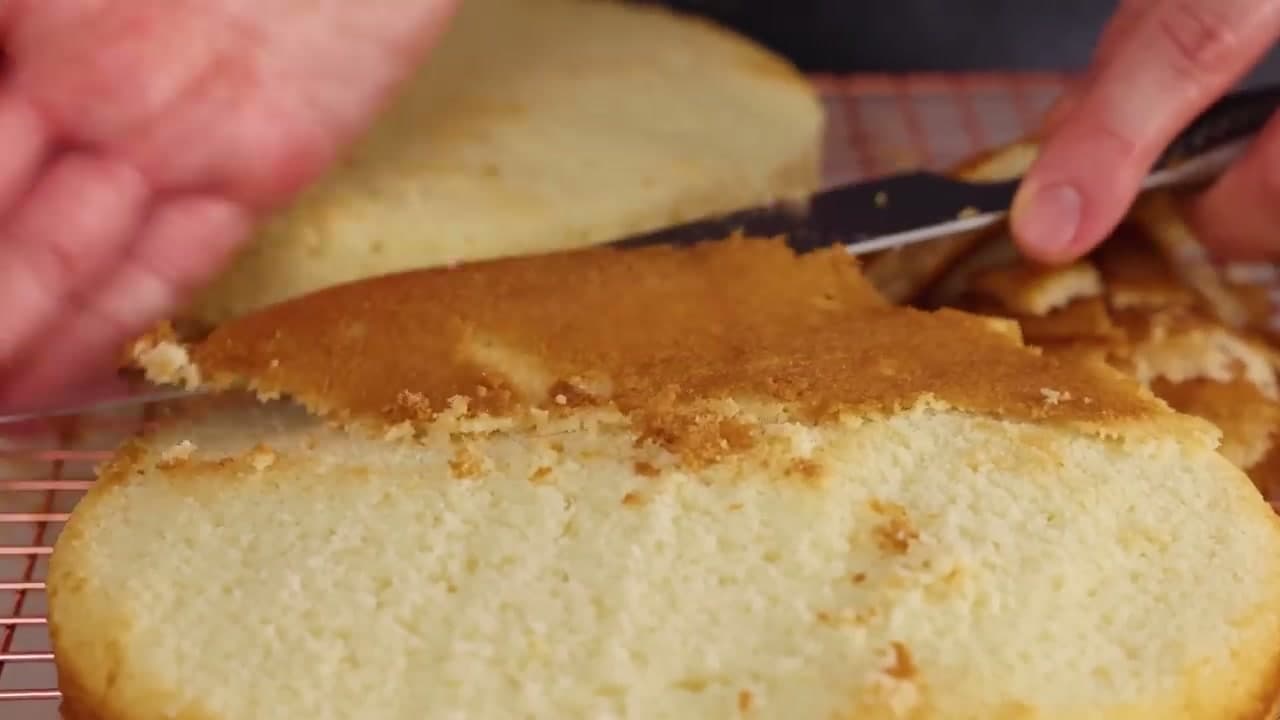
Step 2: Trim the Caramelized Crust off the Cake

2:35
Step 2: Step 2: Trim the Caramelized Crust off the Cake

Cake pops only taste right if the inside is uniformly soft and pale. The dark caramelized top and the firmer outer edge of a baked cake layer both ruin the texture and color, so trim them off with a serrated knife. Aim for an even golden interior on every chunk.

Two 8-inch rounds are what John uses in the video, but a single 9x13 sheet cake is even easier because there's less crust to remove. Save the trimmings for cake parfaits or feed them to whoever is in the kitchen - they're still delicious, they just shouldn't go in the cake pops.

Tip

If your cake was perfectly baked at a low temperature with no dark crust, you can skip this step. Most home ovens caramelize the top enough that trimming is worth the extra two minutes.

3

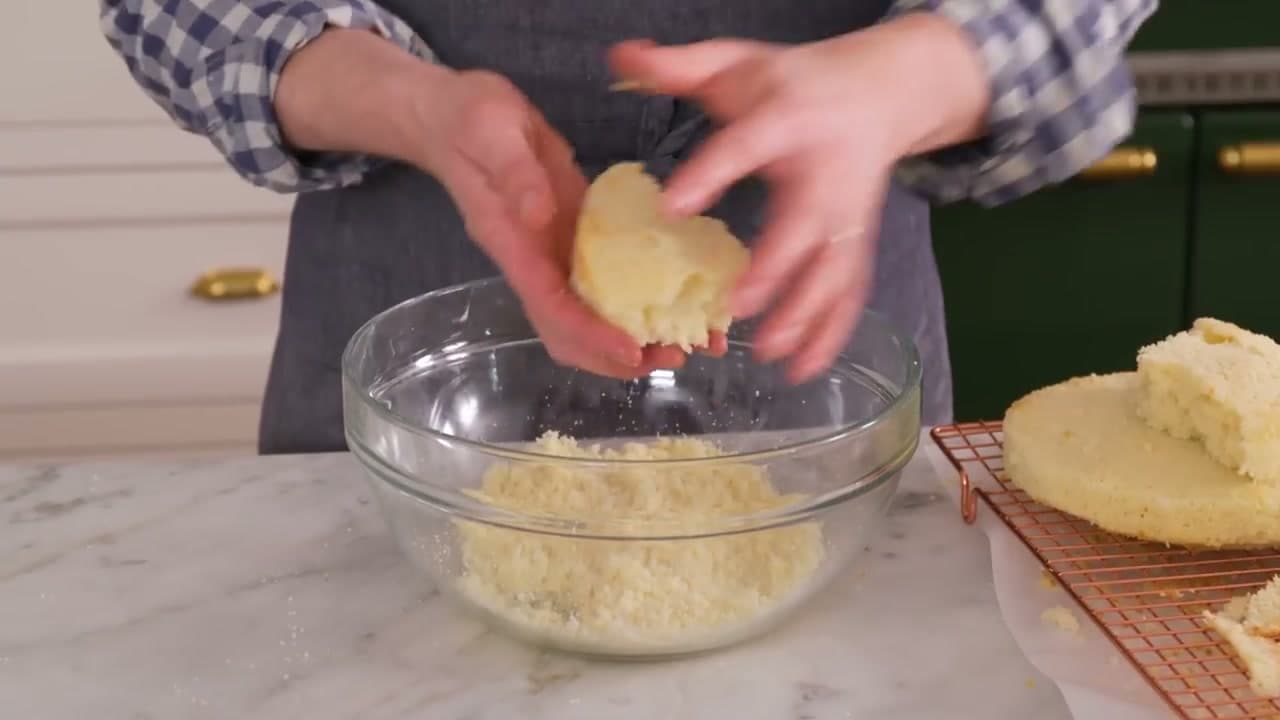
Step 3: Crumble the Cake Into Fine Pieces

3:20
Step 3: Step 3: Crumble the Cake Into Fine Pieces

Drop the trimmed cake into a big mixing bowl and start crumbling it apart with your hands. Use small circular motions and keep going until every chunk is roughly the size of a pea or smaller. Big clumps create soft spots in the finished pop that crack the candy shell.

Run your fingers through the bowl one more time after you think you're done. The pieces hiding under the surface are always bigger than the ones on top. The goal is something close to coarse breadcrumbs - uniform, fluffy, no recognizable cake pieces left.

Tip

A food processor pulses the cake into crumbs in about ten seconds if your hands get tired. Use the pulse button, not continuous run, or the bottom layer turns to paste.

4

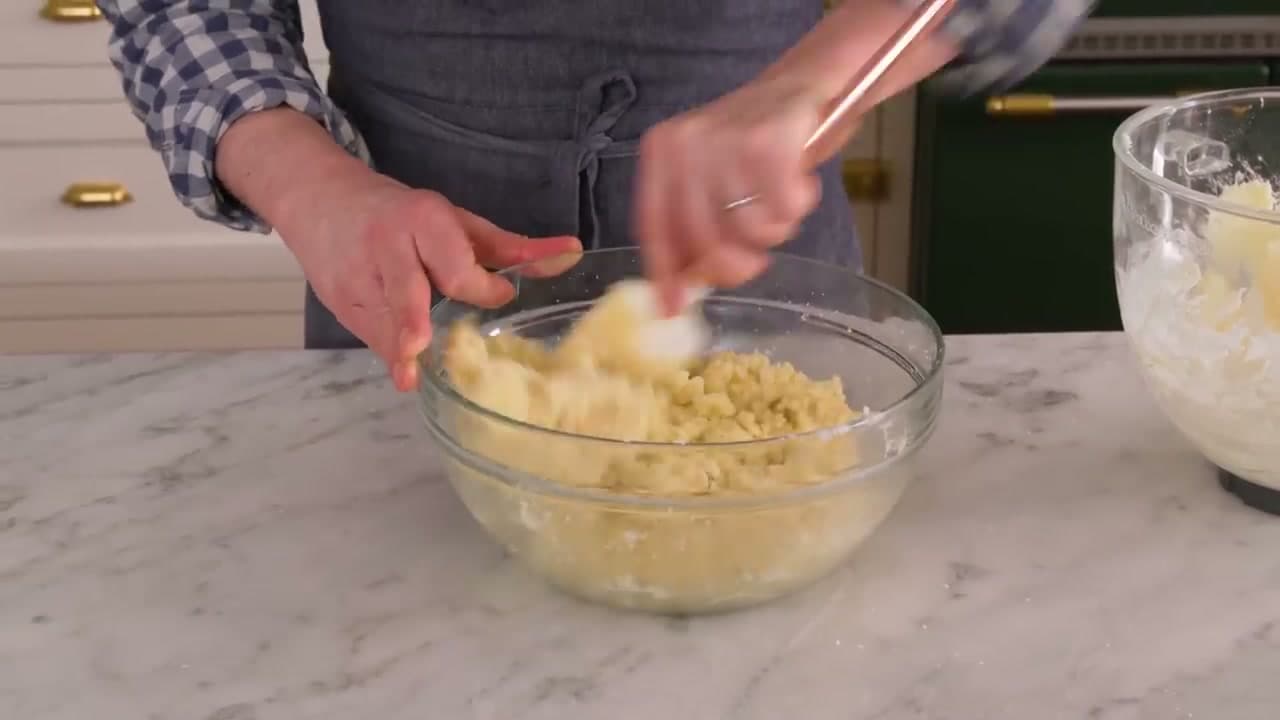
Step 4: Fold in Buttercream Until It Looks Like Wet Sand

4:20
Step 4: Step 4: Fold in Buttercream Until It Looks Like Wet Sand

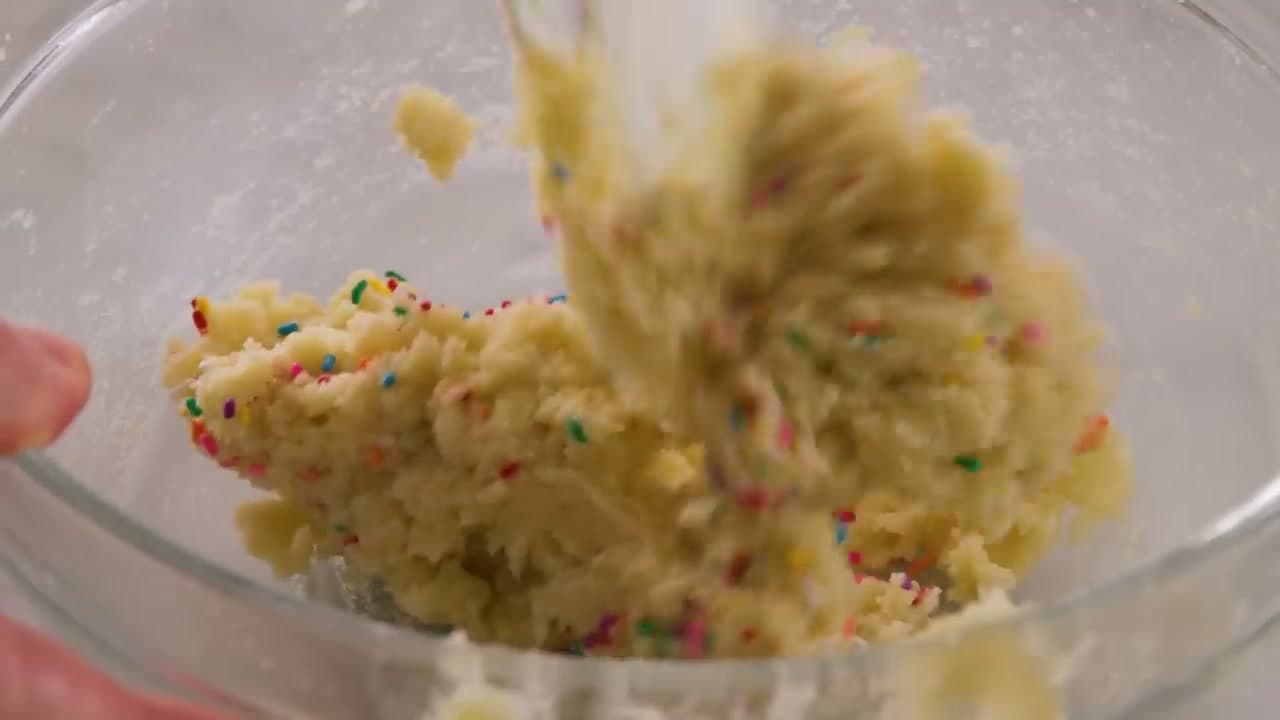
Add the buttercream to the cake crumbs a few spoonfuls at a time. Use a spatula and toss the mixture around rather than mashing it - you want the buttercream to coat every crumb without turning the whole thing into paste.

The texture you're after is wet sand: it should hold together when you squeeze a handful, but still feel grainy and a little loose. Too dry and the balls crack. Too wet and they go gummy. Stop adding buttercream the moment a test squeeze holds its shape, which is usually around 3/4 of what you whipped up.

Look at the bowl. There should be no dry patches and no chunks of un-coated cake. Everything should look the same homogeneous beige.

Tip

If you accidentally add too much buttercream, fix it by crumbling in a little more dry cake. Keep a half-cup of crumbs aside before you start mixing if you're nervous about overshooting.

Products used in this step

5

Step 5: Scoop and Roll Into 1.5-Inch Balls

5:25
Step 5: Step 5: Scoop and Roll Into 1.5-Inch Balls

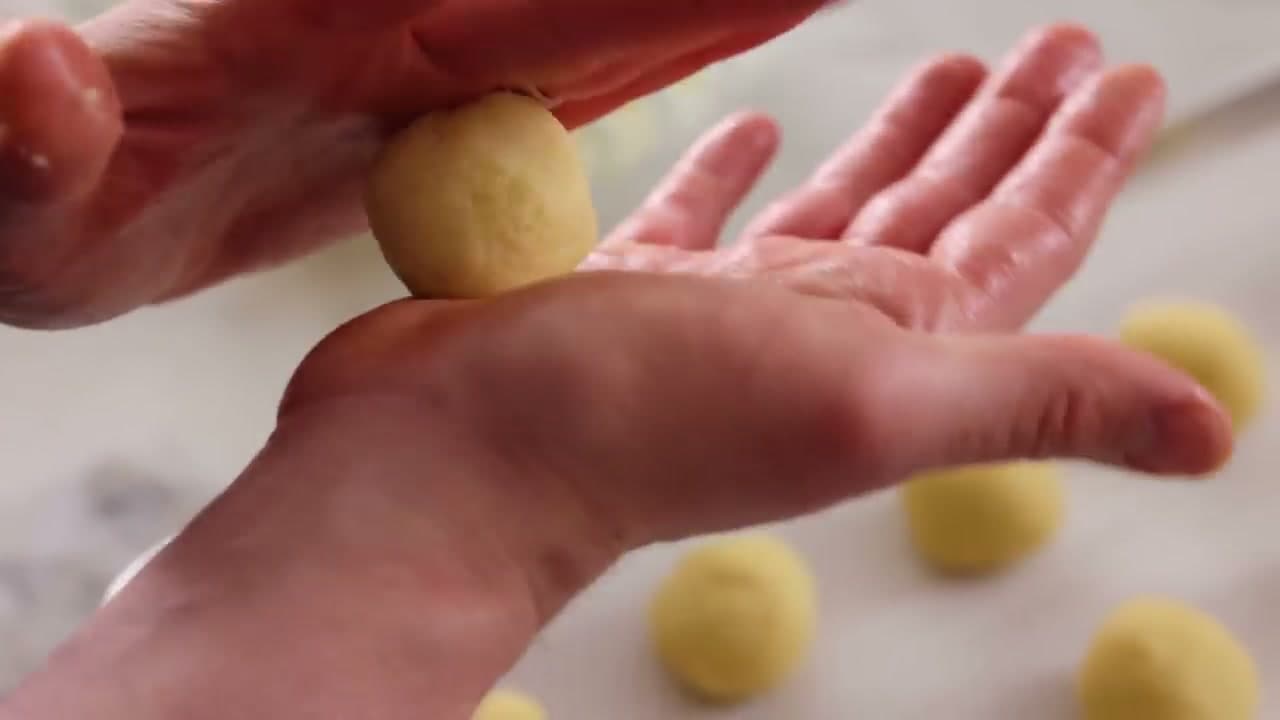
Use a 1.5-inch cookie scoop to portion the mixture - about 35 grams per ball if you're weighing. Drop each scoop onto a parchment-lined baking sheet, then roll it briefly between your palms to round it off. They don't have to be perfect spheres at this stage. Slightly lopsided is fine because there's another round of rolling after they chill.

Work fast on the first pass and just get everything portioned. You should end up with around 30-40 balls depending on scoop size. A smaller scoop gives you more pops but each one needs less candy coating.

Tip

If the mixture sticks to your hands while rolling, dampen your palms with a tiny bit of cold water. Don't oil them - the oil interferes with the candy melt later.

6

Step 6: Mix in Sprinkles, Then Chill the Balls

6:00
Step 6: Step 6: Mix in Sprinkles, Then Chill the Balls

Before you roll the rest, stir a couple tablespoons of rainbow sprinkles directly into the cake mixture. The sprinkles distribute through every pop, so when someone bites into one they get a surprise of color inside the candy shell. Skip this if you want a plain vanilla center.

Slide the whole tray of rolled balls into the freezer for 30 minutes (or the fridge for 4 hours). The balls need to be cold and firm before they meet the warm candy melts, or the coating will crack as it sets. Pull them out toward the end of the chill time and re-roll any that lost their shape - they're much easier to round when they're firm.

Tip

Don't skip the chill. Warm cake balls release moisture into the candy coating, which creates ugly streaks and weak spots. Half an hour in the freezer is the minimum.

7

Step 7: Melt the Candy Melts in a Double Boiler

7:05
Step 7: Step 7: Melt the Candy Melts in a Double Boiler

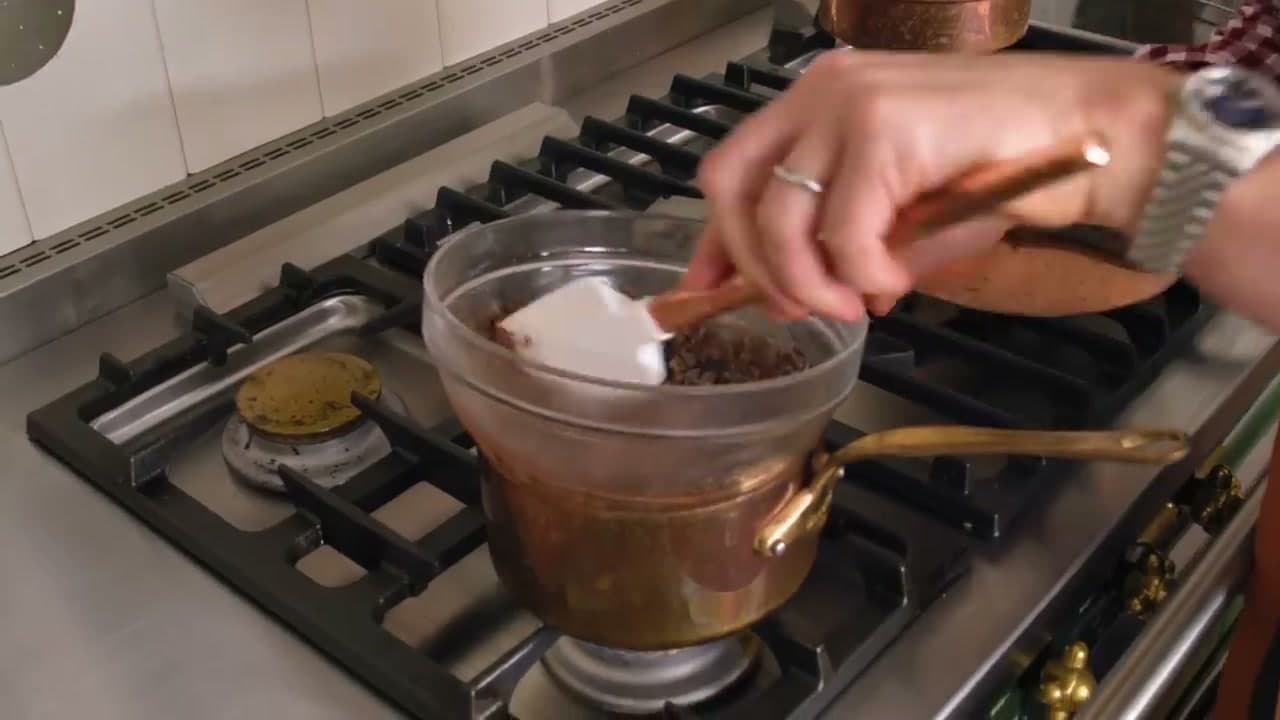
Bring an inch of water to a simmer in a small saucepan. Set a heatproof bowl on top, add the candy melts, and stir constantly with a spatula until everything is smooth and runny. The double boiler is gentler than the microwave - candy melts scorch and seize the second they get too hot, and the residual heat from a hot bowl keeps cooking them even after you stop.

Once the candy is fully melted, stir in a teaspoon of shortening or solid coconut oil. The fat thins the candy so it actually flows around the cake pop instead of sitting in a thick blob. Mix it in completely - any streaks of un-incorporated fat become weak spots in the coating later.

When the candy slides off the spatula in a smooth ribbon, you're ready to dip.

Tip

If your candy melts seize up despite the double boiler, the bowl probably touched the simmering water. Add another teaspoon of shortening and stir hard - it usually saves the batch.

8

Step 8: Dip the Stick and Push It Into a Cake Ball

9:20
Step 8: Step 8: Dip the Stick and Push It Into a Cake Ball

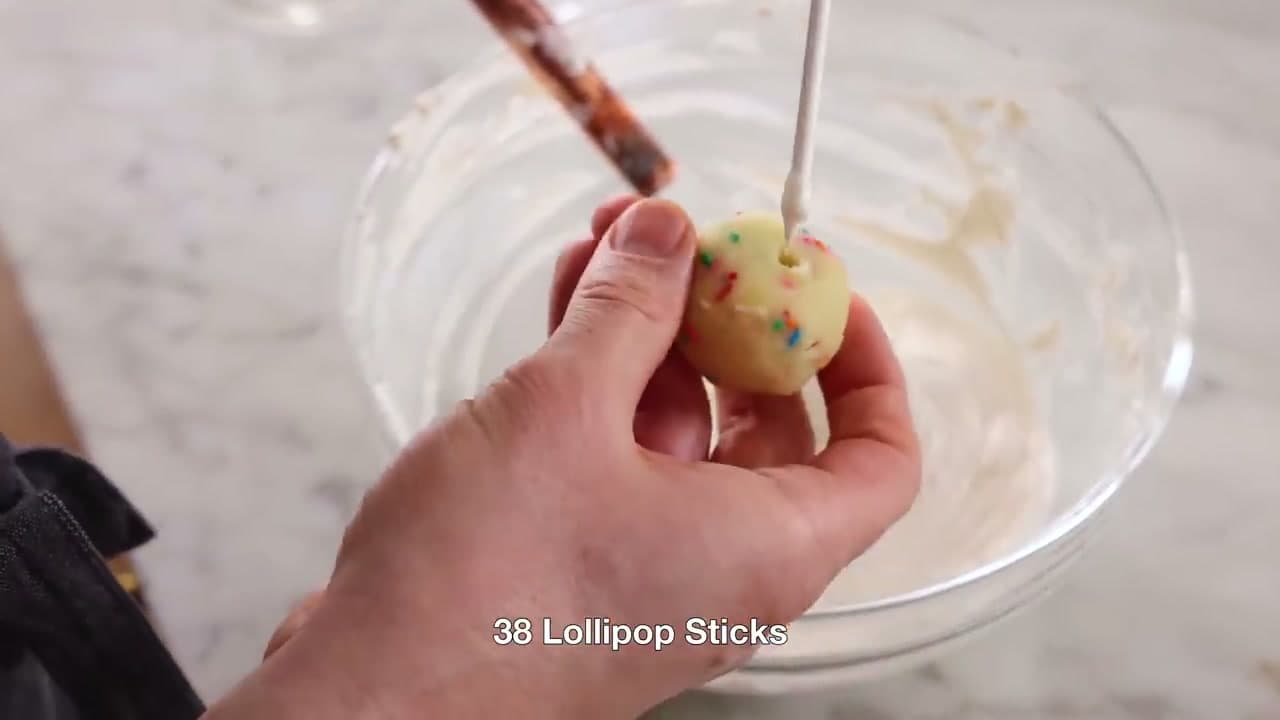
Pull a few cake balls out of the freezer at a time, keeping the rest cold. Dip the tip of a lollipop stick into the melted candy - just about half an inch - and push it straight into a cake ball. Stop when the stick is about two-thirds of the way through. If you push too far it pokes out the top when you dip.

The candy on the stick acts as glue. It hardens fast against the cold cake and locks the stick in place so the pop doesn't slide off mid-dip. Work in small batches because the dipped sticks set in under a minute.

Tip

Twist the stick slightly as you push it in. The twist makes a wider channel that grips better than a straight push, and it stops the cake ball from cracking around the entry point.

9

Step 9: Dip, Drizzle, and Set Each Pop on a Stand

11:15
Step 9: Step 9: Dip, Drizzle, and Set Each Pop on a Stand

Transfer the melted candy into a tall, narrow cup so you can dip each pop straight down in one motion. Submerge the cake ball completely, lift it out, and tap the stick gently against the side of the cup to shake off the excess. Spin the pop slowly while you tap so the coating distributes evenly.

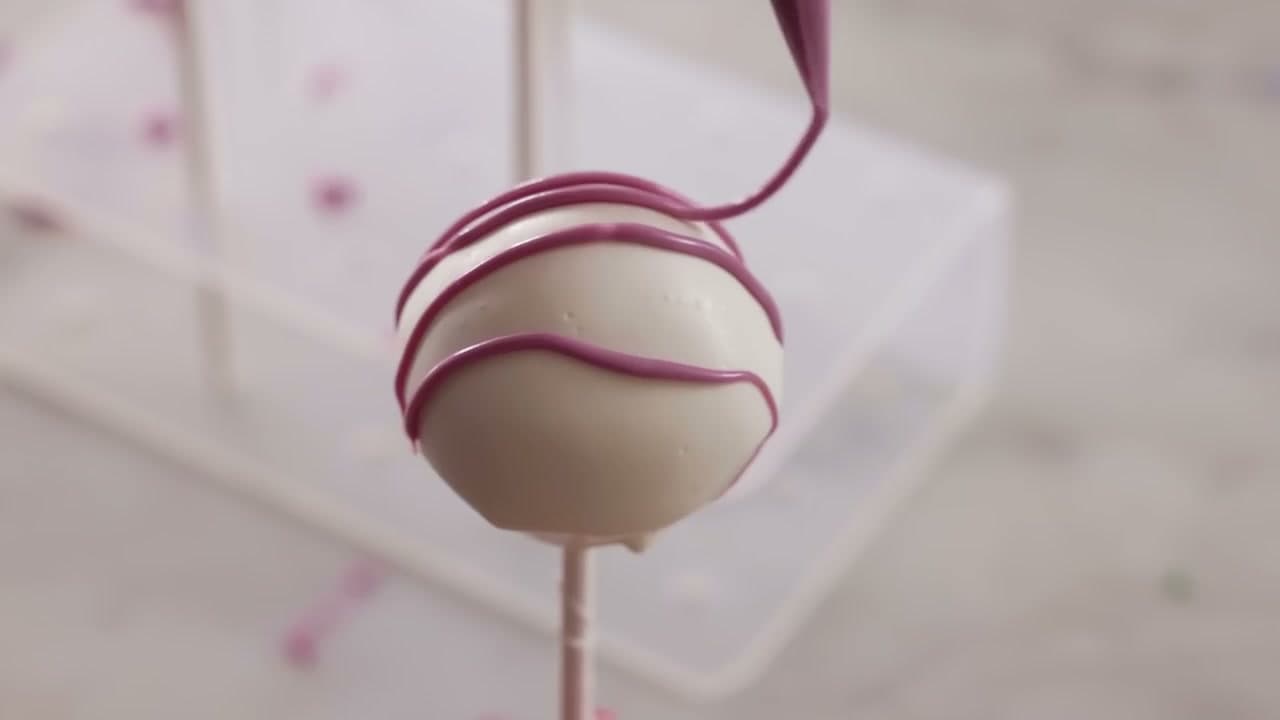
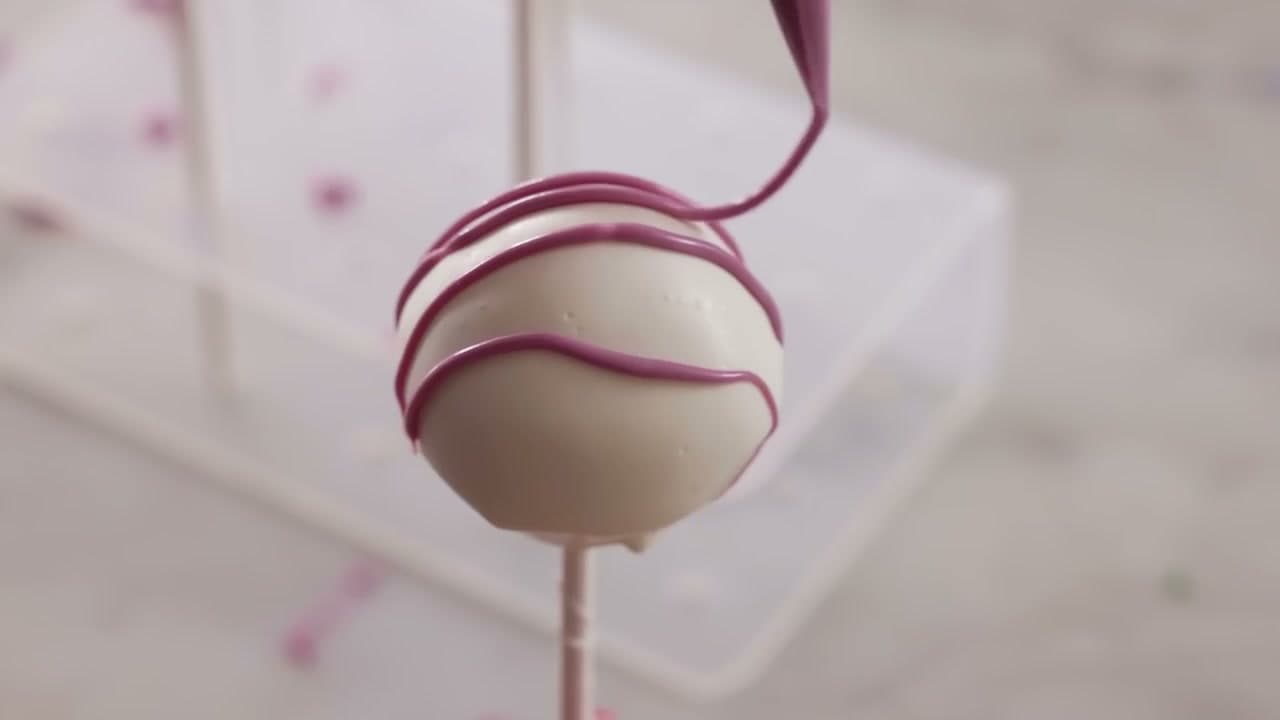
Add sprinkles immediately while the coating is still wet - they won't stick once it sets. For a drizzled finish, melt a second color of candy in a sandwich bag, snip the corner, and pipe thin lines across the top. Stand each finished pop in a cake-pop holder or a foam block to set. They harden in about 10 minutes at room temperature.

Tip

Every pop has a pretty side and a less pretty side. Stand the pretty side facing out on the dessert table and nobody will know.

Products Used

❖ The Recipe

How to Make Cake Pops: Easy Step-by-Step Recipe

American
Serves
Makes about 30-40 cake pops
Prep
40 min
Cook
5 min
Total
45 min

Ingredients

10 items
  • 1 9x13 sheet or 2 8-inch roundsvanilla cakebaked and cooled - homemade or box mix both work
  • 3/4 cupunsalted butterroom temperature, about 180g
  • 3 cupspowdered sugar
  • 1 teaspoonvanilla extract
  • 1 pinchsalt
  • 1 tablespoonheavy cream
  • 2 cups (about 12 oz)white candy melts
  • 1 teaspoonshorteningor solid coconut oil
  • 1/4 cuprainbow sprinklesplus more for decorating
  • 38 stickslollipop sticks6-inch paper sticks

Method

  1. 1
    Step 1: Whip the Vanilla Buttercream. Put 3/4 cup of room-temperature unsalted butter in the bowl of a stand mixer with the whisk attachment.
  2. 2
    Step 2: Trim the Caramelized Crust off the Cake. Cake pops only taste right if the inside is uniformly soft and pale.
  3. 3
    Step 3: Crumble the Cake Into Fine Pieces. Drop the trimmed cake into a big mixing bowl and start crumbling it apart with your hands.
  4. 4
    Step 4: Fold in Buttercream Until It Looks Like Wet Sand. Add the buttercream to the cake crumbs a few spoonfuls at a time.
  5. 5
    Step 5: Scoop and Roll Into 1.5-Inch Balls. Use a 1.
  6. 6
    Step 6: Mix in Sprinkles, Then Chill the Balls. Before you roll the rest, stir a couple tablespoons of rainbow sprinkles directly into the cake mixture.
  7. 7
    Step 7: Melt the Candy Melts in a Double Boiler. Bring an inch of water to a simmer in a small saucepan.
  8. 8
    Step 8: Dip the Stick and Push It Into a Cake Ball. Pull a few cake balls out of the freezer at a time, keeping the rest cold.
  9. 9
    Step 9: Dip, Drizzle, and Set Each Pop on a Stand. Transfer the melted candy into a tall, narrow cup so you can dip each pop straight down in one motion.
☐ The Checklist

How to Make Cake Pops: Easy Step-by-Step Recipe

Tools
8
Materials
11
Steps
9
Video
12 min

Your Guide

Preppy Kitchen

As an Amazon Associate we earn from qualifying purchases. Links on this page may be affiliate links - clicking them and buying doesn't change your price, but helps support ShowMeStepByStep.

Tags

What's next

Related collections

Curated theme pages that include this tutorial.

Weekly Digest

Liked this cooking tutorial?

Pick the categories you want to hear about. Weekly digest of new step-by-step tutorials. No spam, easy unsubscribe.

Send me tutorials about

We only email about new tutorials. Easy unsubscribe anytime.