How to Apologize

By ShowMeStepByStepPublished

Based on a video by TED-Ed.

Most apologies fail because they protect the person saying them. The non-apology ('I'm sorry you feel that way'), the deflection ('it was an accident'), the corporate softener ('mistakes were made') - all of them keep the speaker comfortable while leaving the wronged person exactly where they started. A real apology costs you something. The discomfort isn't a side effect. It's the point.

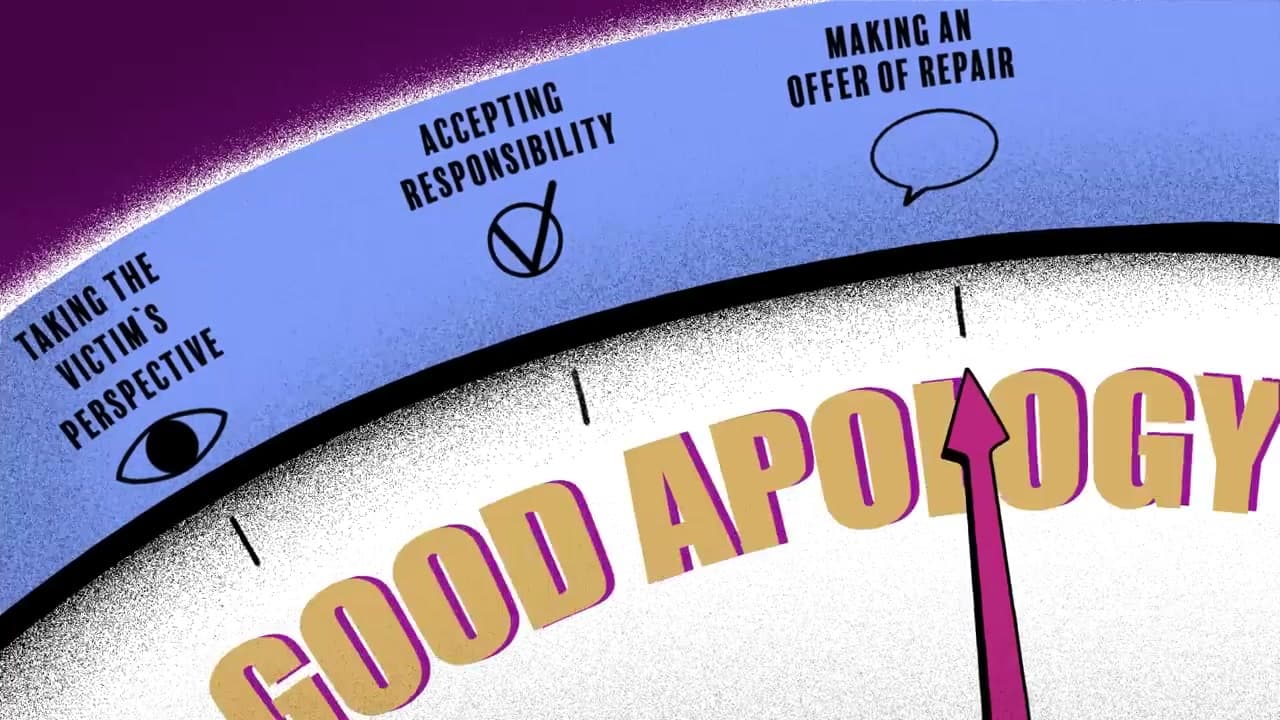
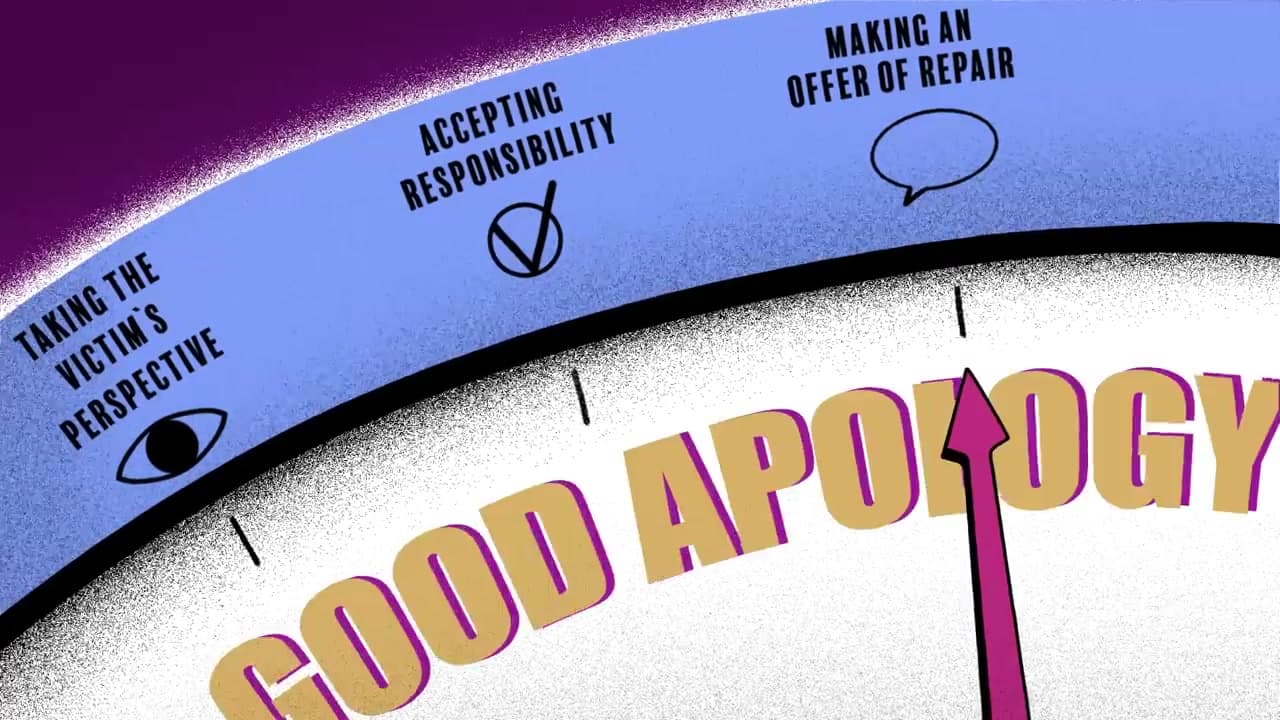
This walkthrough is based on TED-Ed's animated explainer with Karina Schumann, an apology researcher who has spent years studying what separates the apologies people accept from the ones they roll their eyes at. Eight elements come up across the research: owning the action, understanding the impact, asking how it landed, naming the wrongdoing clearly, offering to repair, and committing to change. None of them are complicated. All of them are uncomfortable.

Use this any time you owe someone an apology - a friend, a partner, a co-worker, a kid. The script is the same. The only variable is how much you're willing to feel before you speak.

Step-by-Step Guide

1

Step 1: Notice When You're Giving a Bad Apology

0:11
Step 1: Step 1: Notice When You're Giving a Bad Apology

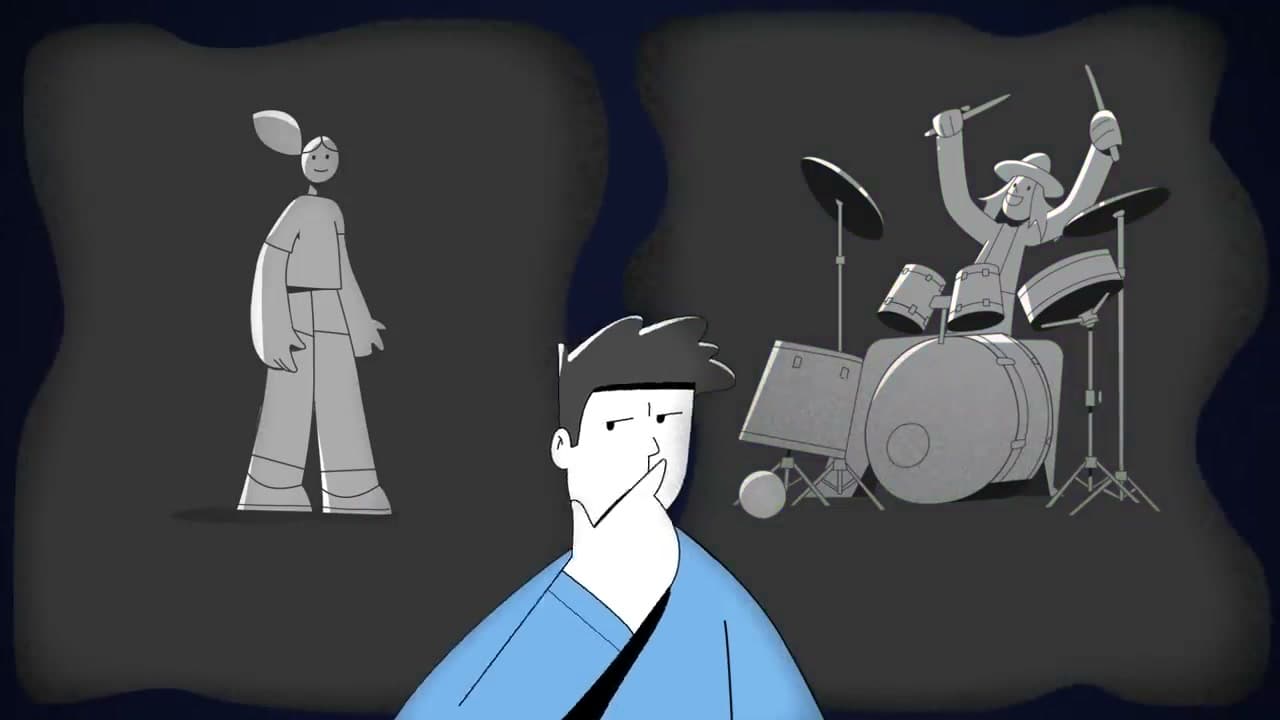
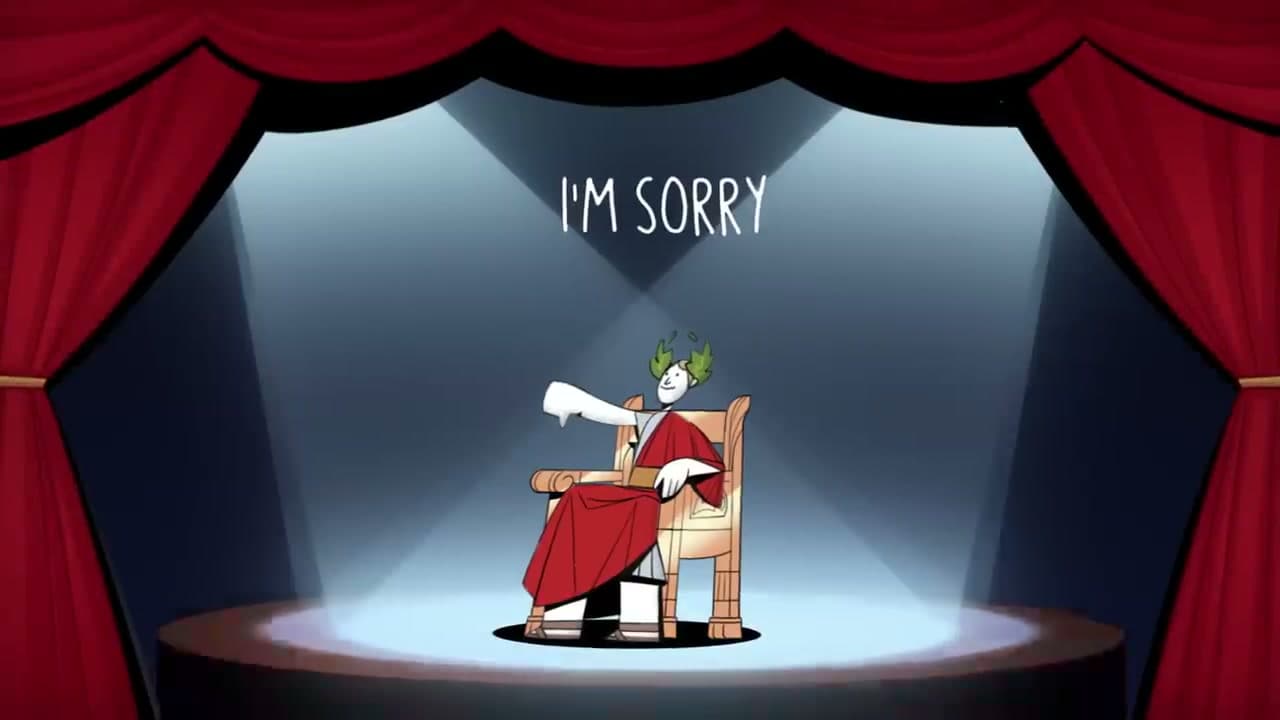
The classic bad apologies all sound polite. 'I'm sorry you took it that way.' 'I'm sorry, but...' 'Mistakes were made.' Each one quietly shifts the focus back to the speaker - their intent, their reputation, their feelings about being called out. That's the tell.

A real apology costs you something. It makes you uncomfortable. It puts the other person's experience first. If your apology feels easy and clean, it's probably not actually an apology yet.

Tip

Read your apology back to yourself before you say it. If the word 'but' shows up, you're about to defend yourself, not apologize. Cut everything after the 'but' and start over.

2

Step 2: Accept Full Responsibility for What You Did

1:12
Step 2: Step 2: Accept Full Responsibility for What You Did

Researchers call this the centerpiece of an apology. You own the action plainly, without leading with your intent. Even when the harm was accidental - eating someone's ice cream, missing a call, forgetting a date - the apology comes before the explanation.

The order matters. 'I'm sorry I ate the ice cream' lands differently than 'I didn't realize it was yours, sorry.' The first one is an apology. The second one is a defense with the word sorry attached.

Tip

If you find yourself wanting to explain your intent first, that's a signal you haven't fully accepted responsibility yet. Sit with the discomfort. Say the apology straight, then explain only if asked.

3

Step 3: Reach Past Rationalizing Your Choice

2:14
Step 3: Step 3: Reach Past Rationalizing Your Choice

This step is hard when you're not sure you made the wrong call. You skipped a friend's championship game to go to a once-in-a-lifetime concert. You believe you'd do it again. But your friend was hurt, and that hurt is real whether or not your reasoning was sound.

The apology isn't about whether you'd make the same choice. It's about how the choice landed on the other person. Your reasoning can be valid and the harm can still be real. Both can be true at the same time.

Tip

Notice when you're about to say 'but you have to understand my side.' Stop. The other person doesn't have to understand your side for your apology to count. Save your reasoning for after the apology has had room to land.

4

Step 4: Ask How Your Actions Made Them Feel

2:54
Step 4: Step 4: Ask How Your Actions Made Them Feel

Open with a real question. 'How did this affect you?' or 'What was that like for you?' or 'I want to understand what I put you through.' Then close your mouth.

Listen without interrupting. Don't correct their memory. Don't offer context. The point of the question is to learn the shape of the harm so your apology can address the actual injury, not the one you imagine you caused. People usually tell you exactly what they need to hear from you - if you let them.

Tip

If the answer surprises you, that's the most useful thing that can happen. It means your apology was about to miss. Adjust before you keep talking.

5

Step 5: Name the Wrongdoing in Specific Language

3:16
Step 5: Step 5: Name the Wrongdoing in Specific Language

Vague apologies fail because they could apply to anything. 'I'm sorry for what happened' covers being late, eating the ice cream, missing a wedding, and crashing the car. It proves nothing.

Specific apologies prove you understand. 'I'm sorry I broke my promise to be at your game, and that I picked the concert over you.' That sentence shows you've heard the actual offense. It's harder to say. That's also why it works.

Tip

If you can't name the specific thing you did and why it caused harm, you're not ready to apologize yet. Go back to step 4 and ask more questions until you can.

6

Step 6: Make a Concrete Offer of Repair

3:50
Step 6: Step 6: Make a Concrete Offer of Repair

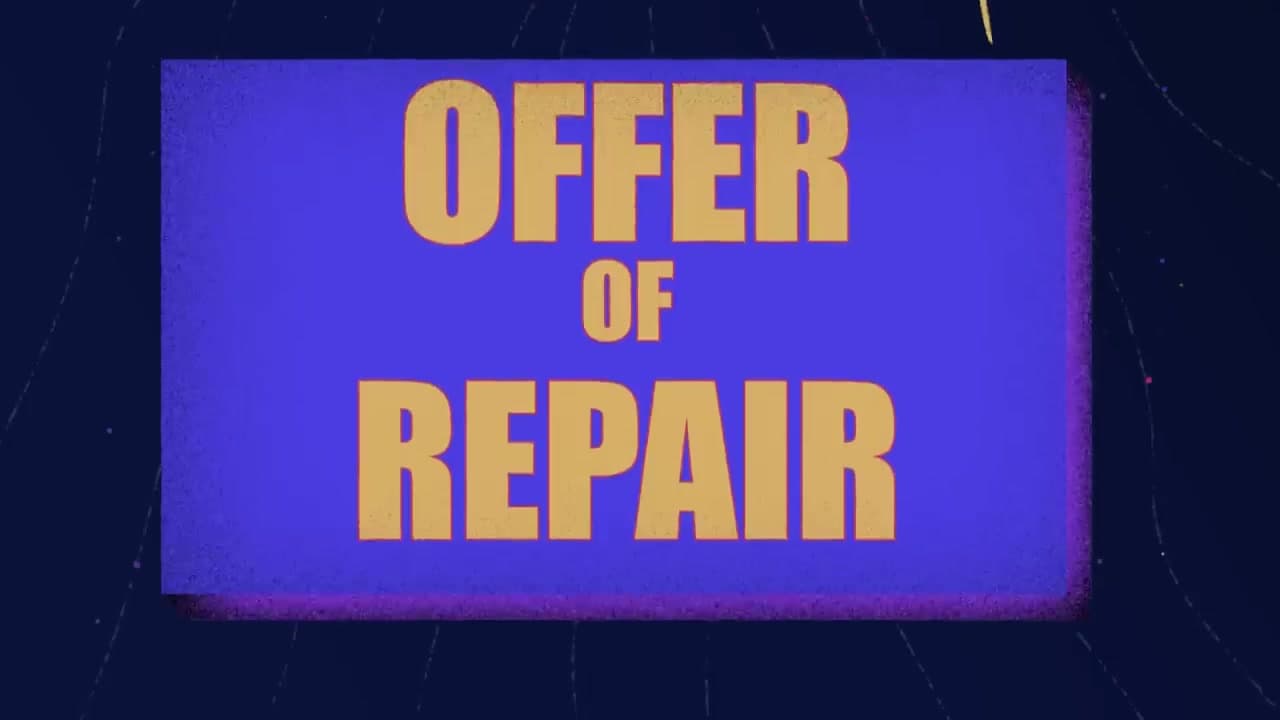
Researchers rate this as one of the most critical elements of an apology. For tangible harm, the repair is concrete - replace what you ate, pay for what you broke, redo what you ruined. For emotional harm, the repair is symbolic - the words 'I love you, I respect you, I want to make this right' carry the weight that money would in a different context.

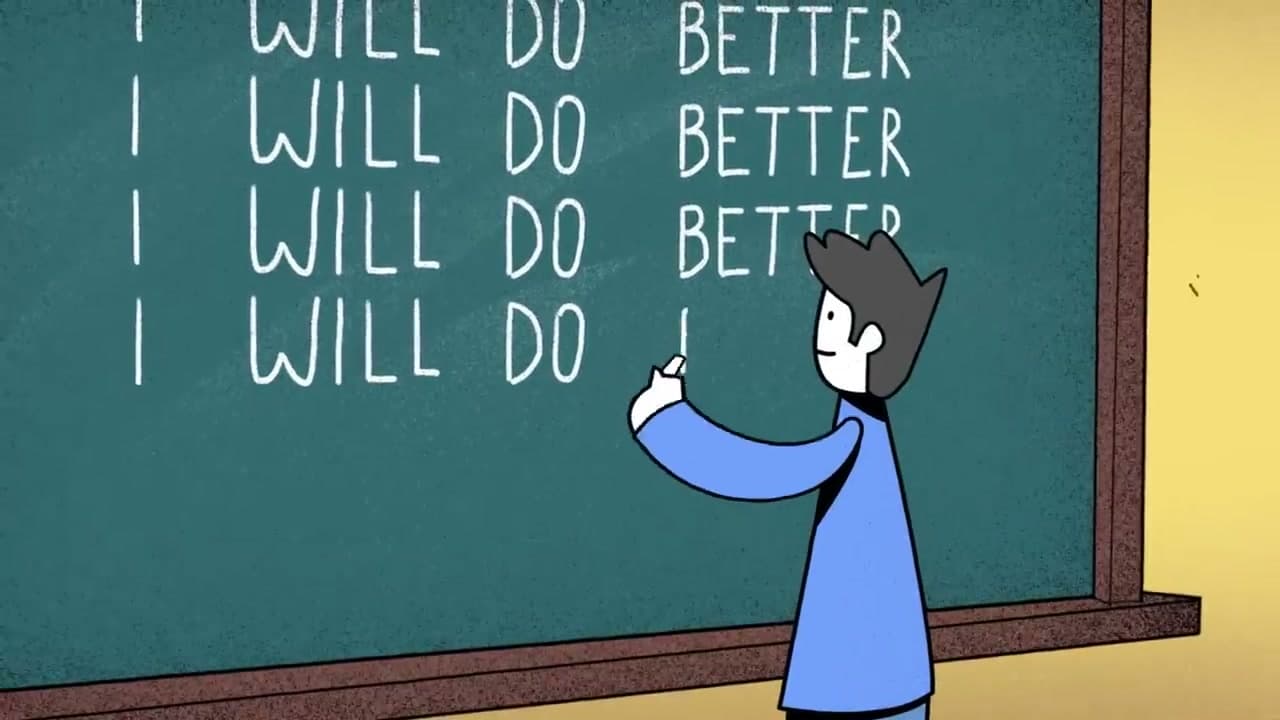
Whatever you offer, make it specific. 'I'll do better' is not an offer of repair. 'I'll call you every Sunday for the next month so you know I'm thinking of you' is.

Tip

Ask 'is there anything I can do to make this right?' if you're stuck. Sometimes the other person knows exactly what they want from you and is waiting for you to ask.

7

Step 7: Commit to Change - and Actually Change

4:11
Step 7: Step 7: Commit to Change - and Actually Change

A verbal commitment is the easiest part of an apology. 'I won't do it again' takes three seconds. Following through takes weeks or months or years.

A second offense after a verbal commitment is worse than the original wrong. It proves the apology was words and nothing else. So if you promise to change, build the system that lets you keep the promise. Set a reminder. Tell a friend. Track yourself. The apology isn't done when you finish saying it. It's done when you've stopped doing the thing.

Tip

Don't make a commitment you're not sure you can keep. A vague 'I'll try to do better' is more honest than a confident 'this will never happen again' if the second one isn't true.

8

Step 8: Let Go of Needing Forgiveness

4:29
Step 8: Step 8: Let Go of Needing Forgiveness

The best apologies aren't transactions. You don't say the right words and walk away with absolution. The other person decides when trust returns - and they get to take as long as they need.

Your job ends at the apology. Theirs begins after. If you keep pressing for forgiveness, the apology turns into another demand on the person you hurt. The road to reconciliation is a road, not a moment. Walk it patiently, keep your commitments, and let trust rebuild at the speed they need.

Tip

If the relationship matters to you, plan for the long version. A real apology is the first step. The next steps are weeks of doing the thing differently without expecting credit for it.

Products Used

Your Guide

TED-Ed

As an Amazon Associate we earn from qualifying purchases. Links on this page may be affiliate links - clicking them and buying doesn't change your price, but helps support ShowMeStepByStep.

Tags

What's next

Weekly Digest

Liked this communication tutorial?

Pick the categories you want to hear about. Weekly digest of new step-by-step tutorials. No spam, easy unsubscribe.

Send me tutorials about

We only email about new tutorials. Easy unsubscribe anytime.