How to Move (16 Moving Tips from a Professional Mover)

AdultingMedium11:418 stepsBrowse more →

By ShowMeStepByStepPublished

Based on a video by Moving Tips.

Most moves don't go badly because the truck broke down. They go badly because someone is still throwing kitchen drawers into trash bags at 11 PM the night before. Pro mover Danny Rosado has hauled enough of those last-minute disasters across 15 years of moving work to know exactly where the wheels come off.

This walkthrough pulls his 16 best tips into eight steps you can actually follow. You'll start four weeks out with a budget and a real timeline, decide whether movers are worth it for your situation, declutter, then move through packing - color-labeling boxes by room, protecting breakables, packing the kitchen, securing liquids, and keeping jewelry close.

Watch the full video for Danny's delivery and his on-camera demo of the color chart, garbage-bag clothes trick, and labeling system. The steps below are the practical playbook.

Step-by-Step Guide

1

Step 1: Set a Budget and Start Packing 4 Weeks Out

0:34
Step 1: Step 1: Set a Budget and Start Packing 4 Weeks Out

Sit down before you touch a single box and write two lists: a budget (truck, movers, supplies, deposit, utility hookups) and a moving timeline. Give yourself four weeks if you can, two weeks at the absolute minimum. Two days is not a moving plan, it is a panic.

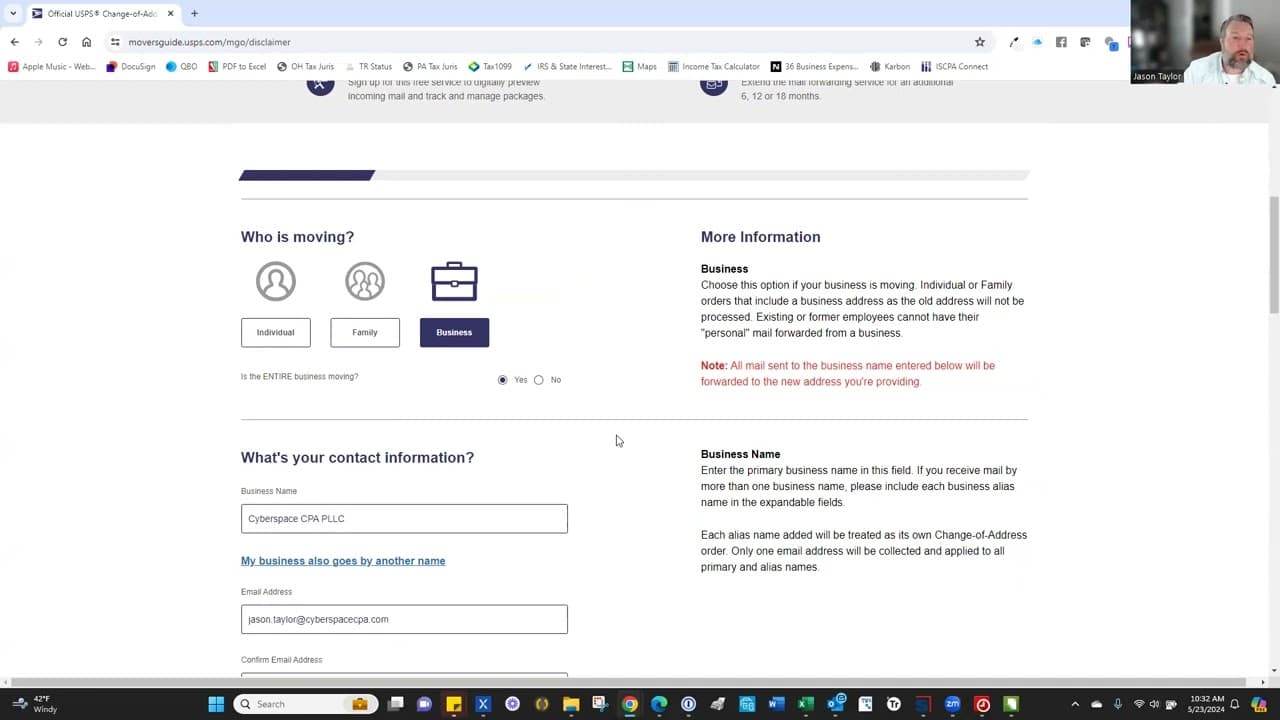
While you're at it, call your utility companies and schedule the cable, gas, and electric switch-over for the day you arrive. Same with mail forwarding and your driver's license address. Doing this in week one means you walk into a new place with the lights on, not a cold shower at 9 PM.

Tip

Build a 50 to 100 dollar cushion into your supply budget. Tape, markers, and extra small boxes always run short on packing day and a last-minute store run kills momentum.

2

Step 2: Decide Whether to Hire Movers

1:02
Step 2: Step 2: Decide Whether to Hire Movers

Be honest about what you can lift and who is actually showing up to help. If your only volunteers are a brother-in-law with a bad back and a friend who keeps texting "maybe," pay the movers. The price covers the truck, the labor, and the insurance on the stuff they break. The price you don't see is the chiropractor bill and the friendship strain when one couch ruins someone's weekend.

Get three quotes. Ask each one how they bill (hourly vs flat), whether they pack or just load, and how they handle damage claims. A good mover will ask about stairs, parking, and the heaviest piece in your house. If they don't ask, that's the answer.

Tip

Book movers four to six weeks out for a weekend move. The last weekend of the month and the first weekend of the new month are the worst - that's when leases turn over and every mover in town is booked solid.

3

Step 3: Declutter Before You Pack a Single Box

1:53
Step 3: Step 3: Declutter Before You Pack a Single Box

Every box you pack is a box you pay to move and then pay to unpack. Go through closets, the attic, the basement, and the garage and pull out anything you haven't used in a year. Donate, sell, or toss it. You are not moving the bread maker. You are not moving the treadmill that holds laundry.

Then set a timer for one hour a day and pack. That's it. One hour. Start with the rooms you barely use - guest bedroom, china cabinet, off-season closet. By the time you get to the kitchen and bedroom, you're a packing veteran and the daily pile is small enough that you don't dread it.

Tip

Take a photo of any furniture or electronics you sell on Facebook Marketplace before you list it. Buyers ghost less when the listing looks like an actual product, and you can re-list immediately if the first buyer flakes.

4

Step 4: Pack an Essentials Tote and Color-Label Every Box

2:48
Step 4: Step 4: Pack an Essentials Tote and Color-Label Every Box

Pack one bag with the stuff you need on day one: toothbrush, toilet paper, phone charger, two days of clothes, basic toiletries, snacks, the dog's food, your medication. That bag rides in your car, not in the truck. Without it you spend the first night digging through fifteen boxes for a hairbrush.

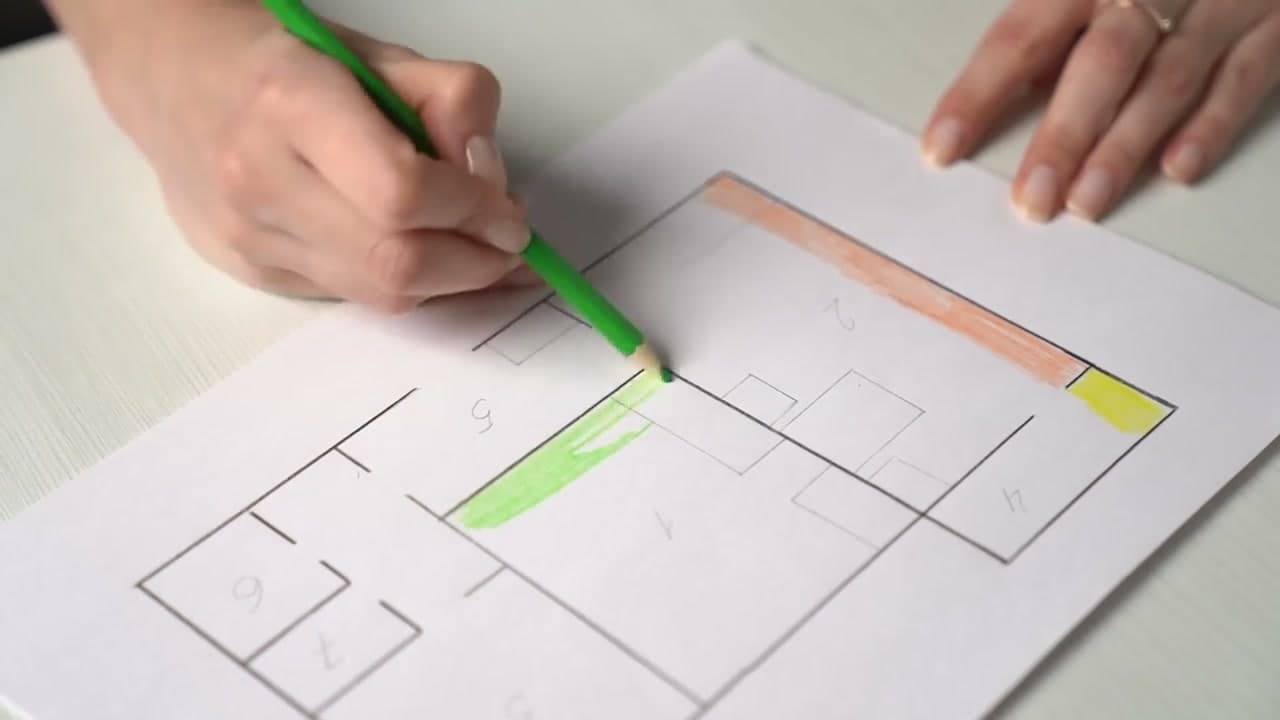
Then give every room a color. Kitchen is red, bedroom is blue, kids' room is yellow, bathroom is green. Slap a strip of colored tape on every box from that room and on the doorframe of the destination room. Movers walk in, see red tape on the box and red tape on the kitchen door, and the box ends up in the right room without anyone asking you where it goes.

Tip

Tape your color chart to the front door of the new place before the movers arrive. They'll thank you. So will the friend who shows up halfway through and starts helping cold.

5

Step 5: Use the Right Size Box and Don't Overpack

3:40
Step 5: Step 5: Use the Right Size Box and Don't Overpack

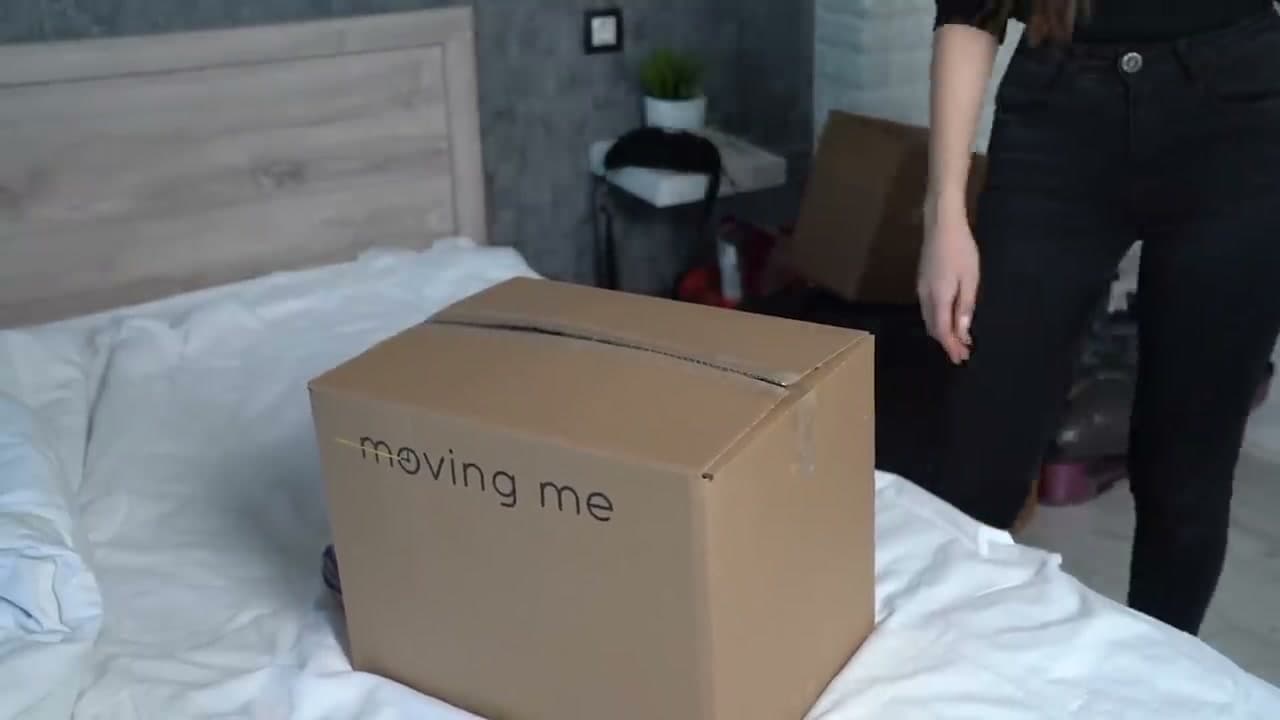
Heavy stuff goes in small boxes. Books, canned food, tools, dishes - all small box. A book box that you can lift with one hand stays manageable. A book box the size of a TV is going to drop on someone's foot.

Light, bulky stuff goes in big boxes. Pillows, comforters, lampshades, toilet paper. The box doesn't weigh much, but it fills the truck efficiently. And whatever the size, never leave empty space at the top. Stuff packing paper, a towel, or balled-up newspaper in the gaps so nothing rattles around in transit. A loose plate in a half-empty box always cracks.

Tip

If you can't lift the closed box off the floor with one hand on each side, it's too heavy. Open it up and split it. Your back doesn't care that you only have two boxes of books left.

6

Step 6: Protect Breakables and Use Suitcases and Garbage Bags

4:55
Step 6: Step 6: Protect Breakables and Use Suitcases and Garbage Bags

Wrap glasses, plates, and bottles individually in packing paper or bubble wrap. Pack plates standing on edge like records, not stacked flat - they survive bumps way better that way. Stuff a layer of paper at the top and bottom of every dish box.

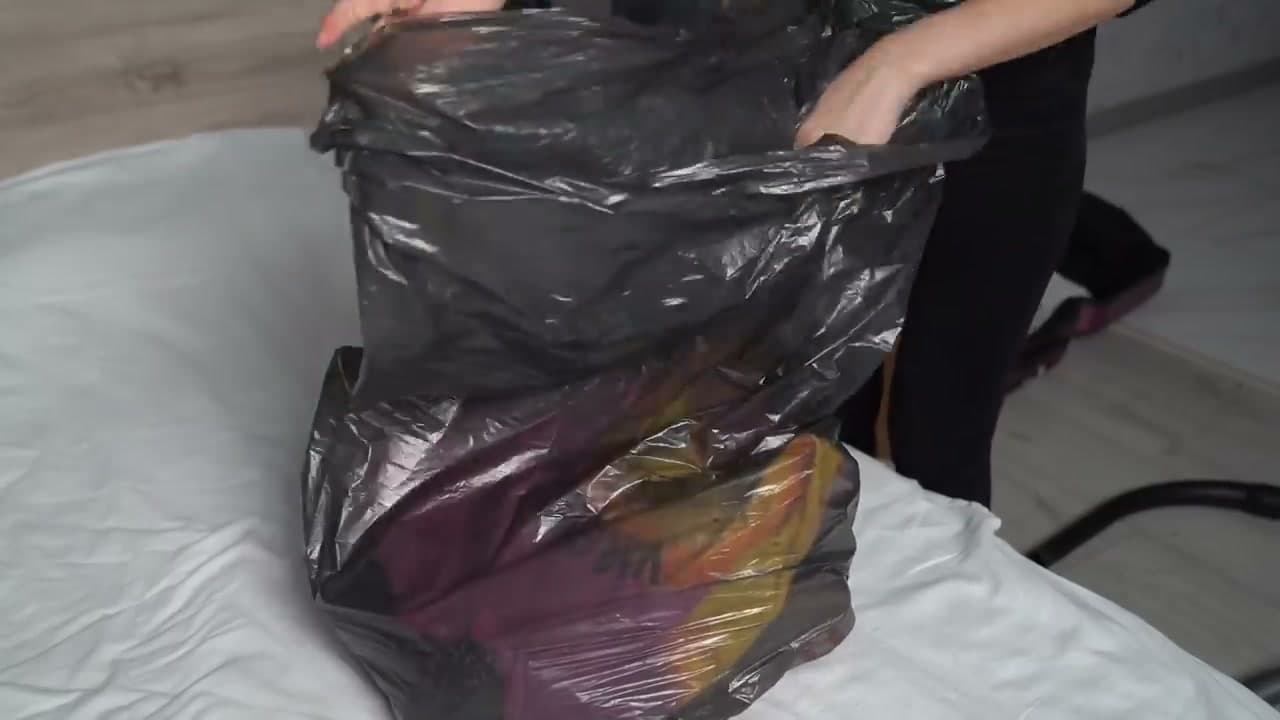
Save money on boxes by using what you already own. Suitcases and rolling duffels are perfect for heavy stuff like books because they have wheels. Laundry hampers are great for blankets and pillows. And the garbage-bag clothes trick from the video is real: lay clothes inside a heavy-duty trash bag, push the air out (vacuum hose works fastest), twist it tight, and you've shrunk an entire dresser drawer into a bag the size of a basketball.

Tip

Leave the clothes on the hangers. Slip a garbage bag up from the bottom over a whole section of hanging shirts and tie the hangers together at the top. Hang them straight into the new closet without folding. You skip a full hour of hanging clothes at the new place.

7

Step 7: Photograph Furniture and Isolate Hazardous Items

5:43
Step 7: Step 7: Photograph Furniture and Isolate Hazardous Items

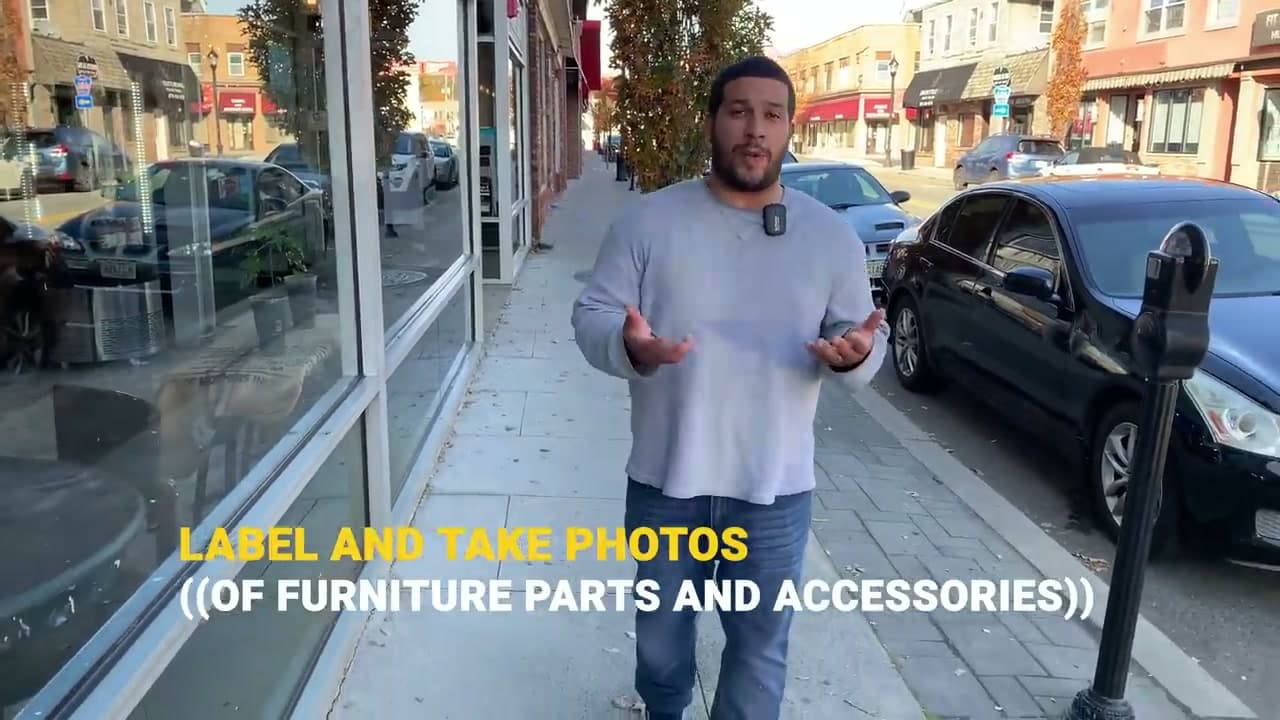
Before you unscrew anything, take a phone photo. Photograph the bed frame, the IKEA shelf, the cable connections behind the TV. Future you, at midnight in the new place trying to figure out which screw goes where, will thank you. Drop all the hardware (screws, bolts, the little hex key) into a zip-top bag and tape that bag to the underside of the furniture piece it came from.

Then look at what you cannot pack with normal stuff: paint, propane, gasoline, fire extinguishers, ammonia, drain cleaner, anything aerosol. Movers won't take most of these by law, and you don't want them tumbling around with your couch anyway. These go in your own car in a separate plastic bin, or get used up and tossed before the move.

Tip

For TVs and electronics, photograph the back of the unit before you unplug anything. Cable colors and port labels disappear fast, especially on older receivers and surround-sound setups.

8

Step 8: Pack the Kitchen, Seal Liquids, and Keep Jewelry Close

6:48
Step 8: Step 8: Pack the Kitchen, Seal Liquids, and Keep Jewelry Close

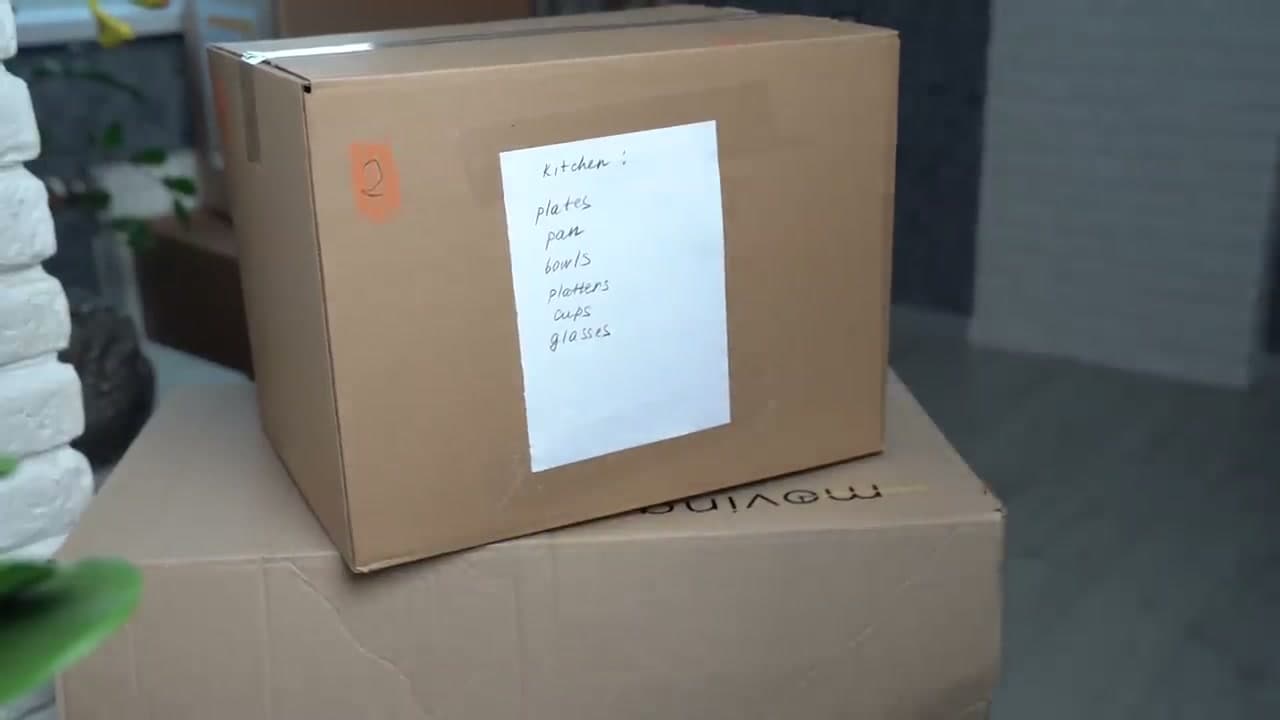
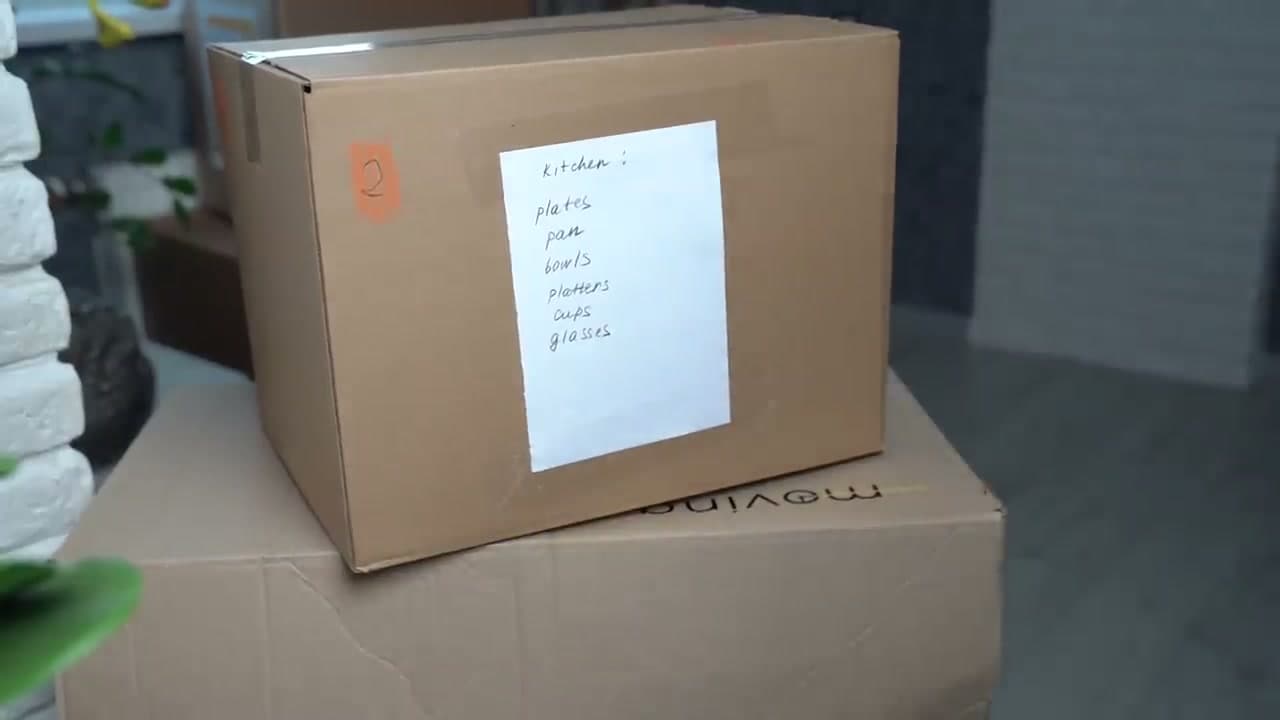
The kitchen takes longer than every other room combined. Plates, glasses, mugs, pans, mixing bowls, knives, and the weird gadgets nobody uses. Bubble-wrap every glass and plate. Pack plates on edge. Wrap knives in dish towels before they go in any box. Label the box "KITCHEN - FRAGILE" on at least two sides, not the top - movers can't see the top once boxes are stacked.

Bathroom liquids leak. Always. Unscrew the cap of every shampoo, lotion, and toothpaste tube, lay a square of plastic wrap over the opening, then screw the cap back on through the plastic. Whatever escapes the cap dies in the plastic instead of soaking the box. And jewelry goes in a small labeled box that rides in your car with you, not in the truck. Stuff disappears in moves. Not the rest of the bedroom - just the small valuable things. Keep them close.

Tip

Color-code your kitchen boxes by zone: red for everyday plates and glasses (unpacked first), blue for cookware (unpacked second), green for small appliances and the weird gadgets (unpacked whenever you find them). You'll cook in the new place by day two instead of day five.

Products Used

Your Guide

Moving Tips

As an Amazon Associate we earn from qualifying purchases. Links on this page may be affiliate links - clicking them and buying doesn't change your price, but helps support ShowMeStepByStep.

Tags

What's next

Weekly Digest

Liked this adulting tutorial?

Pick the categories you want to hear about. Weekly digest of new step-by-step tutorials. No spam, easy unsubscribe.

Send me tutorials about

We only email about new tutorials. Easy unsubscribe anytime.