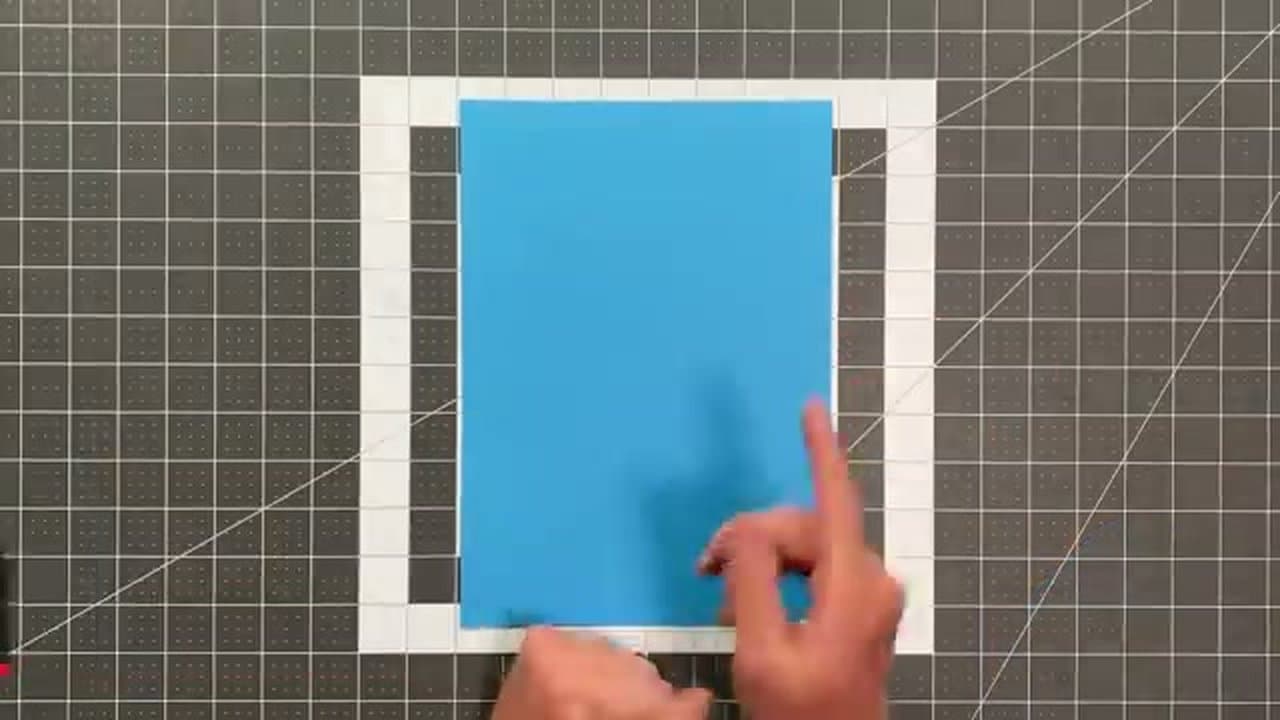
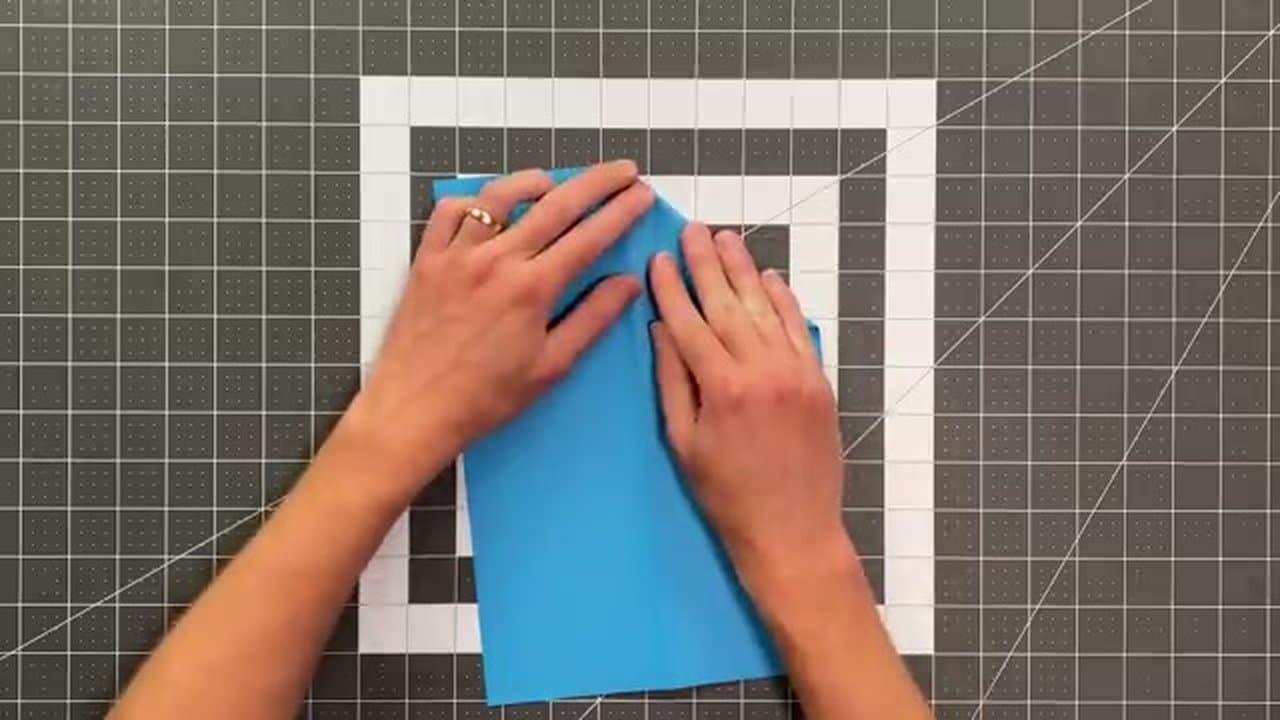
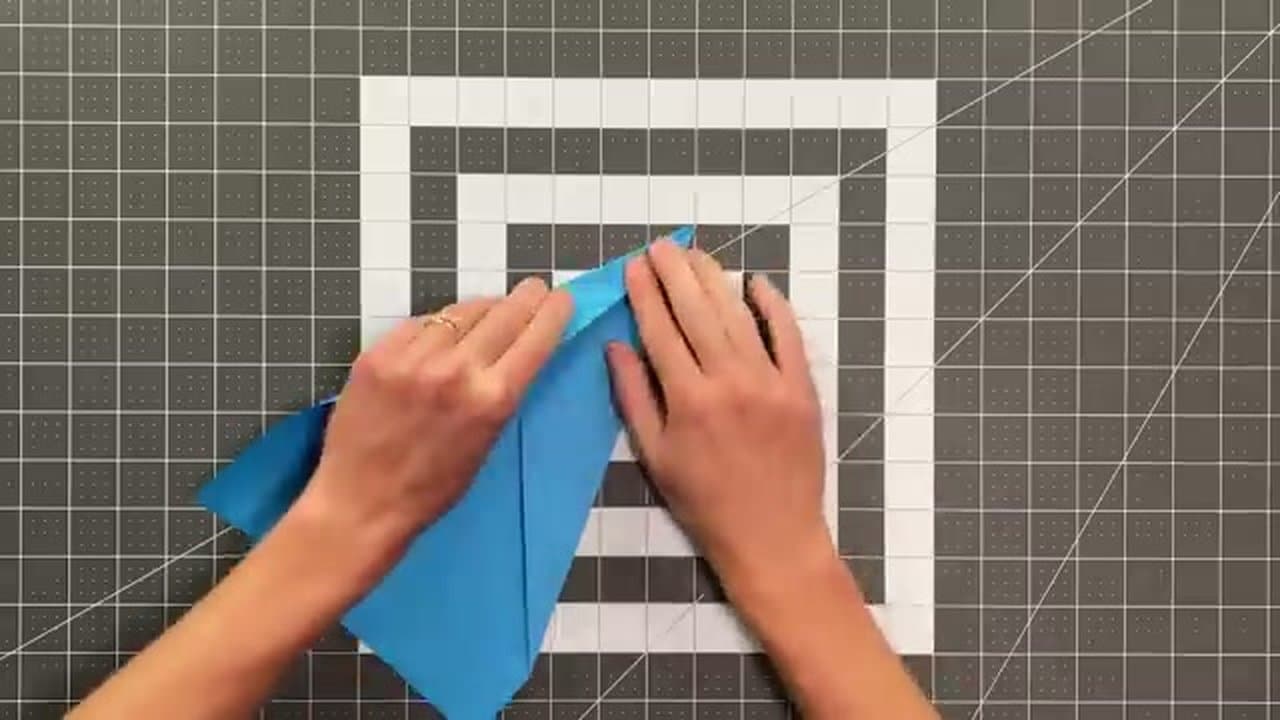
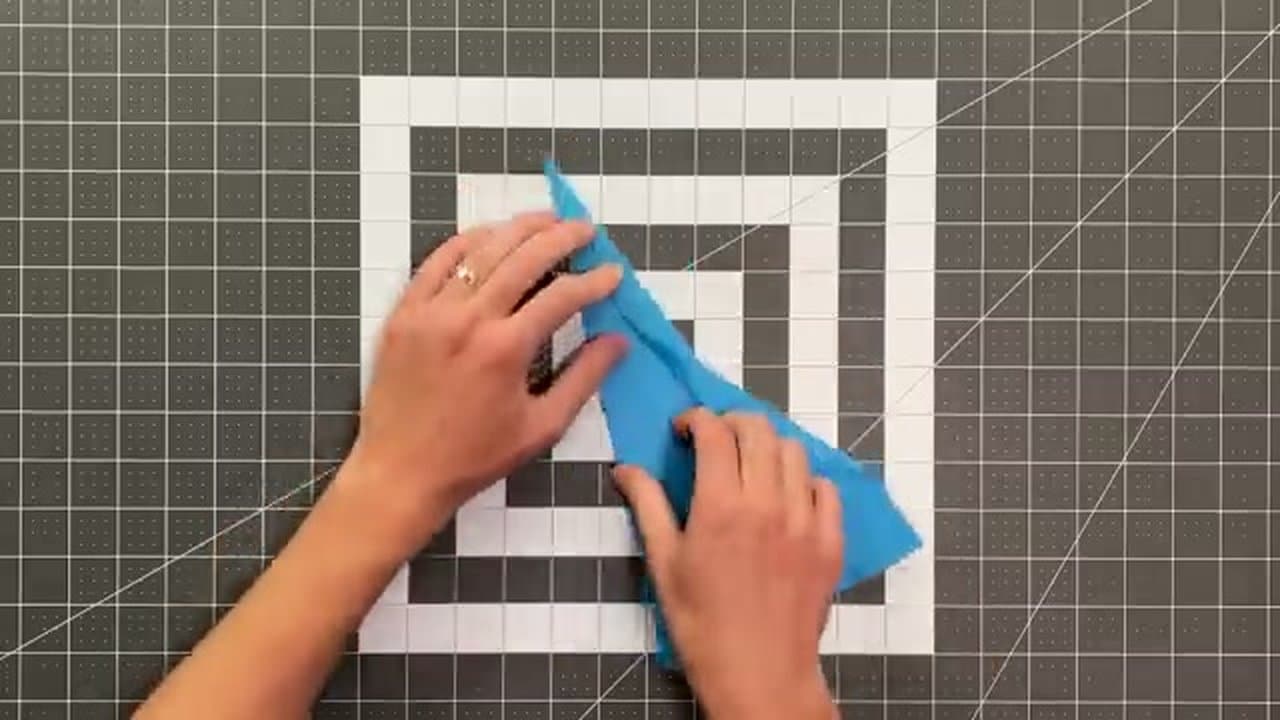
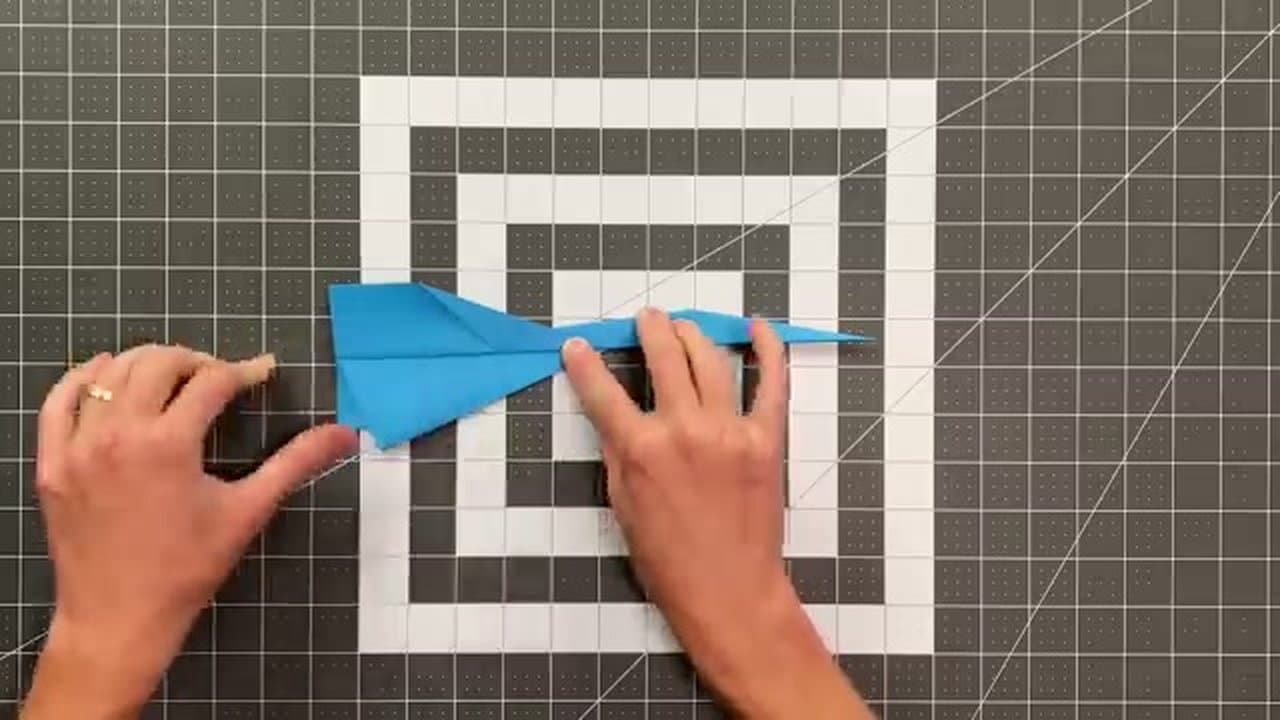
Most paper airplanes are basic darts. The Concorde takes that classic dart shape and adds a few extra folds to give it a sleek jet body. The result flies fast, looks sharp, and only takes a few minutes to fold.
This walkthrough follows the Concorde tutorial from Foldable Flight on YouTube. Any standard sheet works, and the whole fold needs no scissors and no glue - only your hands and a flat surface.
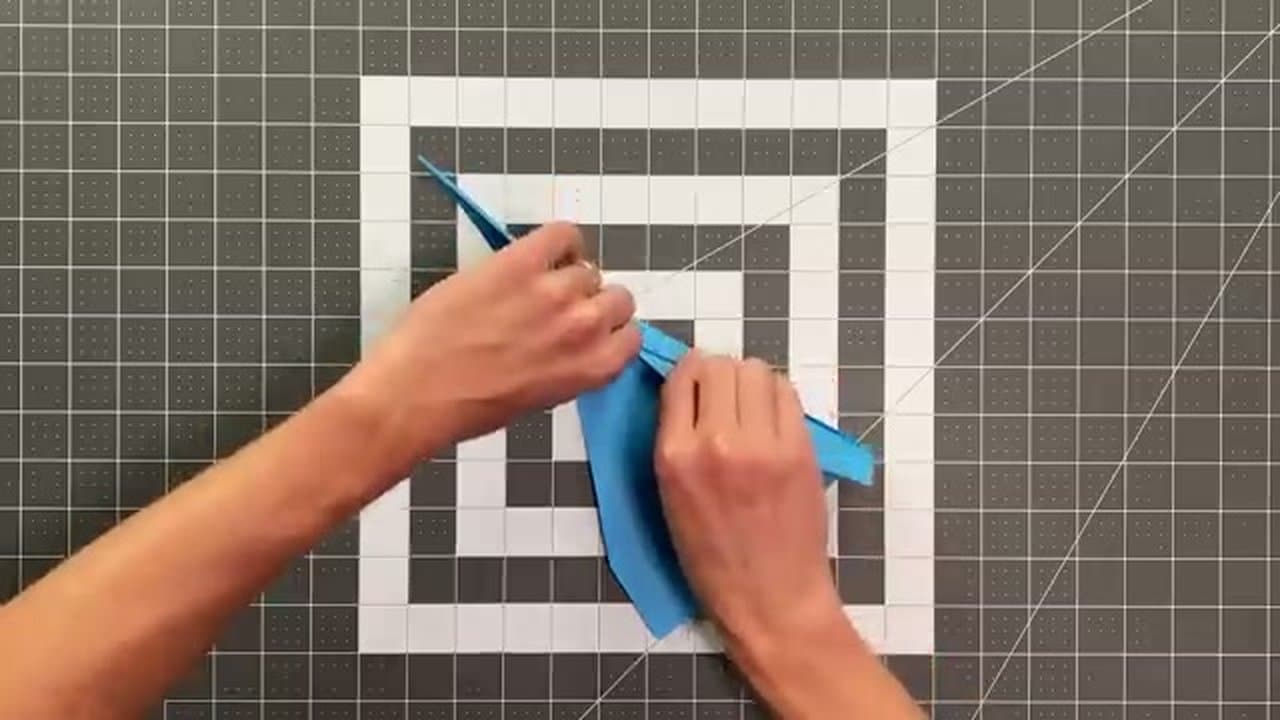
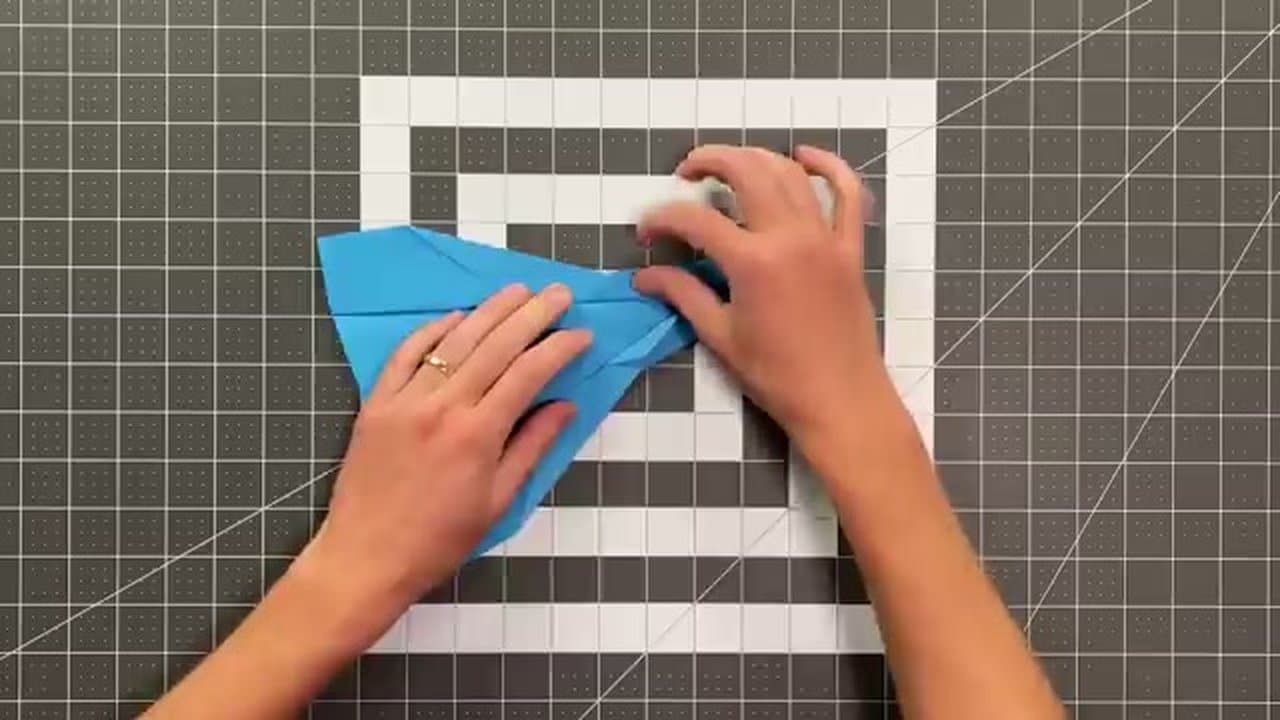
Take your time on the first three folds. They set up everything that comes after, and once you reach the jet fold the Concorde profile shows up all at once.
What Makes a Paper Airplane Fly Fast and Far
Speed and distance come from four things, and arm strength is not one of them. The first is weight. Those layered folds at the front pack most of the paper into the nose, and a nose-heavy plane holds its line instead of fluttering.
The second is creases. A sharp fold gives you a hard leading edge that cuts air, while a soft fold bows open in flight and drags. Run a thumbnail down every crease, twice if the paper feels thick.
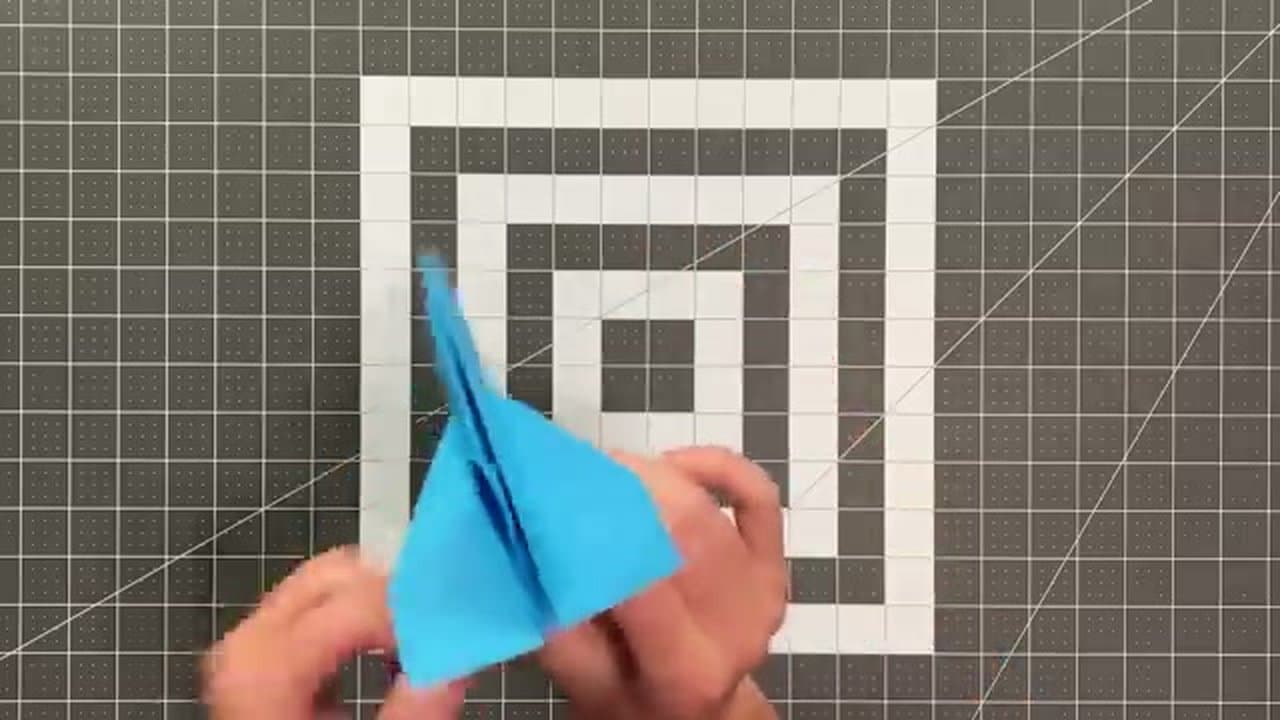
The last two are symmetry and dihedral. Hold the plane nose-on at eye level. Both wings should be the same width at the same angle, and they should sit a little above the body in a shallow V rather than dead flat. That V rights the plane when a gust tips it. Flat wings fly fast and roll over.
How to Throw It So It Flies Far
Distance comes from trim, not from throwing harder. Bend a small tab up on the back edge of each wing, about a fingernail wide, and keep the two even. That lifts the nose and turns a dive into a glide. Still nosing down? Add more. Stalling and dropping tail-first? Take some away.
Pinch the body low, under the wings, and throw level at eye height with a smooth push rather than a hard snap. A hard throw makes a fast plane climb, stall and fall. Aim a few degrees above level, not at the ceiling. A long hallway beats a breezy driveway.
Concorde vs a Classic Dart and a Glider
A narrow dart is all nose weight and almost no wing. It is the fastest thing you can fold, and it lands early because there is not enough wing to hold it up once the speed bleeds off. A glider is the reverse: broad wings, light nose, slow off the hand, still up long after the dart has landed.
The Concorde sits between them and adds a vertical tail fin that neither of the others has. The fin is what keeps it tracking straight instead of wandering. Shift the wing crease outward half a centimetre and the wider wing trades a little speed for more airtime. Shift it inward for a faster, shorter flight.
Fix a Plane That Dives, Stalls or Will Not Fly Straight
Nearly every bad flight is one of four faults, and all four get fixed on the plane in your hand.
- Noses into the floor: not enough elevator. Bend both wing tabs up more.
- Climbs, stops, drops flat: too much elevator, or too hard a throw.
- Curves the same way every throw: one wing is wider than the other, or one tab is bigger. Even them up.
- Rolls onto its back: lift both wings into that shallow V and stand the tail fin vertical.
Change one thing per throw. Fix two at once and you learn nothing about which fix worked.
Paper That Works Best
Standard 80 gsm printer paper is the sweet spot, and A4 or 8.5 x 11 fold the same. Thin paper crumples at the nose after a few throws, and card stock is too heavy to stay up. Coloured copy paper flies like white. Fold on a hard table, never a carpet or your lap, because a soft surface rounds off every crease.
Same sheet, more to fold: how to make a paper popper for a loud snapper, how to make a paper football to flick across a desk, and how to make a paper ninja star, the other classic throwing fold. New to creasing? How to make origami drills the basic folds first.