Complete guide
Knitting for Beginners: Complete Guide
Updated 2026-07-26 · 5 tutorials
Knitting is built on two stitches: knit and purl. Cast on your first row, alternate those two operations, and bind off when you're done. That's the entire structure. Every pattern in existence is some arrangement of knit and purl, and most beginners finish their first dishcloth in a single weekend sitting.
This guide covers the four things every absolute beginner needs: the right starter supplies, the basic stitches that unlock every pattern, project ideas you'll actually finish, and the FAQ that always comes up at hour two.
1. Essential supplies
You'll need yarn, knitting needles, scissors, a tapestry needle, and a stitch marker. Skip the circular needles set and the blocking mats; those come later.
Our essential knitting supplies guide breaks down each item: what to buy, what to skip, and what to buy later once you know what you like.
2. The basic stitches
Four operations carry you through most beginner patterns:
- Cast on: putting the first row of stitches on the needle. The long-tail method is the standard.
- Knit stitch (k): the foundation. Every other row in the simplest pattern is just knit.
- Purl stitch (p): the inverse of knit. Knit + purl alternated gives you ribbing and stockinette.
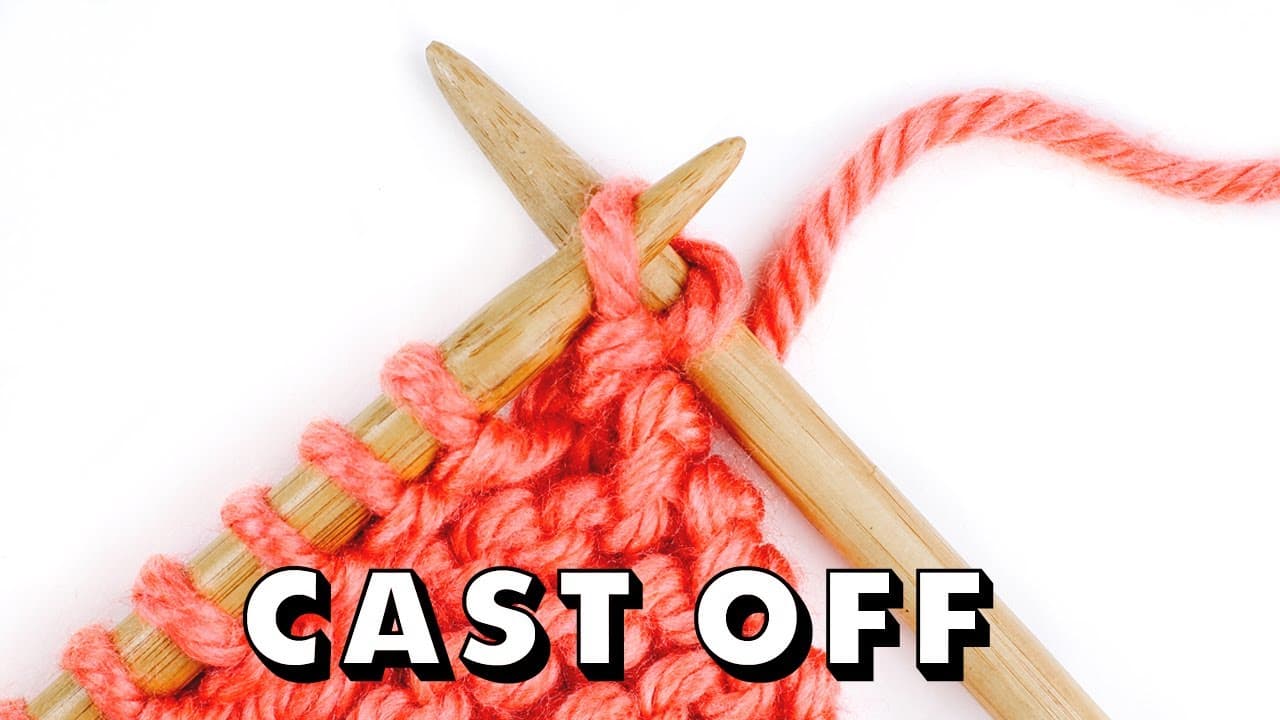
- Bind off: finishing the last row so the work doesn't unravel.
Once those four are muscle memory, every pattern starts making sense.
3. First project ideas
Pick something that lets you practice the basic stitches without committing to a 200-row pattern. Three classic first projects:
- A garter-stitch dishcloth: knit every row, no purling. Done in 2-3 hours.
- A simple scarf: cast on 30, knit every row until it's the length you want, bind off.
- A headband: short and shows off ribbing (k1, p1) once you've added purl.
4. FAQ
Worsted weight or DK? Worsted (#4) is the friendliest learning weight: visible stitches, forgiving on tension, widely available.
Aluminum, bamboo, or wood needles? Bamboo and wood have more grip, which beginners often prefer because stitches don't slide off accidentally. Aluminum is faster once your tension is consistent.
Knitting or crochet: which is easier? Different. Crochet is faster to learn (one hook, one motion). Knitting has a slightly steeper start (two needles, more dropped-stitch risk) but the finished fabric drapes better. Most beginners find purl harder than any single crochet stitch.
How do I fix a dropped stitch? Don't panic. The free loop just needs to be ladder-walked back up through the row of pulls above it, usually with the needle tip or a crochet hook.
How long until I can read a pattern? About a week of consistent practice with knit and purl. Pattern abbreviations look like alphabet soup until you've used each operation a few hundred times.
Tutorials in this guide
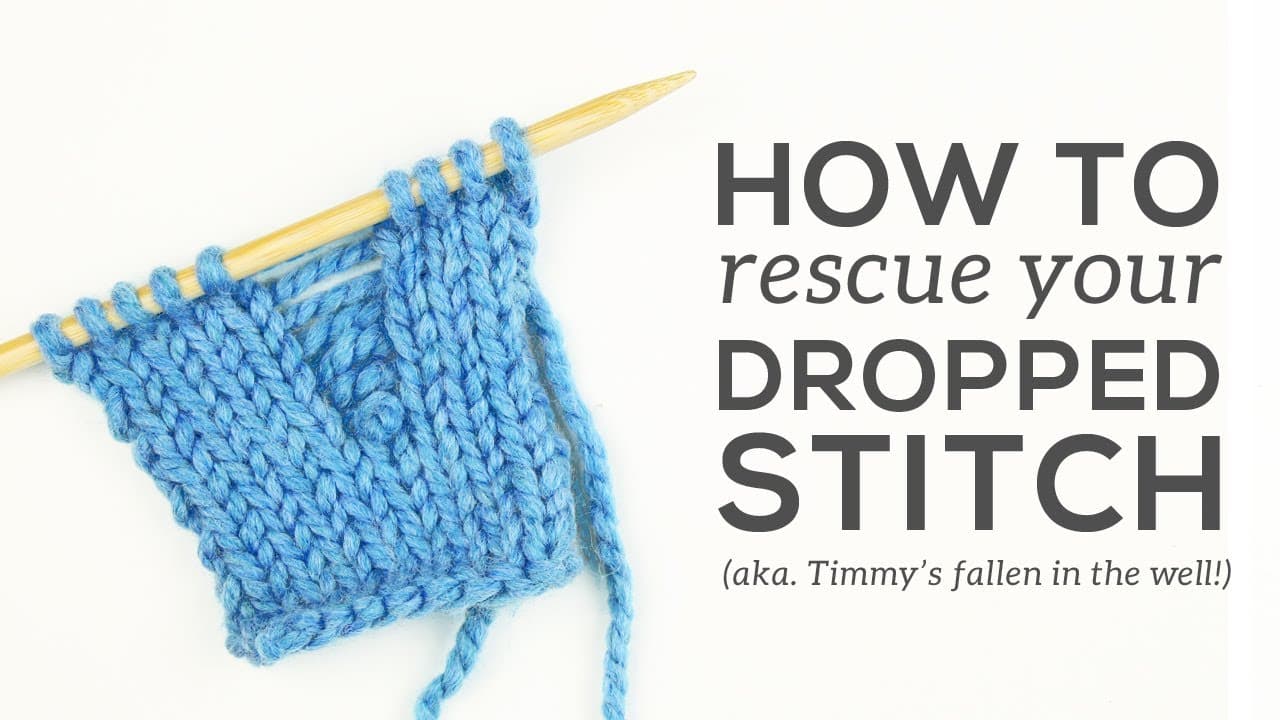
How to Fix a Dropped Knitting Stitch: 7 Step Rescue Tutorial
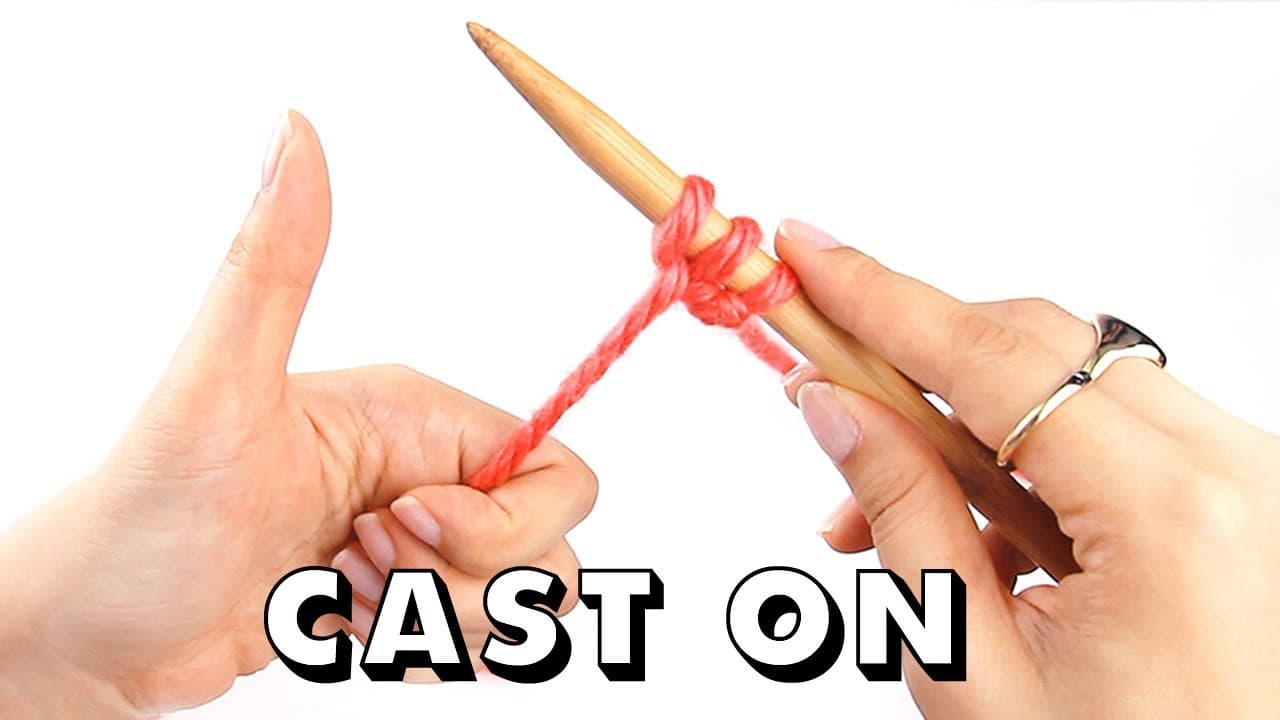
How to Cast On Knitting: Long Tail Method for Beginners
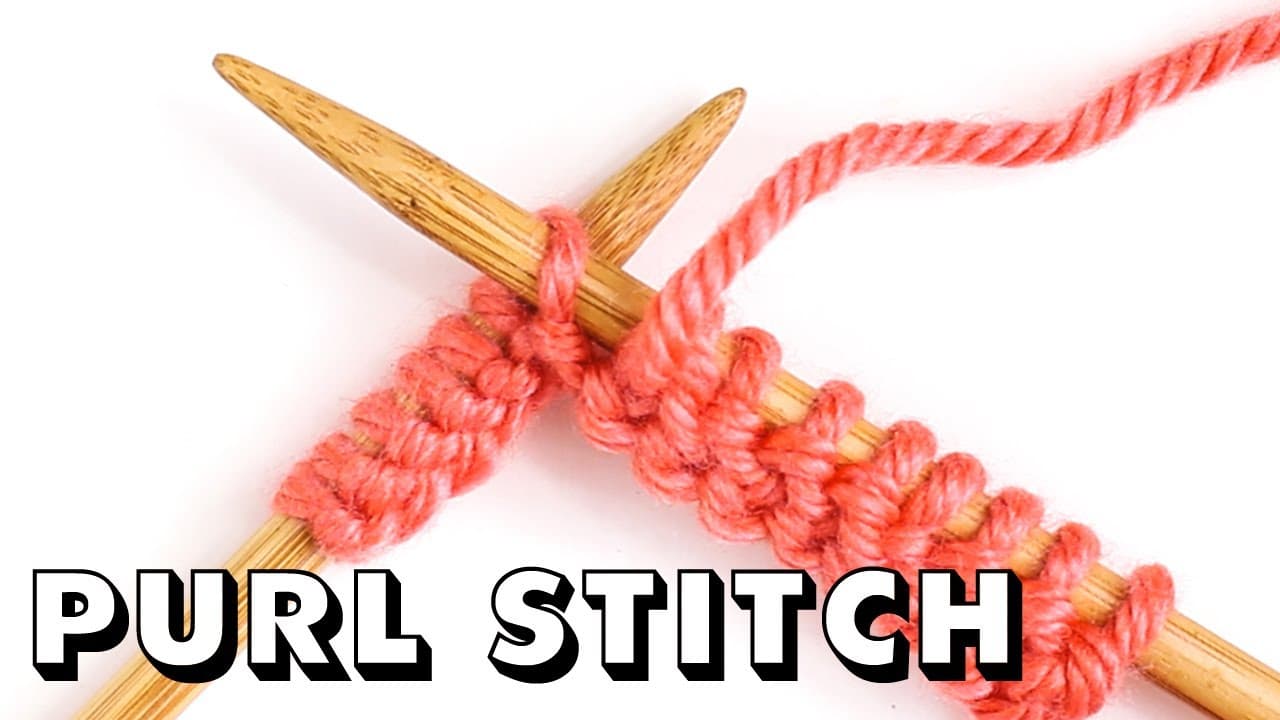
How to Purl Stitch: 7 Step Beginner Knitting Tutorial
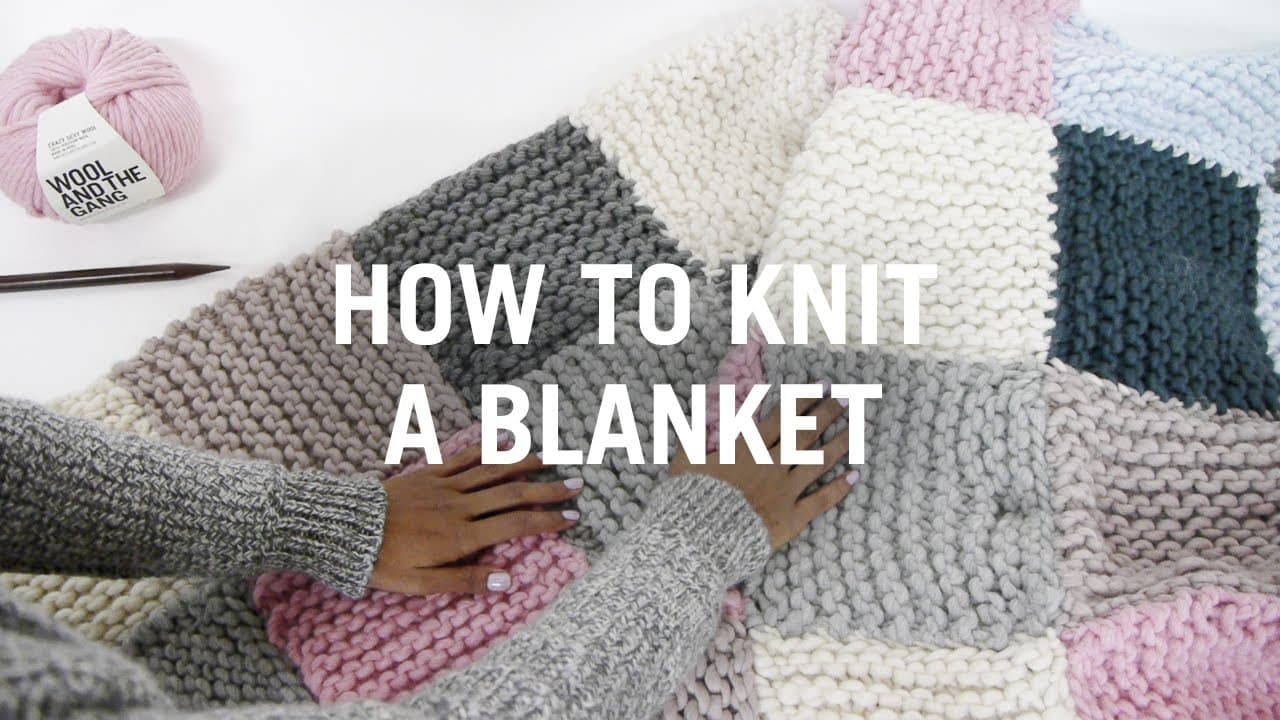
How to Knit a Blanket