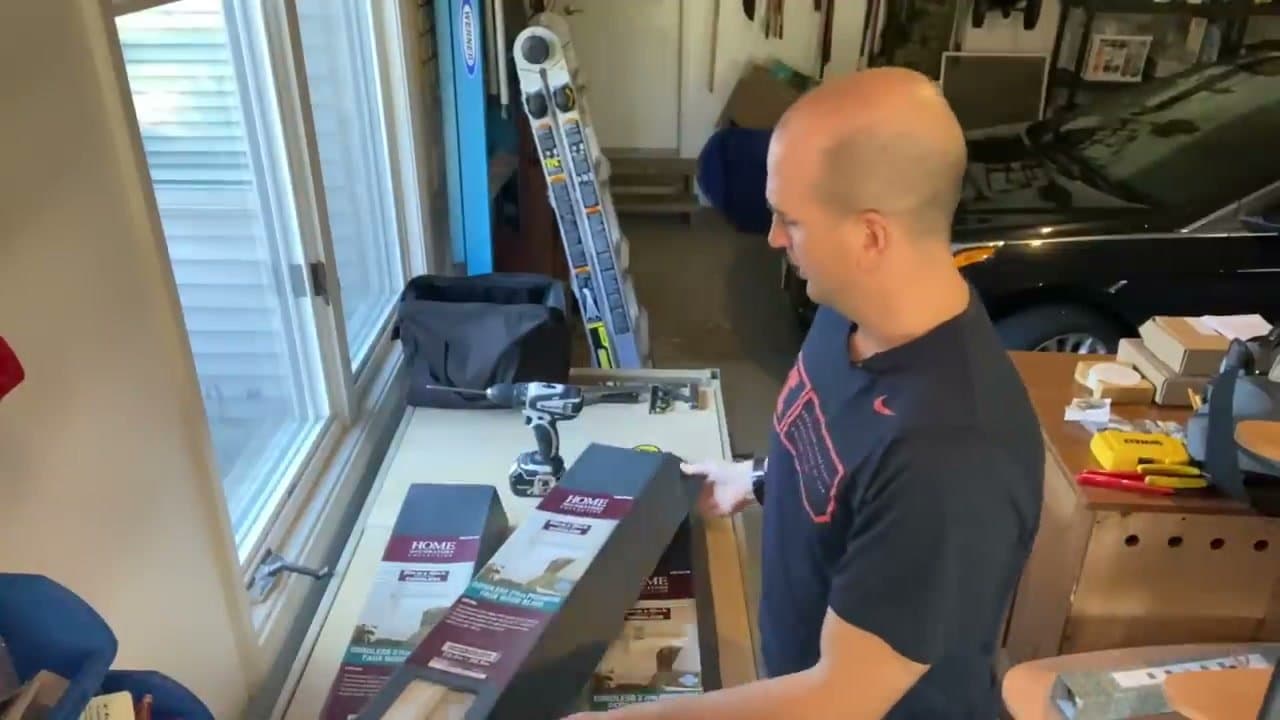
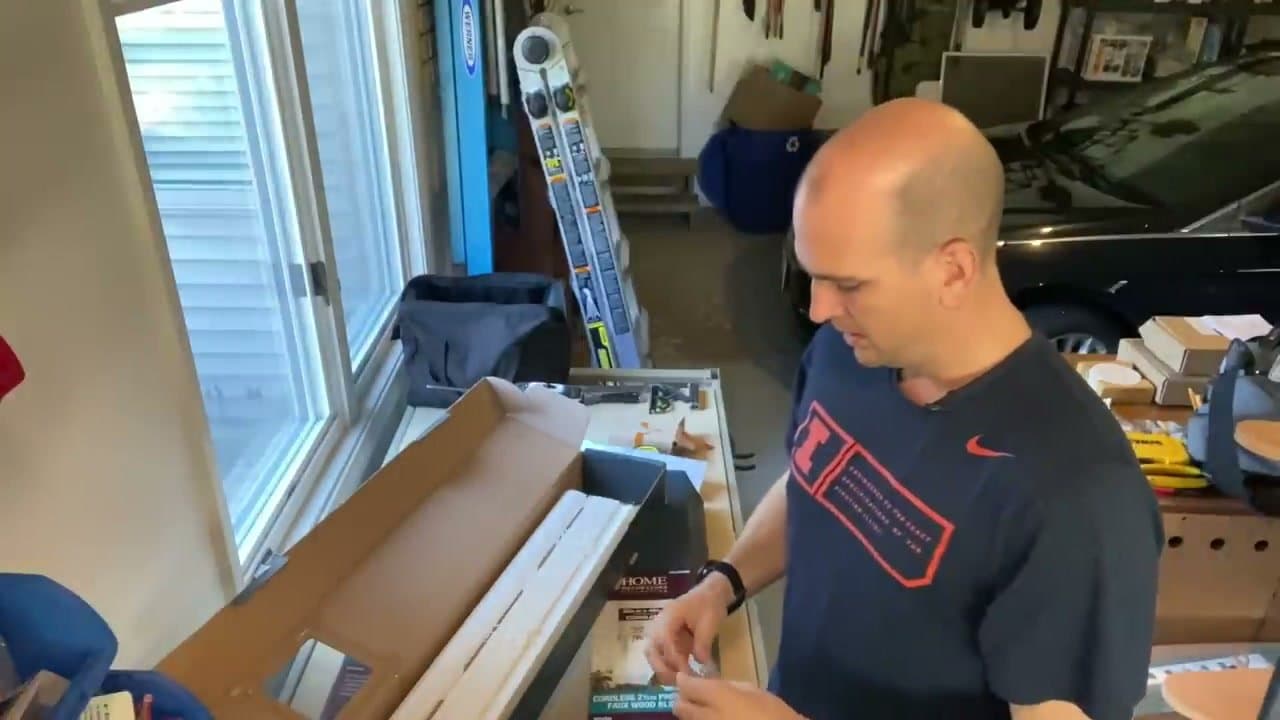
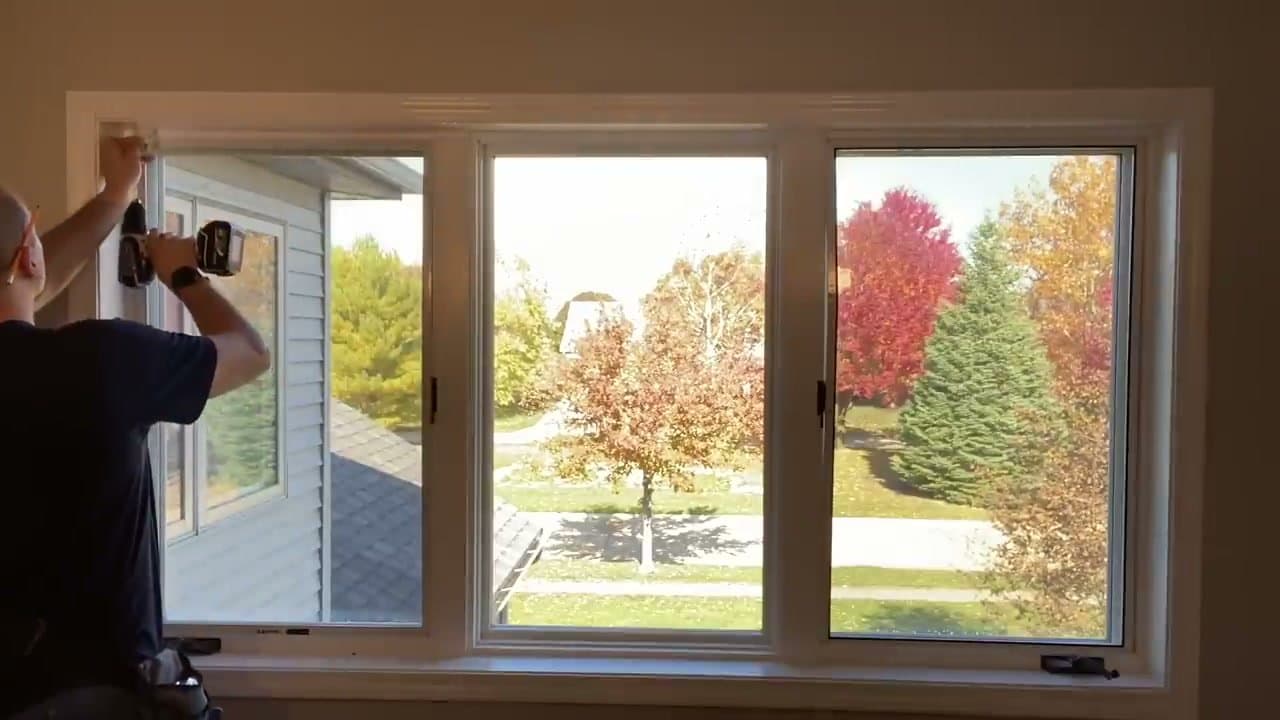
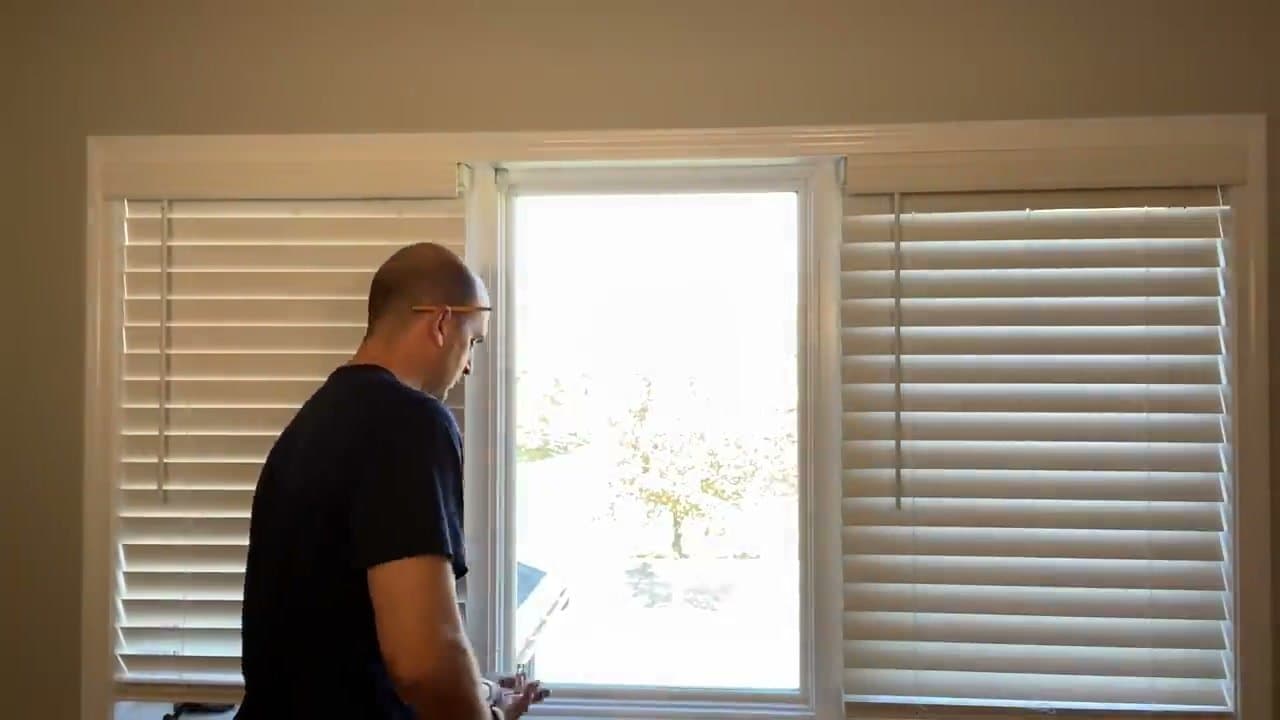
Blind installation is one of those jobs that looks intimidating but actually comes down to two screws per bracket and a tape measure. The whole thing takes about twenty minutes per window once you've done it once. Scott from Everyday Home Repairs did every window in his house this way and saved over four thousand dollars versus the quotes he got from blind companies.
This walkthrough covers an inside mount - the blinds sit inside the window frame instead of sticking out past it, which is the cleaner look and the more common choice. The only tools you really need are a cordless drill with a Phillips head bit and a tape measure. A torpedo level helps but isn't required if your window frame is already square.
Order your blinds sized to your window before you start. Home Depot and most big box stores will custom-cut faux wood blinds to your exact width in a couple of days. Measure the inside of your window frame to the nearest sixteenth of an inch and take the narrowest measurement if the frame is out of square. While you're refreshing the room, our painting guide covers every prep step the pros use, and floating shelves add storage above the window without bulky brackets.
Common questions about installing window blinds
The questions buyers ask before tackling their first window install. If you can answer these going in, the actual job is straightforward.
Do you screw blinds into the window frame or the wall?
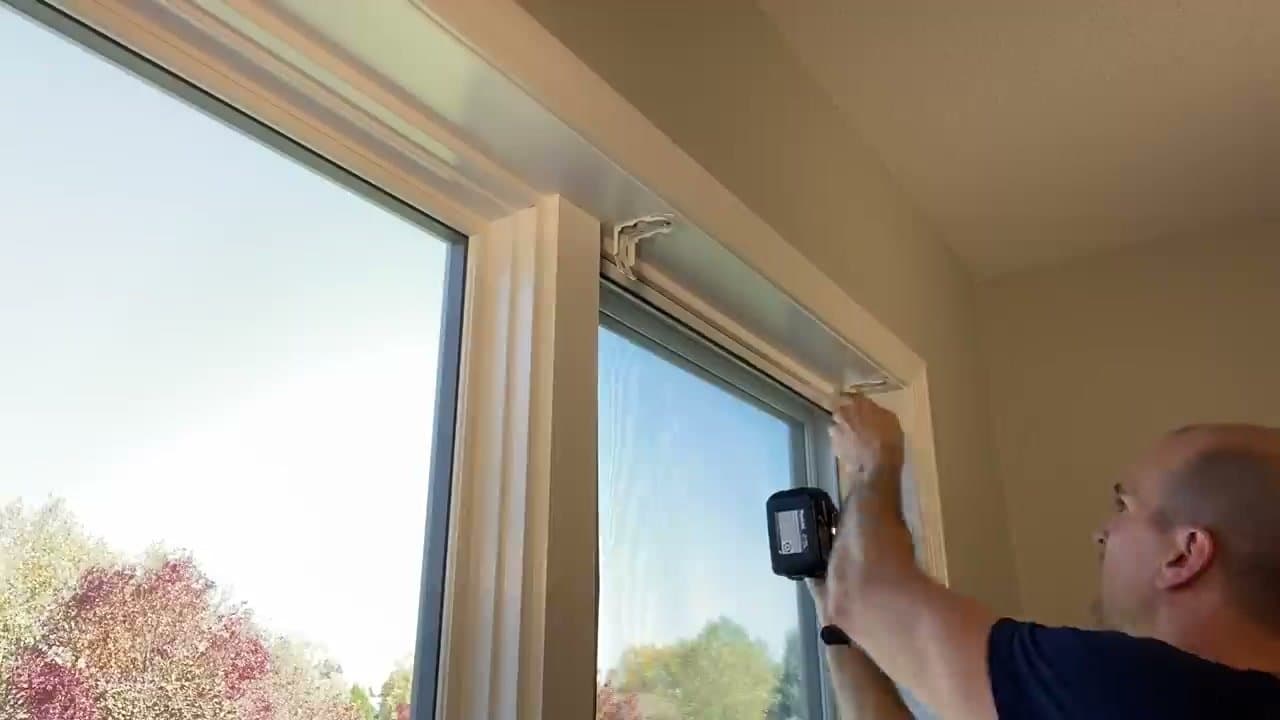
For an inside mount, the brackets screw into the top of the window frame itself. The screws bite into the wood or vinyl jamb so the headrail sits inside the recess. For an outside mount, the brackets screw into the wall above the trim or directly into the trim. Inside mount is the cleaner look but requires at least 2 inches of frame depth so the headrail clears the glass.
How do you measure for inside-mount blinds?
Measure the inside width of the frame at three places (top, middle, bottom) and use the narrowest reading. Round down to the nearest sixteenth of an inch - never round up, or the blinds won't fit. For height, measure from the top of the frame to the sill at three places and use the longest reading. Most retailers cut faux wood blinds to your exact width within an eighth-inch tolerance, so measuring matters.
Can you install window blinds without drilling?
Yes, but only with a different blind type. Tension rod blinds and some cordless cellular shades use spring pressure or adhesive strips to mount inside the frame, no screws required. Faux wood blinds like the ones in this guide do require drilling - they're heavier and need bracket support to stay level. If you rent and can't drill, switch product types rather than skipping the brackets.
What size drill bit do you use for window blind brackets?
A 3/32-inch bit is the right size for the pilot holes on the screws that ship with most faux wood and metal blinds. If you're going into vinyl or PVC window frames, drill a pilot hole every time so you don't crack the jamb. On wood frames you can sometimes drive the screw straight in, but a pilot hole still gives you a cleaner finish. Always set the drill on a low torque setting.
How long does it take to install window blinds?
About 20 to 30 minutes per window once you've done one. The first install runs longer because of unboxing and reading the directions. Bracket placement and pilot drilling take maybe 5 minutes per side; snapping the headrail in and clipping the valance is another 5. Multi-window jobs go fast: most homeowners can do five or six windows in a single afternoon.
Doing a full room makeover? Once the blinds are up, the floor is the next win. See how to install laminate flooring yourself in a weekend.
These same steps work for metal mini blinds and vinyl blinds, not just faux wood. If your brackets sit on the wall or trim above the window instead of inside the frame, that's an outside mount - screw the brackets into studs or wall anchors, then hang the blinds the same way.