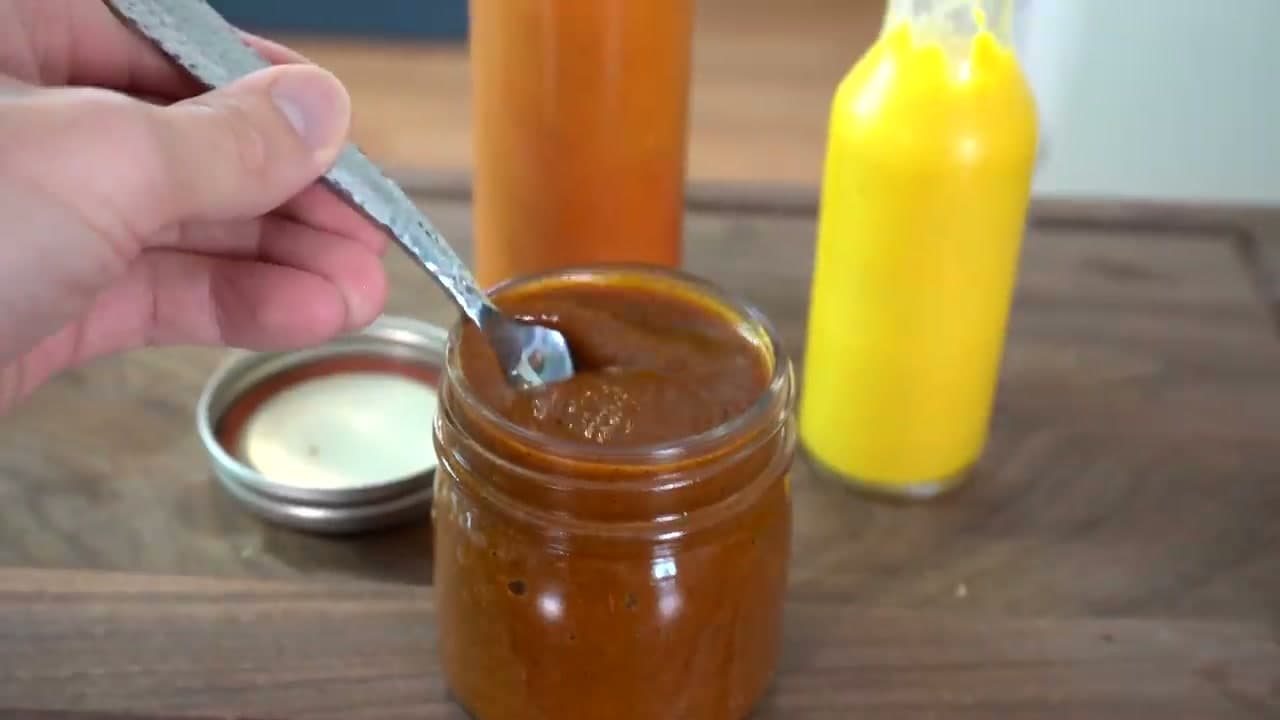
How to Make Homemade Hot Sauce (Craft Your Own Recipe)

By ShowMeStepByStepPublished Updated

Based on a video by Pepper Geek.

This is Pepper Geek's approach to homemade hot sauce, and it's better than any single recipe because it teaches you the method. Instead of handing you a list to copy, it breaks sauce making into three buckets: fresh ingredients for body, liquids for acidity and pour, and dried spices for depth. Learn the framework once and you can build any sauce you can imagine.

The example here is a smoky barbecue-style sauce. You roast onion, peppers, and garlic until they blister, toast whole spices in a dry pan and grind them fresh, then blend everything and adjust the consistency with apple cider vinegar at the very end. Roasting is what gives the sauce its cooked, caramelized flavor, and holding the vinegar back lets you control the final texture.

Two habits make this work every time: work in small batches so mistakes are cheap, and write down every amount as you go. That notebook turns a happy accident into a recipe you can repeat. Once you've got the technique down, swap in different peppers and sweeteners and make a sauce that's entirely your own.

Step-by-Step Guide

1

Step 1: Set Up Your Workspace and Gear Up

1:20
Step 1: Step 1: Set Up Your Workspace and Gear Up

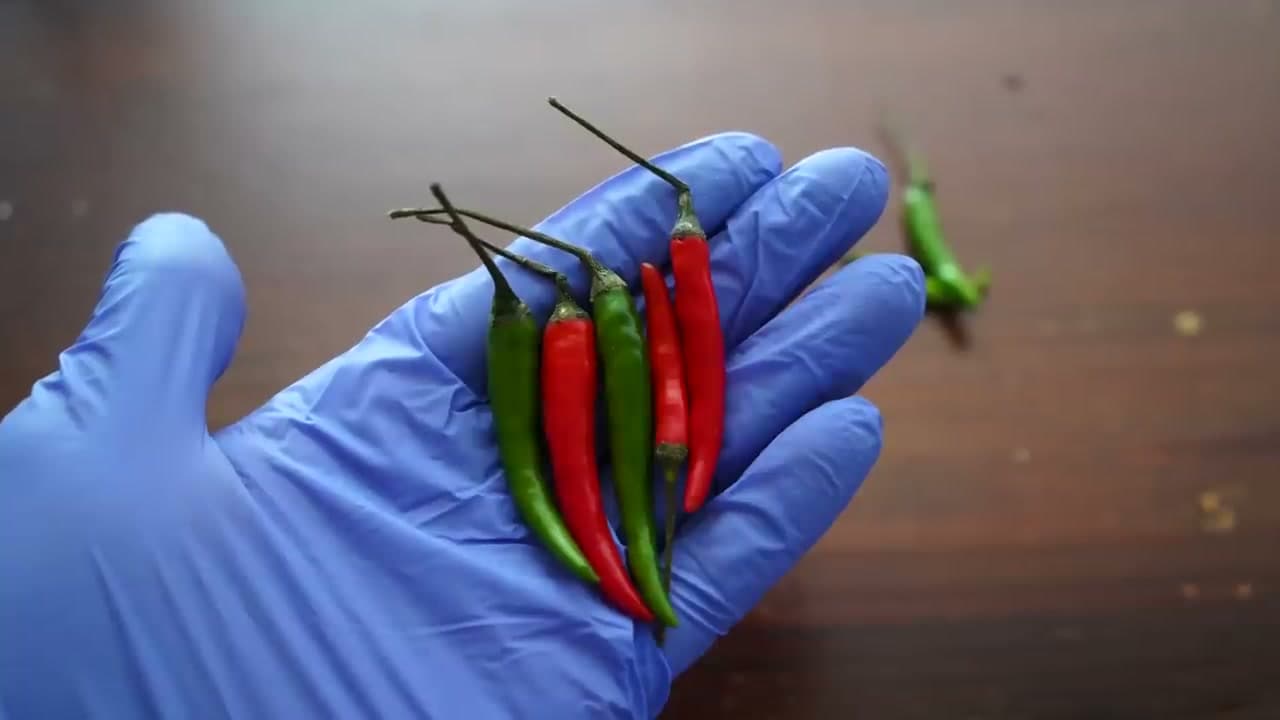
Before you touch a single pepper, get your space ready. Open a window or turn on a fan so the spicy air has somewhere to go, and pull on a pair of nitrile gloves before handling any hot peppers. Capsaicin sticks to skin and finds its way to your eyes hours later.

Work in a small batch, about one or two bottles' worth, so a flop only costs you a little. Keep a pen and paper next to you and write down every amount as you add it. That notebook is what turns a lucky one-off into a recipe you can make again.

Tip

Watch this step The written log is the single most important habit in sauce making. Even pros forget what they did by the time the sauce tastes perfect.
2

Step 2: Pick Your Ingredients Around a Plan

7:50
Step 2: Step 2: Pick Your Ingredients Around a Plan

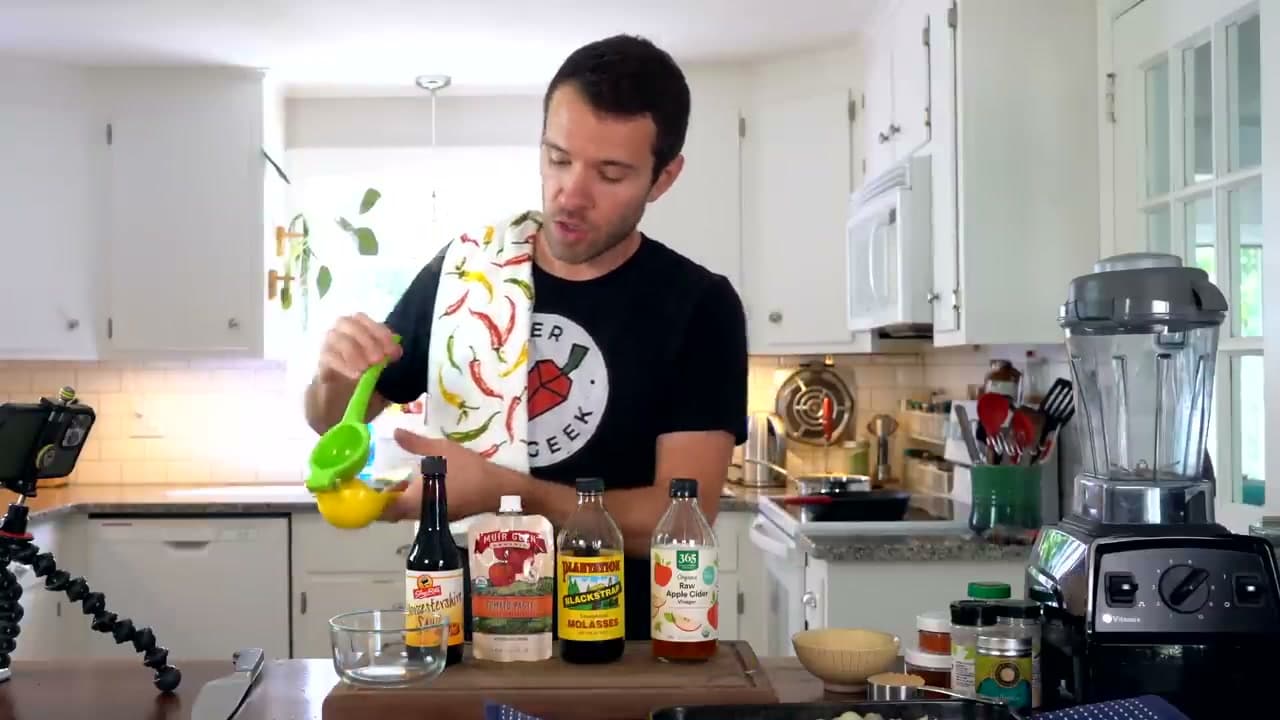
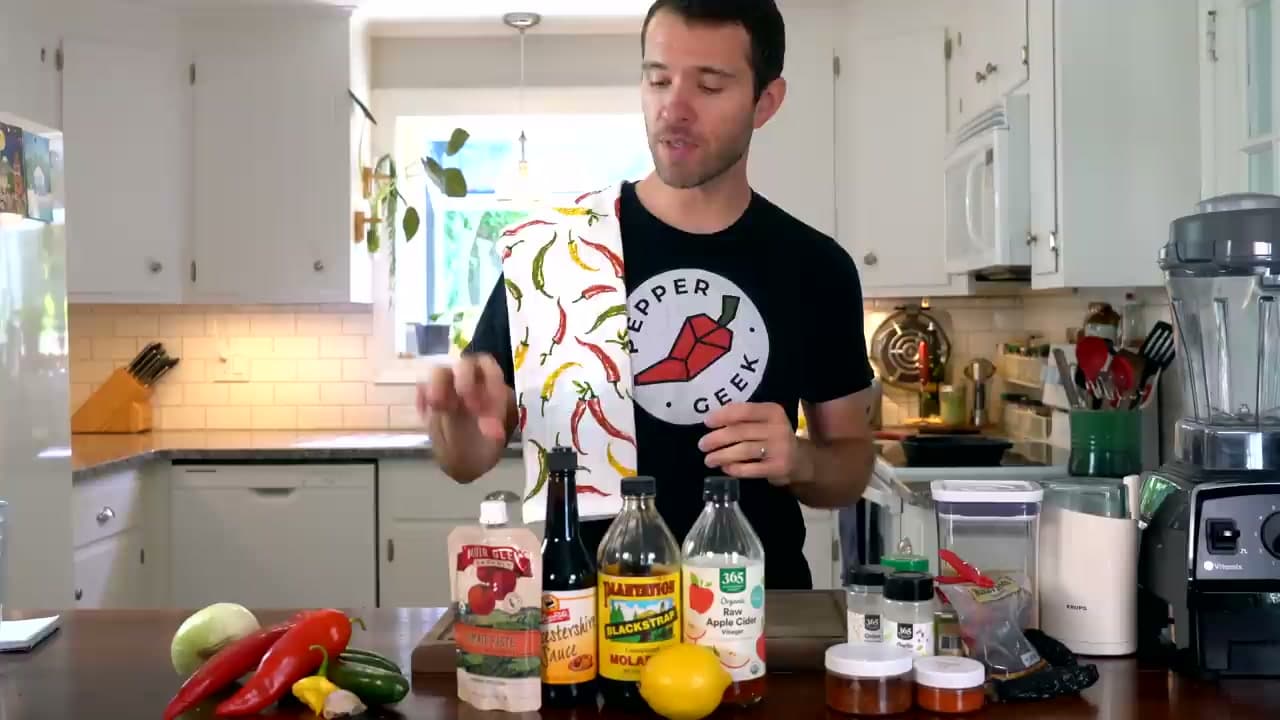
Decide on a flavor direction first. Here it's a smoky barbecue-inspired sauce. Once you know where you're headed, gather three kinds of ingredients: fresh produce for body and color (onion, sweet peppers, jalapenos, one hotter pepper, garlic), liquids for acidity and pourability (apple cider vinegar, lemon, molasses, tomato paste), and dried herbs and spices for depth.

Lay everything out on the counter so you can see the whole sauce before you start cooking. Thinking in those three buckets keeps any sauce balanced no matter what flavor you chase.

Tip

Watch this step Keep a hotter pepper like a habanero or ghost on hand to dial heat up at the end. It's easier to add heat than to tame a sauce that's already too hot.

3

Step 3: Slice and Oil the Fresh Ingredients

9:35
Step 3: Step 3: Slice and Oil the Fresh Ingredients

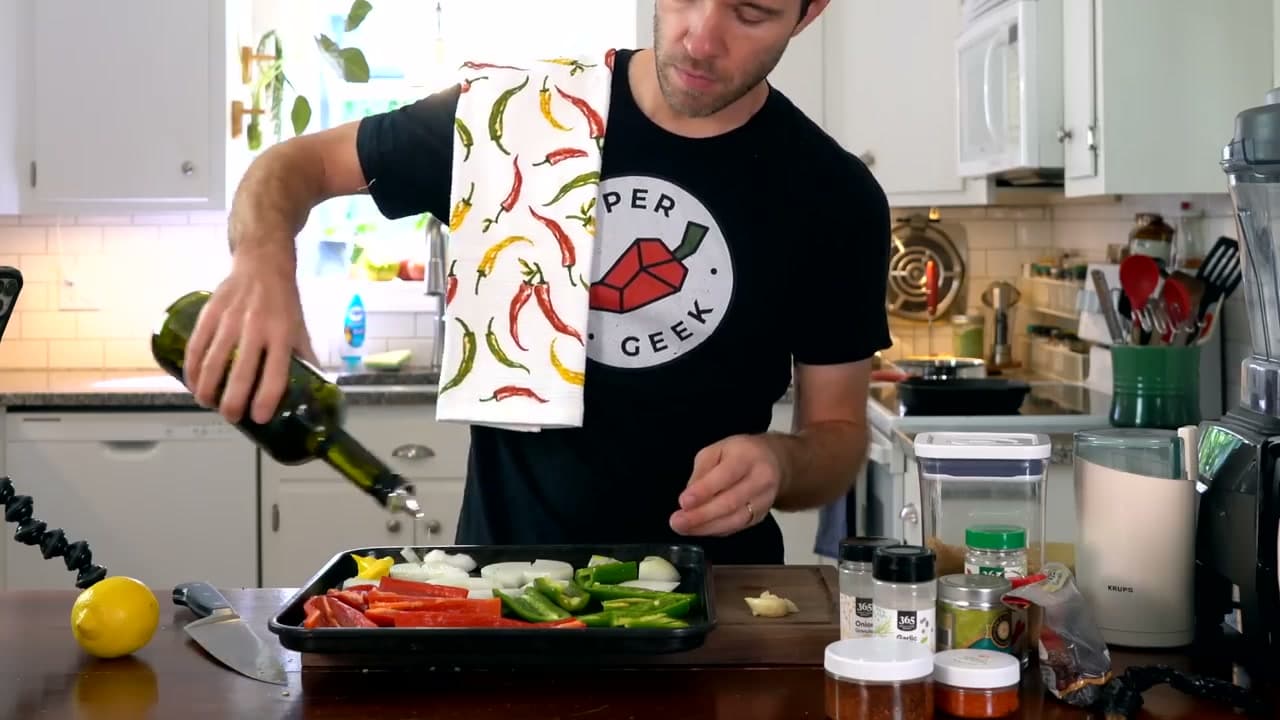
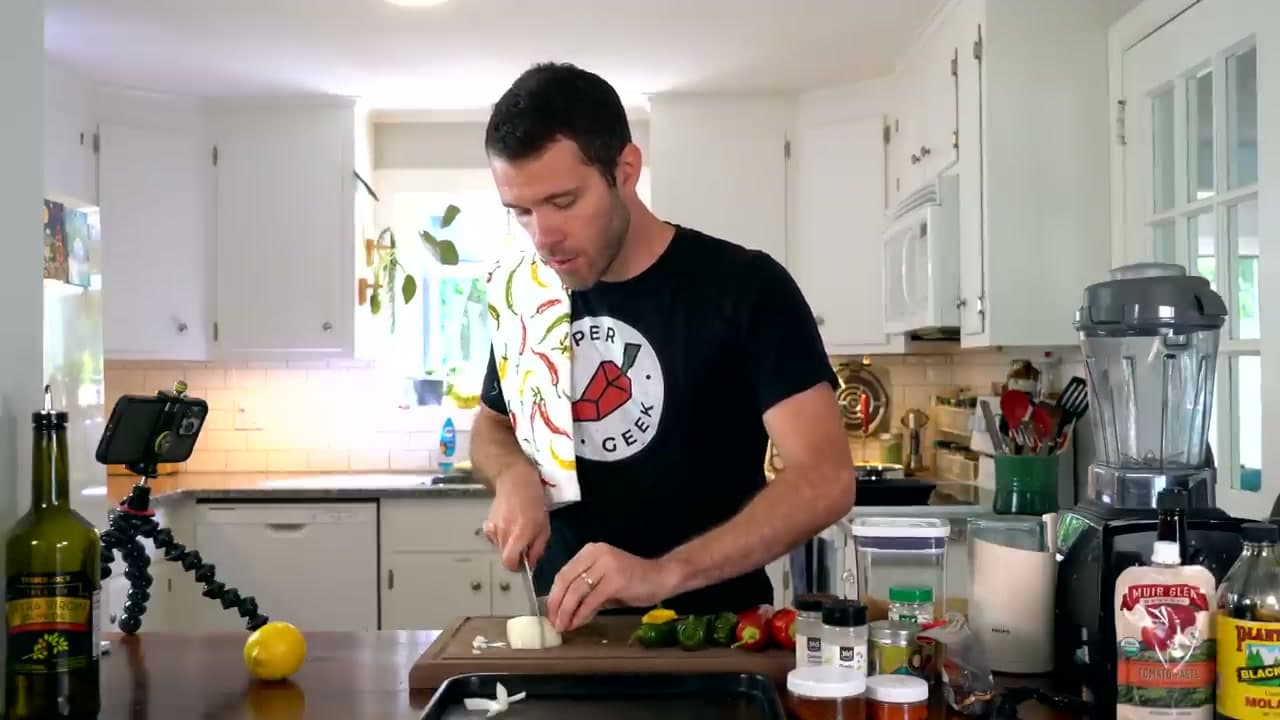
Slice the onion and sweet peppers into pieces of similar thickness so everything roasts at the same rate. Leave any pepper hotter than a jalapeno whole. Cutting a super-hot open just throws capsaicin into the air and into your lungs.

Spread the pieces on a sheet pan and toss them in a thin layer of oil so they blister evenly instead of drying out. A light coat is all you need.

Tip

Watch this step Line the sheet pan with parchment or foil for an easy cleanup. Roasted pepper residue bakes onto bare metal and is a pain to scrub.

4

Step 4: Roast the Vegetables Until Blistered

10:00
Step 4: Step 4: Roast the Vegetables Until Blistered

Roast the fresh ingredients in a 425F oven for 15 to 20 minutes, flipping everything about halfway through so it chars evenly. Roasting cooks the vegetables down, softens them for a smoother blend, and adds the caramelized, blistered flavor that makes a sauce taste cooked instead of raw.

Add the whole garlic clove only for the last minute or two. Garlic burns fast and turns bitter, so it goes in late.

Tip

Watch this step You want real color on the edges, not just soft vegetables. Those dark blistered spots are where the smoky depth comes from.

5

Step 5: Toast and Grind the Whole Spices

10:45
Step 5: Step 5: Toast and Grind the Whole Spices

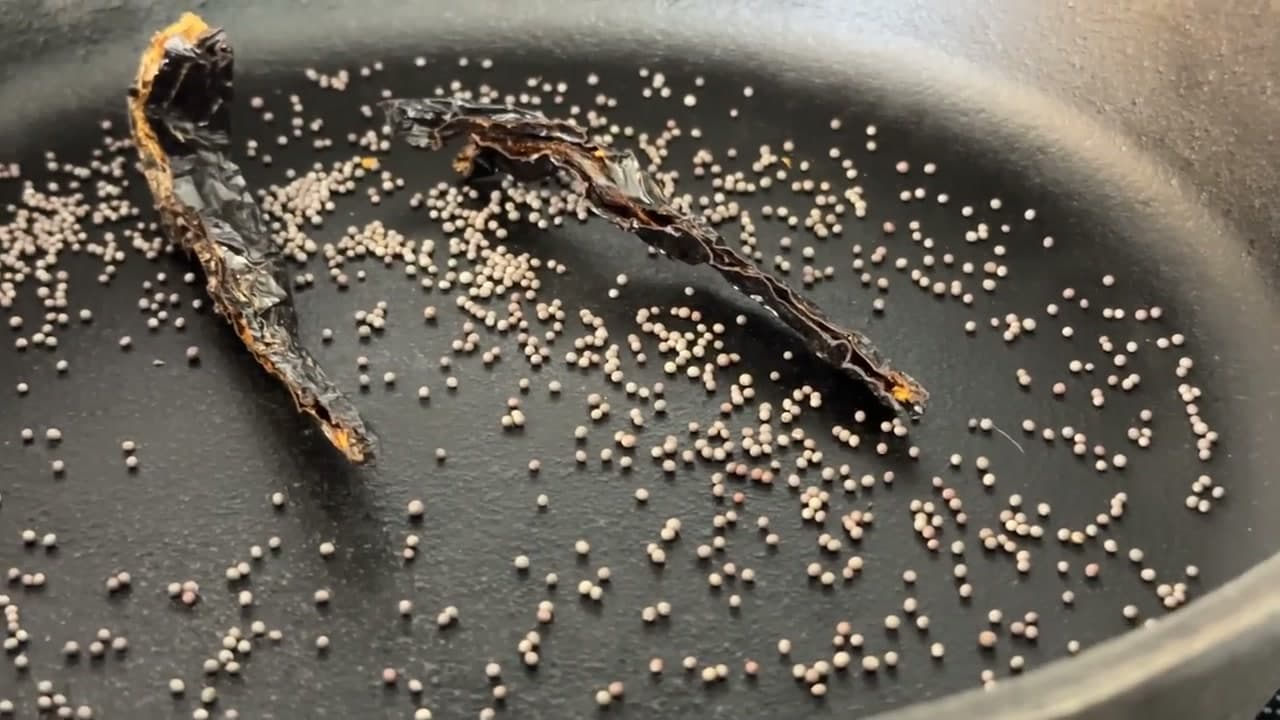
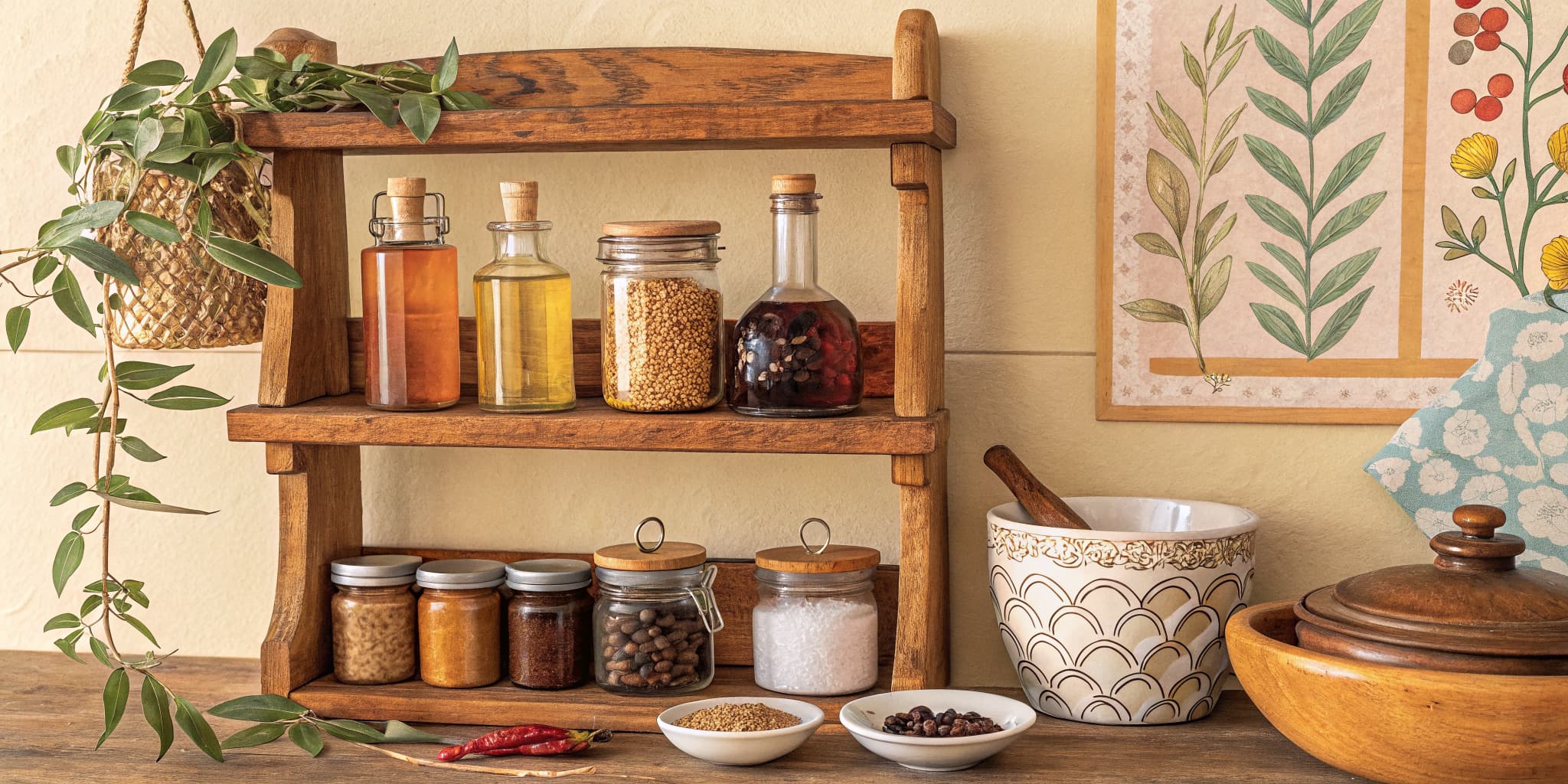
While the vegetables roast, toast your whole spices. Drop mustard seeds (or cumin, celery seed, peppercorns) into a dry hot pan for a minute or two until they smell fragrant, then pull them off the heat. Toasting draws out their natural oils and wakes up the flavor.

Tip the toasted seeds into a spice grinder along with a dried pasilla chili and a teaspoon of chipotle powder, and grind it all to a fragrant, smoky powder.

Tip

Watch this step Watch the seeds closely. They go from fragrant to burnt in seconds, and burnt spice will make the whole batch taste acrid.

6

Step 6: Build the Dry Seasoning Mix

11:18
Step 6: Step 6: Build the Dry Seasoning Mix

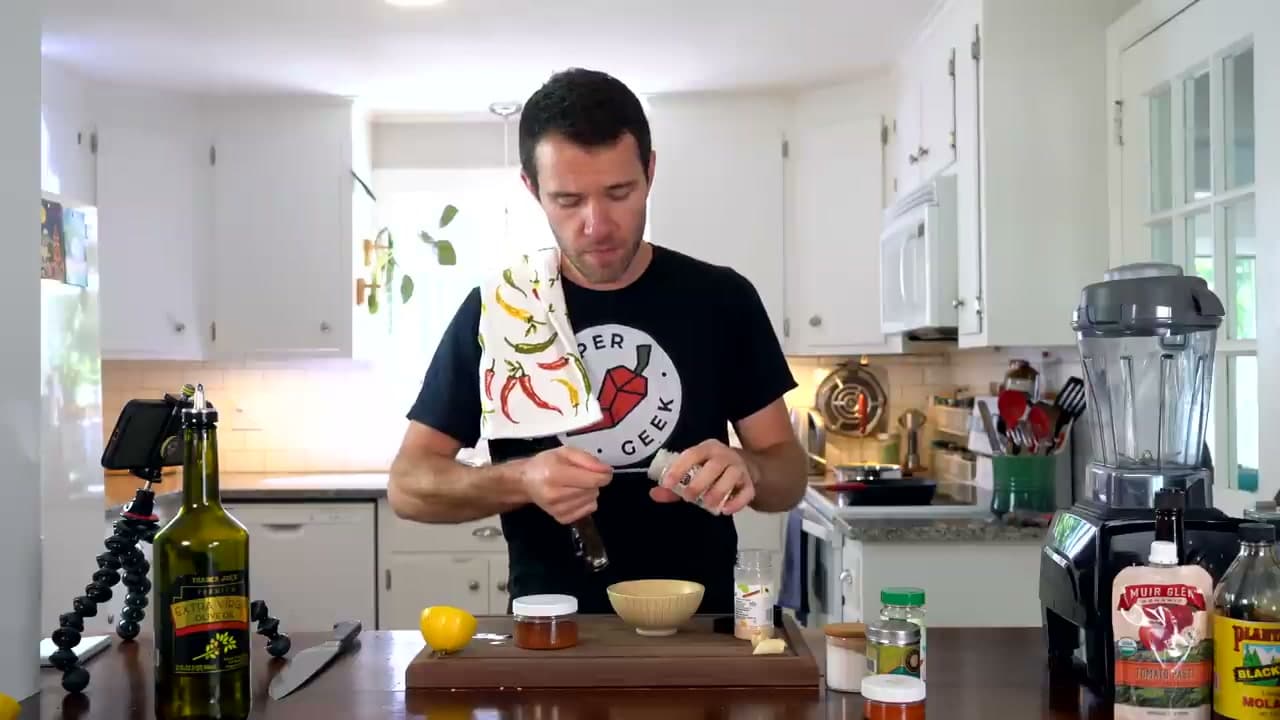
Stir together half a teaspoon each of garlic powder, onion powder, sea salt, and black pepper. Then add the heat in small amounts: a quarter teaspoon of hot pepper powder and an eighth teaspoon of allspice, since both are easy to overdo.

Finish with a quarter cup of light brown sugar for that sweet barbecue note. Start conservative. You can always add more, but you can't take it back out once it's in.

Tip

Watch this step Mix the dry blend in a separate bowl and taste a tiny pinch before it goes in. It's your last easy checkpoint before everything gets blended together.

7

Step 7: Add the Wet Ingredients

12:55
Step 7: Step 7: Add the Wet Ingredients

Let the roasted vegetables cool, then prep the liquids. Squeeze in half a lemon, add a teaspoon or two of Worcestershire, a tablespoon of tomato paste for richness, and two tablespoons of molasses for deep sweetness.

Hold the vinegar back for now. You'll use it at the very end to dial in the consistency, so there's no reason to commit it yet.

Tip

Watch this step Molasses is the secret to that barbecue depth, but it's strong. Start with two tablespoons and add more only after you've tasted the blended sauce.

8

Step 8: Blend, Adjust, and Bottle

15:45
Step 8: Step 8: Blend, Adjust, and Bottle

Blend everything together until smooth, then taste and adjust. If the sauce is too thick, add apple cider vinegar a tablespoon at a time, blending and tasting after each addition until the texture is pourable and the flavor is balanced. It will thicken a little more as it sits.

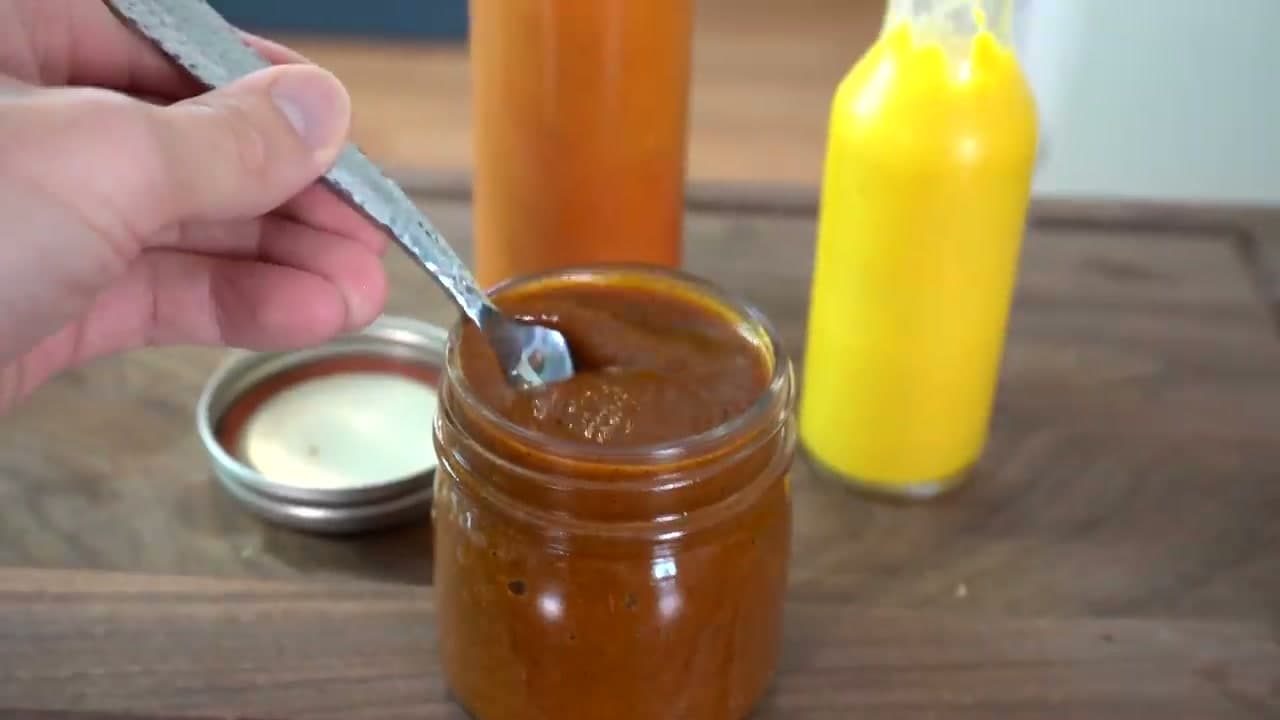
When you're happy with it, pour it into a clean bottle or jar. That's your own original hot sauce, built from a repeatable technique you can run again with any flavor profile you like.

Tip

Watch this step For shelf stability, keep the finished sauce in the fridge and use clean utensils. A high-acid sauce (plenty of vinegar and lemon) lasts longest.

Products Used

❖ The Recipe

How to Make Homemade Hot Sauce (Craft Your Own Recipe)

Serves
Makes 1-2 bottles
Prep
25 min
Cook
20 min
Total
45 min

Ingredients

19 items
  • 1 mediumonionsliced for roasting
  • 2sweet bell peppersfor body and color
  • 2jalapenosadjust for heat
  • 1hot pepperhabanero or similar, roasted whole
  • 1 clovegarlicadded in the last minute of roasting
  • to tasteapple cider vinegaradded at the end to thin and balance
  • 1/2lemonjuiced
  • 2 tbspmolassesfor deep barbecue sweetness
  • 1 tbsptomato paste
  • 1-2 tspWorcestershire sauce
  • 1 tspmustard seedstoasted and ground
  • 1dried pasilla chiliground
  • 1 tspchipotle powder
  • 1/2 tspgarlic powder
  • 1/2 tsponion powder
  • 1/8 tspallspice
  • 1/4 cuplight brown sugar
  • 1/2 tspsea salt
  • 1/2 tspblack pepper

Nutrition

estimated · per servingEstimated from the ingredient list, not measured. Actual values vary by brand, preparation, and serving size. Not a substitute for measured nutrition data.
Calories
5kcal
Protein
0g
Fat
0g
Carbs
1g
Sodium
120mg

Method

  1. 1
    Step 1: Set Up Your Workspace and Gear Up. Before you touch a single pepper, get your space ready.
  2. 2
    Step 2: Pick Your Ingredients Around a Plan. Decide on a flavor direction first.
  3. 3
    Step 3: Slice and Oil the Fresh Ingredients. Slice the onion and sweet peppers into pieces of similar thickness so everything roasts at the same rate.
  4. 4
    Step 4: Roast the Vegetables Until Blistered. Roast the fresh ingredients in a 425F oven for 15 to 20 minutes, flipping everything about halfway through so it chars evenly.
  5. 5
    Step 5: Toast and Grind the Whole Spices. While the vegetables roast, toast your whole spices.
  6. 6
    Step 6: Build the Dry Seasoning Mix. Stir together half a teaspoon each of garlic powder, onion powder, sea salt, and black pepper.
  7. 7
    Step 7: Add the Wet Ingredients. Let the roasted vegetables cool, then prep the liquids.
  8. 8
    Step 8: Blend, Adjust, and Bottle. Blend everything together until smooth, then taste and adjust.
☐ The Checklist

How to Make Homemade Hot Sauce (Craft Your Own Recipe)

Tools
9
Materials
21
Steps
8
Video
17 min

Your Guide

Pepper Geek

As an Amazon Associate we earn from qualifying purchases. Links on this page may be affiliate links - clicking them and buying doesn't change your price, but helps support ShowMeStepByStep.

Tags

Test your knowledge

Did the lesson stick? Find out in 2 minutes.

5 quick questions covering what you just read. No signup, no score saved — just a gut check.

Quick reference

Key takeaways from How to Make Homemade Hot Sauce (Craft Your Own Recipe)

5 questions, answers, and one-line explanations. Tap to expand.

  1. 1.What are the three ingredient buckets of the method?

    Answer: Fresh, liquid, dried

    Fresh produce for body, liquids for acidity and pour, dried spices for depth. Learn the framework once, build any sauce.

  2. 2.Why leave a habanero or hotter pepper whole?

    Answer: Keeps oils off air

    Cutting a super-hot pepper throws capsaicin into the air and your lungs. Roast it whole, deseed later if you want less heat.

  3. 3.When does the garlic go in to roast?

    Answer: Last 1-2 minutes

    Garlic burns fast and turns bitter. Adding it only for the last minute or two gives flavor without the acrid edge.

  4. 4.When does the vinegar get added to the sauce?

    Answer: Last, to dial in

    Hold the vinegar back until the end. Adding it last lets you dial in thickness and acidity once everything else is balanced.

  5. 5.What habit makes a one-off batch reproducible?

    Answer: Writing each amount

    The notebook turns a lucky batch into a recipe. Even pros forget what they did once the sauce tastes perfect.

What's next

Related collections

Curated theme pages that include this tutorial.

Weekly Digest

Liked this cooking tutorial?

Pick the categories you want to hear about. Weekly digest of new step-by-step tutorials. No spam, easy unsubscribe.

Send me tutorials about

We only email about new tutorials. Easy unsubscribe anytime.