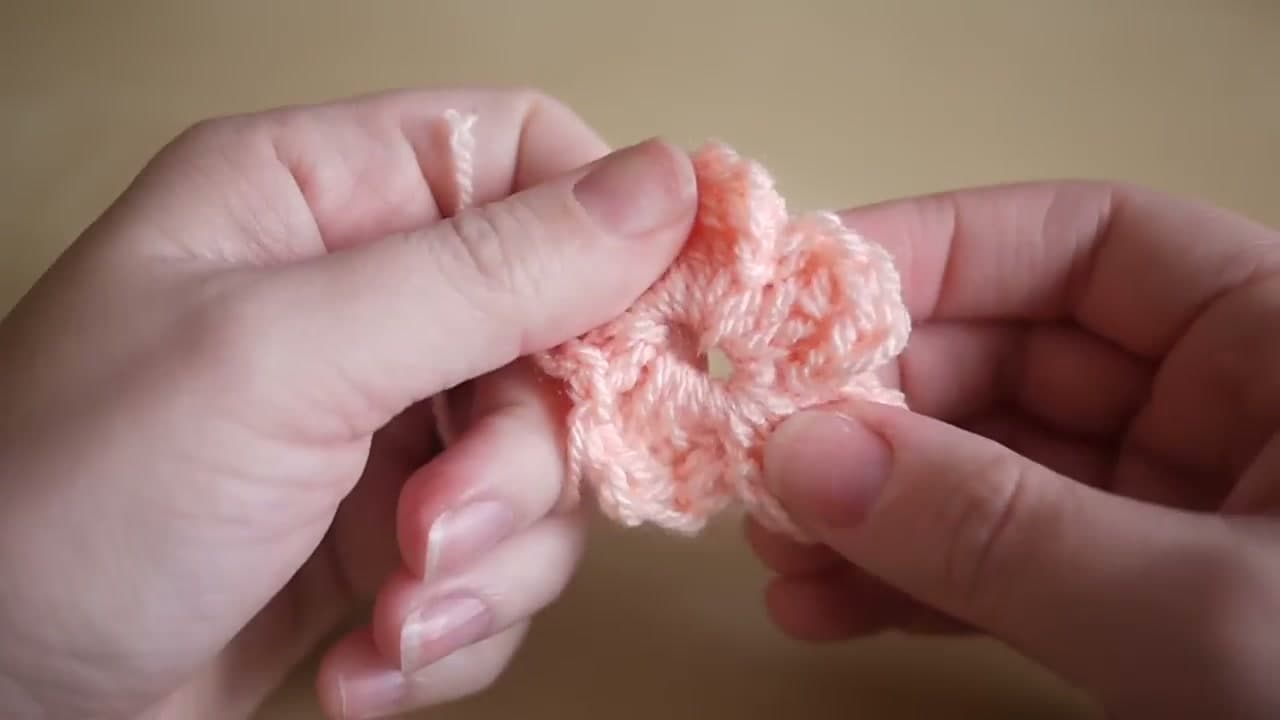
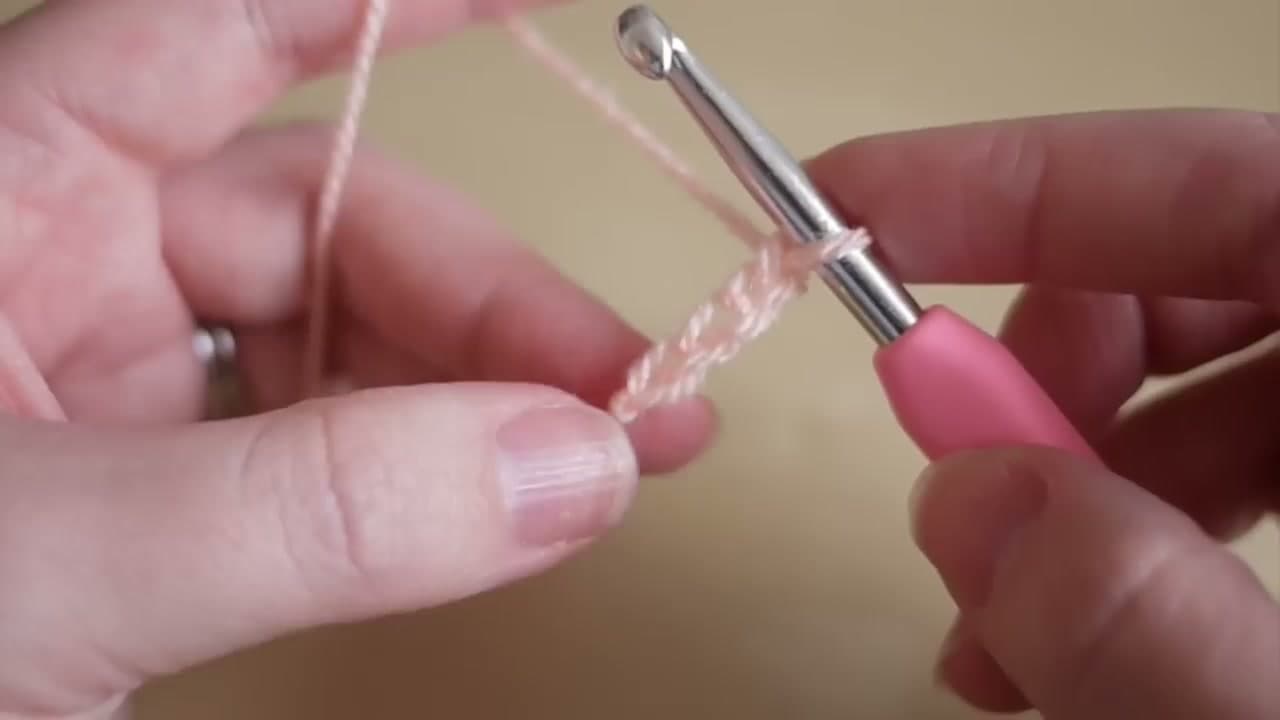
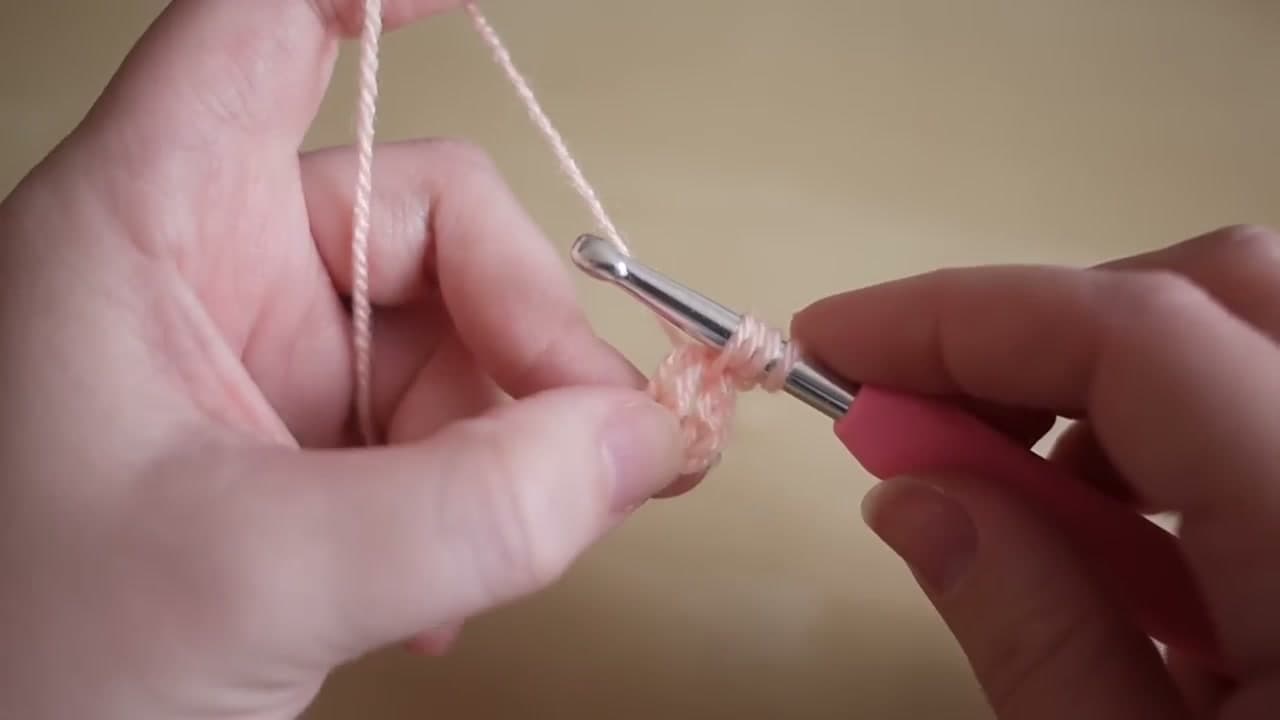
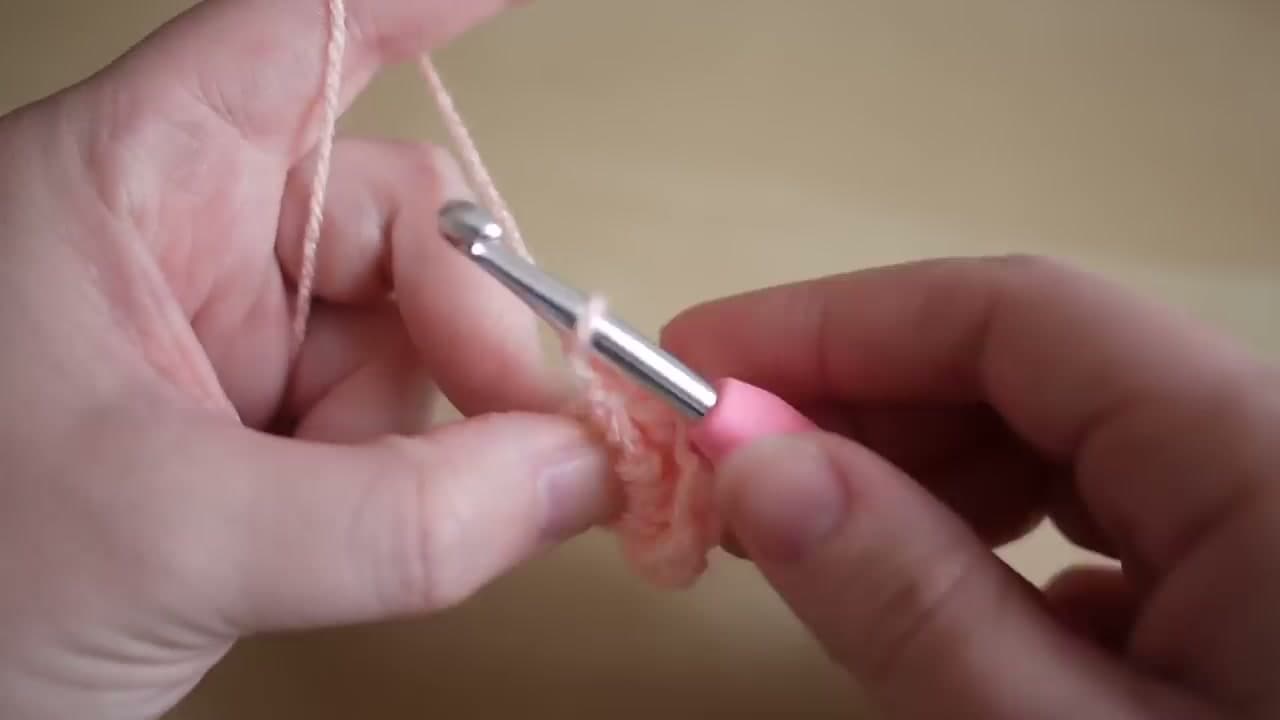
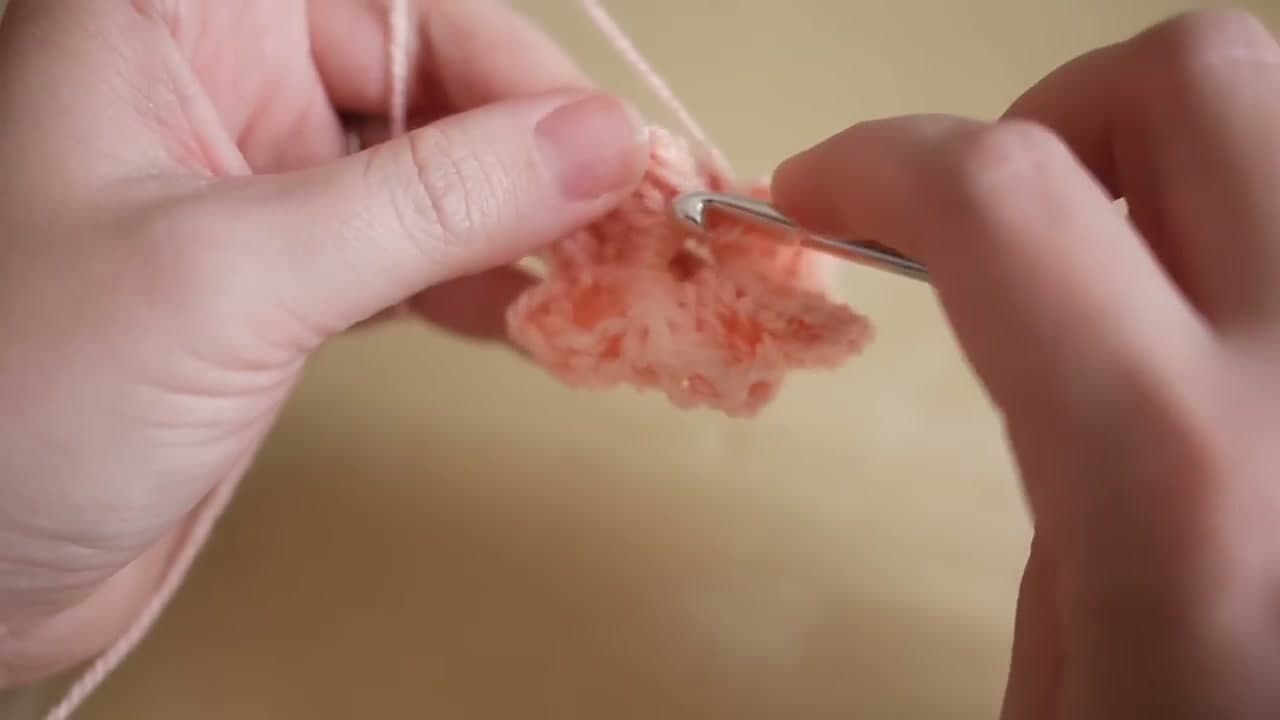
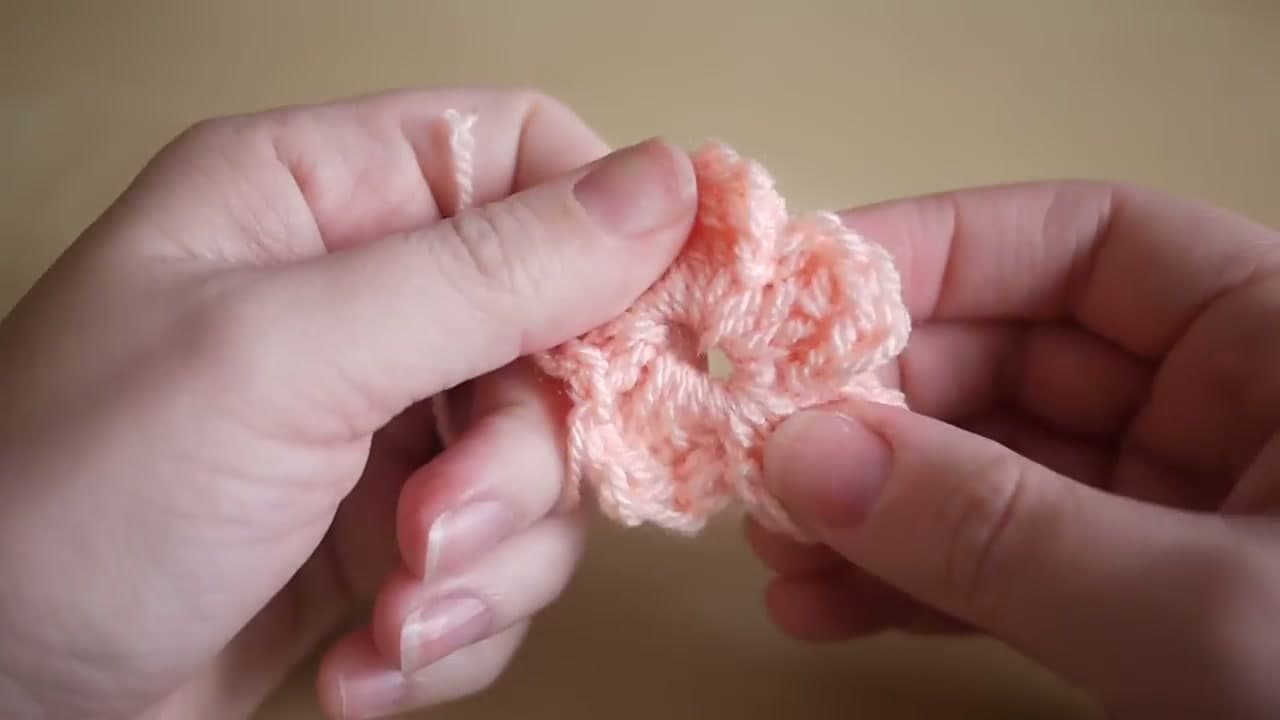
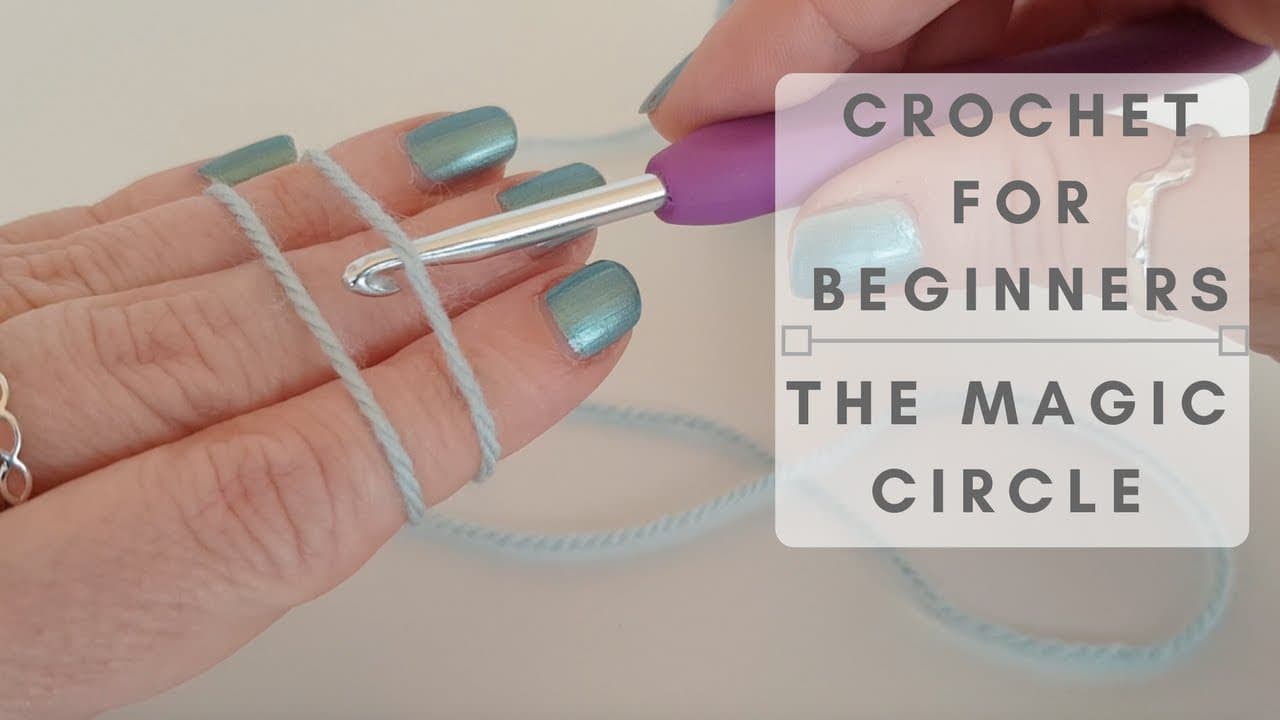
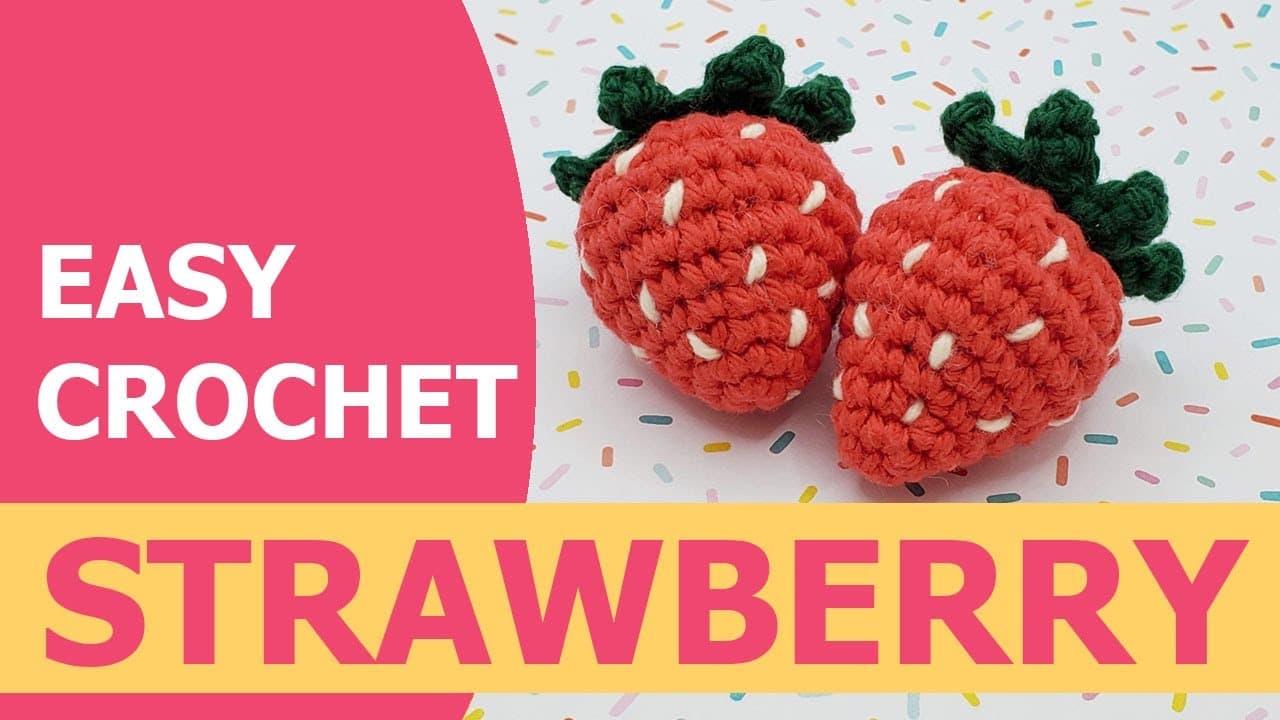
Crochet flowers are the gateway project that turns a chain-and-single-crochet beginner into someone who can build a shaped piece. Bella Coco's simple flower is the version to learn first. The whole flower is one round of five petals worked into a tiny chain ring, and each petal is four tall stitches stacked side by side and pulled down with a short stitch. The repeat is short enough to memorise by the second petal.
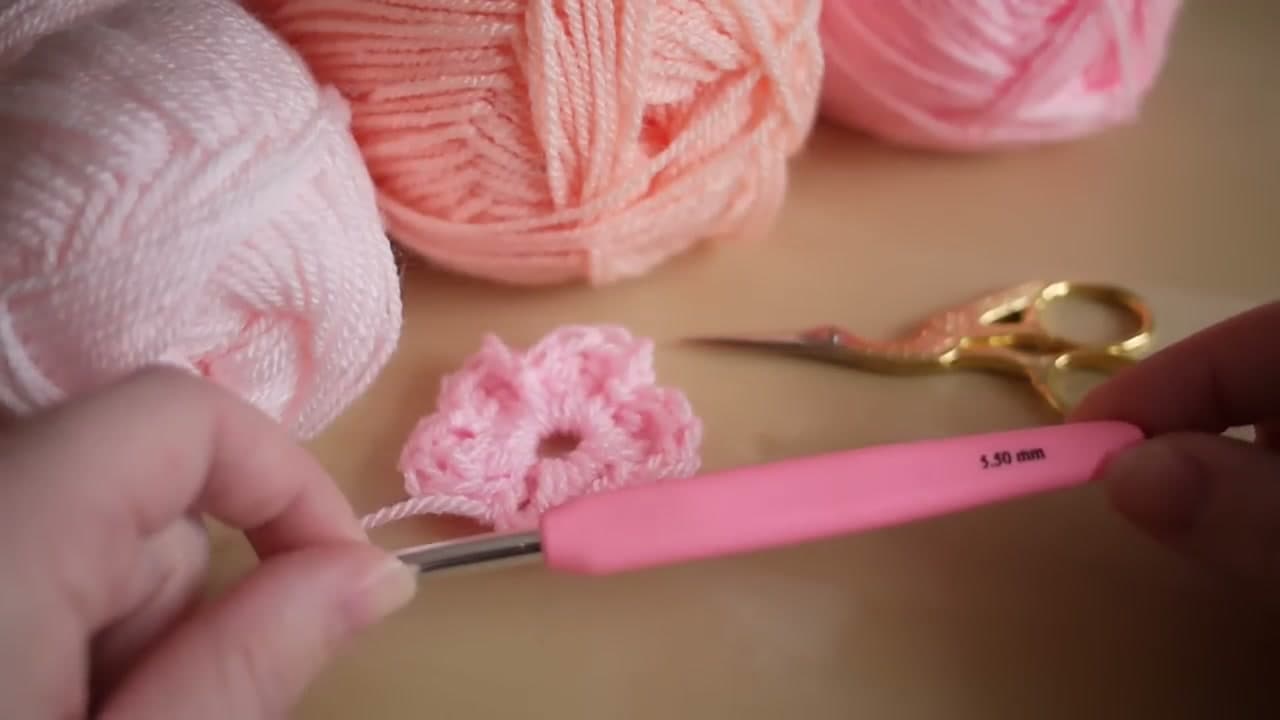
You need a 5.5 mm crochet hook and a small amount of DK weight yarn. The hook size is not sacred. A smaller hook gives a tighter, smaller flower and a bigger one gives a chunky version. Bella Coco uses Stylecraft Special DK, the workhorse acrylic UK crocheters live on, and any worsted or DK yarn works.
The video uses UK terms. If you learned US terms, the conversion is short: UK double crochet is US single crochet, and UK double treble is US treble. The hand movements are identical, only the names move by one.
Turning the flower into a rose
A rose is the same skill in a different shape, and it is easier than the five-petal flower once
you have the stitches. Work a long chain, then a row of petal shapes along it, then roll the strip
up from one end and stitch through the base to hold the coil. The petals spiral outward on their
own as you roll.
Longer strips give fuller roses. Making the petals taller as you work along the strip gives you
small tight petals at the centre and open ones at the outside, which is what a real rose does.
Making it bigger without changing the pattern
Three ways, in order of how much they change the look. Go up a hook size and a yarn weight,
which scales the whole flower. Add a second round of petals worked behind the first into the same
ring, which gives depth rather than width. Or add more stitches per petal, five or six instead of
four, which makes each petal taller and the flower looser.
The second round is the one worth learning. Working behind the first round rather than into it
is what gives a layered flower instead of a flat one.
Attaching it to something
Leave a long tail when you fasten off and use that to sew the flower on, rather than starting a
new length. Stitch through the centre ring and into the backing in four or five places spread
around the middle, not in one spot, or the flower spins.
For a flower that needs to come off, sew a small snap or a pin back to the underside instead.
Glue works on a project that will never be washed and fails on anything that will.
Blocking a floppy flower
Acrylic flowers curl at the petal edges and cotton ones go limp. Pin the flower face down with
the petals spread the way you want them, mist it lightly with water, and leave it to dry
completely. Cotton holds the shape afterwards. Acrylic needs steam held above it rather than a wet
soak, and it holds the shape permanently once steamed.