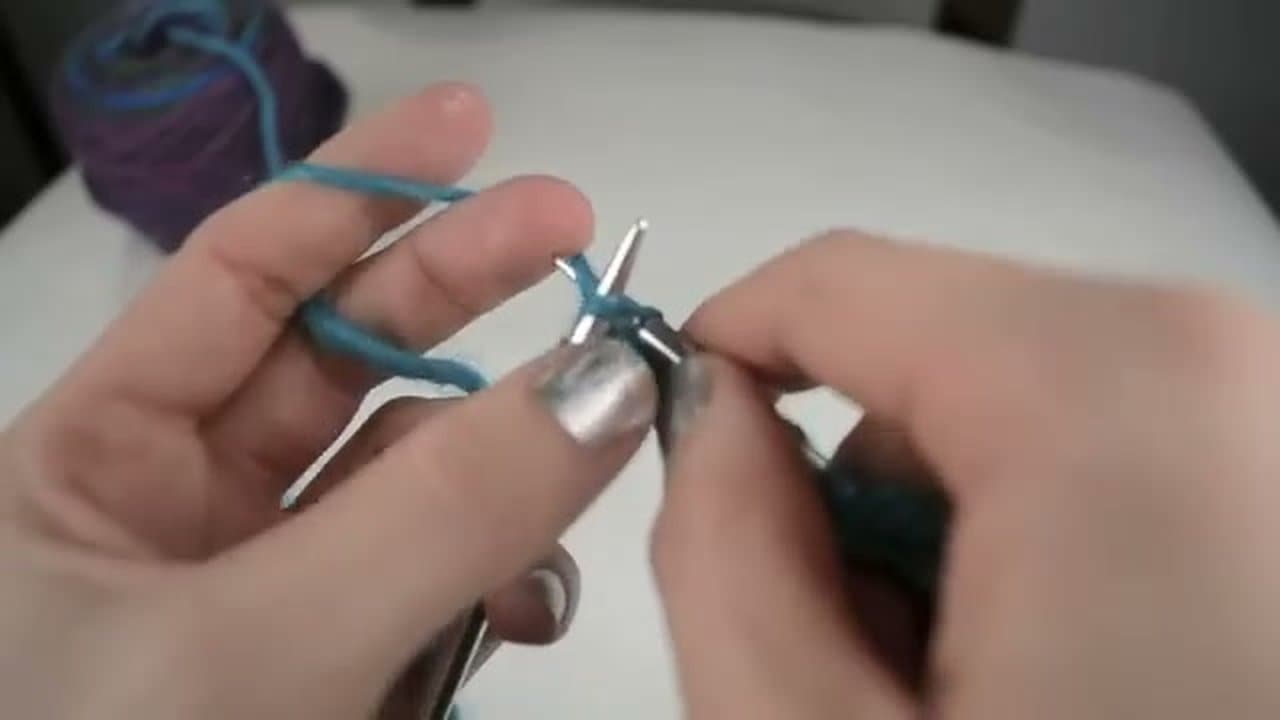
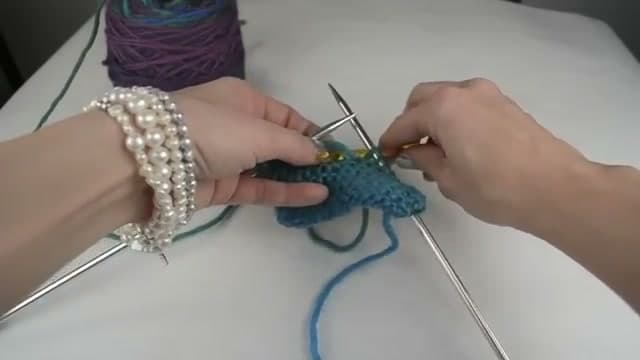
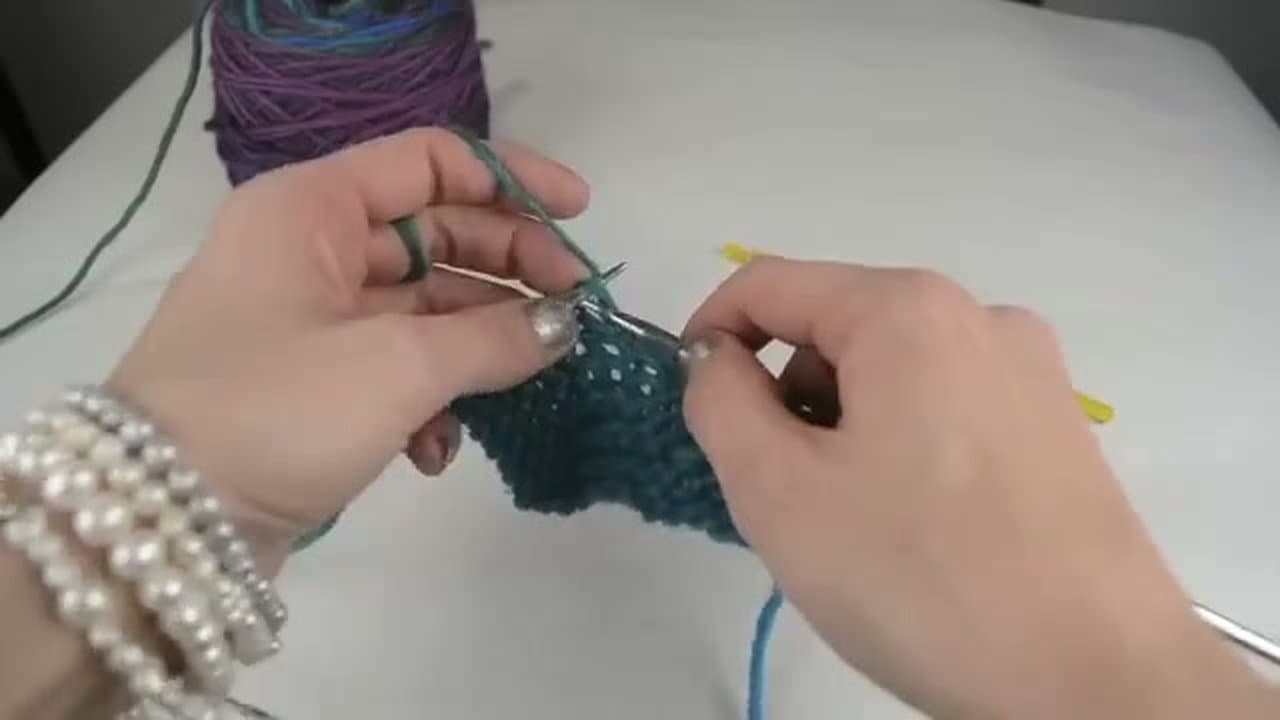
Knitting is one motion repeated until you have fabric. You put a loop on a needle, pull a new loop through it, and slide the old one off. Do that a few hundred times and you have a scarf. Everything else in knitting is a variation on that single move.
Shandie from Expression Fiber Arts teaches this one for people who have never held a needle. She covers the slip knot through binding off, including what to do when you drop a stitch, which you will.
What to buy first
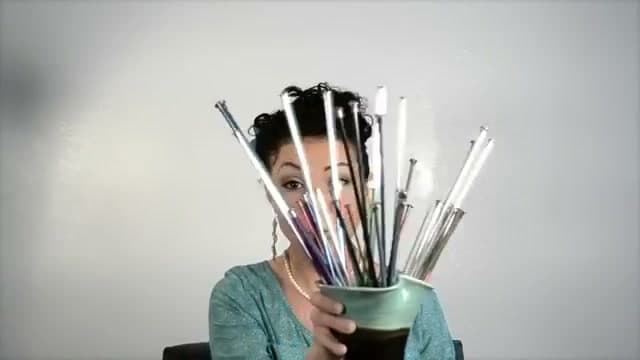
A pair of 8mm (US 11) straight needles and one skein of chunky, smooth, light-coloured yarn. Big needles and thick yarn make your stitches large enough to see what your hands are doing, and they make a scarf grow fast enough that you do not lose interest halfway through.
Wooden or bamboo needles grip the yarn slightly. Metal ones are slippery and let stitches slide off on their own. Start with wood.
The four things you need to know
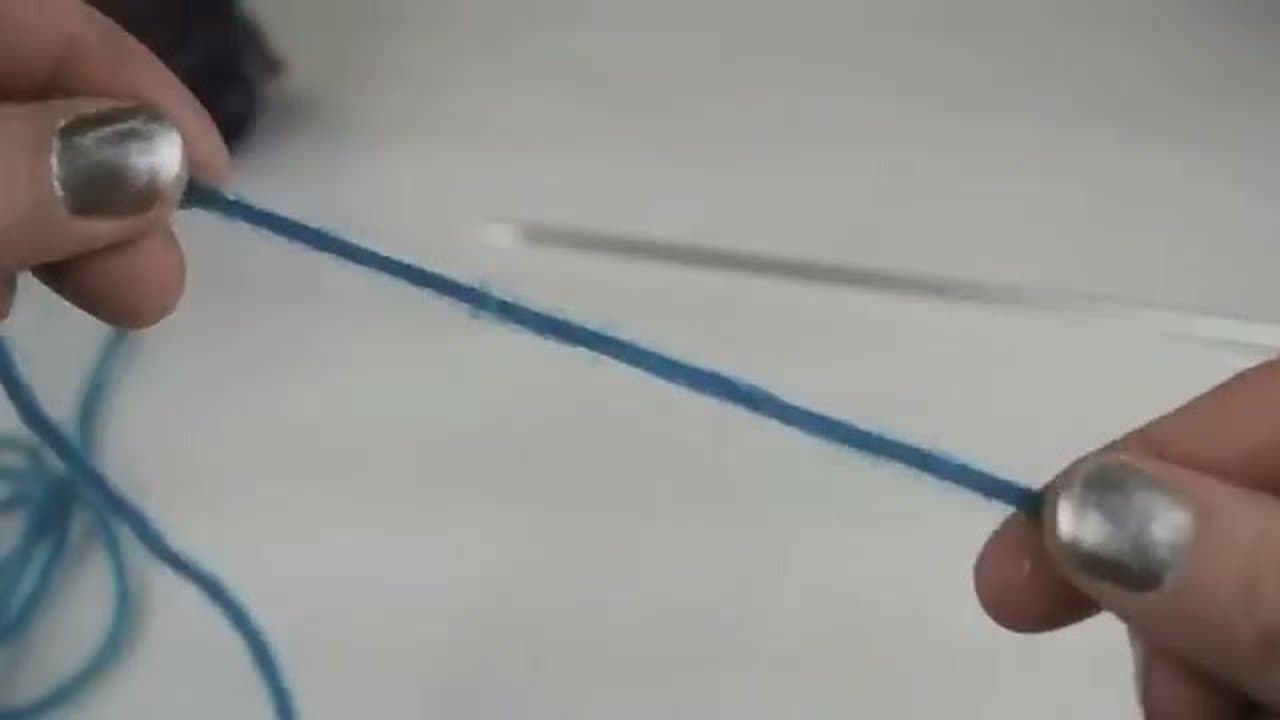
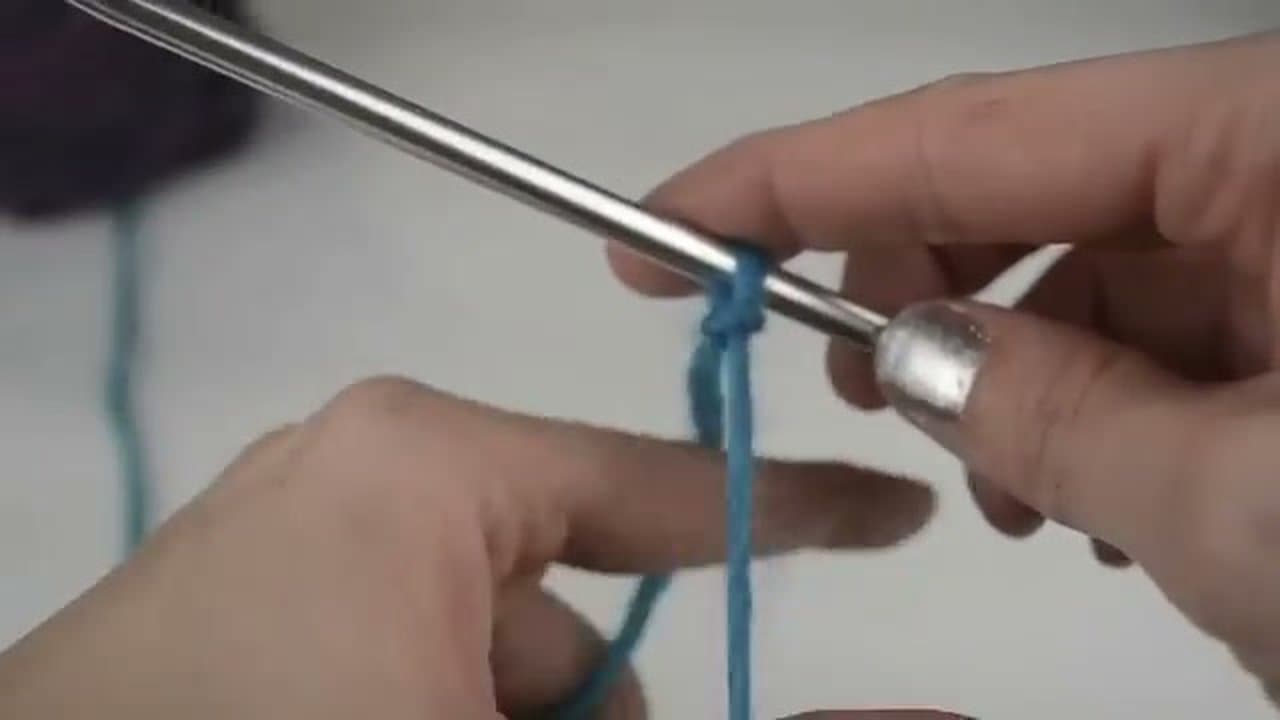
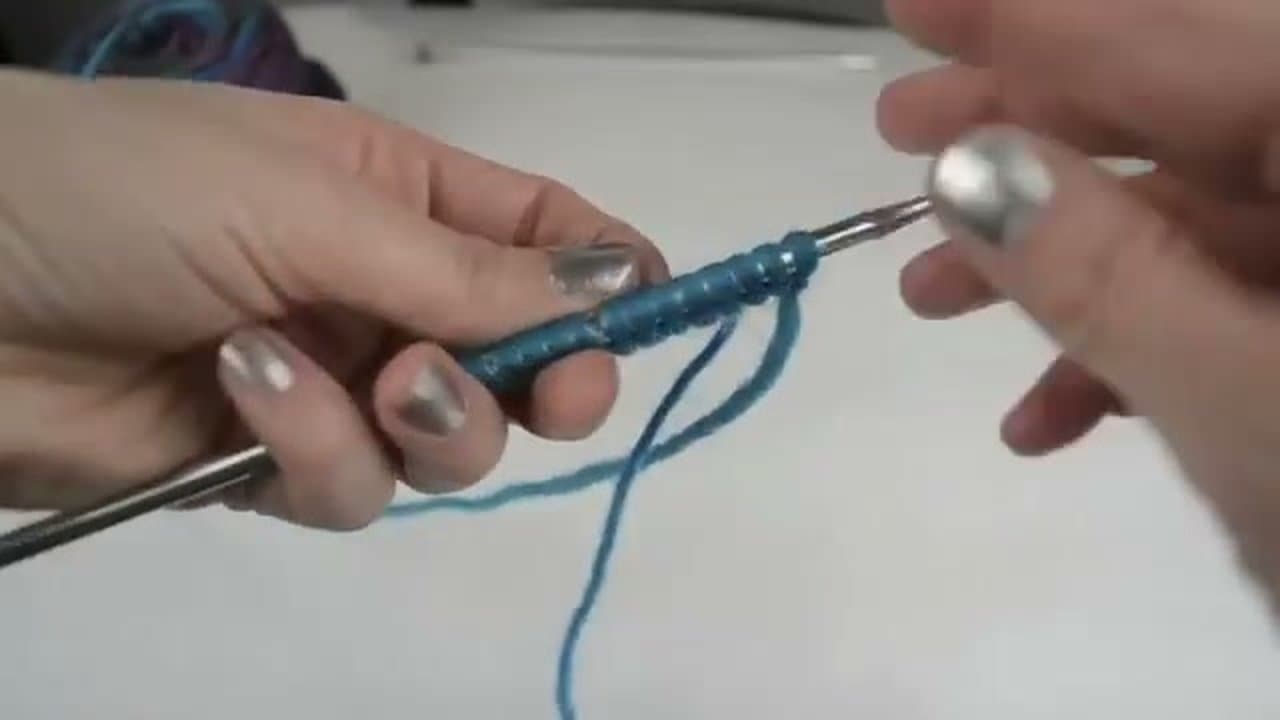
Cast on. Getting the first row of stitches onto the needle. Long-tail is the method most knitters use forever, so learn that rather than the easier backward-loop version you would have to unlearn later. Leave a tail about three times the width of the finished piece.
The knit stitch. Needle in, yarn around, pull through, slide off. In through the front of the loop, wrap counter-clockwise, draw the new loop out, drop the old stitch. Say it out loud for the first few rows. It helps more than it sounds like it will.
Dropped stitches. A stitch slips off the needle and starts unravelling down the fabric as a ladder. It is fixable with a crochet hook, and it happens to everyone at every skill level. Do not start over.
Bind off. Locking the stitches so the fabric stops being live. Knit two, lift the first over the second, repeat to the end. Bind off too tightly and the edge puckers and pulls in, so go looser than feels right.
Garter stitch is a real fabric, not a placeholder
Knit every row and you get garter stitch: bumpy, reversible, and it lies flat instead of curling at the edges. Beginners tend to treat it as the thing you do before you learn something proper. It makes a good scarf, dishcloth or blanket square with no other skill attached, and the flat edges are a genuine advantage that stockinette does not have.
Your edges will be uneven at first, usually from an accidental extra stitch picked up at the start of a row. Count at the end of every row for the first week. The count catches the mistake while it is one row old rather than twenty.
What to learn next
Add the purl stitch and you can work stockinette, ribbing and seed stitch, which covers most patterns you will meet. Then increases for shaping and knitting in the round for hats, socks and anything tube-shaped.
Two housekeeping skills change how finished work looks more than any stitch does: joining a new ball of yarn without a lumpy knot, and a clean cast on and bind off at each end of the work.
For a first project, a square-by-square blanket is forgiving because each square is small enough to redo without grief. When you are ready to follow written instructions, reading a knitting pattern decodes k, p, k2tog and the asterisk repeats.