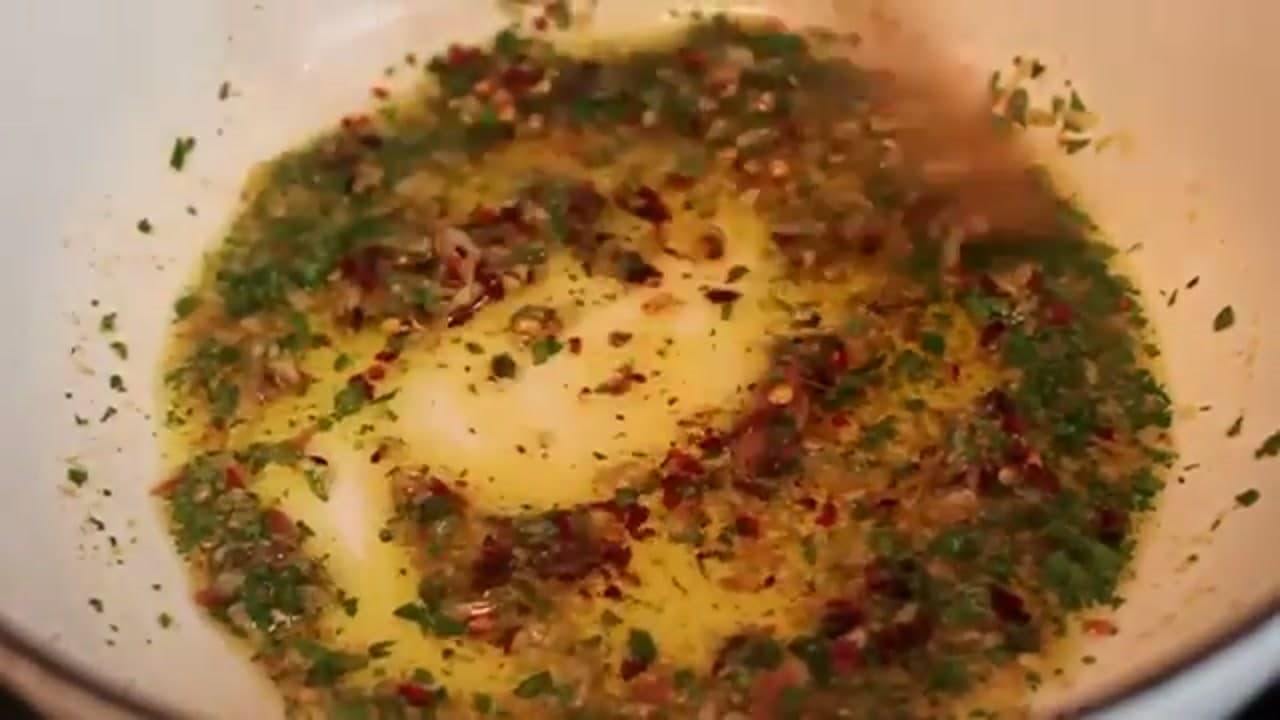
Pizza sauce goes on raw dough, bakes at the hottest setting your oven has, and has to stay put under a layer of cheese. So it runs thicker and bolder than anything you would toss with spaghetti. This version comes from Chef John at Food Wishes, and it leans on two moves most jar sauces skip: real San Marzano tomatoes crushed by hand, and two anchovy fillets melted into the olive oil before anything else goes in the pan.
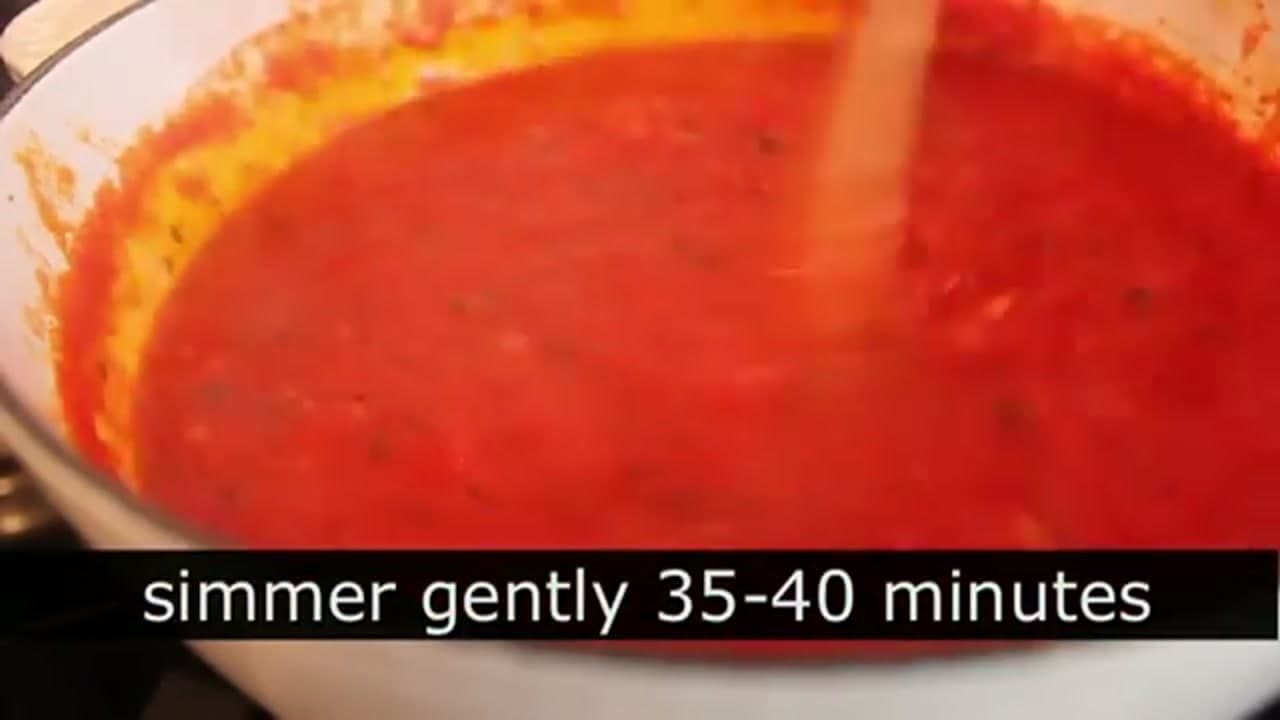
Count on ten minutes of work and forty of gentle simmering. You get about two cups, enough for four to six pizzas. The tomatoes you buy and how thick you cook the sauce matter more than any single step.
Which tomatoes to buy, and why you crush them by hand
San Marzano tomatoes are a plum variety grown near Naples, with thicker flesh, fewer seeds and less water than a standard canned tomato. The sauce tastes like tomato instead of tomato-flavored water. Look for the DOP seal and product of Italy on the can. A can labeled San Marzano style is a domestic plum tomato in a costume. It still works, but simmer it longer to get the same body.
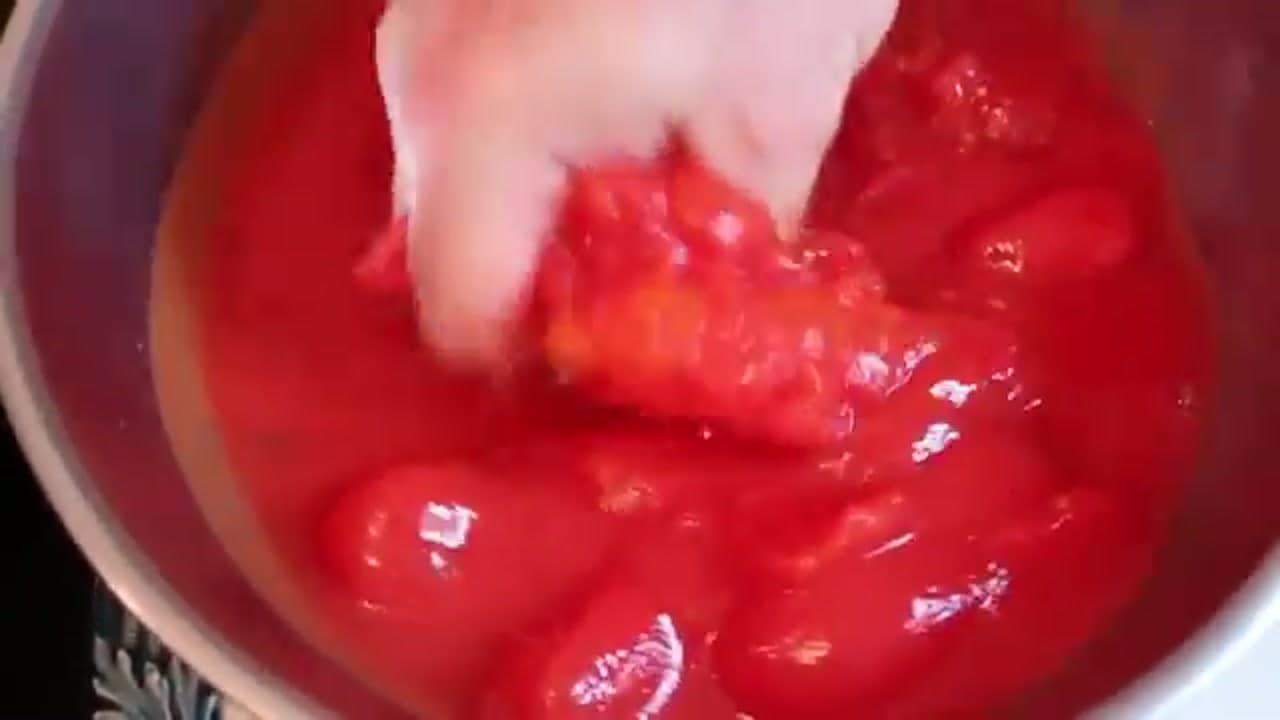
Crush them with your hand, not a blender. A blender whips in air, turns the tomatoes pale orange, and grinds the seeds, which leaves a bitter edge. Squeezing by hand leaves a rough puree with small chunks, which is what you want on a pizza. Wear an apron. The first tomato always squirts.
Why there are anchovies in a pizza sauce
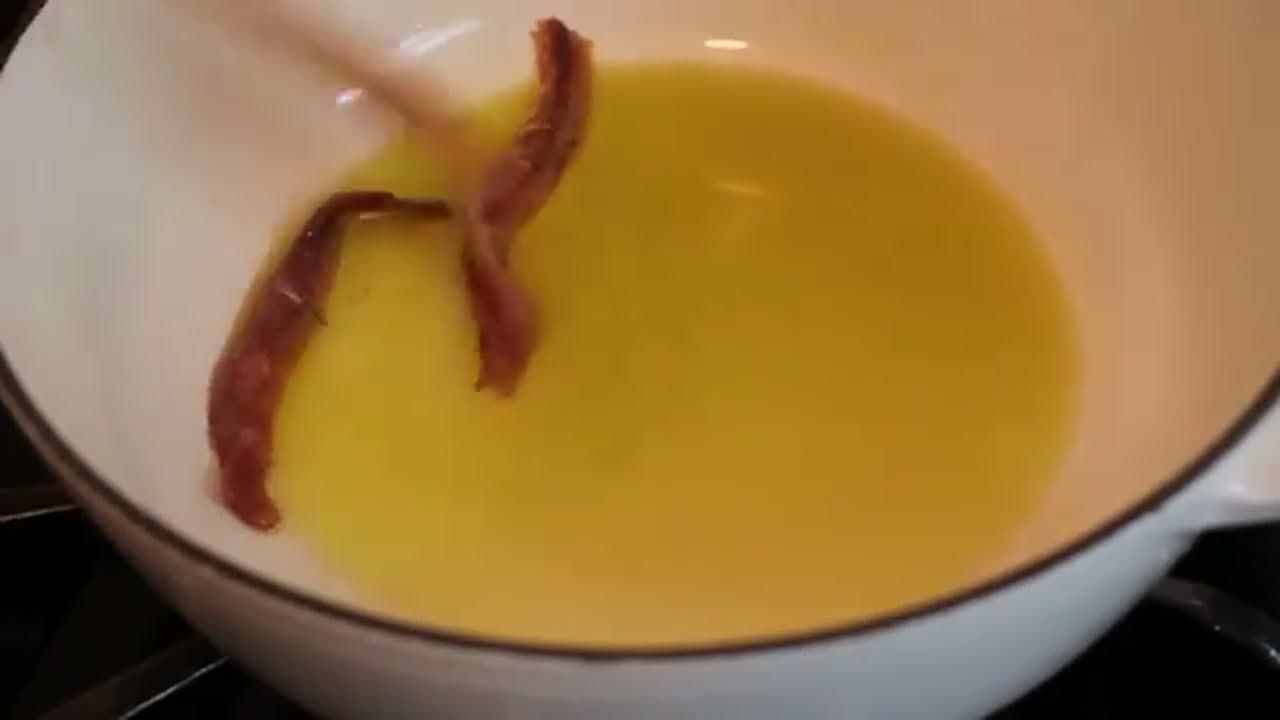
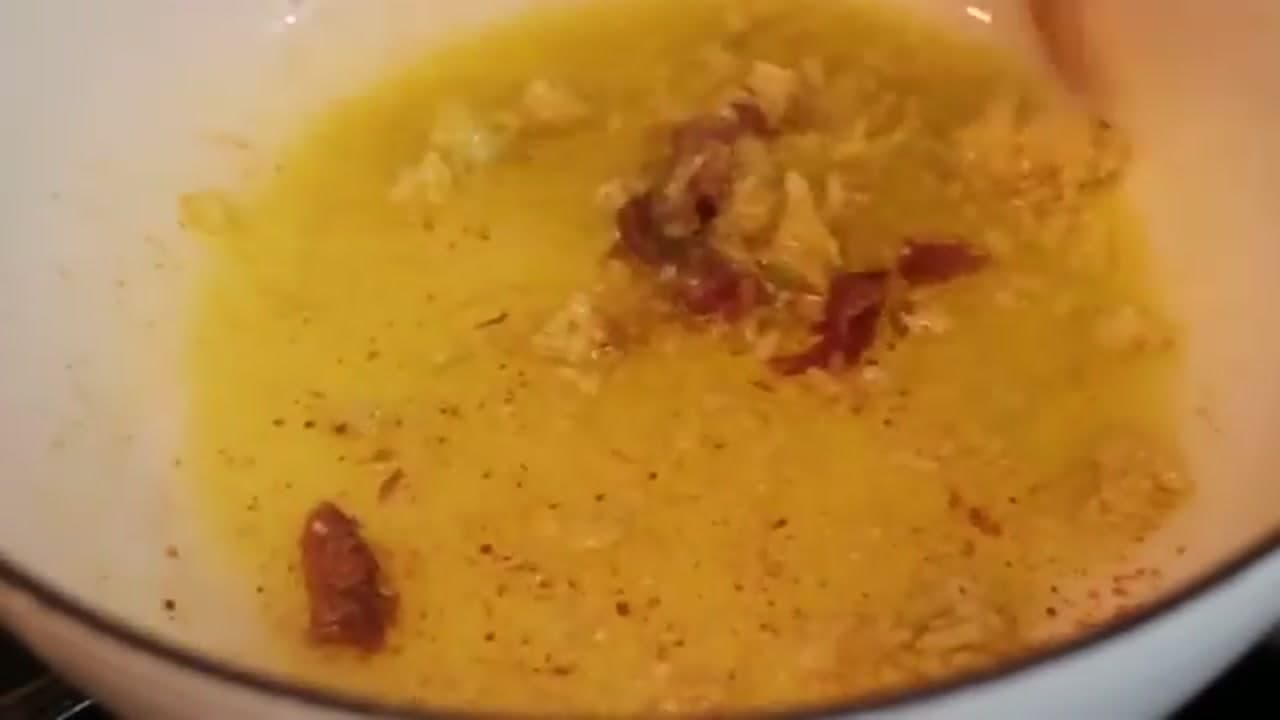
Two anchovy fillets go into the olive oil at the start and dissolve within a minute. Nobody eating the pizza will taste fish. What they add is glutamate, the same savory depth you get from parmesan or soy sauce, and it makes the tomatoes taste more like themselves.
Cooking for vegetarians? Leave the anchovies out and stir a teaspoon of white miso into the oil instead. Keep the garlic fine either way, so it melts into the oil rather than sitting in raw chunks. The how to mince garlic tutorial shows the paste-fine cut.
Cooked or no-cook, and how thick it needs to be
Many pizzerias, New York ones especially, use a no-cook sauce: crushed tomatoes, salt, a pinch of oregano, straight onto the dough. It tastes bright because the tomatoes cook for the first time in the oven, and it suits a deck oven that bakes a pie in six minutes.
A cooked sauce is the better bet at home. Forty minutes of simmering takes the raw edge off the garlic, blooms the oregano in the oil, and drives off water so the sauce is already thick when it hits the dough. A home oven runs cooler and slower, which gives a wet sauce time to soak into the crust. That soaked layer is the gummy line under the cheese everyone hates.
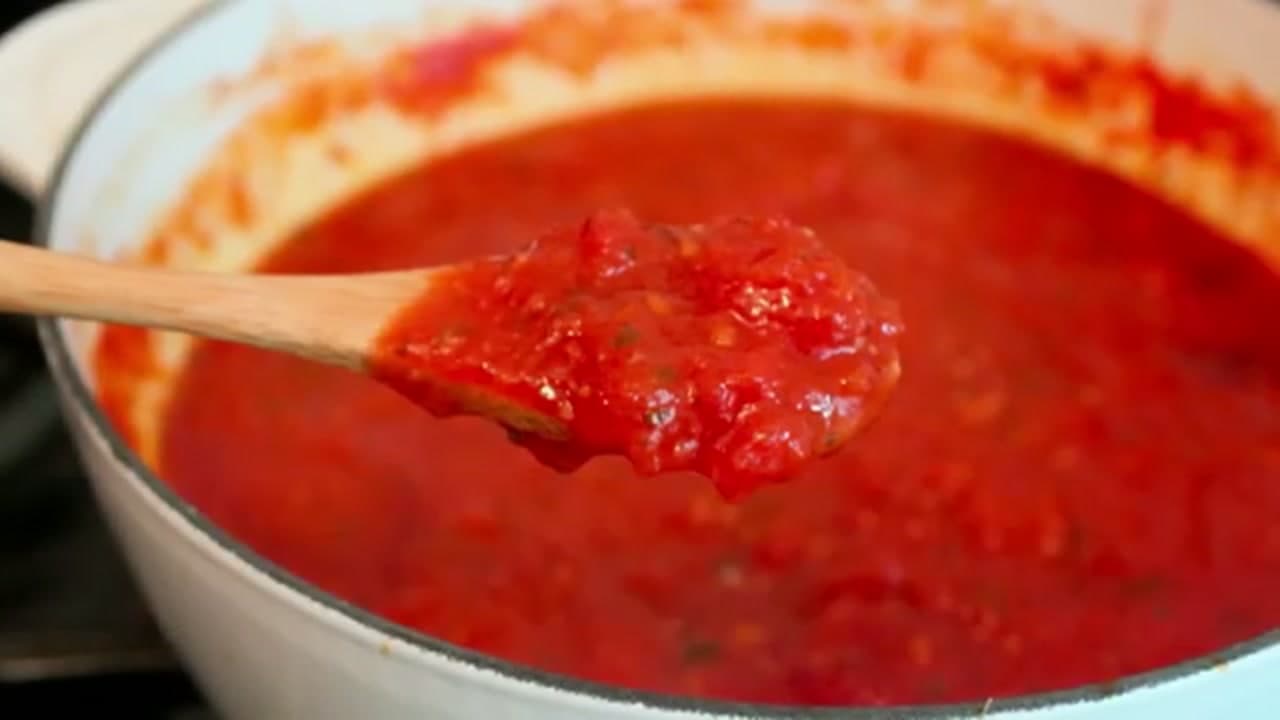
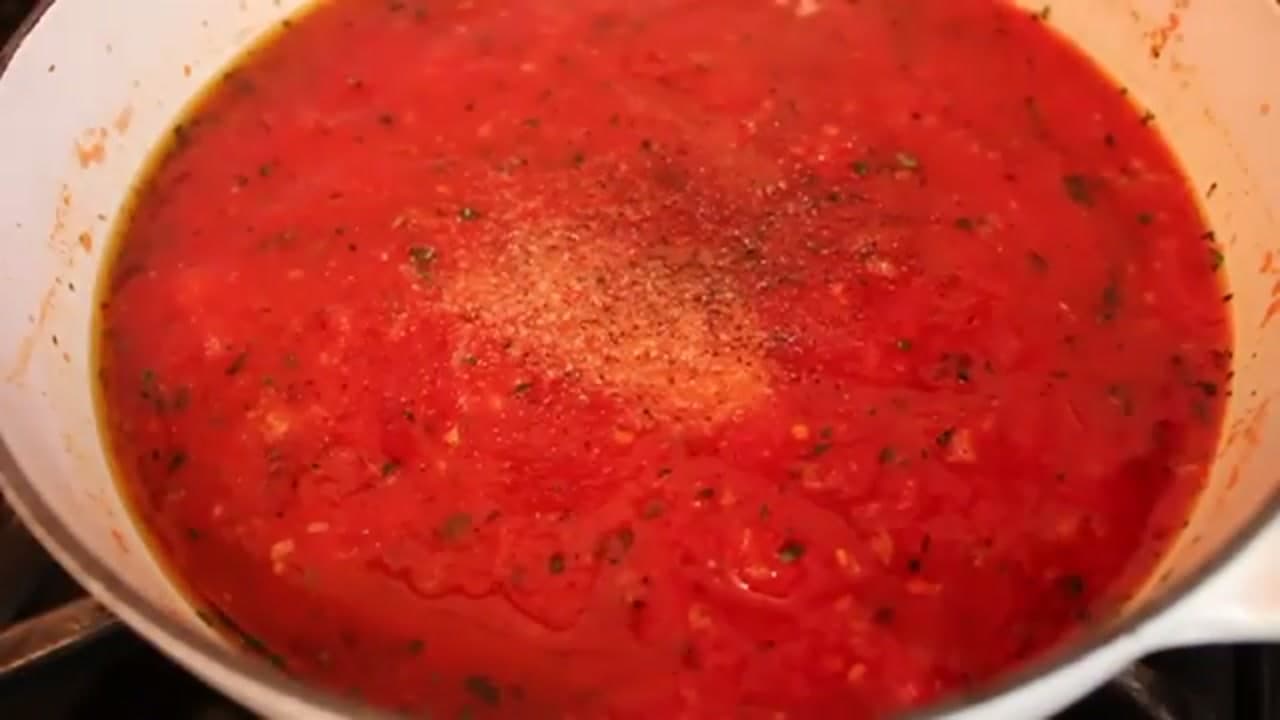
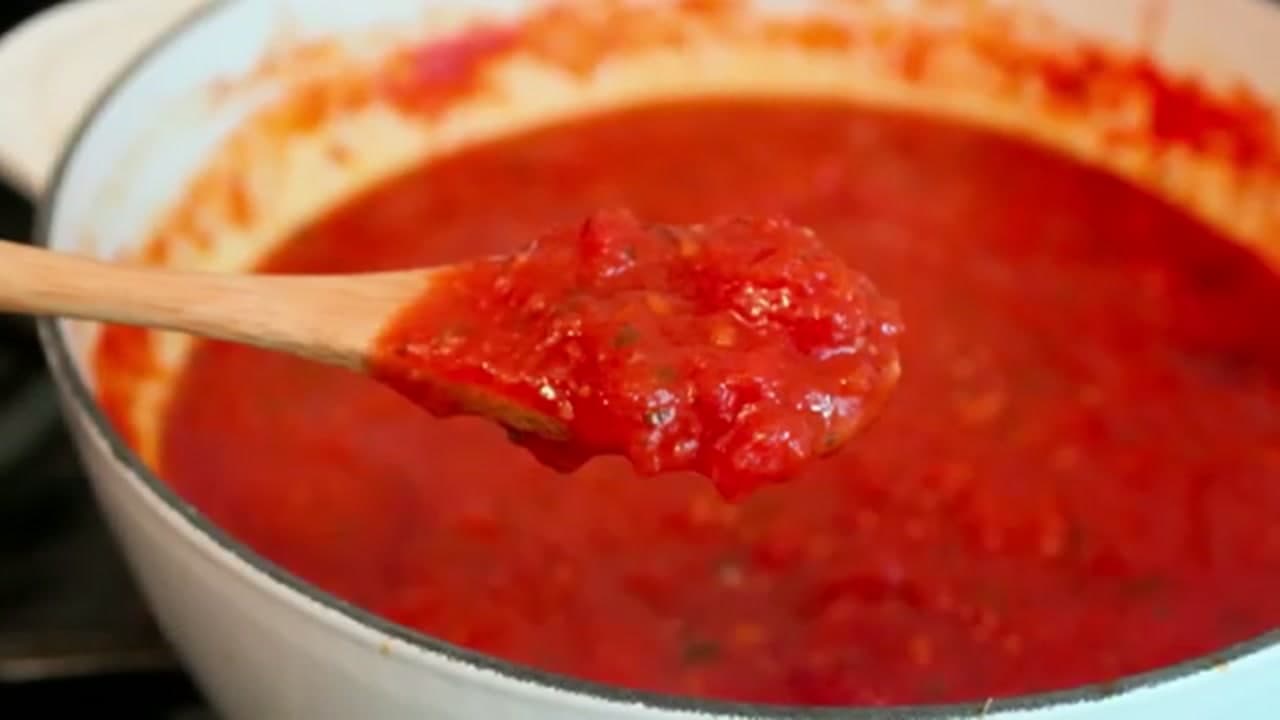
The finished sauce should hold its shape on a wooden spoon. If it slides off like soup, keep simmering with the lid off, and never thin it with water. Then spread it thin: three to four tablespoons covers a 12-inch pizza. A thick layer steams the dough and leaves the middle pale. The homemade pizza dough recipe pairs well with this sauce, and a pizza oven at 800 degrees lets you go thinner still.
Pizza sauce vs marinara
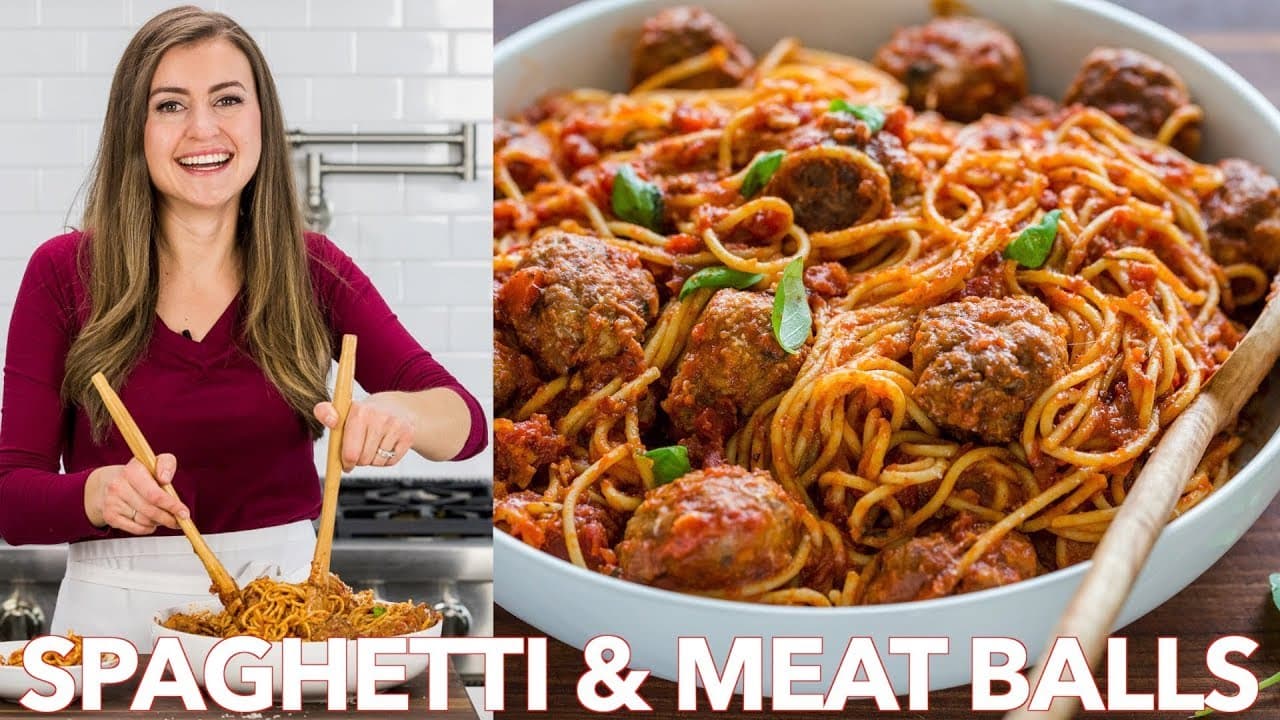
Marinara is looser and cooks for less time. It usually has onion, often basil, and it is built to coat pasta. Pizza sauce is concentrated and seasoned harder, because high heat and melted cheese mute flavors. Marinara on a pizza runs and softens the crust; this sauce on pasta tastes too intense. Cousins, not twins. For the pasta side of the family, see how to make marinara sauce and how to make tomato sauce.
Freezing in portions
Two cups is more than one pizza night needs, so freeze the rest the same day in half-cup portions. A silicone muffin tray works well: fill, freeze solid, then pop the pucks into a freezer bag. It keeps three months frozen and about five days in the fridge. Thaw overnight in the fridge and stir it back together before it goes on the dough, since the oil separates a little.