Candied yams land on every Thanksgiving table in the South, and there are two schools. Baked in the oven under a blanket of marshmallows, or simmered on the stovetop in their own syrup until the rounds go glossy and almost translucent. This is the stovetop version, from Smokin' & Grillin with AB, and it is the one that holds its shine all the way to the table.
Four things carry the dish: butter, two sugars, warm spice, and the juice of an orange. It all happens in one pan, which matters on a day when the oven is already full. The orange is the part people leave out, and it is the part that stops the whole thing tasting like candy.
Yams or sweet potatoes? They are sweet potatoes
What American grocery stores sell as yams are sweet potatoes. The bins say yams, the cans say yams, and a true yam is a starchy West African tuber you will almost never meet in a US produce aisle. That mislabel stuck decades ago and nobody has undone it.
None of that changes the recipe. Buy the orange-fleshed ones, usually sold as garnet or jewel, and you have exactly what the syrup wants. The pale white-fleshed sweet potatoes are drier and less sweet, so they take longer to soften and give you a duller dish. If you want them plain instead, cooking sweet potatoes on their own is a different job.
Canned versus fresh, and what each does to the texture
Canned sweet potatoes arrive already cooked. Drop them into hot syrup and you have maybe five minutes before they slump. Drain them hard, leave the canning liquid behind, and treat the time on the stove as warming rather than cooking.
Fresh is the reason you slice. A raw round wants fifteen to twenty minutes on low heat and comes out with an edge that still bites back. Cut a thin slice off one side so the potato lies flat, keep the rounds the same thickness, and every piece finishes at the same moment. Thick rounds survive a long simmer. Thin ones look elegant for about six minutes, then fall apart.
The marshmallow question
Marshmallows are a topping, not the recipe. If your family expects them, candy the yams on the stovetop as written, move them to a baking dish, scatter mini marshmallows over the top and run it under the broiler for two or three minutes. Watch it. They go from pale to burnt in seconds.
Leave them off and you get a glossier, less sweet dish that tastes more of spice and orange. A lot of Southern cooks will tell you that is the older version. Toasted pecans scattered on at the end do the crunch job without piling on more sugar.
Why the syrup goes watery, and how to pull it back
Sweet potatoes are mostly water and they give it up as they cook. Halfway through the simmer your thick syrup looks thinner than it did at the start. That is the potatoes, not a mistake. The real mistake is adding water at the beginning because the pan looks dry.
If it is still loose once the rounds are tender, lift them out with a slotted spoon and boil the syrup on its own for two or three minutes. It tightens fast. Two other culprits:
- A lid, which traps the steam that needs to leave
- A crowded pan, which does the same thing in a different way
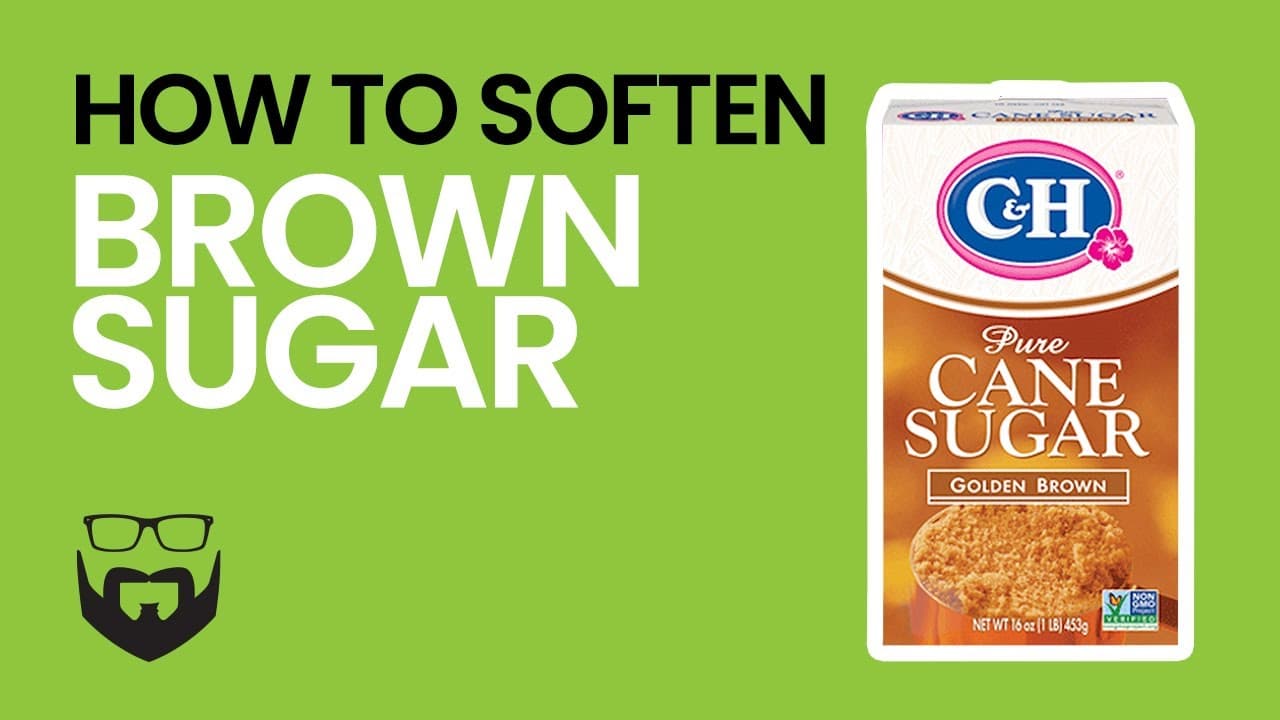
- Hard brown sugar measured loose, so there is less sugar in there than you think - soften the brown sugar and pack the cup
A wide pan in a single layer candies. A deep pan steams.
Making them ahead for a full oven
These reheat better than most sides. Cook them all the way through, cool, cover and refrigerate up to three days. Reheat covered at 325F for twenty minutes, or over low heat on the stove with a splash of water, turning gently. The syrup sets firm in the fridge and loosens again with heat.
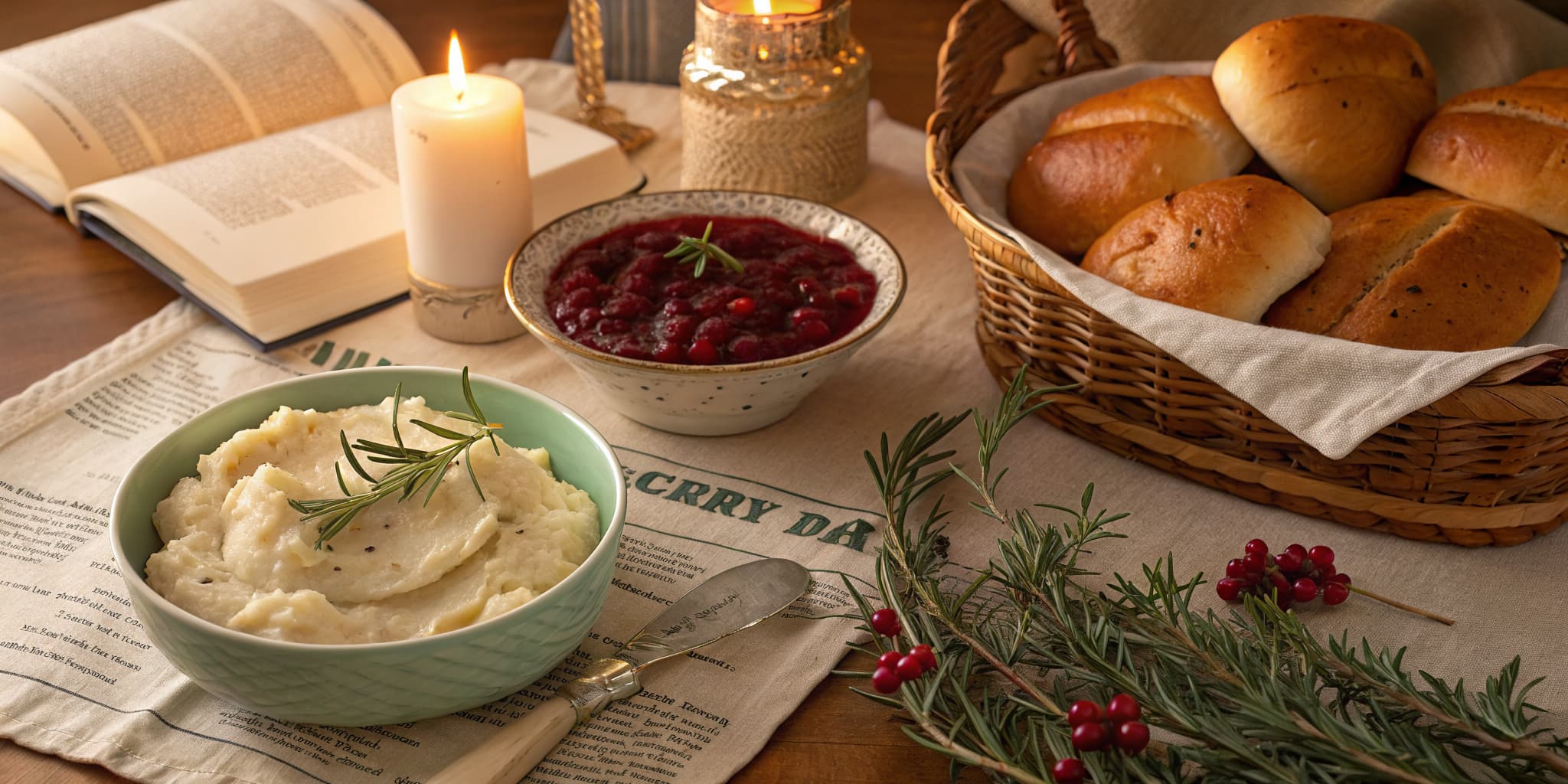
They need salt and fat beside them. Roast turkey, stuffing and green bean casserole hold up the savory end of the plate, and a spoonful of cranberry sauce cuts through the sugar.