Complete guide
Card Making for Beginners: Complete Guide
Updated 2026-07-26 · 5 tutorials
Card making is the perfect entry-level paper craft: low supply cost, fast results, and the finished pieces are useful (every birthday, holiday, and thank-you needs one). The hobby ranges from simple folded blanks to elaborate die-cut, watercolored, embossed pieces. Start at the simple end.
This guide covers the essentials: starter supplies, basic techniques every cardmaker uses, first project ideas, and the FAQ every new cardmaker asks.
1. Essential supplies
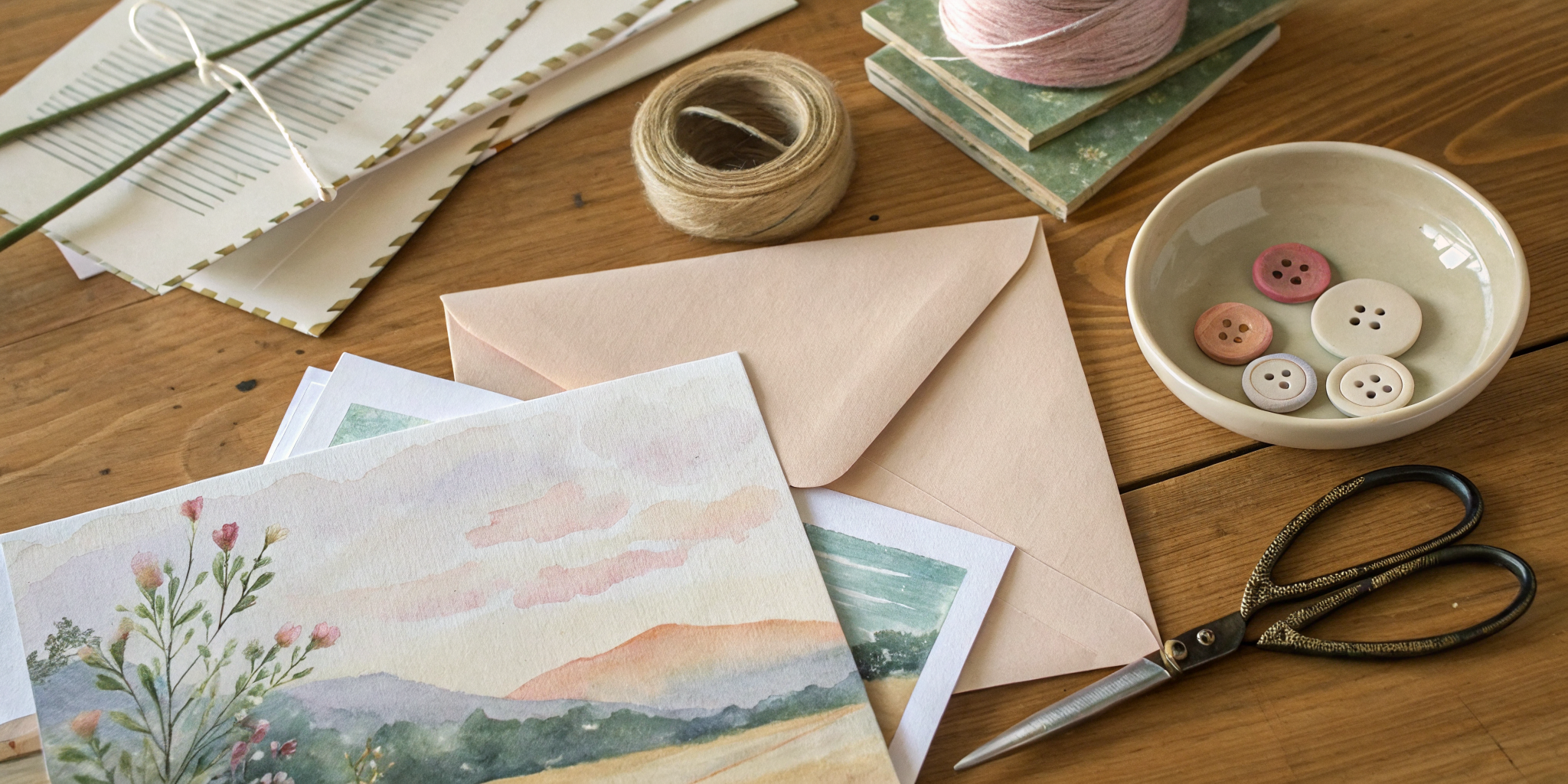
You'll need cardstock, an adhesive, a paper trimmer, a bone folder for crisp scoring, a small starter stamp set, and a few ink pads. That's it.
Our essential card-making supplies guide covers each item in detail, including which ones to defer until you've made your first ten cards.
2. Basic techniques
Four techniques cover most beginner cards:
- Scoring + folding: the foundation of every card. A bone folder against a scoring guide produces a sharp, repeatable fold.
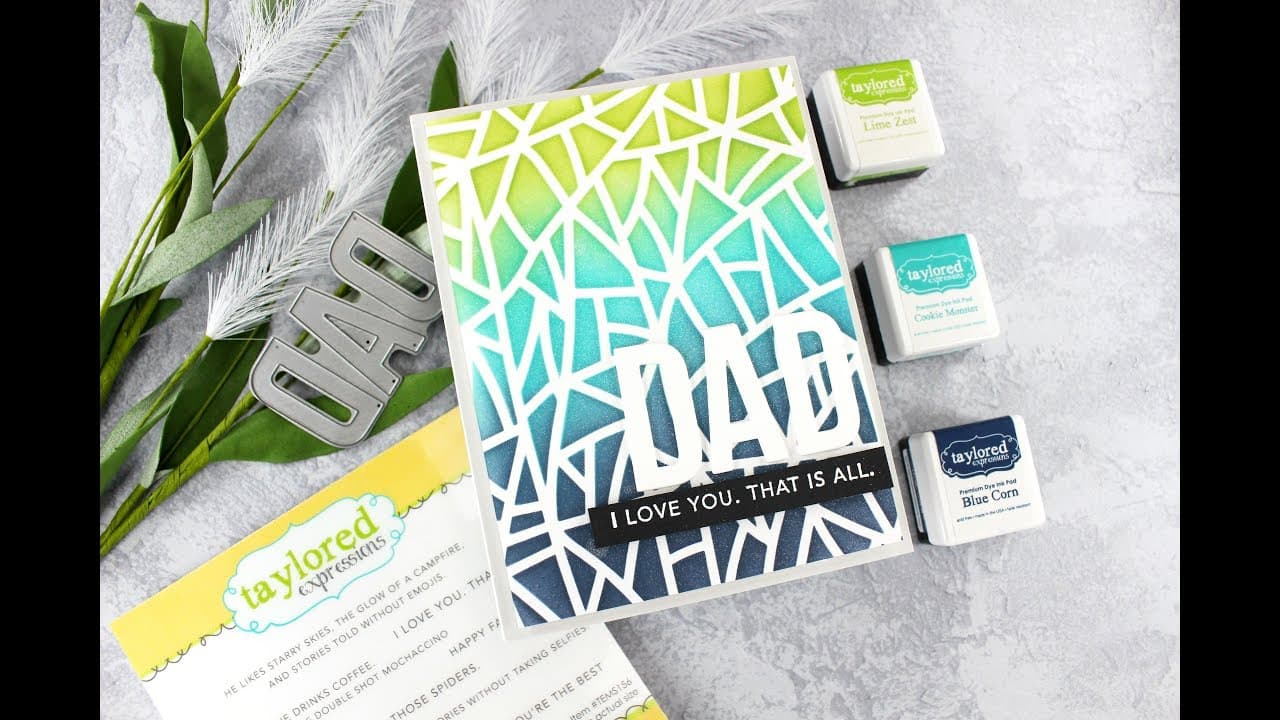
- Stamping: adds quick, consistent design without freehand drawing.
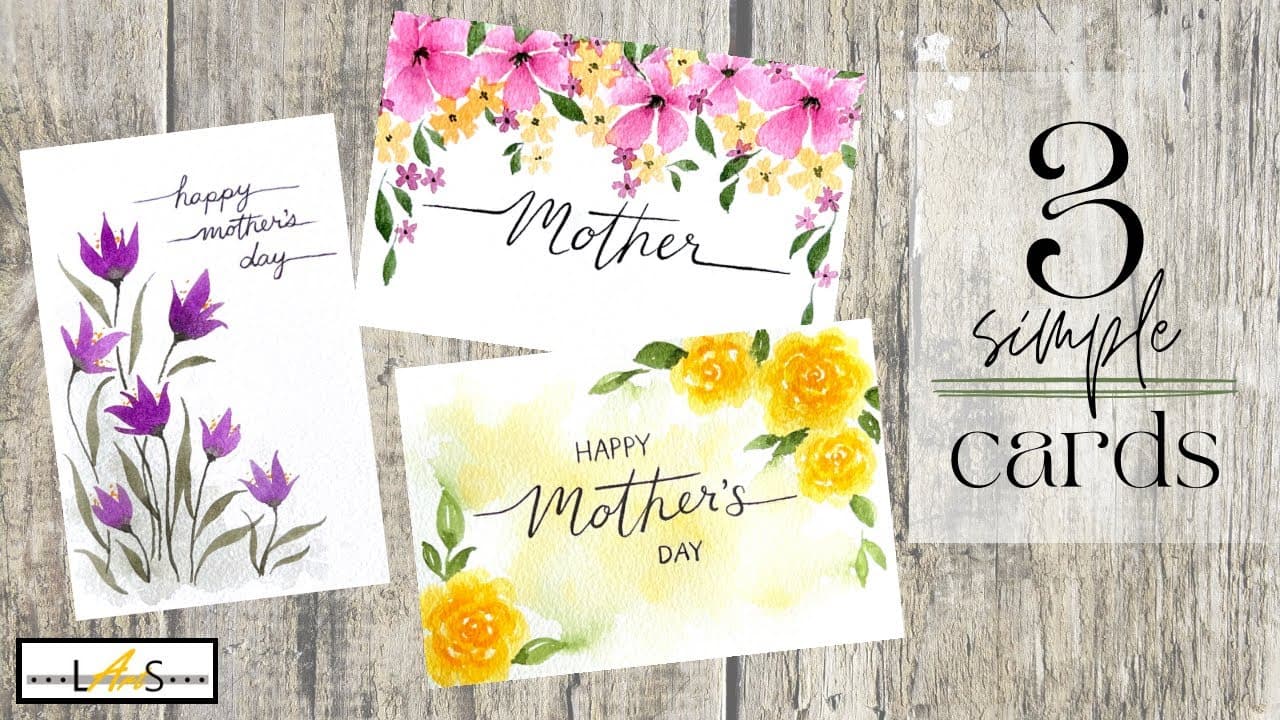
- Watercoloring: adds color and dimension. Aquabrushes (water-loaded brushes) make this beginner-friendly.
- Layering: stacking different cardstock weights and colors creates instant visual interest.
3. First project ideas
Pick a card that uses just one or two techniques:
- A simple folded blank with a stamped sentiment. 5 minutes, looks polished.
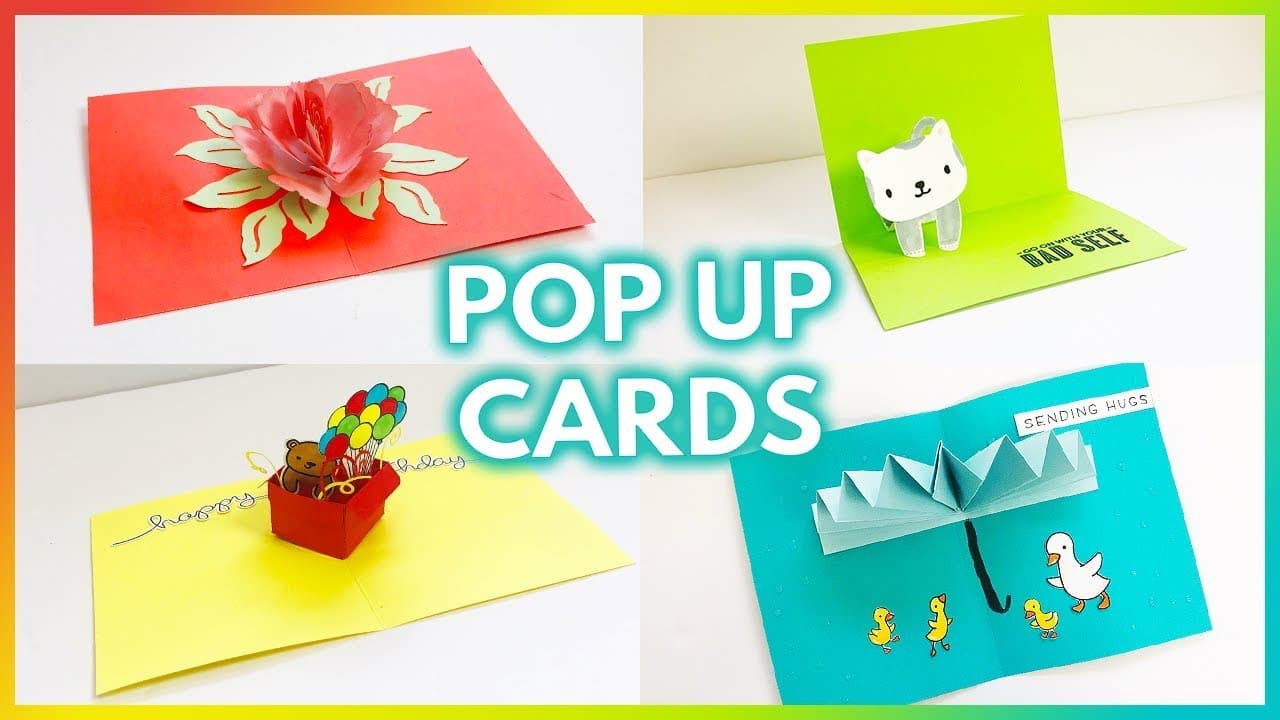
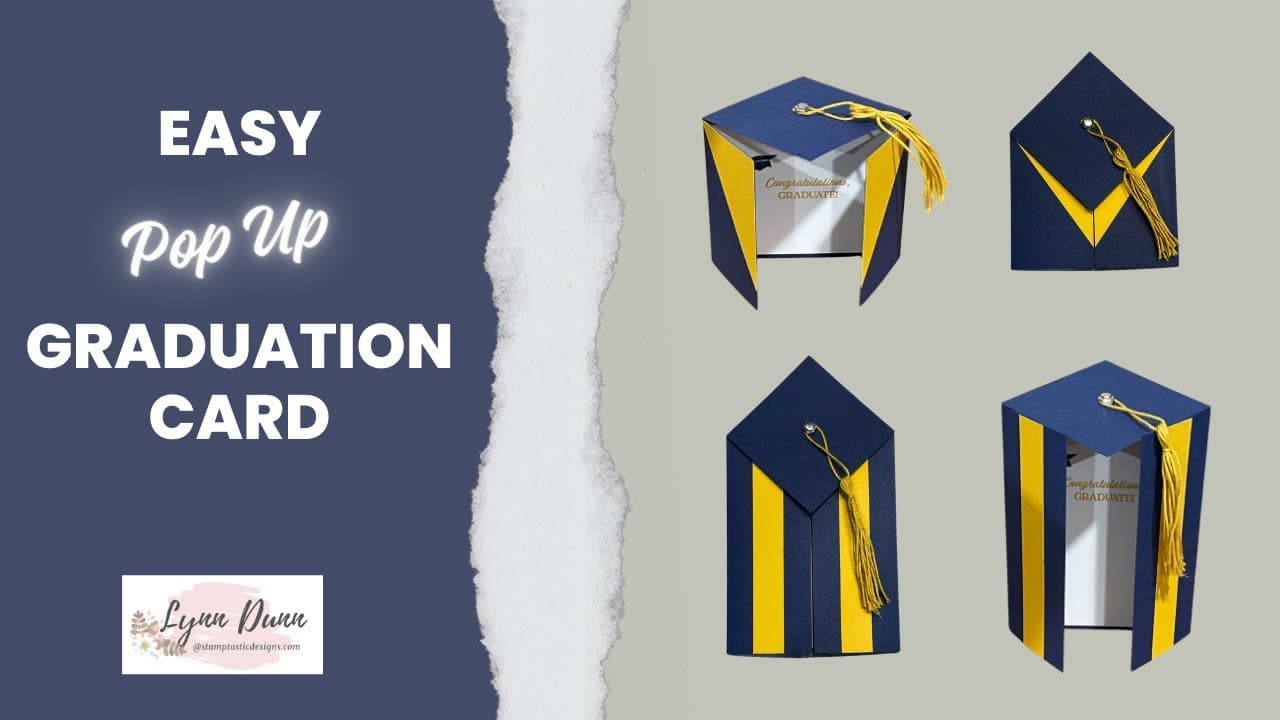
- A pop-up card with an accordion fan: one fold trick produces big visual impact.
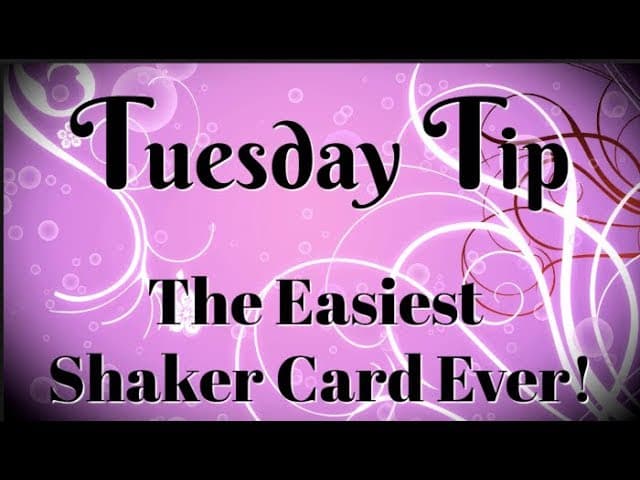
- A shaker card with sequins or glitter behind a clear envelope window. Kids love these.
- A watercolor Mother's Day or birthday card with a bold floral wash.
4. FAQ
What weight cardstock? 80lb or 100lb cover for the card base; 65lb text or lighter for layered/decorated panels. The base needs to stand up; the layers don't.
Adhesive: tape runner, glue, or foam squares? Tape runner for everyday flat layering (fast, no drying). Liquid glue for tiny embellishments. Foam squares for any element you want to pop off the page.
Pigment ink, dye ink, or hybrid? Dye ink is the friendliest starting point: fast-drying, works on any cardstock. Pigment is for embossing. Hybrid splits the difference.
What size is a "standard" card? A2 (4.25" × 5.5") fits a standard 4-bar envelope and is the most common beginner size.