How to Remove Sticker Residue (3 Methods That Actually Work)

AdultingEasy5:185 steps

By ShowMeStepByStepPublished Updated

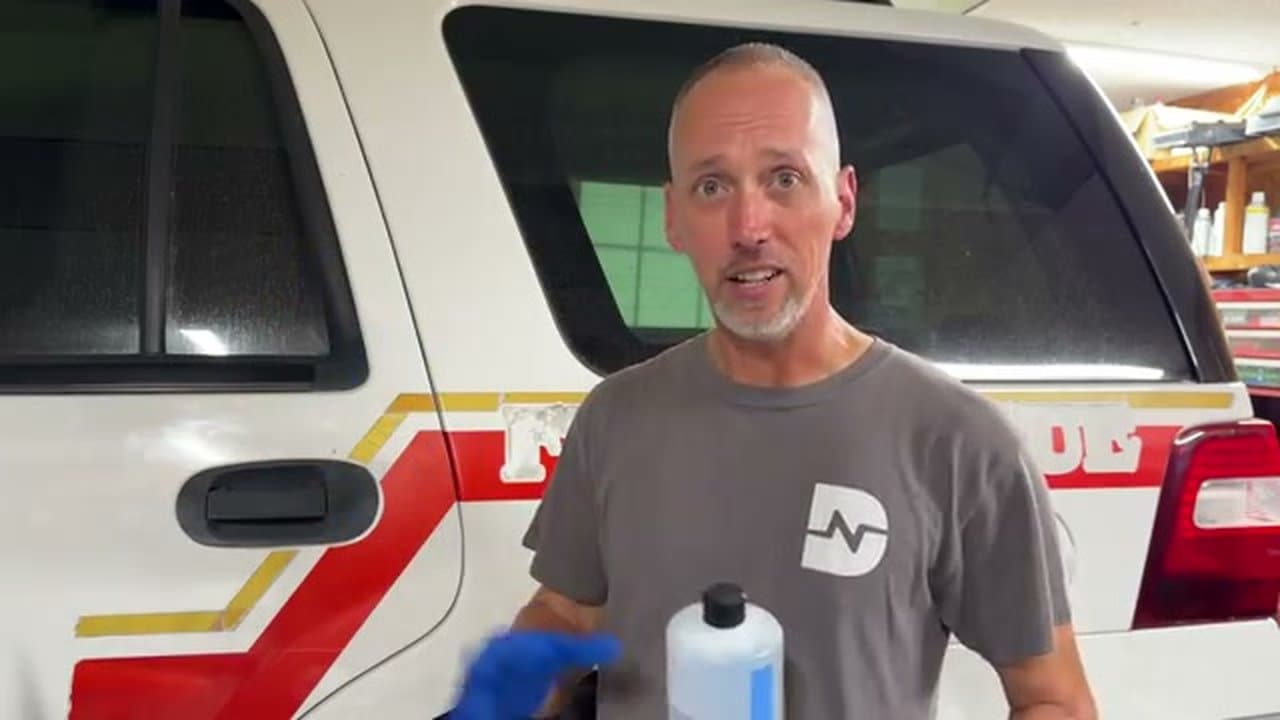
Based on a video by Tool Demos.

Stickers leave behind a layer of dried adhesive that water alone won't touch. The fix is a solvent that dissolves the bond - which sounds technical but really just means picking the right product for the surface and giving it time to work.

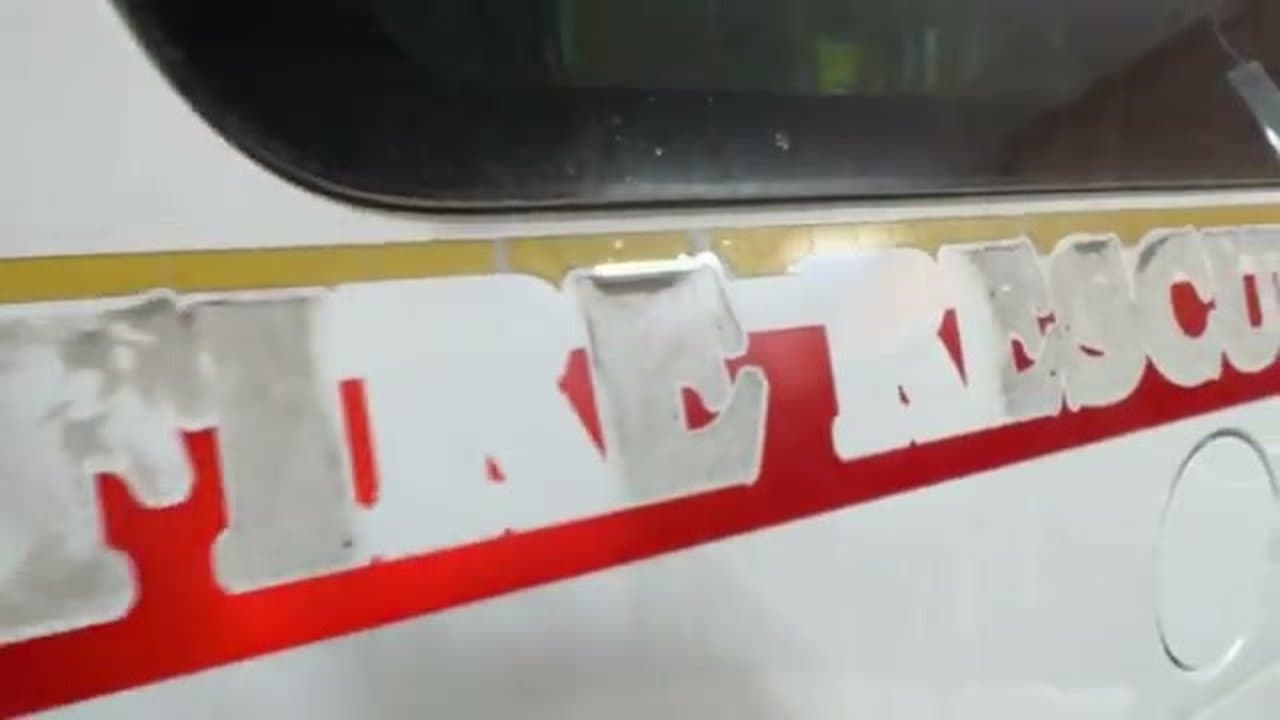
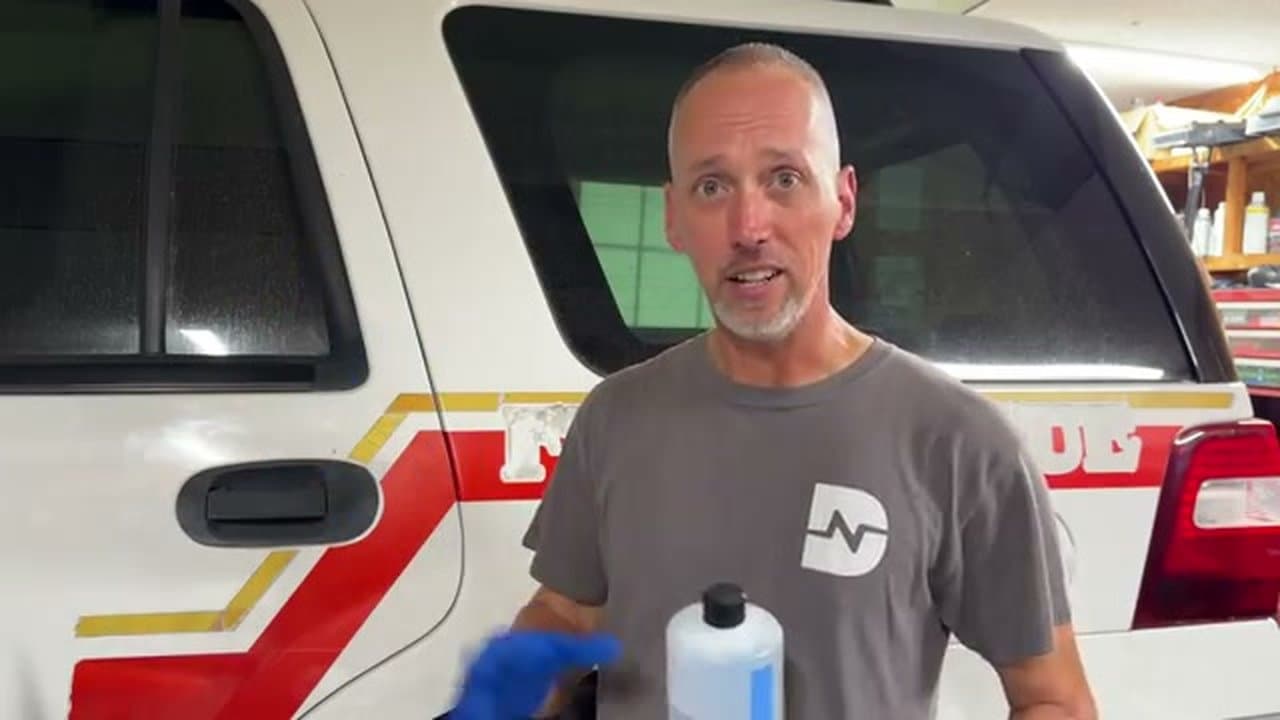
This walkthrough is from Tool Demos on YouTube, where the host pits Goo Gone, isopropyl alcohol, and 3M Adhesive Cleaner against the same vehicle decal residue. The result: all three work, but they vary in price, smell, and how aggressive they are. Goo Gone is the safest first try; 3M is what you reach for when nothing else cuts it.

Test any solvent on a hidden spot first if you're working on a painted surface. Strong removers can lift paint along with the adhesive if you scrub too hard or let them sit too long.

Step-by-Step Guide

1

Choose the Right Remover

0:50
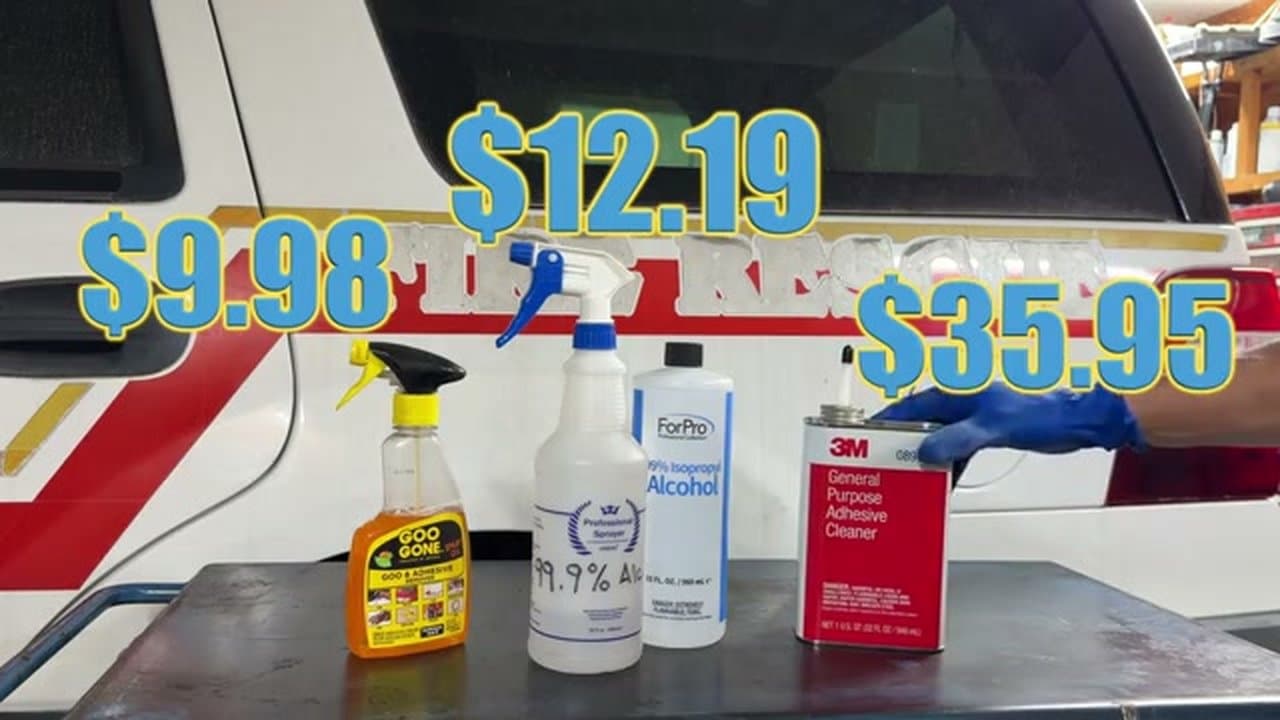
Step 1: Choose the Right Remover

Pick the remover that fits your surface and budget. Goo Gone (about $10) is the gentlest, smells like citrus, and works for most household sticker residue. Isopropyl alcohol (about $10 a quart) is the household standby and dries fast without leaving an oily film. 3M General Purpose Adhesive Cleaner (about $36) is the heavy-duty option for baked-on residue or vehicle decals.

For most jars, electronics, and household items, start with Goo Gone or alcohol. Reserve 3M for the truly stubborn cases.

Tip

Avoid using stronger removers on painted surfaces without testing first. Goo Gone is generally paint-safe; 3M and prolonged alcohol contact can soften the finish.
2

Apply Remover Generously

1:50
Step 2: Apply Remover Generously

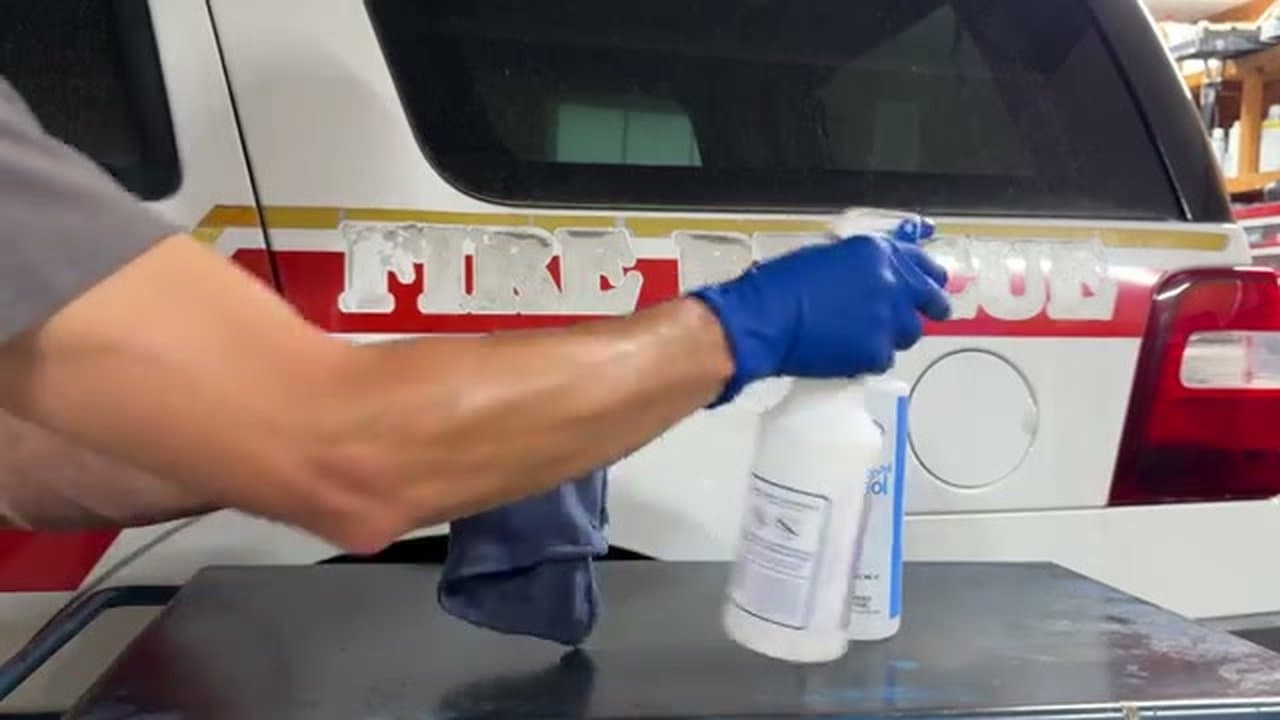
Spray or pour the remover directly onto the residue. Soak the area - this isn't a step to be stingy about. The solvent needs full contact with the adhesive to break the bond.

Let it sit for 30 to 60 seconds. Watch for the residue color to darken or the surface to look glossy with the solvent - that means the solvent is penetrating.

Tip

For vertical surfaces where the spray runs off, soak a microfiber cloth in the remover and press it against the area like a poultice. The cloth holds the solvent in place.

3

Scrub in Tight Circles

2:50
Step 3: Scrub in Tight Circles

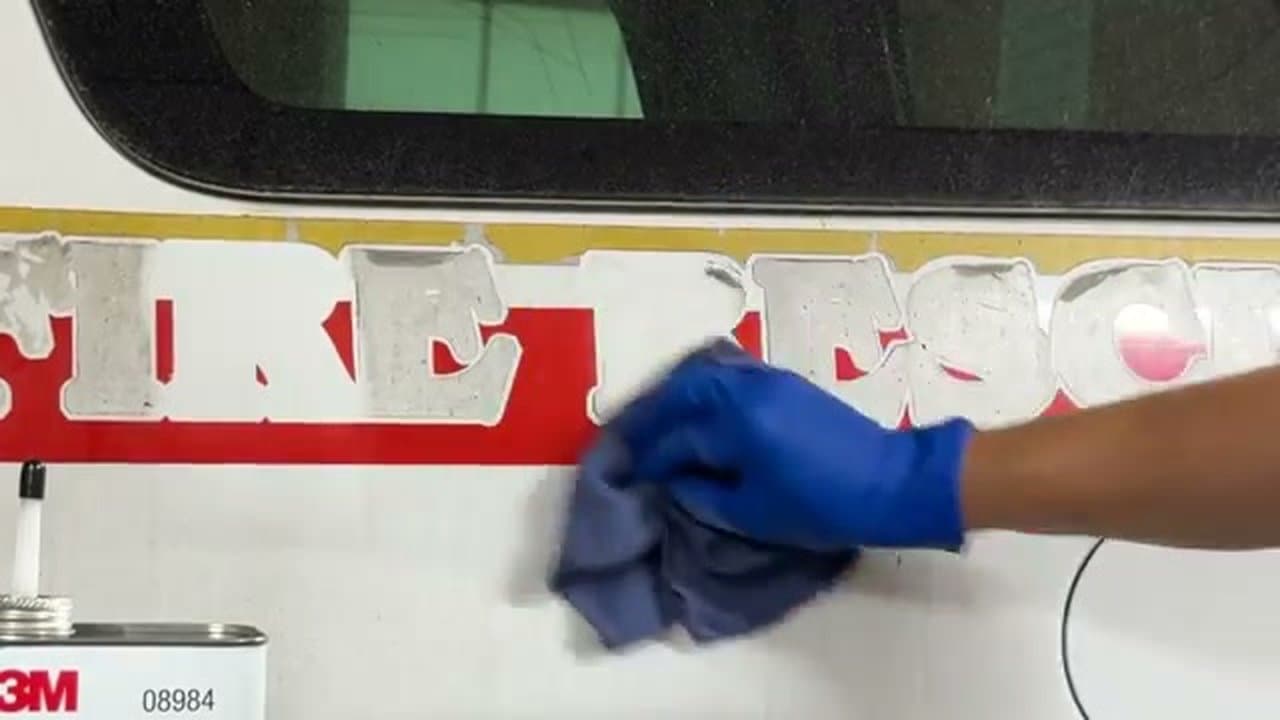
Take a microfiber cloth and scrub in tight circles over the wet residue. The adhesive will start to lift and ball up under the cloth - you can see and feel it coming free.

Re-apply more remover anywhere the surface looks dry before the residue is fully gone. Solvent that dries out stops dissolving.

Tip

Don't use abrasive scrubbers (steel wool, scouring pads) on most surfaces. They scratch glass and damage paint. The microfiber alone is enough once the solvent has done its job.

4

Step Up to a Stronger Remover If Needed

3:50
Step 4: Step Up to a Stronger Remover If Needed

Inspect the surface. If patches of residue remain after Goo Gone or alcohol, switch to 3M Adhesive Cleaner. Spray a small amount onto the cloth (not directly on the surface to avoid runoff), let it sit briefly, and scrub.

Repeat the soak-and-scrub cycle until the surface is completely clean. For vehicle decals or older baked-on residue, expect two or three passes.

Tip

Wear nitrile gloves when working with 3M or extended alcohol exposure. Both can dry out and irritate skin with prolonged contact.

5

Wipe Clean and Inspect

4:50
Step 5: Wipe Clean and Inspect

Wipe the entire area with a clean damp cloth to remove the solvent residue. Then dry with a separate clean cloth.

Inspect under bright light, especially after the surface dries fully - leftover residue often hides while the surface is still wet but shows up clearly once it's dry. Run a fingertip over the area; sticky spots will catch immediately.

Tip

If you cleaned a glass or stainless surface, follow up with a regular glass cleaner for a streak-free finish. Goo Gone in particular leaves a slightly oily film that benefits from a quick second wipe.

Products Used

☐ The Checklist

How to Remove Sticker Residue (3 Methods That Actually Work)

Tools
2
Materials
4
Steps
5
Video
5 min

Your Guide

Tool Demos

As an Amazon Associate we earn from qualifying purchases. Links on this page may be affiliate links - clicking them and buying doesn't change your price, but helps support ShowMeStepByStep.

Tags

Related Tutorials