Rag quilts are the easiest entry point into quilting. No binding, no precise piecing, no ironed seam allowances. Sew everything with seams facing out, snip the edges, throw it in the wash, and the snipped seam allowances bloom into the soft rag finish that gives the quilt its name.
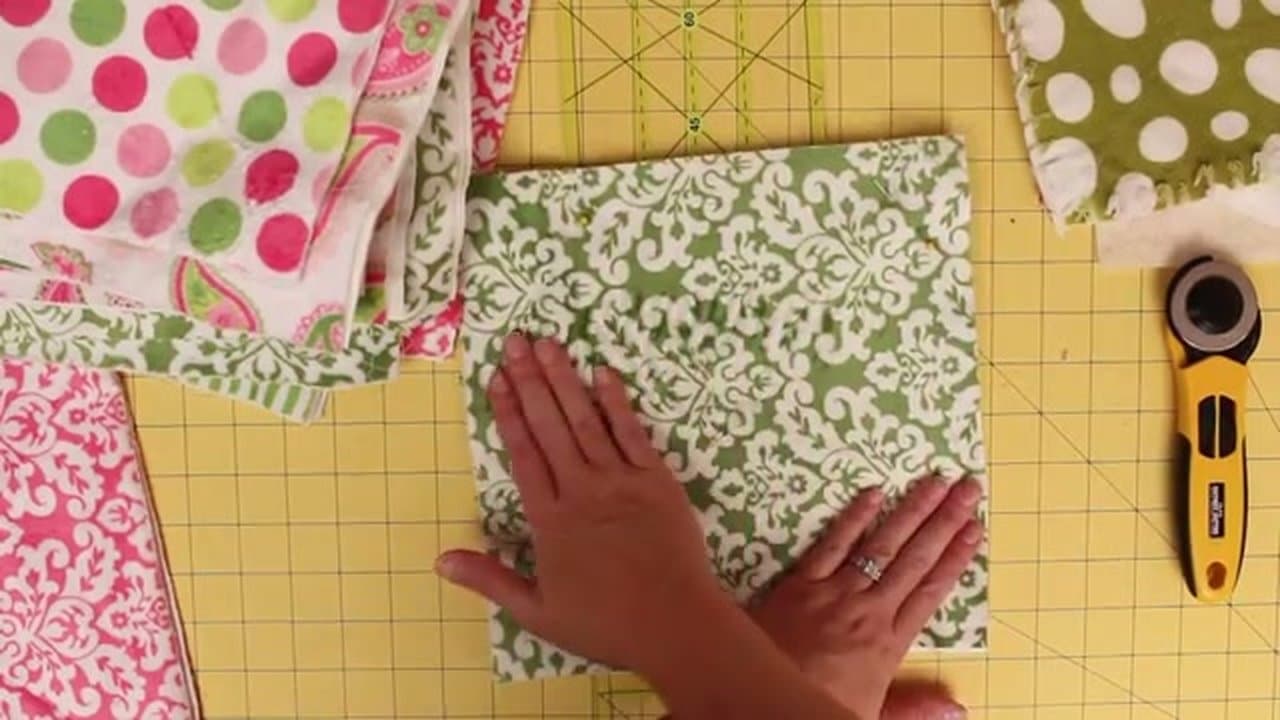
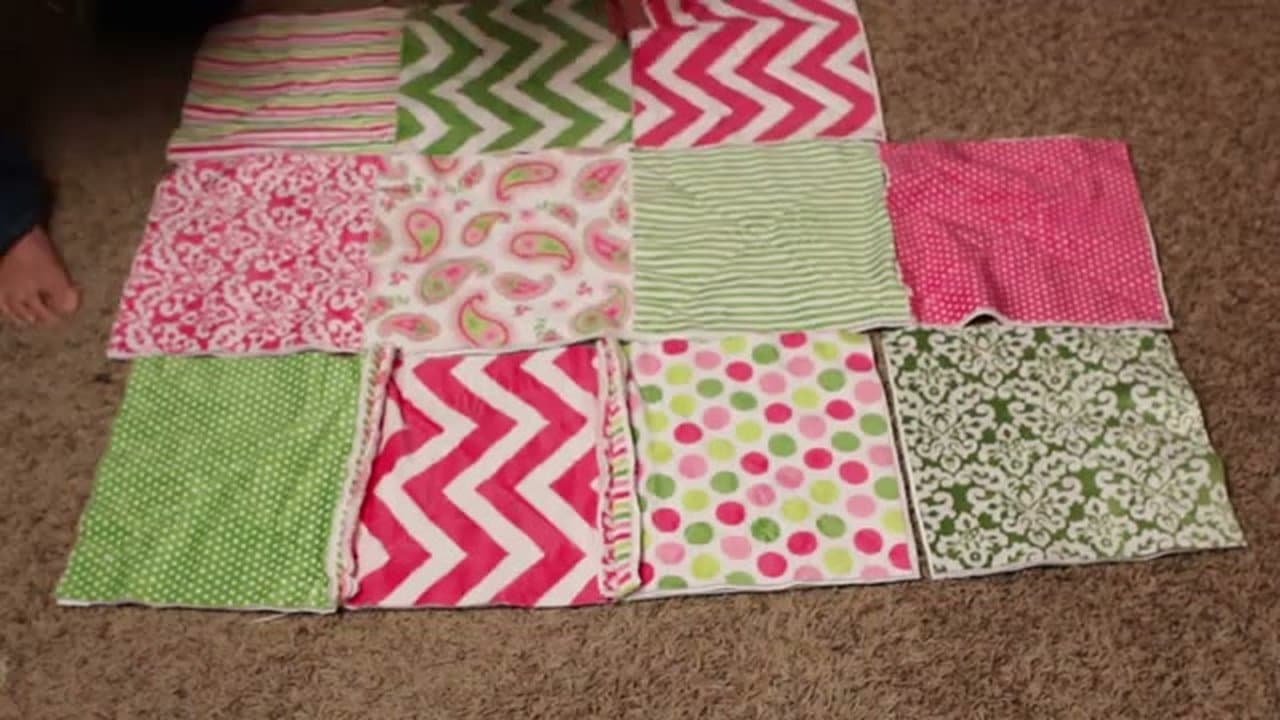
The example uses Shannon Fabrics Cuddle Cakes (precut 10-inch squares of plush minky-style fabric) plus three yards of flannel for the inner batting layers. Two cuddle squares plus two flannel squares make one block, and the example quilt is four blocks wide by five blocks tall (a generous lap size).
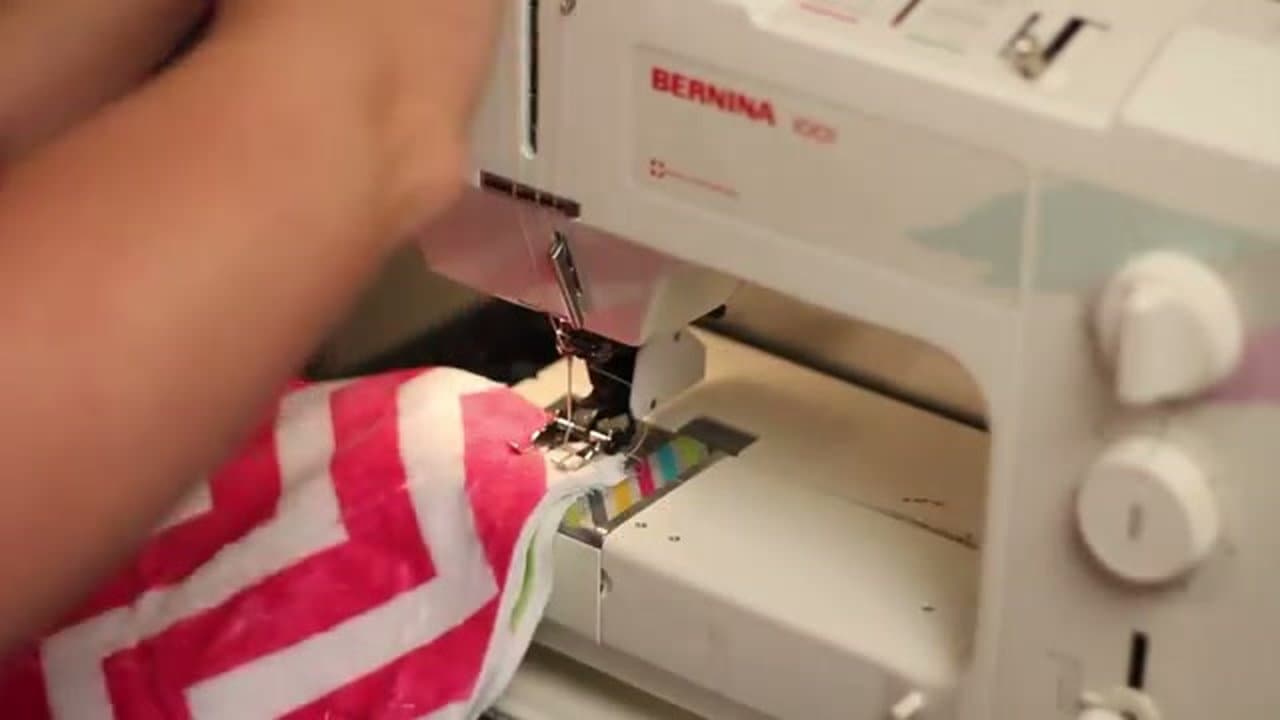
What you need: Shannon Fabrics Cuddle Cakes (2+ packs), three yards of flannel, thread, scissors, ragging shears (optional but speeds up the snipping), rotary cutter with ruler and mat, and a walking foot for your sewing machine.
Credit to Angel at Fleece Fun for the source video.
Choosing fabric for a rag quilt
The fringe only forms on fabric that frays. That rules some things in and some out.
- Flannel is the classic. It frays into a soft fuzz and stays cozy wash after wash.
- Quilting cotton frays more thinly. Pair it with a flannel middle layer for body.
- Minky and cuddle fabrics barely fray, but they shed a fluffy edge and feel great. Use flannel inside, as the video does.
- Denim makes a heavy, rugged rag quilt for a picnic or a truck bed.
Prewash flannel and cotton. Both shrink, and a block that shrinks after sewing will pucker against its neighbors. Minky does not need it. For more on weights and fibers, read how to choose quilting fabric.
Block counts and sizes
With 10-inch squares and a 3/4 inch seam, each block finishes at about 8.5 inches.
| Size | Layout | Blocks | Finished (approx.) |
|---|
| Baby | 4 x 4 | 16 | 34 x 34 in |
| Lap (the video) | 4 x 5 | 20 | 34 x 43 in |
| Throw | 6 x 7 | 42 | 51 x 60 in |
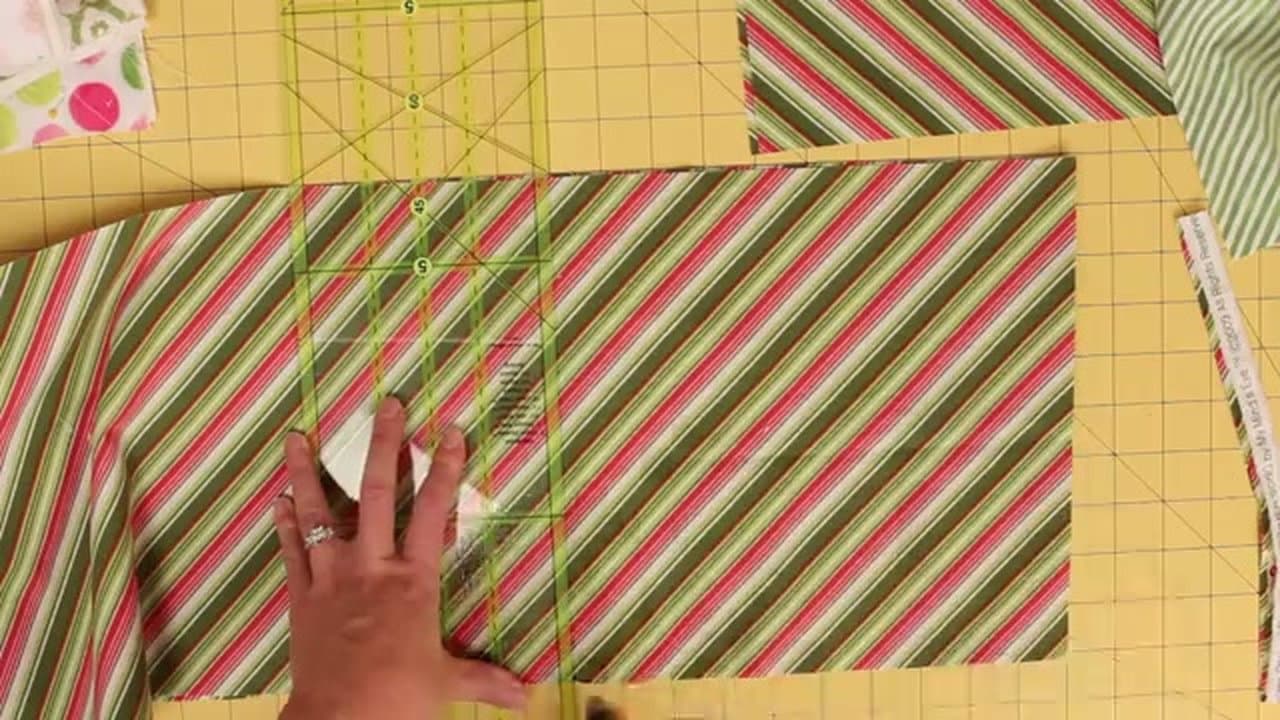
Every block uses two outer squares and one or two inner squares, so count fabric per square, not per block. Accurate cutting matters more than you would think - see how to cut quilt fabric.
Why the seam allowance is so wide
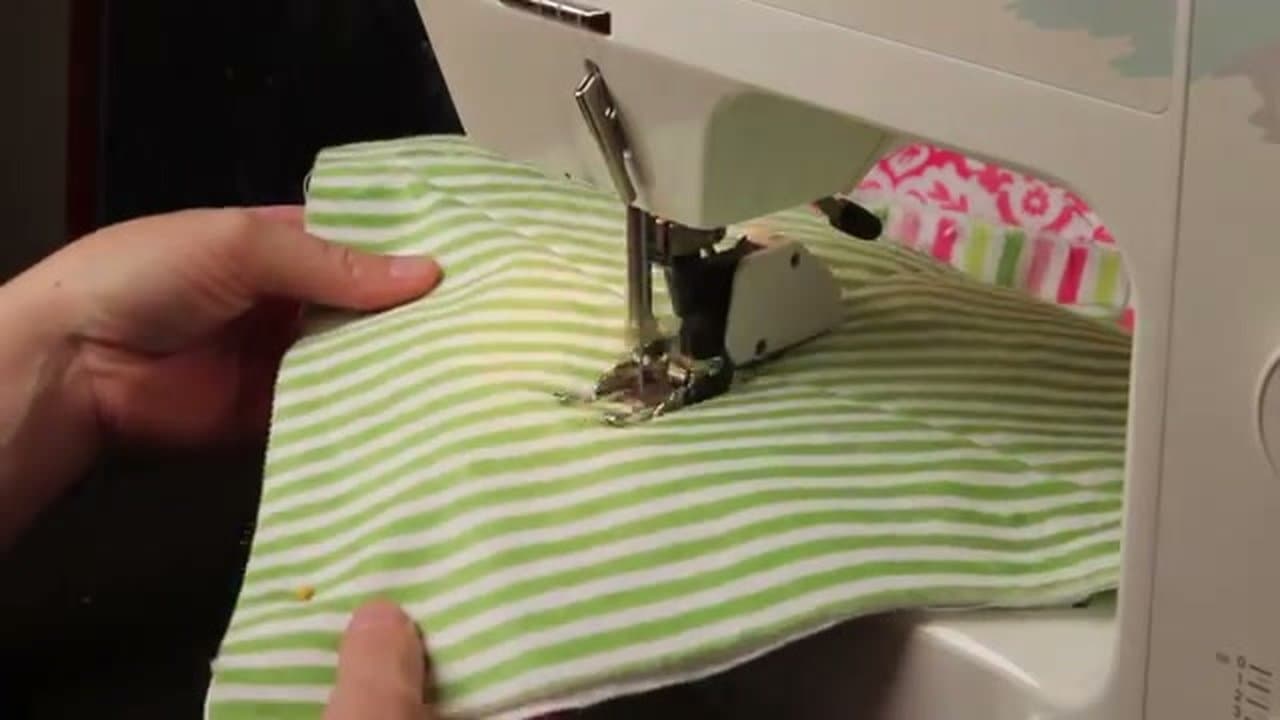
A regular quilt seam is 1/4 inch. Here it is 1/2 to 3/4 inch, because that extra fabric becomes the fringe. Narrower and the rag is skimpy. It can also pull out when you snip close.
Snipping and washing
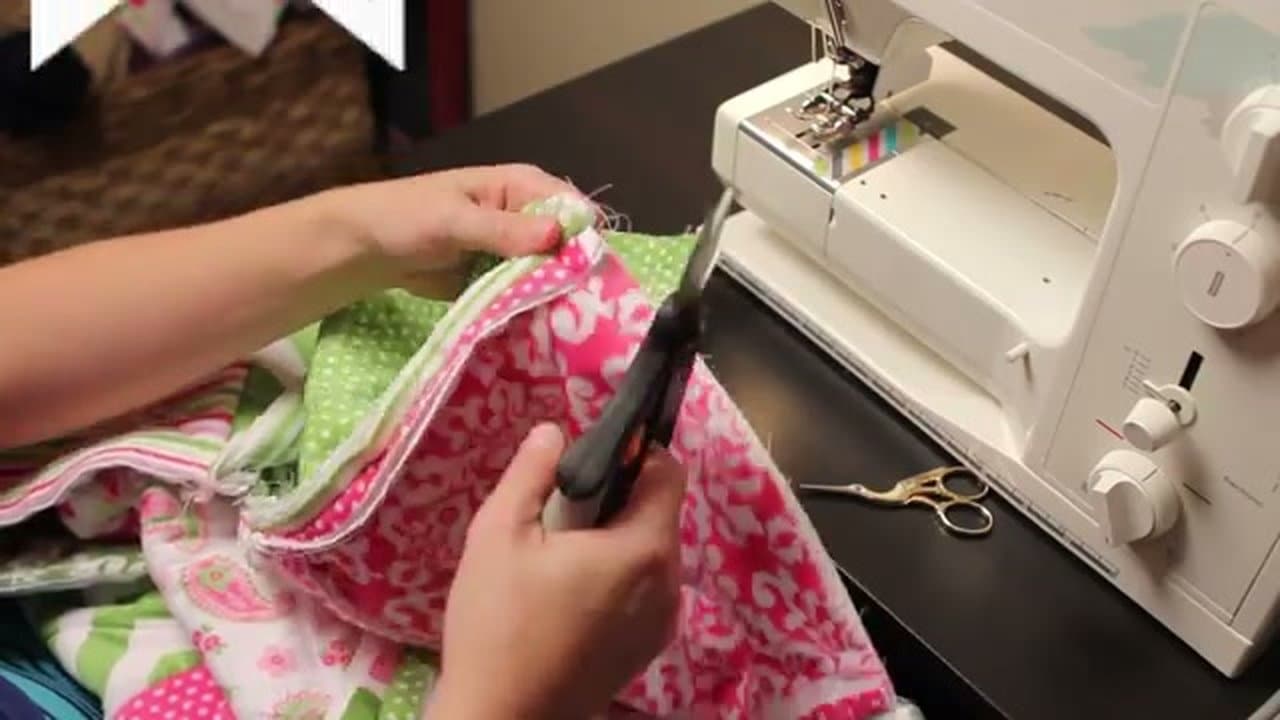
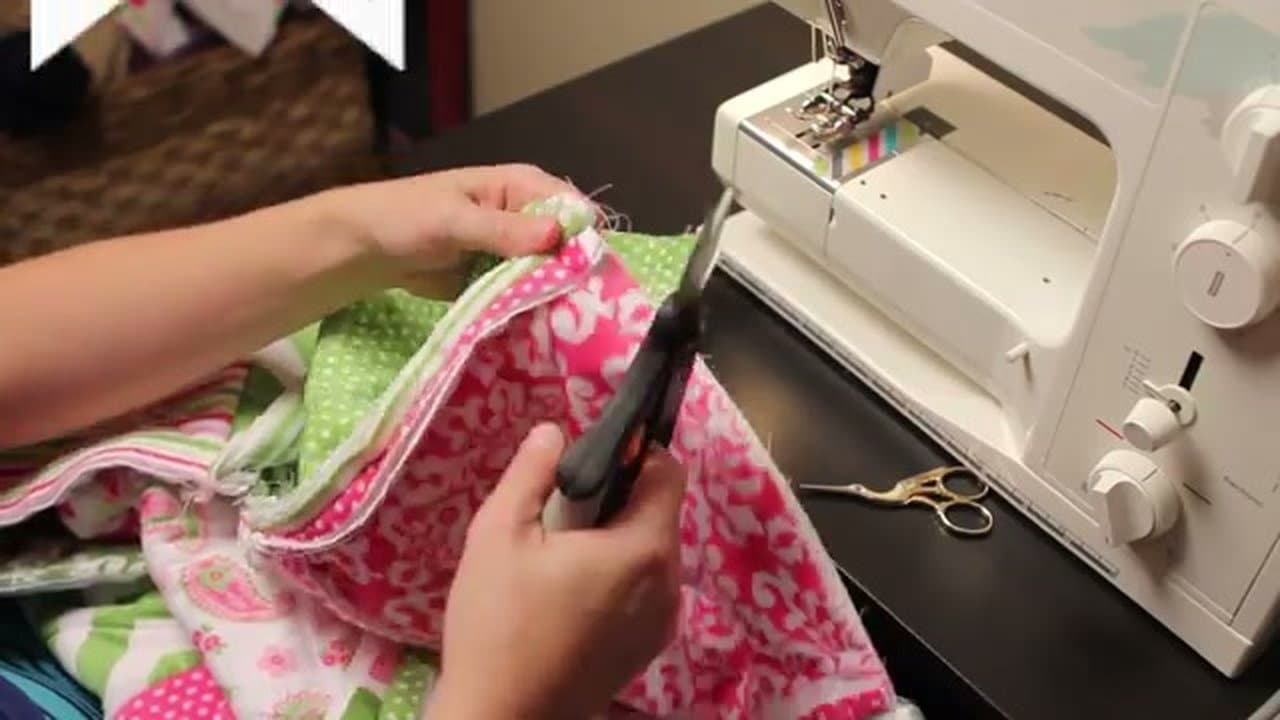
A quilt this size has hundreds of cuts. Spring-loaded ragging shears open on their own, and your hand will thank you after the first row. Snip every 1/4 to 1/2 inch and stop about 1/8 inch from the stitching.
Wash on a normal cycle and dry on medium. The fringe blooms in the dryer. Clean the lint trap halfway through, then again at the end. A new rag quilt sheds a lot, so the first wash should go by itself.
Common mistakes
- Snipping through a seam. It opens a hole. Restitch over it before washing.
- Seams that do not line up. Pin at every block intersection before sewing the rows together.
- Seams on the wrong side. Place blocks back to back, not face to face, so the allowance lands on top.