How to Make a Concrete Planter

CraftsEasy18:3410 stepsBrowse more →

By ShowMeStepByStepPublished

Based on a video by Paradise Builders - Planter Skool.

You don't need a pottery wheel or a fancy mold to make a serious concrete planter. The trick in this build is using a recycled plastic container as a single-use form and wrapping the inside with three layers of cement fabric. The result is light enough that two people can lift it, strong enough for a wheelbarrow of soil, and tough enough to survive a freeze-thaw cycle in the garden.

This walkthrough follows Paradise Builders - Planter Skool, who's perfected the layered fabric technique over years of building large outdoor planters. The full-size build in the video uses about $20 of materials. Scale the same technique down to a tub or a yogurt container and you're at a $5 desk planter that makes a perfect Father's Day gift.

Work outside, wear gloves and a dust mask whenever you handle dry cement, and give yourself two full days before you try to demold. The patience pays off.

Step-by-Step Guide

1

Step 1: Cut Your Cement Fabric Into Squares

2:55
Step 1: Step 1: Cut Your Cement Fabric Into Squares

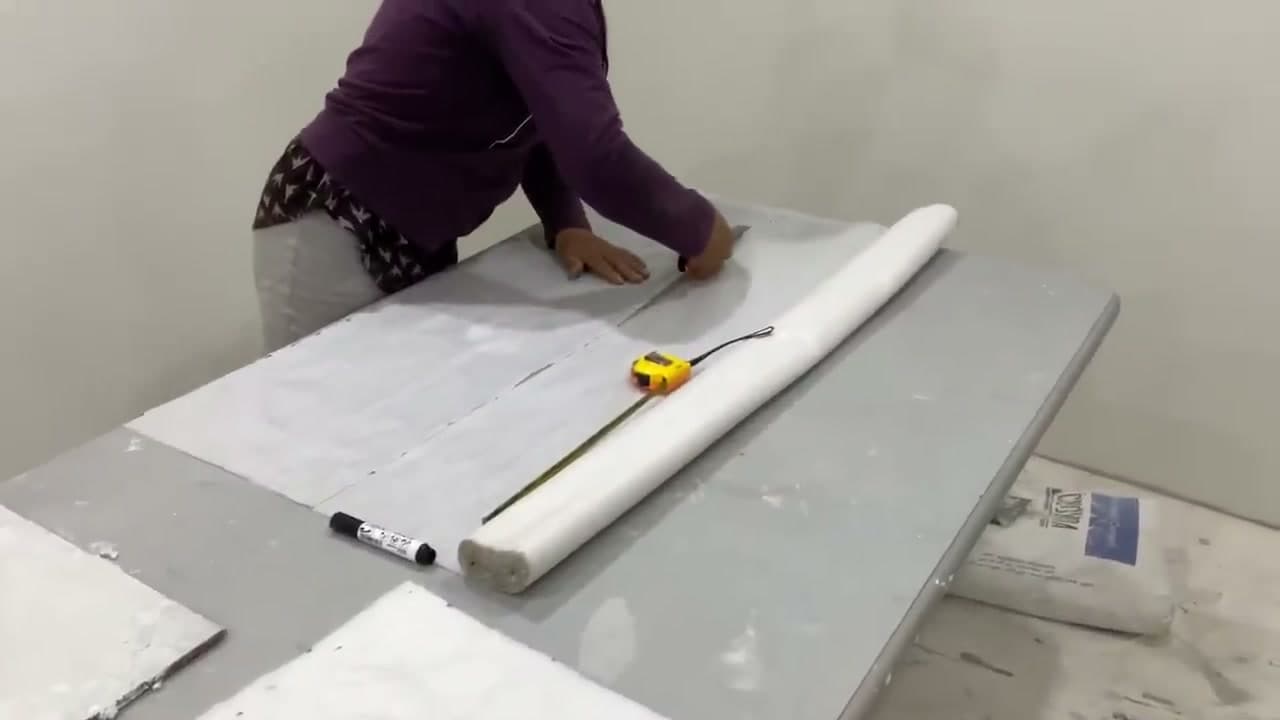
Cut your cement-impregnated fabric into roughly 1 foot by 1 foot squares. For a full-size planter you want about 40 squares; a small desk planter needs maybe 10 to 15. Small squares are far easier to wrap around a curved mold than wrestling with one big sheet.

The fabric is a polypropylene-and-cement composite (Sika is the common brand). Plain landscape fabric works in a pinch, but a true cement fabric gives you the strongest finished planter.

Tip

Lay your squares flat in a stack so they're ready to grab when your hands are covered in wet cement.

2

Step 2: Soap Up the Plastic Container Mold

3:04
Step 2: Step 2: Soap Up the Plastic Container Mold

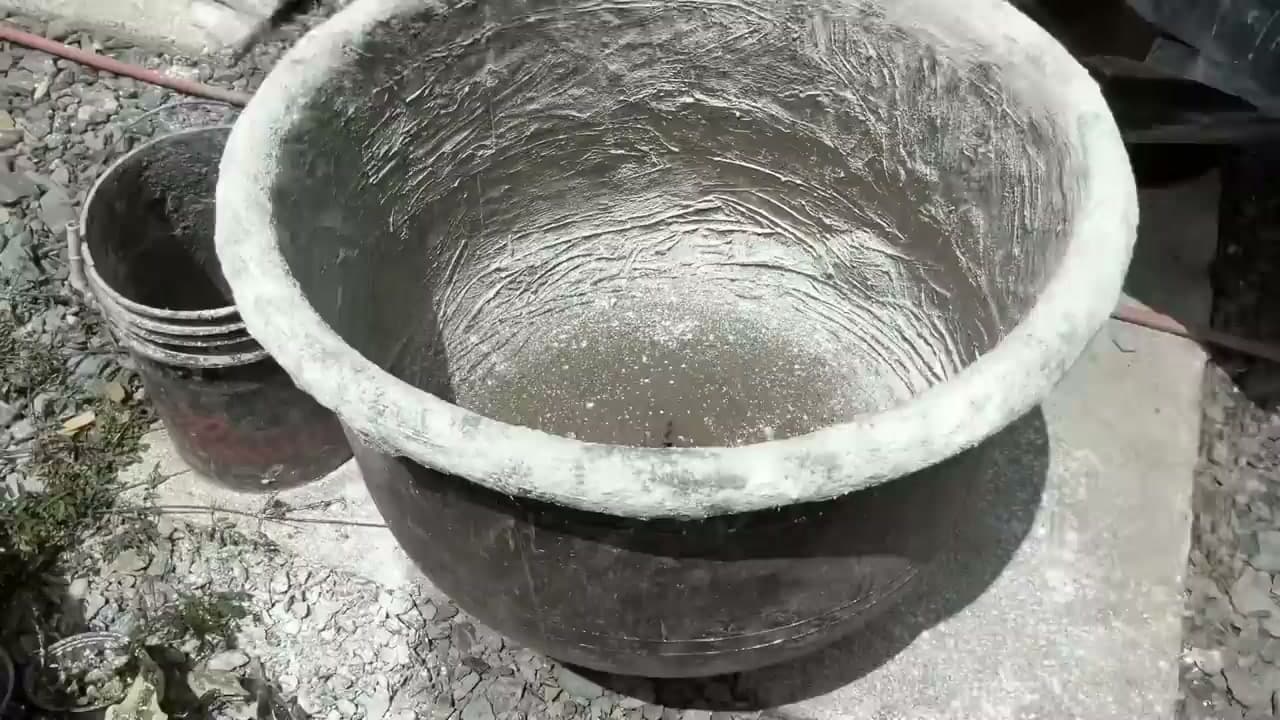
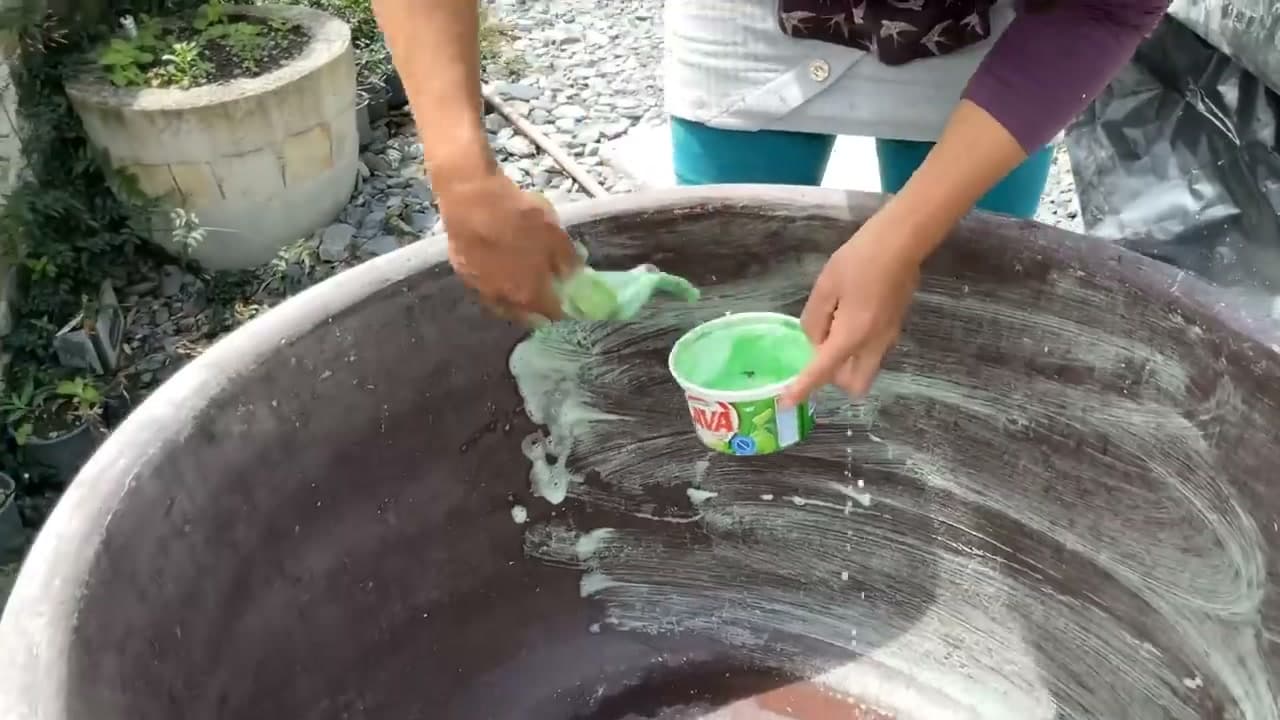
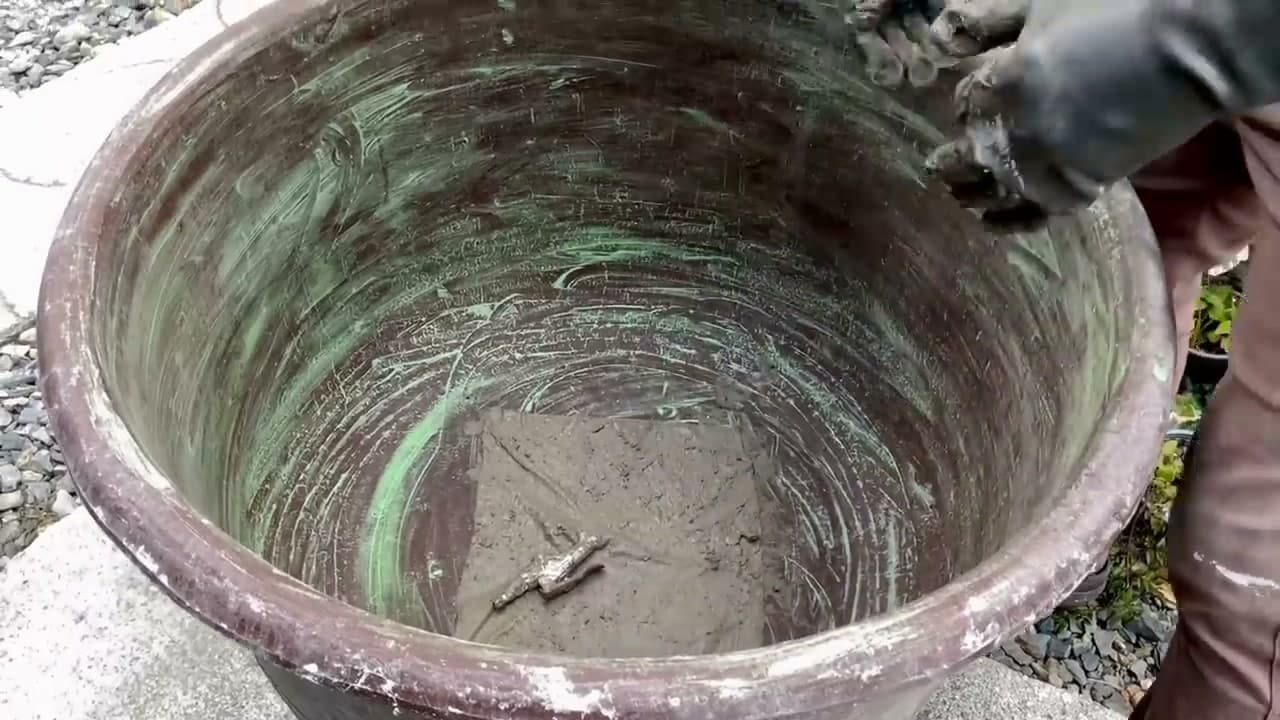
Pick a plastic container with the shape you want your planter to take. A round tub gives you a classic flowerpot profile; a square one gives you a planter box. Whatever you choose, soap up the entire inside surface generously with dish soap.

The soap is your release agent. Without it the cement will bond to the plastic and you'll never get the finished planter out cleanly. Coat every inch, including the bottom corners.

Tip

Wax also works as a release agent if you have it. Don't skip this step - even cheap dish soap is enough.

3

Step 3: Mix Portland Cement and Paste Both Sides of Each Square

5:05
Step 3: Step 3: Mix Portland Cement and Paste Both Sides of Each Square

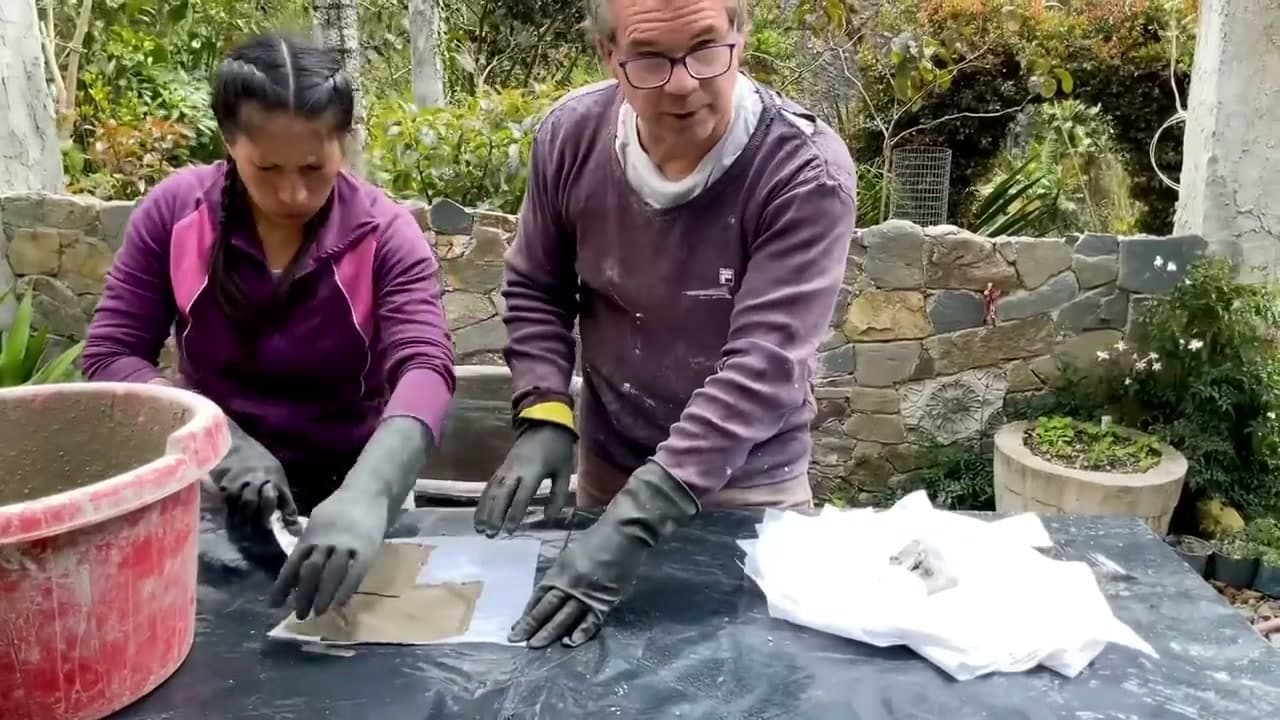
Mix plain Portland cement with water to a thick yogurt consistency. No additives, no modifiers - straight cement is enough. Half a bag will do the whole planter.

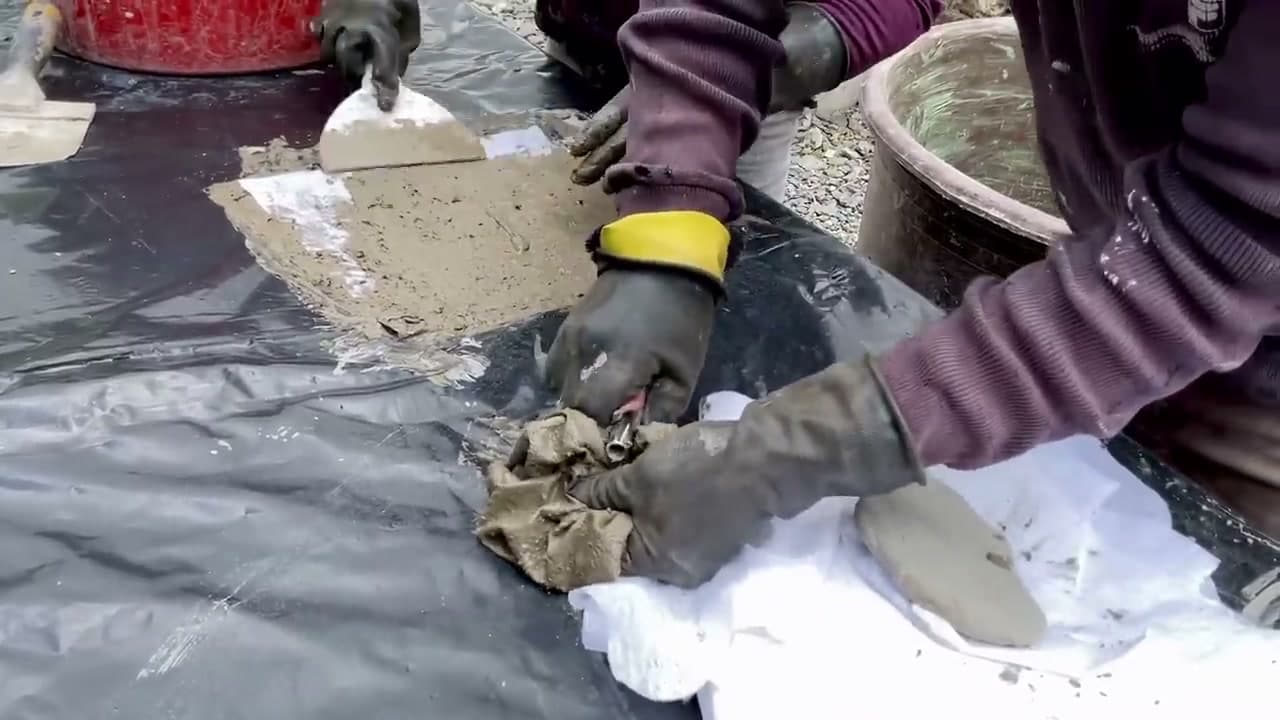
Take a soaked fabric square and use a putty knife to spread cement on both faces. Coating both sides means each layer laminates to the next, which is where the planter gets its strength. The fabric is so absorbent the cement pulls right through.

Tip

Wear gloves. Cement is alkaline and dries skin out fast. A dust mask helps while you're dry-mixing.

4

Step 4: Install an Air-Release Valve

5:50
Step 4: Step 4: Install an Air-Release Valve

Before you start layering fabric into the mold, push a small air fitting (a tire valve or compressor coupling) into a pinched fold of cement-pasted fabric and place it at the bottom inside of the planter. This becomes your demold trick.

Once the planter cures you'll hook a compressor to this valve and blast air between the cured cement and the plastic mold. The pressure pops the planter out cleanly. Skipping this means hours of prying.

Tip

Tape the valve stem so cement doesn't clog the opening. You only need the air channel, not a watertight seal.

5

Step 5: Press the First Fabric Layer Against the Mold

6:12
Step 5: Step 5: Press the First Fabric Layer Against the Mold

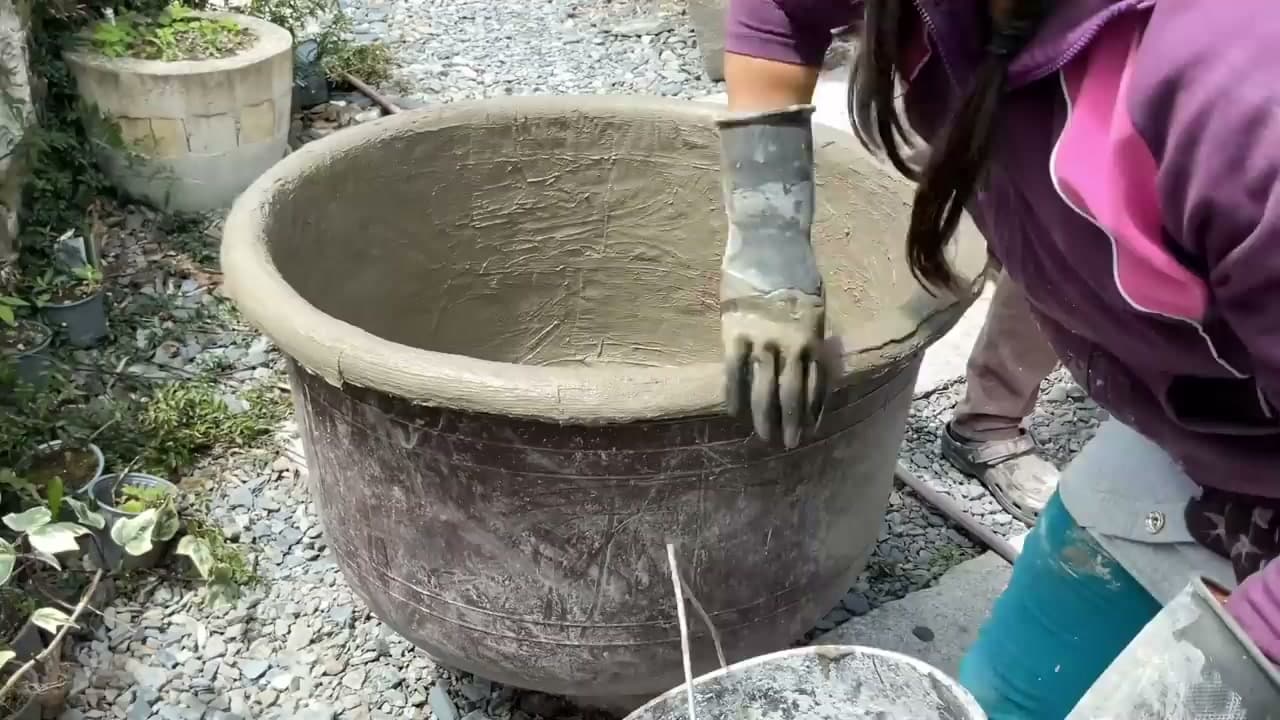
Press your first cement-pasted square against the inside of the soaped plastic container. The cement-rich side faces in, against the plastic - the smoother side - so when you demold, that's the surface that shows.

Smooth it flat with gloved fingers. Overlap each new square by a couple of inches so there are no gaps. Wrap the squares up over the rim of the mold so the planter has a finished edge when you flip it out.

Tip

Push hard. Air bubbles between the fabric and the plastic become weak spots in the finished planter.

6

Step 6: Push Out Every Trapped Air Bubble

8:33
Step 6: Step 6: Push Out Every Trapped Air Bubble

Work your way around the inside of the mold, smoothing every seam with your hands. Press from the center of each square outward to drive trapped air toward the edge where it can escape.

You're looking for a fully covered surface with no white fabric showing through, no lifted corners, and no bubbles popping under the cement. Take five extra minutes here - it's the difference between a planter that lasts five winters and one that cracks in the first frost.

Tip

A small roller or the back of a spoon helps in tight corners where your fingers won't reach.

7

Step 7: Add a Second and Third Layer

11:04
Step 7: Step 7: Add a Second and Third Layer

Repeat the same paste-and-press process for two more layers. Three layers is the sweet spot for a strong, lightweight planter. Stagger your seams so no two layers crack along the same line.

The layered fabric works exactly like a plaster cast on a broken arm - thin, light, but rigid once it cures. A round planter gets bonus strength because the pressure of the soil pushes equally against every part of the wall.

Tip

Don't rush between layers. Each one needs a few minutes to firm up before you press the next one down hard.

8

Step 8: Paste Leftover Cement Across the Entire Inside

13:41
Step 8: Step 8: Paste Leftover Cement Across the Entire Inside

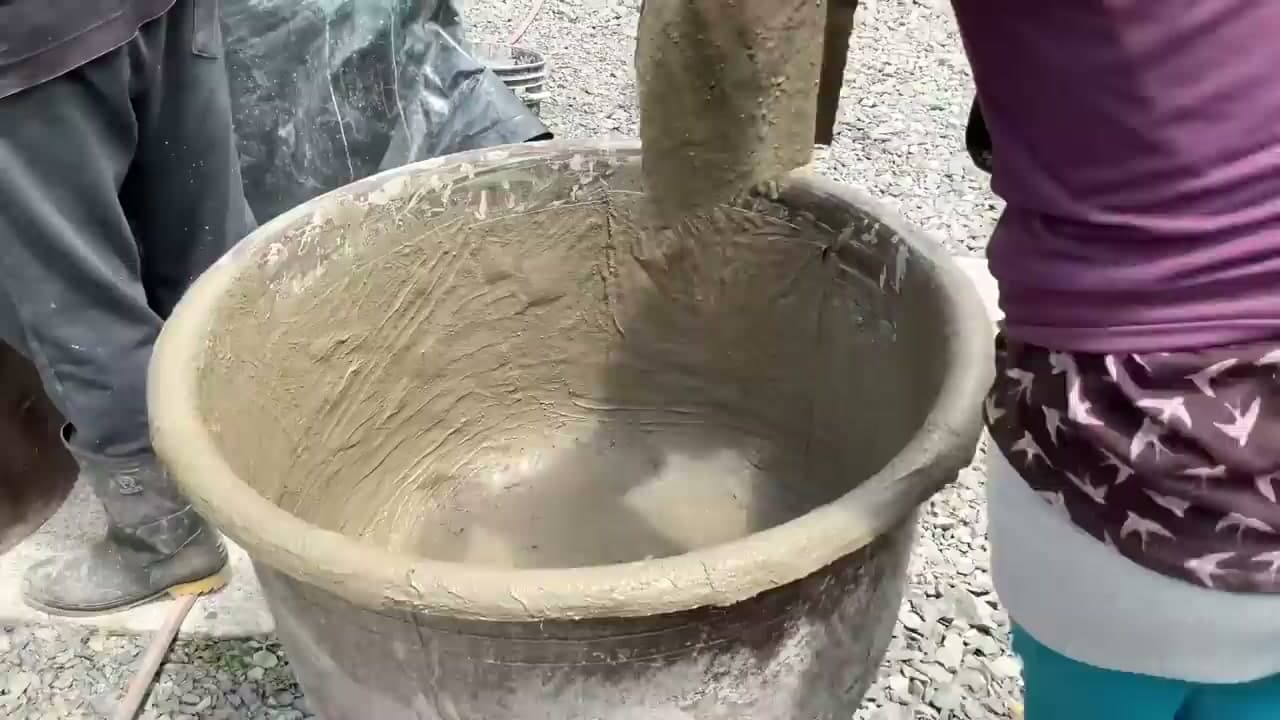
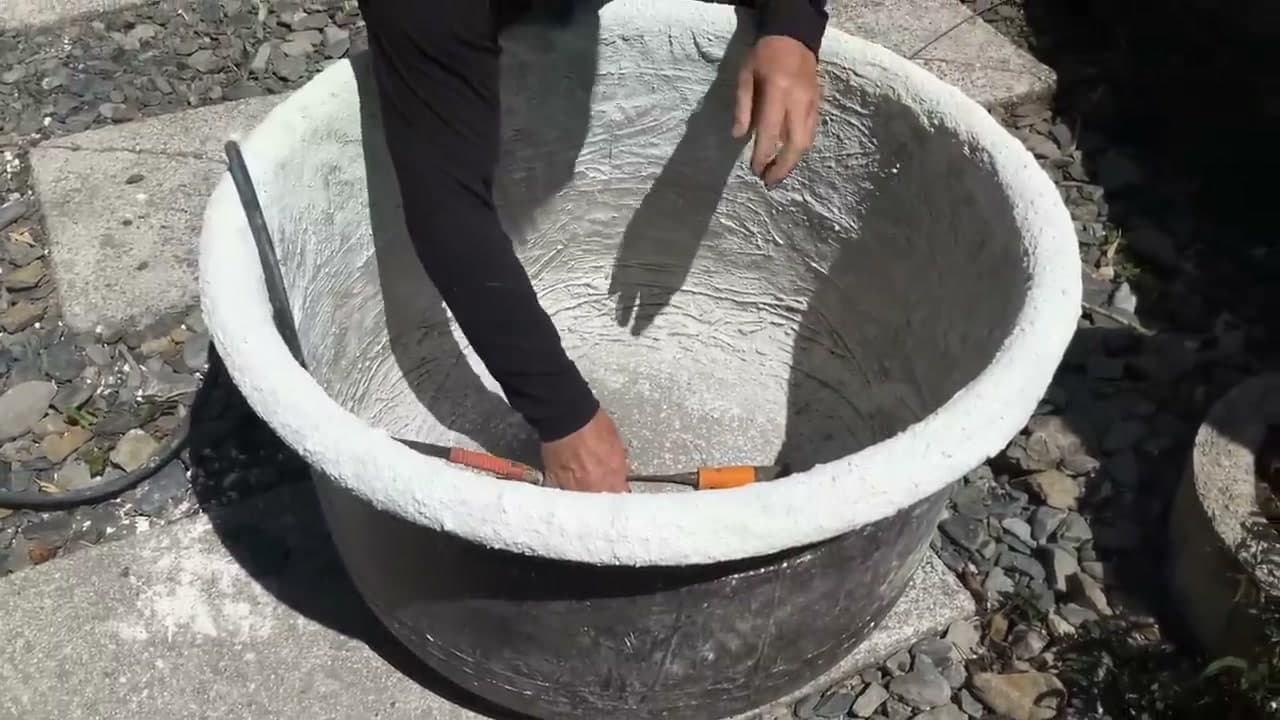
Take whatever cement you have left in your bucket and paste it across the inside surface of the planter in one final coat. This seals any white fabric showing through, hides the seam lines, and adds a strength layer that catches any spot you missed.

Use the putty knife to push the cement into every fold and corner. Look for tiny air pockets where the cement skin lifts and press them flat. Nothing has to go to waste - leftover cement is exactly what this coat is for.

Tip

Spray a light mist of water if the cement is drying too fast in the bucket. Workable cement spreads better than crumbly cement.

9

Step 9: Finish the Rim With White Portland

15:35
Step 9: Step 9: Finish the Rim With White Portland

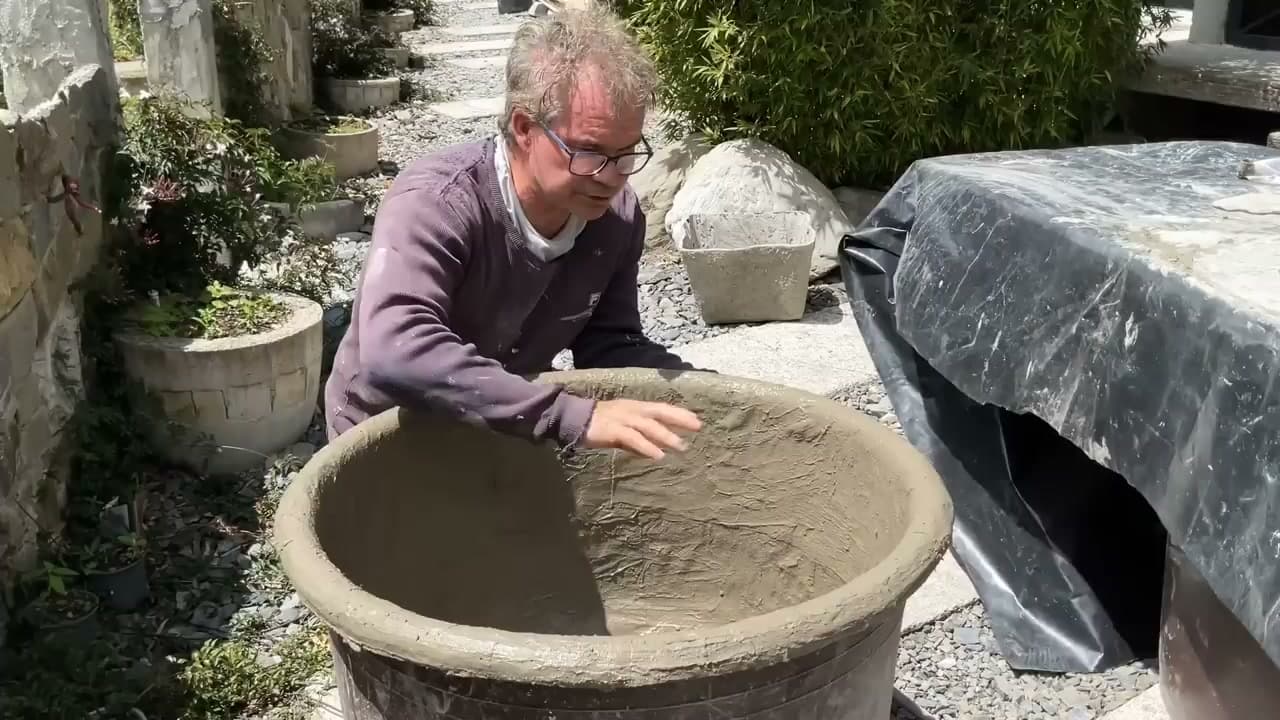
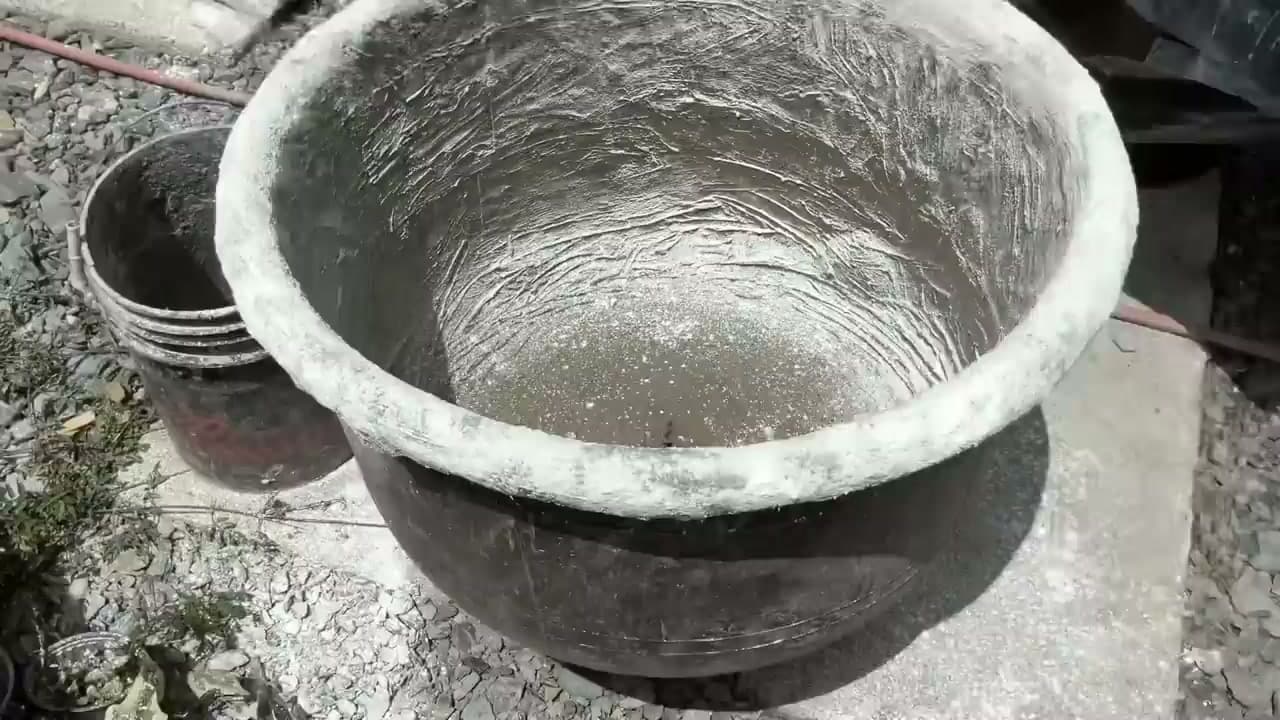
While the cement is still workable, mix a small batch of white Portland cement and shape a smooth band around the top edge of the planter. White Portland sticks like crazy to the wet base layer and gives you a clean, decorative rim.

Bring the rim inward an inch or so. When you fill the planter with soil later, that lip keeps the dirt from spilling over the very top edge. Smooth the lines with wet fingers until it looks like a single curved band.

Tip

White Portland cures harder and lighter than grey. It's worth buying the small bag for the finished look alone.

10

Step 10: Cure Two Days, Then Pop It Out With Air

16:30
Step 10: Step 10: Cure Two Days, Then Pop It Out With Air

Cover the mold loosely with plastic and let the planter cure undisturbed for two full days. Cement hardens slowly, and rushing this step means cracked walls or a stuck planter.

When it's dry, hook your air compressor to the release valve and fire a steady blast of air between the cement and the plastic. The planter lifts straight out. Sand any rough spots, seal the outside with an exterior sealant, drop in a drainage layer and soil, and plant it up.

Tip

If the planter doesn't release on the first try, add water around the rim to break the surface tension between the cement and the soap film.

Products Used

☐ The Checklist

How to Make a Concrete Planter

Tools
7
Materials
6
Steps
10
Video
19 min

Your Guide

Paradise Builders - Planter Skool

As an Amazon Associate we earn from qualifying purchases. Links on this page may be affiliate links - clicking them and buying doesn't change your price, but helps support ShowMeStepByStep.

Tags

What's next

Weekly Digest

Liked this crafts tutorial?

Pick the categories you want to hear about. Weekly digest of new step-by-step tutorials. No spam, easy unsubscribe.

Send me tutorials about

We only email about new tutorials. Easy unsubscribe anytime.